
Cureka — Your guide for a better living!
Cart
INDIA'S 1ST PREVENTIVE HEALTHCARE STORE – CURATED BY DOCTORS!|

Total Hip Replacement

Dr. Hema Sathish, Dermatologist

Medically Reviewed By

Dr. Hema Sathish, M.B.B.S., D.D (UK)

Dermatologist • Founder of Cureka

Reviewed for medical accuracy and evidence-based information

When all modalities of treatment such as physiotherapy, exercise, medicines do not give any pain relief , then a total hip replacement is given as an option to people suffering from hip arthritis

6th Jun 20173 Min read+Cureka Editorial
Total Hip Replacement

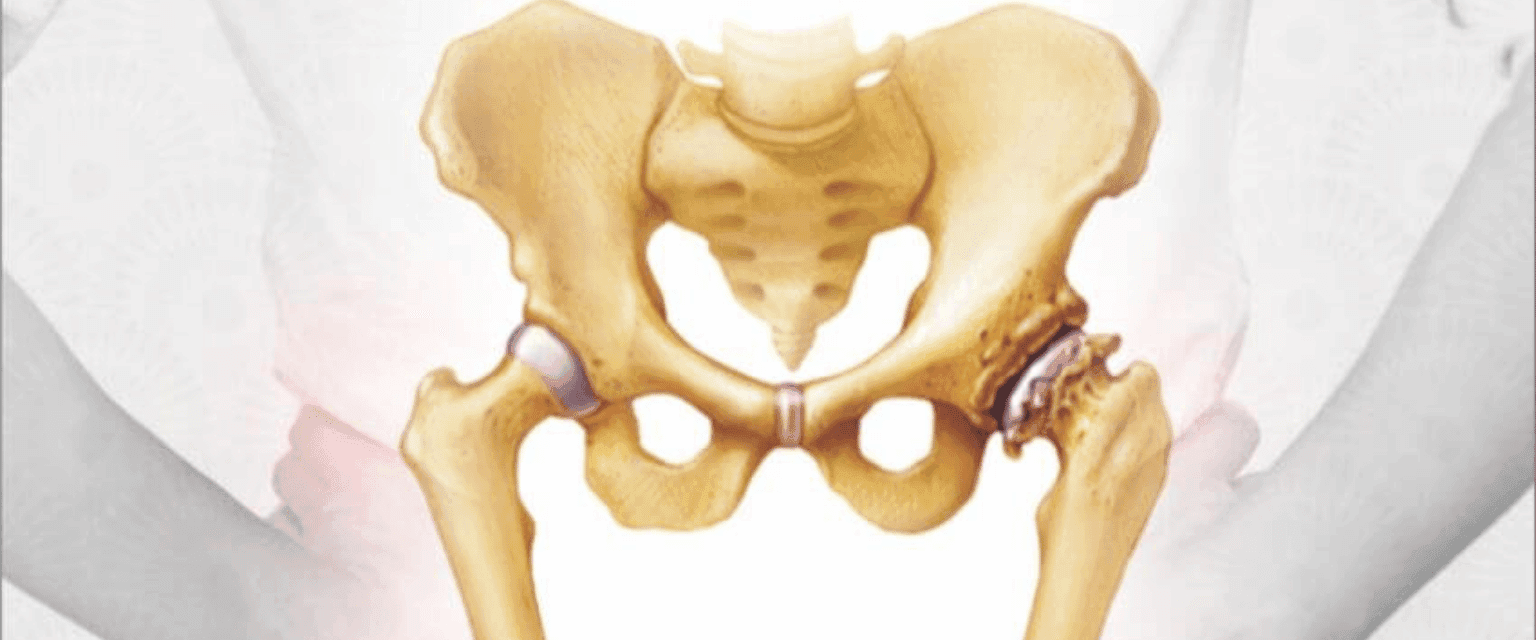
The hip joint is a ball and socket joint and one of the bigger joints of our body. It plays a very important role in our day to day living like walking, running, sitting, squatting, sitting cross-legged etc. When the help joint is damaged, these activities tend to become difficult.

Common causes of hip damage:

1. Osteroarthritis: This is a common where there is degeneration of the smooth cartilage covering the ball and cup of the hip joint due to wear and tear. Apart from excess weight and work, genetic and racial causes also are attributed to obsteroarthritis.

2. Avascular necrosis: The bone is a living organ and it requires blood to survive. The blood supply to the hip joint is educed in this condition and the ball part of the hip bone dies and the bone collapse and become irregular. This cause pain and disability to a person.

3. Rheumatoid arthritis: Rheumatoid arthritis is a disorder affecting many joints of body, where there is cartilage damaged and resulting in arthritis.

4. Post-traumatic arthritis: Sometimes serious injuries to the hip joint like dislocations or fractures can lead to irregular joints and causes secondary arthritis and pain.

5. Childhood hip disorders: Some childhood hip conditions like congenital hip dislocations, perthes disease, etc can lead to secondary arthritis.

6. Infections: Infections of the hip joint especially Tuberculosis in our country can lead to joint damage and arthritis.

When all modalities of treatment such as physiotherapy, exercise, medicines do not give any pain relief , then a total hip replacement is given as an option to people suffering from hip arthritis

Total hip replacement is a surgery, where both the ball and socket of the hip joint are replaced with artificial materials. This surgery was pioneered by Sir John Charnely of England in the 60s and evolved over the years to long lasting implants available today.

In a total hip replacement (also called total hip arthroplasty), the damaged bone and cartilage is removed and replaced with prosthetic components.

1. The damaged femoral head is removed and replaced with a metal stem that is placed into the hollow center of the femur. The femoral stem may be either cemented or “press fit” into the bone.

2. A metal or ceramic ball is placed on the upper part of the stem. This ball replaces the damaged femoral head that was removed.

3. The damaged cartilage surface of the socket (acetabulum) is removed and replaced with a metal socket. Screws or cement are sometimes used to hold the socket in the place.

4. A plastic, ceramic, or metal spacer is inserted between the new ball and the socket to allow for a smooth gliding surface.

THR is usually done under general or epidural anaesthesia, and the person is made to walk after 2 days from surgery and patient can go home after 5-7 days. Complications like infections, DVT and dislocations can be avoided by taking adequate precautions.

Like mentioned earlier, newer materials like titanium, ceramics and materials allowing bone growth into the artificial implants lead to longer life of implant. Also larger diameter ceramic heads allows the person to sit on the floor and squat as well. A well done uncemented, ceramic implant can last upwards of 30 years.

Total hip replacement is a successful surgery, and can change the lives of people who are suffering from arthritis of the hip.
Frequently Asked Questions

  • After a Total Hip Replacement (THR), high-impact activities that strain the artificial hip joint implant should be avoided, though modern implants often allow sitting on the floor and squatting with proper care.

  • Recovery after Total Hip Replacement surgery usually allows walking within 2 days and discharge in 5–7 days, while full recovery and normal activity may take several weeks.

  • Early signs include persistent hip pain, stiffness, difficulty walking, sitting, squatting, or performing daily activities due to severe hip arthritis or joint damage.

  • A Vitamin D deficiency can contribute to hip pain because it affects bone health and may worsen joint conditions like arthritis.

  • Severe hip joint pain with reduced mobility, worsening stiffness, or disability despite medicines and physiotherapy can indicate advanced hip arthritis needing medical evaluation.

Comments

How Family Habits Transfer Diabetes Risk Across Generations

How Family Habits Transfer Diabetes Risk Across Generations

"Diabetes runs in my family" isn't just genetics — it's inherited habits too. Discover how lifestyle patterns pass diabetes risk down generations, and how to break the cycle.

Read More
Food That Blocks Thyroid Medication — Daily Habits to Avoid

Food That Blocks Thyroid Medication — Daily Habits to Avoid

Your thyroid medicine may not be working as well as you think. Discover which foods and daily habits interfere with absorption — and simple timing tips to fix it.

Read More
Can Arthritis and Osteoporosis Coexist? How One Increases Risk of the Other

Can Arthritis and Osteoporosis Coexist? How One Increases Risk of the Other

Can arthritis really lead to osteoporosis? Discover the inflammation link between joint disease and bone loss, and practical steps to protect both as you age.

Read More
Preventive Health: How Monitoring, Support, and Lifestyle Work Together

Preventive Health: How Monitoring, Support, and Lifestyle Work Together

Real prevention isn't about waiting for symptoms — it's monitoring, support, and daily habits working together. Discover how these three pillars build lasting, sustainable health.

Read More
Top Daily Habits to Prevent Back, Neck, and Joint Pain

Top Daily Habits to Prevent Back, Neck, and Joint Pain

Back, neck, and joint pain can affect people of any age, but simple daily habits can make a big difference. This guide shares 10 practical, science-backed tips—from improving posture and staying active to eating anti-inflammatory foods and optimizing your sleep setup—to help prevent pain, improve mobility, and support long-term spine and joint health.

Read More
Top Preventive Healthcare Essentials Every Home Should Have

Top Preventive Healthcare Essentials Every Home Should Have

A small health problem can become a big worry. See the essentials every home should keep ready for everyday health needs.

Read More

No comments yet. Be the first to share your thoughts.