



Your heart is a powerful, hard-working muscular organ that never takes a day off. But keeping it healthy and strong doesn't have to feel like a full-time job. Adopting a heart-healthy lifestyle doesn’t have to mean drastic changes or feeling like you’re on a restrictive diet. Small, sustainable tweaks can make a significant difference in your cardiovascular health while still allowing you to enjoy your favorite foods and activities. In this article, we’ll explore practical and achievable lifestyle changes that promote heart health without feeling like a chore.
What is Healthy Lifestyle?
A healthy Lifestyle involves a combination of behaviors like eating nutritious food, getting regular physical activity, and managing stress to promote overall well-being and longevity. It is a personalized journey that includes physical, mental, and social health, and can be defined by individual choices that help one feel good, have energy, and reduce the risk of disease.
Healthy Diet for Healthy Heart
A heart-healthy lifestyle involves healthy eating, maintaining a normal body weight, enjoying regular physical activity and not smoking.
There are many ways you can eat to support your heart health and all of them are simple variations on a common dietary theme. The key is to base your diet around foods that are as close to how they are found in nature as possible. This means eating plenty of vegetables and fruit, some whole grains in place of refined grains, legumes, nuts, seeds, and other sources of healthy fats such as oily fish. You may also choose to include non-processed lean meats, poultry and/or dairy.
By following a heart-healthy way of eating, you will be ensuring that you get all the nutrients you need to support your health.
Causes of irregular heartbeats, called arrhythmias
Common causes of arrhythmias or conditions that can lead to them include:
Heart muscle disease, called cardiomyopathy.
Coronary artery disease.
Illegal drugs such as cocaine.
Emotional stress.
Too much alcohol or caffeine.
Heart conditions present at birth, called congenital heart defects.
High blood pressure.
Smoking.
Heart valve disease.
Some medicines, herbs and supplements.
Key Components of a Heart-Healthy Lifestyle
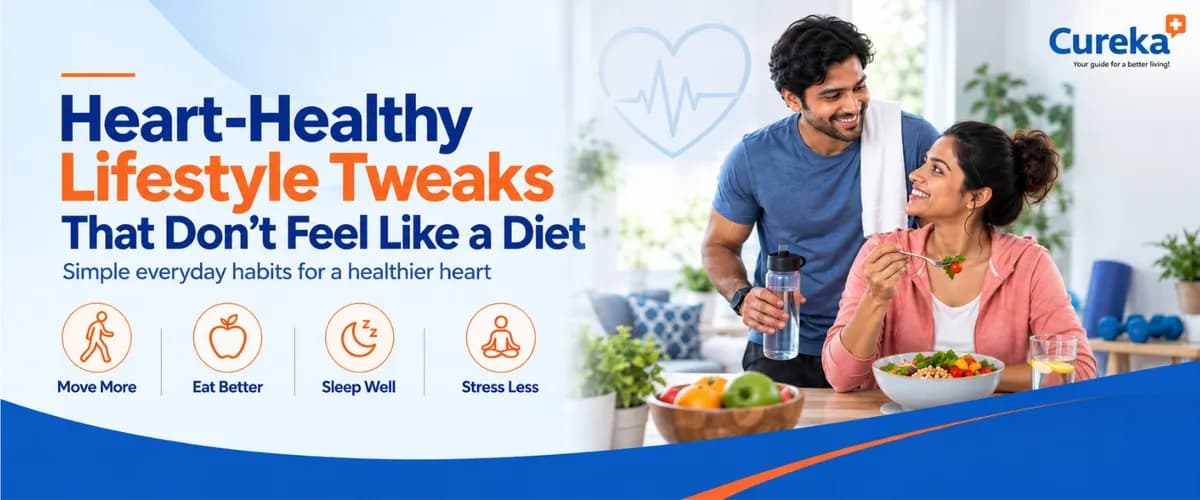
Several elements work together to enhance heart health. Let’s delve deeper into what those heart-healthy lifestyle changes should include.
Balanced Diet:
Eating more of these heart-healthy foods and limiting sugar, processed foods, and red meat will go a long way in achieving your goals of a balanced heart-healthy diet.Use a smaller plate for better portion control. A bit of psychology is involved in this. Using a smaller plate tricks your brain into thinking that you’re eating a larger meal. People tend to take larger portions and eat more on bigger plates.
Regular Exercise:
Implementing an exercise routine can help prevent or manage some of the risk factors that are known to jeopardize your heart health. The American Heart Association recommends at least 150 minutes of moderate aerobic activity, such as walking or cycling, or 75 minutes of vigorous aerobic exercise, such as running.
Stress Management:
Managing your stress levels is critical for your heart health. Stress can cause your heart rate and blood pressure to increase while reducing the blood flow to your heart, all of which are bad for your heart. Stress also affects mental health, a lesser-known risk factor for heart attacks and strokes.
Adequate Sleep:
Getting enough sleep is vital for your overall well-being and your heart. You should get at least 7 hours of sleep a night. Inadequate sleep is a significant risk factor for developing heart disease. Moreover, the risk of heart disease is even higher if you have sleep apnea or insomnia.
Avoid Smoking and Limit Alcohol Consumption:
Smoking and alcohol can have profound effects on your cardiovascular health. While one or two glasses of wine occasionally may lower your good cholesterol, excessive drinking increases the risk factors that damage your heart health, such as high blood pressure and weight gain. Smoking is even more damaging as it increases plaque formation in blood vessels, arteries, and around the heart. The chemicals in cigarettes also promote thickening of the blood and blood clots, leading to a heart attack or stroke.
See your doctor for a Heart Health Check
If you are 45 years or older, you should see your doctor for a Medicare-covered Heart Health Check.
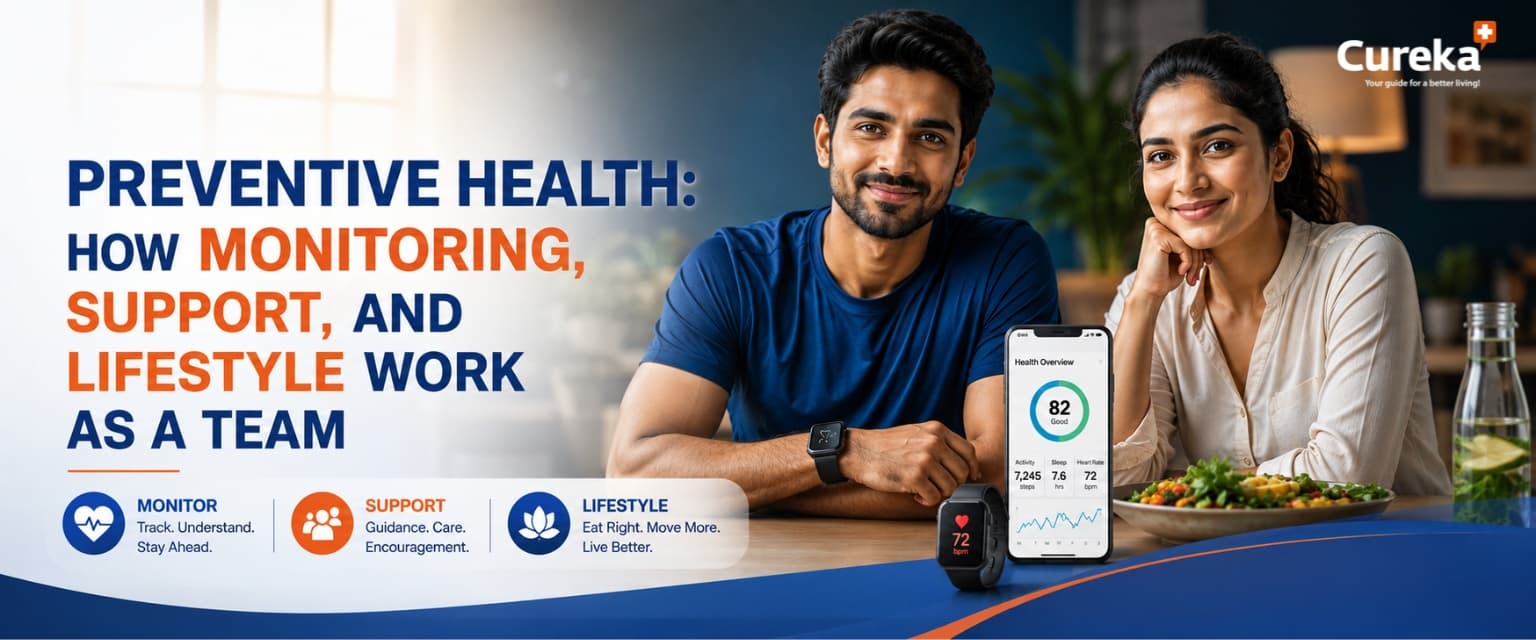
During a Heart Health Check, your doctor will assess your risk factors for heart disease, including your:
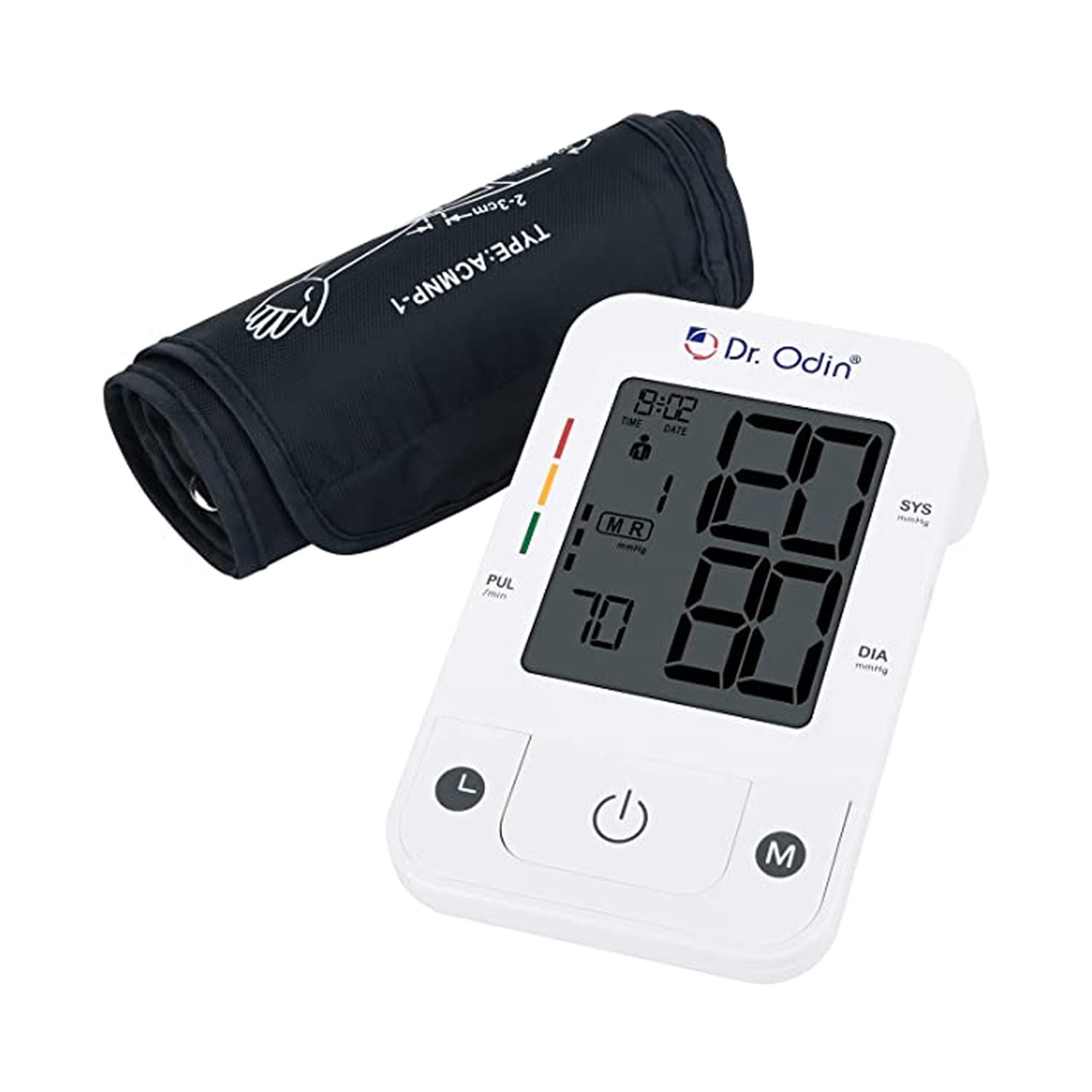
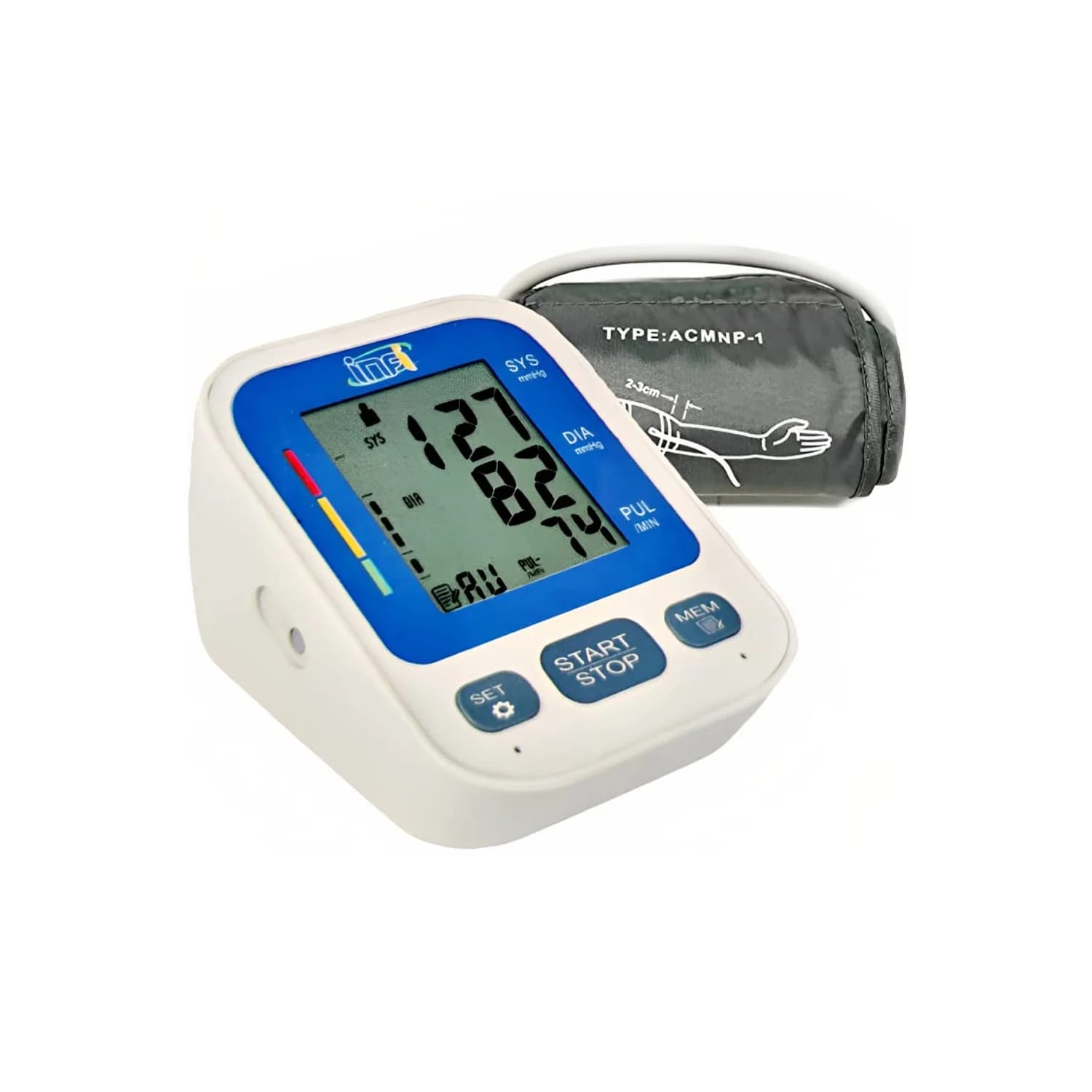
Blood pressure
Cholesterol
Diet
Physical activity levels
Medical and family history
Your doctor will then inform you whether you’re at low, moderate or high risk of a heart attack or stroke in the next five years. The most important part of this check-up is working with your doctor to manage your risk factors to improve your heart health.
Symptoms that require a cardiology visit:
Chest pain: Discomfort, tightness, or pressure in the chest, especially with physical activity.
Shortness of breath: Feeling breathless during activities that are not strenuous.
Irregular heartbeat: A racing, fluttering, or "skipping" sensation in your heart.
Dizziness or fainting: Feeling lightheaded or like you might pass out.
Swelling: Swelling in your legs or ankles, which can be a sign of fluid buildup.
Unusual fatigue: Feeling constantly tired or having a chronic lack of energy.
Foods to avoid or limit for heart health
High Sodium foods like chips, pickles, bacon, hot dogs, and frozen/processed foods.
Sugary drinks like soda, sweetened juices, ice cream, and desserts.
Foods in high saturated and trans fat like beef, lamb, cheese, butter.
Supplement for Heart Health
Some supplement may have a beneficial effect on Heart Health in people. Here's a more detailed look at some of the supplements:
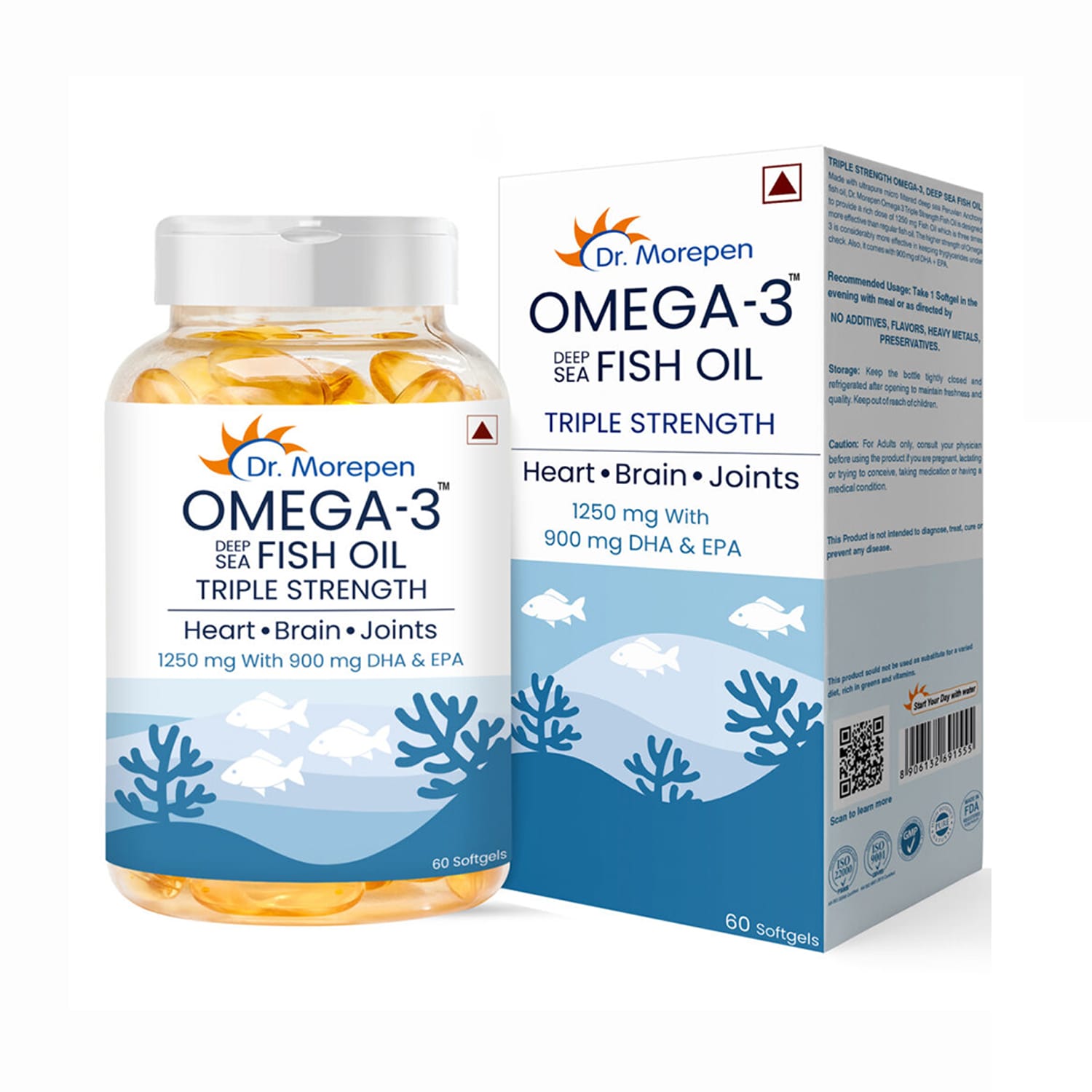
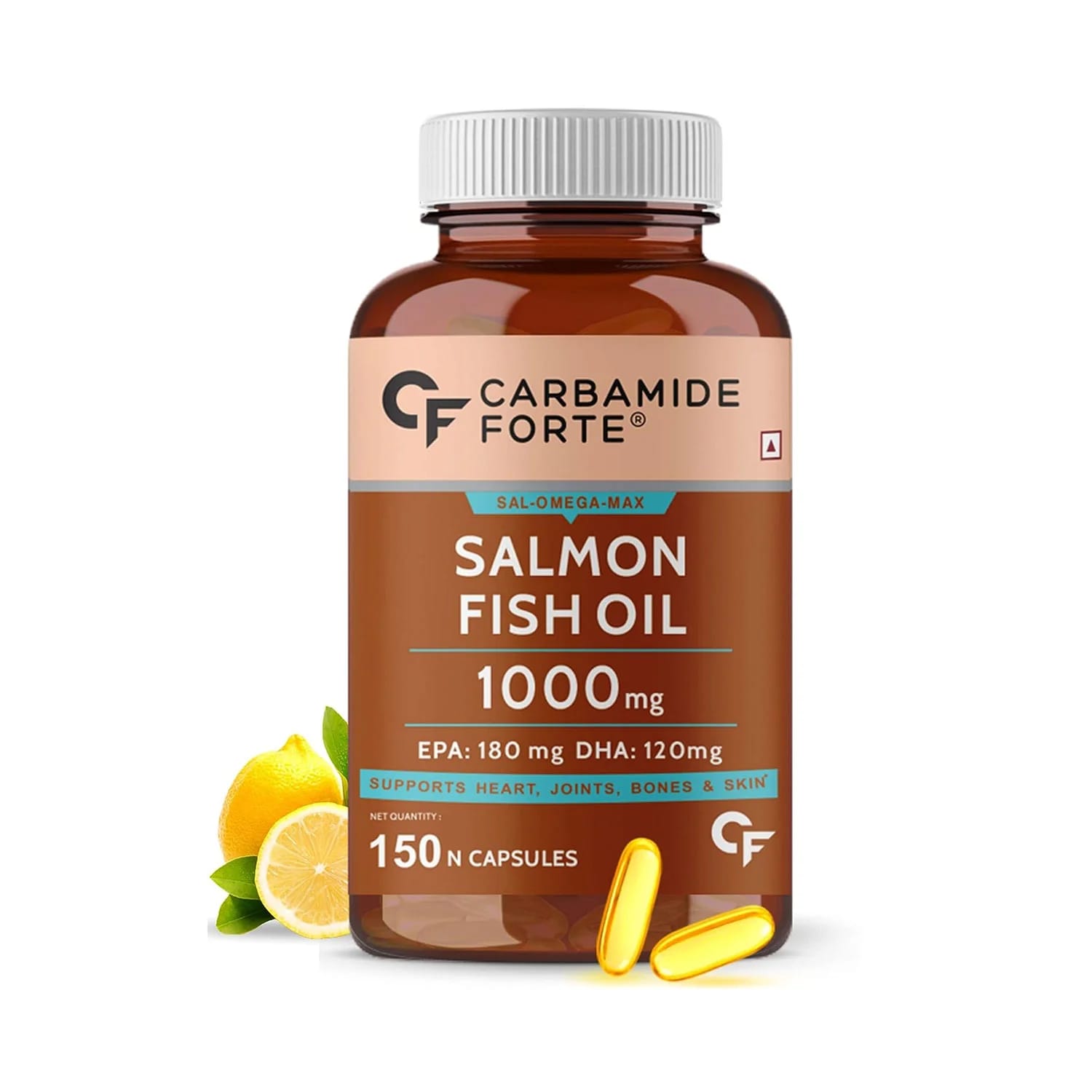
Omega 3 (Fish Oil): Omega 3 can help reduce triglycerides, lowers blood pressure, decreases the risk of irregular heartbeats, and slows plaque build-up.
Conclusion
Adopting a heart-healthy lifestyle doesn’t have to be overwhelming or restrictive. By incorporating these small tweaks into your daily routine, you can promote cardiovascular health while still enjoying your favorite foods and activities. Start with one small change today - swap soda for water, and give your heart a refreshing boost. Take a brisk 10-minute walk, and get those steps counting towards a healthier you. Try a handful of nuts, rich in omega-3s and antioxidants, to support heart health. Your heart will thank you for these tiny, giant leaps towards a healthier tomorrow.
Try to focus on progress, not perfection, and celebrate the small victories along the way. With time and consistency, these heart-healthy habits will become second nature, setting you up for a lifetime of wellness and vitality.
References
Omega-3 Polyunsaturated Fatty Acid (Fish Oil) Supplementation and the Prevention of Clinical Cardiovascular Disease – 2017 - https://pubmed.ncbi.nlm.nih.gov/28289069/