



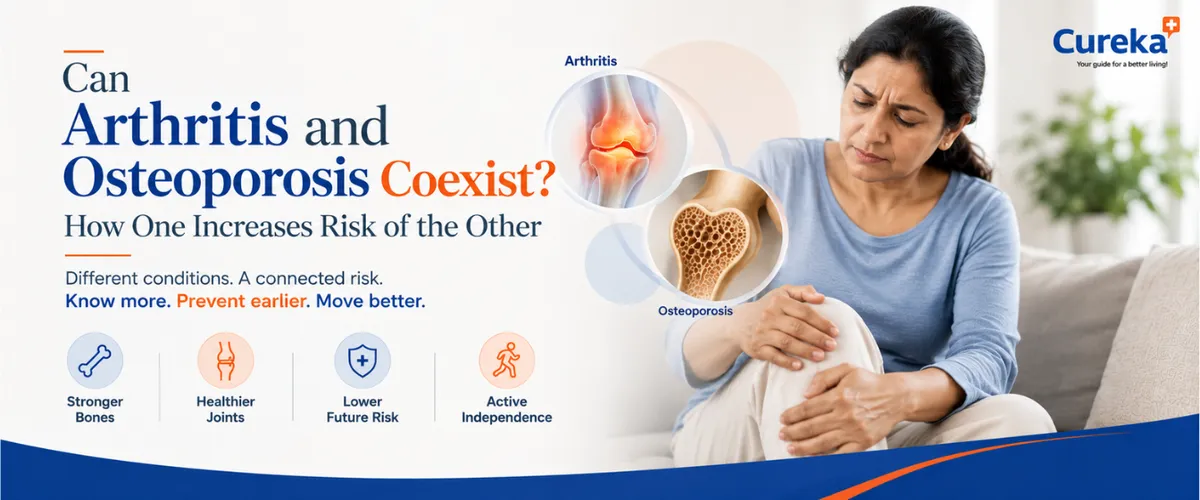
Arthritis and osteoporosis are among the common bone and joint conditions globally. It is particularly found among postmenopausal women and older adults. Though these might appear unrelated with one impacting the joints, while the other debilitating bones, recent study suggests an important link between arthritis and osteoporosis [1]. Comprehending how both of these are interlinked and how arthritis increases the risk of osteoporosis could aid people in taking proactive steps for protecting their health in the long-term.
Arthritis Vs Osteoporosis: Understand the difference
First it's important to comprehend how each of the conditions works. Arthritis indicates the swelling in the joints. This leads to stiffness, pain, and difficulty in moving. Contrarily, osteoporosis leads to bones becoming brittle, thin, and more chances for fractures.
Generally, both these conditions look separate. But many people experience both of them, showing a deep arthritis and bone loss connection . Such an overlap often results in queries like, “ Can arthritis cause osteoporosis? ” and the answer is, though arthritis does not directly cause it in all cases, it could enhance the risk, especially when chronic injury or any specific treatments are included.
Link Between Arthritis and Osteoporosis
Inflammation is one among the robust factors describing the link between arthritis and osteoporosis. Moreover, in inflammatory kinds of arthritis like rheumatoid arthritis, the immune system starts releasing chemicals. This attacks the joint tissues of one’s own body. Over a period of time, these similar inflammatory markers intervene with the natural procedure of bone regeneration.
This chronic swelling lessens the cell’s activity that develops new bone. It also increases the pursuit of those that crack it down. Progressively, the density of bone declines, showing how arthritis increases the risk of osteoporosis in individuals who might typically not show any early symptoms of bone weakness [2]. It is a gentle process. However, it can be slowed or prevented via medical management, healthy lifestyle decisions, and timely diagnosis.
Medicine and Bone Health
Medication for arthritis generally involves corticosteroids for controlling the pain and swelling. Though these drugs are essential at times and are effective, long-term usage can minimize calcium absorption, enhance the bone loss rate, and reduce the formation of new bone. This eventually contributes to the arthritis and bone loss connection and includes an additional layer for comprehending how arthritis increases the risk of osteoporosis.
Nevertheless, this does not mean medications for arthritis should be completely stopped. Instead, it shows the significant balance of using medications at a safe rate under the supervision of medical experts while contributing to bone health via lifestyle habits, nutrition, and supplements. If you have ever asked, “ Can arthritis cause osteoporosis? ” this is one of the answers, as treatment choices have an impact on bone density, and this makes bone scans and regular checkups important.
Behavioural Patterns and Bone Strength
Behind medicines and inflammation, the lifestyle has a huge part in weakening or strengthening bones. Arthritis could make movement intricate, but staying energetic is one among the effective ways for protecting bone mass. Even light-weight activities like swimming, yoga, or walking can improvise flexibility, maintain bones strong, and support muscles.
Moreover, a healthy and balanced diet is also equally significant. Foods that are rich in vitamin D (including fish, fortified foods) and calcium (including leafy greens, yogurt, and milk) aid in maintaining bone tissue health. These habits assist in reducing the link between arthritis and osteoporosis and keep joints and bones strong.
Further, lifestyle choices like limiting alcohol intake and avoiding smoking also have a crucial contribution. Both these habits minimize calcium absorption and impact hormone levels (responsible to maintain bone health), intensifying the arthritis and bone loss connection . Certain mindful differences can do more in reducing later complications.
Why Women Are Facing High Risk
For women, particularly those post-menopause, hormonal changes turn bones highly susceptible to thinning. While interlinked with arthritis, the risk multiplies. Minimum estrogen levels have a direct impact on bone metabolism, albeit inflammation worsens the stiffness of joints. This dual impact describes how arthritis increases fractures in women over 40 and the risk of osteoporosis.
Nevertheless, this does not mean the circumstances are pointless. Women who gain awareness about the link between arthritis and osteoporosis can take precautionary measures initially via hormone health conversations with their medical experts, regular bone density tests, and calcium-rich diets. The goal involves not just controlling arthritis, but also preserving the complete skeletal strength.
Steps for Protecting Bone Health
Involve in physical activities: low-impact gentle exercises can strengthen bones and muscles.
Eat a healthy balanced meal: include vitamin D and calcium-rich foods regularly.
Take bone scans regularly: detecting bone thinning in the early stage itself allows for timely treatment.
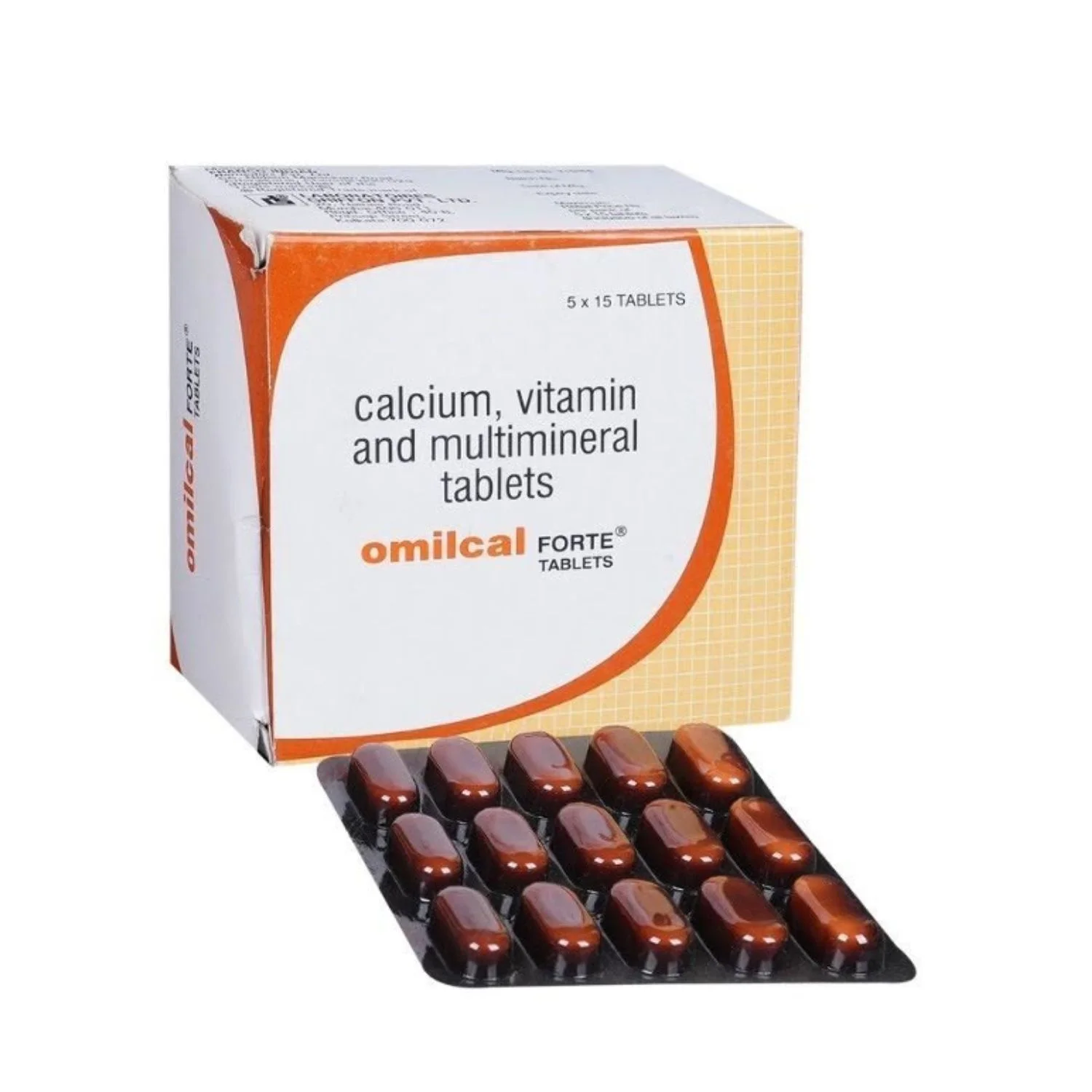
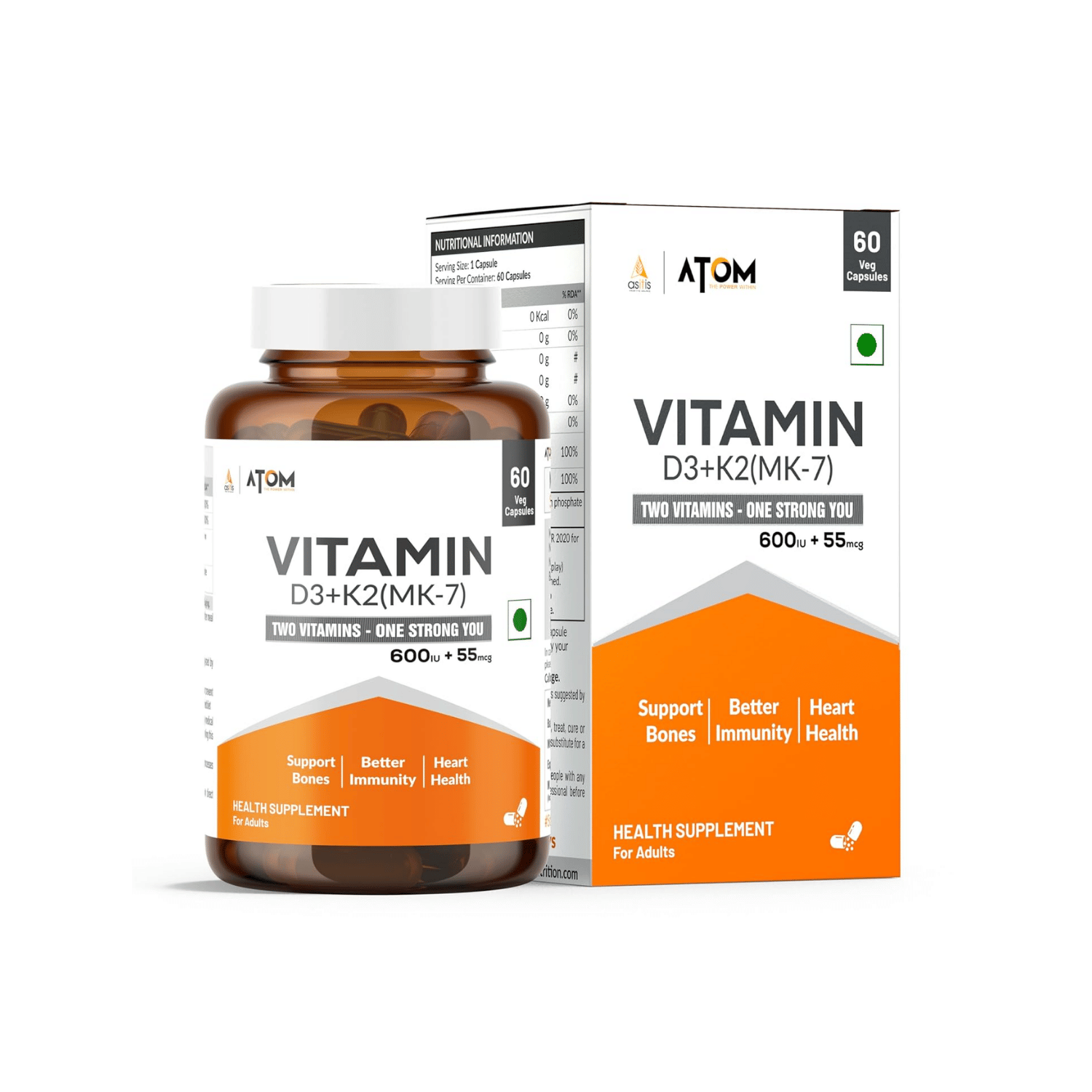
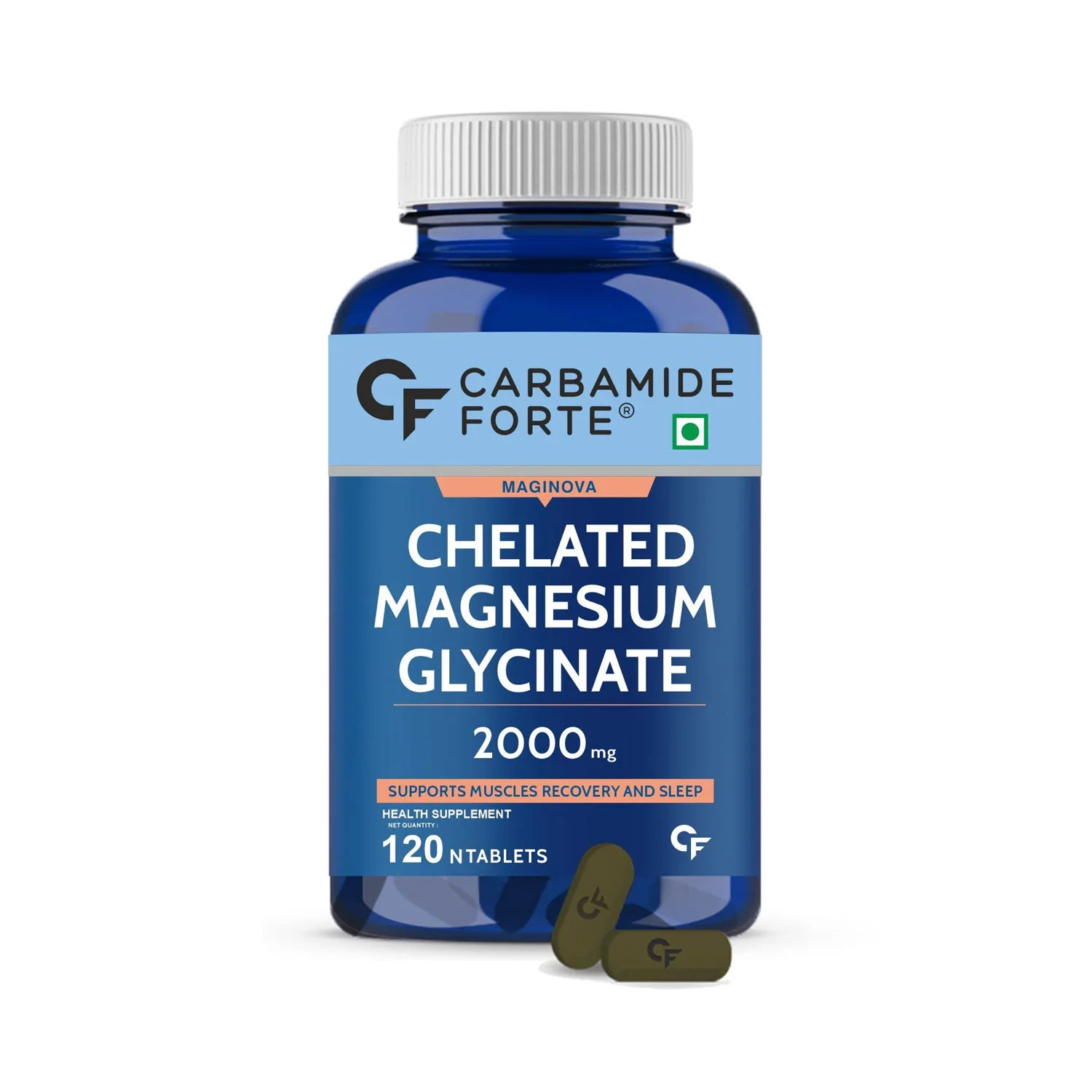
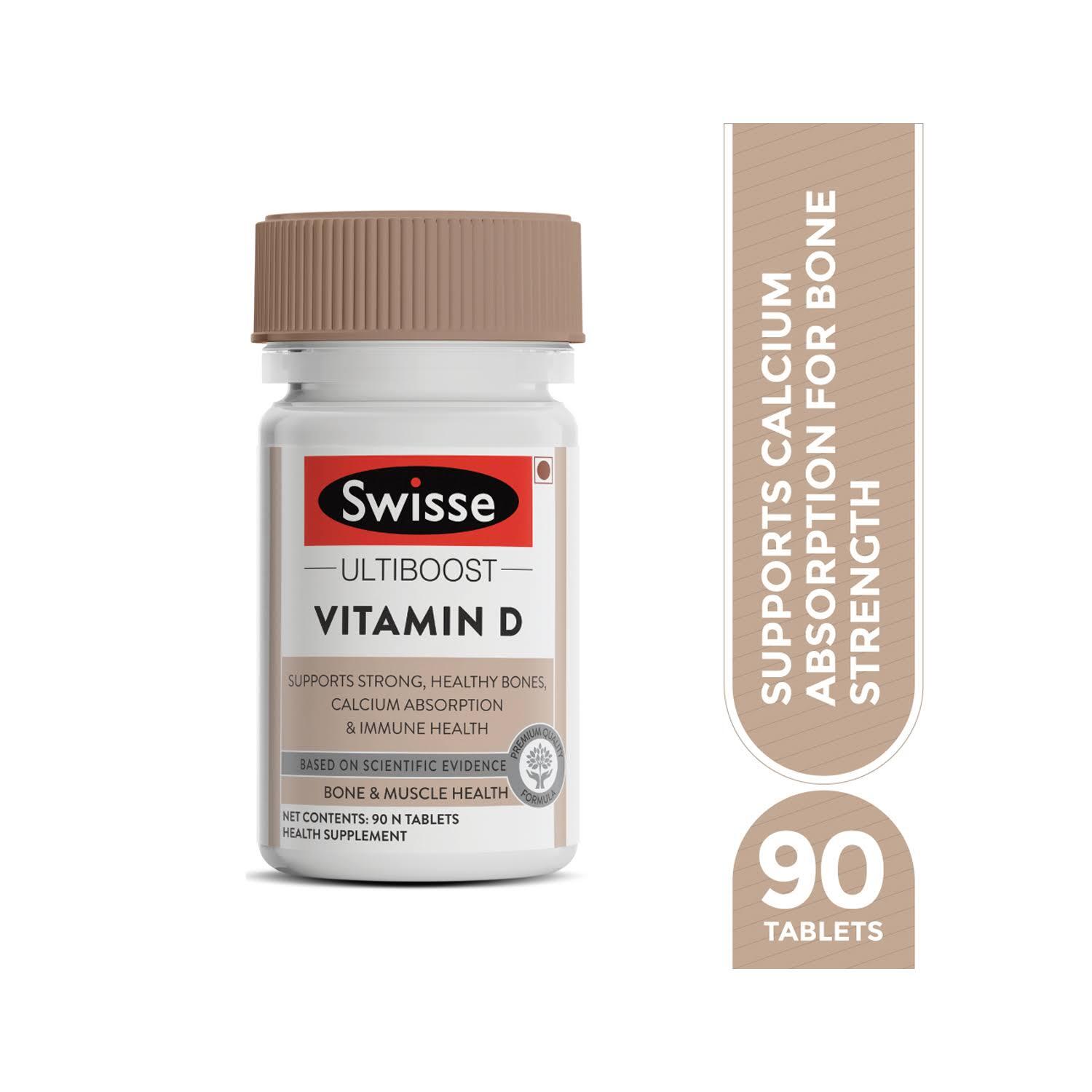
Intake supplements based on prescription: vitamin D and calcium can support in rebuilding bones.
Limit alcohol and avoid smoking: these might weaken your bones and have significant interference with healing.
Following the above steps can help in reducing the arthritis and bone loss connection while maintaining the strength of bones in older age.
Awareness, Hope, and Healthy Aging
Comprehending the link between arthritis and osteoporosis helps individuals take responsibility for their health.
So, each positive step you take can contribute to flexible joints and strong bones. Shattering the arthritis and bone loss connection begins with choices that pile up over time.
Can arthritis cause osteoporosis? In most cases, it enhances the risk. However, the outcome relies on proactive measures one takes for themselves.
Key Takeaway
Understanding how arthritis increases the risk of osteoporosis contributes to making informed choices. This protects bones and joints. Consistent physical exercise, proper balanced diet, and early health awareness can prevent or slow bone loss.
Remember guys!!!
Your healthy journey does not often end with medical diagnosis; it actually begins with clear understanding, action, and hope.
References
[1] Arthritis and Osteoporosis: The Overlapping Conditions and Risk Factors – Sep 2023 -https://pmc.ncbi.nlm.nih.gov/articles/PMC10721752/.
[2] Inflammatory cells and bone loss in rheumatoid arthritis – June 2007 -https://pmc.ncbi.nlm.nih.gov/articles/PMC2206339/