


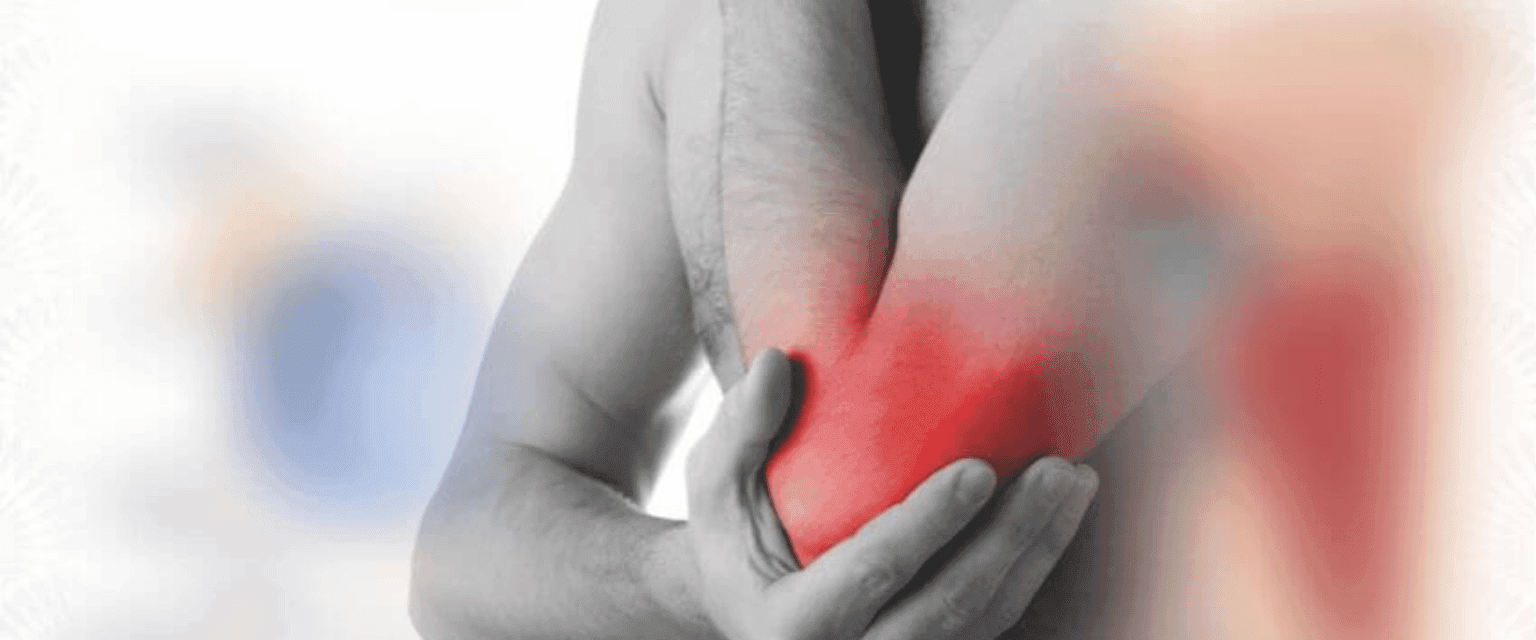
Normal elbow movements are essential for activities of daily living like eating, work and other leisure pursuits. If their right is affected it’s all the more difficult. Normal elbow movement is 0-150°. That is when they elbow is straight it is 0 position called as extension, when the elbow up to full is called as flexion. Elbow joints one of the commonest joints in the body which gets injured in children and adults after a fall or after a director injury. When you fall from a bike or in stairs or in the street, we automatically tend to protect our body by falling on the outstretched hand or land on the tip of the elbow injuring it.
Very often after the injury in the rural setup and also in the urban area people take it likely and go for native treatment. Post traumatic stiffness of the elbow joint is one of the commonest problem cases we see in our day to day practice. All the more it is common in our country as most of the villages including learner people go in for native treatment even after x-rays being taken, because of fear of surgery, insistence of old folks at home and economic constrains.
ANATOMY
Elbow movement of flexion and extension occur through the ulna humeral and radio capitellar articulation along with the proximal radio ulnar joint, * the radio capitellar articulations further provides and important interface to forearm rotation. This movement of rotation is important for eating, to receive something with the hand or for any games.
CAUSES OF ELBOW STIFFNESS
The important cause of the elbow stiffness is following injury. The other causes being myositis ossificans (New bone formation around the elbow joint). This may form commonly after massage by native doctor head injury and burns. Other causes like tuberculous arthritis, rheumatoid arthritis, non specific sub acute infections and haemophilia must be ruled out.
AIM OF TREATMENT
The main indication for elbow release surgery is stiffness that limits activates of daily living. Especially on the right side for eating. Extension (bring the elbow into straight position) loss is better tolerated than flexion (taking the hand to mouth) loss. For release surgery (Arthrolysis) normal articular surface is important.
HISTORY TAKING
This is important to know about the initial injury, period of immobilization (prolonged immobilization with plaster or by bamboo sticks, native medicines are bad for elbow joint) and previous history of surgical intervention.
MOVEMENTS
The usable range of movements for elbow joint is 30° to 130°. If an individual has this range of movement, course of physiotherapy will suffice. But it must the done very carefully; sometimes it may become worse also.
X-RAY
To assess the joint anatomy regarding any old fracture and unreduced dislocation, articular congruity, presence and location of plates and screws presence of myositic mass and its location for future plan for surgery. Sometimes CT scan and MRI may be necessary.
Elbow Joint Treatment
For release of elbow stiffness surgery, it is important for the patient to know that they will get usable range of movement and not a perfect joint movement. After release of the contracted tissues around the joint (Arthrolysis) and removal myositic mass it is mandatory the patient must co-operate for intensive physiotherapy. The pain during mobilization will be reduce by pain killers, ice back therapy, wax therapy and continuous passive motion machine CPM. Physiotherapist must be well experienced and patient's cooperation is essential.
CONCLUSION
Elbow release surgery (Arthrolysis) is rewarding provided it is done by an experienced surgeon. The role of physiotherapist is very important who is competent to give relief of pain and increase the range of movement after surgery. All the more essential is patient's compliance and cooperation to get back the usable range of movement of 30°-130°.
We always give lot of moral support to get back the usable range of movement and tell them 'Life is mobility, mobility is life'. Life is miserable to live with stiff and painful elbow. There is always a cure for stiff elbow by surgical methods in the form Arthrolysis and rarely elbow joint replacement.