Cureka — Your guide for a better living!
Cart
INDIA'S 1ST PREVENTIVE HEALTHCARE STORE – CURATED BY DOCTORS!|

What to do When One Has a Head Injury

Dr. Hema Sathish, Dermatologist

Medically Reviewed By

Dr. Hema Sathish, M.B.B.S., D.D (UK)

Dermatologist • Founder of Cureka

Reviewed for medical accuracy and evidence-based information

Head Injury occurs when the head suddenly and violently hits an object or when an object pierces the skull and injures the brain.

11th Aug 2017•2 Min read+Cureka Editorial
What to do When One Has a Head Injury

What to Do When One Has a Head Injury

What is termed as Head injury?

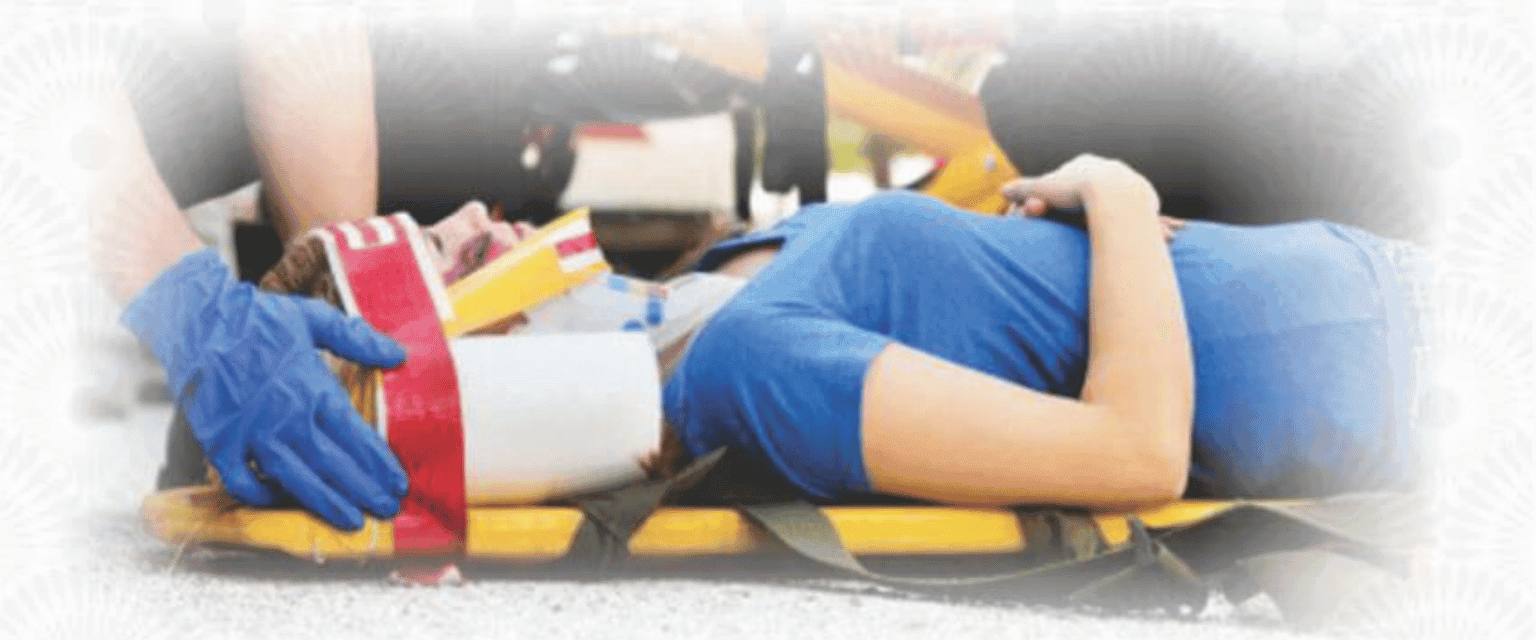
Head Injury occurs when the head suddenly and violently hits an object or when an object pierces the skull and injures the brain. A head injury can be mild, moderate or severe.

Many a times patients with head injury lose consciousness for brief periods of time following the accident. Frequently, they may not remember the accident as such or sometimes the events that caused the accident. Some individuals will not remember events that happened for varying periods of time after the accident. This is called as Amnesia.

What should we look for when we see a patient with suspected head injury at the scene of the accident ?

  1. Immediately call an ambulance to carefully take the individual to the nearest hospital

  2. Find out whether the person is conscious or not.

  3. If he/she is conscious, find out if the person is confused or alert.(By asking basic questions)

  4. Look for signs of bleeding from wounds in the head/face or swelling in the head.

  5. Check if there is any episode of vomiting after the accident.

  6. Look for any bleeding from the ear/nose/ throat after the accident

  7. Note if the person has fits after the accident.

  8. Do try and gently move the arms and legs to rule out any paralysis.

  9. If the injured is young child watch out for persistent crying or refusal to eat or lethargy.

  10. Never restrain a individual throwing fits by holding the arms and legs

  11. If there is profuse bleeding from the wound in the head, apply firm pressure over the wound with a clean cloth until medical help arrives.

In case of a head injury

a CT scan may be necessary to rule out injuries to the brain and skull . Ideally get the needy

to a nearby hospital for appropriate Neurosurgical care.

Next we would make oneself

aware to Prevent Head Injury.

Frequently Asked Questions

  • Head injury danger signs include unconsciousness, repeated vomiting, seizures (fits), bleeding from ear/nose, and confusion or memory loss (amnesia).

  • Head injury first aid steps include calling an ambulance, checking consciousness, observing confusion, and applying firm pressure to control bleeding.

  • Head injury assessment involves checking alertness, asking simple questions, looking for vomiting, bleeding, seizures, or signs of paralysis.

  • Seek emergency care for head injury if there is vomiting, loss of consciousness, seizures, or bleeding, as a CT scan may be required.

  • A head injury occurs when the head is violently hit or penetrated, and it can be mild, moderate, or severe depending on brain impact and symptoms.

Comments

Heart-Healthy Lifestyle Tweaks That Don’t Feel Like a Diet
Featured

Heart-Healthy Lifestyle Tweaks That Don’t Feel Like a Diet

Heart health doesn't require drastic changes. Discover simple, sustainable tweaks — from smarter plates to short walks — that protect your heart without feeling restrictive.

Read More
How Family Habits Transfer Diabetes Risk Across Generations
Featured

How Family Habits Transfer Diabetes Risk Across Generations

"Diabetes runs in my family" isn't just genetics — it's inherited habits too. Discover how lifestyle patterns pass diabetes risk down generations, and how to break the cycle.

Read More
Food That Blocks Thyroid Medication — Daily Habits to Avoid
Trending

Food That Blocks Thyroid Medication — Daily Habits to Avoid

Your thyroid medicine may not be working as well as you think. Discover which foods and daily habits interfere with absorption — and simple timing tips to fix it.

Read More
Can Arthritis and Osteoporosis Coexist? How One Increases Risk of the Other
Featured

Can Arthritis and Osteoporosis Coexist? How One Increases Risk of the Other

Can arthritis really lead to osteoporosis? Discover the inflammation link between joint disease and bone loss, and practical steps to protect both as you age.

Read More
Preventive Health: How Monitoring, Support, and Lifestyle Work Together
Featured

Preventive Health: How Monitoring, Support, and Lifestyle Work Together

Real prevention isn't about waiting for symptoms — it's monitoring, support, and daily habits working together. Discover how these three pillars build lasting, sustainable health.

Read More
Top Daily Habits to Prevent Back, Neck, and Joint Pain
Featured

Top Daily Habits to Prevent Back, Neck, and Joint Pain

Back, neck, and joint pain can affect people of any age, but simple daily habits can make a big difference. This guide shares 10 practical, science-backed tips—from improving posture and staying active to eating anti-inflammatory foods and optimizing your sleep setup—to help prevent pain, improve mobility, and support long-term spine and joint health.

Read More

No comments yet. Be the first to share your thoughts.