Cureka — Your guide for a better living!
Cart
INDIA'S 1ST PREVENTIVE HEALTHCARE STORE – CURATED BY DOCTORS!|

Listen First

Dr. Hema Sathish, Dermatologist

Medically Reviewed By

Dr. Hema Sathish, M.B.B.S., D.D (UK)

Dermatologist • Founder of Cureka

Reviewed for medical accuracy and evidence-based information

Listening is different from hearing out somebody's story. When you listen and I mean really listen..you convey respect and support.

25th Jun 2017•1 Min read+Cureka Editorial
Listen First

Did you realize how important it is to listen? If you would listen you could help some one to stay away from drug Abuse

Listening is different from hearing out somebody's story. When you listen and I mean really listen..you convey respect and support. So here go five basic rules of listening..

  1. Sit down and put away mobile or newspaper or laptop..no distractions,eye contact is easier and you don't have to shout when you are next to each other.

  2. Take turns listening.. let the child go first and Don't interrupt or show sarcastic faces

  3. Choose your words and tone and volume to convey support.. encourage flow of conversation by nodding or saying hmmm to confirm that you are listening. Crying is okay .. if the child or adolescent is upset.. don't comment .. show support by sitting there and offering a shoulder.

  4. Listen for pain.. listen for pain in between the sentences, listen for rage, listen for wanting to end it all.. validate the emotions by acknowledging that they have a right to be upset .

  5. Most often just listening helps... don't be in a hurry to jump in with solutions..

Frequently Asked Questions

  • Listen first means giving your full attention to the speaker before reacting or offering solutions, showing respect, empathy, and emotional support through active listening.

  • The first rule of effective listening is to remove distractions and give full attention by maintaining eye contact and focusing completely on the person speaking.

  • Common types of listening include active listening, empathetic listening, critical listening, and attentive listening, which help understand emotions, ideas, and concerns.

  • Improve listening skills by avoiding distractions, maintaining eye contact, not interrupting, encouraging conversation with supportive responses, and understanding emotions behind the words.

  • A good listener shows patience, empathy, respect, attentiveness, and emotional understanding while allowing others to express their feelings without interruption.

Comments

Heart-Healthy Lifestyle Tweaks That Don’t Feel Like a Diet
Featured

Heart-Healthy Lifestyle Tweaks That Don’t Feel Like a Diet

Heart health doesn't require drastic changes. Discover simple, sustainable tweaks — from smarter plates to short walks — that protect your heart without feeling restrictive.

Read More
How Family Habits Transfer Diabetes Risk Across Generations
Featured

How Family Habits Transfer Diabetes Risk Across Generations

"Diabetes runs in my family" isn't just genetics — it's inherited habits too. Discover how lifestyle patterns pass diabetes risk down generations, and how to break the cycle.

Read More
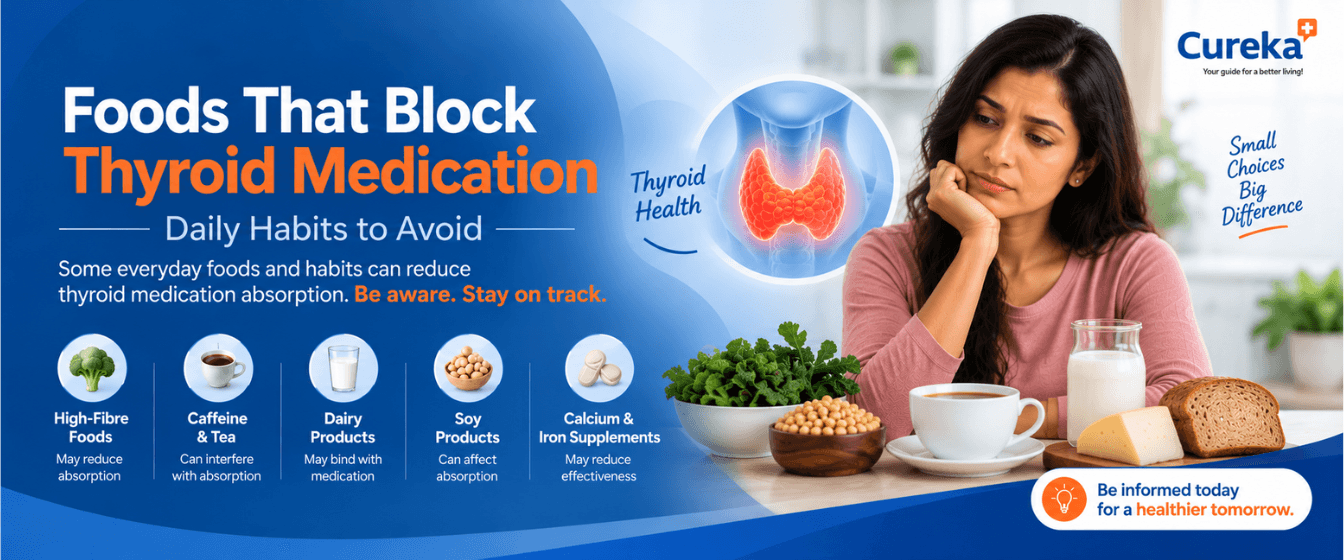
Food That Blocks Thyroid Medication — Daily Habits to Avoid
Trending

Food That Blocks Thyroid Medication — Daily Habits to Avoid

Your thyroid medicine may not be working as well as you think. Discover which foods and daily habits interfere with absorption — and simple timing tips to fix it.

Read More
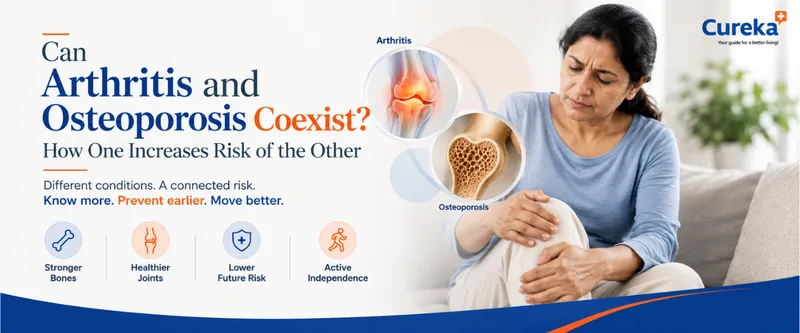
Can Arthritis and Osteoporosis Coexist? How One Increases Risk of the Other
Featured

Can Arthritis and Osteoporosis Coexist? How One Increases Risk of the Other

Can arthritis really lead to osteoporosis? Discover the inflammation link between joint disease and bone loss, and practical steps to protect both as you age.

Read More
Preventive Health: How Monitoring, Support, and Lifestyle Work Together
Featured

Preventive Health: How Monitoring, Support, and Lifestyle Work Together

Real prevention isn't about waiting for symptoms — it's monitoring, support, and daily habits working together. Discover how these three pillars build lasting, sustainable health.

Read More
Top Daily Habits to Prevent Back, Neck, and Joint Pain
Featured

Top Daily Habits to Prevent Back, Neck, and Joint Pain

Back, neck, and joint pain can affect people of any age, but simple daily habits can make a big difference. This guide shares 10 practical, science-backed tips—from improving posture and staying active to eating anti-inflammatory foods and optimizing your sleep setup—to help prevent pain, improve mobility, and support long-term spine and joint health.

Read More

No comments yet. Be the first to share your thoughts.