

Cureka — Your guide for a better living!
Cart
INDIA'S 1ST PREVENTIVE HEALTHCARE STORE – CURATED BY DOCTORS!|

Do you have a snoring problem?

Dr. Hema Sathish, Dermatologist

Medically Reviewed By

Dr. Hema Sathish, M.B.B.S., D.D (UK)

Dermatologist • Founder of Cureka

Reviewed for medical accuracy and evidence-based information

Let's focus on few types here and how hair growth serums would help. This can be explained by discussing a few ingredients.

20th Jul 20173 Min read+Cureka Editorial
Do you have a snoring problem?

Did we ever realize Snoring is one of the common health disorders affecting nearly 45% of adults. It is caused due to narrowing of the upper airway during sleep which makes the surrounding tissues to vibrate. We needn’t consider this a serious condition but it can be a nuisance to other people around. It also indicates that there is no proper sleep and it may cause some diseases later in life. Middle-aged and older men are affected more than women. Regular snoring can disrupt the quality of sleep that can lead to irritability, daytime fatigue, and other health problems too.

Causes of Snoring:

The reason for snoring varies from person to person. It is caused due to improper air movement through nose and throat during sleep. This air blockage vibrates the surrounding tissues and causes snoring sound. It may also occur due to some health problems such as obesity, sleep apnea, etc. and for few people; it may be due to extra fatty tissues in the airways.

The most common causes of snoring are

  • Obesity

  • Supine body position (lying face up)

  • Large tonsils, long soft palate or uvula

  • Relaxation of tongue during sleep

  • Menopause

  • Hypothyroidism

  • Consuming alcohol, medication or tobacco products within six hours of sleep time

  • Nasal congestion from cold, allergies or any deformities of cartilage within the nose

Obesity:

Excess body weight can cause bulky throat tissues and contributes to snoring. If not obese, excess weight just around the neck or throat can cause snoring.

Sleeping Posture /sleeping Position:

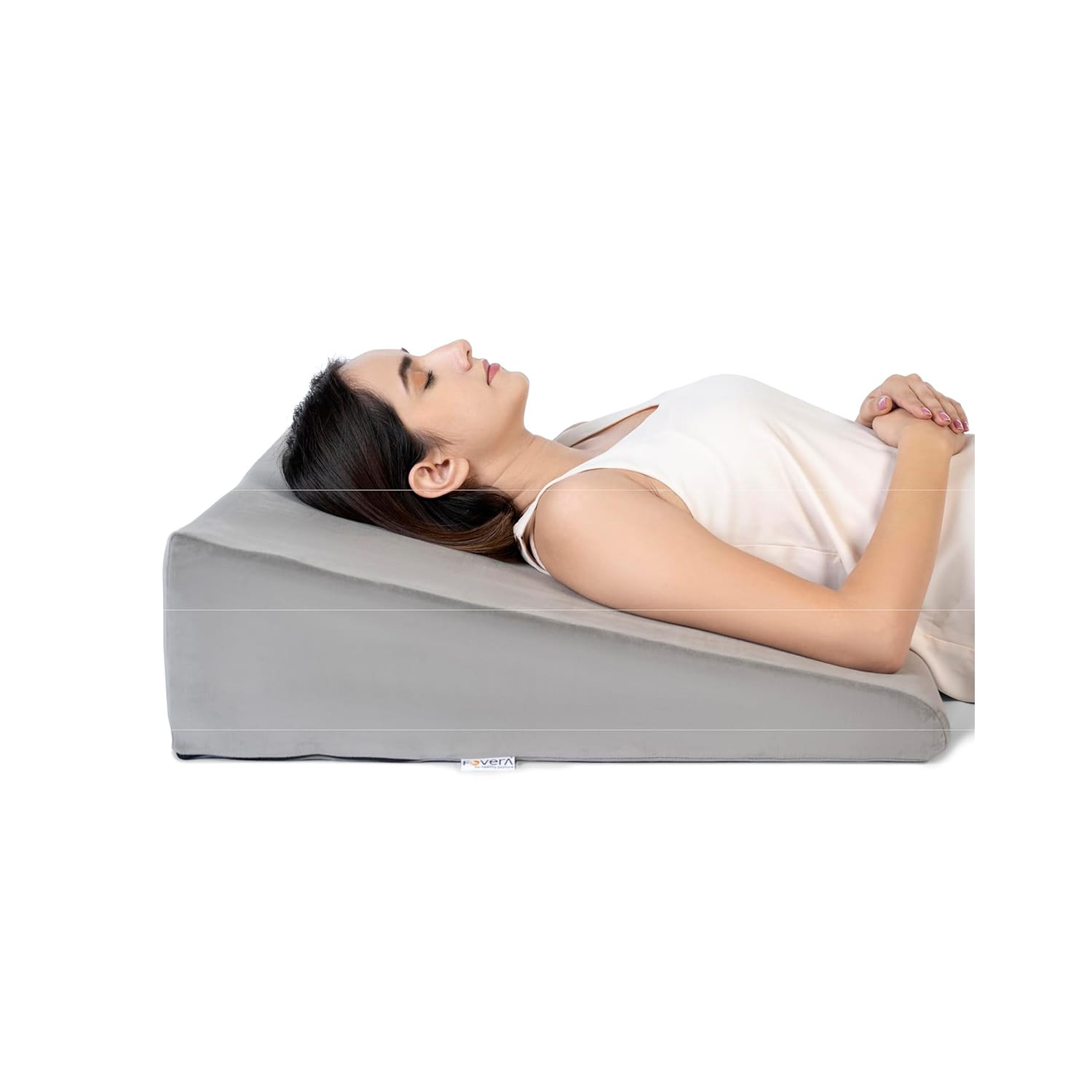
Sleeping position is one of the main causes of snoring. Sleeping flat on your back causes the flesh of the throat to get relaxed and blocks the flow of air. This causes the person to snore and a change in sleeping position can help to stop snoring.

Body Structure:

The structure of the body can also be a reason. Men have narrower air passages than women and so men get affected to snoring than women. A narrow throat, enlarged adenoids, a cleft palate, and other physical attributes also cause snoring.

Nasal and Sinus Problems:

Blocked airways due to cold and allergies can make inhalation difficult and creates a vacuum in the throat. This can lead to snoring.

Sleep Deprivation:

Sometimes, if there is no enough sleep continuously can make the person to snore.

Alcohol, Medication, and Smoking:

Intake of alcohol, smoking and certain medications such as tranquilizers like diazepam (Valium) and lorazepam (Ativan) can increase the relaxation of muscles leading to more snoring.

Symptoms:

  • Sore throat

  • Chest pain during sleep

  • Restlessness during sleep

  • Headaches in the morning

  • A choking feel during sleep

  • Waking up in the middle of the sleep due to choking or gasping

  • Headaches in the morning

  • Feeling sleepy during day time

Social and Health Consequences:

  • Snoring is an embarrassment when traveling with others.

  • It causes distress for sleeping partners

  • Sleep deprivation can cause a negative impact on well-being and quality of life

  • Snorers can experience tiredness, dry mouth, morning headaches, lower blood oxygen levels, relationship difficulties and other related consequences

  • Loud snoring possess serious health risks

  • It is number three on the list of reasons for divorce in married couples

Treatment:

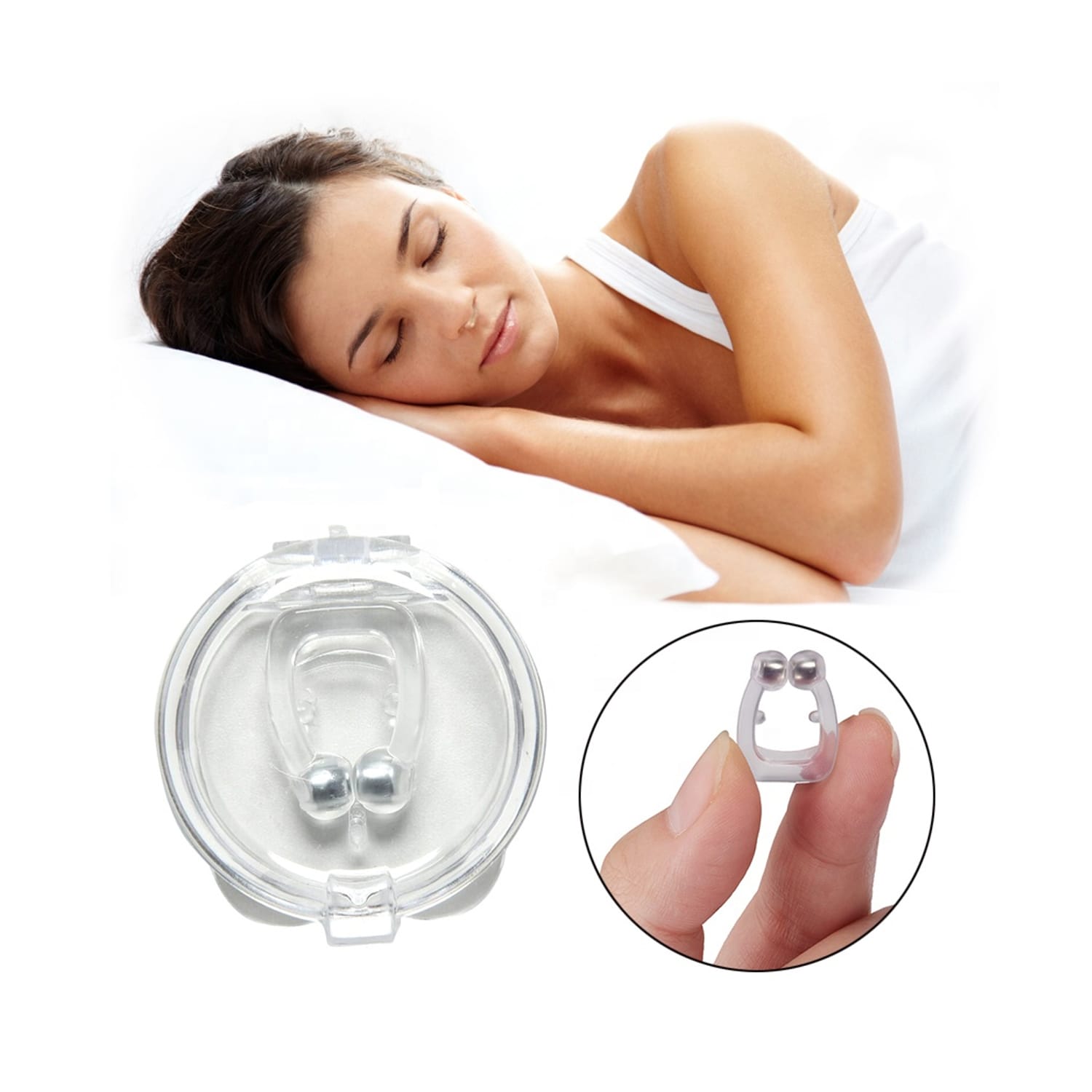
Mild or occasional snoring can be alleviated by some changes in lifestyle such as reducing weight, avoiding alcohol, medication, heavy meals, and tobacco products within six hours before going to bed. There is no therapeutic option for treating snoring. Mandibular Advancement Splints/Devices are used for the treatment of snoring. These are custom made to fit the patient’s mouth. They require titration and adjustment for greater efficacy. Some may notice tooth movement and TMJ sensitivity which can reduce compliance.
Frequently Asked Questions

  • Snoring may become a health problem if it is loud, frequent, and associated with symptoms like daytime fatigue, morning headaches, choking during sleep, or poor sleep quality. Persistent snoring can also indicate underlying conditions such as sleep apnea or airway obstruction.

  • The main cause of snoring is the narrowing or blockage of the upper airway during sleep, which causes throat tissues to vibrate and produce sound. Factors like obesity, nasal congestion, alcohol consumption, and relaxed throat muscles can worsen airflow obstruction.

  • Yes, snoring without sleep apnea is common and usually occurs due to airflow restriction in the nose or throat during sleep. Causes include sleeping position, nasal congestion, enlarged tonsils, or excess throat tissue.

  • Snoring is not always completely curable, but it can often be controlled or reduced with lifestyle changes such as weight management, avoiding alcohol before sleep, and improving sleeping posture.

  • The most effective management for snoring treatment includes lifestyle modifications like weight loss, avoiding alcohol before bedtime, and changing sleeping position, along with medical evaluation if symptoms persist.

Comments

How Family Habits Transfer Diabetes Risk Across Generations

How Family Habits Transfer Diabetes Risk Across Generations

"Diabetes runs in my family" isn't just genetics — it's inherited habits too. Discover how lifestyle patterns pass diabetes risk down generations, and how to break the cycle.

Read More
Food That Blocks Thyroid Medication — Daily Habits to Avoid

Food That Blocks Thyroid Medication — Daily Habits to Avoid

Your thyroid medicine may not be working as well as you think. Discover which foods and daily habits interfere with absorption — and simple timing tips to fix it.

Read More
Can Arthritis and Osteoporosis Coexist? How One Increases Risk of the Other

Can Arthritis and Osteoporosis Coexist? How One Increases Risk of the Other

Can arthritis really lead to osteoporosis? Discover the inflammation link between joint disease and bone loss, and practical steps to protect both as you age.

Read More
Preventive Health: How Monitoring, Support, and Lifestyle Work Together

Preventive Health: How Monitoring, Support, and Lifestyle Work Together

Real prevention isn't about waiting for symptoms — it's monitoring, support, and daily habits working together. Discover how these three pillars build lasting, sustainable health.

Read More
Top Daily Habits to Prevent Back, Neck, and Joint Pain

Top Daily Habits to Prevent Back, Neck, and Joint Pain

Back, neck, and joint pain can affect people of any age, but simple daily habits can make a big difference. This guide shares 10 practical, science-backed tips—from improving posture and staying active to eating anti-inflammatory foods and optimizing your sleep setup—to help prevent pain, improve mobility, and support long-term spine and joint health.

Read More
Top Preventive Healthcare Essentials Every Home Should Have

Top Preventive Healthcare Essentials Every Home Should Have

A small health problem can become a big worry. See the essentials every home should keep ready for everyday health needs.

Read More

No comments yet. Be the first to share your thoughts.