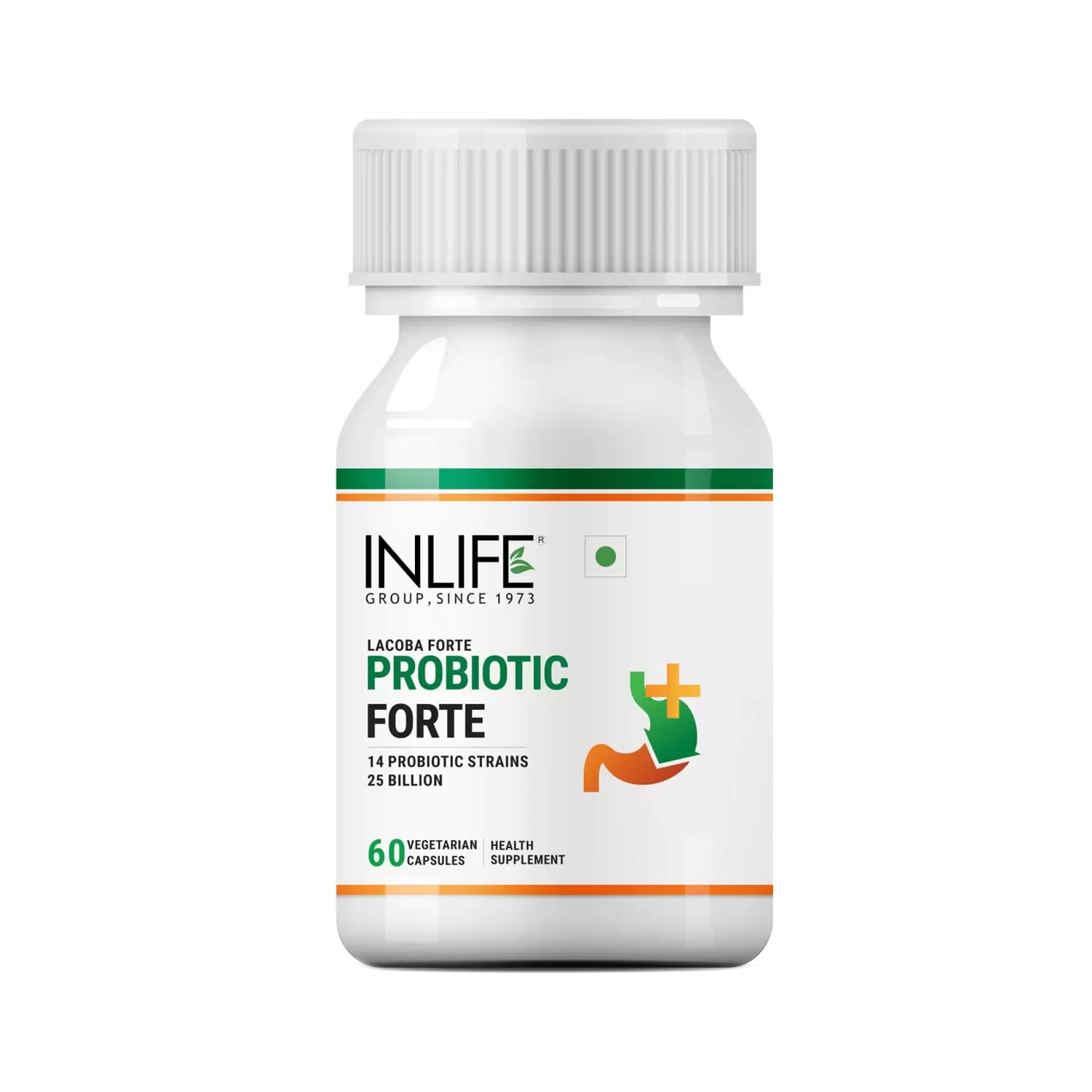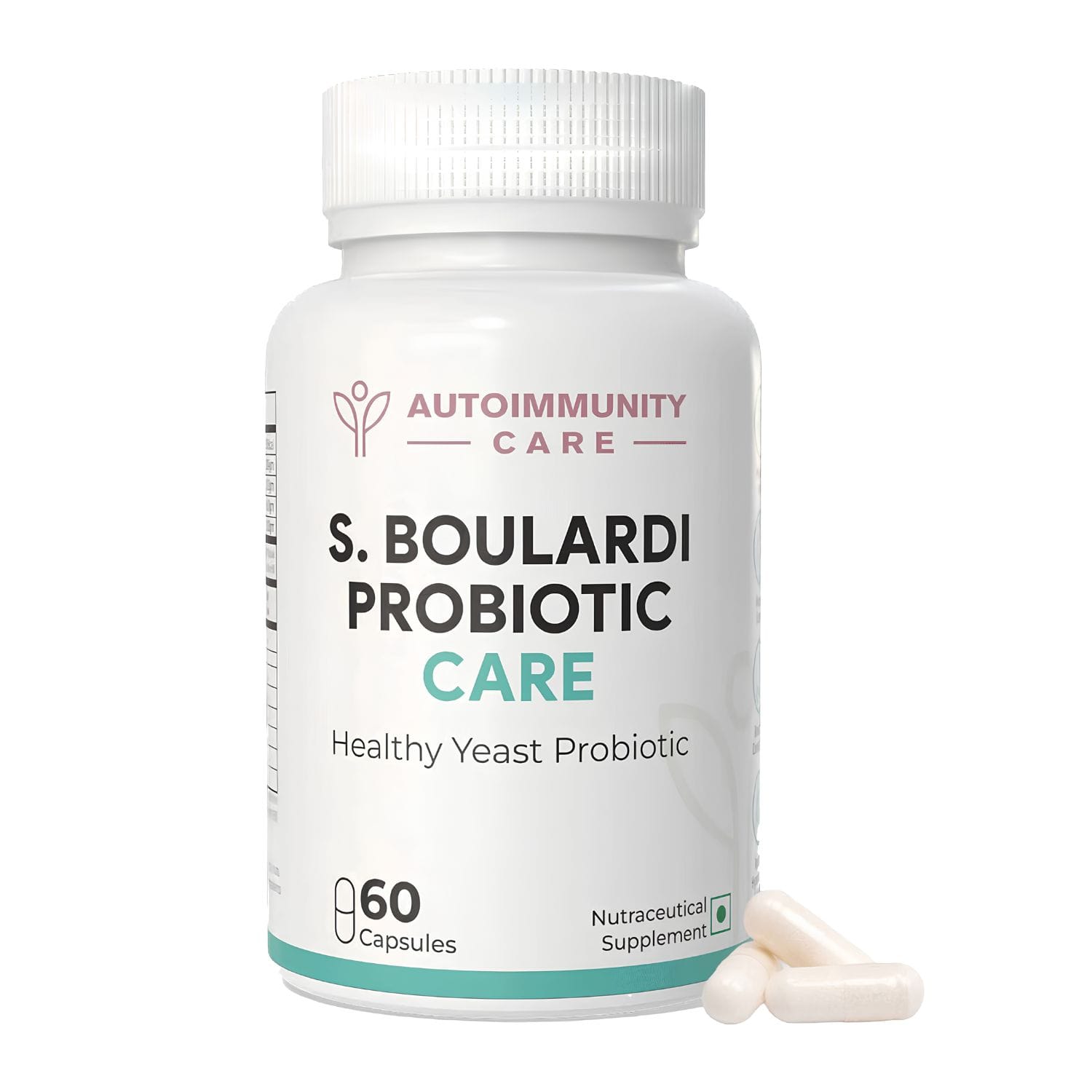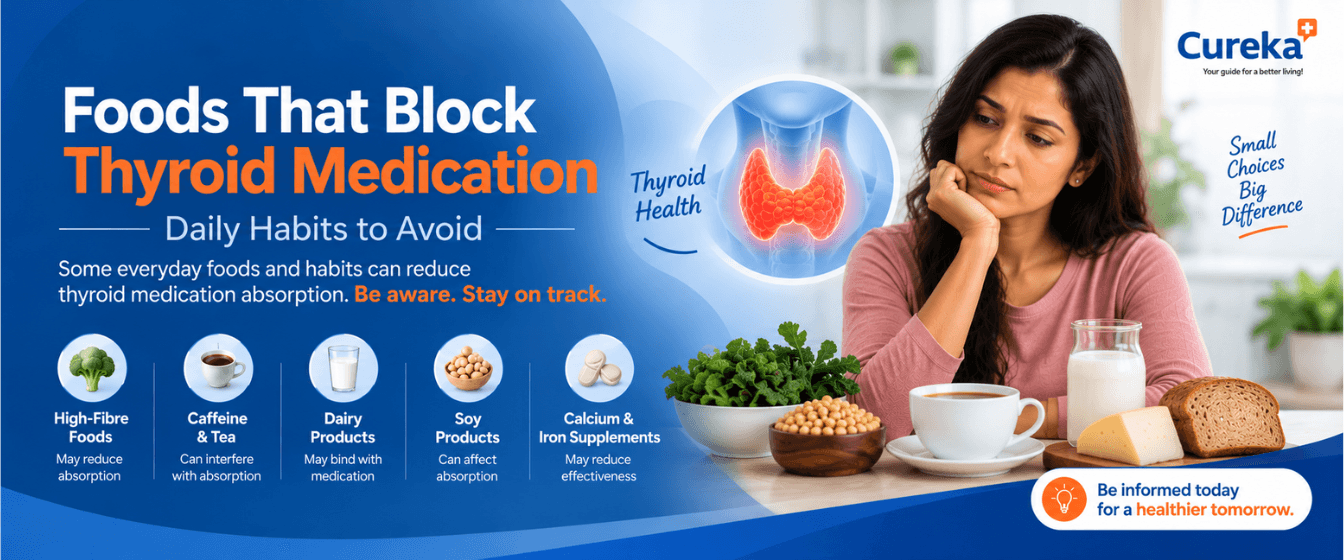



You’re doing everything right eating a balanced diet, staying hydrated, and exercising. But still, something feels off. Your digestion is unpredictable, bloating is an uninvited guest, and your overall energy levels are inconsistent. Could it be your gut? Gut health is a hot topic, often wrapped in layers of myths and misconceptions. Let’s separate fact from fiction, using science to illuminate the real story about your gut microbiome and its relationship with gut health supplements, a gut health diet, and probiotics for gut health.
Myth 1: All Probiotics Are the Same
Science says: Not at all!
The word "probiotic" is often used as a catch-all for good bacteria. But not all probiotics are created equal, and their benefits depend on the strain. For example:
Bifidobacterium infantis: Known for improving digestion and reducing bloating. It could be part of the best probiotic for bloating you’ve been searching for.
Lactobacillus rhamnosus: Backed by research for enhancing immune responses and reducing gut inflammation.
If you’re investing in probiotic supplements for gut health, look for strains that target your specific concerns. A general "one-size-fits-all" approach doesn’t work here.
Myth 2: You Can Skip Diet If You Take Supplements
Science says: No way.
Gut health supplements, like prebiotics and probiotics, can be helpful, but they’re not magic pills. A well-rounded gut health diet rich in fiber, diverse plant-based foods, and fermented products forms the foundation for good gut health.
Prebiotic Foods: Garlic, onions, and bananas feed the beneficial bacteria in your gut.
Fermented Foods: Yogurt naturally contain live cultures that can complement probiotic supplements for gut health.
Resistant Starch: Found in cooked-and-cooled potatoes or green bananas, this nourishes your gut bacteria and promotes a balanced microbiome.
Supplements enhance your efforts—they don’t replace the need for a varied and nutrient-rich diet.
Myth 3: A "Cleanse" Will Fix Everything
Science says: Tread carefully.
Gut cleanses promise quick fixes for bloating and digestive discomfort, but they often oversimplify the complexity of the gut microbiome. Instead, consider adopting habits that foster long-term balance:
Stay Hydrated: Water supports digestion and helps maintain the mucosal lining of the gut.
Increase Fiber Intake: Fiber acts as a broom, sweeping through your gut to promote regularity.
Add Probiotics: The best probiotic for bloating or general gut health will depend on your symptoms and individual microbiome.
Sudden, drastic cleanses can disrupt your gut ecosystem rather than repairing it.
Myth 4: Bloating Means a "Bad" Gut
Science says: Not always.
Bloating might feel uncomfortable, but it’s not always a sign of poor gut health. Sometimes, it’s just the result of gas production from fermenting high-fiber foods—a normal process. However, chronic bloating could indicate an imbalance in your gut microbiome.
If bloating persists, it’s worth considering:
Probiotic Supplements for Gut Health: Specific strains, such as *Saccharomyces boulardii, are known to regulate digestion and reduce bloating.
Food Sensitivities: Elimination diets can help identify potential triggers like lactose or gluten.
Professional Advice: A healthcare provider can help assess whether your symptoms stem from an imbalance or another underlying issue.
Myth 5: Antibiotics Only Kill Bad Bacteria
Science says: Think again.
Antibiotics are lifesaving, but they’re indiscriminate killers—wiping out both harmful and beneficial bacteria. After a course of antibiotics, your gut microbiome can take weeks or even months to recover.
To protect your microbiome during and after antibiotic use:
Take Probiotics for Gut Health: Look for strains like Lactobacillus acidophilus or Bifidobacterium bifidum to replenish beneficial bacteria.
Follow a Gut Health Diet: Focus on high-fiber foods and fermented products to encourage regrowth of good gut health microbes.
Conclusion:
The journey to good gut health isn’t about quick fixes or trendy cleanses. It’s a combination of a gut health diet, informed use of gut health supplements, and understanding the unique needs of your microbiome.
Probiotics for gut health can be useful when chosen wisely, and the best probiotic for bloating or digestive discomfort might just transform your day-to-day life. But remember, your gut’s health reflects a lifelong relationship with food, lifestyle, and science, but not myths.
Reference :
1. 20 Things you Didn’t Know About the Human gut Microbiome – 2014 Nov - https://pmc.ncbi.nlm.nih.gov/articles/PMC4191858/