



The shoulder joint is a ball and socket joint which allows a wide variety of movement compared to the hip joint. This is possible due to a fine set of ligaments holding it in position as well as a well functioning group of muscles around the shoulder called rotator cuff.
The injuries to the joint can be broken bone or dislocated. In sports persons and people of certain occupations the muscles holding the joints together can get injured, called rotator cuff injury. In some throwing sports a muscle can be pulled off the socket bone called as SLAP lesion (What Sachin Tendulkar had).
Dislocation of Shoulder:
The shoulder joint is prone to recurrent dislocation if this treatment is not followed. When is there recurrent dislocation while swimming, putting on a shirt or blouse then surgery is indicated? Here the torn parts of ligaments are reattached to the bone and tightened to prevent further dislocation. This can be done by keyhole surgery (Arthroscopy).
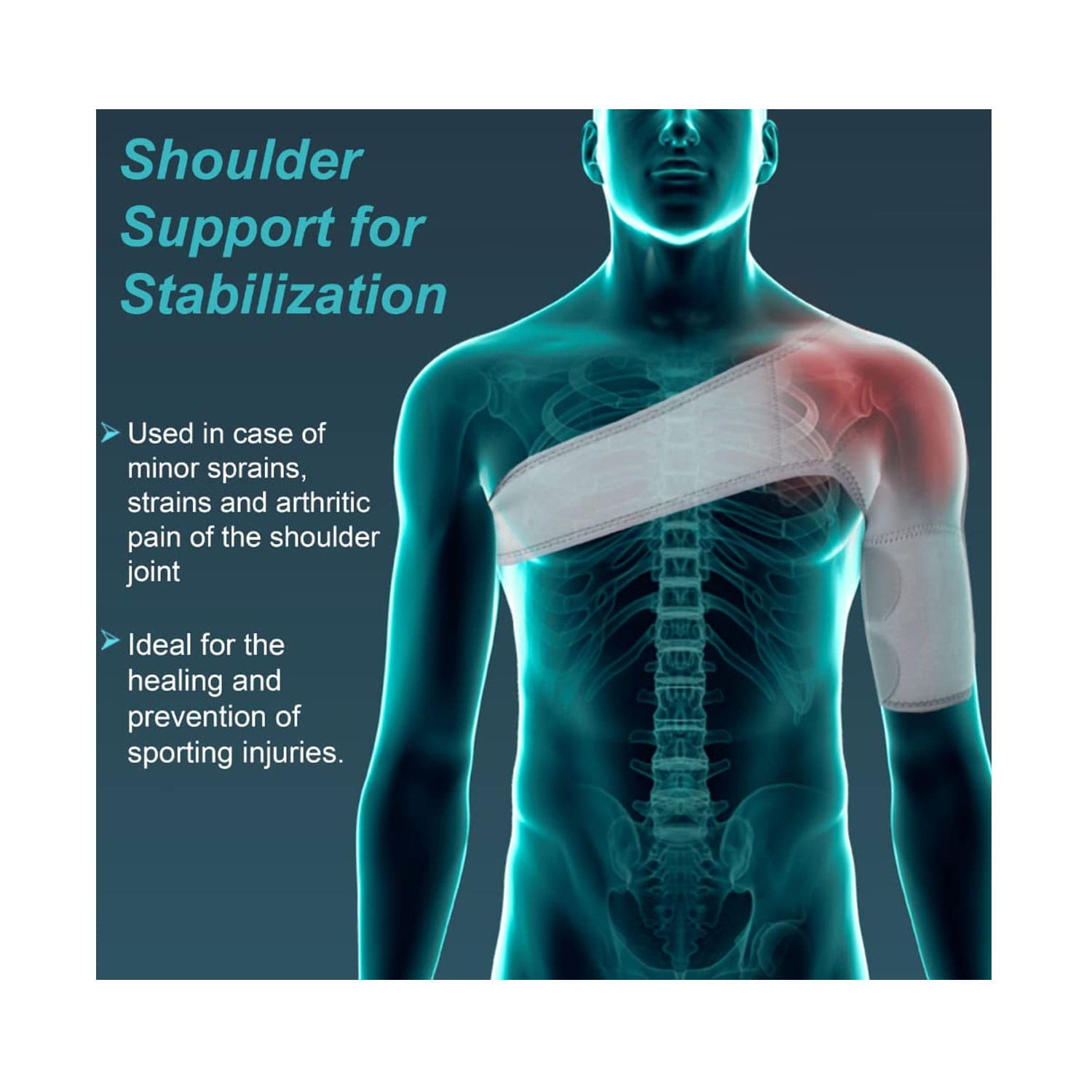
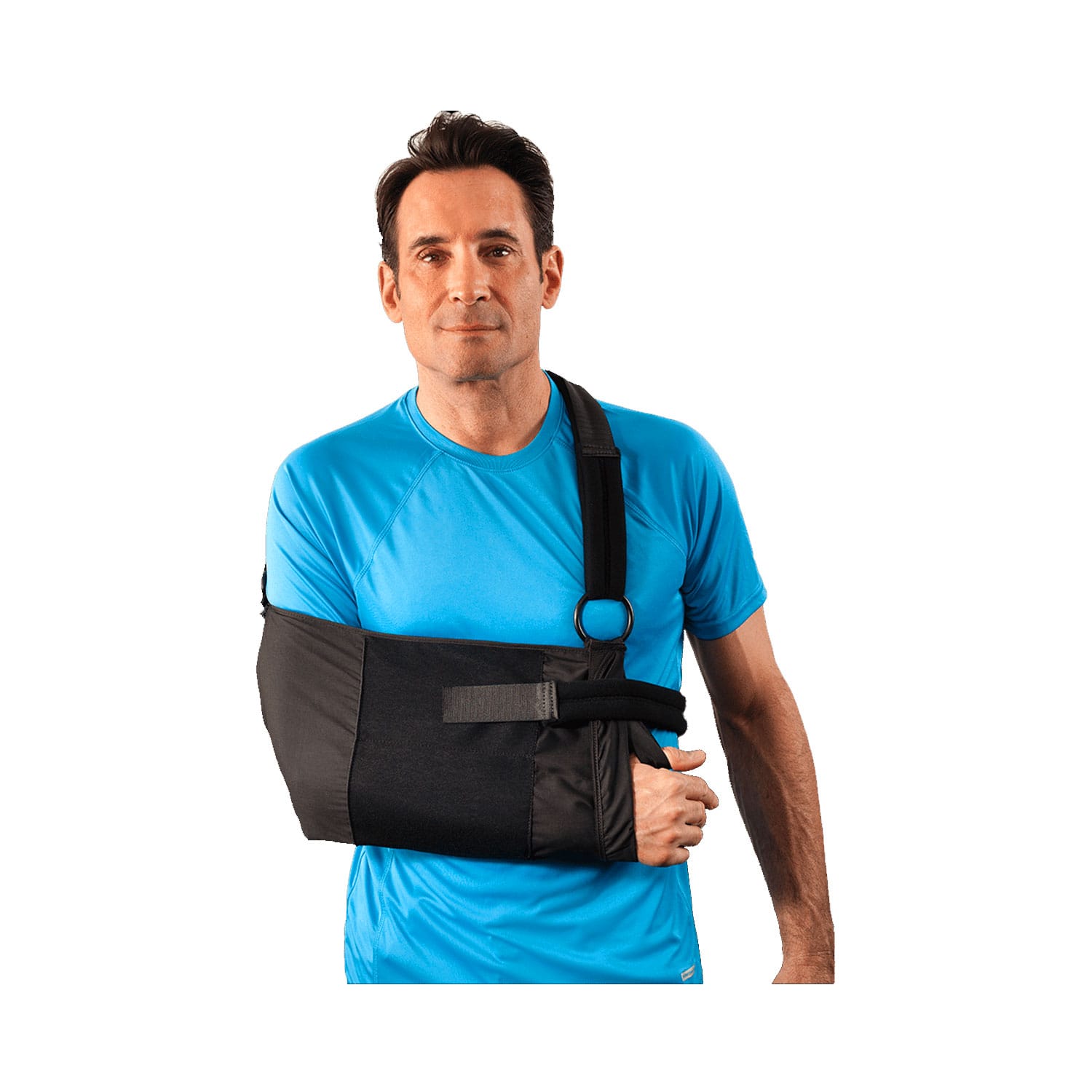
The shoulder joint is a highly mobile joint, so a compromise on stability is present. In some injuries the shoulder can dislocate i.e., the ball & socket are separated due to tearing of the muscles and ligaments holding it together. In some instance the bone can be broken as well, whenever there is a dislocation the joint has to be put back in position by an orthopedic surgeon under anesthesia. After this maneuver the joint has to be immobilized for 3 weeks for the torn ligaments and muscles to heal, after are to be started to gain movement and achieve muscle strength to prevent further dislocations.
Rotator cuff:
The rotator cuff is a fine set of muscles around the shoulder joint which helps in stabilizing the shoulder joint. As mentioned in earlier article the shoulder joint is a shallow ball & socket joint and it requires stabilization by muscles and ligaments. The rotator cuff muscles attach around the joint like a hood and acts at different movements, preventing the joint from dislocations. But in some instances the rotator cuff muscles may be injured leading to pain and loss of function of the shoulder joint. The injuries to the rotator cuff can be due to accidents during sports or road traffic accidents; or it may occur in older individuals due to wear & tear of the joints in close proximity to the rotator cuff.
Usually the tear of the rotator cuff is due to a fall on the shoulder directly and not on an outstretched hand. There is immediate pain and inability to lift the arm due to pain. The amount of tear of the cuff determines whether the person can lift his arm or not. Sometimes the tear may be small and the shoulder hurts in certain positions only. The shoulder pain may be disabling in those doing over head activities. If the tear is severe then the arm drops down when held up by the other hand, and no muscle power is present. Rotator cuff tears can be diagnosed by your orthopaedician by careful examination. Ultrasound scan or Magnetic Resonance Imaging Scan (MRI) may show the tear clearly and help in formulating the treatment plan.
In the younger individual if the tear is severe then surgery is a better option. Here the torn part of the muscle is sutured back and physiotherapy instituted to strengthen muscle and to gain full range of motion of shoulder. The surgery can be performed either by a mini incision or by keyhole surgery the results of the former being more consistent. In sports persons with overhead activities the rotator cuff is constantly put into repetitive stresses of the same kind. This may lead to inflammation and tears. These cause a lot of pain loss of form and function in professional sports persons. A well tailored physiotherapy regime of rest, hot/cold treatments, muscle strengthening, muscle training, local steroid injections and other medications suffice.
In the elderly the most common cause of this rotator cuff tear is degeneration (wear & tear) of the joint formed by the collar bone & shoulder blade which is in close proximity to the rotator cuff. The degenerated joint rubs over the rotator cuff causing tears which are very painful. Most often the older individuals do well with physiotherapy, local steroid injections & medications. However in some the pain is so severe and the bone keeps rubbing the muscles, then surgery indicated to trim the bone and repair the tear. Again this can be done by keyhole surgery or by mini-incision (mini – open) surgery.