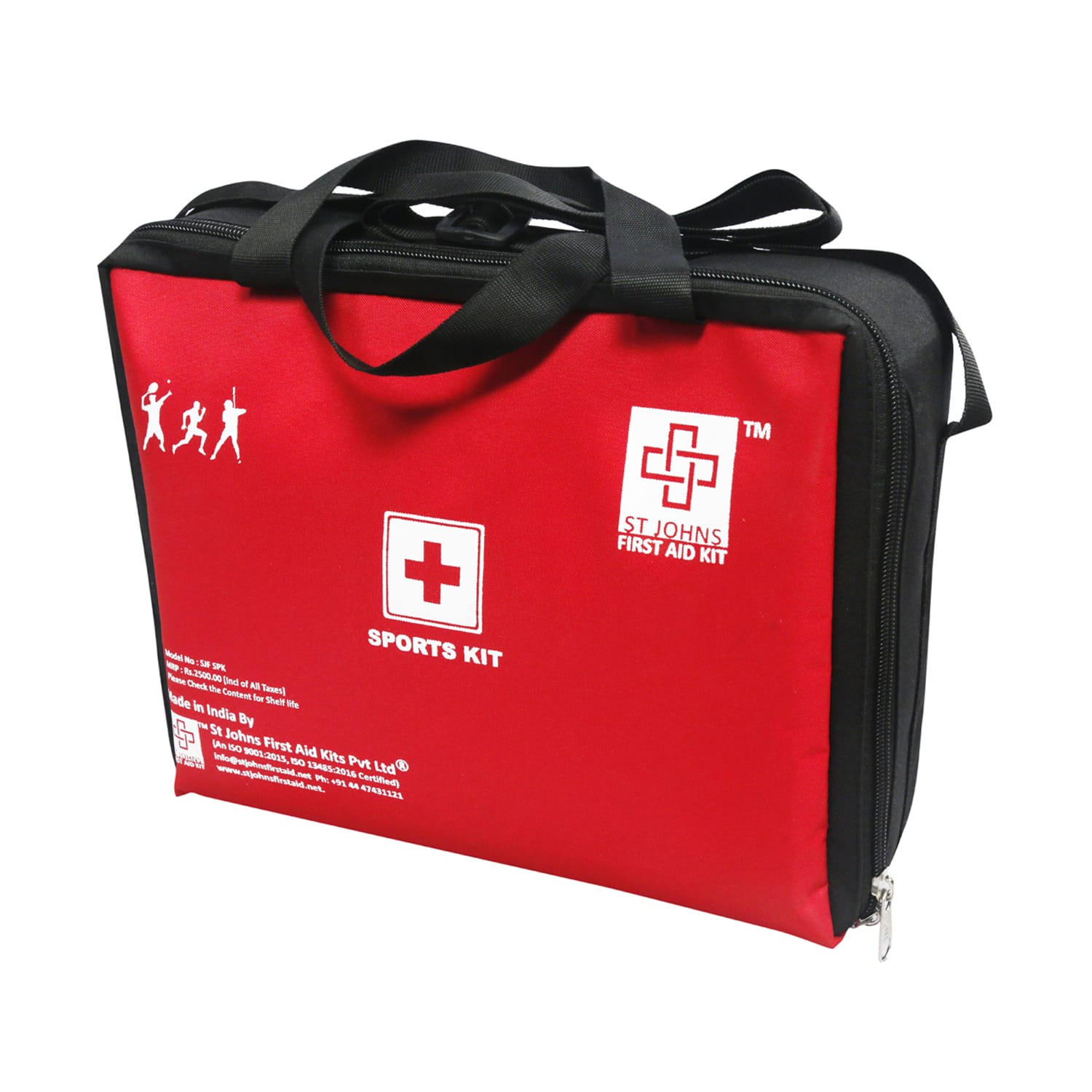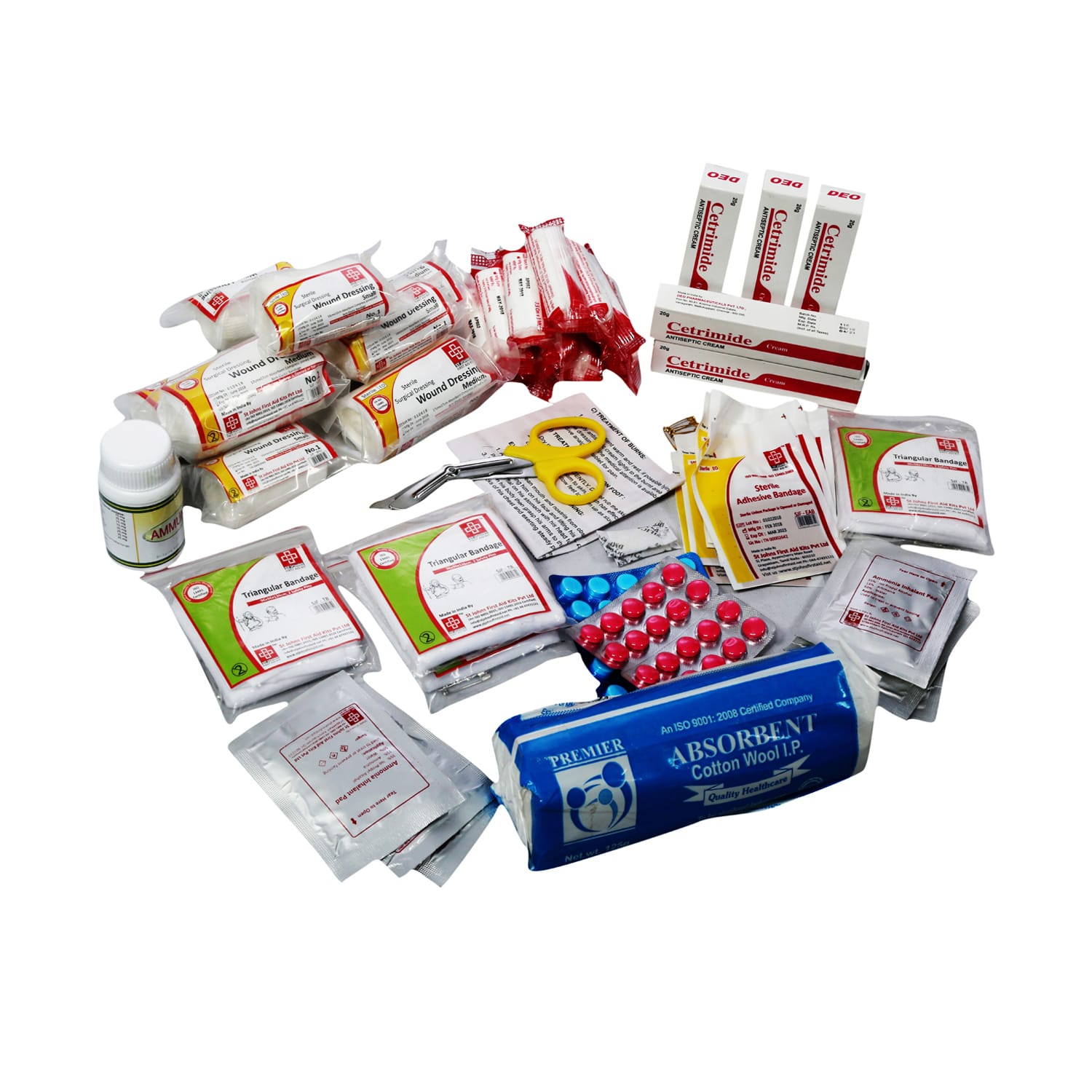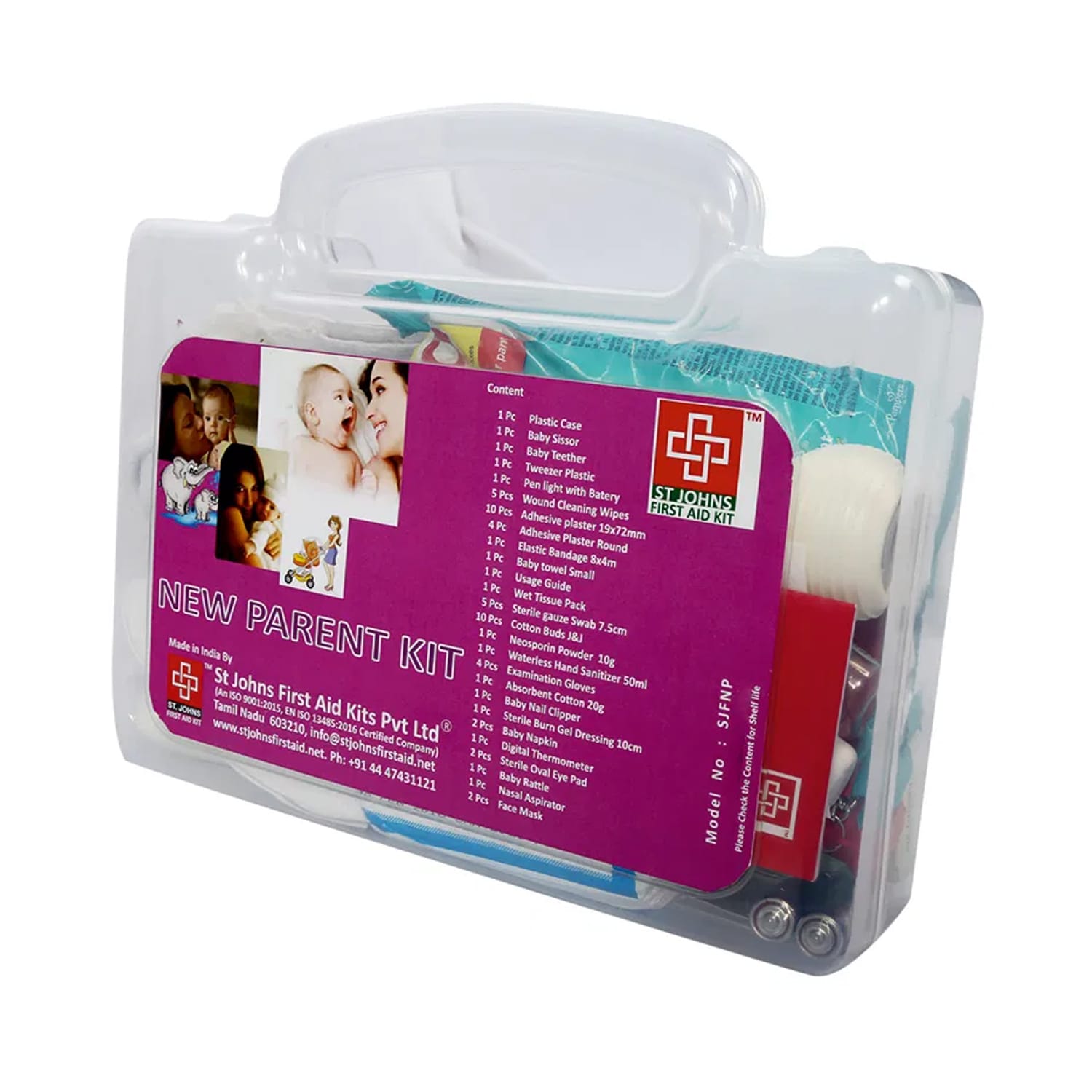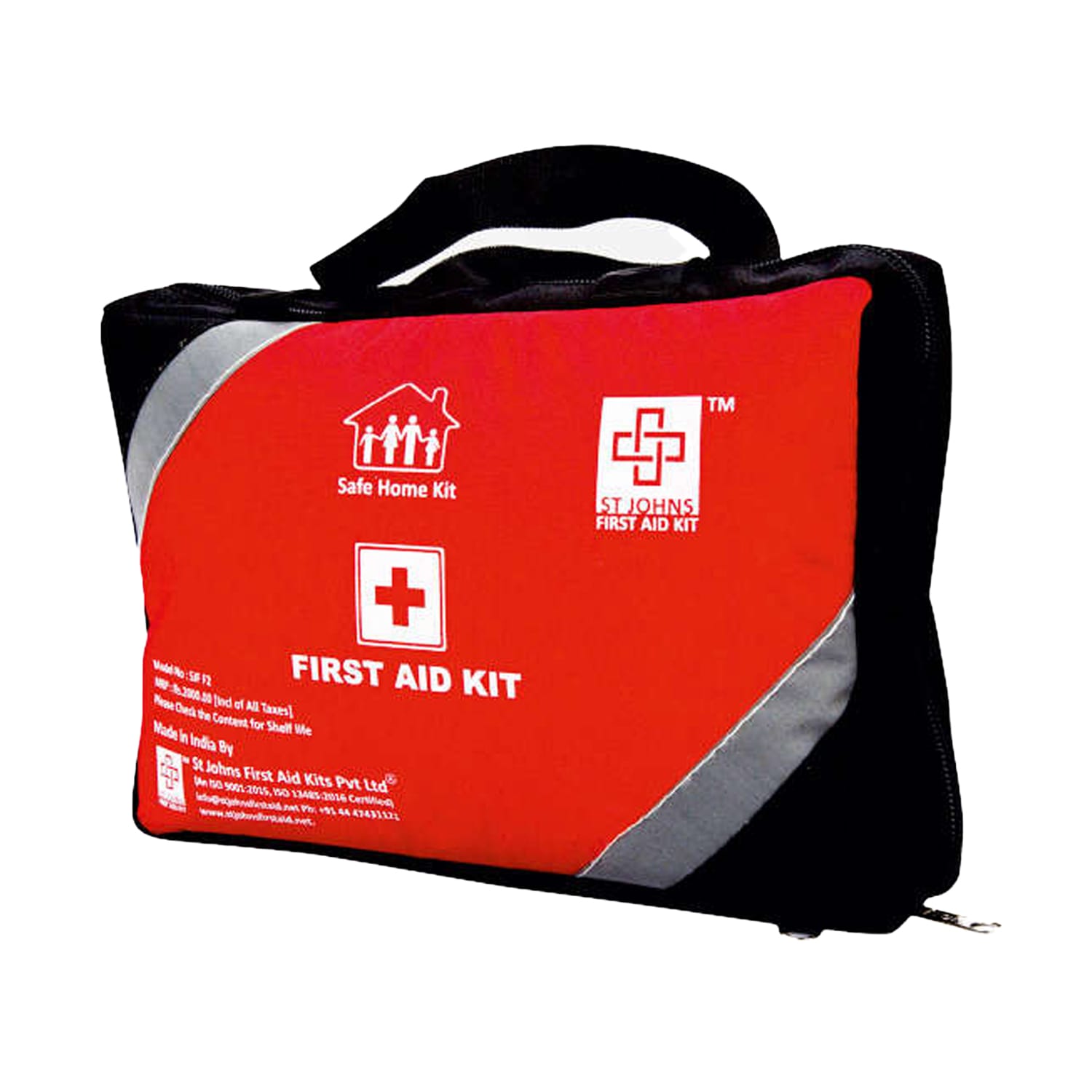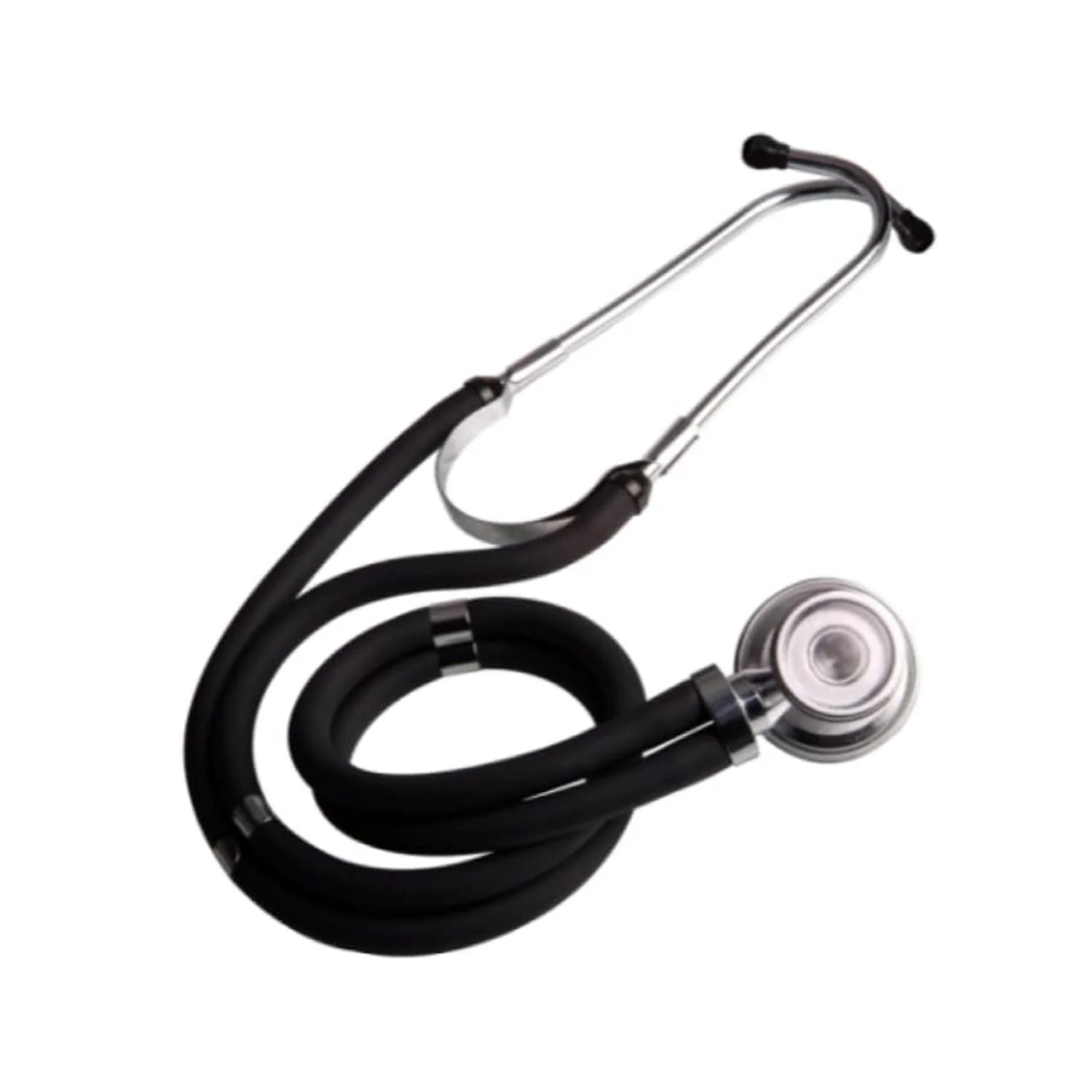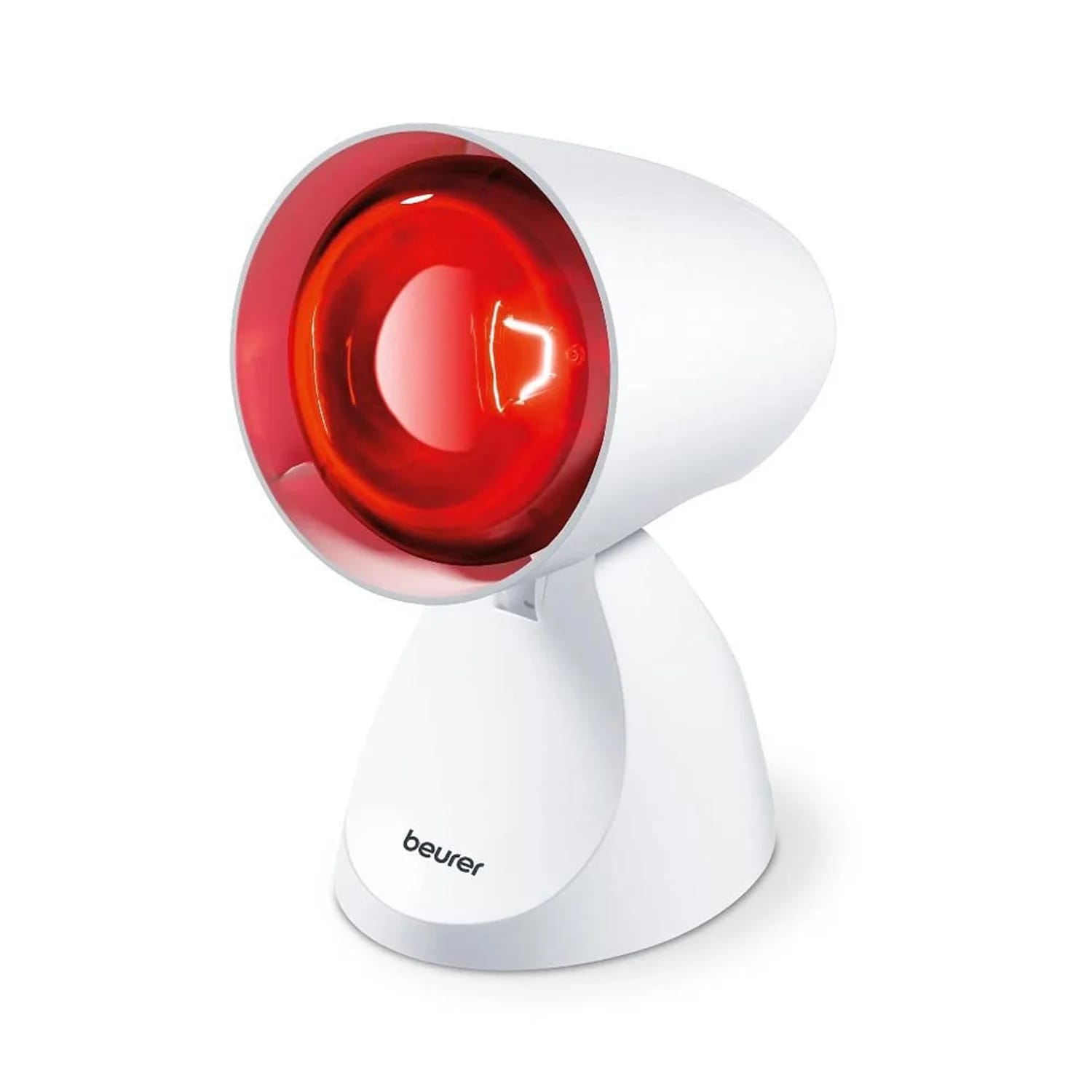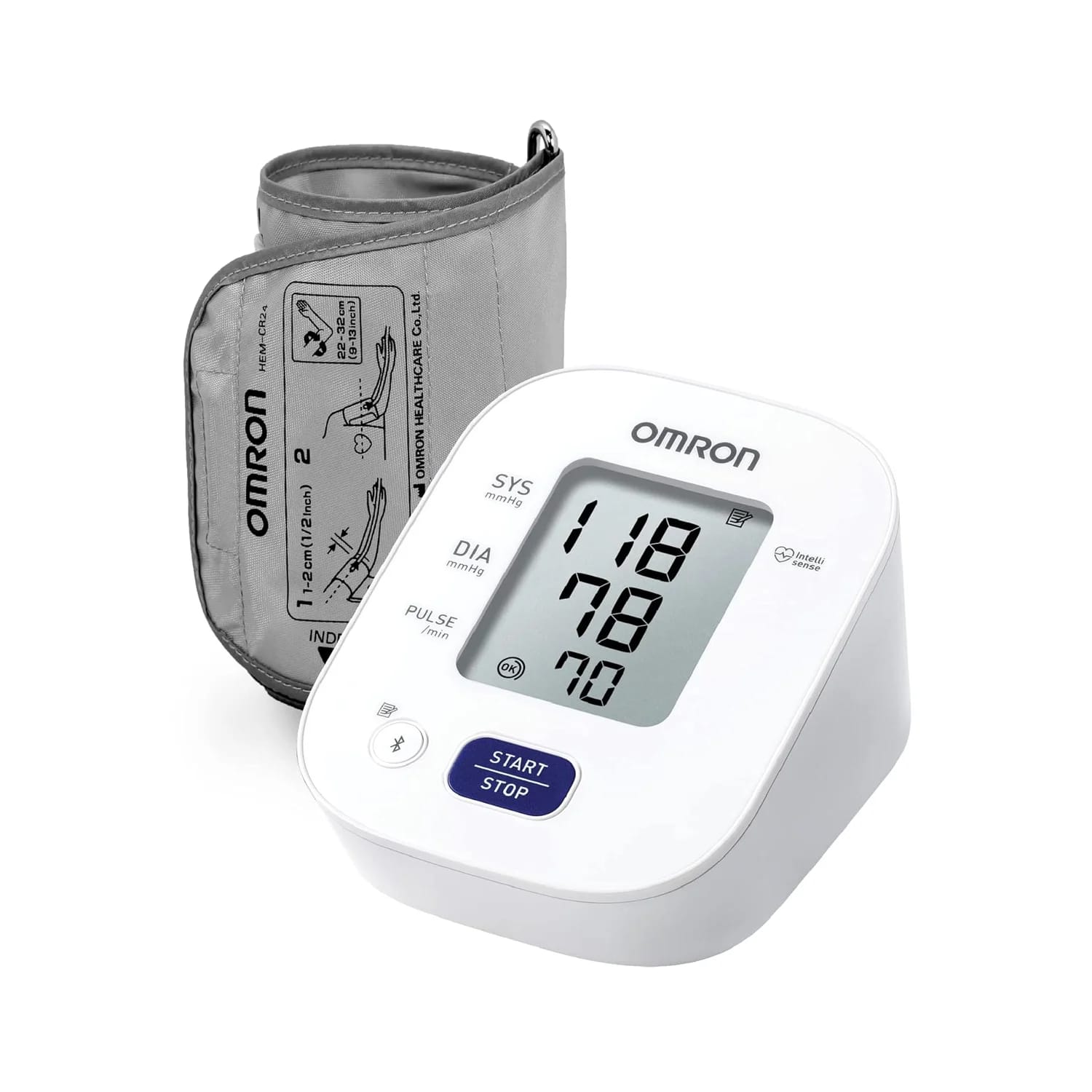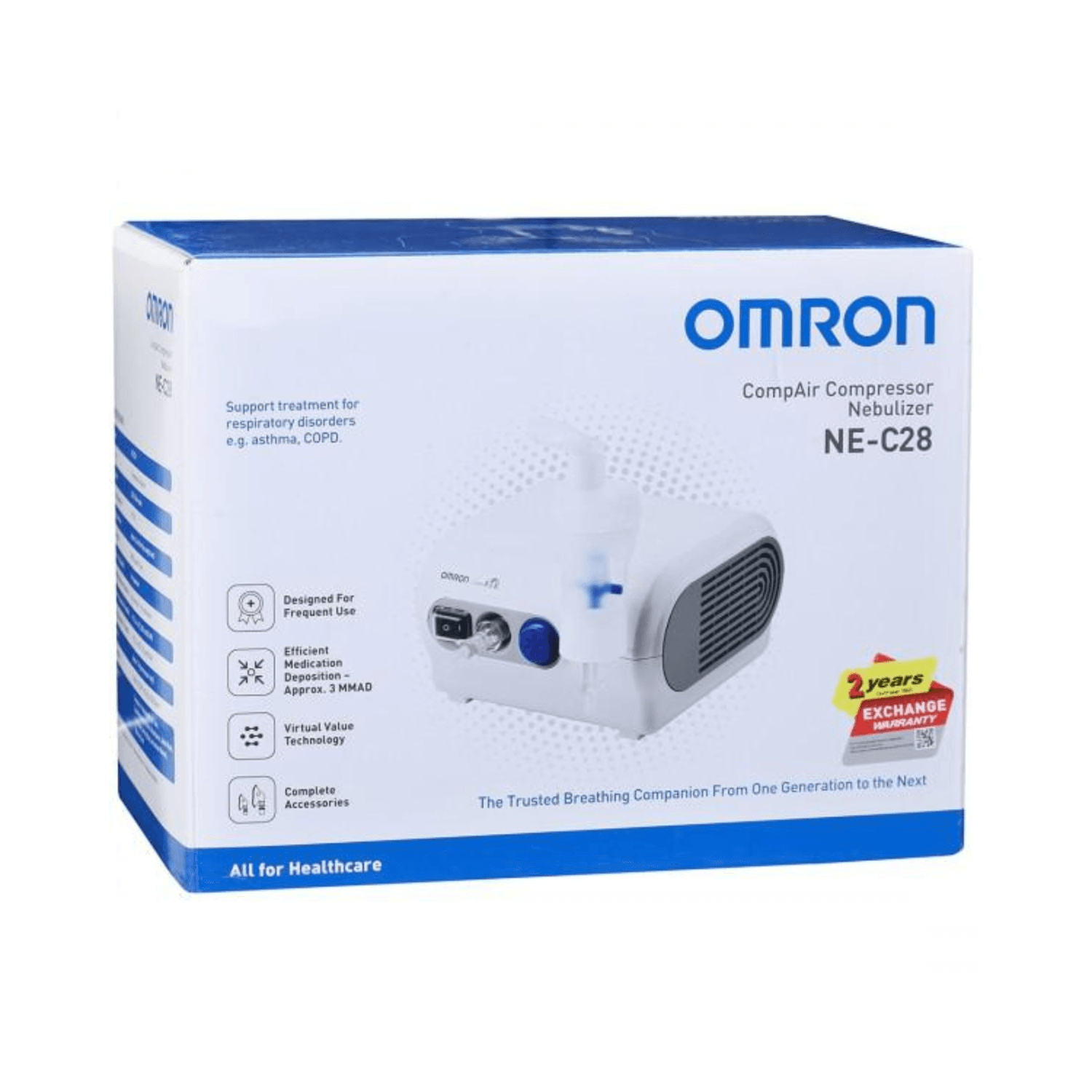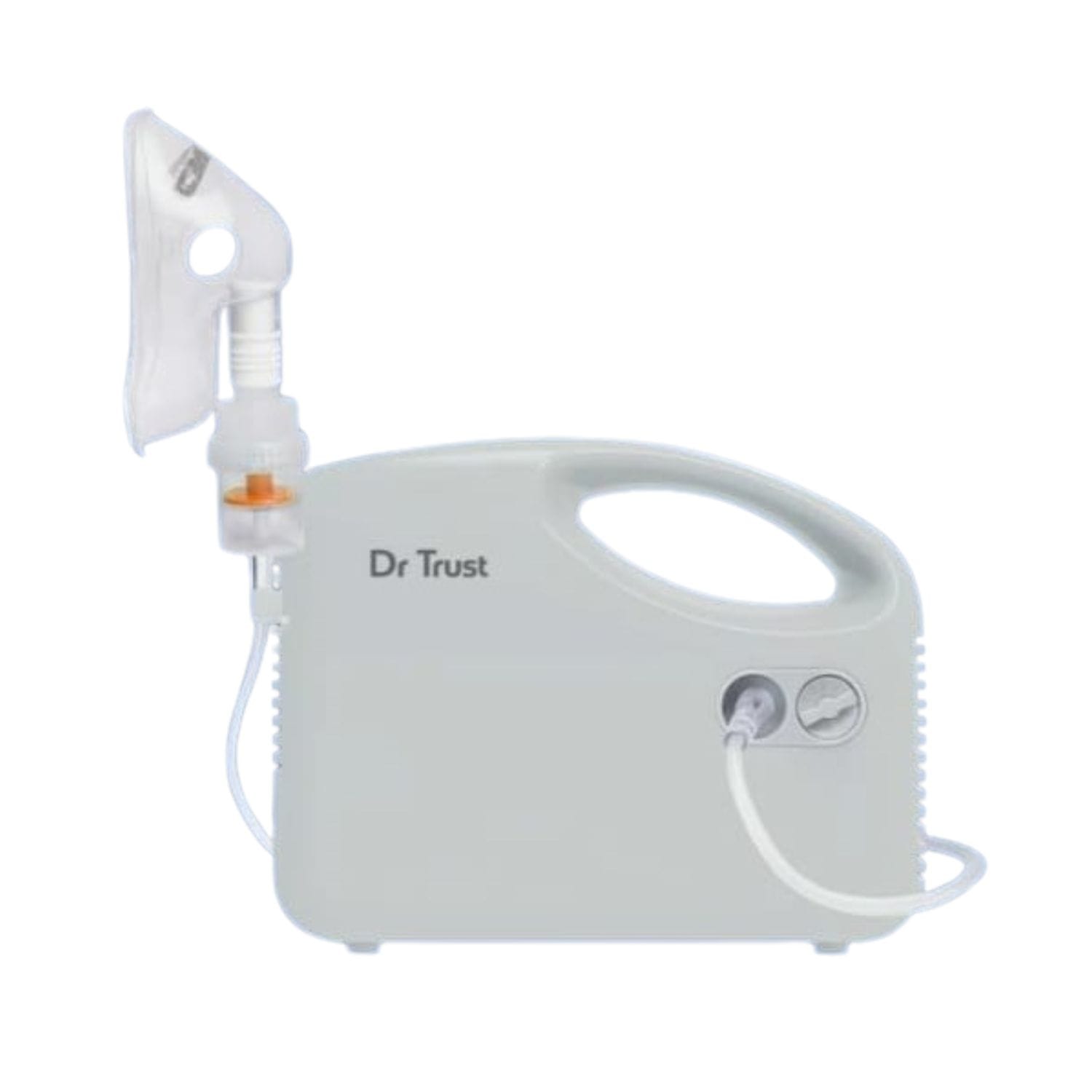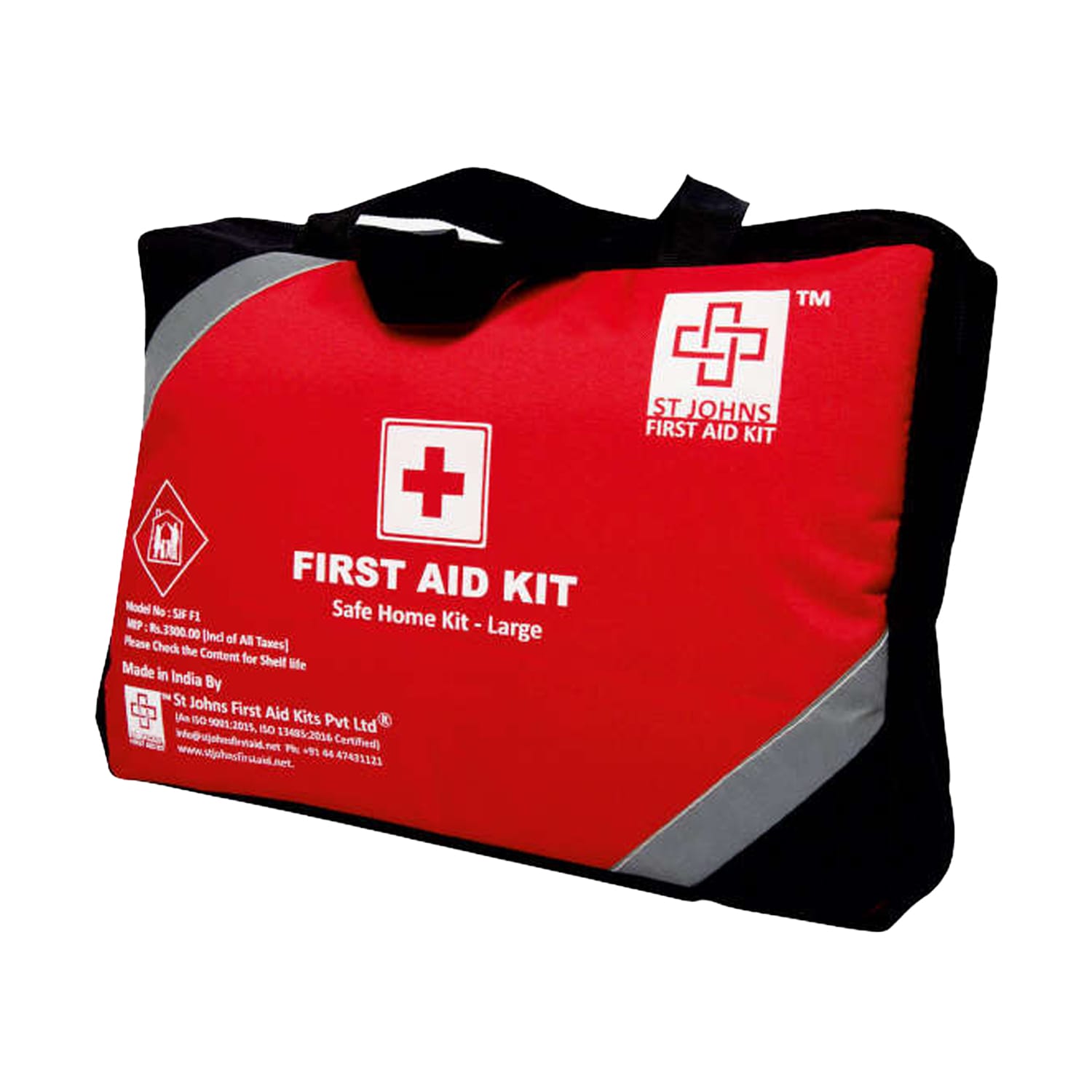
St. John's SJF F1 (Safe Home Kit)- Large
St. Johns
₹2,80515% off₹3,300
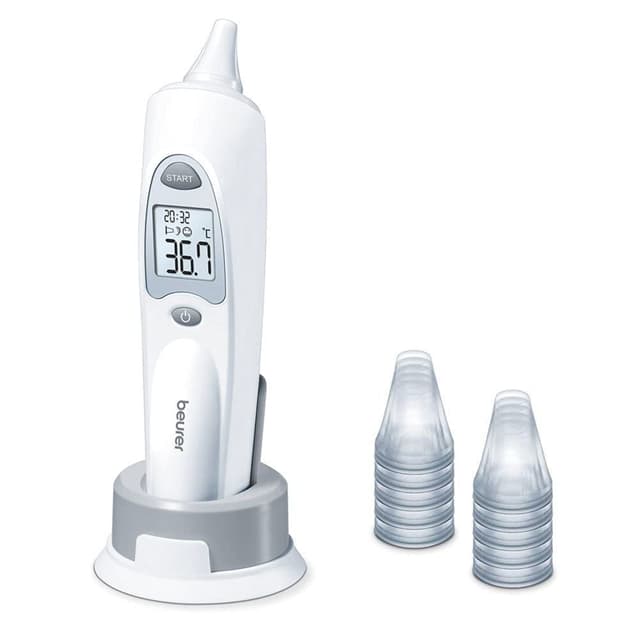


Easy to use infrared ear thermometer.
Will give measurement in seconds.
For hygiene and safe temperature reading.
Saves up to 10 memories.
Can be used to find room and object temperature.
Results can be read in Celsius / Fahrenheit (ËšC / F).
Auto switch off and low battery indicating features.
For measuring body temperature
Place a clean protective cap on to the sensor tip of the ear thermometer.
Press the ON / OFF button to switch on the ear thermometer.
As the ear canal is slightly curved, you have to pull the ear slightly up and backwards before inserting the sensor tip; this is important so that the tip of the protective cap can be pointed directly at the eardrum.
Now, insert the sensor tip with the protective cap carefully into the ear canal and press the START button to begin the measurement.
Hold the thermometer until you hear a long acoustic signal.
Read the result that is shown in the display.
Press the ON / OFF button to switch off the ear thermometer.
Note: Replace protective cap at each use. For measuring object temperature
Remove the protective cap from the sensor tip of the ear thermometer (if it is on).
Press the ON / OFF button to switch on the ear thermometer.
Ensure that you are in object temperature mode (to switch between body temperature and object temperature mode, briefly press and hold the ON / OFF button and the START button at the same time).
Hold the sensor tip of the ear thermometer 1 to 2 cm from the desired measuring point and press the START button.
Hold it until you hear a long acoustic signal and then read the measurement which is shown in the display.
Press the ON / OFF button to switch off the ear thermometer.
Store in a cool and dry place.
Keep the thermometer out of reach of children.
Don’t reuse the protective cap.
Do not touch the sensor tip of the thermometer.
Primary Prevention: Suitable for individuals or families who want to monitor body temperature as part of routine health care — helps provide reassurance and supports early detection of temperature changes.
Secondary Prevention: Essential when mild fever, illness, or subtle temperature fluctuations appear — helps track accurate readings, support timely care decisions, and encourage prompt consultation with healthcare professionals if needed.
Tertiary Prevention: Recommended for individuals with ongoing illness, post-treatment recovery, or those requiring frequent monitoring — helps enable consistent temperature assessment, support informed health decisions, and promote comfort and effective health management.
Yes, temperature taken in the ear is accurate than other readings as the ear temperature reflects the core body temperature.
No. It is specially designed to measure body temperature in the ear; don't use the ear thermometer for measurements in other parts of the body.
You can use the beurer FT 58 ear thermometer to measure room and object temperatures. Remove the protective cap from the sensor tip of the ear thermometer (if it is on), press the ON / OFF button to switch on the ear thermometer and ensure that you are in object temperature mode, hold the sensor tip of the ear thermometer 1 to 2 cm from the desired measuring point and press the START button, hold it until you hear a long acoustic signal and then read the measurement which is shown in the display.
Yes, you should replace the protective cap after each use to ensure an accurate measurement and prevent cross-contamination.
No. The beurer FT 58 ear thermometer must be used with protective caps from Beurer; other protective caps may result in faulty measurements.


Struggling with shoulder pain? Find out which type of brace suits your injury best, so you can heal faster and get back to your daily routine.
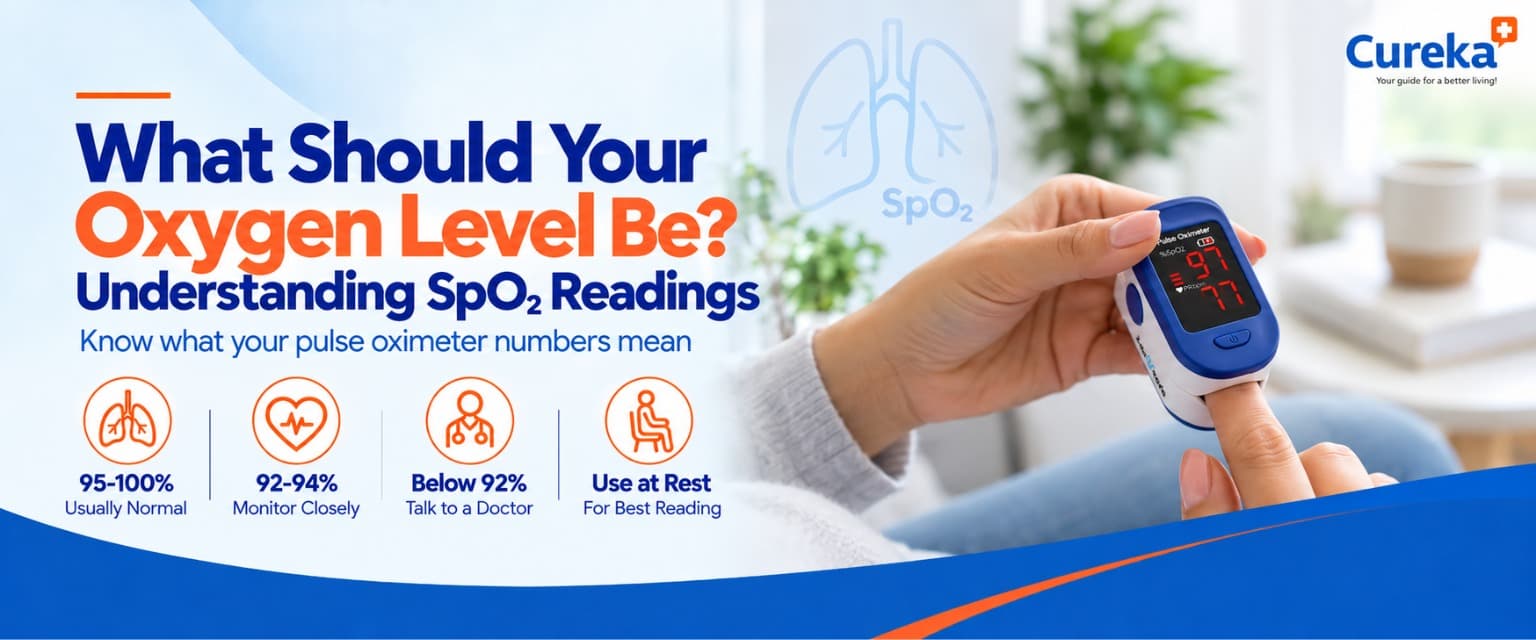
Is 94% a normal oxygen level? Understand healthy SpO₂ ranges, why pulse oximeter readings change, and the warning signs that need medical help.

Choosing a medical air mattress goes beyond comfort. Learn what to look for, from pressure relief and weight capacity to pump quality, to support safer, easier patient care at home.
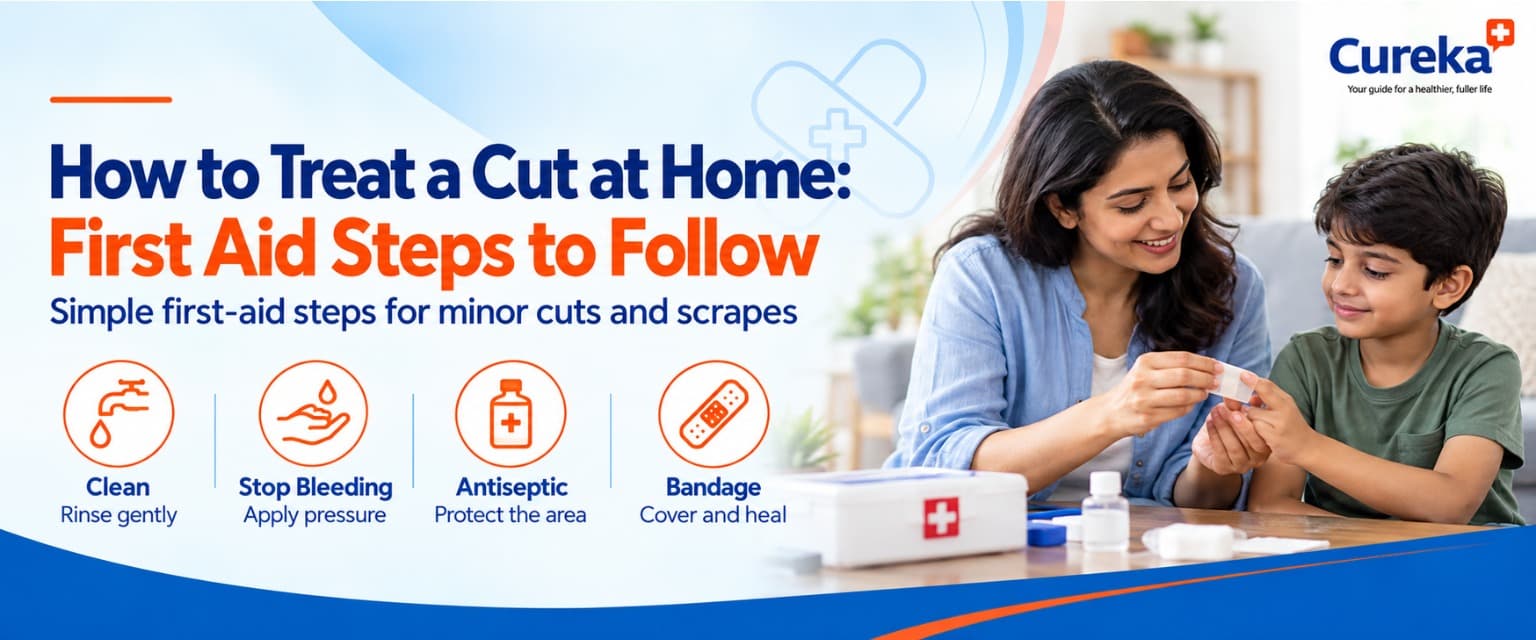
Minor cuts happen daily — but proper care prevents infection and scarring. Learn the essential first aid steps for cleaning, treating, and knowing when a cut needs medical attention.