Everyday tasks like combing your hair, reaching for a cup, or even putting on a jacket can suddenly feel impossible when shoulder pain strikes. Your shoulder, with its remarkable range of motion, is one of the most relied-upon joints in your body—but this flexibility also makes it highly vulnerable to injury. Whether it's a sports mishap, a hard fall, or the wear and tear of repetitive motions, shoulder injuries can disrupt your life in ways you never imagined. Shoulder injuries, though common, can significantly impact your daily life, making even simple tasks challenging.
Common Types of Shoulder Injuries
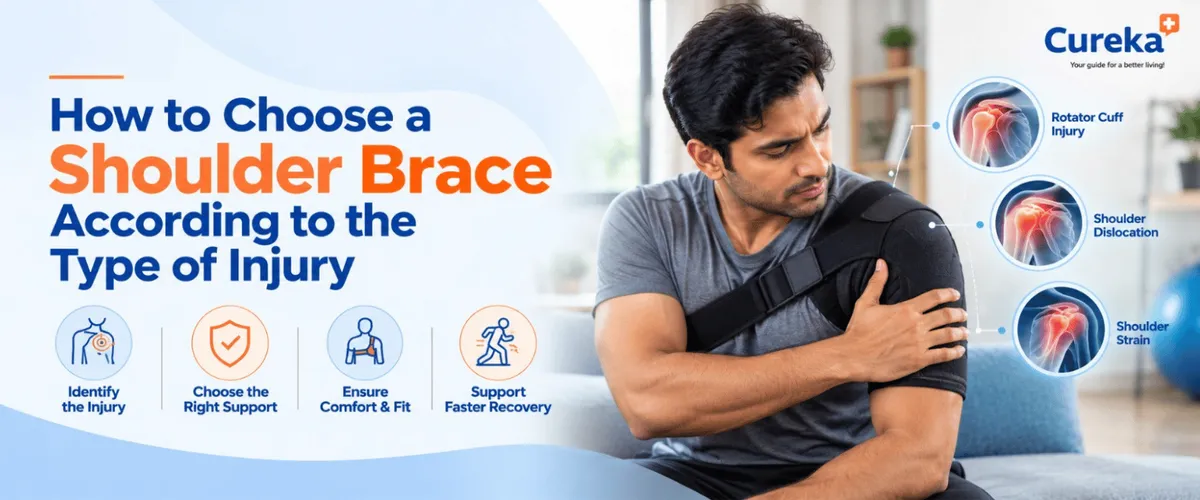
1. Rotator Cuff Injuries
The rotator cuff comprises muscles and tendons that stabilize the shoulder joint. Injuries can range from mild strains to complete tears, often caused by repetitive overhead movements or trauma.
Symptoms: Pain during movement, weakness, and reduced range of motion.
Recommended Brace: A compression shoulder brace to reduce swelling and provide support.
2. Shoulder Dislocations
A dislocation occurs when the ball of the upper arm bone (humerus) pops out of the shoulder socket due to impact or extreme twisting.
Symptoms: Severe pain, swelling, and visible joint deformity.
Recommended Brace: A stabilizing brace to immobilize the shoulder and prevent re-injury.
3. Frozen Shoulder (Adhesive Capsulitis)
Characterized by stiffness and pain, a frozen shoulder often develops gradually and limits motion.
Symptoms: Progressive tightness and difficulty in shoulder movement.
Recommended Brace: A compression or stability brace to alleviate pain and support mobility.
4. AC Joint Injuries
The acromioclavicular (AC) joint connects the collarbone to the shoulder blade. Injuries here typically occur from falls or direct impact.
Symptoms: Pain at the top of the shoulder, swelling, and difficulty lifting the arm.
Recommended Brace: A shoulder stabilizer to secure the joint and promote healing.
5. Post-Surgery Rehabilitation
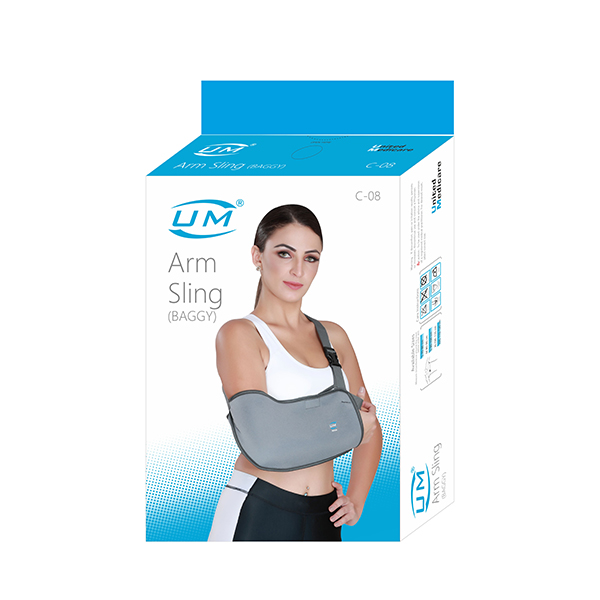
Shoulder surgeries, like rotator cuff repairs or joint replacements, often require immobilization for proper healing.
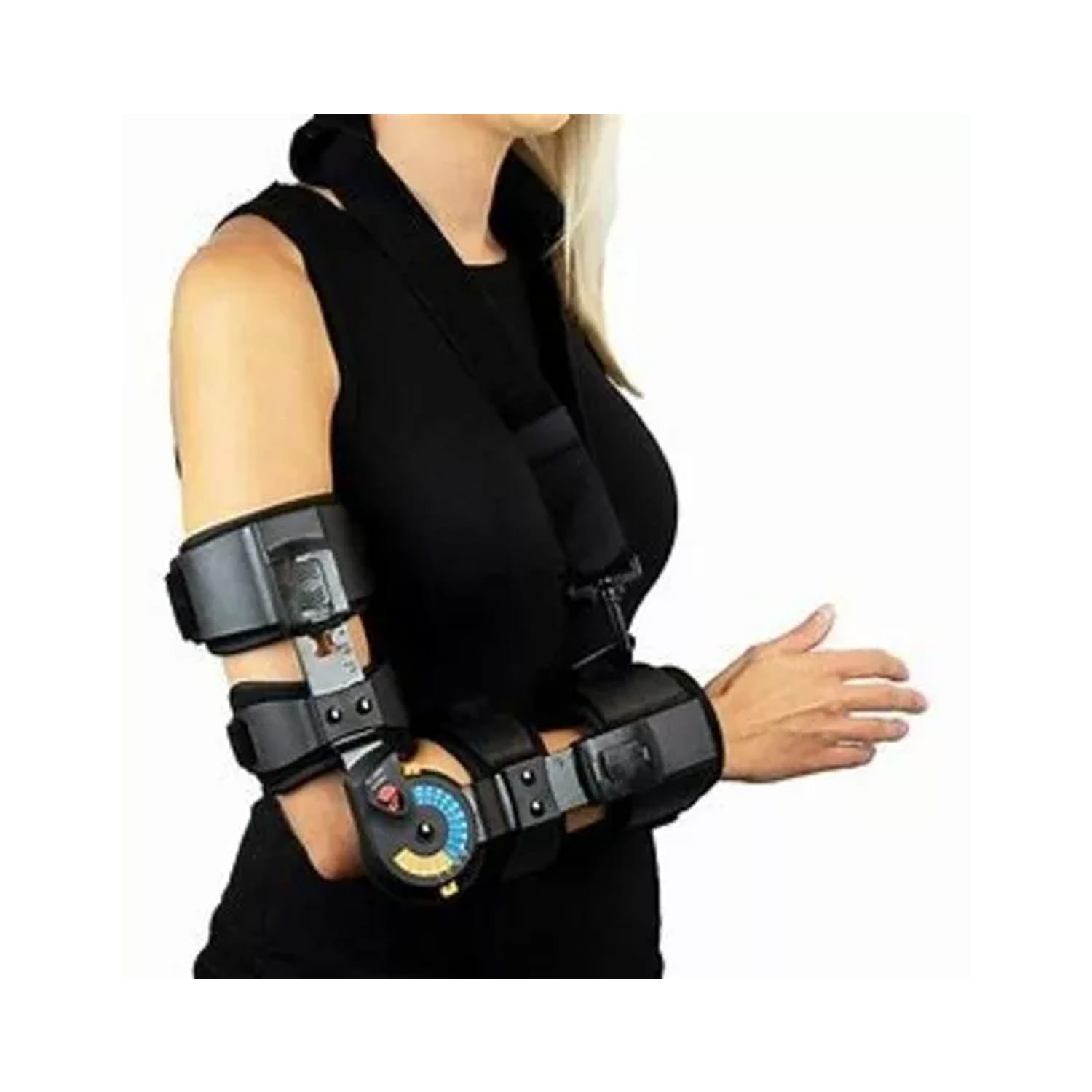
Recommended Brace: A sling brace to keep the arm stable and reduce strain on the shoulder.
Types of Shoulder Braces and Their Applications
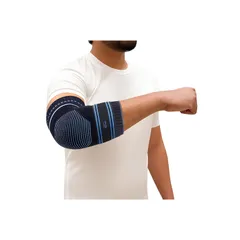
1. Compression Shoulder Braces or Elastic Shoulder Support:
Purpose: Provide gentle pressure to reduce swelling and inflammation.
Best for: Minor strains, overuse injuries, and frozen shoulder.
Features: Lightweight, breathable materials.
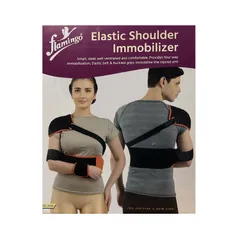
2. Stabilizing Shoulder Braces or Shoulder Immobilizer:
Purpose: Restrict movement to prevent further injury.
Best for: Dislocations, torn ligaments, and rotator cuff injuries.
Features: Adjustable straps for a custom fit.
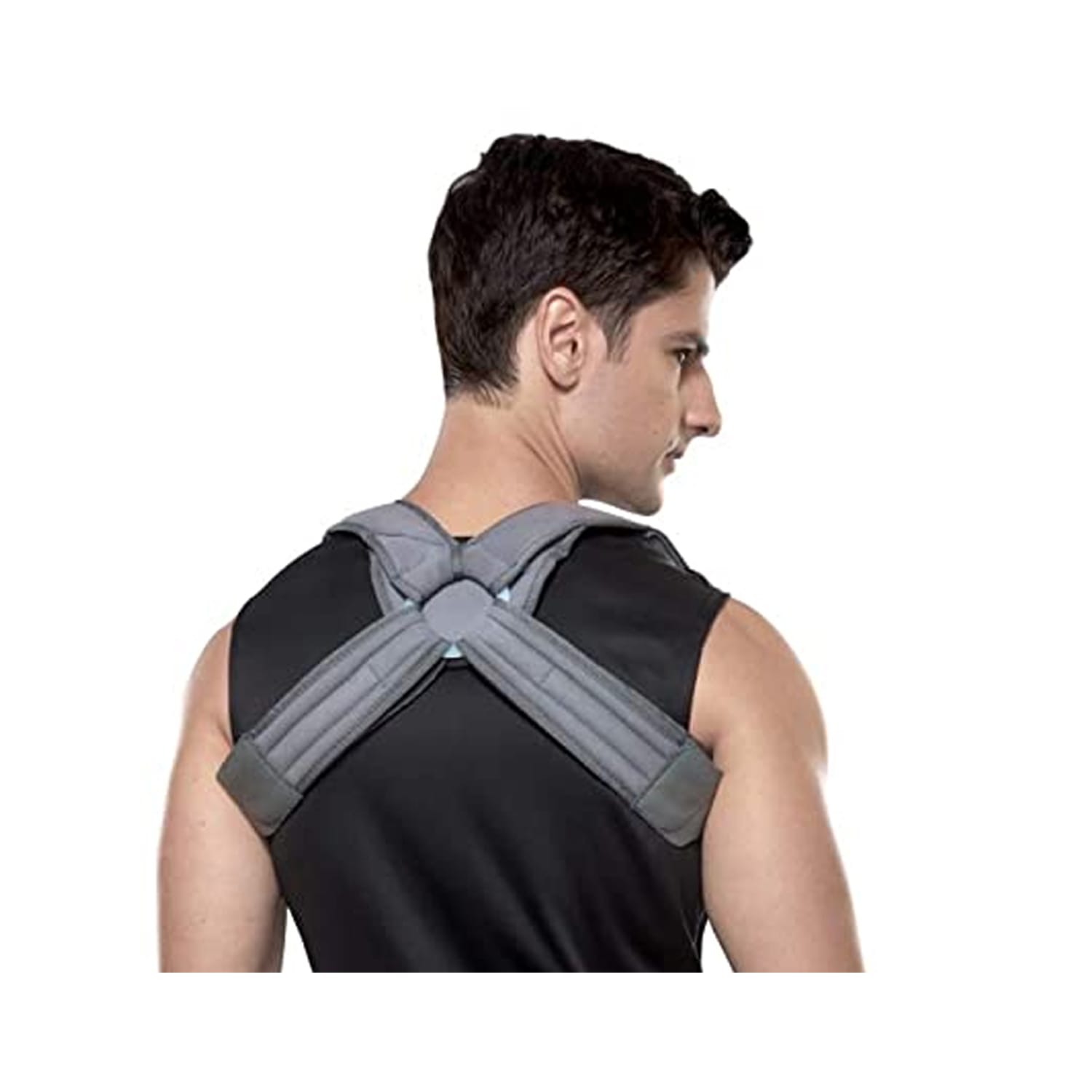
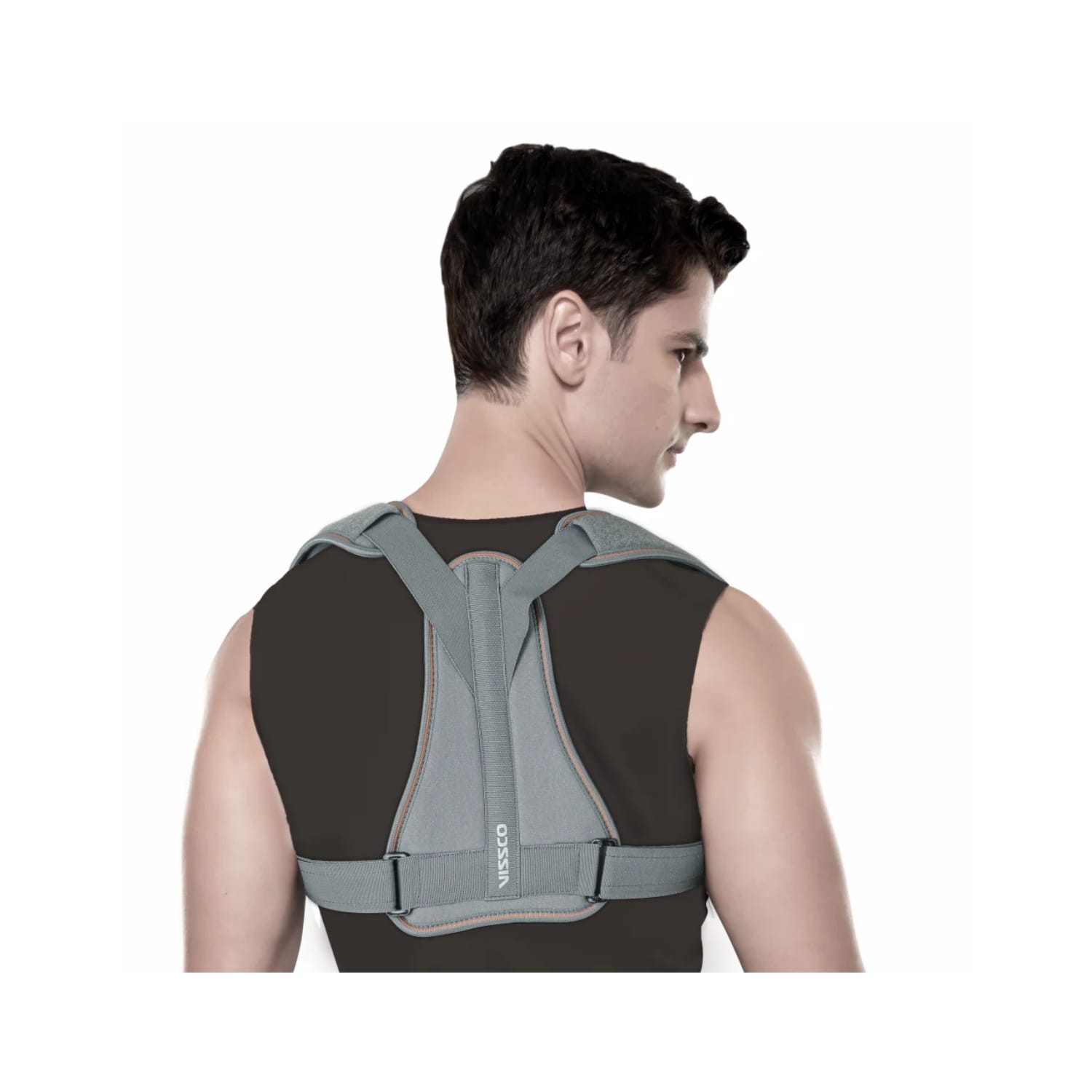
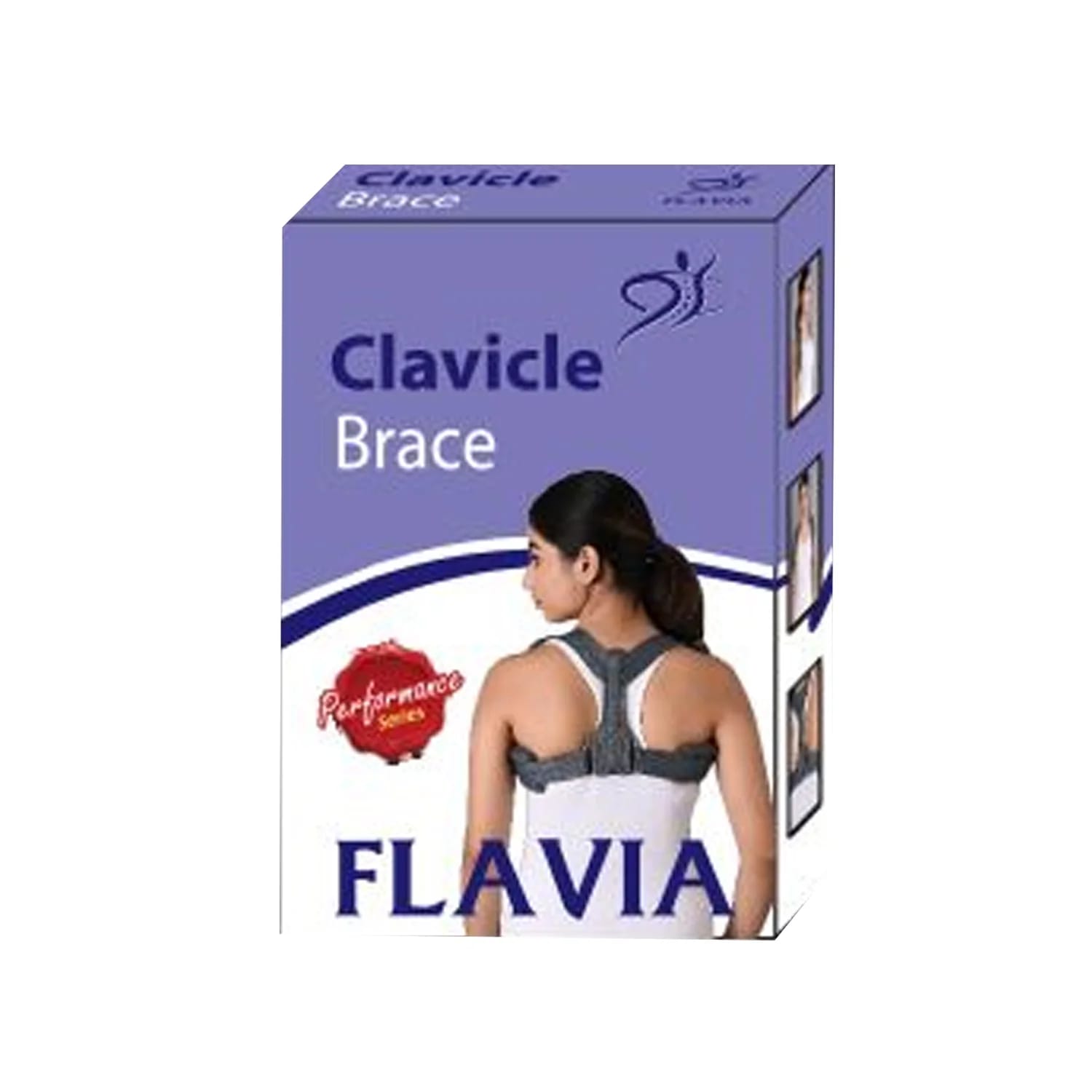
3. Posture Support Braces
Purpose: Correct posture and alleviate strain on the clavicle and shoulders.
Best for: Clavicle injuries, hunched shoulders, and neck pain.
Features: Soft, adjustable materials for prolonged use.
4. Cold Therapy Braces
Purpose: Reduce pain and swelling with cold compression.
Best for: Acute injuries and post-surgery pain management.
Features: Integrated cold packs for targeted relief.
How to Choose the Right Shoulder Brace
1. Understand Your Injury
Consult a Orthopedic surgeon to identify your injury type and severity. Proper diagnosis ensures you select a brace that meets your recovery needs.
2. Evaluate the Level of Support
Mild injuries: Opt for compression braces for light support.
Moderate injuries: Stabilizing braces offer controlled motion and protection.
Severe injuries or surgery: Sling braces ensure complete immobilization.
3. Focus on Fit and Comfort
Choose a brace that fits snugly without restricting circulation. Look for adjustable straps and breathable materials for added comfort. Correctly measure your circumference and choose perfect size.
4. Consider Your Activities
For sports or active lifestyles, select braces designed for mobility and durability. Ensure your doctor approves activity during recovery.
5. Seek Expert Guidance
If unsure, consult your orthopedician or physical therapist to determine the best type of brace for your injury and recovery goals.
Benefits of Using a Shoulder Brace
Stabilization and Support: Keeps the joint in position to prevent further damage.
Pain Reduction: Compression minimizes swelling and alleviates discomfort.
Posture Improvement: Corrects alignment and relieves strain on surrounding muscles.
Faster Recovery: Limits harmful movement and promotes healing.
Conclusion
Shoulder braces are an essential tool in managing injuries, providing stabilization, reducing pain, and expediting recovery. By understanding your injury and choosing the appropriate brace, you can regain mobility and return to daily activities with confidence.
References:
1. Acute Shoulder Injuries in Adults - 2023 May - https://pubmed.ncbi.nlm.nih.gov/37192075/#:~:text=The%20most%20common%20shoulder%20pathologies,if%20surgical%20intervention%20is%20needed.