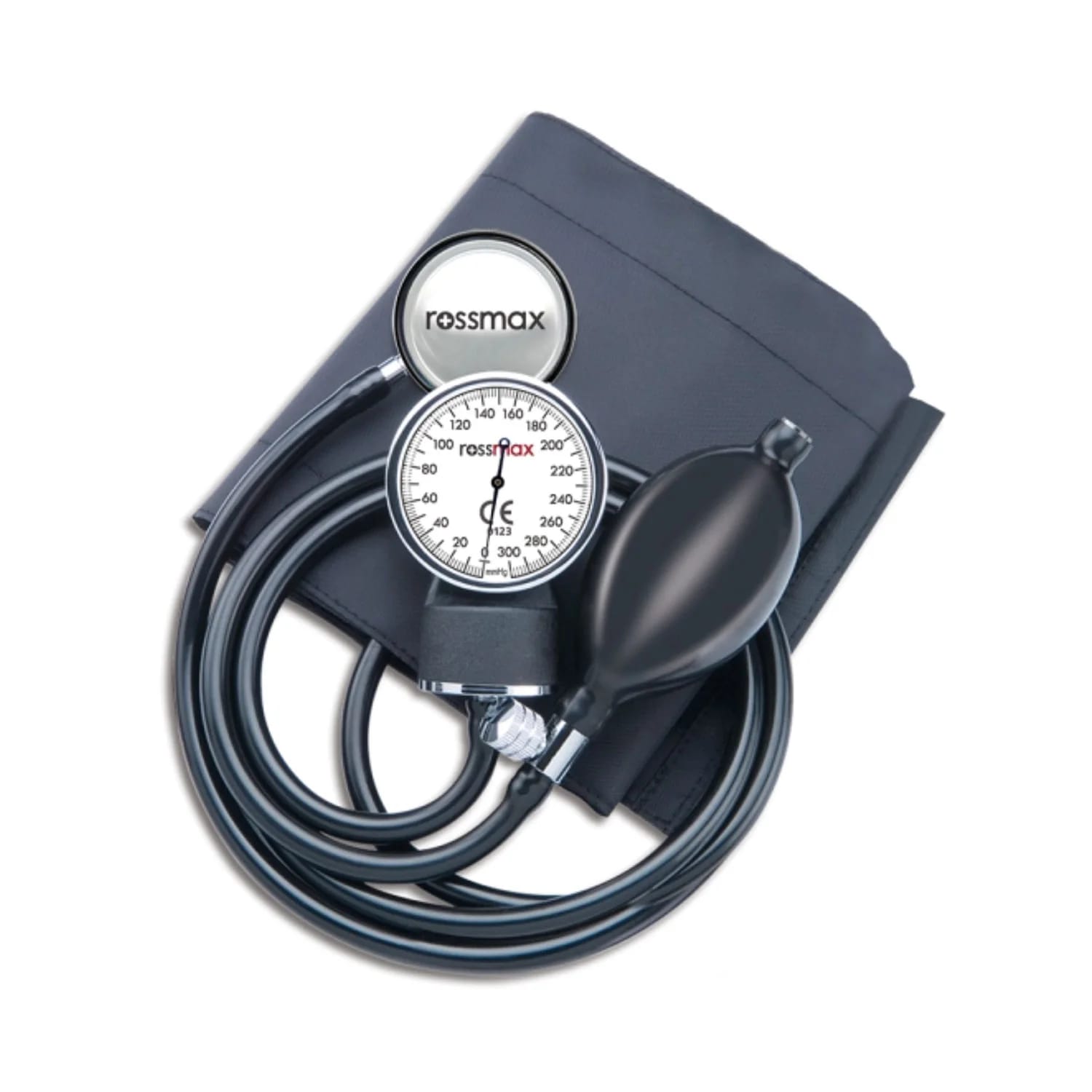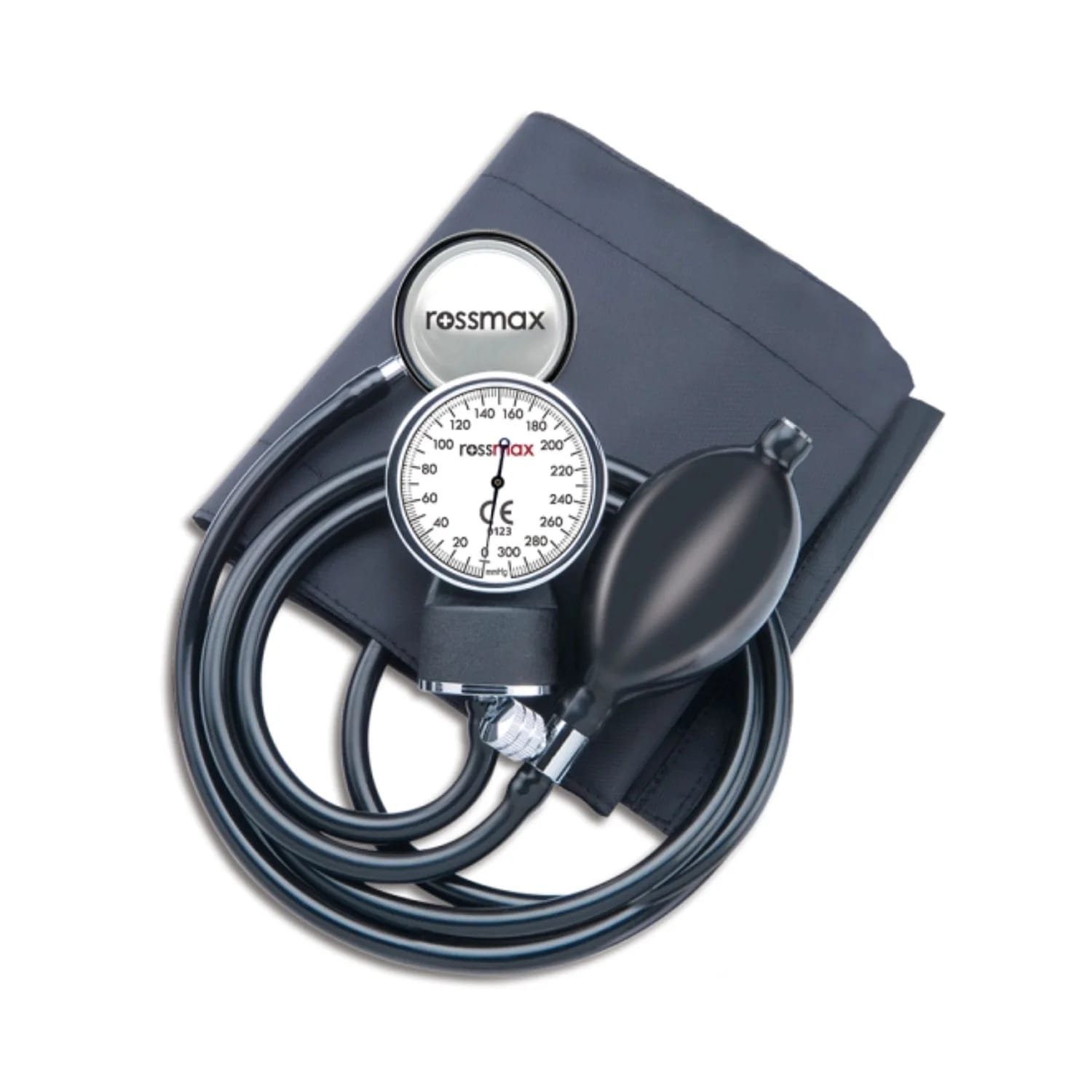
BPL Large Dial Aneroid Sphygmomanometer
BPL
₹74220% off₹928
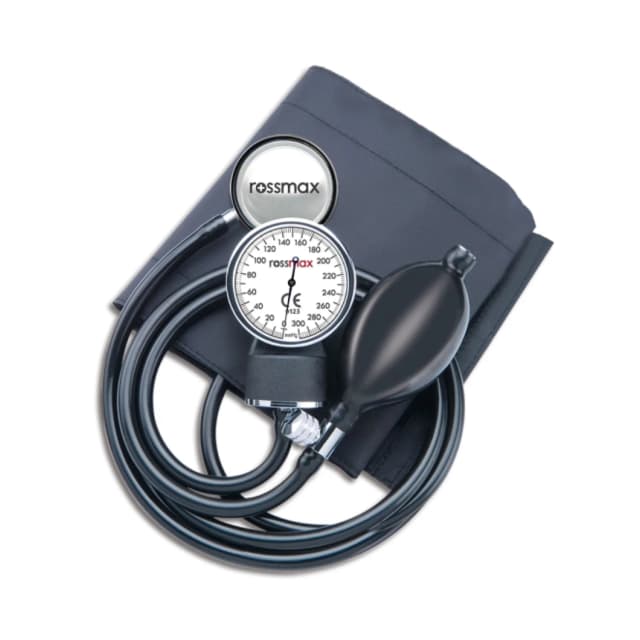


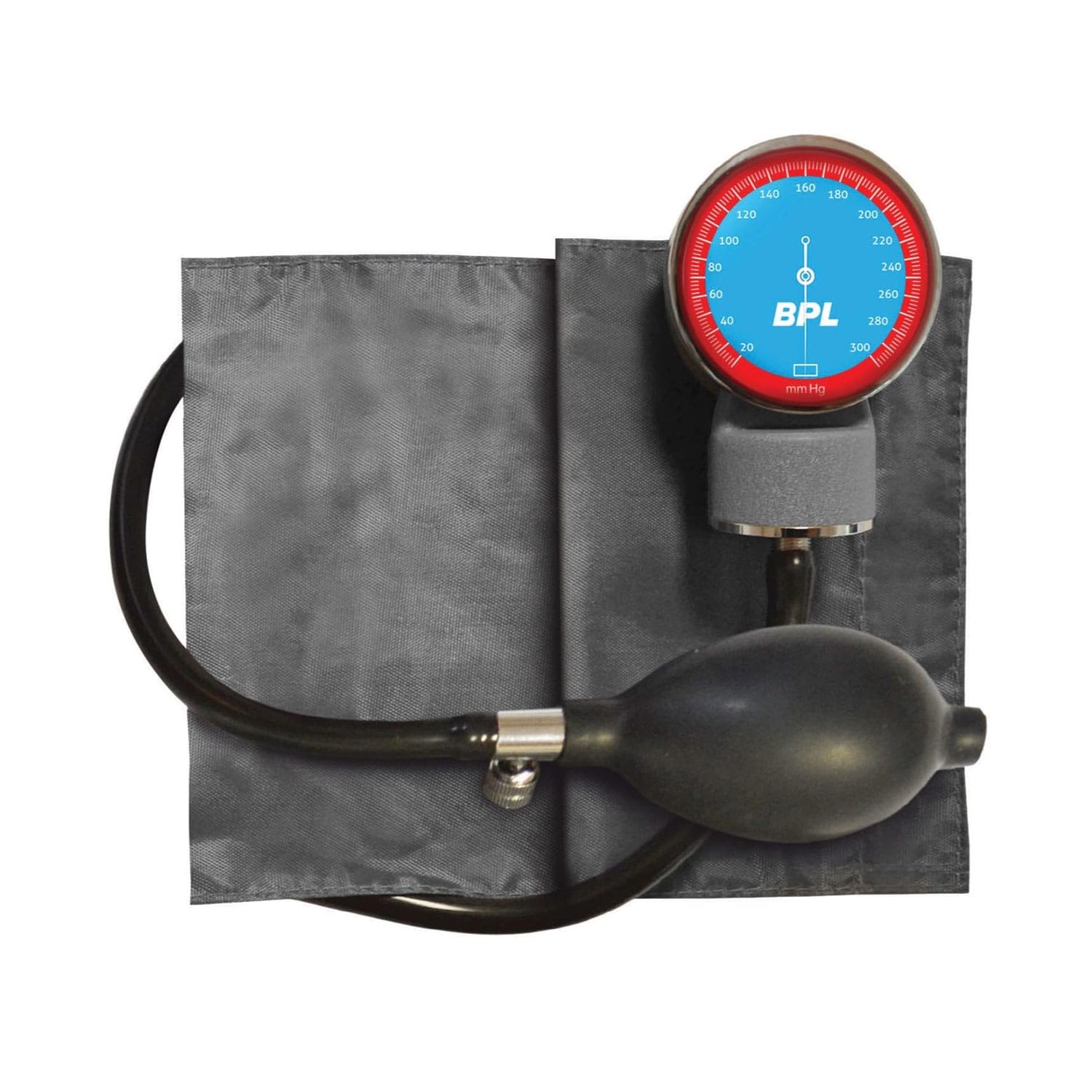
Ideal for blood pressure measurement.
Comes with an adult-size cuff featuring a D ring.
Includes a leather carrying base.
Easy to use and supports one-handed operation
Sphygmomanometer comes with latex free cuff.
Provides accurate measurements of blood pressure.
Simple one-touch operation makes it easy to use, and its large, low-profile cuff fits comfortably around the arm.
Easy to inflate and deflate, with clear blood pressure classification.
Enables monitoring blood pressure fluctuations anytime, anywhere.
Features clinical accuracy of ±3 mmHg with a certified 300 mmHg non-stop pin manometer and clear result clarification.
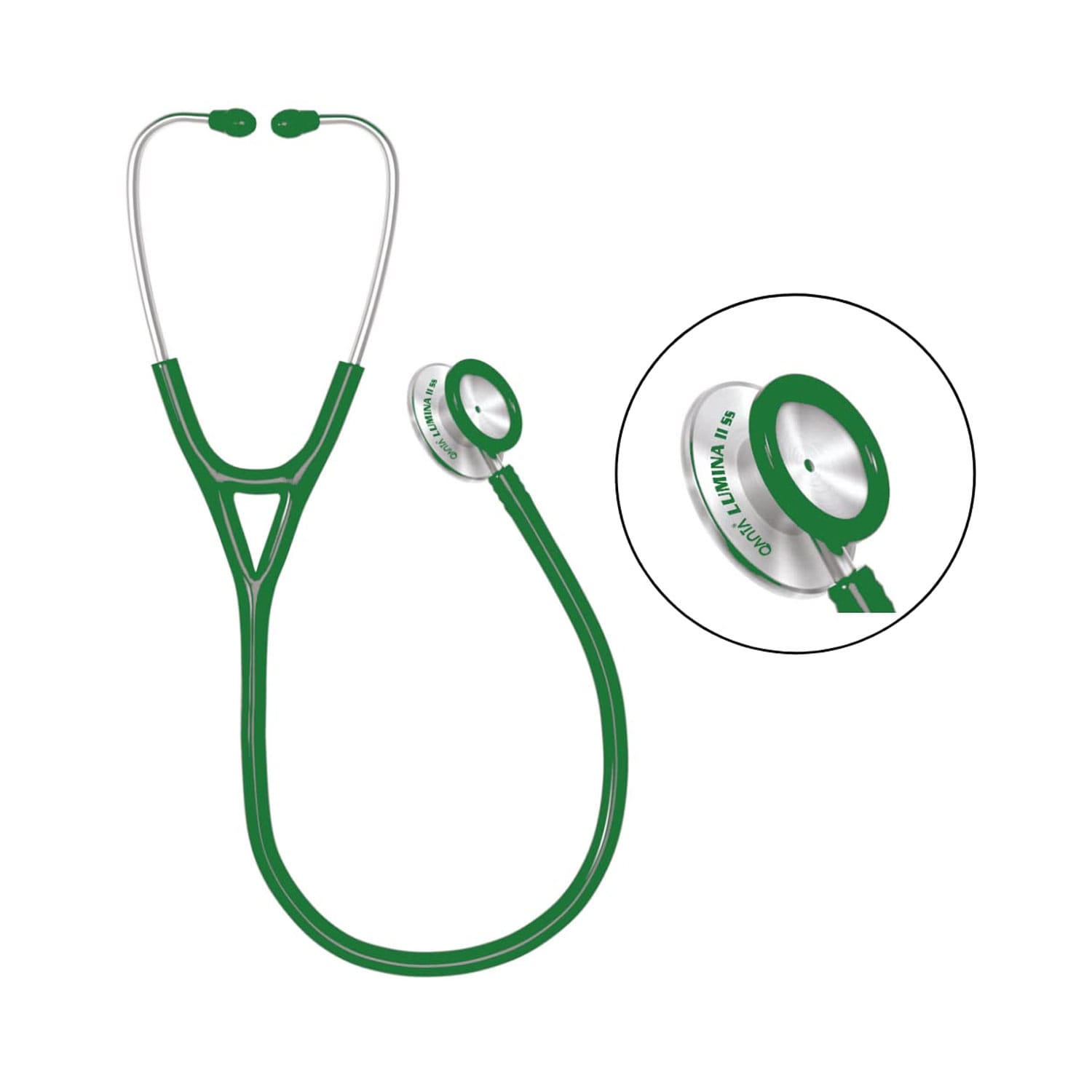
Place the stethoscope head over the main artery, underneath the artery mark of the cuff.
With the valve closed, press the bulb and continue pumping to a value 20–30 mmHg above your normal blood pressure.
Open the valve to deflate the cuff gradually at a rate of 2–3 mmHg per second.
Record the onset of the Korotkoff sound as the systolic pressure and the disappearance of these sounds as the diastolic pressure.
After measurement is completed, fully open the valve to release any remaining air in the cuff.
Note:
Sit upright in a chair, and take 5–6 deep breaths. Avoid leaning back while the measurement is being taken.
Do not cross the legs while sitting, and keep the feet flat on the floor during measurement.
Keep out of reach of children.
Do not inflate to more than 300 mmHg.
Do not take your blood pressure for more than 3 minutes.
Wait for at least 5 minutes before repeated measurements.

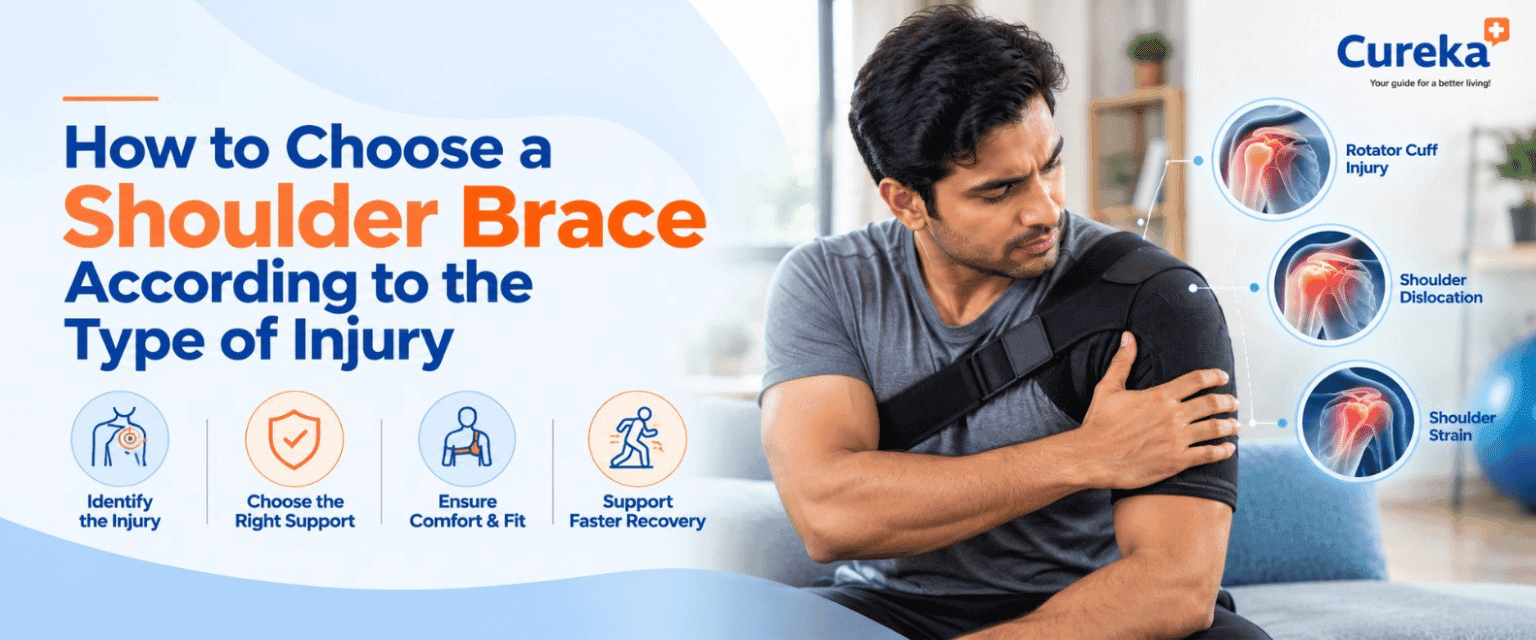
Struggling with shoulder pain? Find out which type of brace suits your injury best, so you can heal faster and get back to your daily routine.
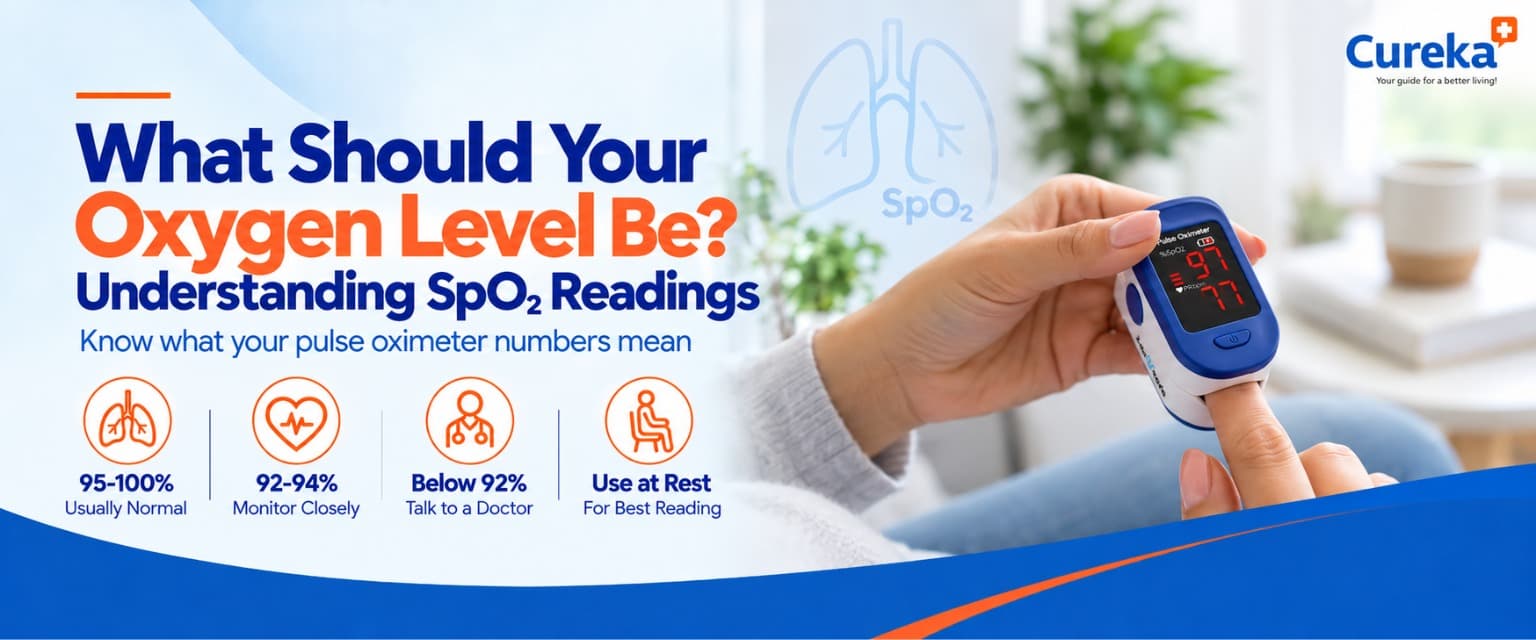
Is 94% a normal oxygen level? Understand healthy SpO₂ ranges, why pulse oximeter readings change, and the warning signs that need medical help.

Choosing a medical air mattress goes beyond comfort. Learn what to look for, from pressure relief and weight capacity to pump quality, to support safer, easier patient care at home.
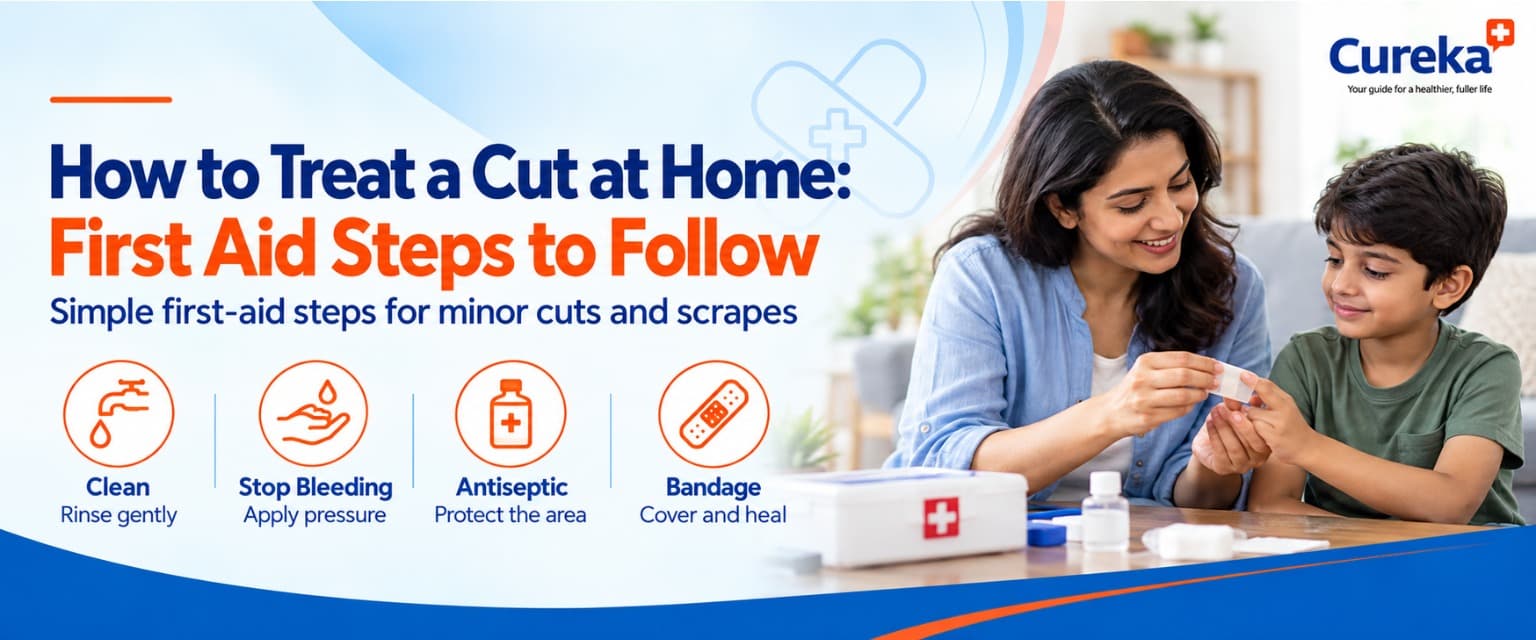
Minor cuts happen daily — but proper care prevents infection and scarring. Learn the essential first aid steps for cleaning, treating, and knowing when a cut needs medical attention.