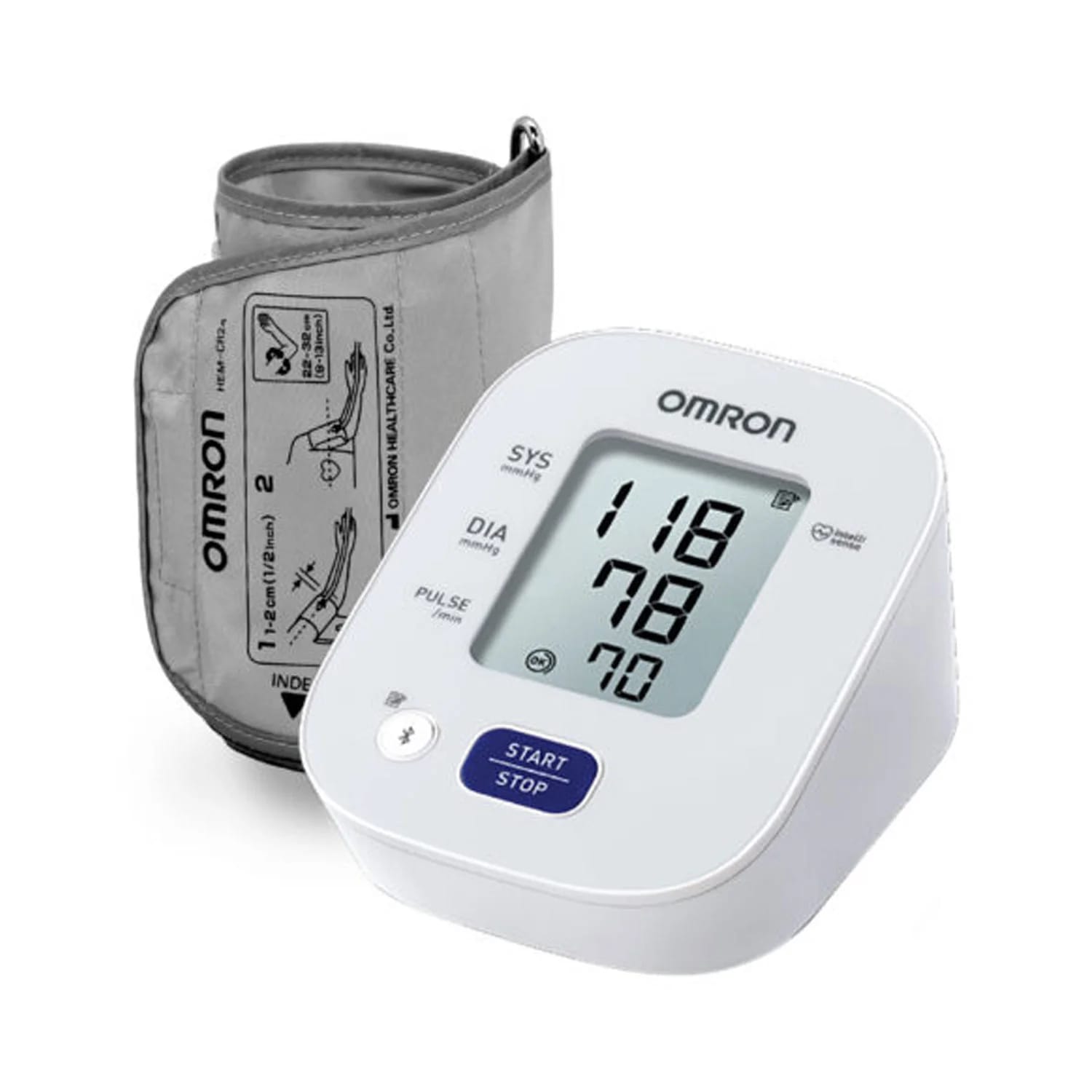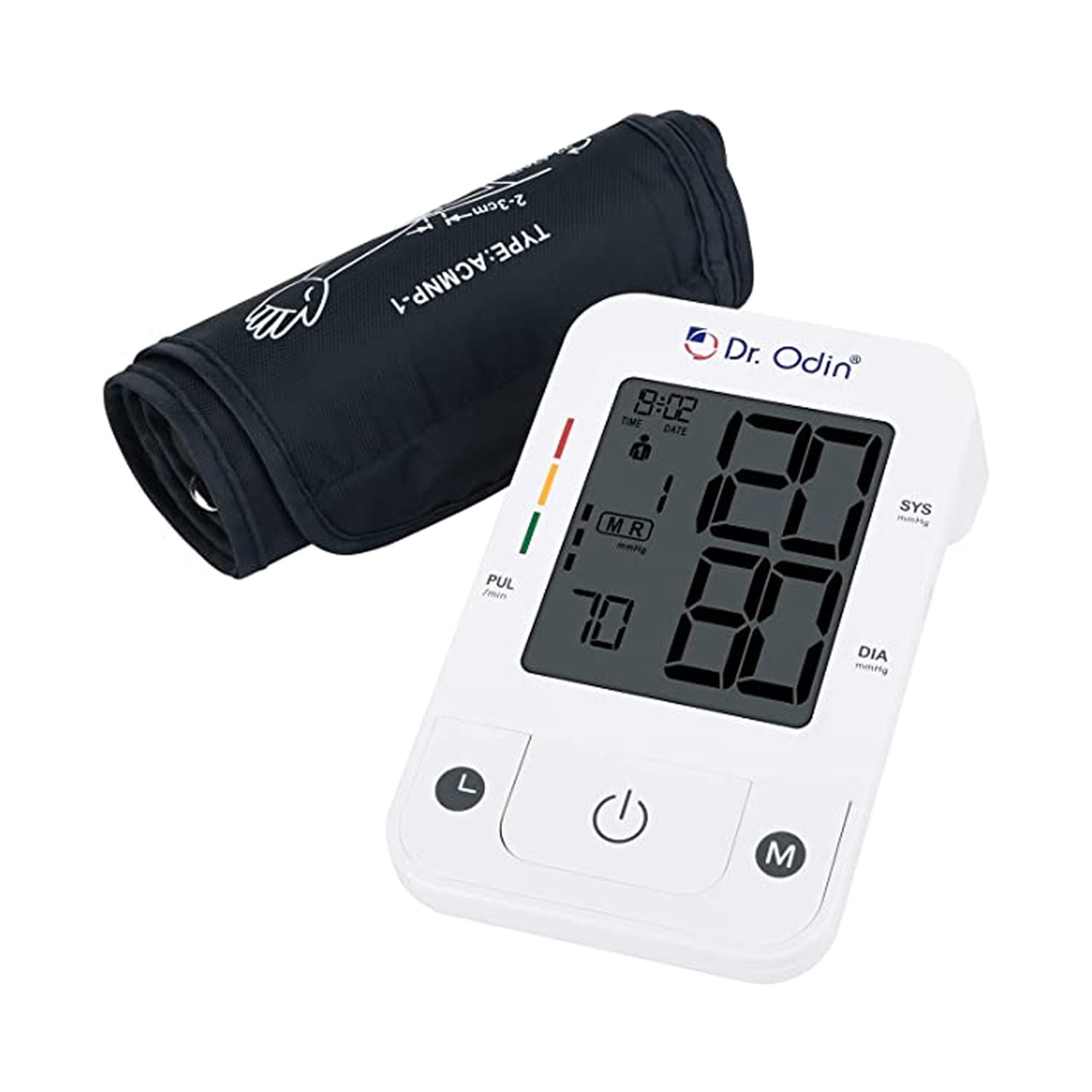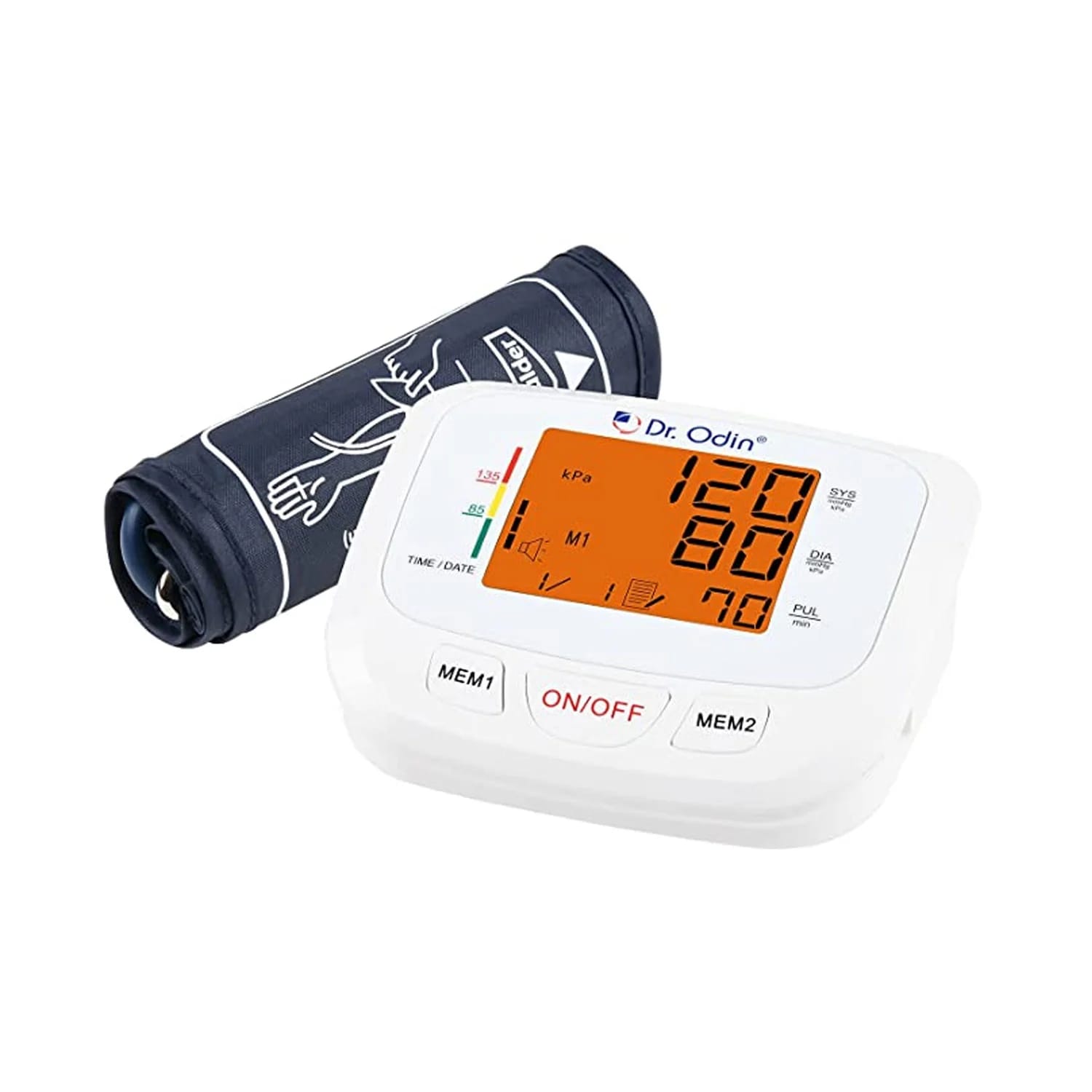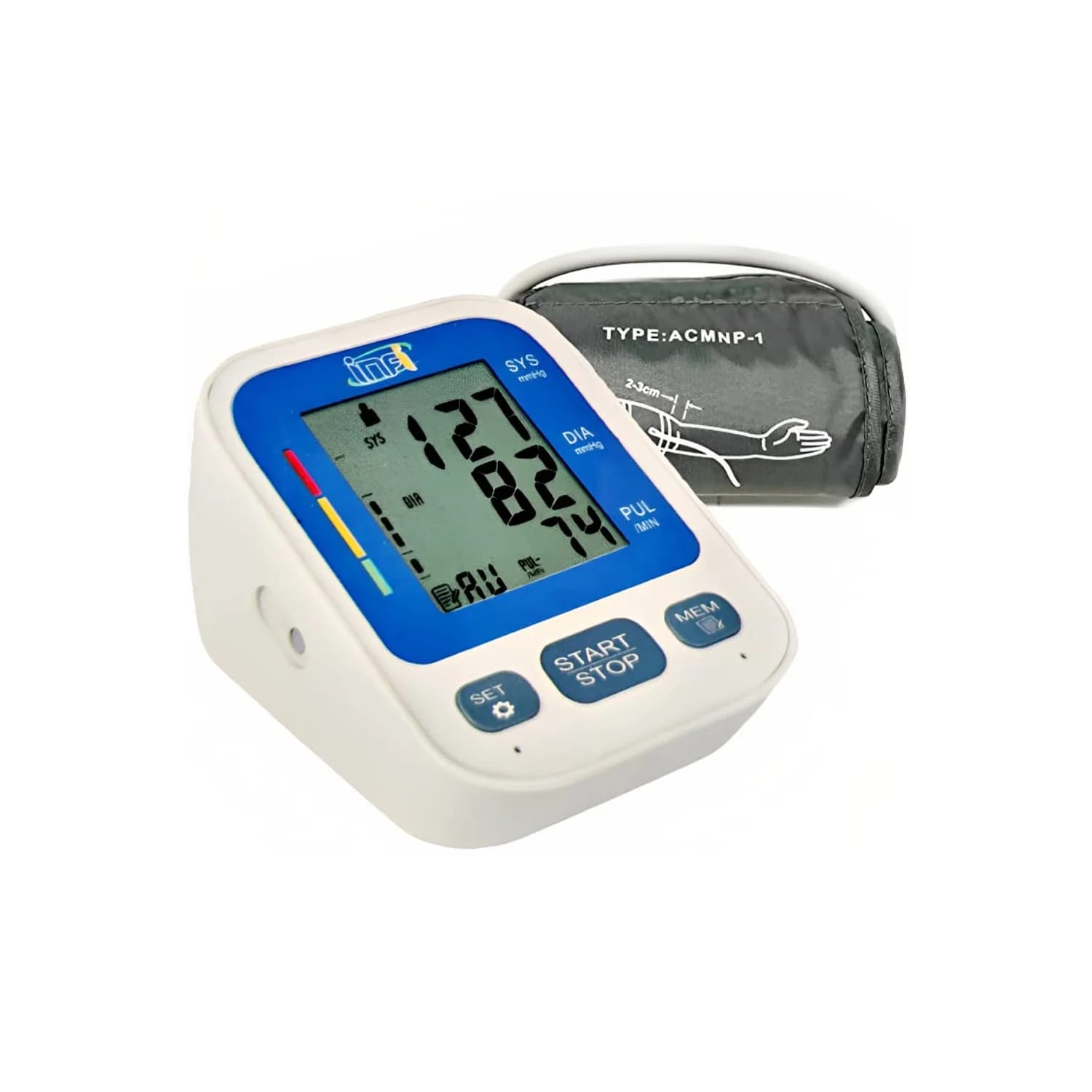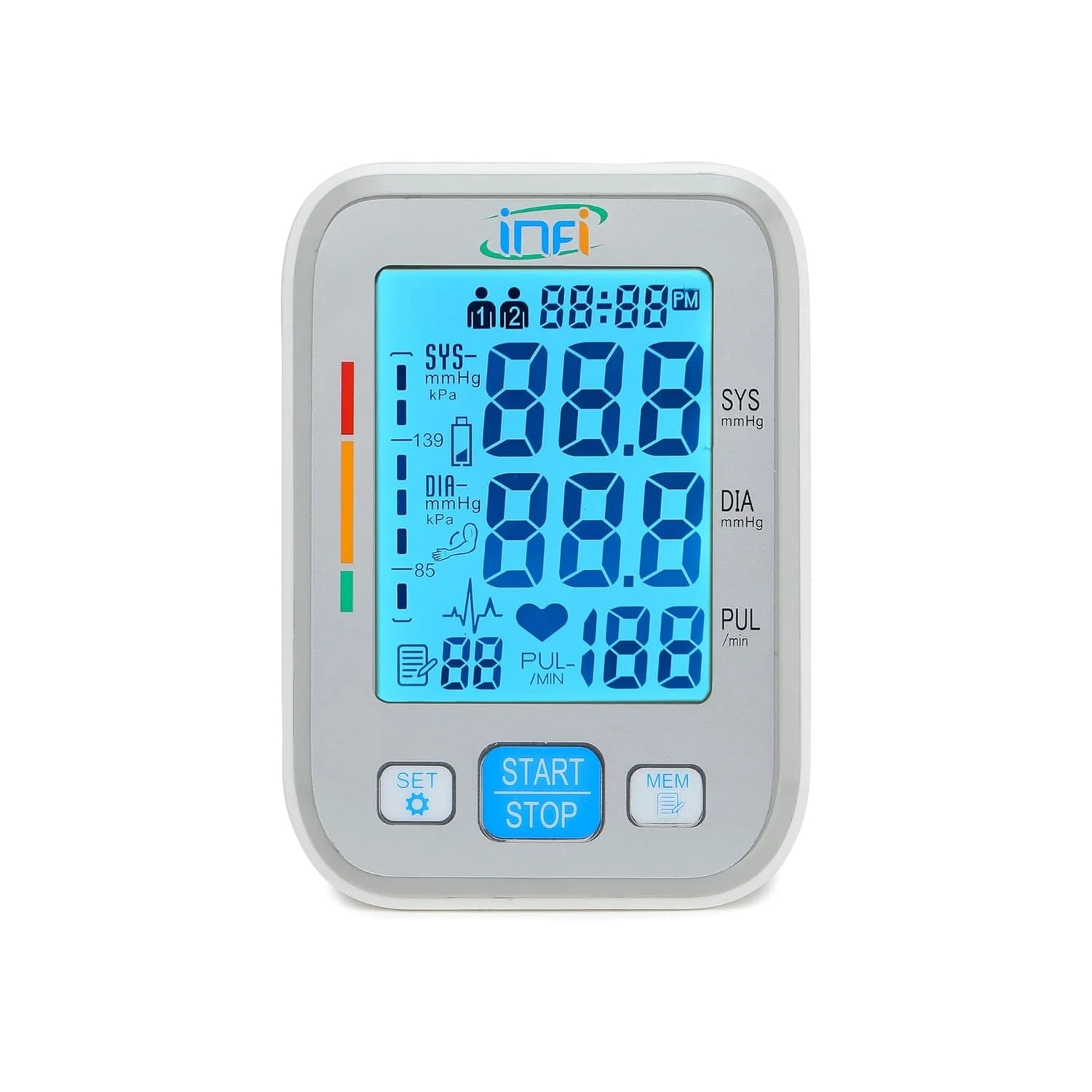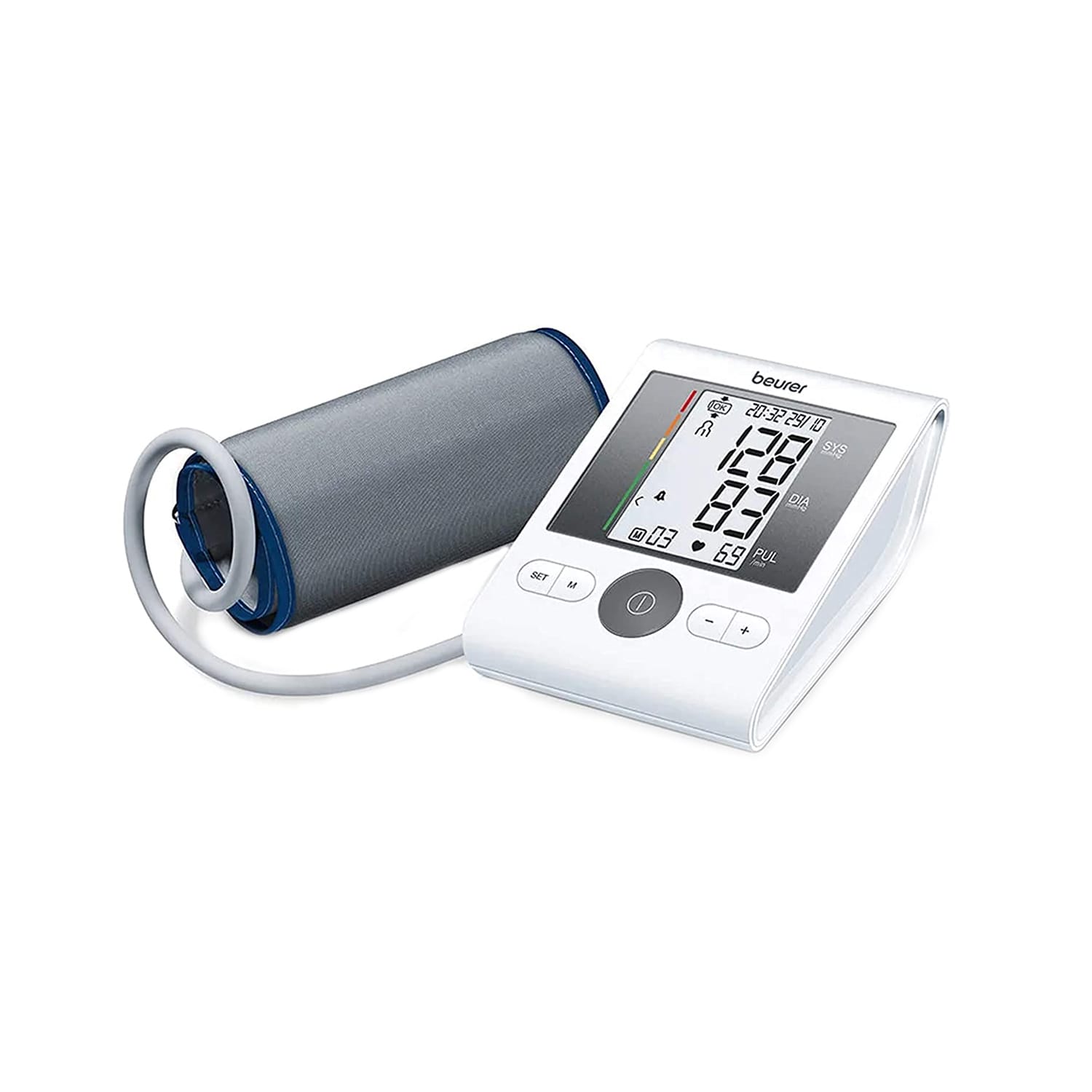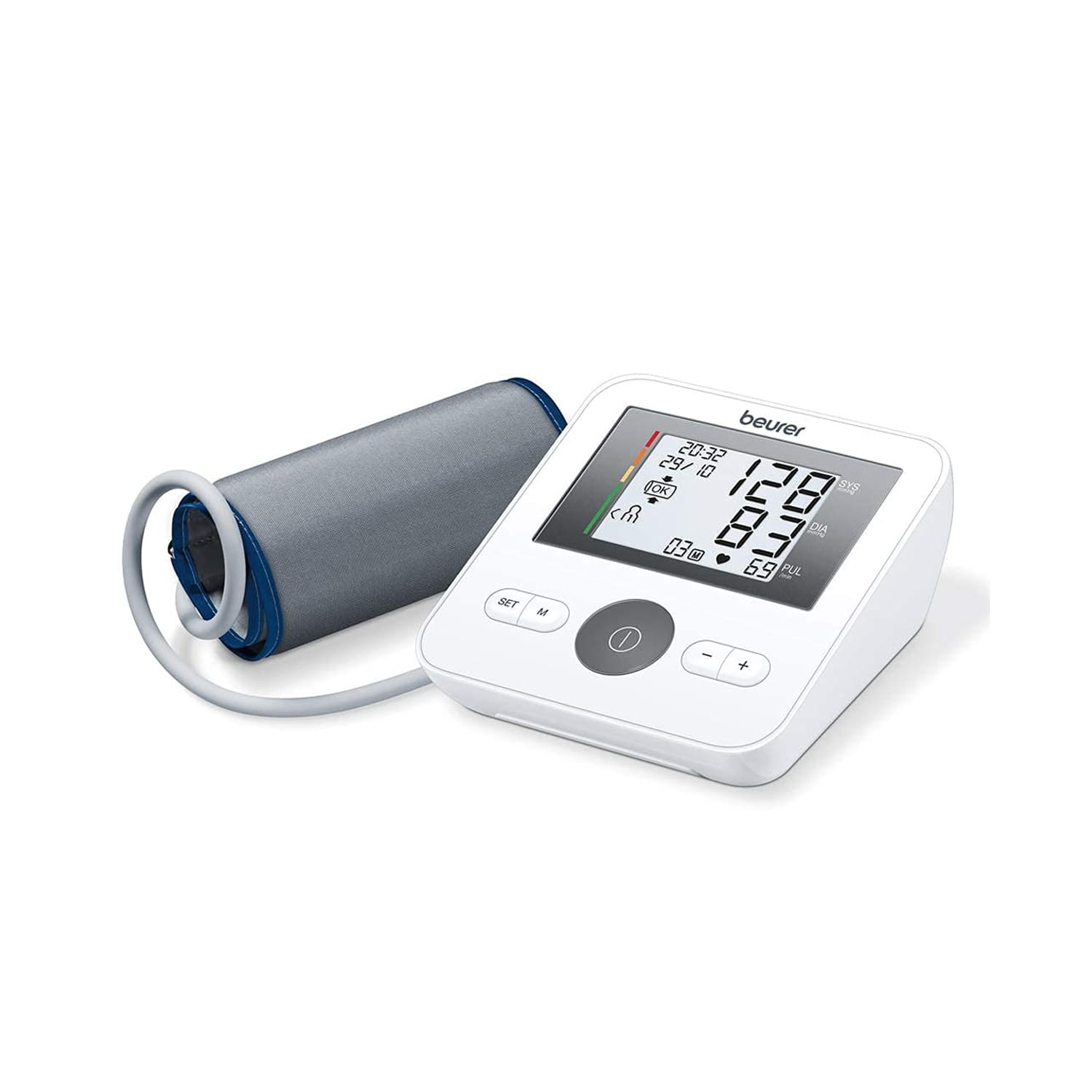


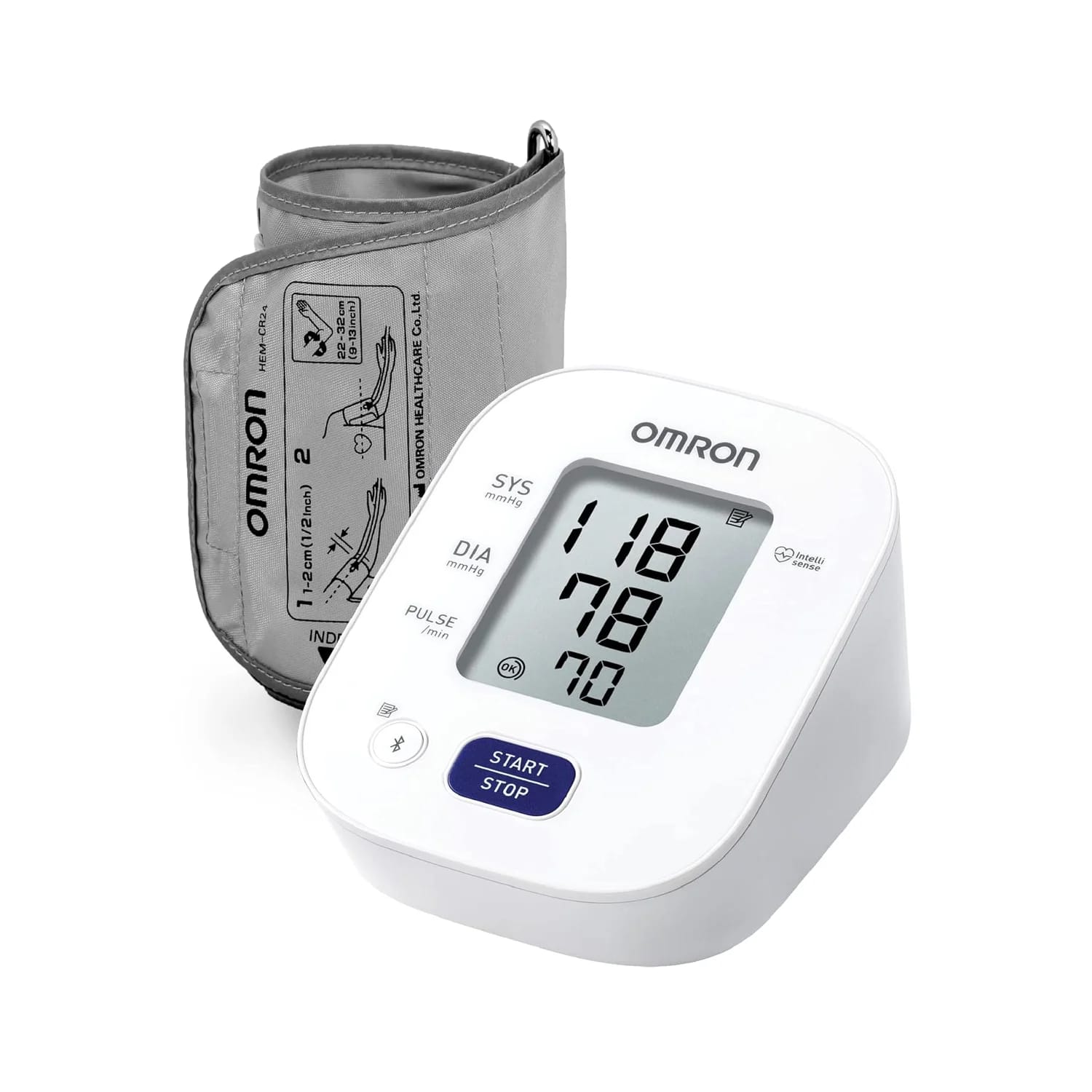
Omron Digital Bluetooth Blood Pressure Monitor (Upper Arm Type) HEM 7142T1-AP
OMRON
₹2,35820% off₹2,930
Blood Pressure (Hypertension)
Hypertension, commonly known as high blood pressure, occurs when the force of blood against the artery walls is consistently too high. This condition can lead to serious health problems like heart disease, stroke, and kidney damage if left untreated.
Causes of Hypertension
Genetics: Family history of hypertension can increase the risk.
Unhealthy diet: High salt, fat, and cholesterol consumption can raise blood pressure.
Obesity: Extra body weight places additional strain on the heart.
Physical inactivity: Lack of exercise can contribute to weight gain and higher blood pressure.
Smoking and alcohol: Tobacco and excessive alcohol use can damage blood vessels, leading to hypertension.
Chronic stress: Prolonged stress increases blood pressure over time.
Medical conditions: Conditions such as kidney disease, diabetes, or hormonal disorders can contribute to hypertension.
Risk Factors for Hypertension
Age: Blood pressure tends to increase with age.
Family history: A close relative with hypertension increases your risk.
Sedentary lifestyle: Physical inactivity can lead to high blood pressure.
High-sodium diet: Consuming too much salt raises blood pressure.
Excessive alcohol consumption: Regular alcohol intake can raise blood pressure.
Chronic conditions: Diseases like diabetes or kidney disease increase the risk of hypertension.
Symptoms of Hypertension
Hypertension is often called the "silent killer" because it usually has no noticeable symptoms until it reaches a dangerous level. However, in severe cases, symptoms may include:
* Severe headaches
* Fatigue or confusion
* Chest pain
* Difficulty breathing
* Vision problems
* Irregular heartbeat
* Nosebleeds
Diagnosis of Hypertension
To diagnose hypertension, a healthcare provider will:
Measure blood pressure: Using a blood pressure cuff, readings are taken on two or more occasions. A normal blood pressure reading is below 120/80 mmHg.
Review medical history: Understanding any risk factors or family history of hypertension.
Order additional tests: Blood tests, urine tests, and electrocardiograms (ECGs) may be done to check for underlying conditions that contribute to high blood pressure.
Complications of Hypertension
If left uncontrolled, hypertension can lead to:
Heart disease: High blood pressure can thicken arteries, leading to heart attacks or heart failure.
Stroke: High blood pressure can weaken or rupture blood vessels in the brain, causing a stroke.
Kidney damage: Over time, hypertension can damage the arteries in the kidneys, leading to kidney failure.
Vision problems: High blood pressure can cause blood vessels in the eyes to burst, leading to vision loss.
Aneurysm: Increased pressure can cause blood vessels to weaken and bulge, potentially leading to life-threatening aneurysms.
Preventing Hypertension
Maintain a healthy diet: Follow a diet rich in fruits, vegetables, whole grains, and low-fat dairy (such as the DASH diet) to lower blood pressure.
Exercise regularly: Engage in physical activity for at least 30 minutes most days of the week.
Limit salt intake: Keep sodium levels low, aiming for no more than 1,500 to 2,300 mg per day.
Avoid smoking: Quitting smoking improves overall heart health and reduces blood pressure.
Moderate alcohol consumption: Limit alcohol intake to no more than one drink per day for women and two drinks per day for men.
Manage stress: Practice relaxation techniques, such as yoga or meditation, to lower stress levels and blood pressure.
Treatment for Hypertension
Lifestyle changes: A healthy diet, regular exercise, and reducing sodium can help lower blood pressure.
Medications: If lifestyle changes aren't enough, medications like diuretics, ACE inhibitors, beta-blockers, or calcium channel blockers may be prescribed to manage blood pressure.
Monitoring:
Regularly checking blood pressure at home or during healthcare visits to track progress, especially in conditions like:
Hypertension – High blood pressure needs regular monitoring to assess response to medications and lifestyle changes.
Heart Disease – Conditions like heart failure or coronary artery disease require BP monitoring to prevent complications.
Chronic Kidney Disease – Elevated BP can worsen kidney function, so close monitoring helps protect kidney health.
Diabetes – Diabetics often have a higher risk of high blood pressure, increasing the risk of complications, and require regular tracking.
Pregnancy (Preeclampsia) – Pregnant women, especially those with a risk of preeclampsia, need frequent BP checks to prevent complications for both mother and baby.
Elderly Age – Older adults are more susceptible to blood pressure fluctuations, making routine monitoring beneficial.
Obesity – Excess weight increases BP risks, so regular checks are essential for effective management.
Specialist to Consult for Hypertension
Cardiologist: A heart specialist who can help manage and treat hypertension, especially if it's related to heart health.
General physician: Can diagnose and manage hypertension, referring you to a specialist if needed.