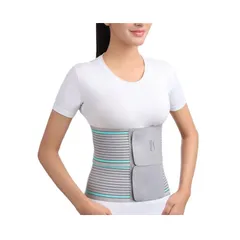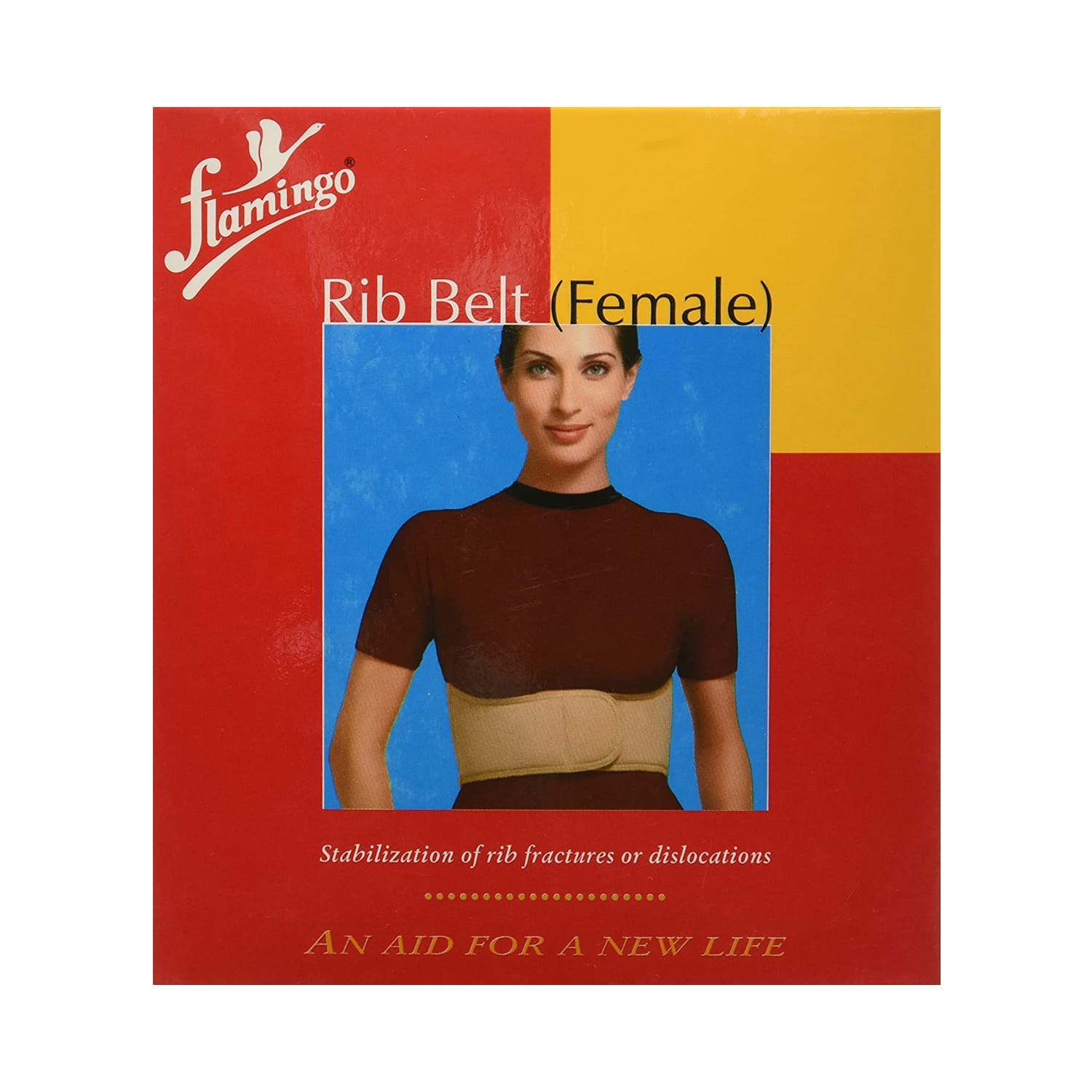
Flamingo Rib Belt Female Small OC2204
flamingo
₹41225% off₹549
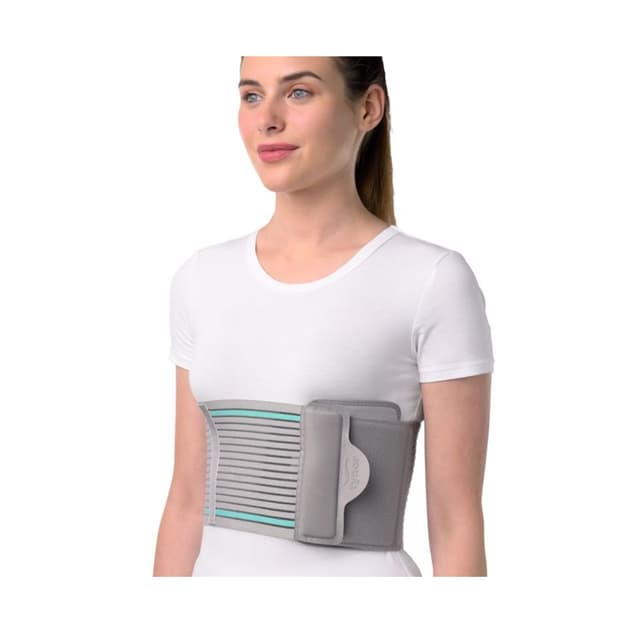


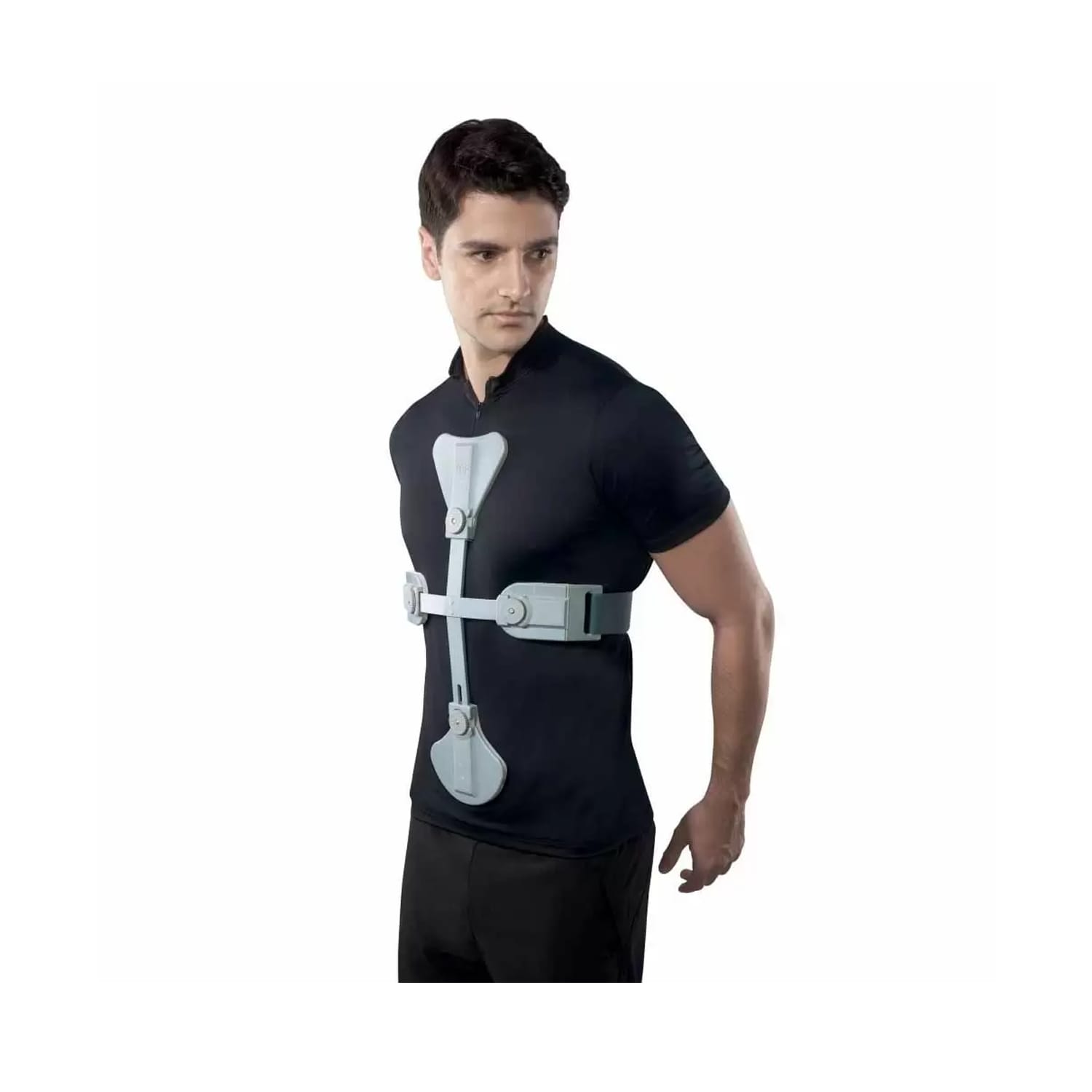
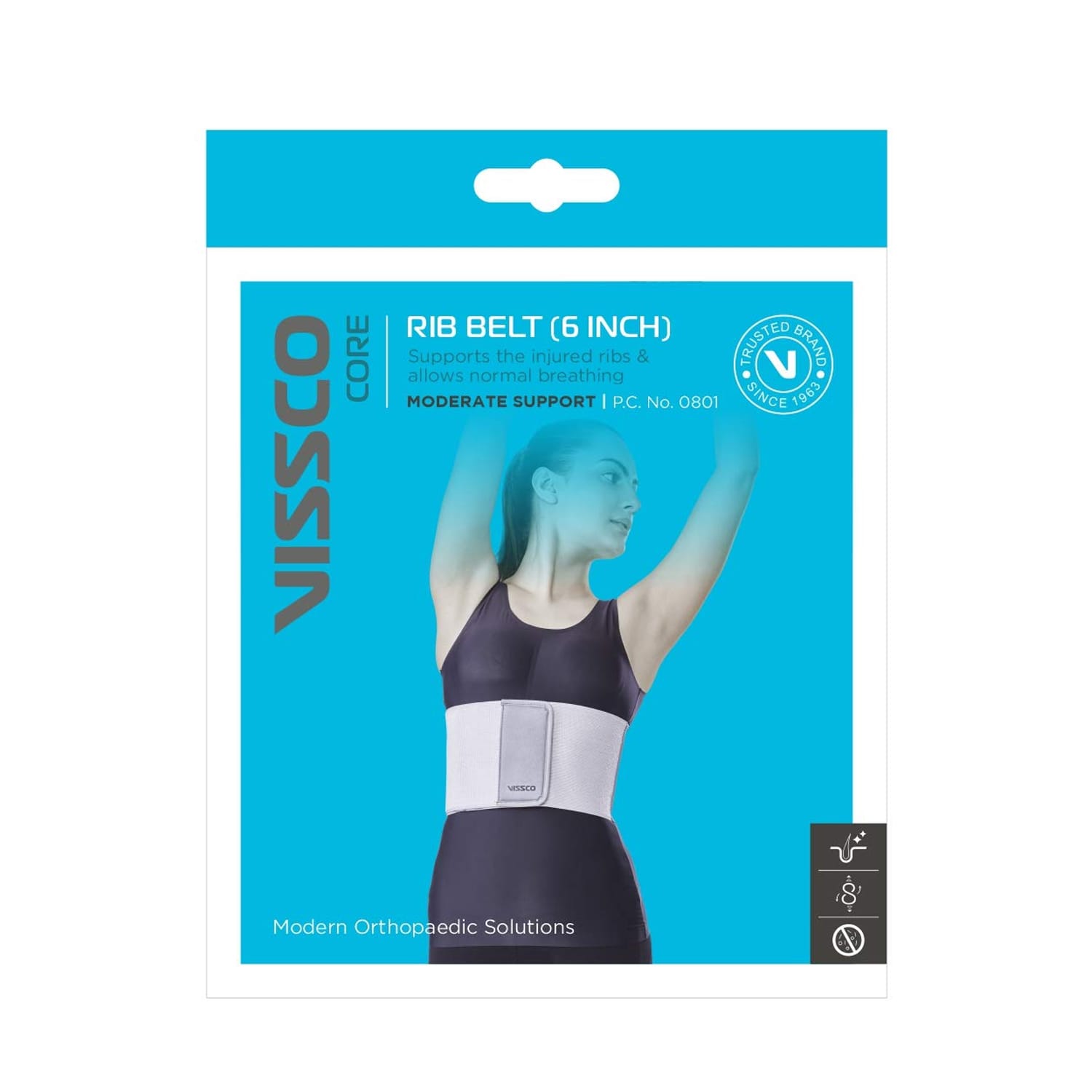
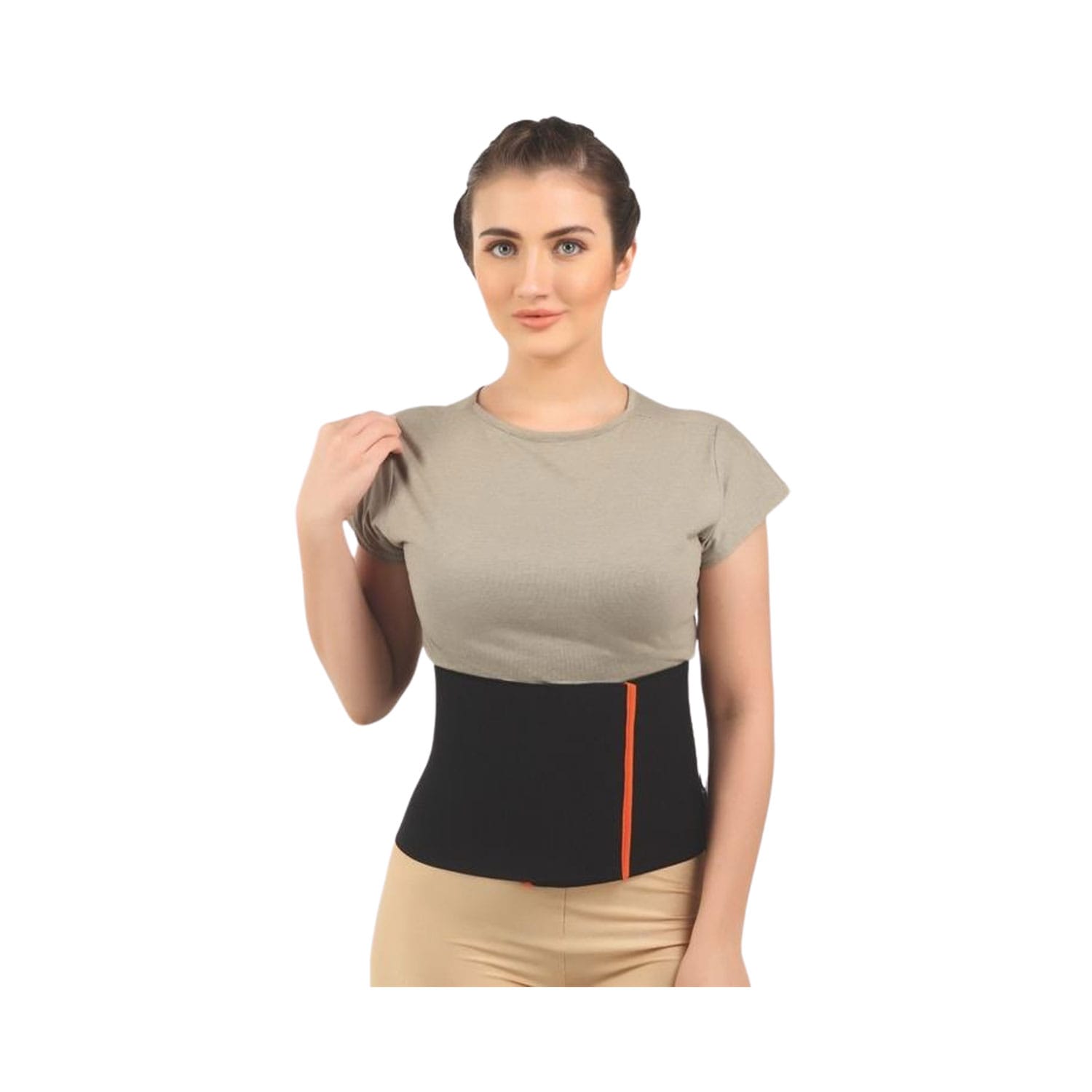
Compression belt for upper abdominal support.
Postoperative aid during rib fracture.
Allows comfortable breathing.
Extra porous offers proper ventilation.
Available in five different sizes.
Lightweight
Thin construction.
Sizing flexibility.
No buckling.
No rolling over.
Sleek construction.
Has pleasant aesthetics.
Rib belt provides controlled compression to the thoracic and upper abdominal region.
Ethafoam pad to be placed at the site of fracture for enhancing the splinting action.
Offers ideal post operative care, protects and binds the surgical incisions and also allows sufficient flexibility and comfortable breathing.
Has broad hook and loop tape panel for better holding and also offers sizing flexibility.
Extra porous webbing to ensure proper ventilation and gives maximum comfort to the user.
Place the special compression pad at the site of fracture and wrap the rib belt around rib cage, ensure that the desired region is enclosed properly.
Wash at least once in a week.
Don’t wear it too tight.
Keep out of reach of children.
Primary Prevention
Suitable for individuals at risk of rib or chest strain due to physical activity, coughing, or postural stress — helps provide gentle compression and support to the rib cage from the start. ·
Secondary Prevention
Ideal when early signs of rib discomfort, mild pain, or muscle strain appear — supports proper chest stabilization and helps reduce movement-related stress. ·
Tertiary Prevention
Recommended during recovery from rib injuries, fractures, or post-surgical care — helps maintain consistent rib support, promotes comfort, and supports safe healing and overall thoracic wellness.

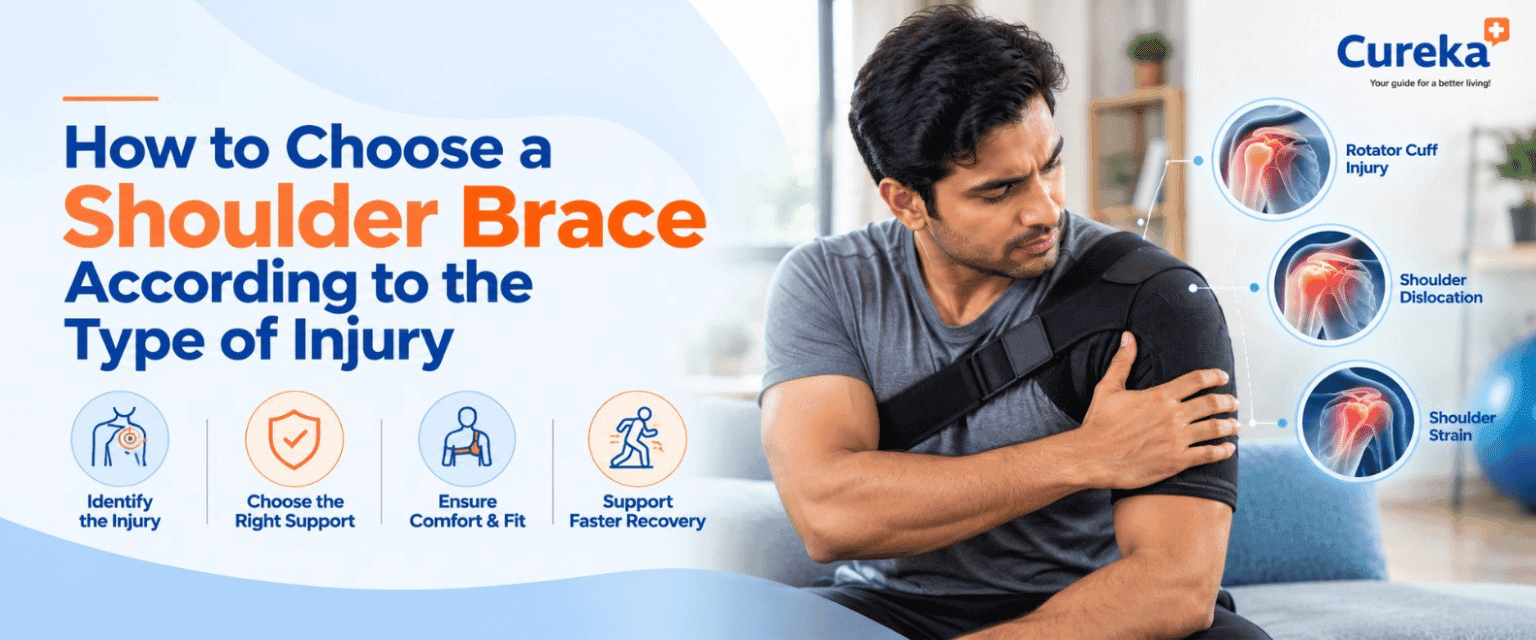
Struggling with shoulder pain? Find out which type of brace suits your injury best, so you can heal faster and get back to your daily routine.
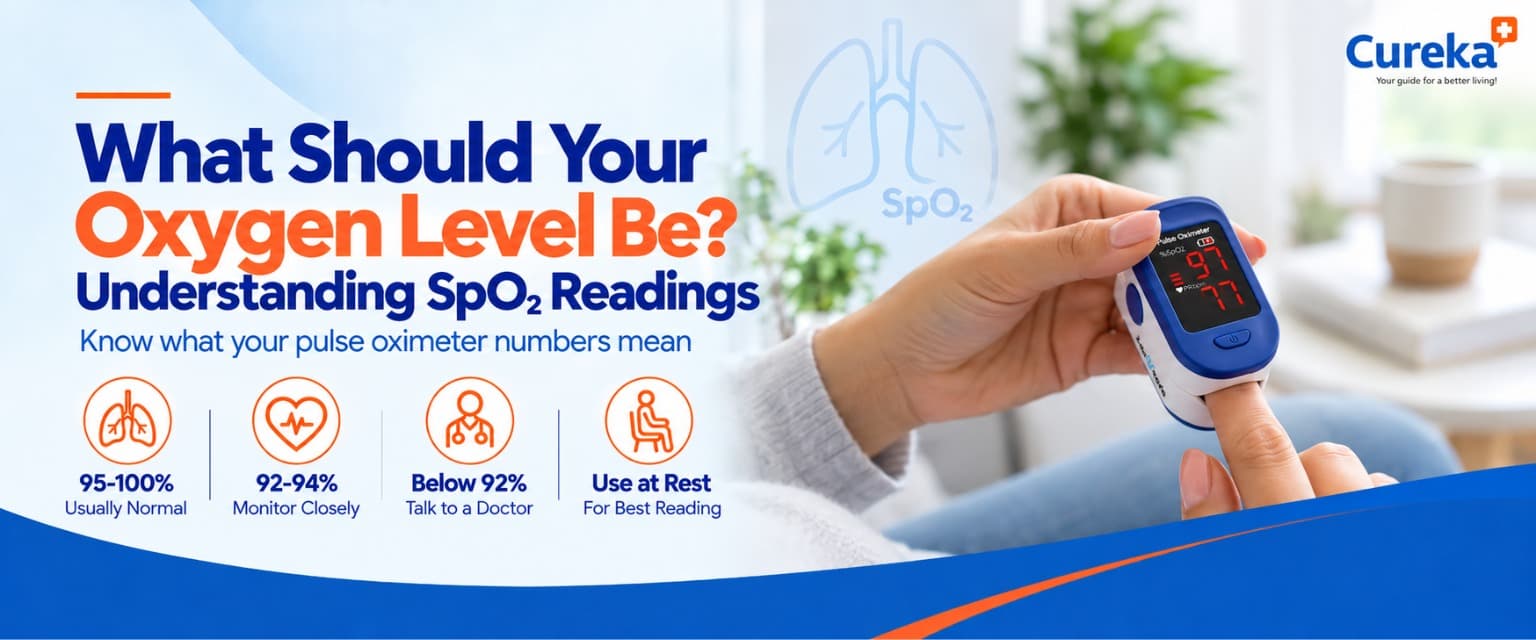
Is 94% a normal oxygen level? Understand healthy SpO₂ ranges, why pulse oximeter readings change, and the warning signs that need medical help.
Choosing a medical air mattress goes beyond comfort. Learn what to look for, from pressure relief and weight capacity to pump quality, to support safer, easier patient care at home.
Minor cuts happen daily — but proper care prevents infection and scarring. Learn the essential first aid steps for cleaning, treating, and knowing when a cut needs medical attention.