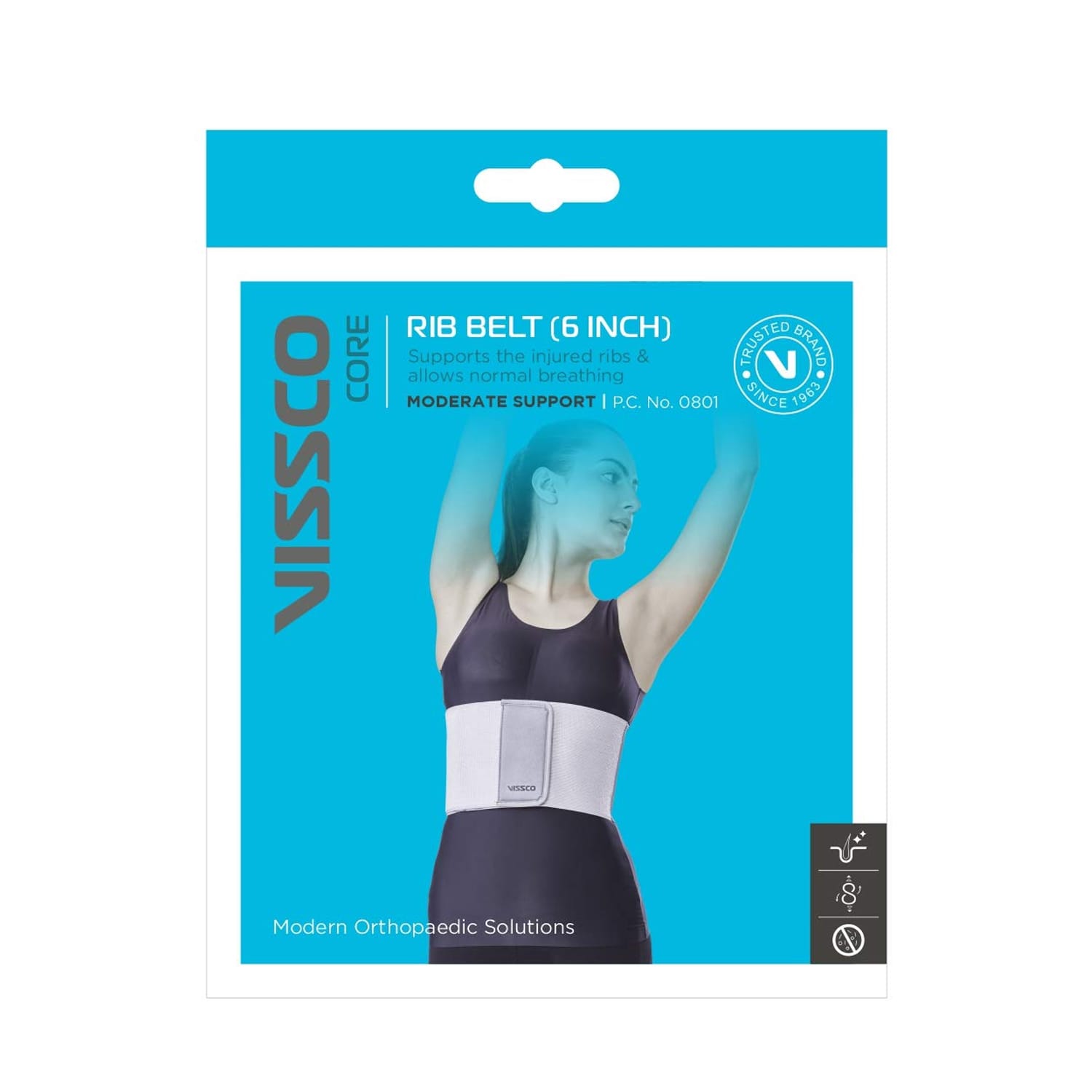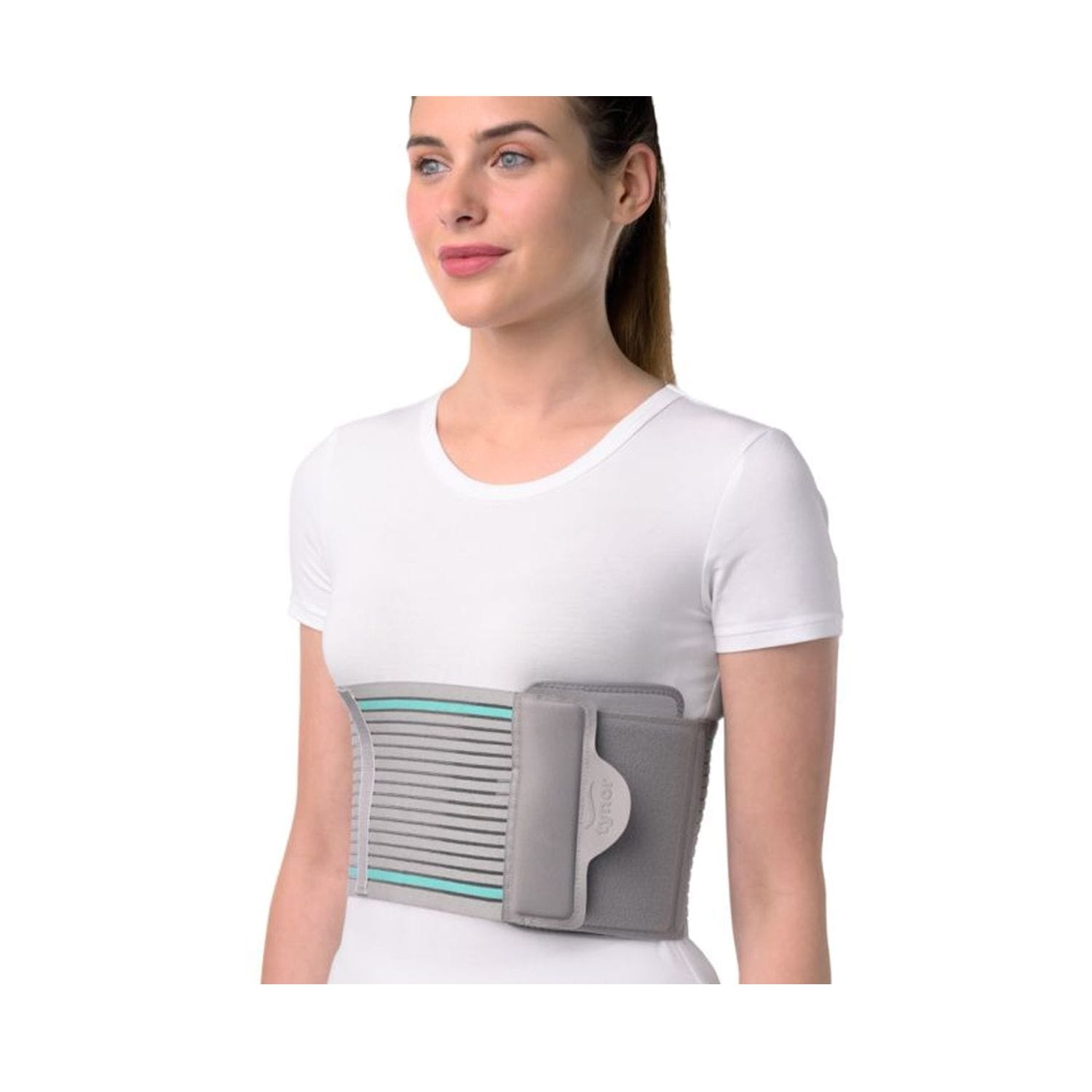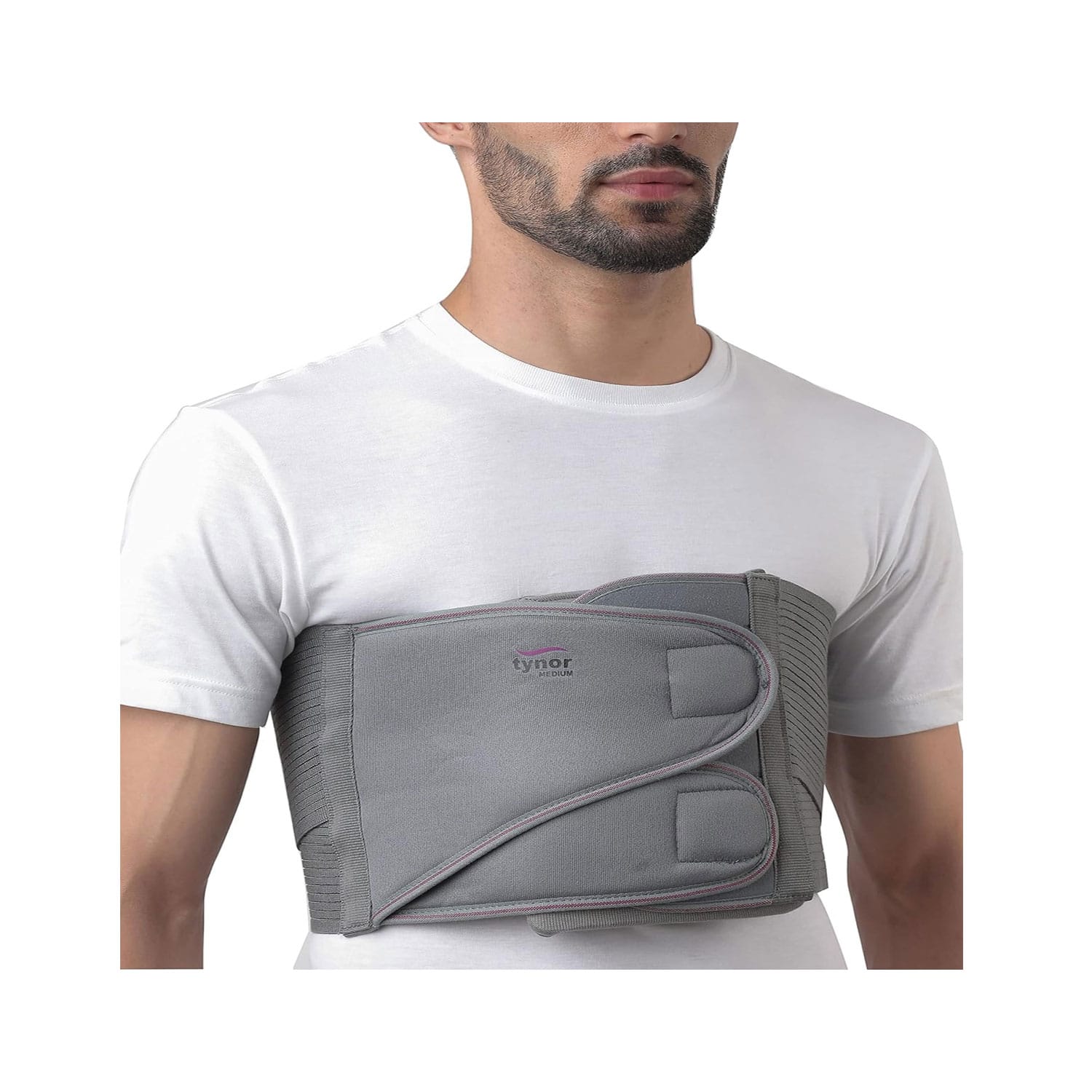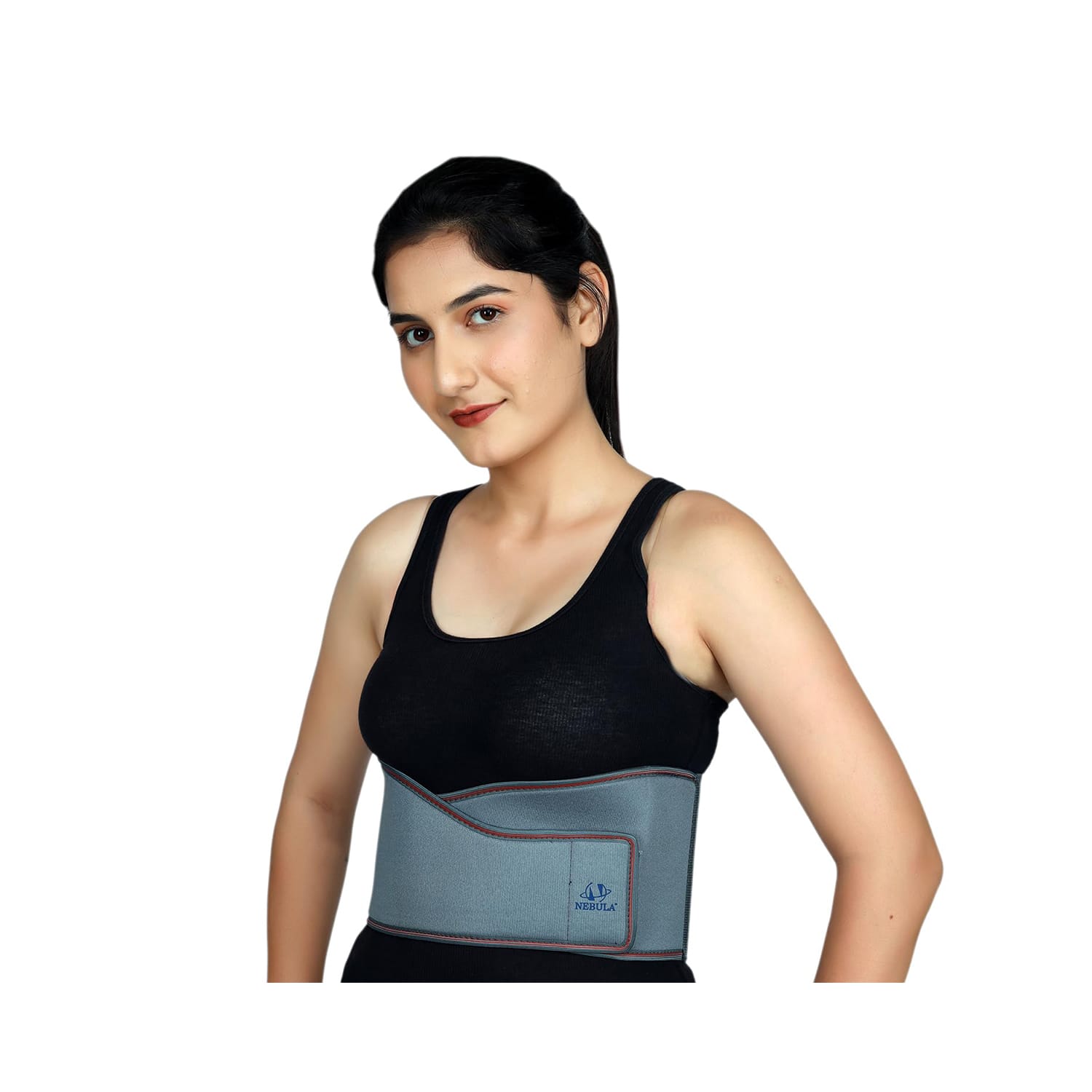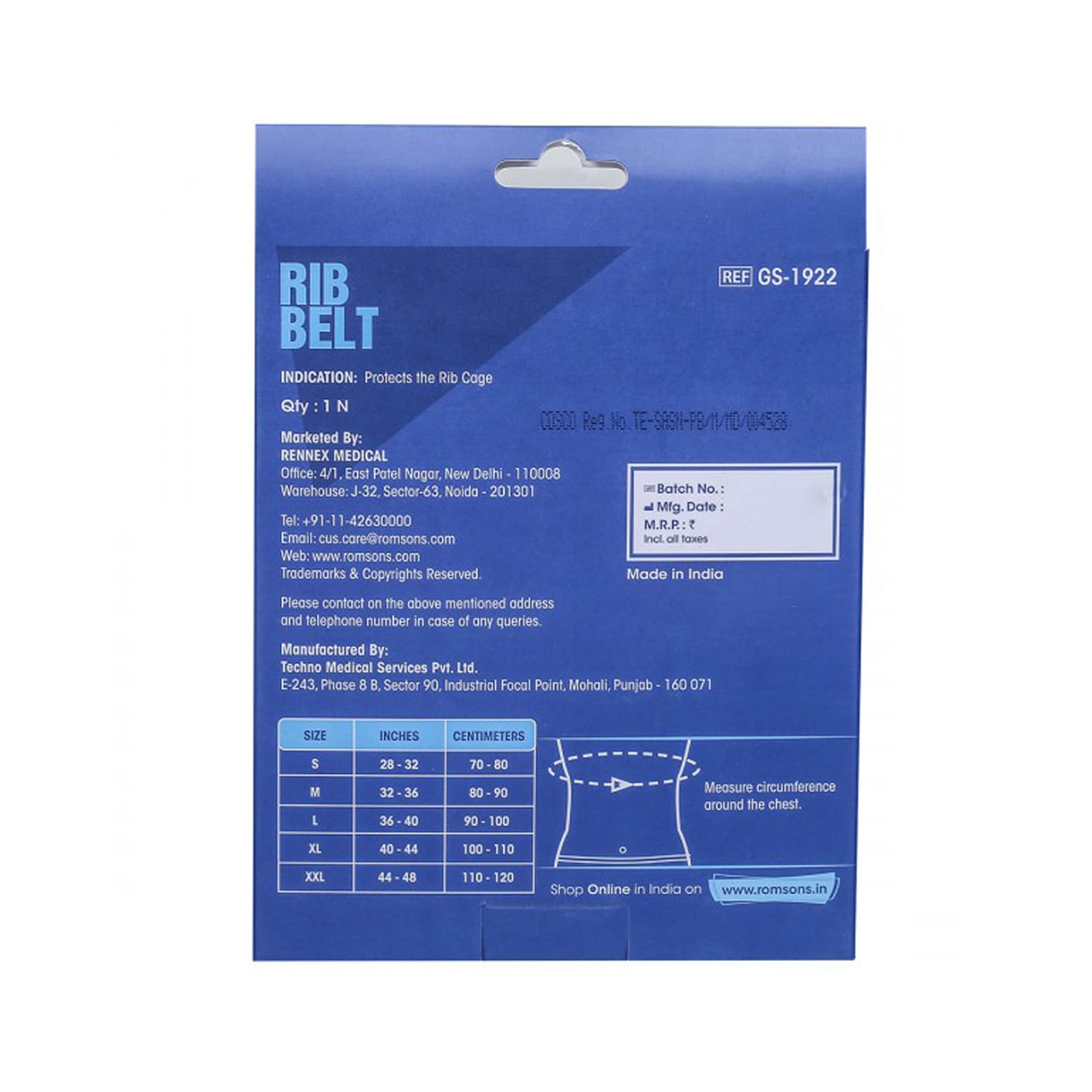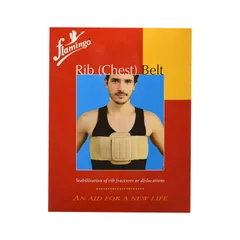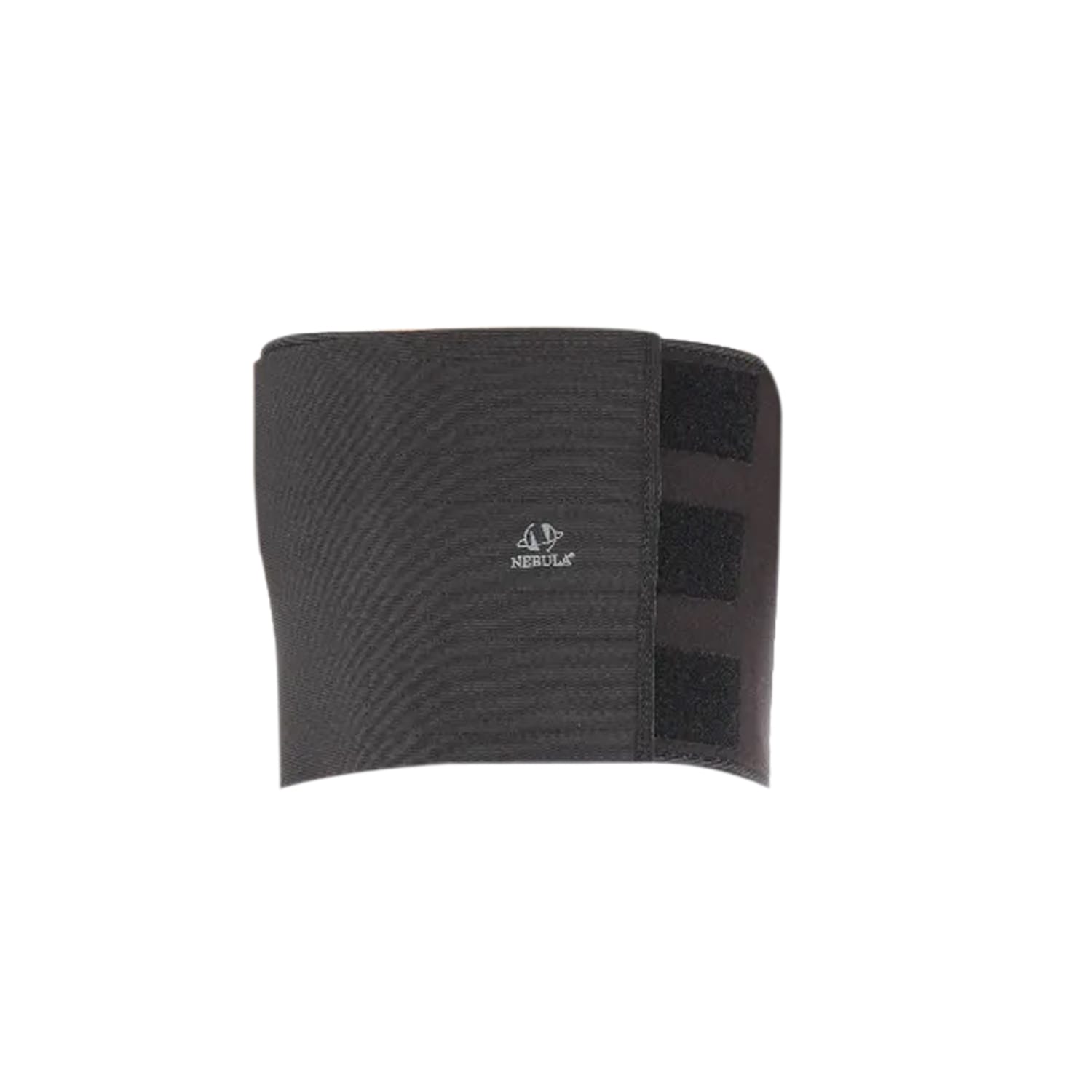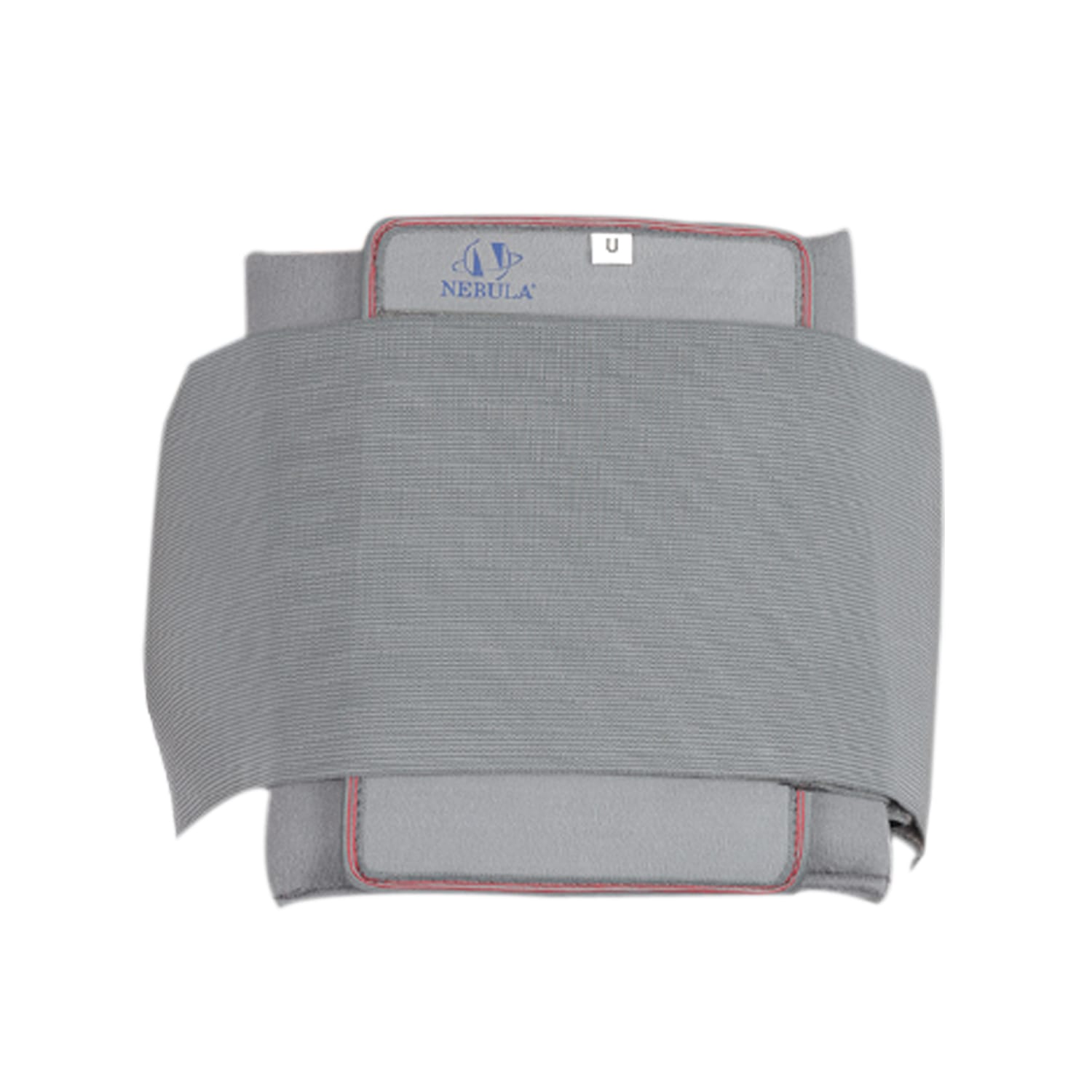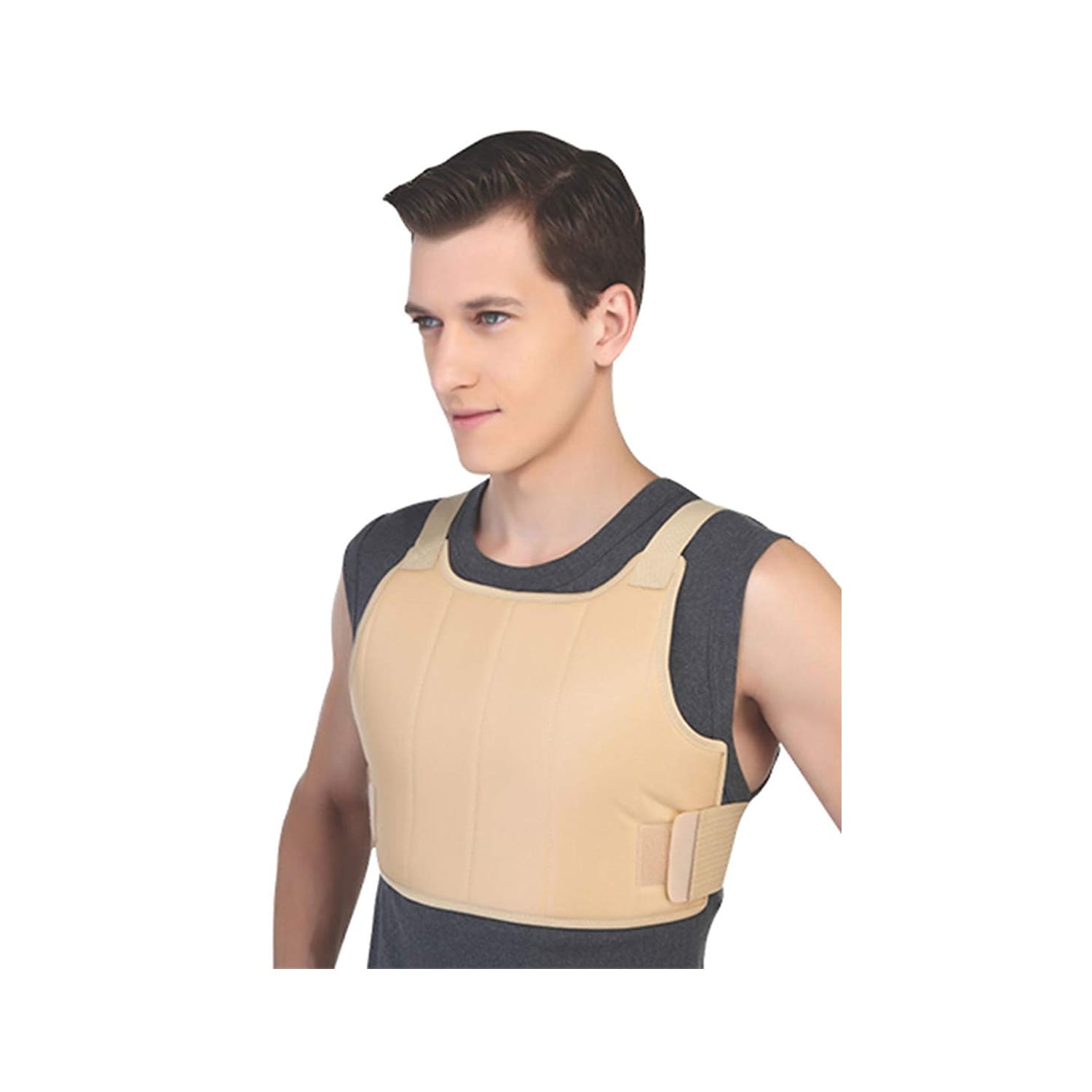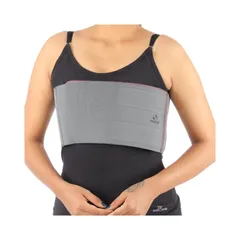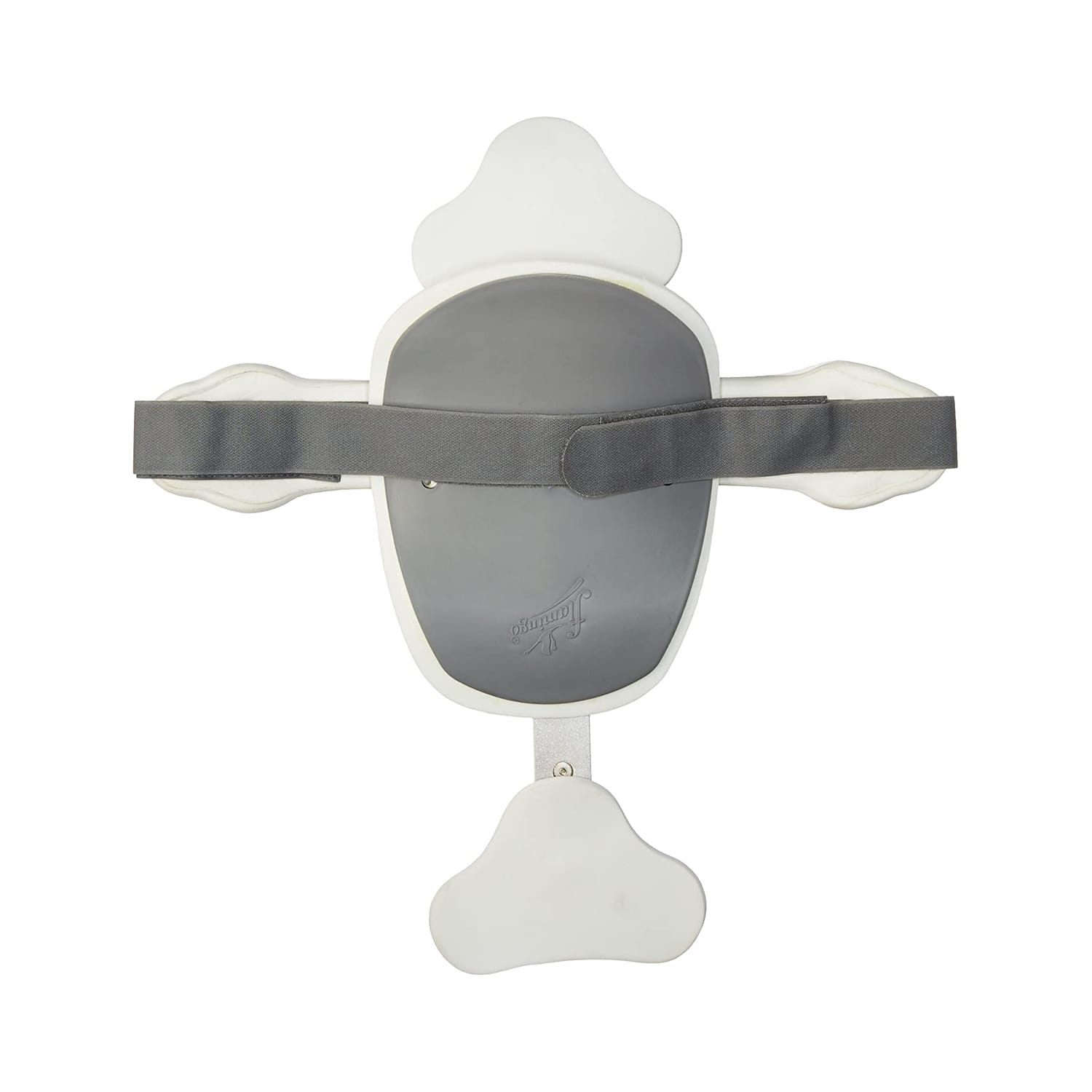


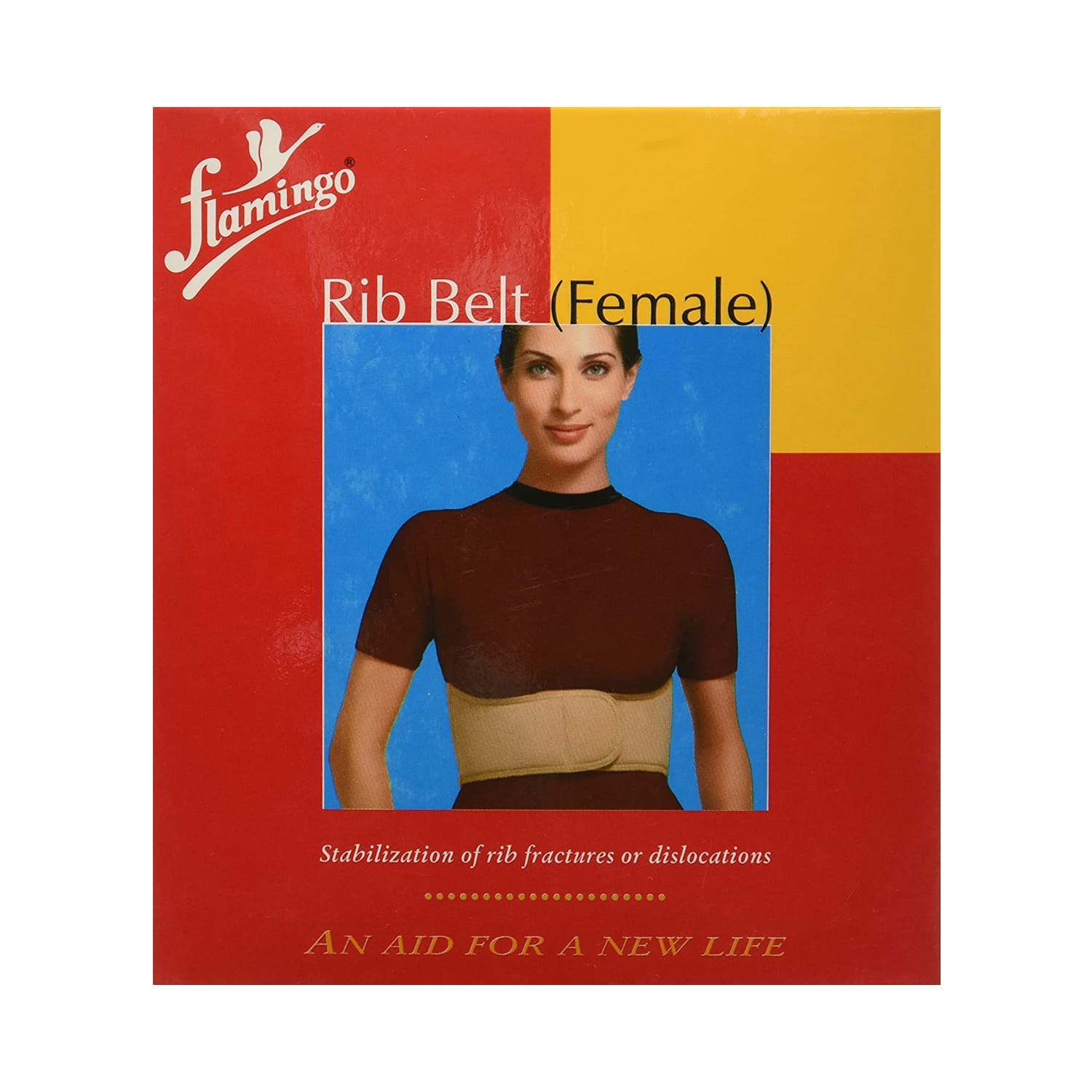
Flamingo Rib Belt Female Small OC2204
flamingo
₹41225% off₹549
A rib fracture is a break or crack in one or more of the bones that protect the chest cavity. Rib fractures are commonly caused by trauma to the chest and can make breathing, coughing, or movement painful. While many rib fractures heal on their own, proper care is important to prevent complications involving the lungs.
Causes of Rib Fracture
* Direct Trauma: Road accidents, falls, or blows to the chest during sports can cause ribs to crack or break.
* Falls: Falling from a height or slipping and landing on the chest can transmit force directly to the ribs.
* Sports Injuries: Contact sports such as football or cricket can result in rib fractures due to collisions.
* Severe Coughing: Persistent or forceful coughing may cause rib fractures, especially in elderly individuals.
* Osteoporosis: Weakened bones increase the risk of rib fractures even with minor impact.
* Repetitive Stress: Repeated strain on the chest wall during certain physical activities can lead to stress fractures of ribs.
Symptoms of Rib Fracture
* Sharp pain in the chest, especially while breathing or coughing
* Tenderness or swelling over the injured area
* Pain that worsens with movement or pressure
* Shallow breathing due to pain
* Bruising around the chest
* A cracking or grinding sensation in severe cases
Diagnosis of Rib Fracture
* Physical examination of the chest
* X-ray imaging to confirm the fracture
* CT scan for complex or multiple rib fractures
* Assessment of lung involvement if breathing difficulty is present
Treatment of Rib Fracture
* Pain relief medications as prescribed
* Rest and activity limitation
* Ice application to reduce swelling
* Breathing exercises to prevent lung complications
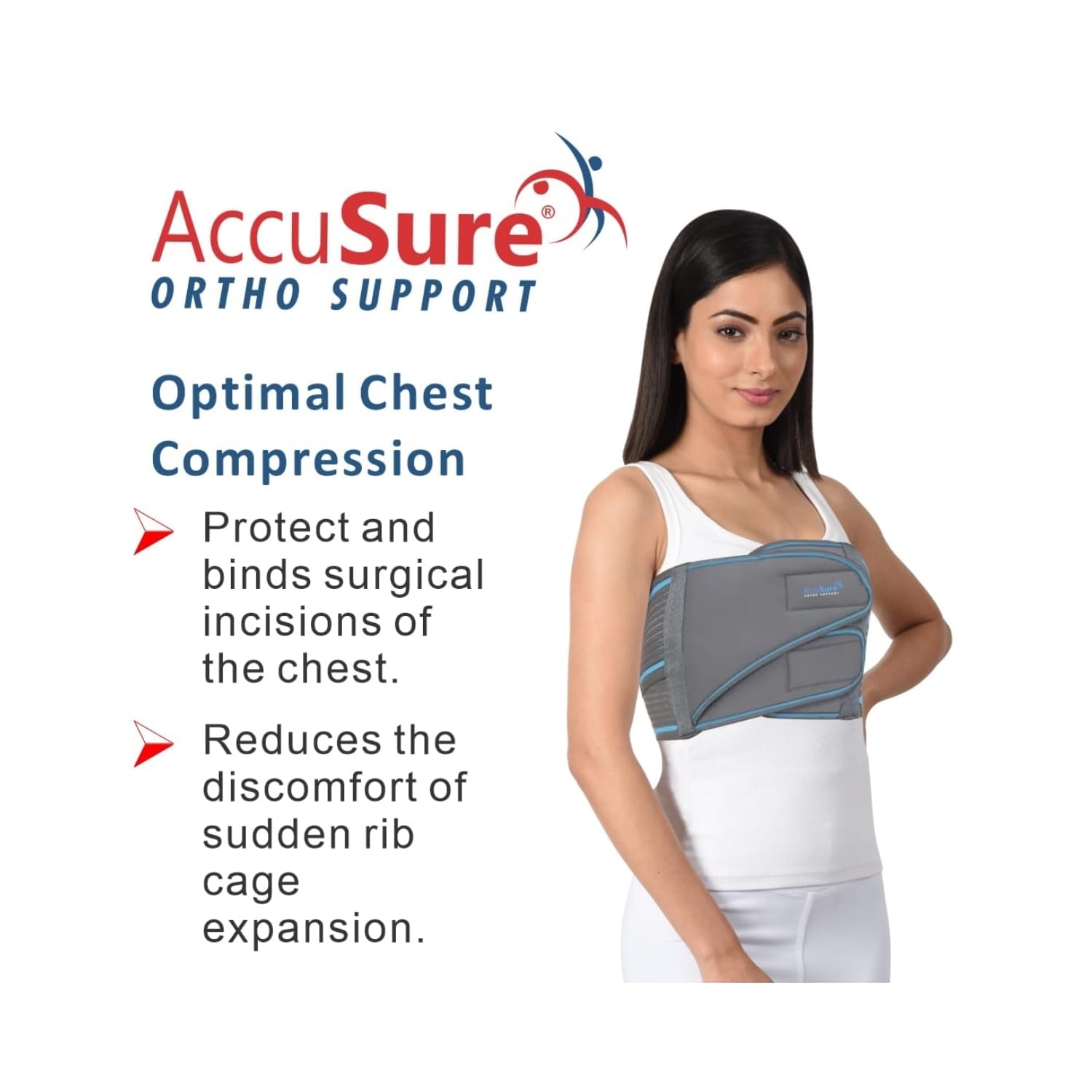
* Rib support belts if recommended
* Hospital care in cases of severe injury or complications
Preventing Rib Fracture Complications
* Follow pain management instructions strictly
* Avoid heavy lifting or strenuous activity
* Practice deep breathing exercises
* Use chest support only if advised
* Attend follow-up visits as recommended
Complications of Untreated Rib Fracture
* Difficulty breathing
* Lung infections such as pneumonia
* Collapsed lung
* Chronic chest pain
* Delayed bone healing
Specialist to Consult for Rib Fracture
* Orthopedic Surgeon: For fracture management and healing
* Pulmonologist: If breathing or lung complications occur
* General Physician: For initial assessment and follow-up care
FAQ
Which support belt is best for rib fracture?
Rib support belts help stabilize the chest and reduce pain during movement. They should be used only under medical guidance to avoid breathing restriction.
Do rib fracture belts help in pain relief?
Rib fracture belts provide gentle compression that helps reduce chest movement and pain. Proper fitting is important for comfort and safety.
How long does a rib fracture take to heal?
Most rib fractures heal within six to eight weeks with proper care. Healing time may vary depending on age and severity.
Is it safe to sleep with rib fracture support?
Sleeping with rib support may be advised in some cases for pain control. Always follow doctor recommendations for nighttime use.
Can rib fracture products prevent complications?
Support products help reduce pain and improve comfort, which supports better breathing. Proper medical care is essential to prevent lung-related complications.