If you have suffered an arm injury or an injury on the shoulder, know that it is a very common occurrence. As an integral part of the treatment process, wearing an arm sling pouch is essential. Using one of the best arm sling pouch found in the market helps in restricting movement and protects the fractured area from re-injury. However many people are not clear about why an arm sling pouch should be used after obtaining a fracture.
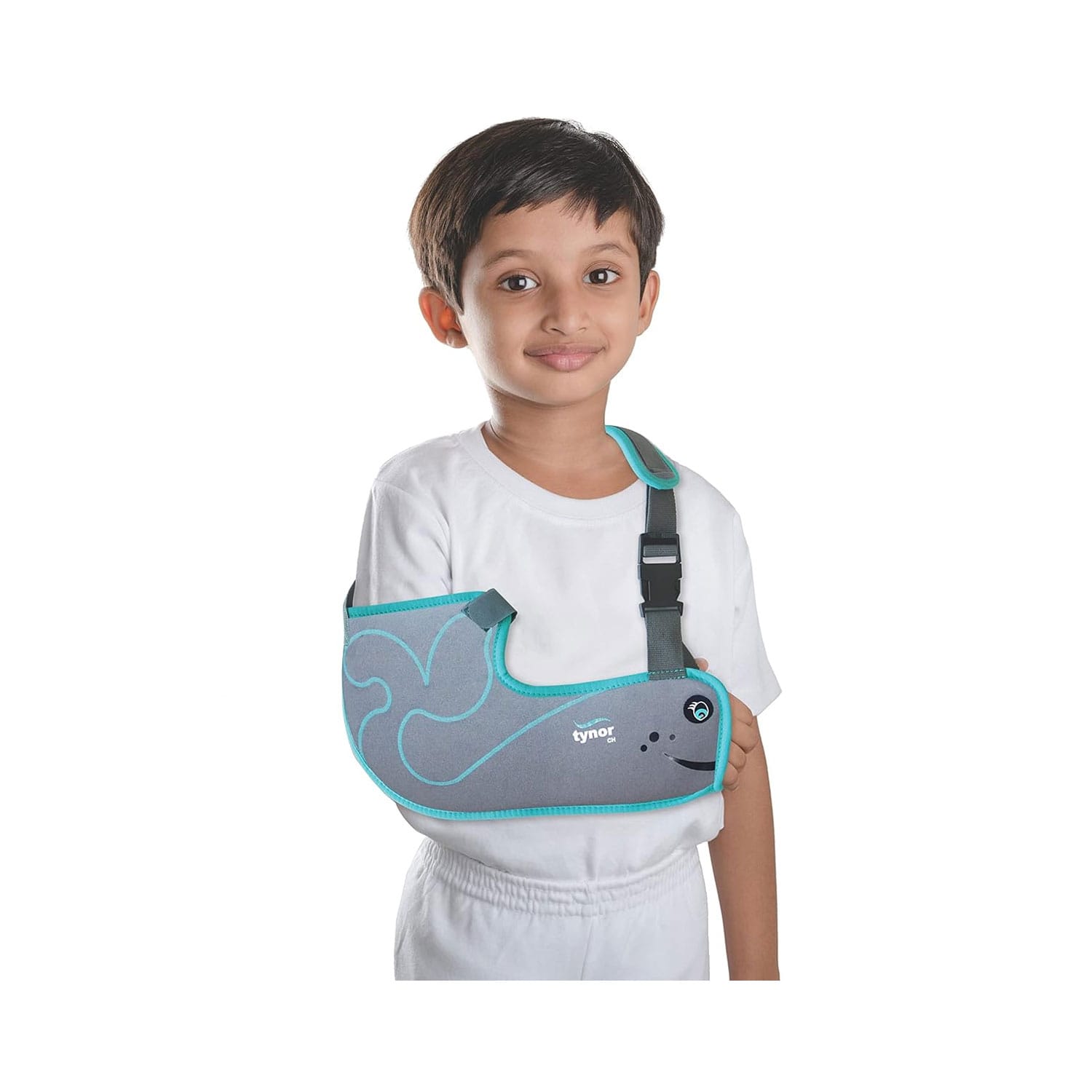
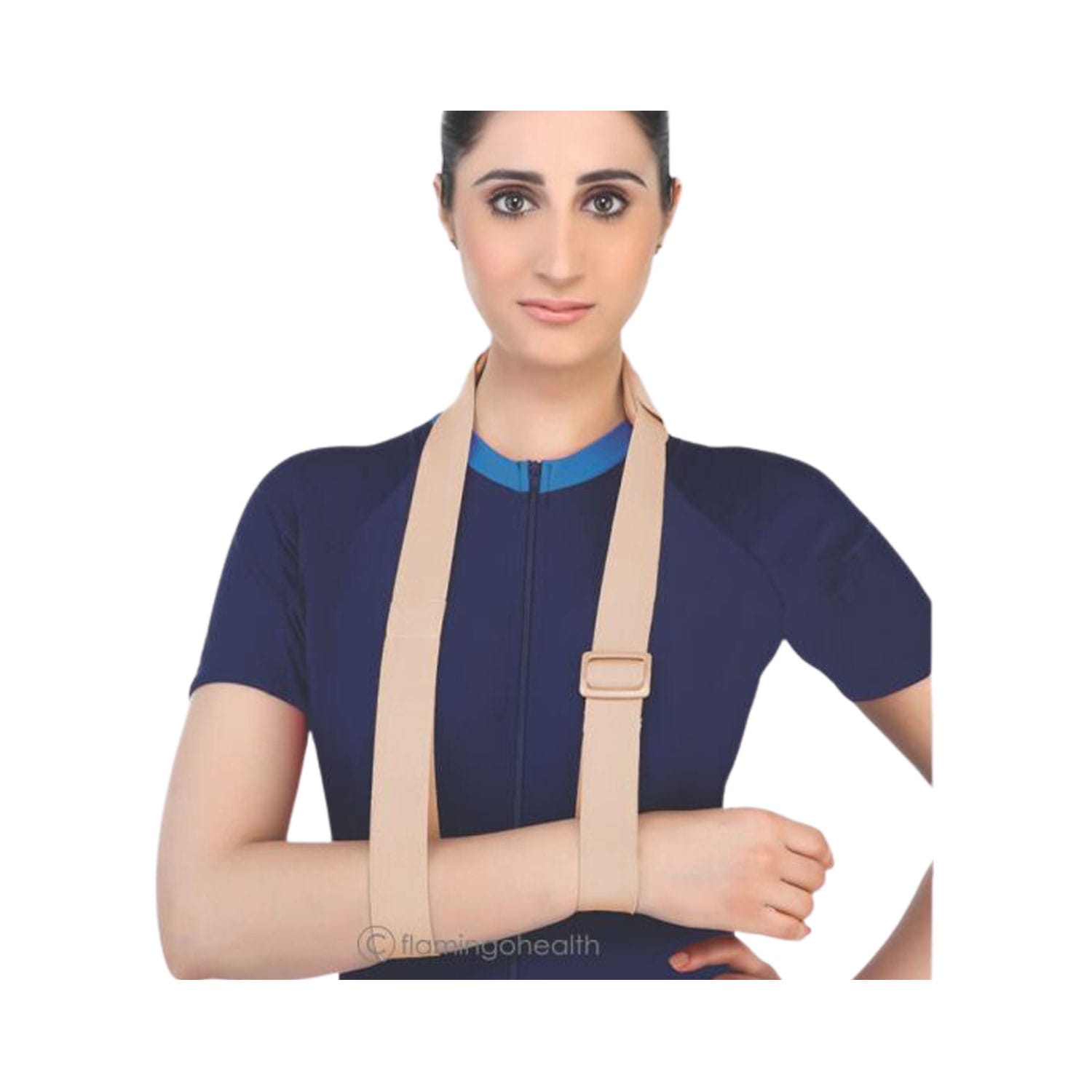
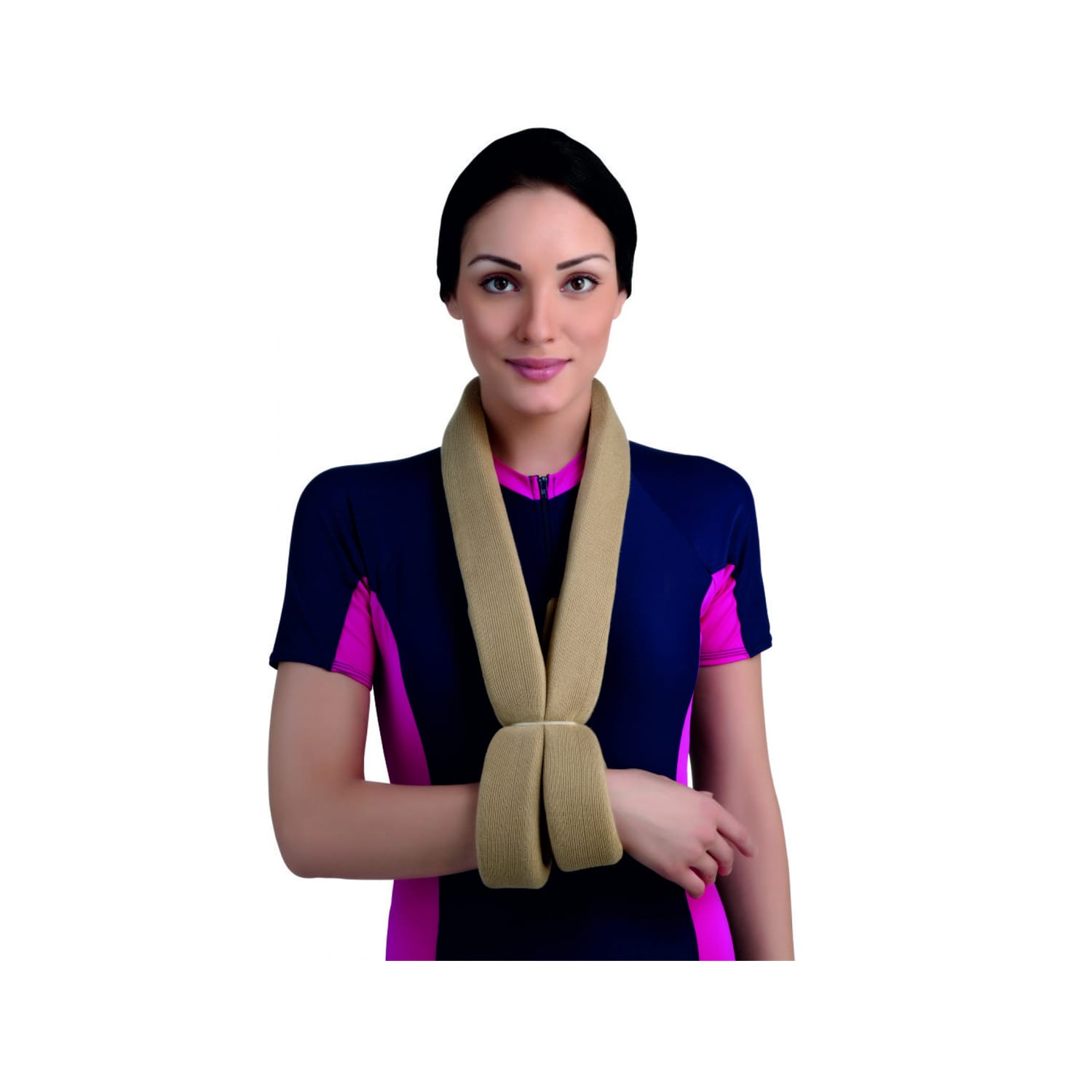
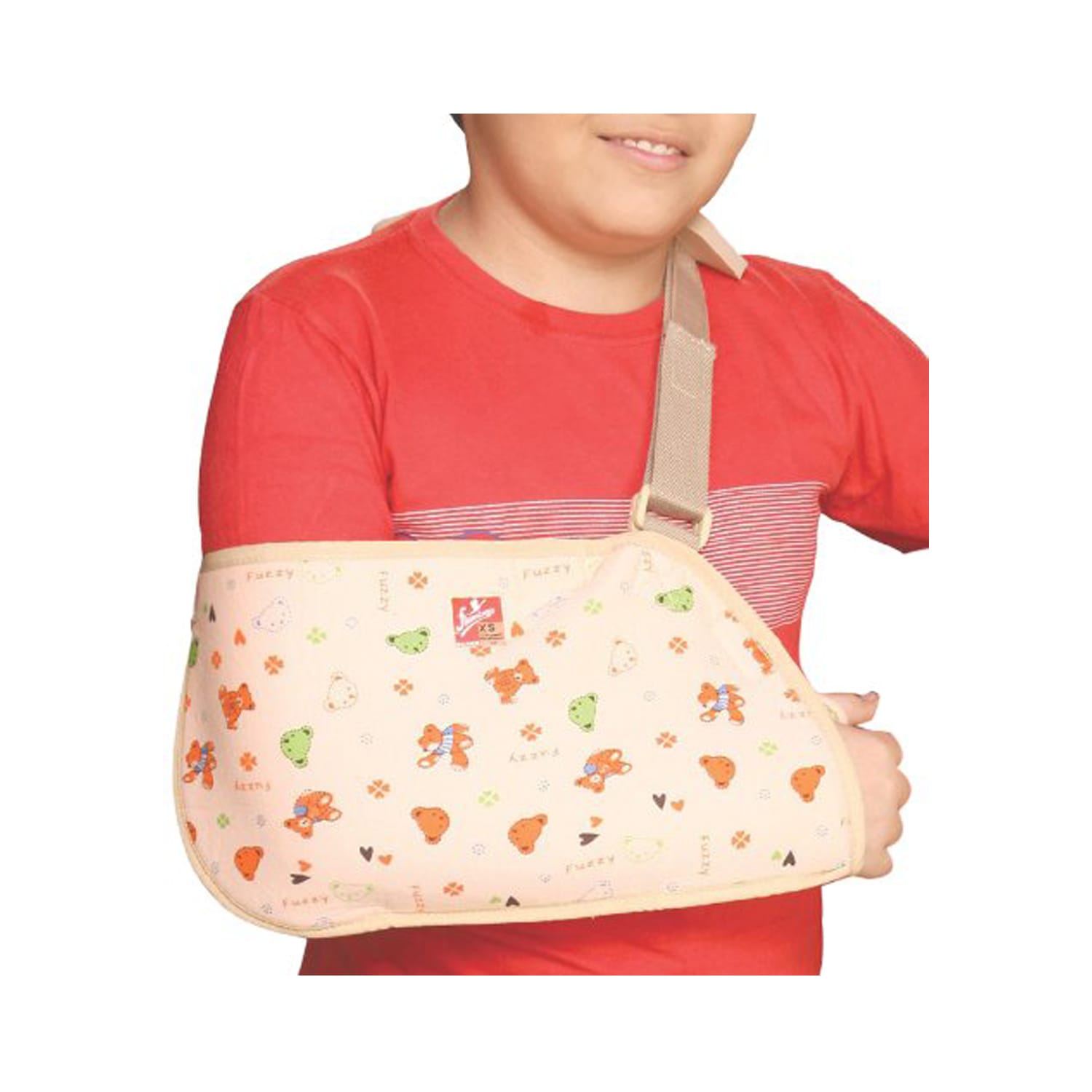
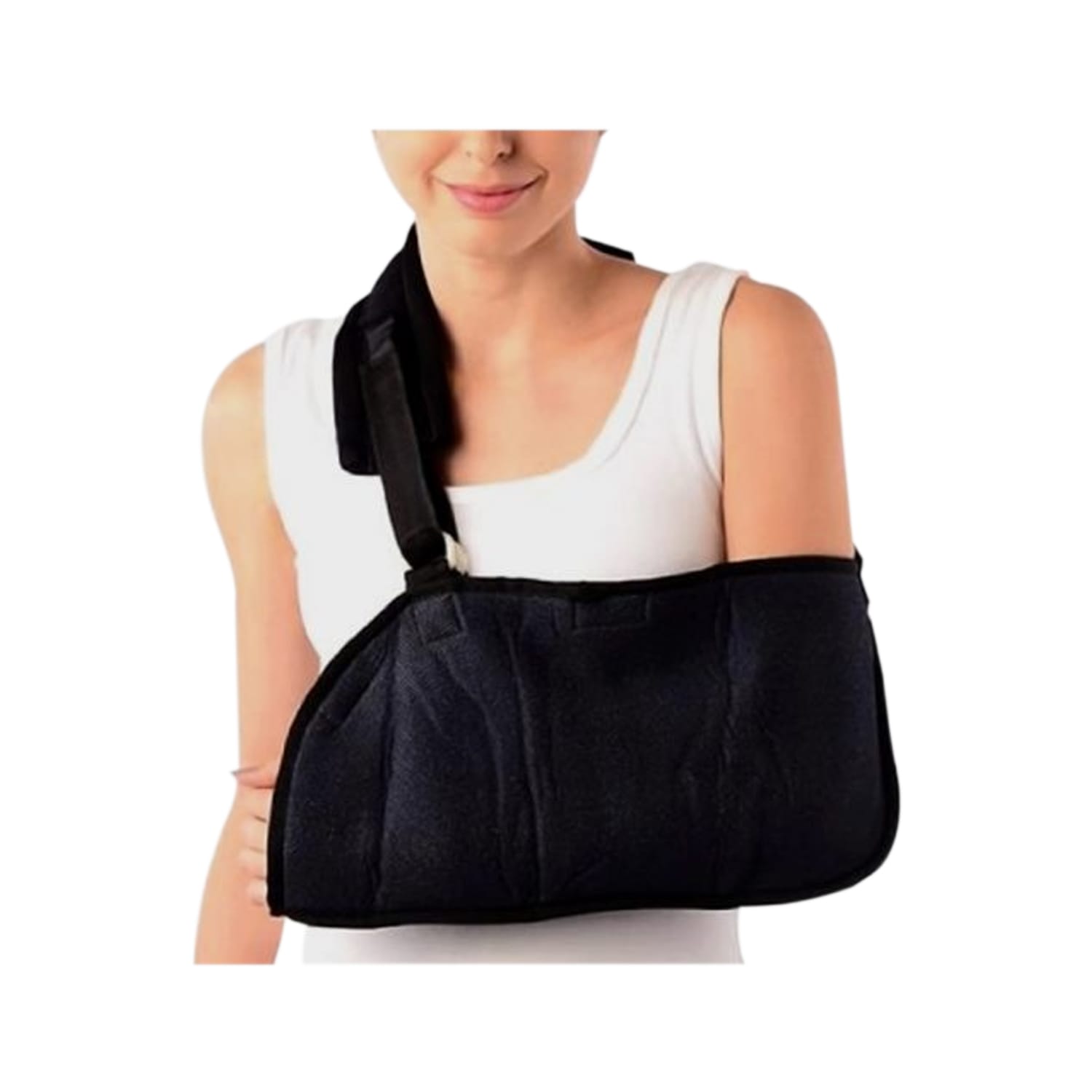
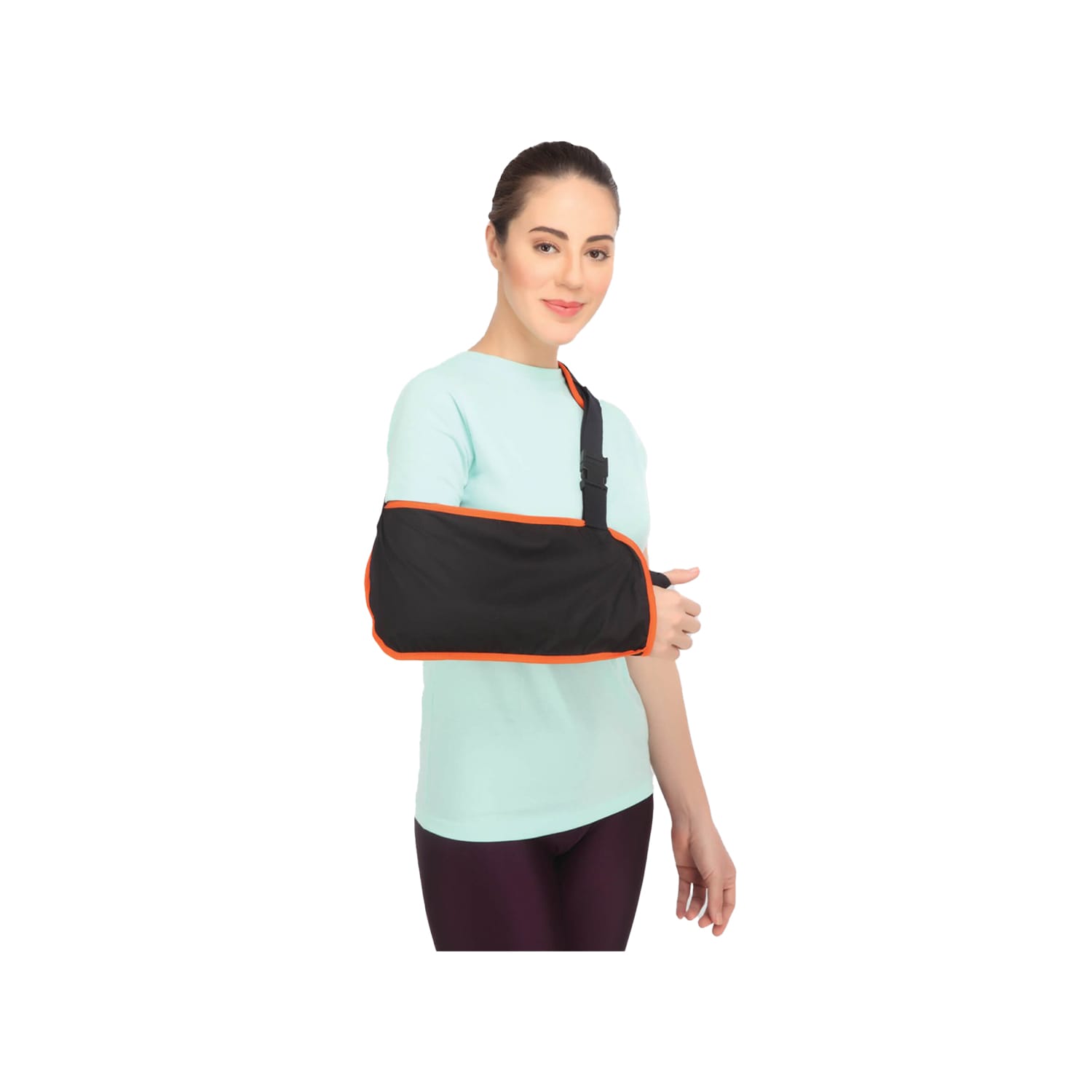
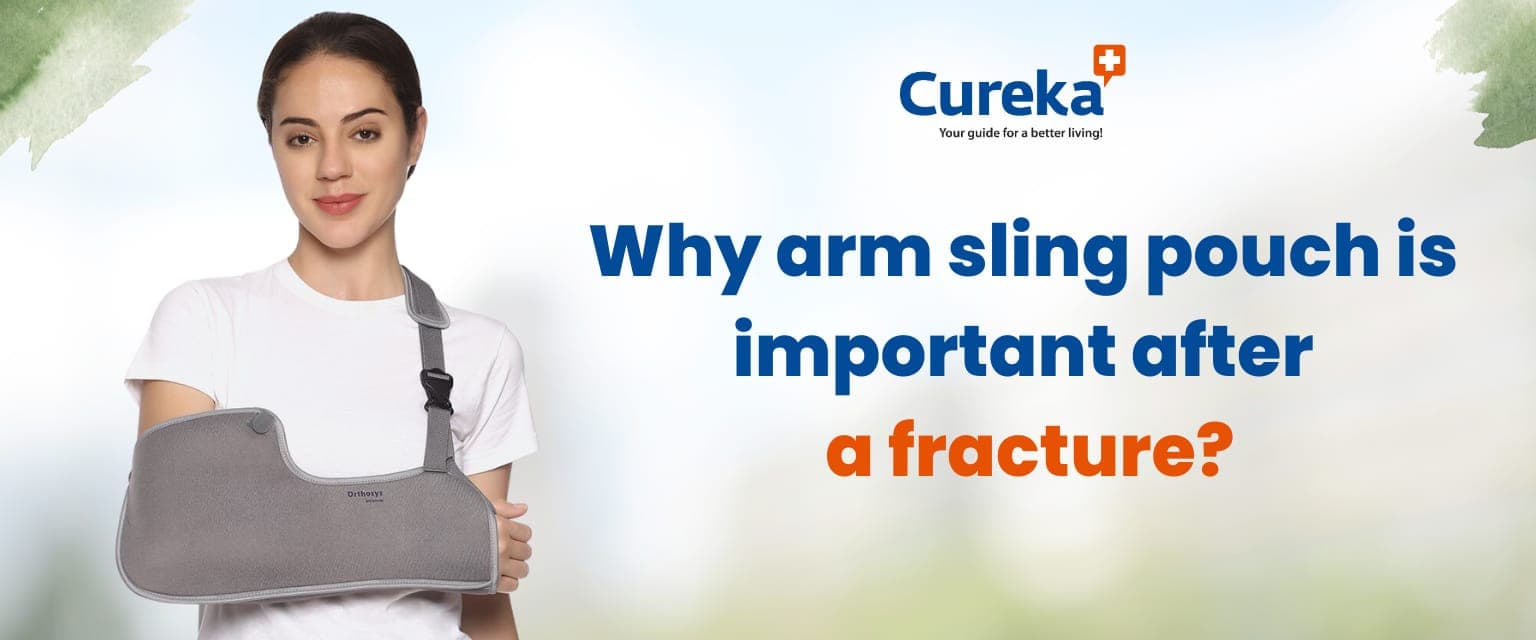
An arm sling is a device that is made of fabric that loops over the back or neck and holds your arm in a bent posture in front of your chest. Many arm slings consist of Velcro straps that are adjustable so you can customize the position of your arm which helps it in remaining both immobile as well as comfortable. Arm slings are usually prescribed for people with a shoulder or arm fracture.
Common Injuries That Need an Arm Sling Pouch:
If you have got a fracture in your arm or your shoulder, you will need to figure out how to wear a sling pouch is important. While an arm sling might seem and feel uncomfortable to be wearing an arm sling, it is absolutely necessary in some situations where healing is required to take place in a fully fixed position. The most common use of a sling pouch is after a fracture. If you happen to fracture your shoulder, elbow, or your wrist, your doctor is most likely to recommend you wear a broken arm sling pouch to immobilize your hand which allows the bones to heal properly.
Another situation where you need to wear an arm sling pouch is after a shoulder surgery. The shoulder muscles gets very delicate after a surgery and hence, you will need to use a sling pouch to minimize the shoulder movements and make sure that no sudden contraction of muscles would undo the work that was done.
A lesser known reason for using arm sling pouches is after a stroke since a stroke is known to sometimes cause limb paralysis which makes the limbs to hang and become painful. During this time an arm sling can be useful in stabilizing the arm and makes sure that it does not suffer any damage.
Uses of an Arm Sling Pouch:
The purpose of an arm sling is to support the arm in a flexion position. It is used to support and immobilize (keep still) an injured or fractured arm, elbow or shoulder. Arm slings can be used for many different types of injuries like a broken or dislocated arm, shoulder or elbow. It is also useful as a visual warning to others that the wearer is injured. An arm sling pouch is used to,
Support ends of the bones in the fracture site.
Provides relief from pain of the limb that is fractured.
Prevents tissue damage
Keeps the arm in one place and prevents the wearer from moving it too much.
An arm sling is useful when you have an injury which can be made more worse or painful by moving your arm, shoulder, elbow, hand or wrist. Slings help in keeping the injured arm elevated, a method which reduces swelling.
Always before putting on an arm sling, follow your physician’s or physiotherapist’s advice since it would help you to wear the sling conveniently. There can be times when wearing a sling could be a bit confusing owing to the straps and loops on the pouch but with practice you would get the knack of comfortably wearing the sling.
Features of a Good Arm Sling Pouch:
Choosing the best arm sling pouch available in the market for your fracture is the right thing to do. Arm slings are made of bonded fabric which makes it non-tearable and durable. Your injured arm needs the best arm sling you can find. Here are some of the features by which you can choose the best one out of the many.
Has a pleasant design and look
Washable
Perfect for hot and humid climate conditions
Durable
Adjustable
Easy removal and application
Wrinkle-free
Consists of a side buckle for opening and closing
Should come with a thumb cradle and shoulder pad
Conclusion:
While recovering from an arm, shoulder or elbow surgery, it is necessary to be extra cautious in protecting your arm and allowing it to heal properly. The elbow or shoulder can be very vulnerable after a surgery, so wearing a right fitting arm sling pouch is the only way to make sure that the area remains protected and has ample time to heal.