Cureka — Your guide for a better living!
Cart
INDIA'S 1ST PREVENTIVE HEALTHCARE STORE – CURATED BY DOCTORS!|

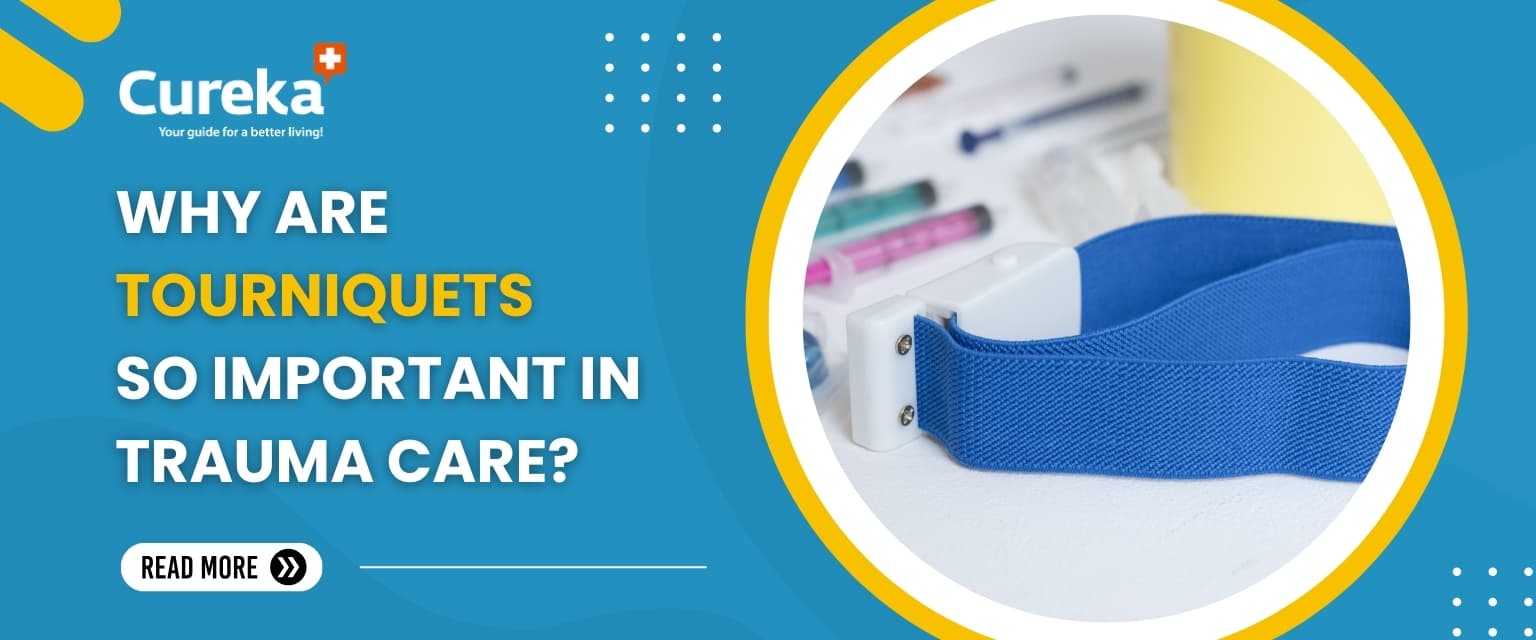
Why Are Tourniquets So Important In Trauma Care?

Dr. Hema Sathish, Dermatologist

Medically Reviewed By

Dr. Hema Sathish, M.B.B.S., D.D (UK)

Dermatologist • Founder of Cureka

Reviewed for medical accuracy and evidence-based information

Tourniquets are indispensable tools in emergency care, offering crucial support in managing severe bleeding and facilitating medical procedures.

9th Sept 2024•2 Min read+Cureka Editorial
Why Are Tourniquets So Important In Trauma Care?

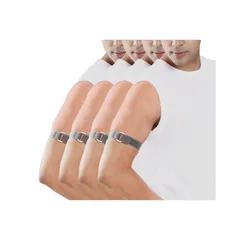
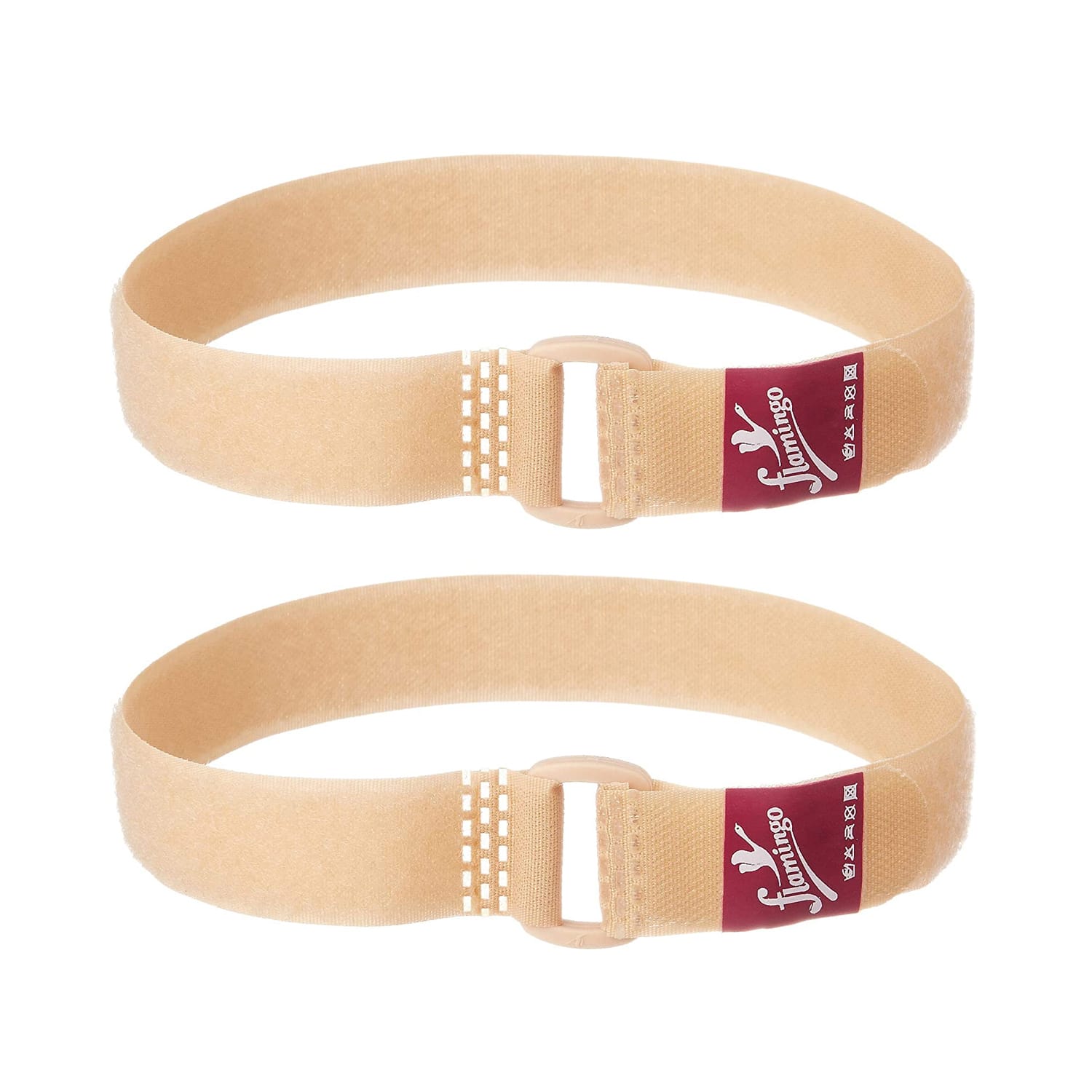
In the realm of emergency care, tourniquets stand out as critical tools for controlling blood flow and managing severe injuries. Whether used in trauma situations, surgical settings, or during medical procedures, understanding how to properly use and apply tourniquets can be life-saving. A tourniquet is designed to constrict blood flow in a limb temporarily, which is essential for various medical situations.

Benefits of Tourniquets

  • Wound Management: In emergency scenarios with severe bleeding, tourniquets can be lifesaving by stopping blood flow rapidly and reducing the risk of excessive blood loss.

  • Surgical Procedures: Tourniquets are used in surgeries to create a bloodless field, improving efficiency and visibility for the surgeon.

  • Blood Collection: During blood collection procedure, tourniquets help make veins more prominent, facilitating easier needle insertion.

Applying Tourniquets Safely and Correctly

Here’s how to apply a tourniquet effectively:

Assess the Situation: Determine whether a tourniquet is necessary based on the severity of the bleeding or the medical procedure.

Choose the Right Tourniquet: Select a tourniquet that fits the limb size and the specific needs of the situation.

Position the Tourniquet: Place it about 5 cm (2 inches) above the bleeding site or the area where blood flow needs to be controlled. Avoid placing it over joints or directly on the injury.

Tighten the Tourniquet: Gradually tighten until blood flow is significantly reduced or stopped. For pneumatic tourniquets, inflate to the recommended pressure according to the manufacturer's guidelines.

Monitor the Patient: Keep an eye on the patient for signs of discomfort, pain, or complications.

Document the Time: Record the time of application to monitor the duration of use.

Safety Precautions and Best Practices

Precautions:

Avoid Prolonged Use: Extended application can lead to tissue damage and ischemia. Although limbs generally aren’t lost due to tourniquet use, careful monitoring is essential.

Monitor the Patient: Regularly check for pain, distal pulses, and skin color to ensure the tourniquet is working as intended.

Remove Carefully: Removal should only be done under the supervision of a trauma specialist or emergency room doctor.

Best Practices:

Have a Backup Plan: Always have an alternative method for controlling blood flow, such as direct pressure or hemostatic dressings.

Stay Informed: Keep up with the latest research and guidelines on tourniquet use to ensure optimal patient care.

Tourniquets are indispensable tools in emergency care, offering crucial support in managing severe bleeding and facilitating medical procedures. Effective use hinges on proper training, adherence to safety guidelines, and staying updated with current practices. By maintaining a well-stocked first aid kit, including tourniquets, and understanding their correct application, you enhance your preparedness to handle emergencies and provide critical care when it’s needed most.
Frequently Asked Questions

  • Tourniquets help control severe bleeding quickly during trauma emergencies, reducing blood loss and improving survival chances until medical care arrives.

  • A tourniquet should be used in cases of life-threatening bleeding when direct pressure alone cannot effectively stop blood flow.

  • Place the tourniquet about 2 inches above the wound, avoid joints, tighten until bleeding stops, and record the application time.

  • Yes, leaving a tourniquet on for too long may lead to tissue damage, pain, reduced circulation, and potential complications if not monitored properly.


  •  No, tourniquets are also commonly used during surgeries and blood collection procedures to control blood flow and improve visibility or vein access.

Comments

How to Choose a Shoulder Brace According to the Type of Injury?
Featured

How to Choose a Shoulder Brace According to the Type of Injury?

Struggling with shoulder pain? Find out which type of brace suits your injury best, so you can heal faster and get back to your daily routine.

Read More
What Should Your Oxygen Level Be? Understanding SpO₂ Readings
Featured

What Should Your Oxygen Level Be? Understanding SpO₂ Readings

Is 94% a normal oxygen level? Understand healthy SpO₂ ranges, why pulse oximeter readings change, and the warning signs that need medical help.

Read More
How to Choose the Right Air Mattress for a Patient With Limited Mobility
Featured

How to Choose the Right Air Mattress for a Patient With Limited Mobility

Choosing a medical air mattress goes beyond comfort. Learn what to look for, from pressure relief and weight capacity to pump quality, to support safer, easier patient care at home.

Read More
How to Treat a Cut at Home: First Aid Steps to Follow
Featured

How to Treat a Cut at Home: First Aid Steps to Follow

Minor cuts happen daily — but proper care prevents infection and scarring. Learn the essential first aid steps for cleaning, treating, and knowing when a cut needs medical attention.

Read More
Manual vs Electric Wheelchair: Which One Is Right for You?
Featured

Manual vs Electric Wheelchair: Which One Is Right for You?

Choosing between a manual or electric wheelchair depends on more than preference. Discover the key differences, benefits, and factors to consider before you buy.

Read More
Why Is My Blood Sugar Reading Different Every Time? Common Causes Explained
Featured

Why Is My Blood Sugar Reading Different Every Time? Common Causes Explained

Getting different glucose readings even on the same day? Discover the real reasons behind blood sugar fluctuations — from sleep and stress to testing technique and meter accuracy.

Read More

No comments yet. Be the first to share your thoughts.