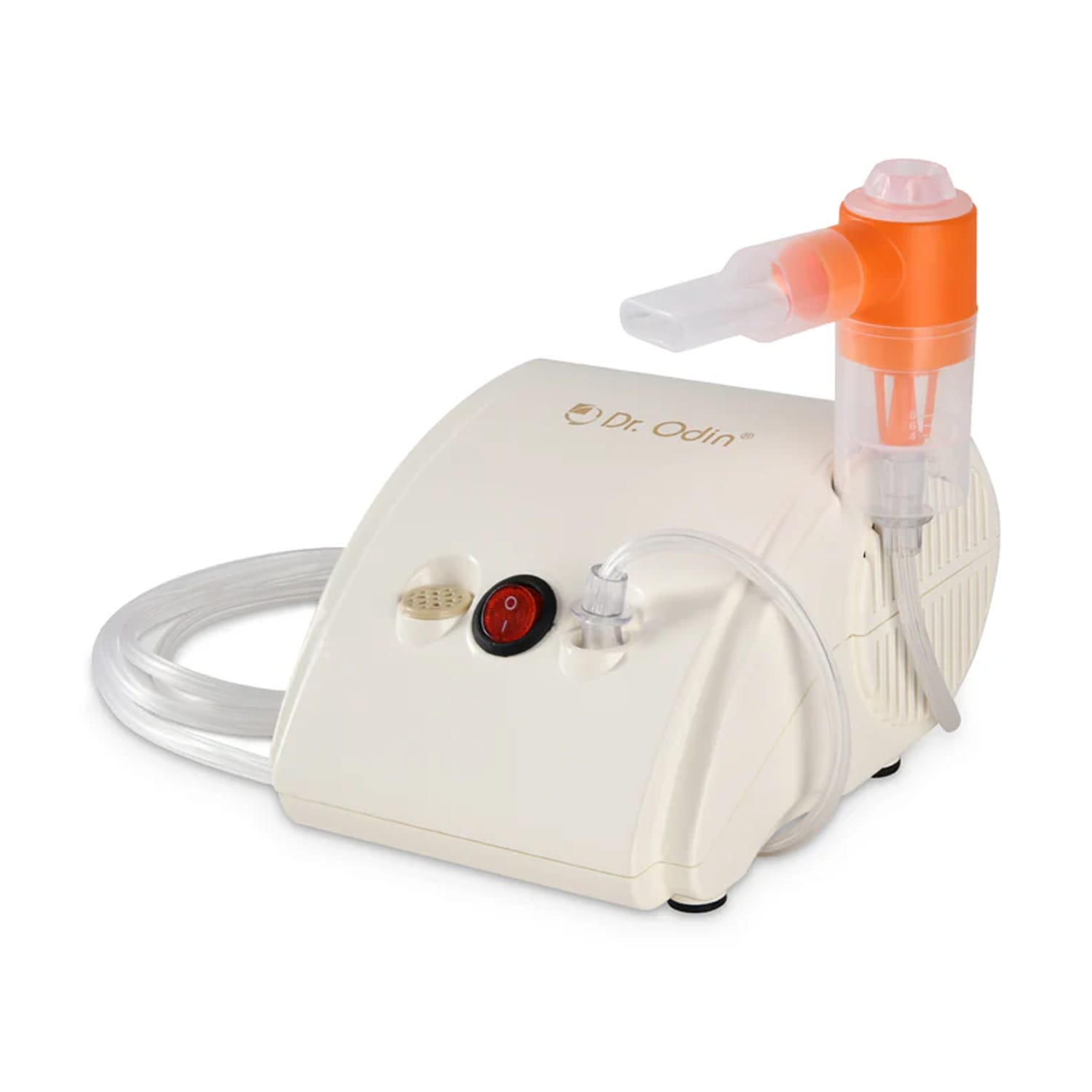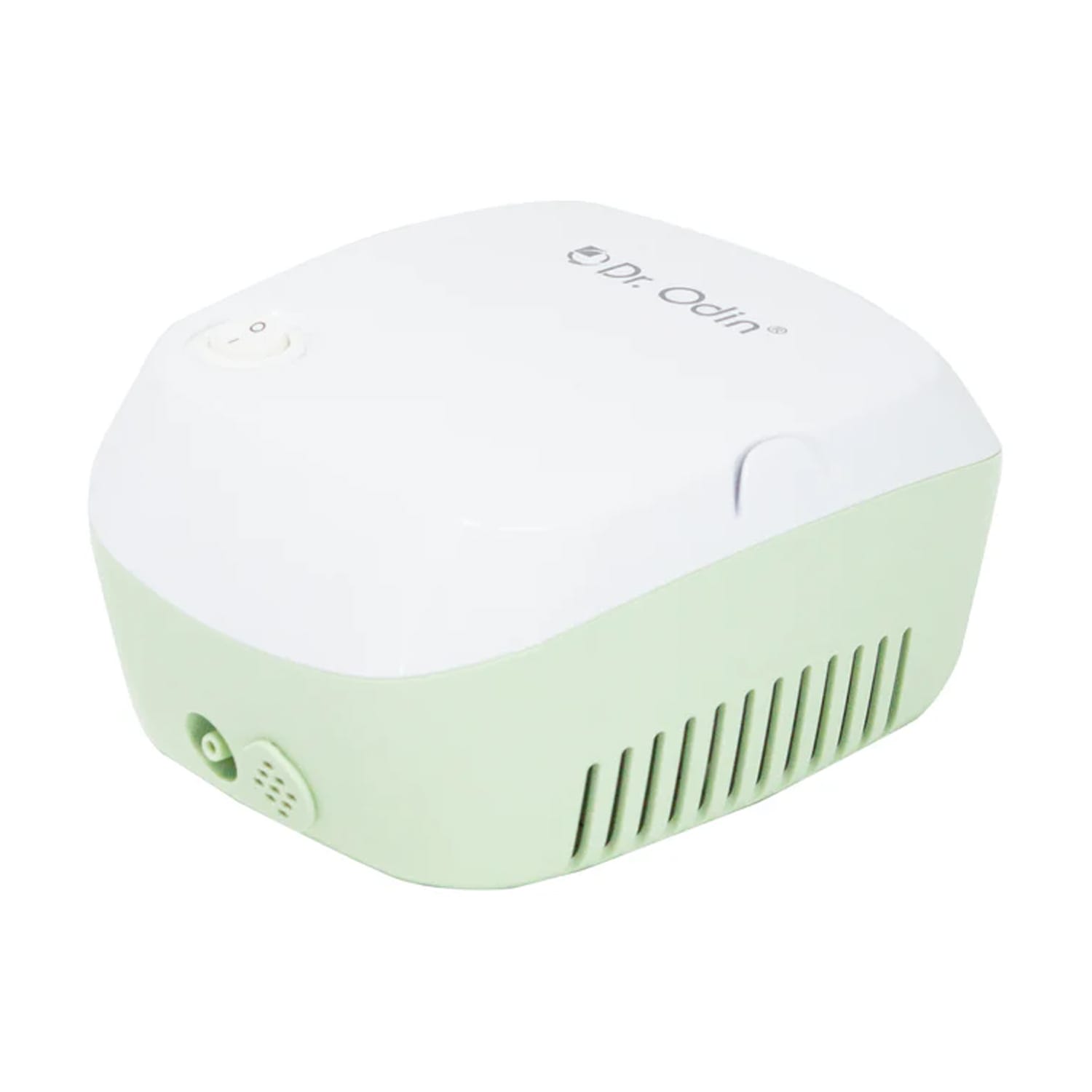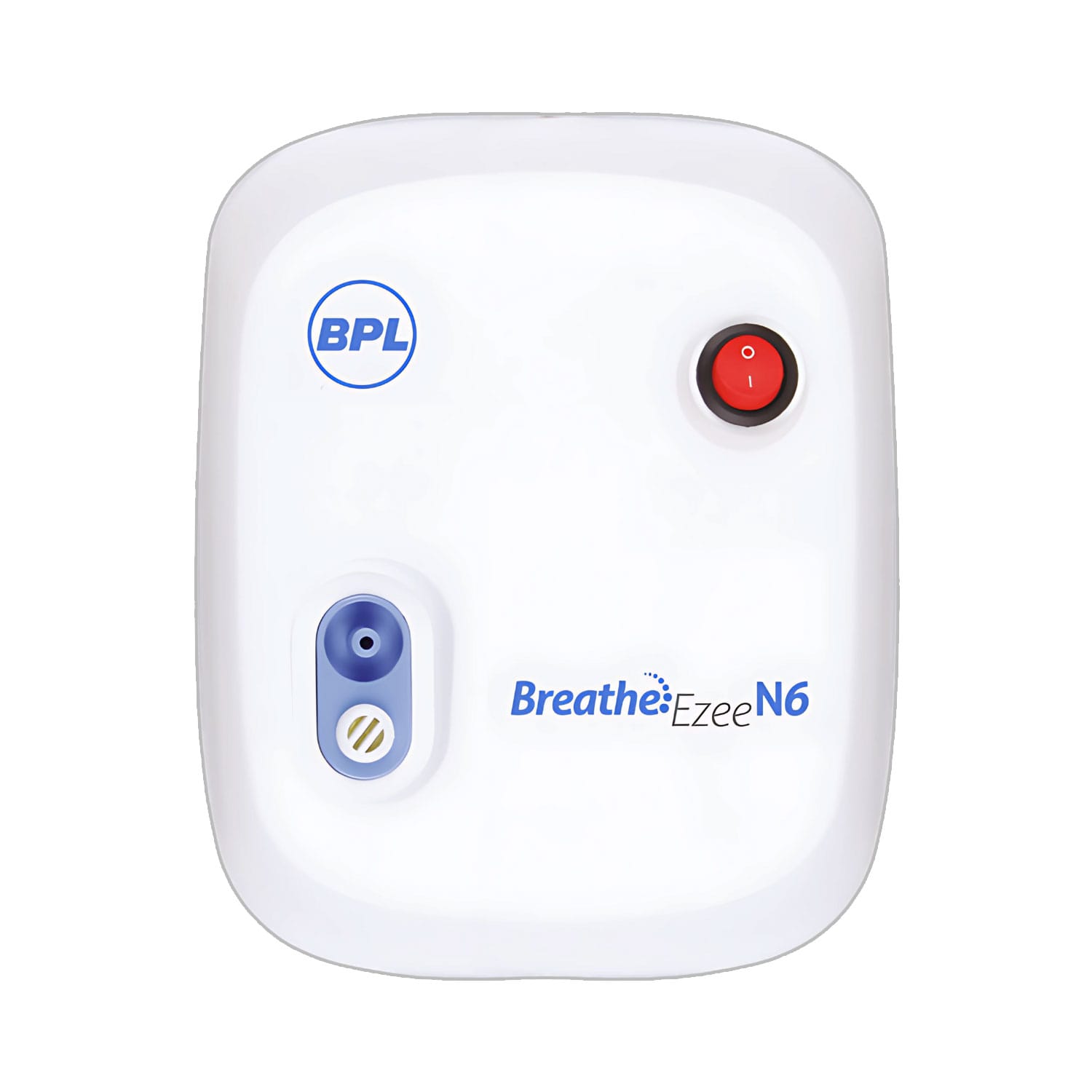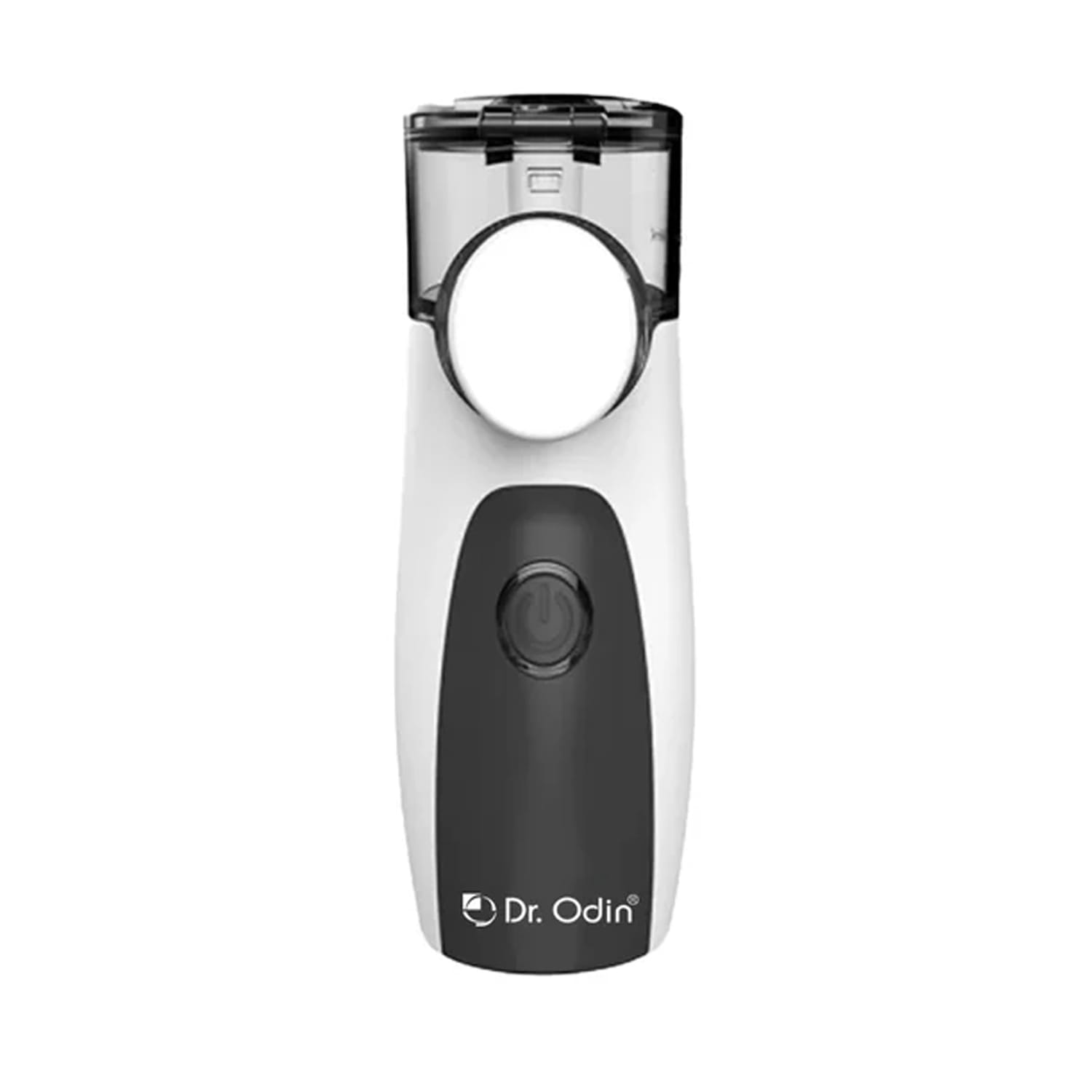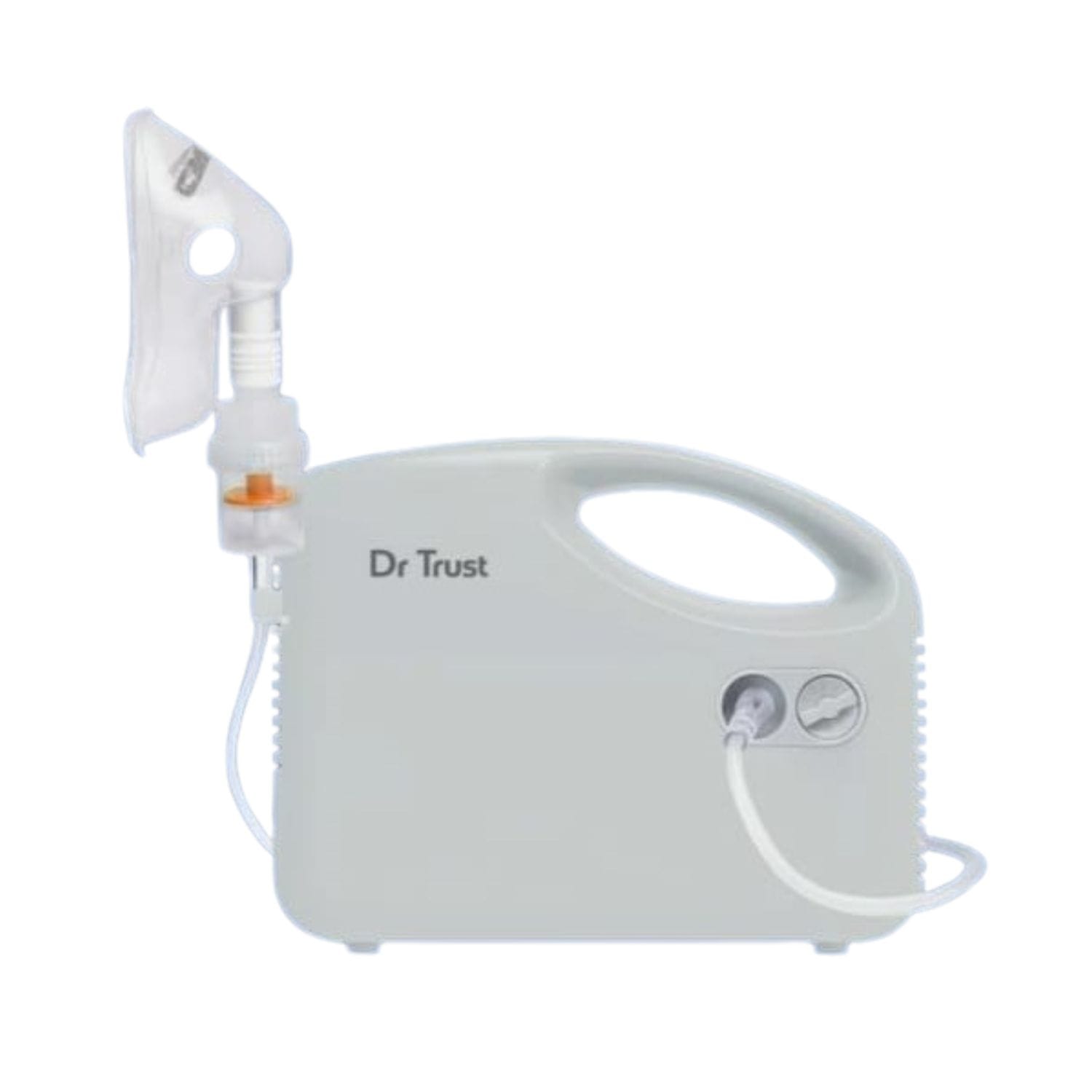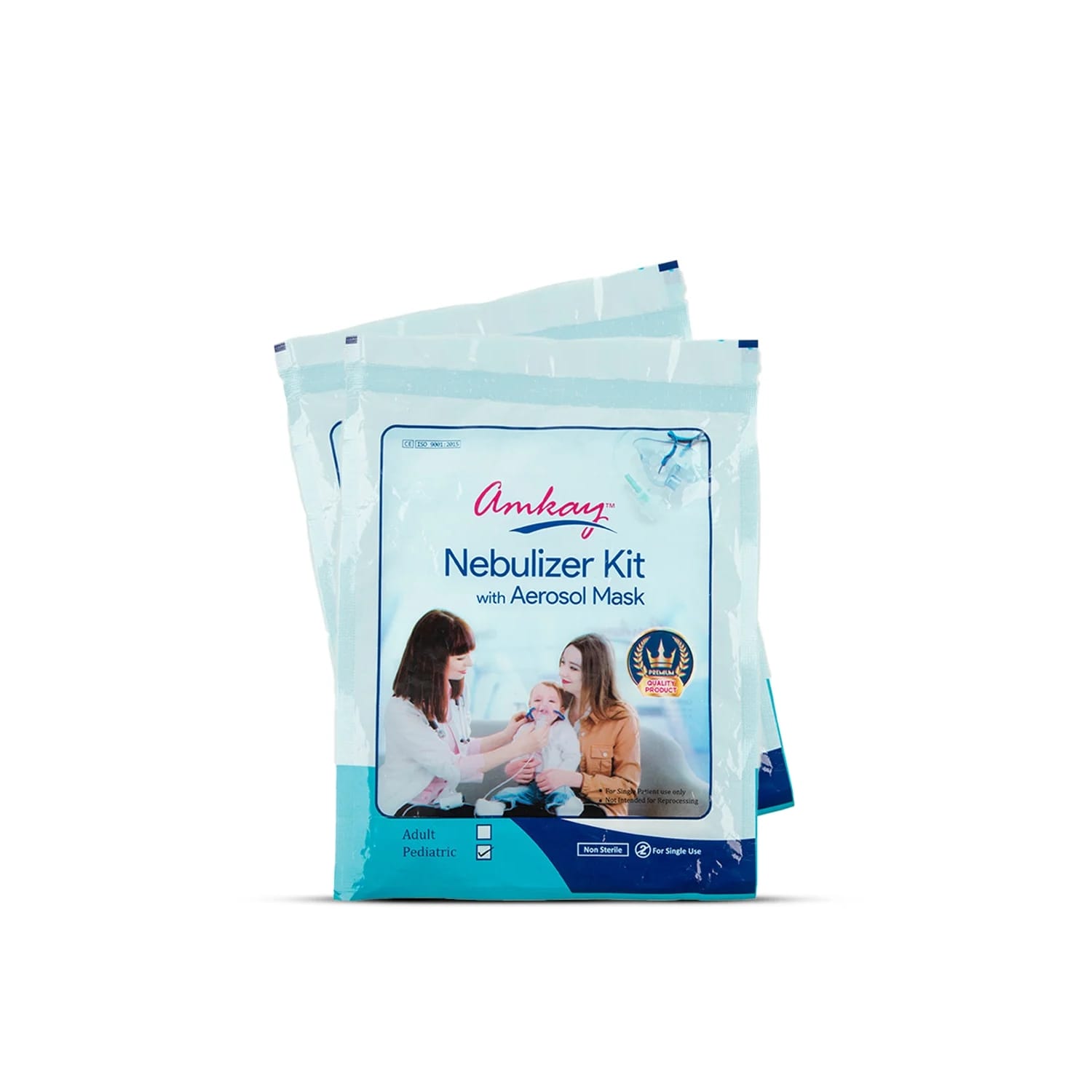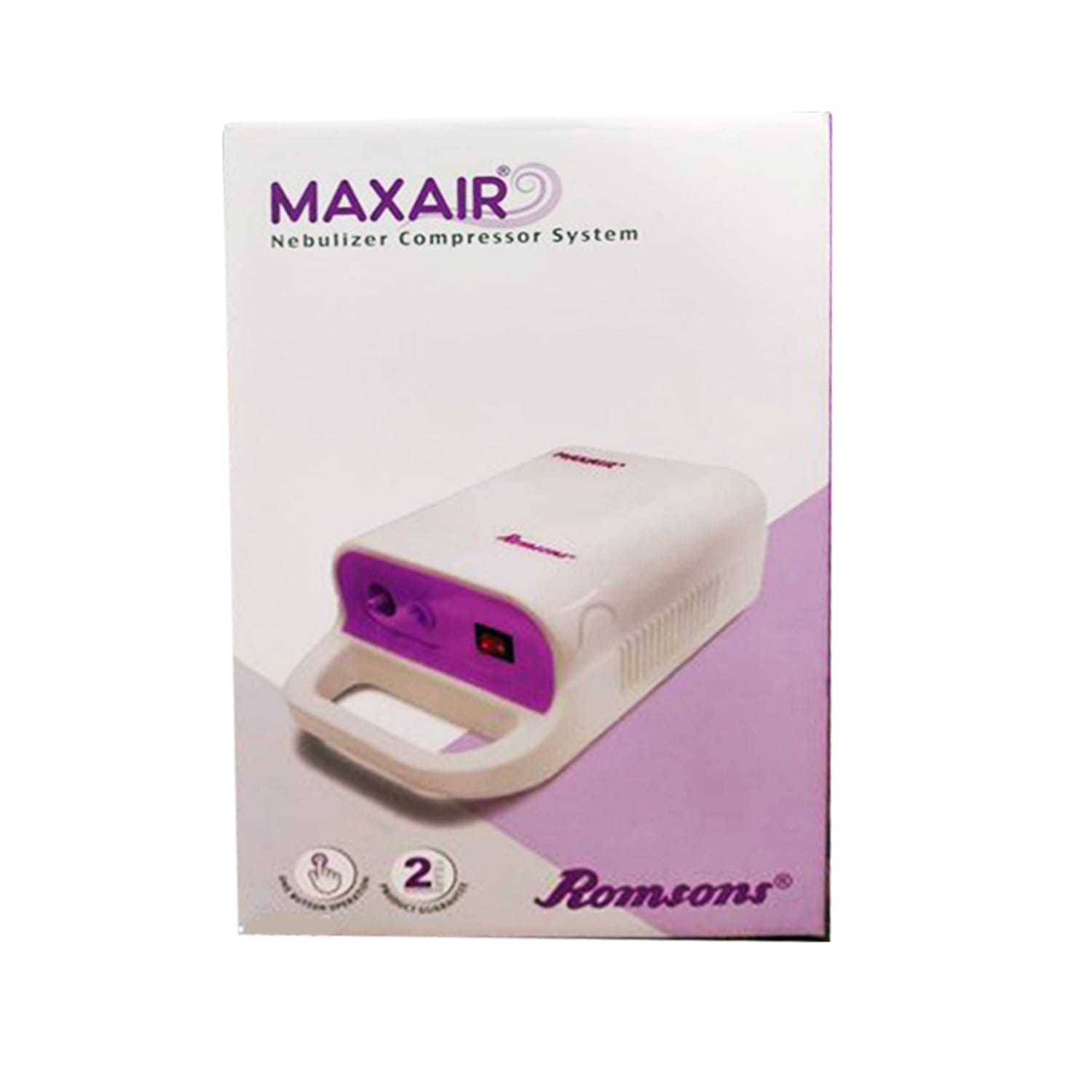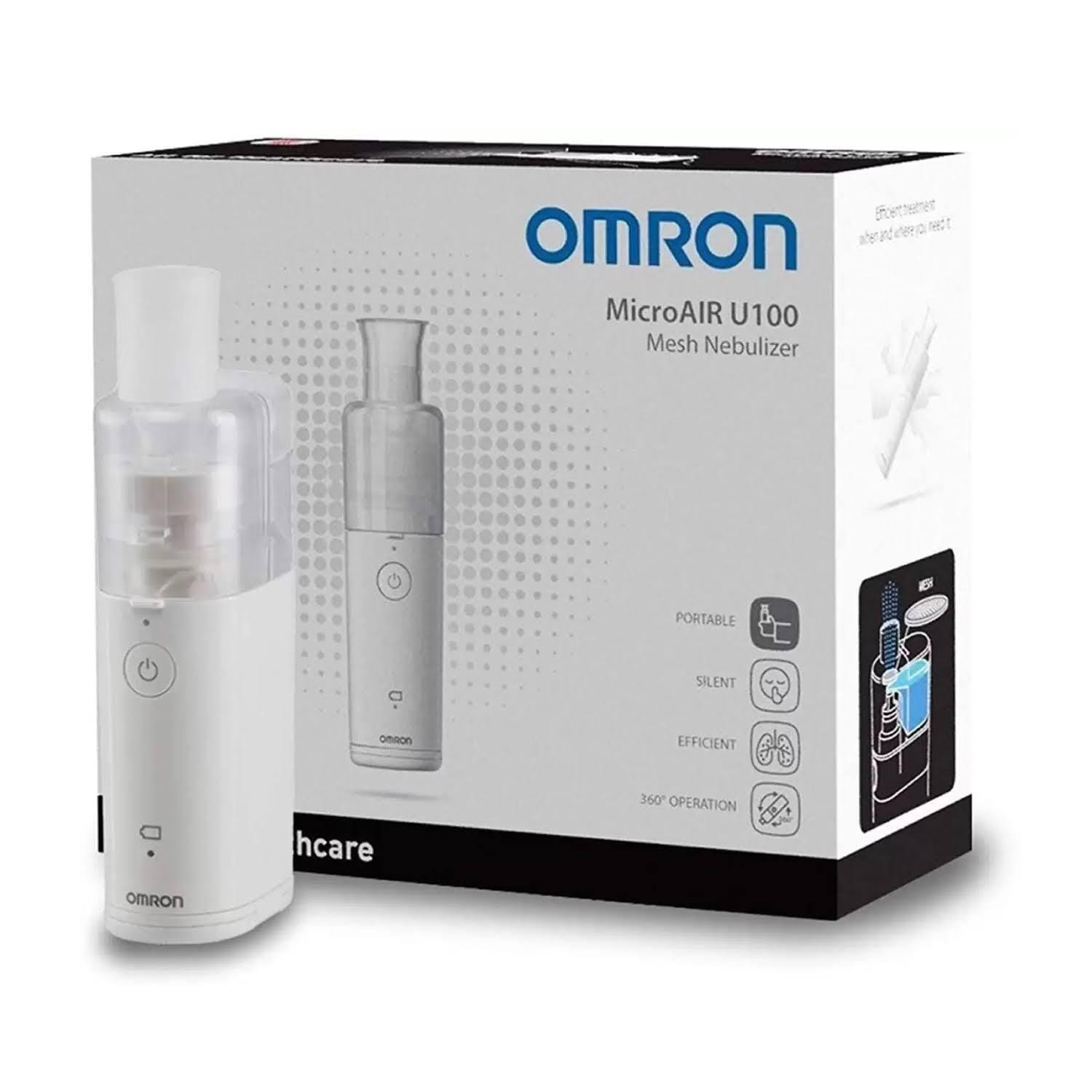
Nebulization treatment is a methodology for the treatment of respiratory ailments, for example, asthma which was not foreseen in the global proposals for the treatment of asthma and which merits think about. Regardless of whether the place of nebulizers in the treatment of asthma intensifications has been approved, this isn't the situation for grown-up asthmatic subjects with incessant asthma. While asthma control for most patients can be accomplished utilizing metered-portion inhaler and dry powder inhaler treatment, a few patients may require customary home nebulized treatment. Before deciding the targets and helpful qualities of nebulization in the treatment of ceaseless asthma in the grown-up patient, we will initially portray the pathophysiological components engaged with the treatment of asthma and of the couple 'nebulized substance-nebulizer' prompting an ideal nebulization.
For What Reason do I Require Breathing Medications?
Breathing medications are utilized to treat the swelling of your aviation route, shortness of breath, hacking, and wheezing. These can be caused by any of the accompanyings:
• Interminable respiratory infections, for example, asthma and perpetual obstructive pneumonic malady (COPD)
• Lung diseases, for example, pneumonia
• Serious unfavorably susceptible responses
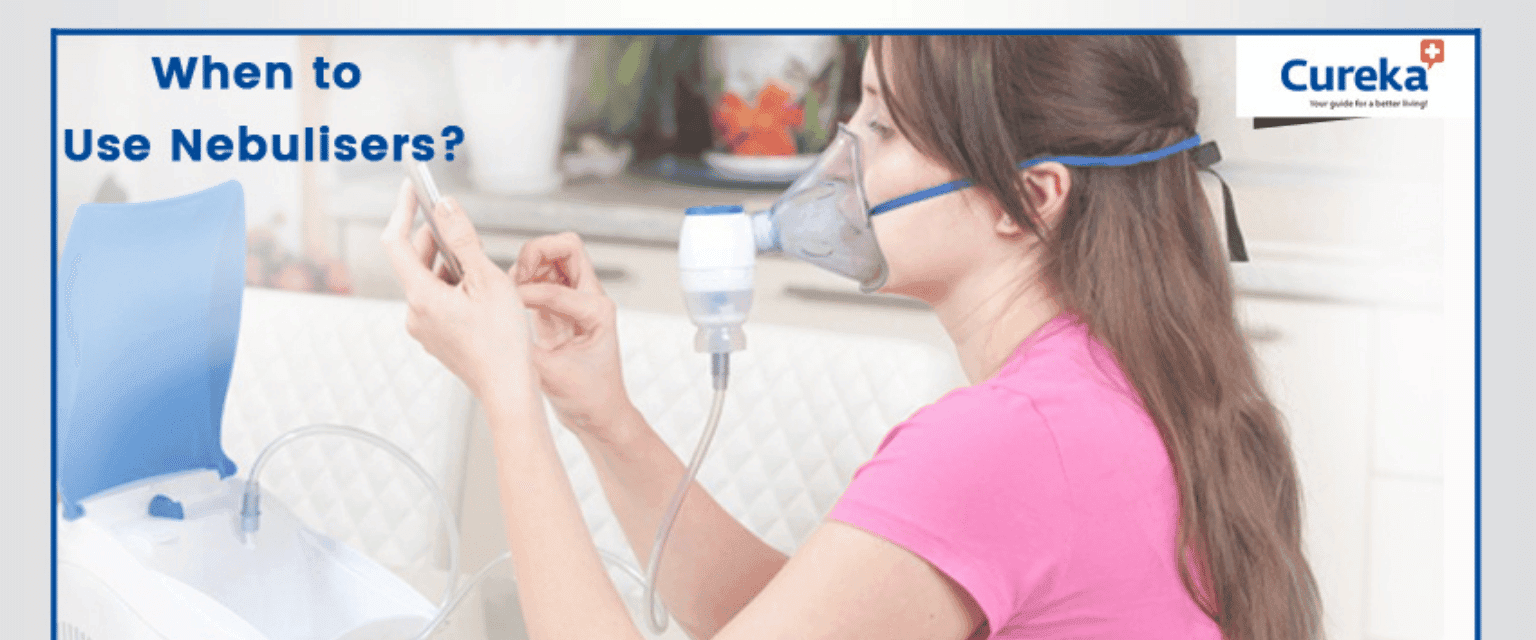
Use of Nebulizer with Mask
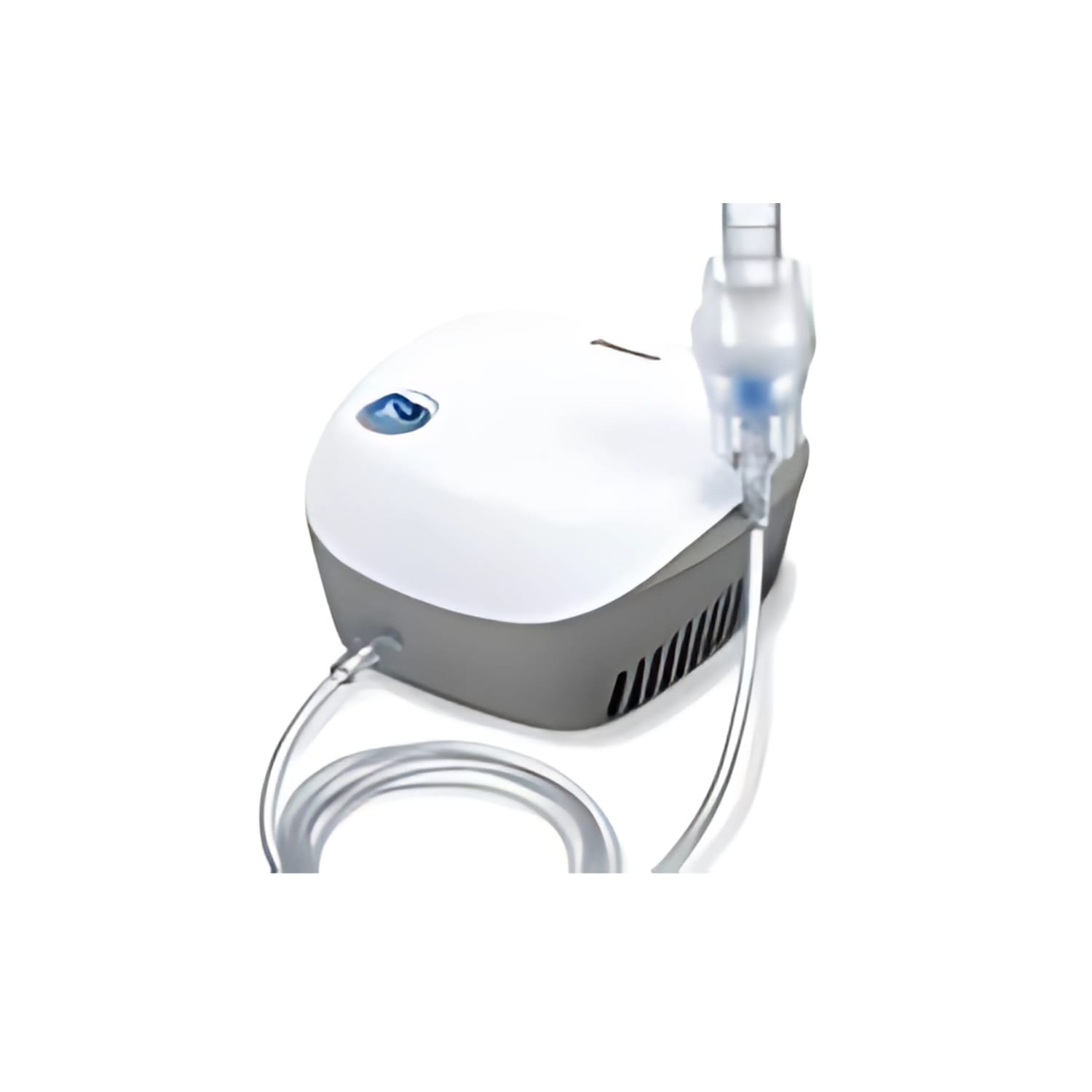
A nebulizer transforms medication into a fine mist in the respiratory system. You inhale the mist with the help of a durable mouthpiece or a protected mask. To utilize your nebulizer, pursue the means beneath.
With a Mask
• Put the right portion of the drug in the container. Join the best as coordinated.
• Interface one end of the tubing to the container and the opposite end to the nebulizer.
• Append the cover to the glass.
• Place the cover over your nose and mouth. Ensure it fits safely and easily.
• Turn on the nebulizer.
• Take moderate, full breaths, keeping the nebulizer upstanding, until the point that all the medication is no more. This takes 10– 15 minutes.
Nebulizer Using a Mouthpiece
• Put the right portion of the drug in the container. Append the best as coordinated.
• Interface one end of the tubing to the glass and the opposite end to the nebulizer.
• Append the mouthpiece to the glass.
• Place the significant mouthpiece beneath your tounge.
• Turn on the nebulizer.
• Take moderate, full breaths through the mouthpiece, keeping the nebulizer upstanding, until the point when all the medication is no more. This takes 10– 15 minutes.
How would I utilize a nebulizer?
• Wash your hands with cleanser and water before setting up the nebulizer for use. This may keep germs from getting into your lungs. .
• Set up the machine. Place the machine on a hard surface. Verify whether the air channel is perfect. In the event that it is filthy, flush it utilizing chilly water and let it air dry. Attachment in the machine.
• Set up the drug. On the off chance that your prescription is premixed, open it and place it in the nebulizer medication holder. On the off chance that you need to blend drugs, put the right sums into the holder utilizing a dropper or syringe.
• Include saline if necessary. You may need to include saline (saltwater) to your drug holder. Purchase clean typical saline at a drug store. Try not to utilize a natively constructed saline arrangement in a nebulizer.
• Interface the compartment. Associate the prescription compartment to the machine utilizing the tubing. Associate the veil or mouthpiece to the highest point of the compartment.
• Place the mouthpiece between your teeth. Close your lips around it. You may rather, put the cover all over.
• Turn on the machine. Keep the medication compartment in an upstanding position. Take in and out gradually and profoundly through your mouth until the point when the fog is no more. The treatment is over when all the prescription is gone or there is no more fog turning out. The entire treatment may take up to 20 minutes. The machine may likewise make a sputtering commotion when the treatment is finished.