Cureka — Your guide for a better living!
Cart
INDIA'S 1ST PREVENTIVE HEALTHCARE STORE – CURATED BY DOCTORS!|

When do you Need Walking Aids?

Dr. Hema Sathish, Dermatologist

Medically Reviewed By

Dr. Hema Sathish, M.B.B.S., D.D (UK)

Dermatologist • Founder of Cureka

Reviewed for medical accuracy and evidence-based information

One can decide on walking aids after a consultation with a doctor or a physiotherapist. Remind yourself that the ultimate goal.

23rd May 2019•2 Min read+Cureka Editorial
When do you Need Walking Aids?

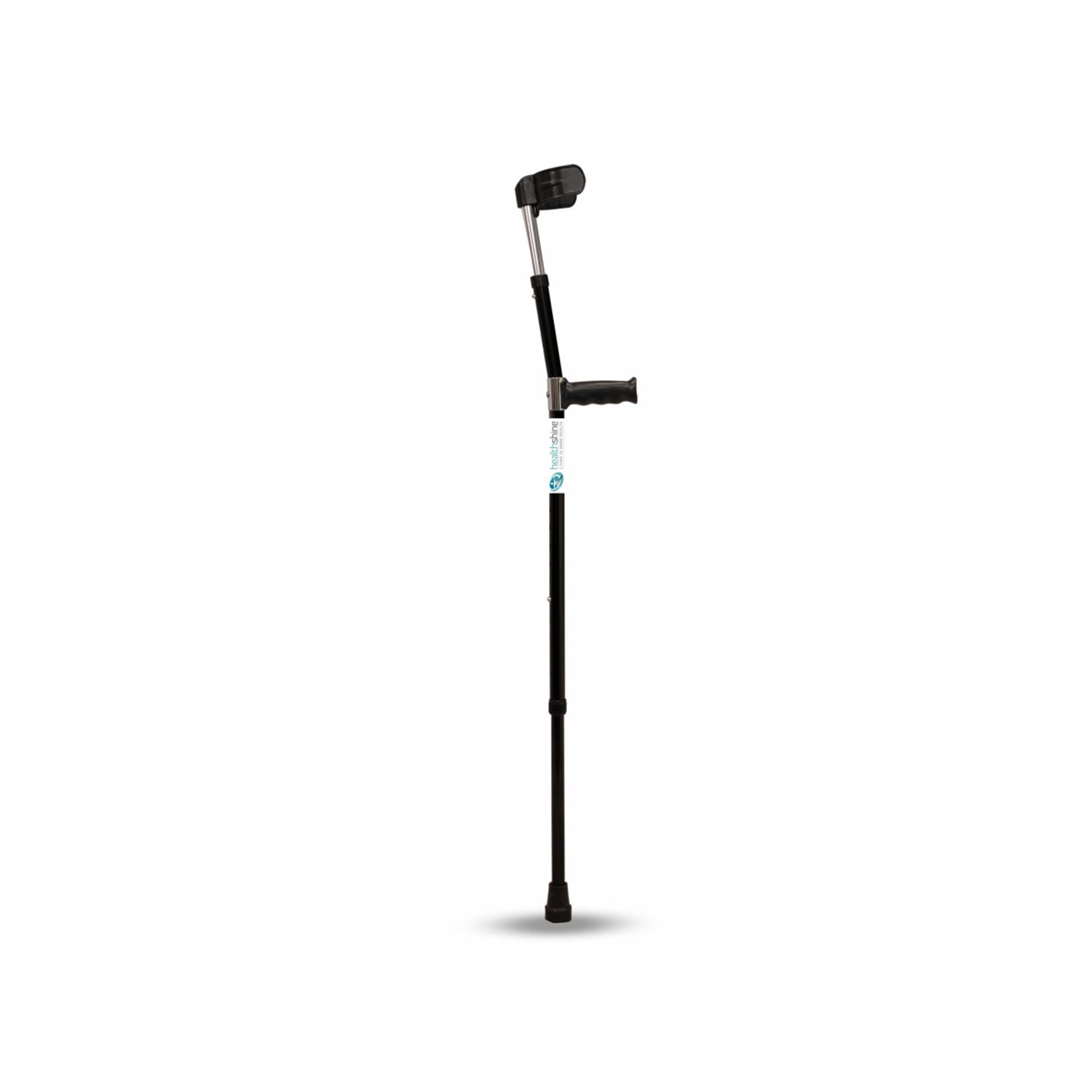
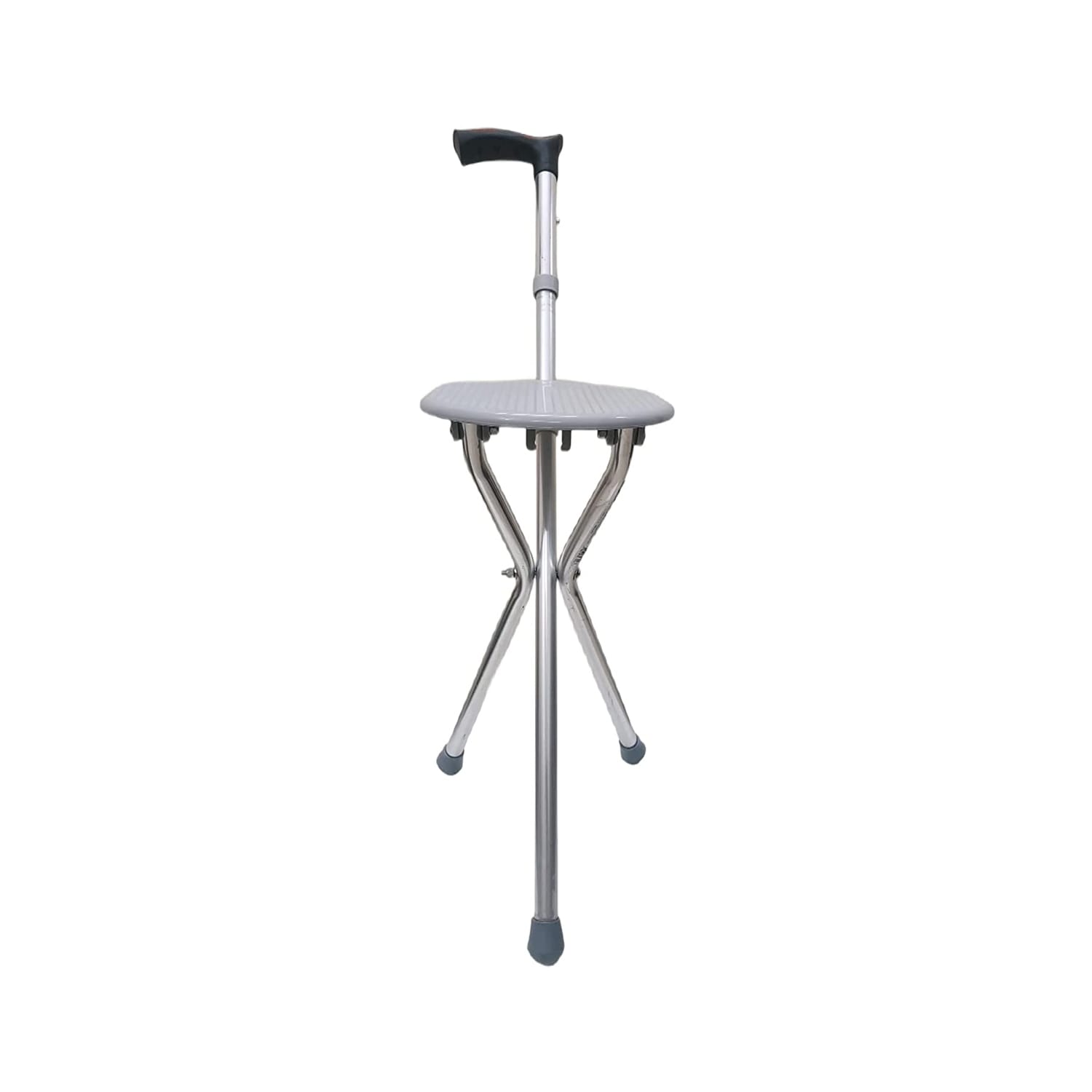
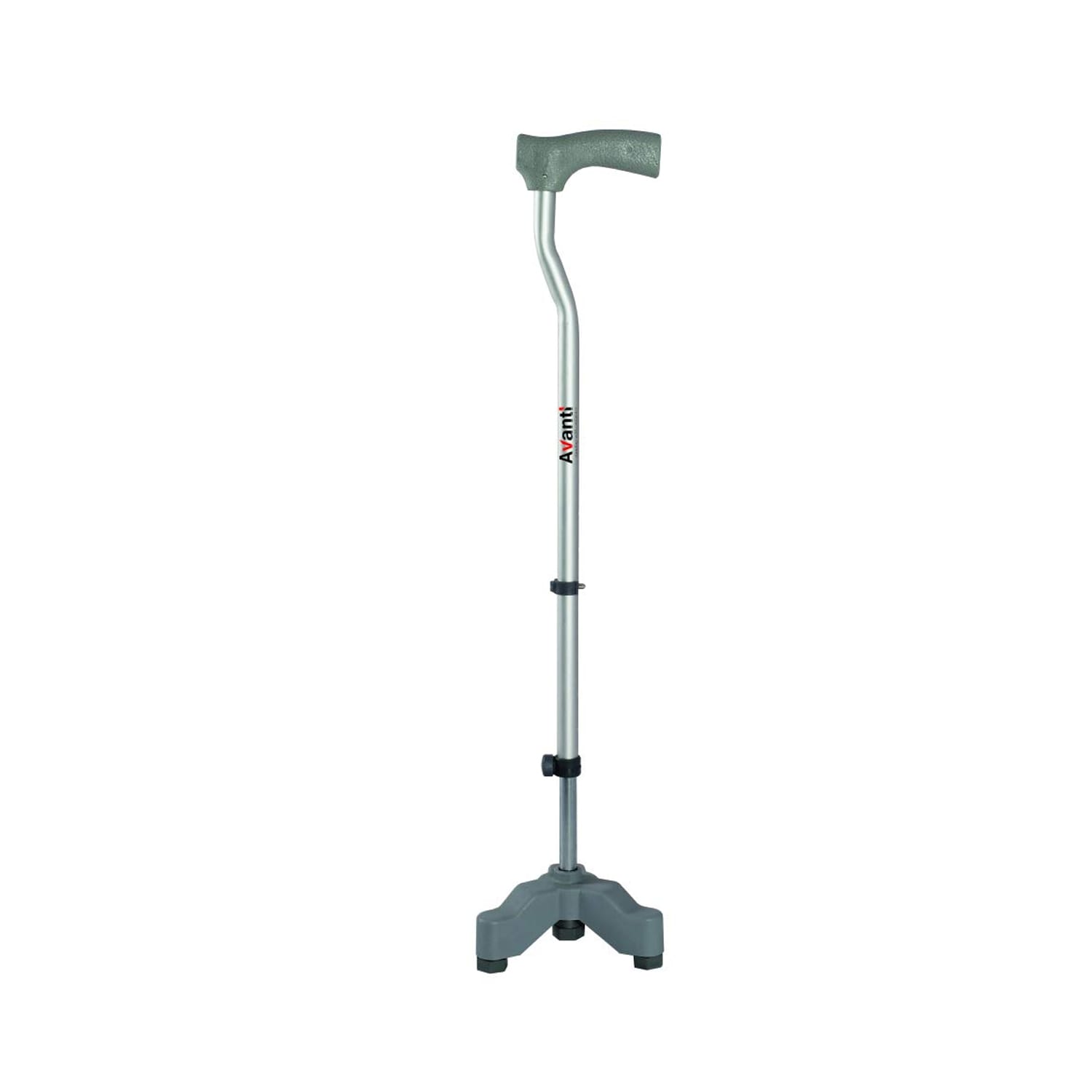
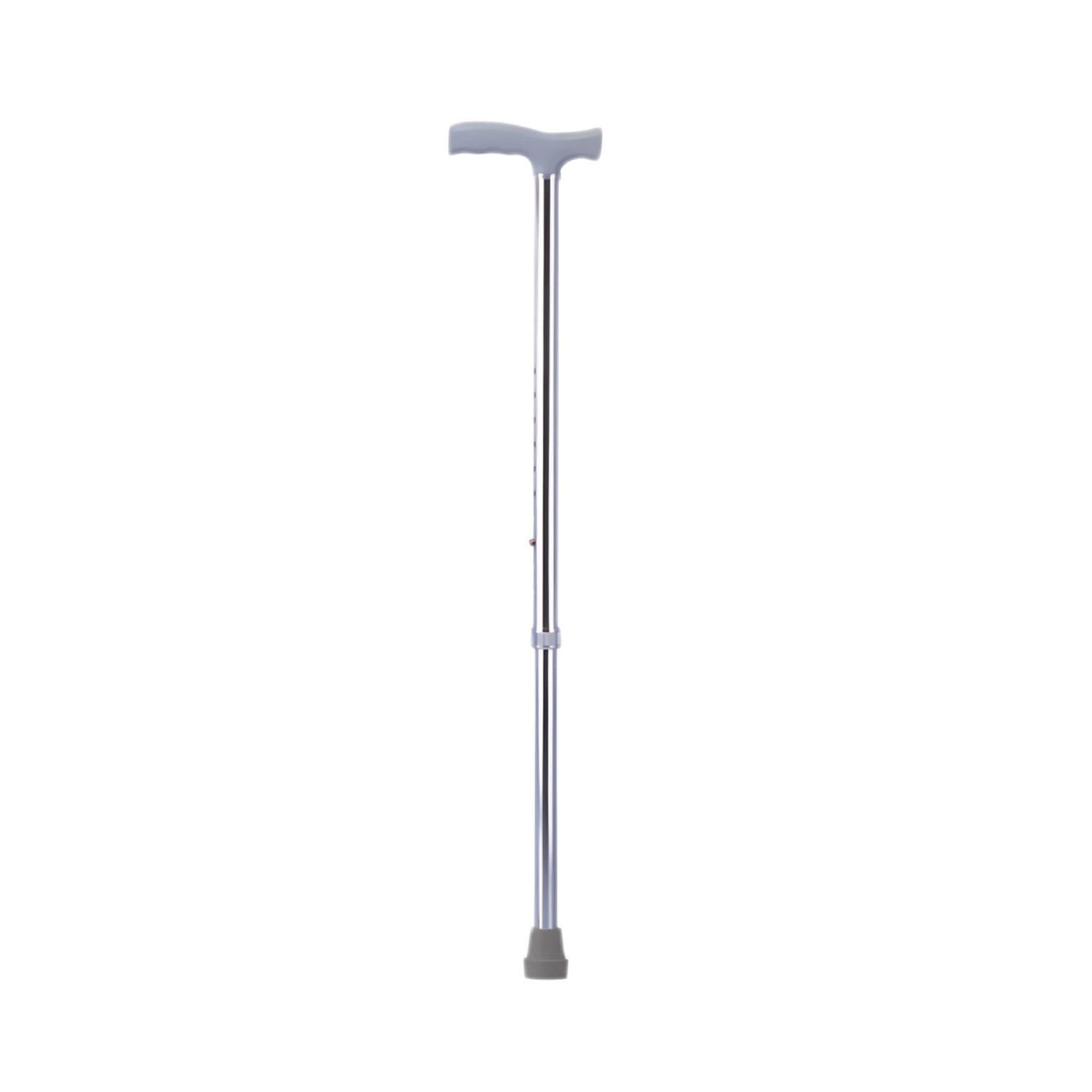
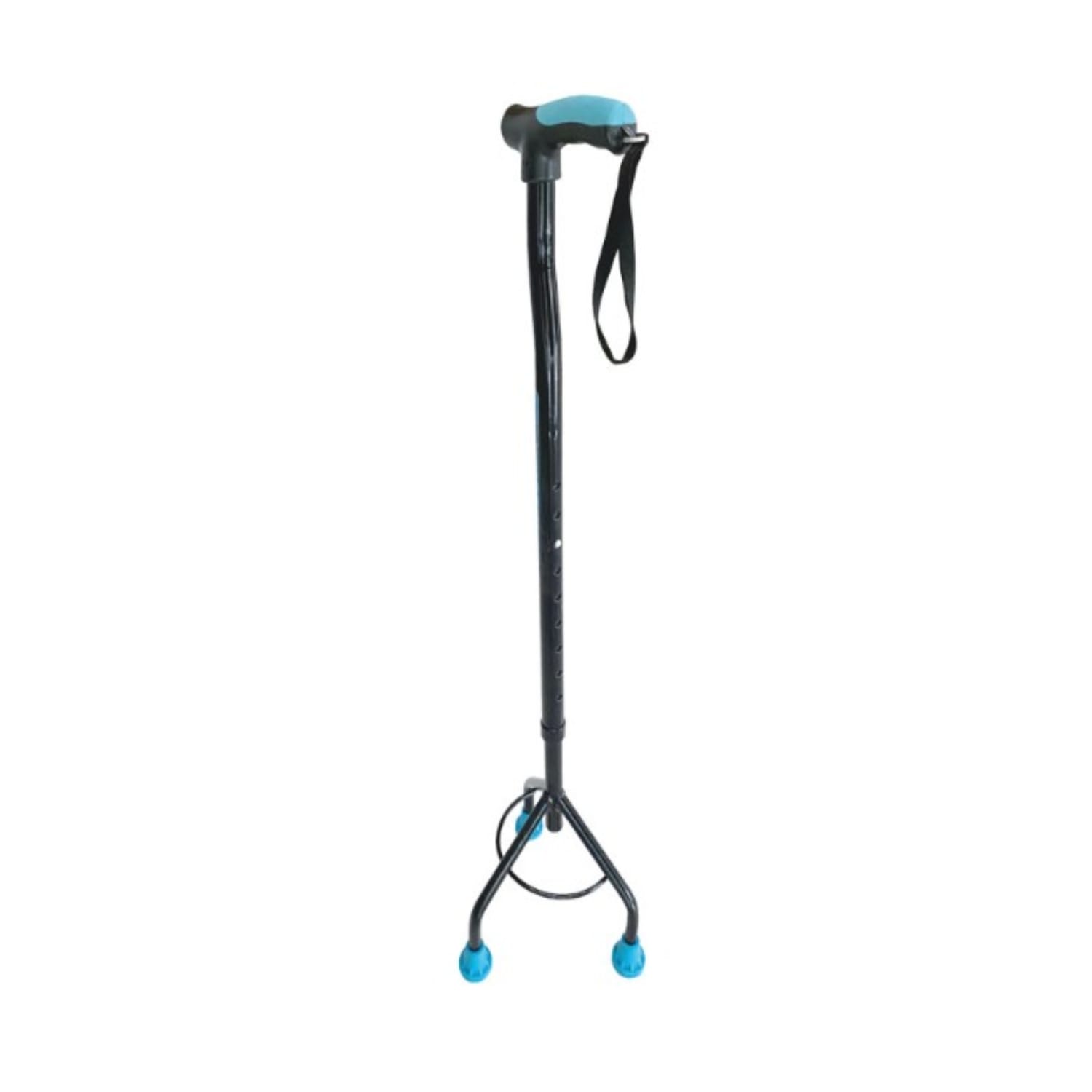
Walking aids are devices that help people who have trouble moving around enjoy a greater level of freedom and independence and allow them to move around effectively from one place to another. Generally, people who have suffered some injury or have disabilities or elderly people who are at an increased risk of falling, are recommended to use walking stick. The most commonly used walking aids are walking sticks and other types of walking frame.

While a majority of these patients rely on walking sticks, but the fact is that no one goes from being able to become disabled enough to need a walking aid in just a couple of days. There are signs and symptoms in between that indicate that you need walking aids. Let’s look at some indication for walking aids.

1. If you Become Exhausted Easily

There are many instances where you need walking aid due to exhaustion issues or due to weakness. This is especially common in people who have neurological disorders or conditions such as:

• Post-stroke weakness

• Amyotrophic Lateral Sclerosis (ALS)

• Multiple Sclerosis (MS)

People having certain types of central nervous system diseases such as dysautonomias also frequently complain of this problem

If you are struggling with fatigue to the extent that it starts to have an impact on your ability to leave the house for a longer period of time, then walking aids such as walkers with built-in seats and wheelchairs will help. Having instant access to a seat helps when you feel yourself being overcome by fatigue.

2. If you are dealing with Chronic Pain

For patients who are constantly struggling with constant and chronic pain, even while running their daily errands, having a walking aid will make it easier for them to cope with day-to-day situations.

It could be chronic osteoarthritis or arthritis due to varied reason like a rheumatoid or so.

3. After a Minor or Major Accident

After a major surgery to give rest to the joints walking stick are very handy. Weight bearing for a short period can be damaging to the points in situations like this.

Conclusion

One can decide on walking aids after a consultation with a doctor or a physiotherapist. Remind yourself that the ultimate goal here is to maintain and extend your freedom to move around for as long as possible.
Frequently Asked Questions

  • Walking aids are helpful after injury or surgery to reduce weight-bearing on joints. They support recovery and prevent further damage during healing.

  • Walking aids reduce pressure on joints and muscles, helping manage chronic pain and fatigue. They provide support and allow rest, improving daily comfort and movement.

  • Walking aids are mobility devices that help people with limited movement walk safely and independently. They improve balance, reduce fall risk, and enhance mobility in elderly and disabled individuals.

  • Walking aids are recommended for elderly people, individuals with disabilities, or those recovering from injuries. They are especially useful for people at risk of falls or reduced mobility.

  • Common walking aids include walking sticks, walkers, and walking frames. These mobility support devices help improve stability and ease movement.

Comments

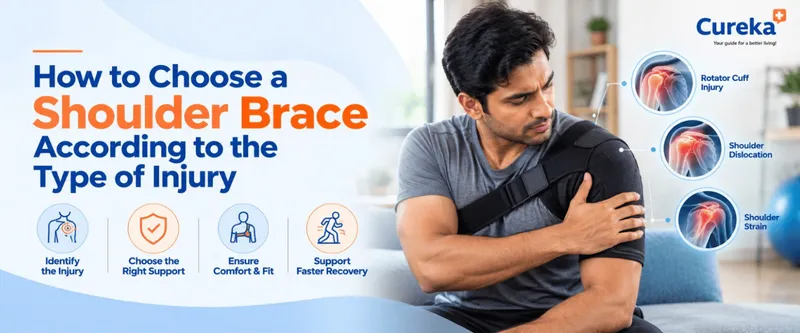
How to Choose a Shoulder Brace According to the Type of Injury?
Featured

How to Choose a Shoulder Brace According to the Type of Injury?

Struggling with shoulder pain? Find out which type of brace suits your injury best, so you can heal faster and get back to your daily routine.

Read More
What Should Your Oxygen Level Be? Understanding SpO₂ Readings
Featured

What Should Your Oxygen Level Be? Understanding SpO₂ Readings

Is 94% a normal oxygen level? Understand healthy SpO₂ ranges, why pulse oximeter readings change, and the warning signs that need medical help.

Read More
How to Choose the Right Air Mattress for a Patient With Limited Mobility
Featured

How to Choose the Right Air Mattress for a Patient With Limited Mobility

Choosing a medical air mattress goes beyond comfort. Learn what to look for, from pressure relief and weight capacity to pump quality, to support safer, easier patient care at home.

Read More
How to Treat a Cut at Home: First Aid Steps to Follow
Featured

How to Treat a Cut at Home: First Aid Steps to Follow

Minor cuts happen daily — but proper care prevents infection and scarring. Learn the essential first aid steps for cleaning, treating, and knowing when a cut needs medical attention.

Read More
Manual vs Electric Wheelchair: Which One Is Right for You?
Featured

Manual vs Electric Wheelchair: Which One Is Right for You?

Choosing between a manual or electric wheelchair depends on more than preference. Discover the key differences, benefits, and factors to consider before you buy.

Read More
Why Is My Blood Sugar Reading Different Every Time? Common Causes Explained
Featured

Why Is My Blood Sugar Reading Different Every Time? Common Causes Explained

Getting different glucose readings even on the same day? Discover the real reasons behind blood sugar fluctuations — from sleep and stress to testing technique and meter accuracy.

Read More

No comments yet. Be the first to share your thoughts.