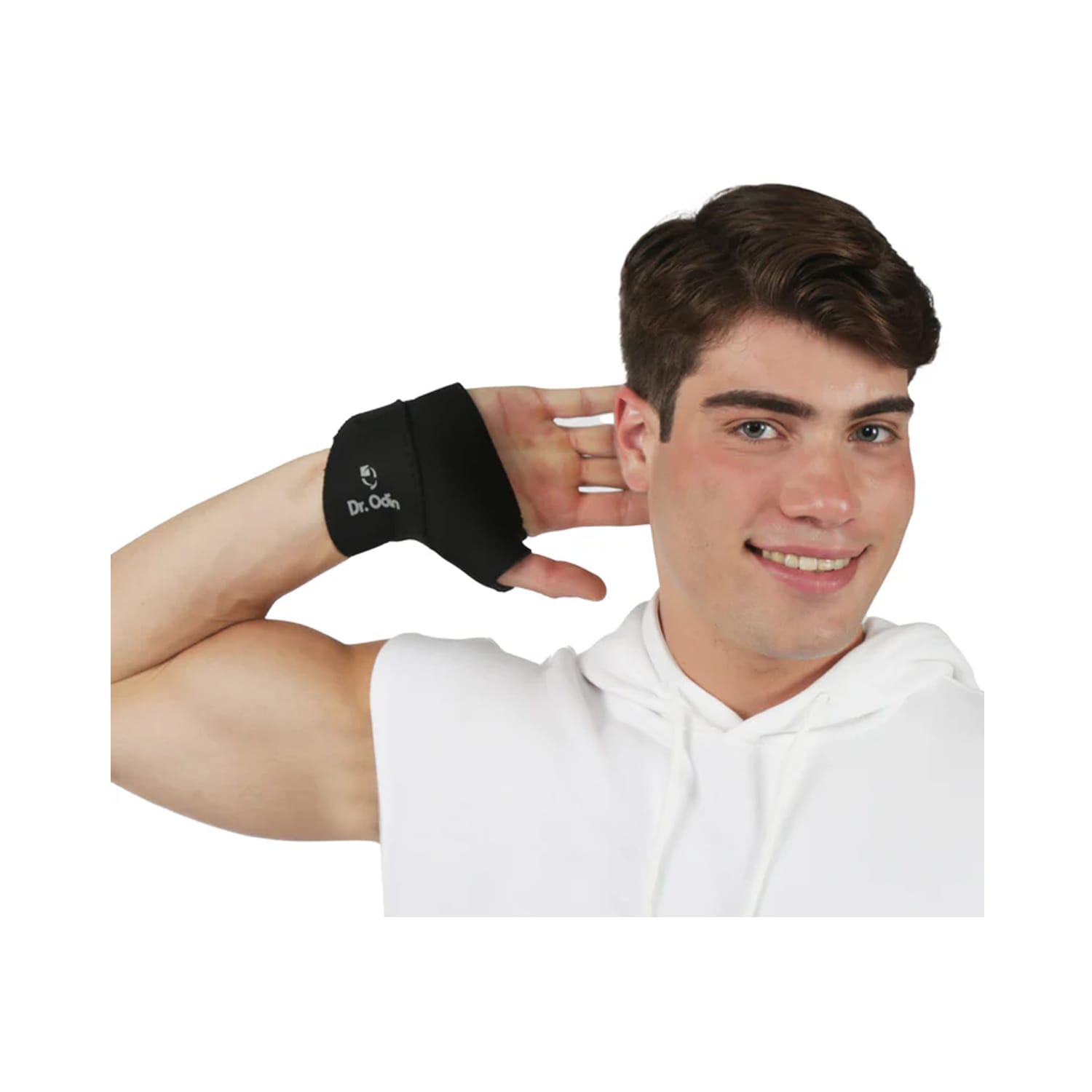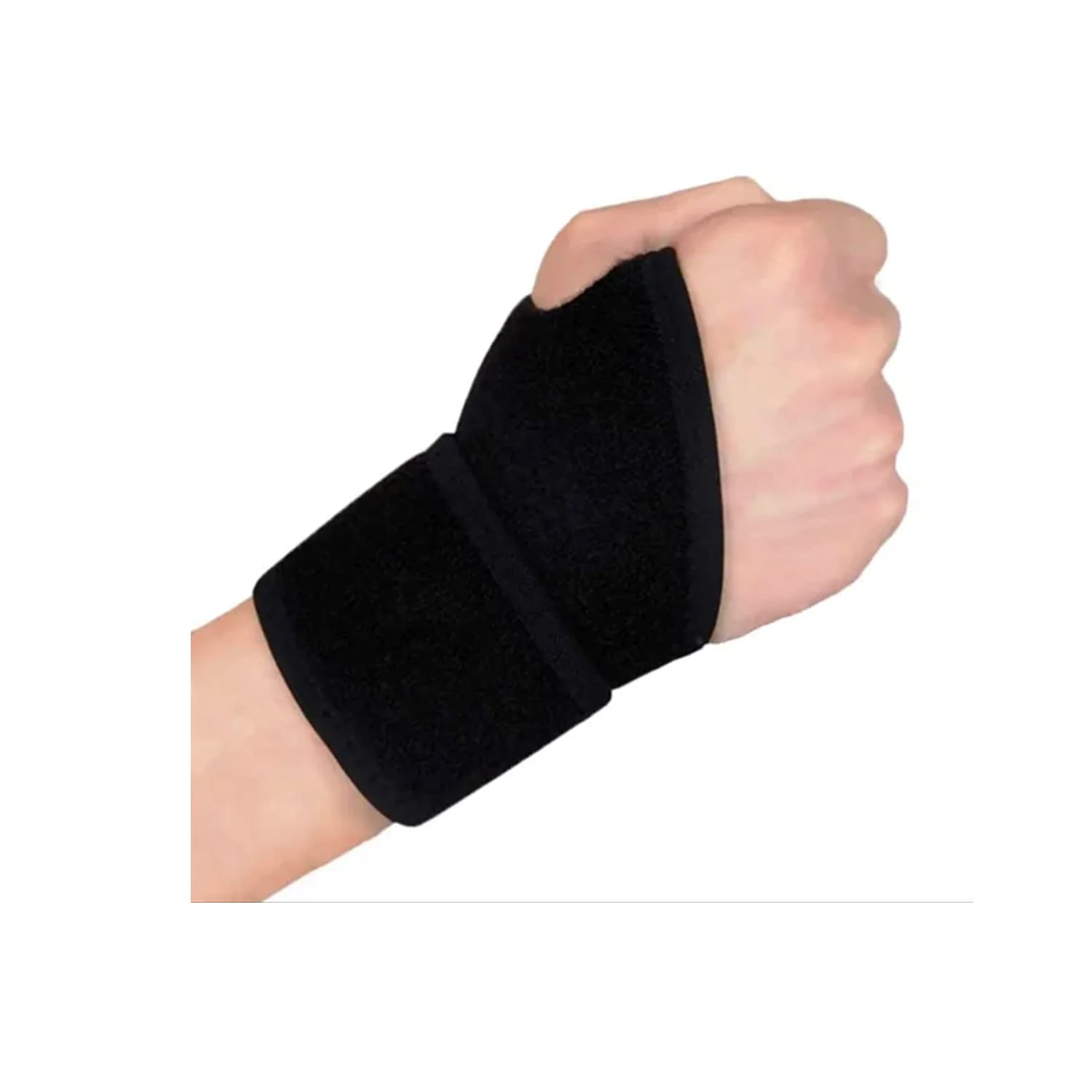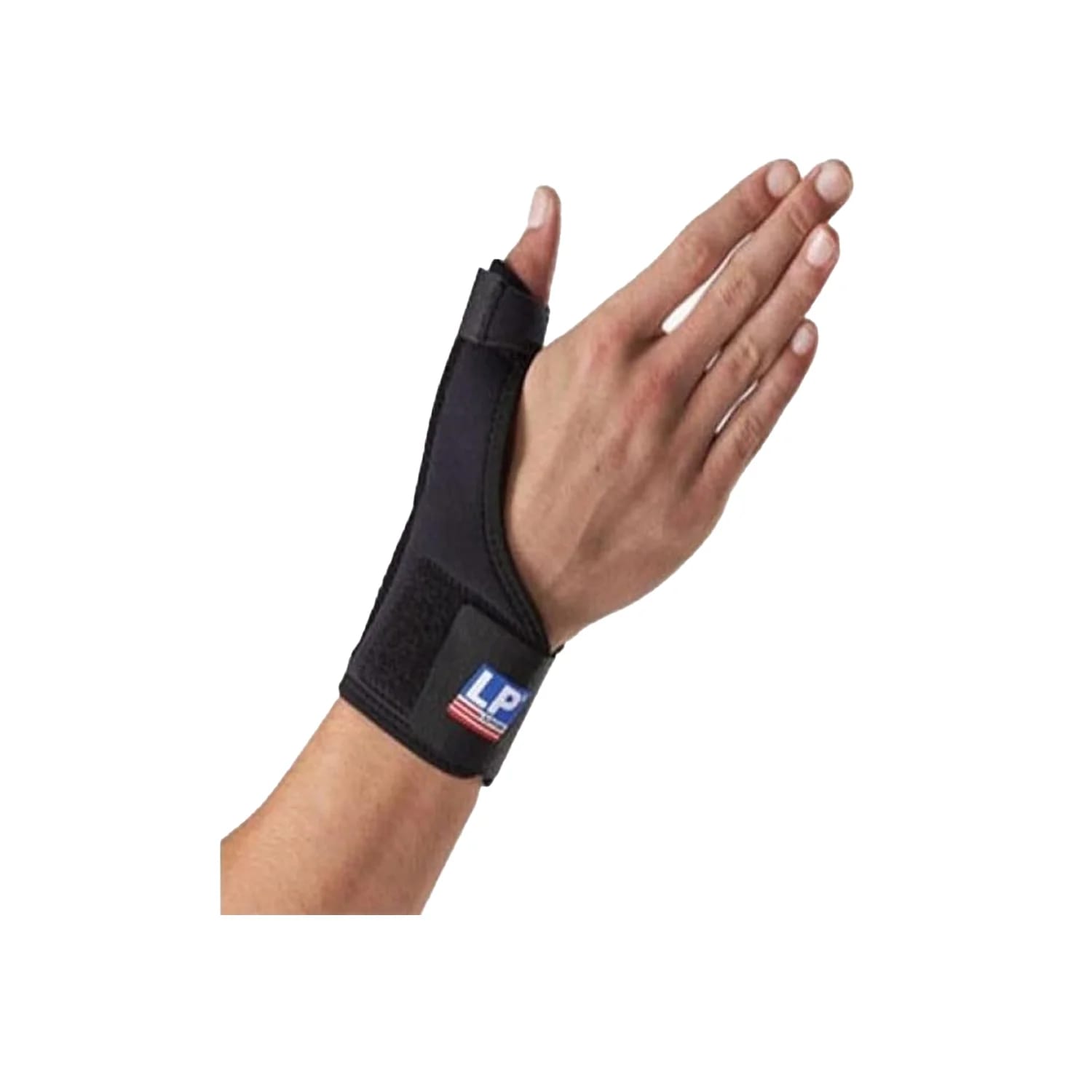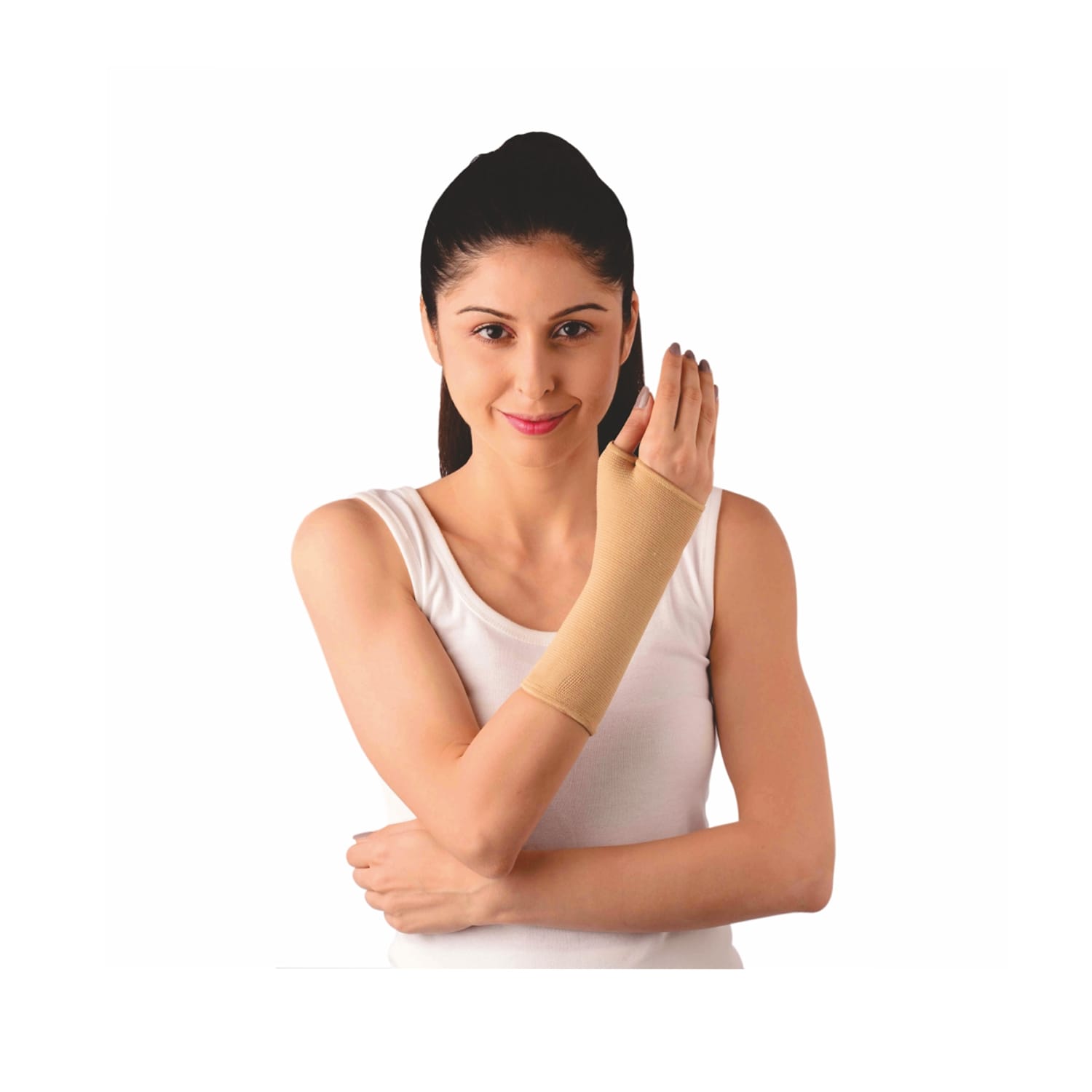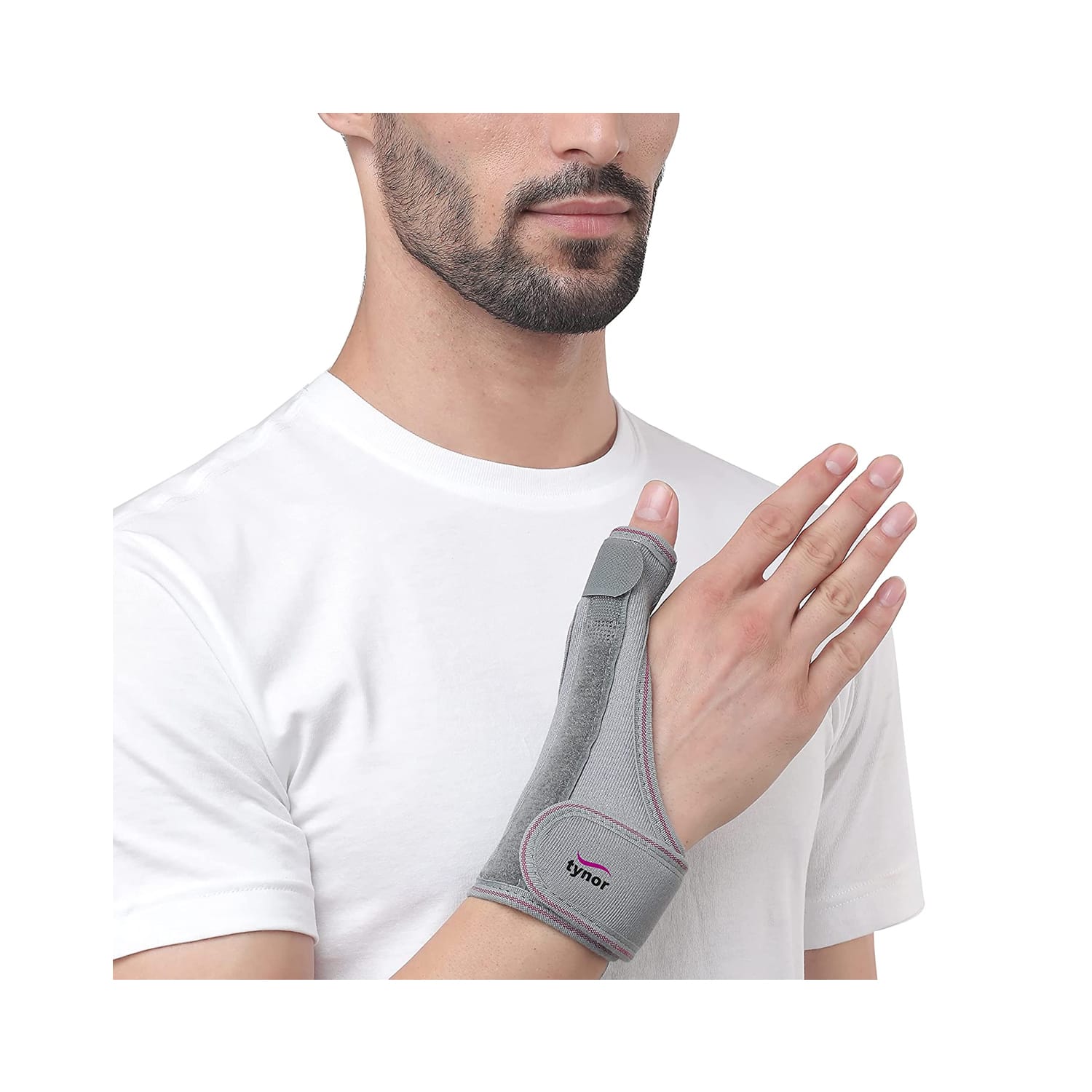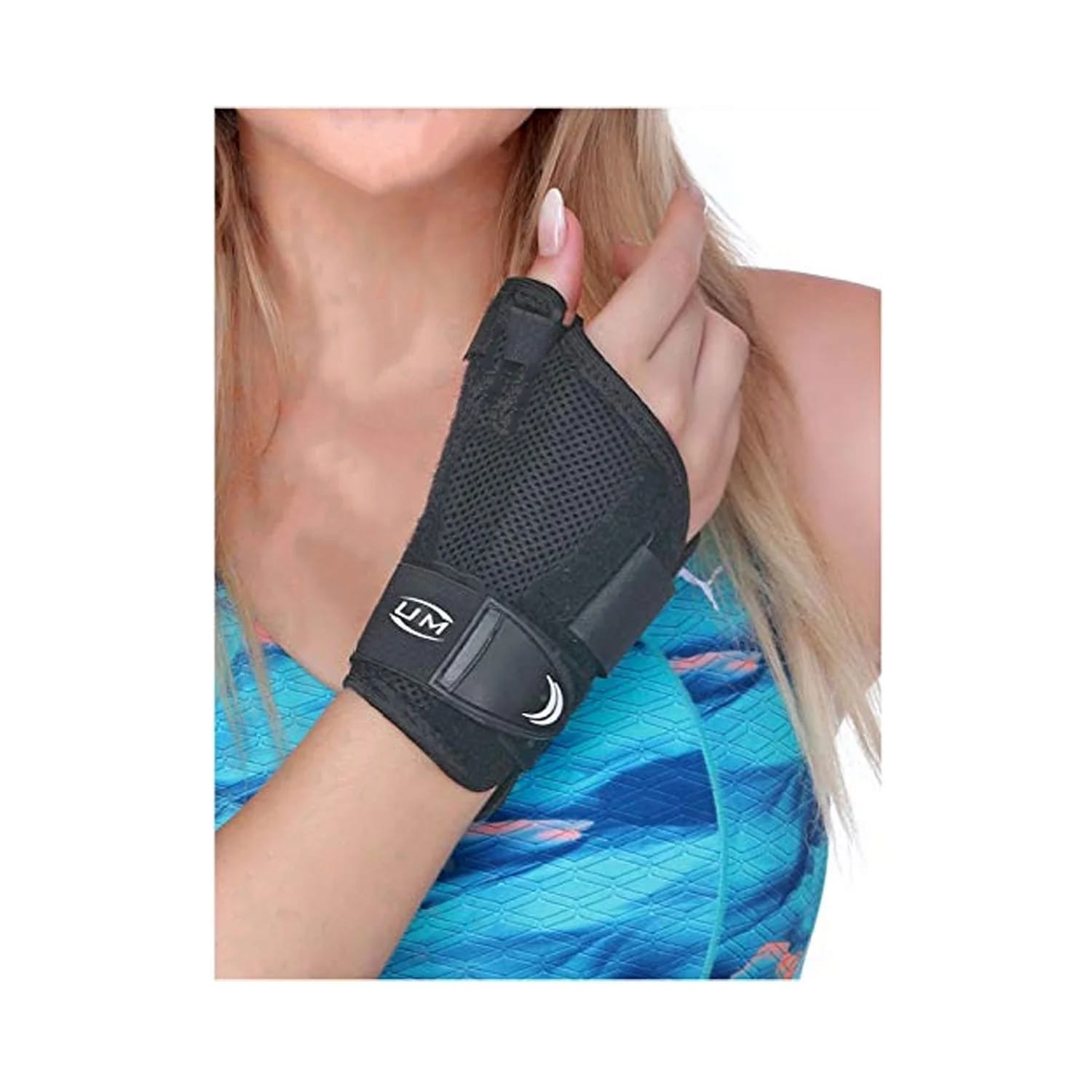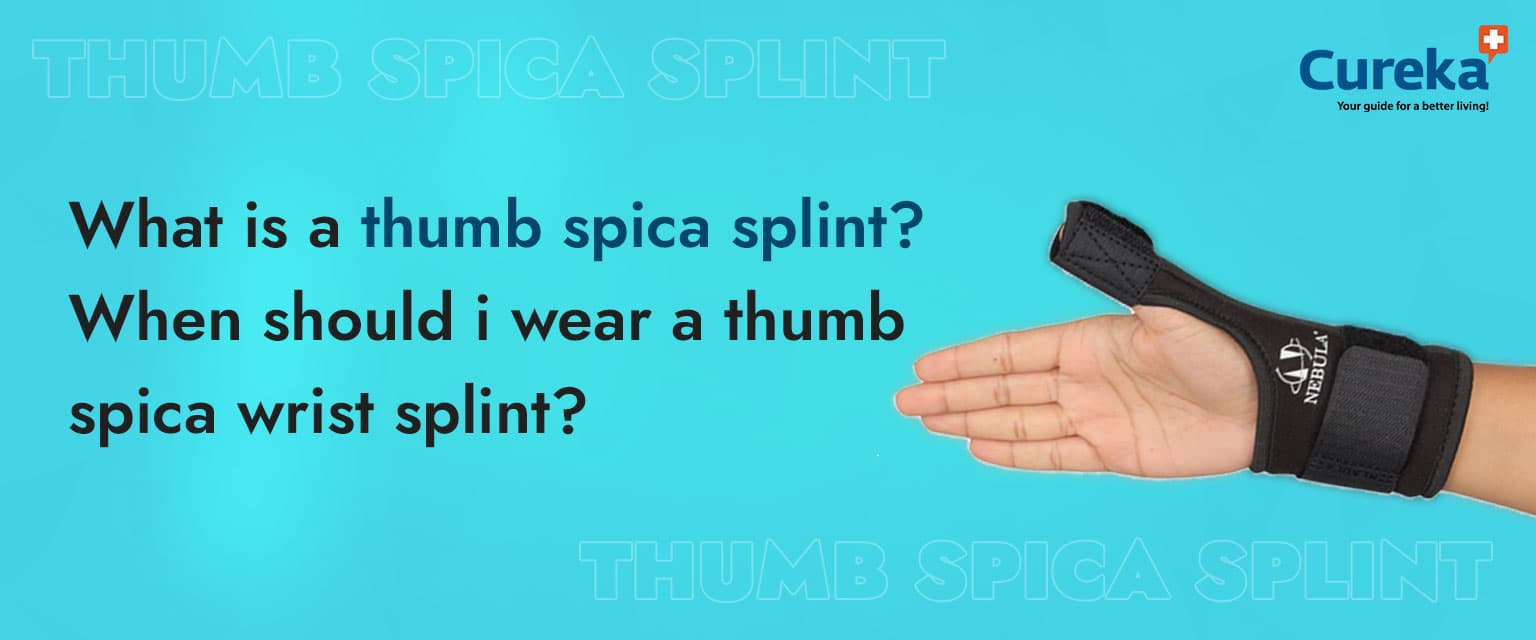
In general thumb spica wrist splint is applied to decrease the movement in the thumb and provide comfort and support during recovering of an injury. They are mainly used to secure mild and nonemergency injuries to bones till they can be evaluated by a health care professional like an orthopedic surgeon.
Thumb orthoses like thumb supports, thumb splints and spica braces are helpful in treating a wide range of disorders and injuries of the thumb and wrist like, tendonitis, wrist fracture and sprains. Thumb orthoses like a thumb spica wrist splint can be used as a cast substitute, rehabilitation or as a post-recovery after cast removal. The thumb spica wrist splint is used to provide additional stability, immobilization and support for the thumb and wrist area.
What is a Thumb Spica wrist Splint?
A thumb spica wrist splint is a support for the bones and is designed to be used to immobilize and support the hand when you do things. It holds still the painful joints in your thumb and provides wrist support.
Unlike casts, a thumb spica wrist splint is noncircumferential and is usually preferred during the emergency department setting when injuries are acute and swelling can occur.
Benefits of using a Thumb Spica wrist Splint:
The benefits that come with using a wrist splint with thumb spica varies a lot. Here you can read about the different benefits while using this type of wrist support.
Gives superior stabilization and support: The thumb spica wrist splint is designed to offer full stabilization and support to the wrist, making sure that the affected or injured area remains protected and immobilized completely during the healing process.
Reduces inflammation and pain: The thumb spica wrist splint reduces the risk of any further injury and helps in reducing the inflammation and pain in the affected area by immobilizing the wrist and thumb.
Improves the range of motion: The thumb spica wrist splint helps to improve the thumb and wrist’s range of motion by giving them support and ensuring any further injury is prevented. This lets the wearer to increase the flexibility and mobility in their wrist gradually over time.
Quickens the healing process: Wearing a thumb spica wrist splint can help in quickening the healing process by providing the thumb and wrist with the protection and support they need to recover.
Customizable fit for all: The thumb spica splint can be customized according to the wearer’s needs and ensures maximum comfort and a perfect fit.
Ease of use: With its user friendly design, a thumb spica wrist splint is easy to apply on the wrist and thumb and adjust accordingly which makes it a hassle free solution for all who seek wrist support.
Versatile: The thumb spica wrist splint can be worn while doing a range of activities like sports, leisure and at work which makes it a valuable and versatile investment for any person who is in need of thumb and wrist support.
When Should I Wear a Thumb Spica wrist Splint?
A thumb spica wrist splint would be useful to use during the day time, whenever you need support as you go along doing your day to day activities with your hands. It can also be used during short periods of rest. The thumb spica wrist splint immobilizes the painful joint of the thumb and provides wrist and thumb support.
Many people who have a mild to moderate carpal tunnel syndrome prefer wearing a thumb spica wrist splint at night during the course of a few weeks. This is because the symptoms are worse at night as we tend to bend our hands without our knowledge while fast asleep. The thumb spica wrist splint ensures that the joint is held on at a neutral position.
Wearing a Thumb Spica wrist Splint could be for Many Reasons, Some of Which are Listed here.
Lunate injuries
Scaphoid injuries
Injury to the ulnar collateral ligament
First metacarpal fracture
Positioning according to the de Quervain tenosynovitis
Bottom Line:
Investing in the right thumb spica wrist splint is the smart choice if you are in need of wrist stabilization and support. With many benefits and its ease of use, it is a very essential tool for any person who seeks to recover from a chronic condition or wrist injury.