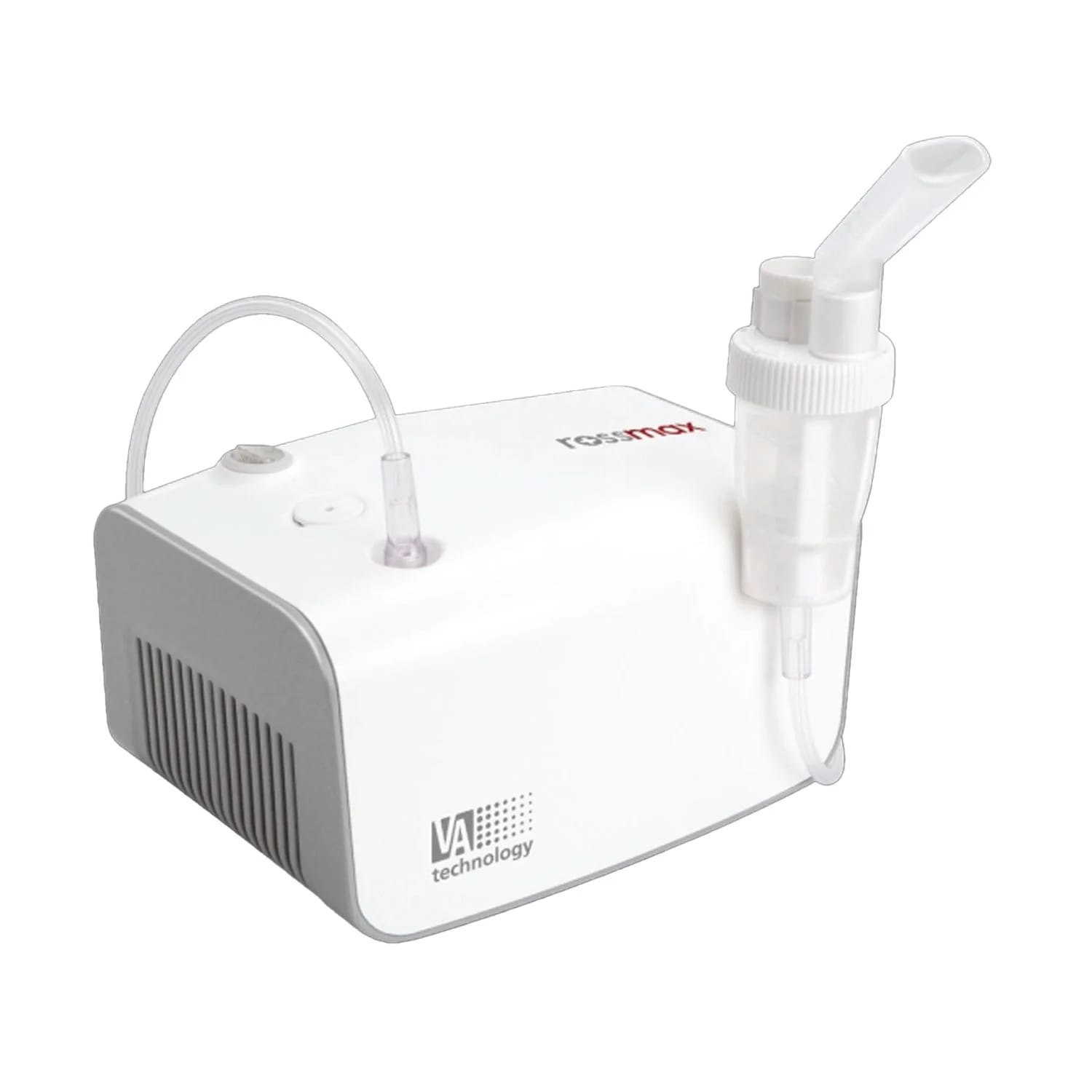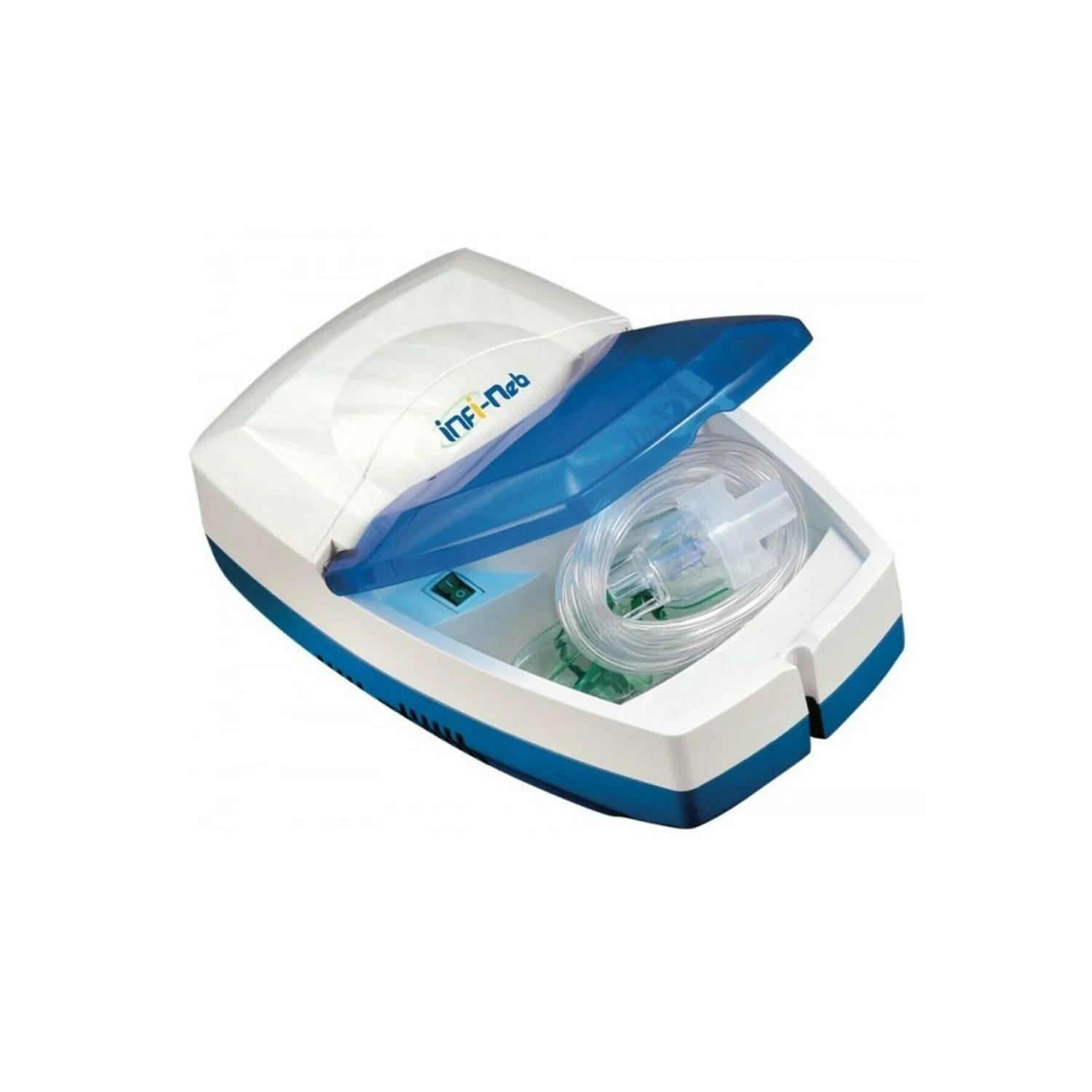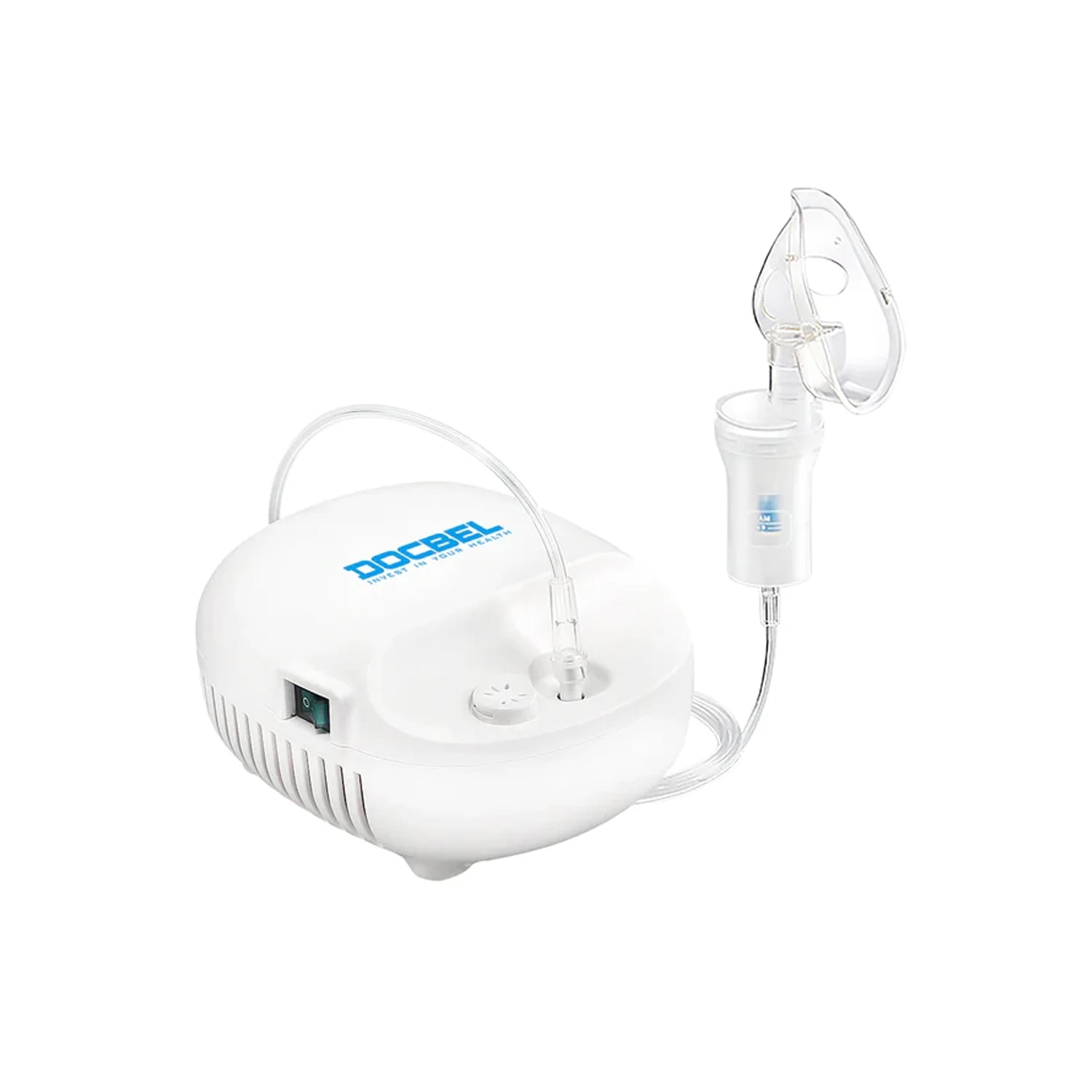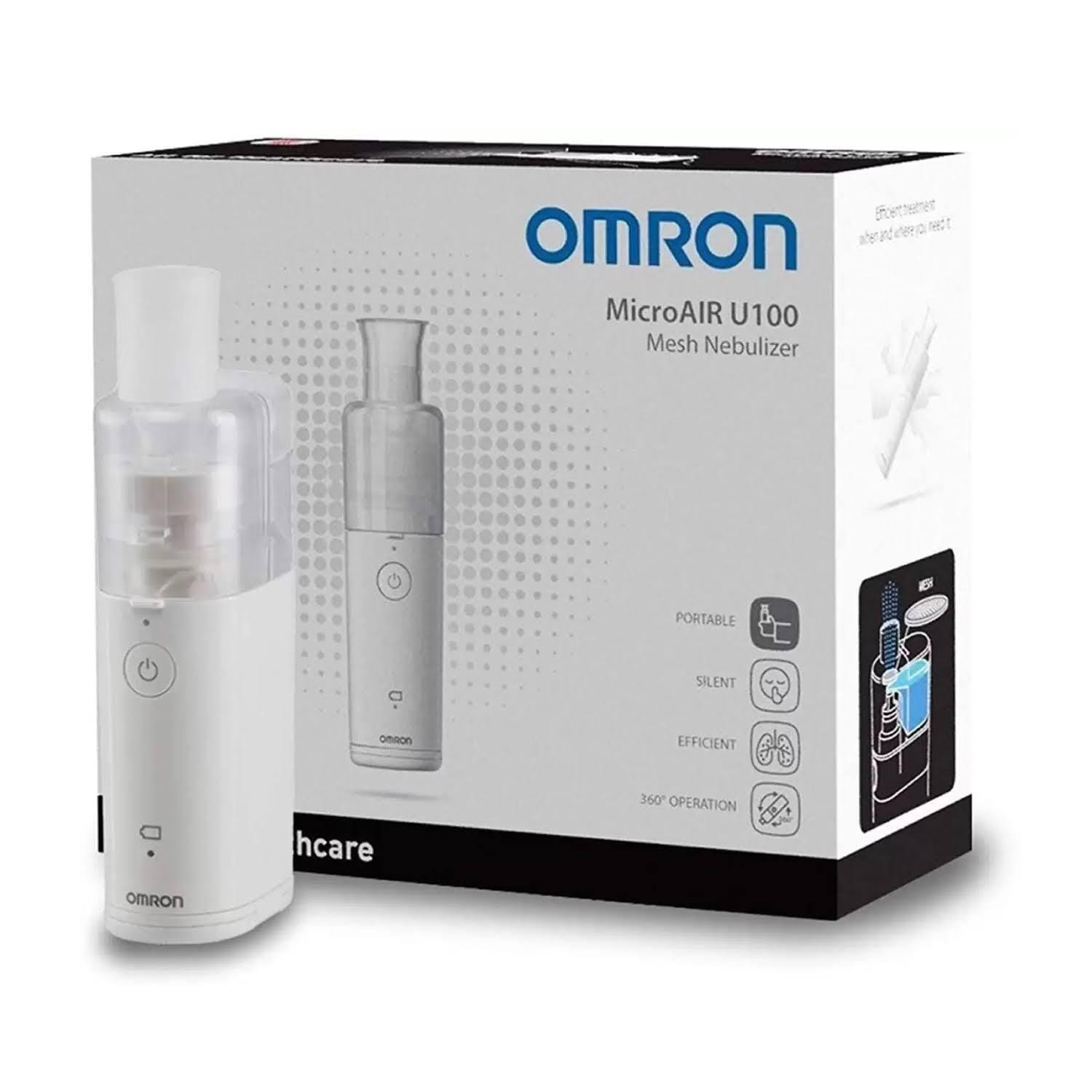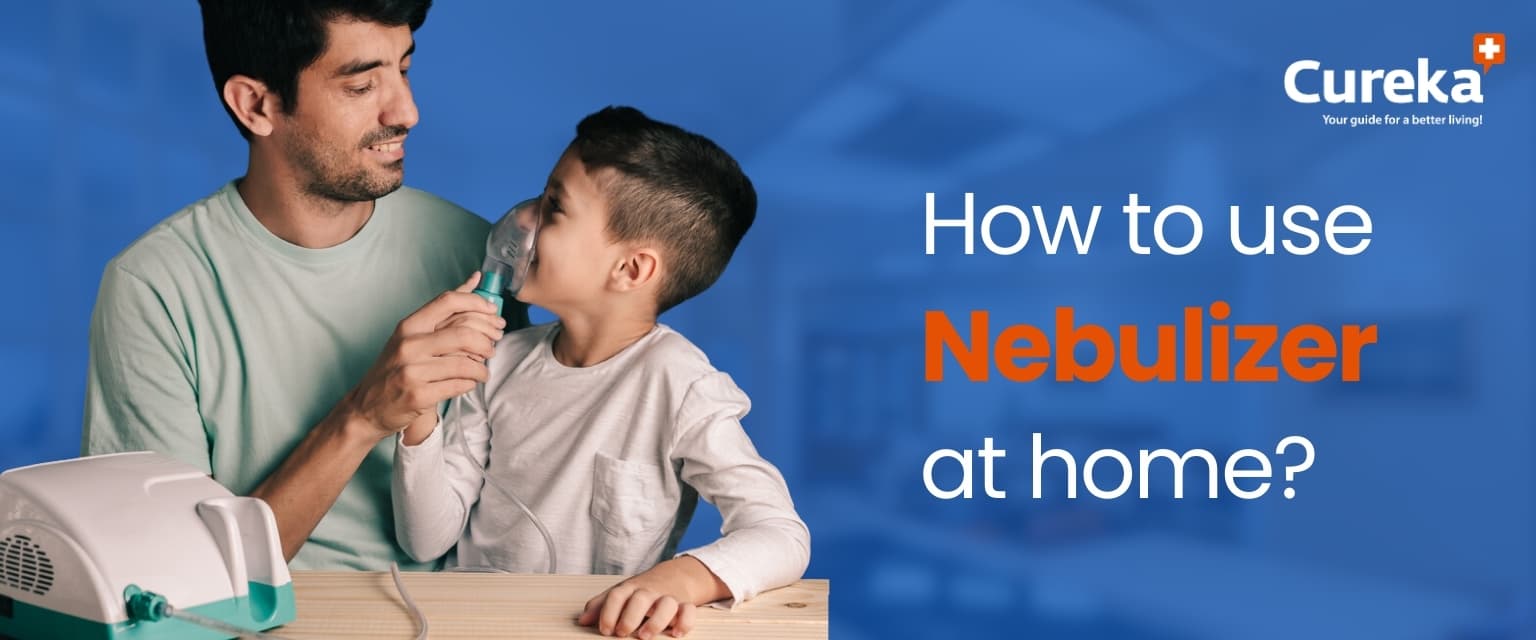
Imagine having a magical device at home that transforms liquid medication into a wondrous mist for struggle free breathe. Yes, we are talking about machine that makes it easier for patients to inhale the medication directly into their lungs. It is commonly used to treat respiratory conditions such as asthma, chronic obstructive pulmonary disease (COPD), and other lung-related issues. In this guide, we will walk you through the various aspects of using a nebulizer at home effectively and safely.
Nebulizer Machine
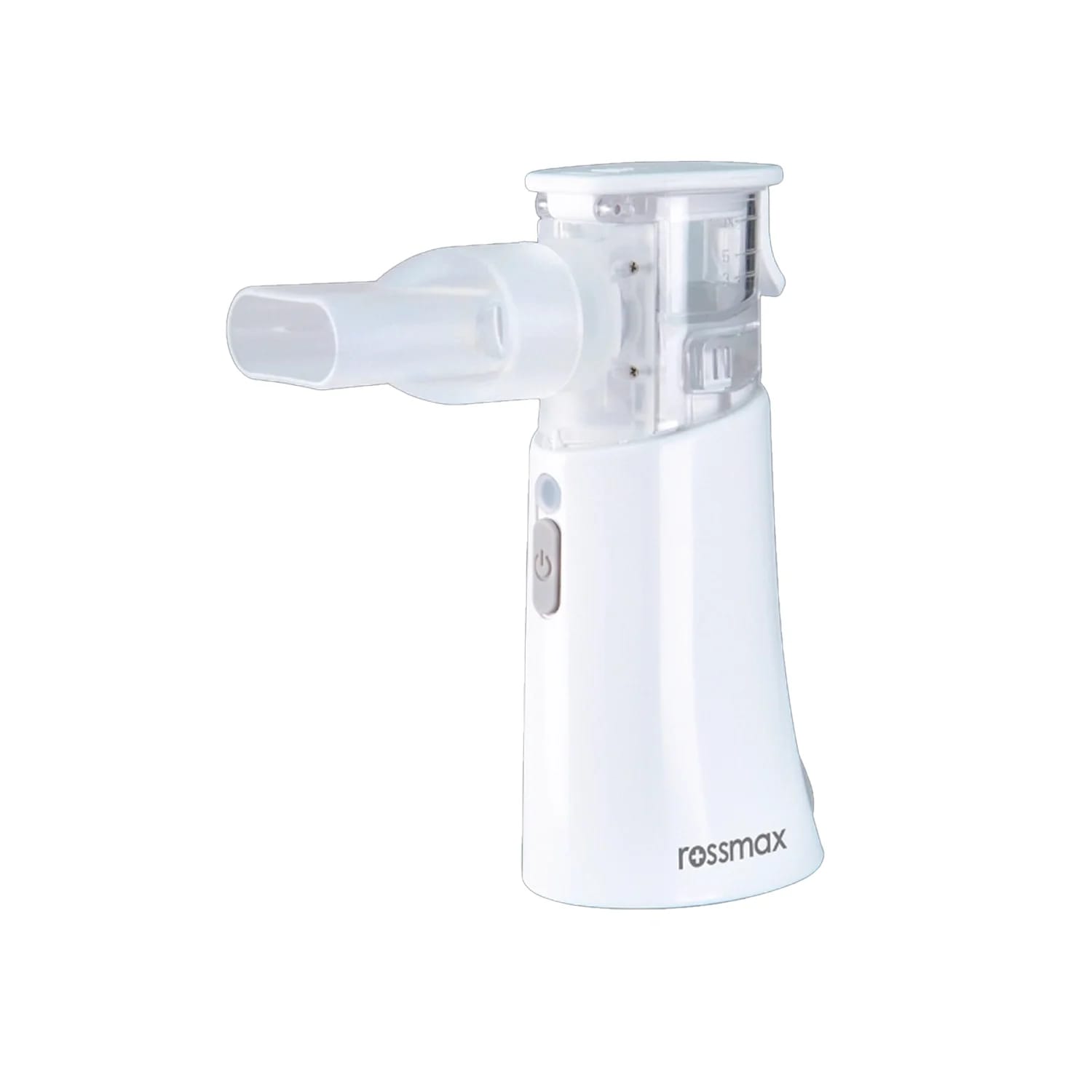
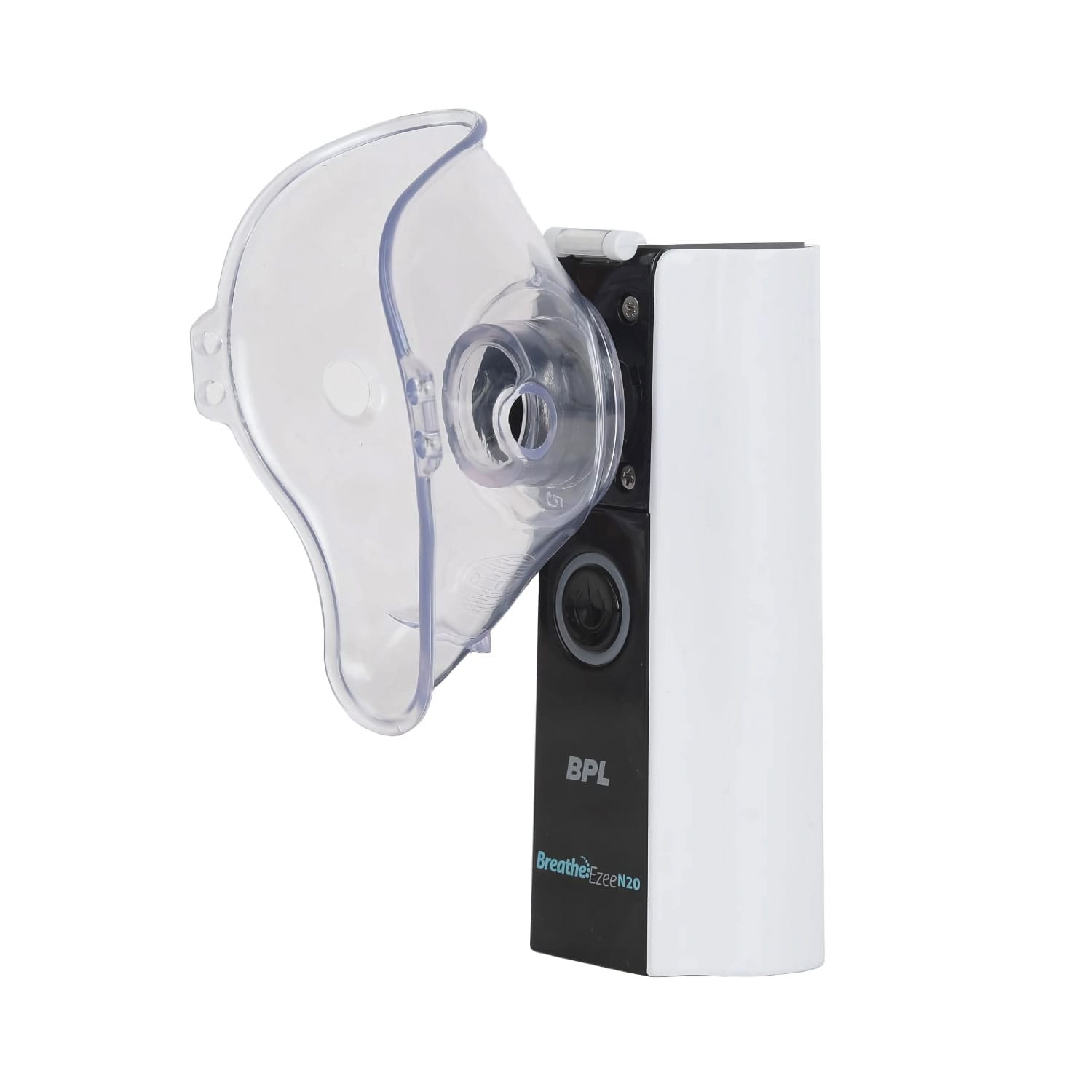
Before we delve into the usage and benefits, let's understand what a nebulizer machine is. A nebulizer is an electronic device that comprises a compressor, a medicine cup, and a mouthpiece or mask. The compressor converts the liquid medication into a mist that can be inhaled easily. The medicine cup is where the medication is placed, and the mouthpiece or mask is used for inhaling the mist.
Nebulizer Uses
Managing Asthma: Nebulizers are often used to provide quick relief during asthma attacks or as part of an asthma management plan. It is a key player in managing chronic asthma battles that commonly occurs at night and can be used at home.
Treating COPD: Nebulizers can help administer bronchodilators and other medications to ease breathing difficulties in patients with COPD. The medicines and moisture help control breathing problems like wheezing and help loosen lung secretions.
Treating Respiratory Infections: Nebulizers are useful because they can deliver antibiotics straight to the lungs, helping your body to fight infection quickly.
Nebulizer Benefits
Nebulizers are especially good for infants’ or small children’s asthma medications. They’re also helpful when you have trouble using an asthma inhaler or need a large dose of an inhaled medication. Using a nebulizer at home offers several advantages, including:
Effective Medication Delivery: Nebulizers deliver medication directly to the lungs, ensuring better absorption and quicker relief from respiratory symptoms by opening up the airways.
Easy to Use: One touch operation and easily cleanable parts makes it easy to use by anyone at home. Nebulizers are user-friendly, making them suitable for children and elderly individuals who might find inhalers challenging to operate.
Versatility: Various medications for respiratory illnesses can be administered through a nebulizer, making it a versatile tool for managing a range of respiratory conditions.
Reduced Side Effects: Nebulizers generally result in fewer side effects compared to oral medications since the medication goes directly to the affected area.
Nebulizer Types
Jet nebulizers: These are the traditional nebulizers and are more affordable. They use compressed air to convert medication into a mist.
Ultrasonic nebulizers: These nebulizers use ultrasonic vibrations to create the mist. They are quieter and generally more compact than jet nebulizers.
Mesh nebulizers: Liquid passes through a very fine mesh to form the aerosol. This kind of nebulizer puts out the smallest particles. It’s also the most expensive.
How to Choose a Nebulizer:
Jet nebulizers are often recommended for individuals with chronic respiratory conditions such as asthma, COPD, and cystic fibrosis.Jet nebulizers can deliver various medications, including bronchodilators (albuterol, levalbuterol), corticosteroids (budesonide), and antibiotics. They are effective for both short-term relief and long-term control of respiratory symptoms.
Ultrasonic nebulizers are a good option for those who prefer a quieter and more portable nebulizer. Ultrasonic nebulizers are commonly used for delivering antibiotics (gentamicin, tobramycin), bronchodilators (albuterol), and saline solutions. They provide efficient medication delivery and are often used for routine treatments.
Mesh nebulizers are ideal for patients who need regular nebulization and prefer a compact, portable device. They are suitable for both children and adults.
Mesh nebulizers excel at delivering medications like bronchodilators (levalbuterol, terbutaline), corticosteroids (fluticasone), and mucolytics (dornase alfa). They produce a fine mist for effective medication absorption.
Compressor nebulizers are versatile and can accommodate a broad range of patients, including adults and children. They are often chosen by those who require frequent nebulization. Compressor nebulizers can be used to deliver all forms of medication. They are suitable for individuals with acute respiratory conditions and those who need more intensive nebulization.
So while choosing a nebulizer choose according to your needs and don't hesitate to consult with healthcare professionals to clarify before making choices.
Nebulizer Based on Age:
When choosing a nebulizer machine based on age, it's important to consider the patient's ability to use the device effectively. For young children and infants, a nebulizer with a mask attachment is often recommended. Older children and adults can typically use a nebulizer with a mouthpiece. Additionally, portable nebulizers may be more convenient for active individuals.
Medications for Kids
Always follow your healthcare provider's instructions and prescriptions when administering nebulizer medications to children. They can guide you on the appropriate medication, dosage, and frequency based on your child's specific condition whether they need bronchodilators (opens up the airway) or corticosteroids (reduce inflammation in the airways) or other medicines that helps in relieving bronchospasm.
Nebulizer Medicine for Adults
The type of medication prescribed for adults may vary depending on the specific respiratory condition. Common medications include:
Bronchodilators: These medications help relax the muscles in the airways, making it easier to breathe. According to the severity Doctor may suggest the best Bronchodilator that suits you.
Corticosteroids: These anti-inflammatory medications can help reduce airway inflammation. Budesonide and fluticasone are commonly used corticosteroids in nebulizer form.
Always use the medication as prescribed by your healthcare provider and never share your nebulizer or medication with others.
Nebulizer procedure
Step 1: Wash your hands thoroughly before handling the nebulizer and medication.
Step 2: Place the machine on a stable surface and connect the tubing to the air outlet.
Step 3: Add the prescribed medication to the medicine cup, following the instructions provided by your healthcare provider. Secure properly to avoid any leakage.
Step 4: Connect the medicine cup to the tubing and attach the mouthpiece or mask.
Step 5: Sit in a comfortable, upright position and put the mouthpiece in your mouth or wear the mask over your nose and mouth.
Step 6: Turn on the nebulizer and breathe calmly and deeply until all the medication is inhaled (usually takes 10-15 minutes).
Step 7: Once done, turn off the nebulizer and clean the equipment following the manufacturer's instructions.
Conclusion
The nebulizer is more than a mere machine; it's a trusted ally, and a healer of lungs that leads the sufferer to the world of Healthy Breathing. By understanding the nebulizer machine, its uses, benefits, types, and following the correct procedure for medication administration, you can ensure a safe and effective nebulizer therapy. If you have any doubts or concerns, do not hesitate to consult your healthcare provider for guidance tailored to your specific needs or get opinion from Pulmonologist in Second Opinion – Online doctor consultation app. Stay healthy and breathe easy!