


Nebulizers help in making it easy for individuals to inhale the prescribed medicines that can help ease their breathing problems. However, proper knowledge on how to operate a nebulizer is key. Factors like the proper way of setting up, breathing, cleaning and dosage all play an important role.
This article provides guidelines on how to operate a nebulizer machine at home whether it is for yourself, your child or another family member.
What Is a Nebulizer?
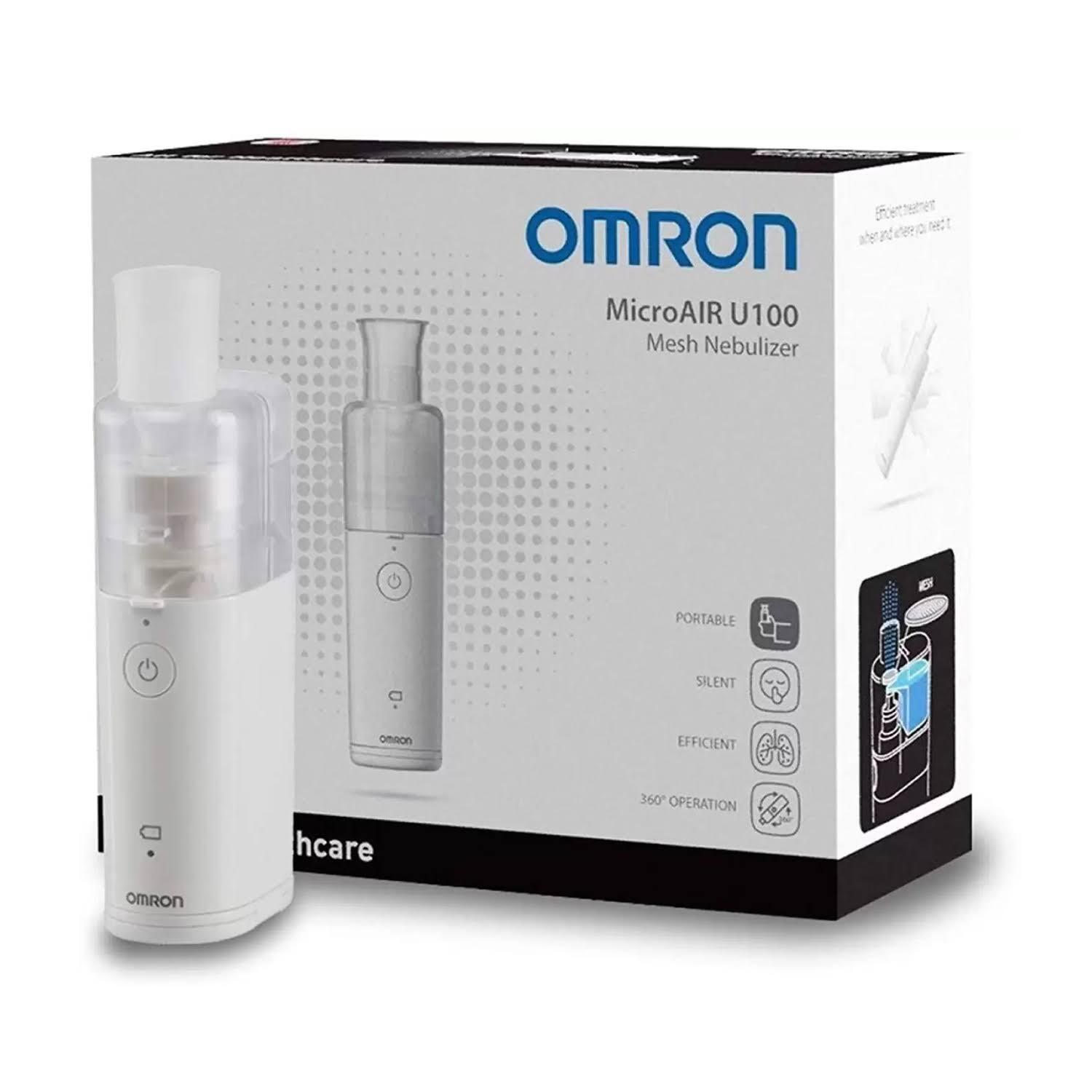
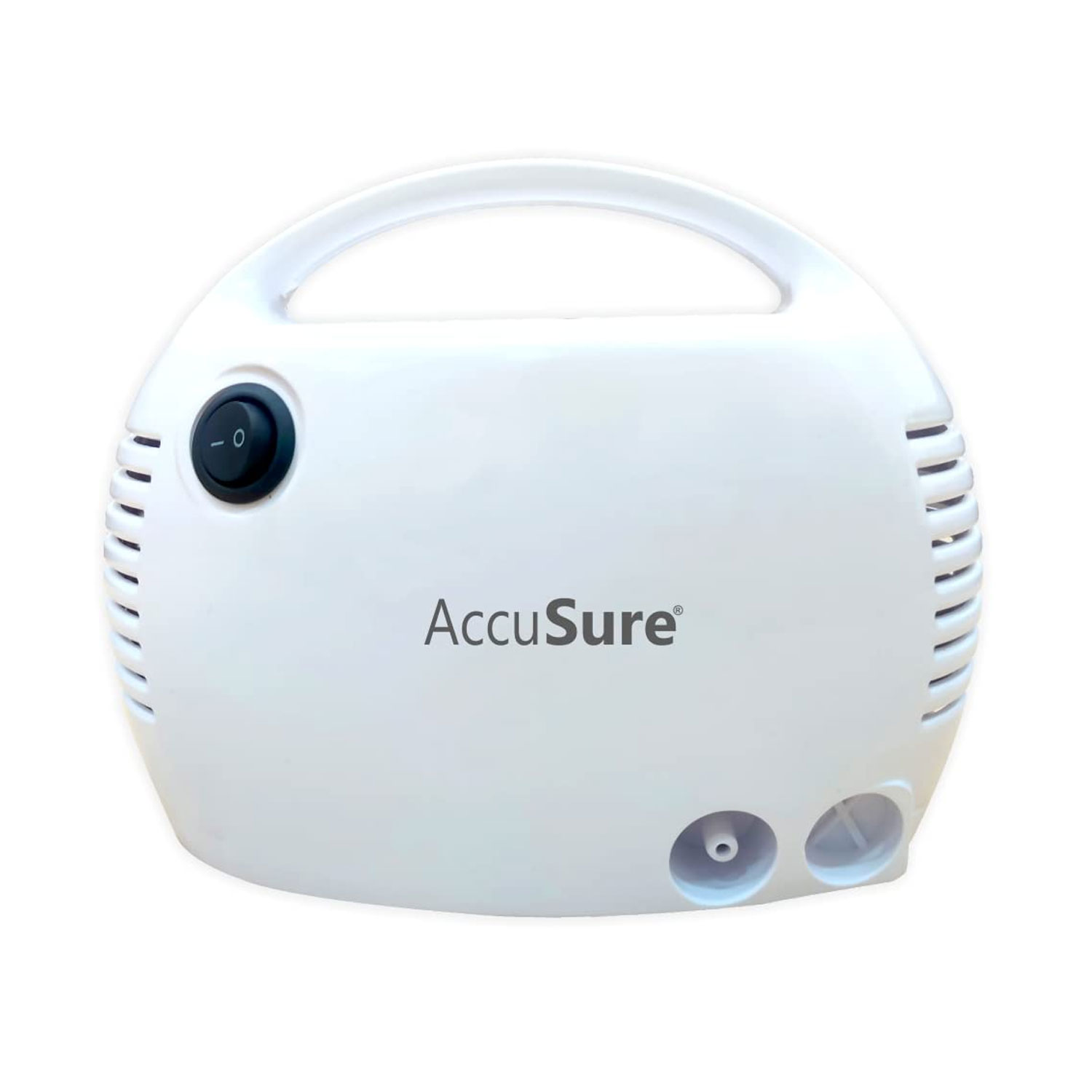
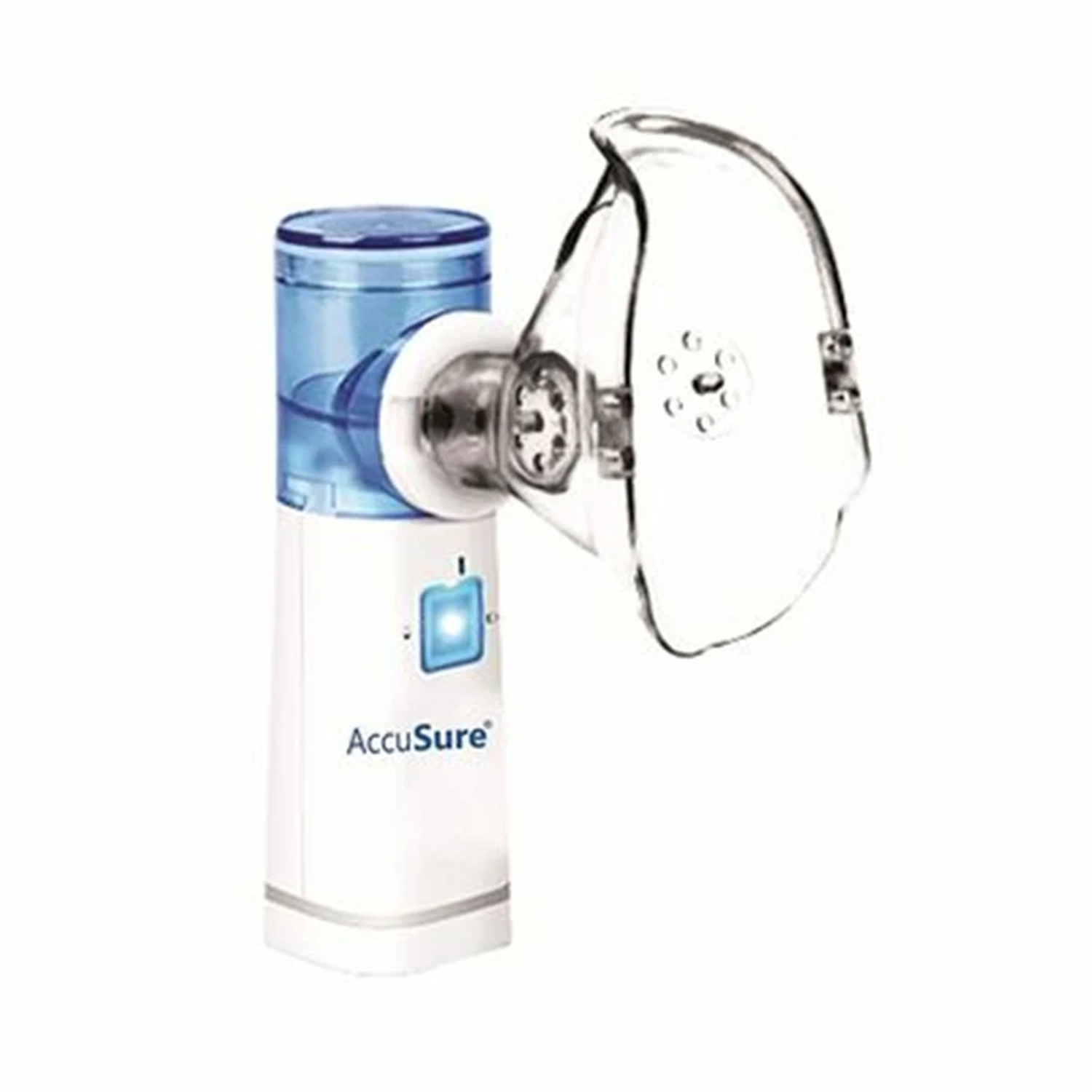
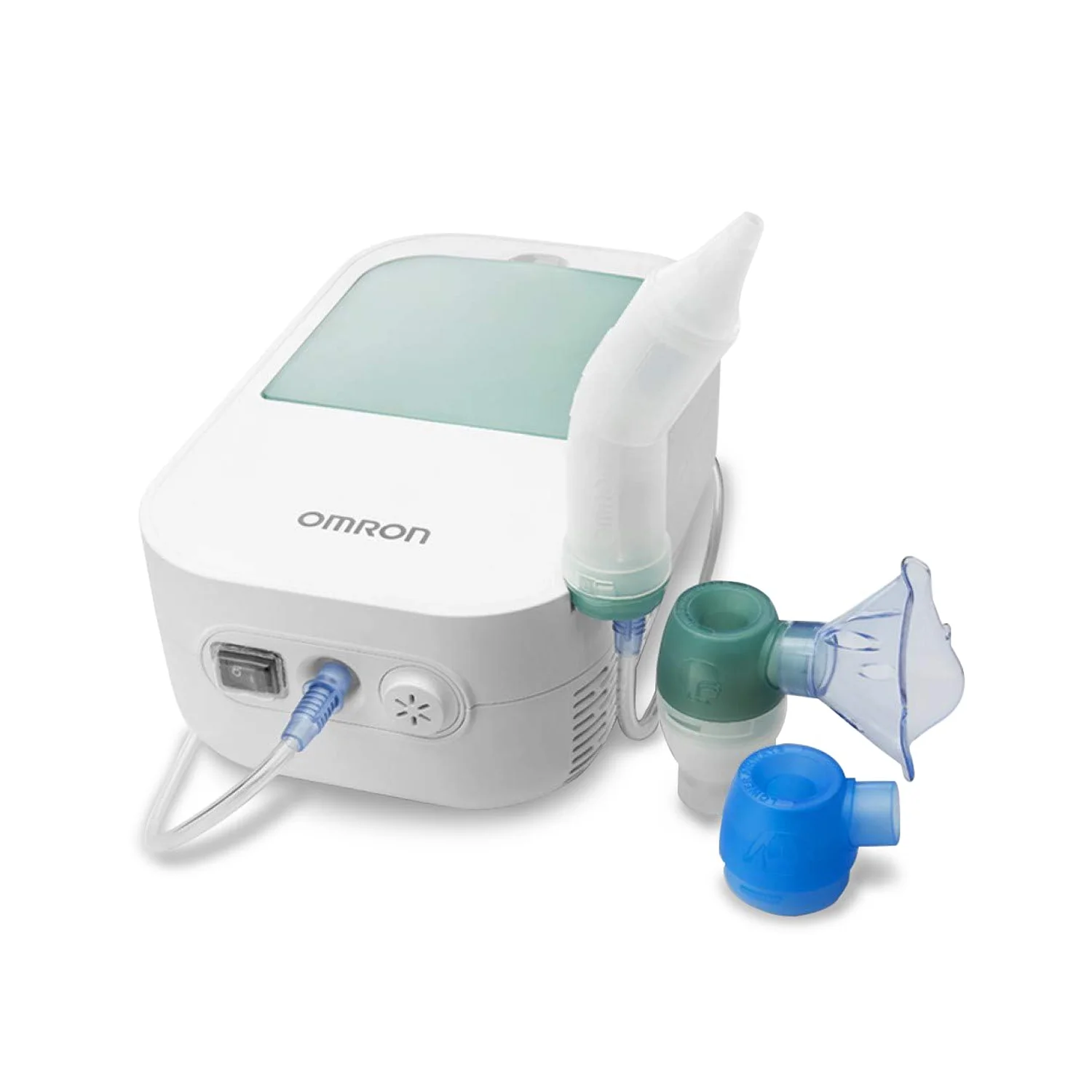
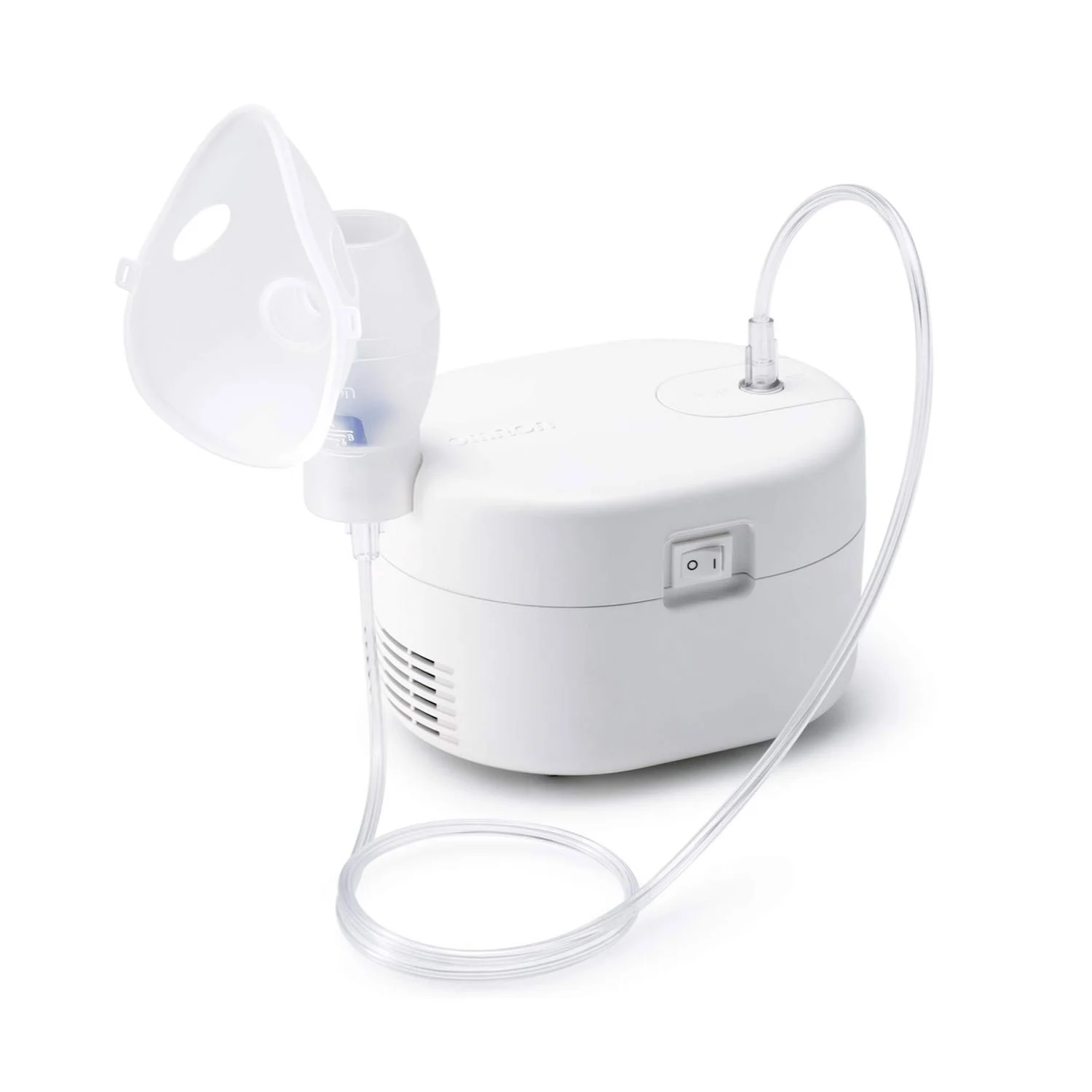
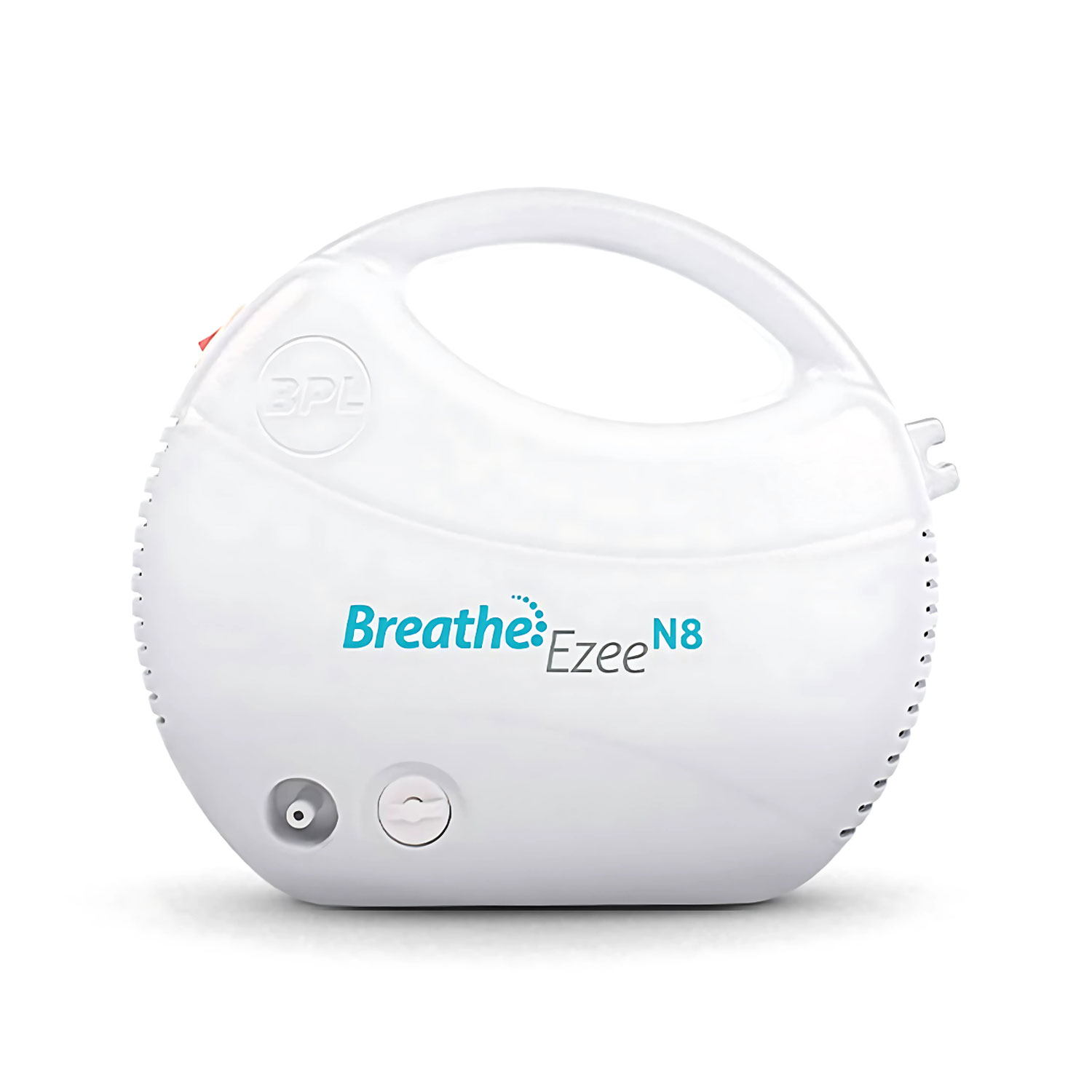
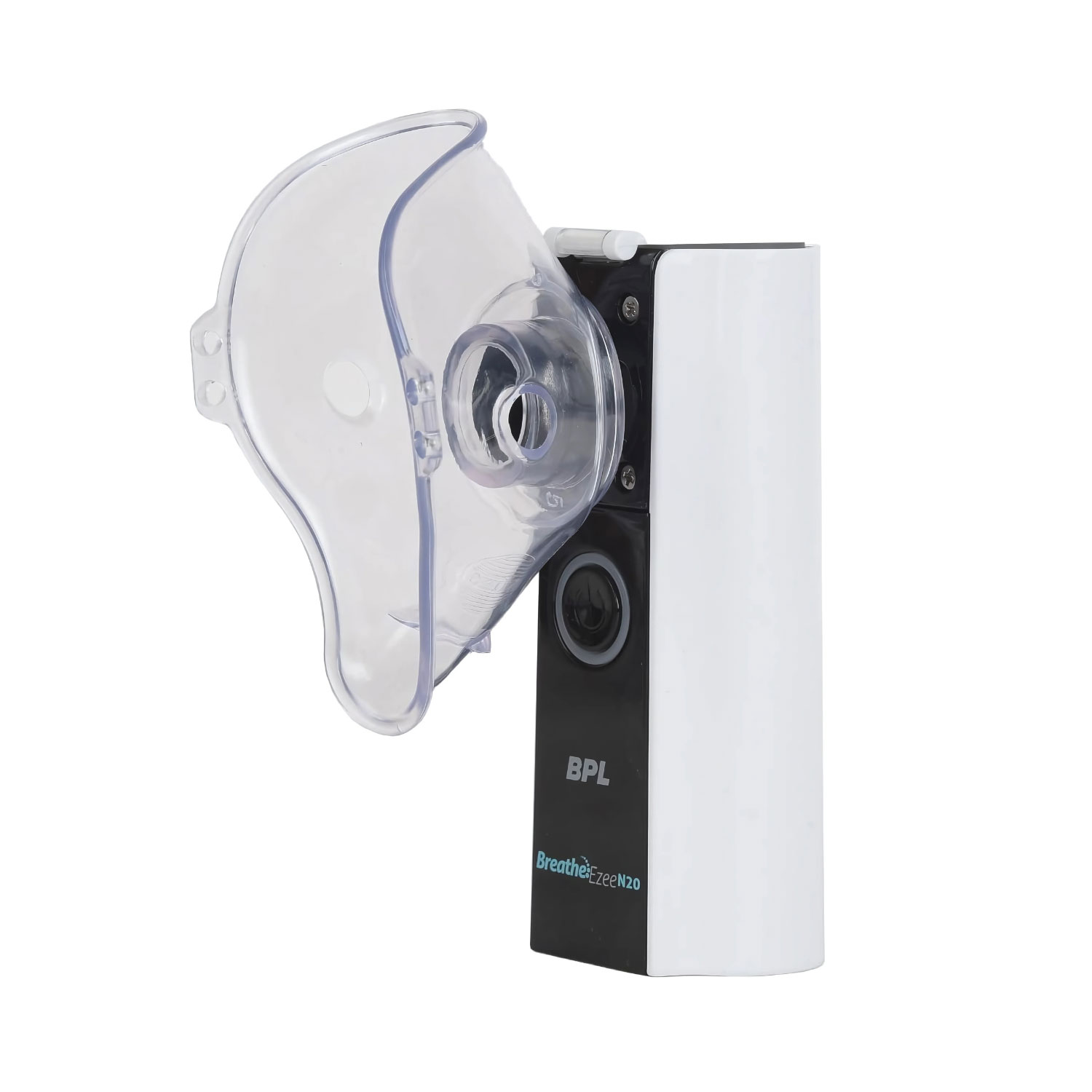
Nebulizer is an inhaler device used to vaporize the liquid medicine into mist form to inhale via the mouthpiece or face mask.
In contrast to pills that pass through the gastrointestinal tract, nebulized drugs are administered into the airways once inhaled by the patient. The nebulizer might be used as per the doctor's prescription for particular respiratory diseases. (1)
Important note: You must use the nebulizer with medications that are prescribed to you by an authorized healthcare provider. Never put any medication, essential oils, or other substances in your nebulizer without specific instructions.
How Does a Nebulizer Work?
Wondering how nebulizers work?
The device uses compressed air, ultrasonic vibrations, or another form of nebulization to convert liquid medicine into fine aerosol particles. These particles form a mist that is inhaled by the user.
This is how it works:
Medication liquid → Nebulizer chamber → Mist → Face mask/mouthpiece → Bronchial passages
Duration depends on the type of nebulizer used, medication, and dosage prescribed by the doctor.
Who May Need Nebulizer Treatment at Home?
A nebulizer might be recommended in case of some breathing disorders such as asthma, COPD, and other diseases that require inhaled medicine.
It may be particularly beneficial for:
Young children who find it hard to take inhaled drugs properly
Elderly people who may have problems with inhalation
Patients who are prescribed to take liquid respiration medications for nebulization
Not all cases of coughs, colds, and breathing difficulties require the use of a nebulizer. The medication, dose, and frequency should be determined by a medical expert.
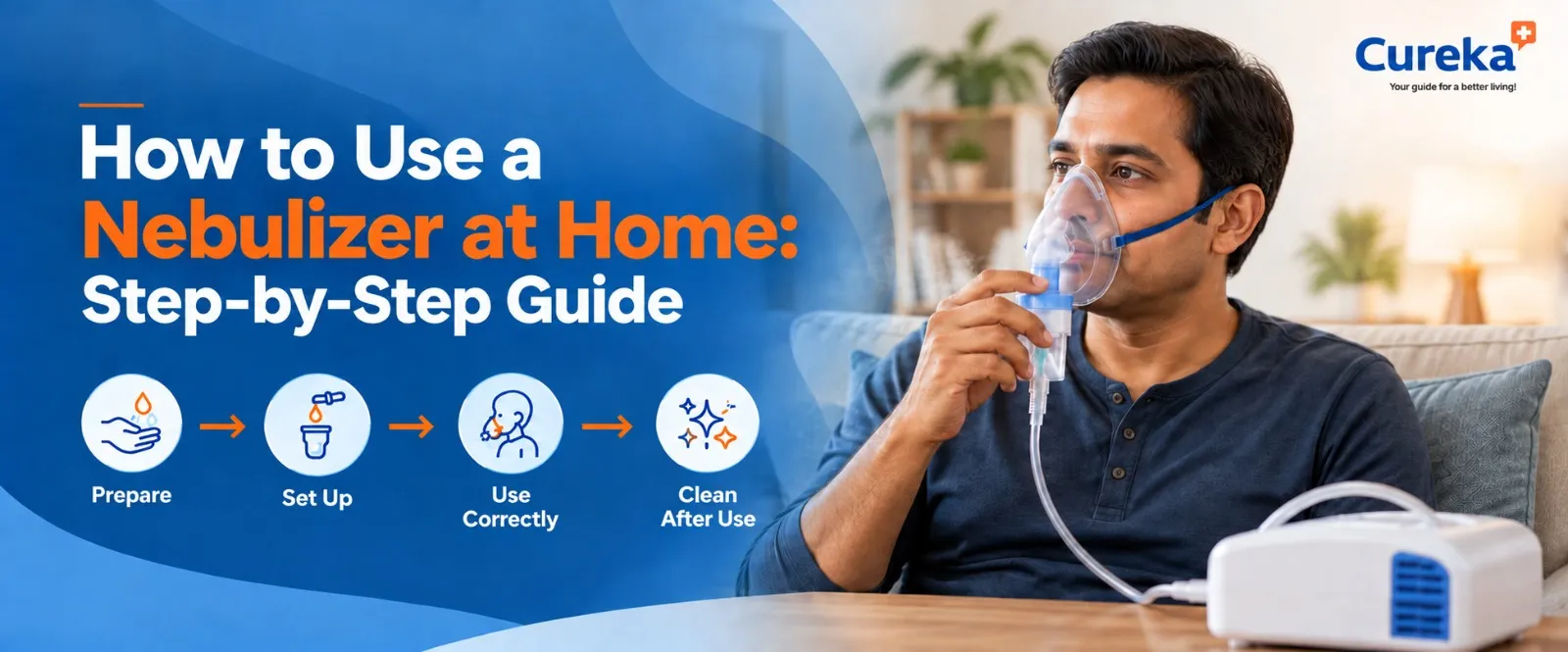
How to Use a Nebulizer at Home: Step-by-Step
When you are using the nebulizer for the very first time, read the instruction manual from the manufacturer as well as the direction given by your healthcare professional. (2)
Step 1: Wash Your Hands
Wash your hands properly with soap and water before touching the medication and the nebulizer equipment.
This is a simple way of keeping germs away from the equipment or the medication.
Step 2: Prepare the Nebulizer
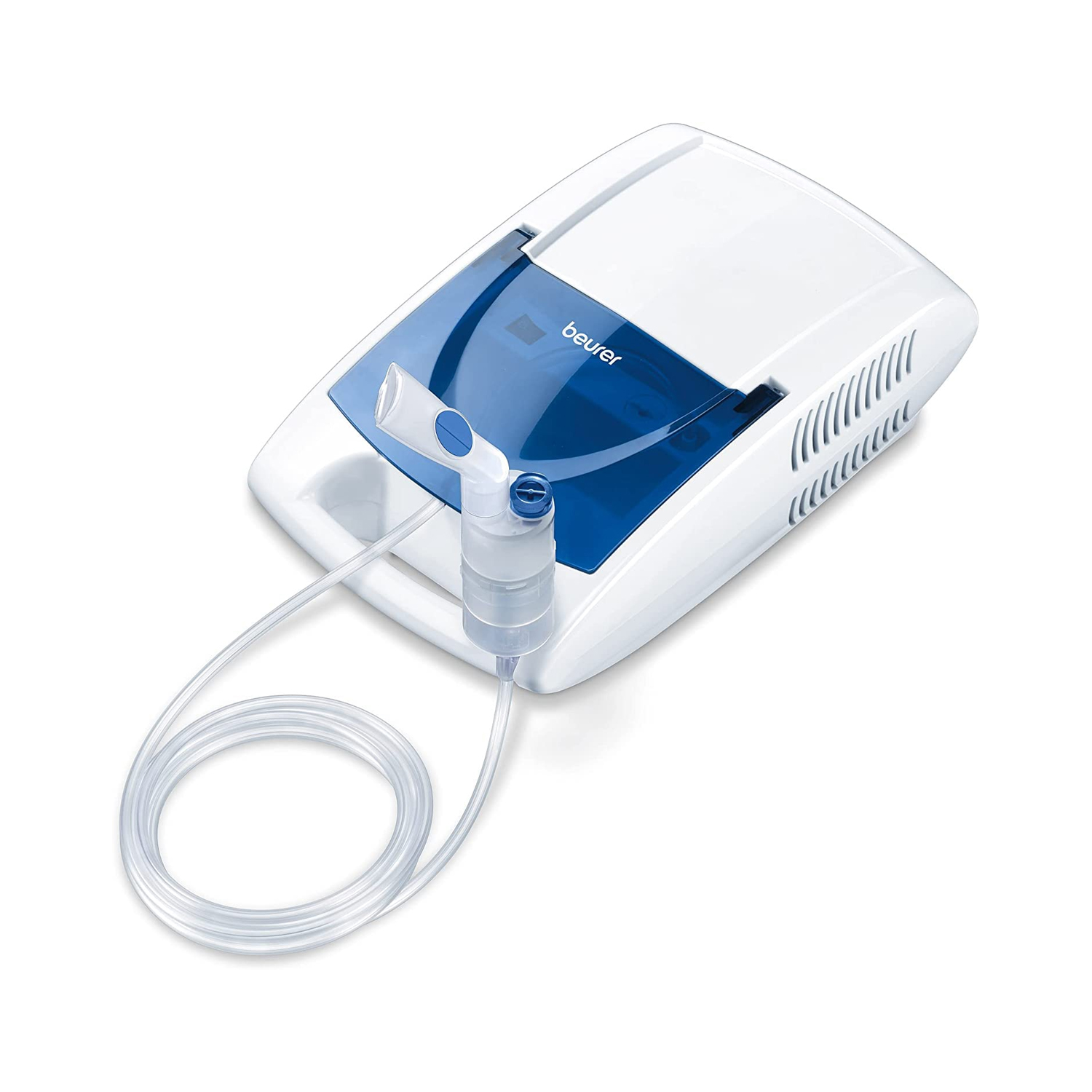
If you have a compressor nebulizer, put it down on a stable and level surface near an electrical socket.
Make sure that the tubing, medication reservoir, mouthpiece, mask, and other equipment are clean and assembled correctly.
Check for any damage in the tubing or connections before turning on the machine.
Step 3: Add the Prescribed Medication
Take your medicine in the exact dosage prescribed by your doctor or pharmacist.
Measure the exact dose in the nebulizer’s medication cup.
Never estimate the dose or combine multiple medicines unless advised by your health care provider.
If your medication is in a single-use vial, follow the directions on the medication.
Step 4: Connect the Tubing
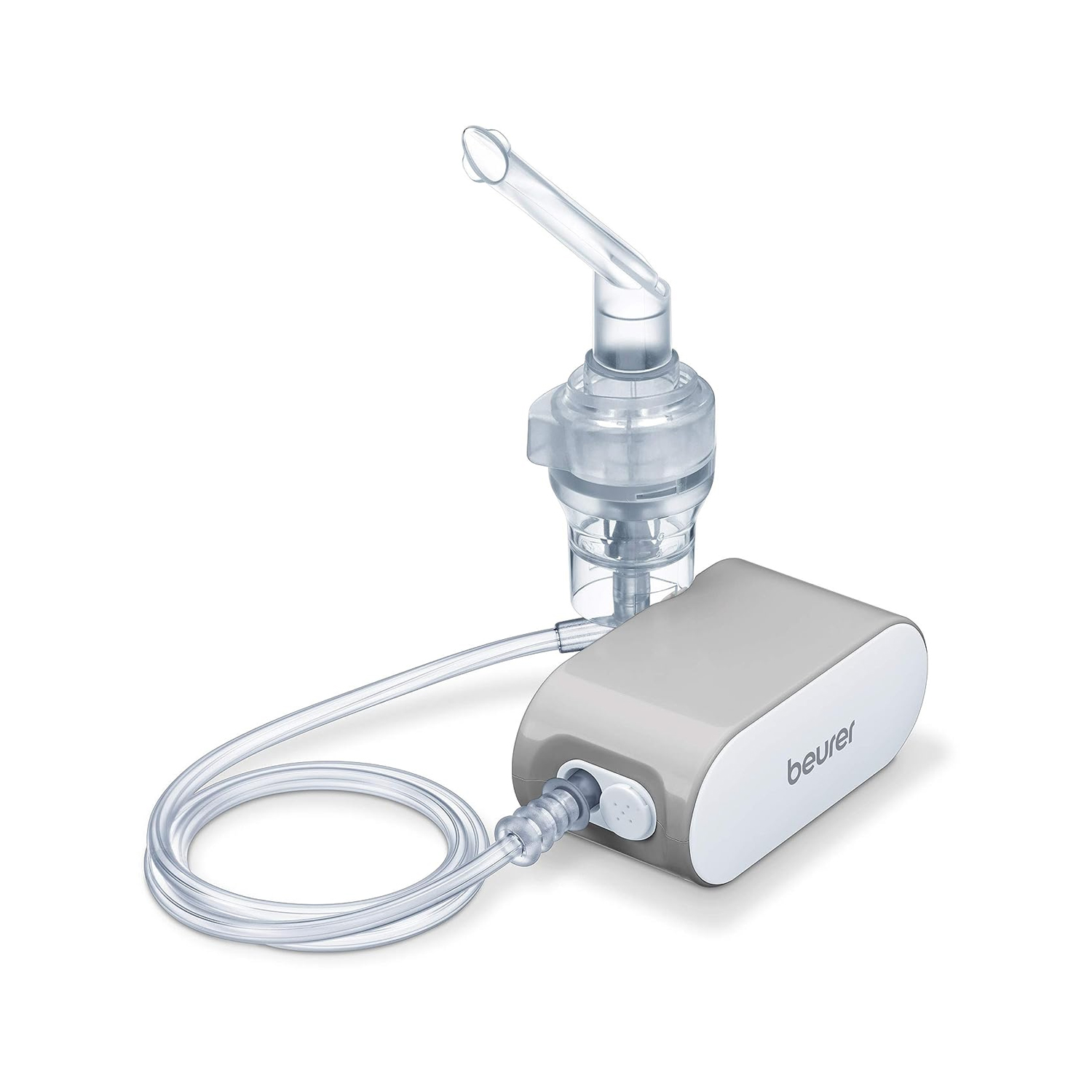
Connect one end of the tubing to the nebulizer compressor and the other end to the medicine cup in accordance with the manufacturer's guidelines.
Ensure that the connections are tight enough.
Keep the medicine cup upright to avoid any spillage.
Step 5: Attach the Mask or Mouthpiece
The mouthpiece is an option for adults and older children who are comfortable with its use.
A mask may be an option for younger children or individuals who find it difficult to seal their mouthpiece properly.
When using a mask, it should be positioned in such a way that the spray does not escape from around it.
Step 6: Sit Upright
Take a comfortable sitting position.
Do not lie down unless you have been told to by a healthcare professional.
It is easy to inhale the medicated aerosol into your lungs if your posture is good.
Step 7: Turn on the Machine
Turn on the nebulizer.
The presence of mist will be visible through the mouthpiece or the mask.
In case you do not get any mist, turn off the machine and verify whether the cup containing the medication is assembled properly, the tubing is connected and the machine is operated as per instructions.
Step 8: Breathe Slowly and Normally
Place the mouthpiece between your lips and create a tight seal.
Take slow and regular breaths from your mouth.
If your healthcare practitioner has instructed you to use a specific breathing method, then follow that.
Do not hurry through this procedure and continue until all of the medicine is nebulized.
In case of a child, keeping them calm and sitting comfortably would help in this process.
Step 9: Switch Off and Disconnect
After completion of the treatment, switch off the nebulizer and disconnect all the pieces.
Do not keep the medicine within the medicine cup for use in the following session unless it is advised on the medicine label.
What to Do After Nebulizer Treatment at Home
Cleaning is a vital step in nebulizer therapy at home. (3)
After each use:
Drain all left-over medication from the cup.
Clean any parts that come into contact with the medication in the cup as per the manufacturer’s directions.
Let the parts dry properly.
Keep the nebulizer in a clean, dry place.
Clean the equipment as per the manufacturer’s directions.
It is important not to clean and reuse disposable parts unless explicitly mentioned by the manufacturer.
In addition, the tubing could require special directions for cleaning, and hence the user should refer to the equipment’s manual.
How Often Should You Use a Nebulizer?
There is no standard schedule for using the nebulizer.
The frequency is determined by:
The prescribed drug
The nature of your breathing problem
Your age and general health
The doctor’s treatment strategy
The nebulizer type that you are using
Use the nebulizer only in the amount that is prescribed by your doctor.
Do not change the frequency of the nebulizer use when you feel the symptoms worsen. (4)
Common Nebulizer Mistakes to Avoid
Proper usage of the nebulizer machine is not only turning the machine on.
Here are some errors to avoid:
Wrong medication use: Don’t pour any liquid other than the prescribed medicine in the medication cup. (5)
Guessing the dose: Follow the recommended dosage exactly.
Mask malpositioning: A loose mask may cause the mist to leak out.
Rapid breathing: Calm breathing will make the procedure more bearable.
Skipping cleaning: Dirty devices are likely to be infected.
Accessories sharing: Refrain from sharing the mouthpiece and mask with other individuals.
Neglecting replacement: Components must be replaced according to manufacturer guidelines.
When Should You Seek Medical Help?
Nebulizers are modes of medication delivery; they are not an alternative to emergency medical services.
In case of serious difficulty breathing, serious blue or grey coloration of lips or face, serious chest pain, confusion, fainting, or rapidly progressing symptoms, seek emergency medical assistance.
In case of prescribed nebulizer therapy which does not give the desired effect, consult with a doctor instead of taking multiple doses by yourself.
Conclusion
Being aware of proper usage of nebulizer equipment may contribute to better effectiveness and comfort of home prescribed breathing therapy. The basics include correct medication and dosage selection, assembling of equipment, sitting in an upright position, slow and calm breathing, as well as cleaning of equipment after each session.
In case you have been given nebulizer therapy or anyone from your family has, it is necessary that you strictly adhere to the prescribed instructions. In cases of worsening breathing problems, it is better to consult your doctor instead of depending only on nebulizers.
References
The emerging role of nebulization for maintenance treatment of chronic obstructive pulmonary disease at home - https://pmc.ncbi.nlm.nih.gov/articles/PMC8098903/#sec1-1
Steps toward nebulization in-use studies to understand the stability of new biological entities - https://pmc.ncbi.nlm.nih.gov/articles/PMC9770090/#s0005
Nebuliser cleaning and disinfection practice in the home among patients with cystic fibrosis - https://pmc.ncbi.nlm.nih.gov/articles/PMC6978570/#section6-1757177419855603
Change in Inhaler Use, Lung Function, and Oxygenation in Association with Symptoms in COPD - https://pmc.ncbi.nlm.nih.gov/articles/PMC7883906/#s4
Maintenance Therapy with Nebulizers in Patients with Stable COPD: Need for Reevaluation - https://pmc.ncbi.nlm.nih.gov/articles/PMC7672144/#Sec23