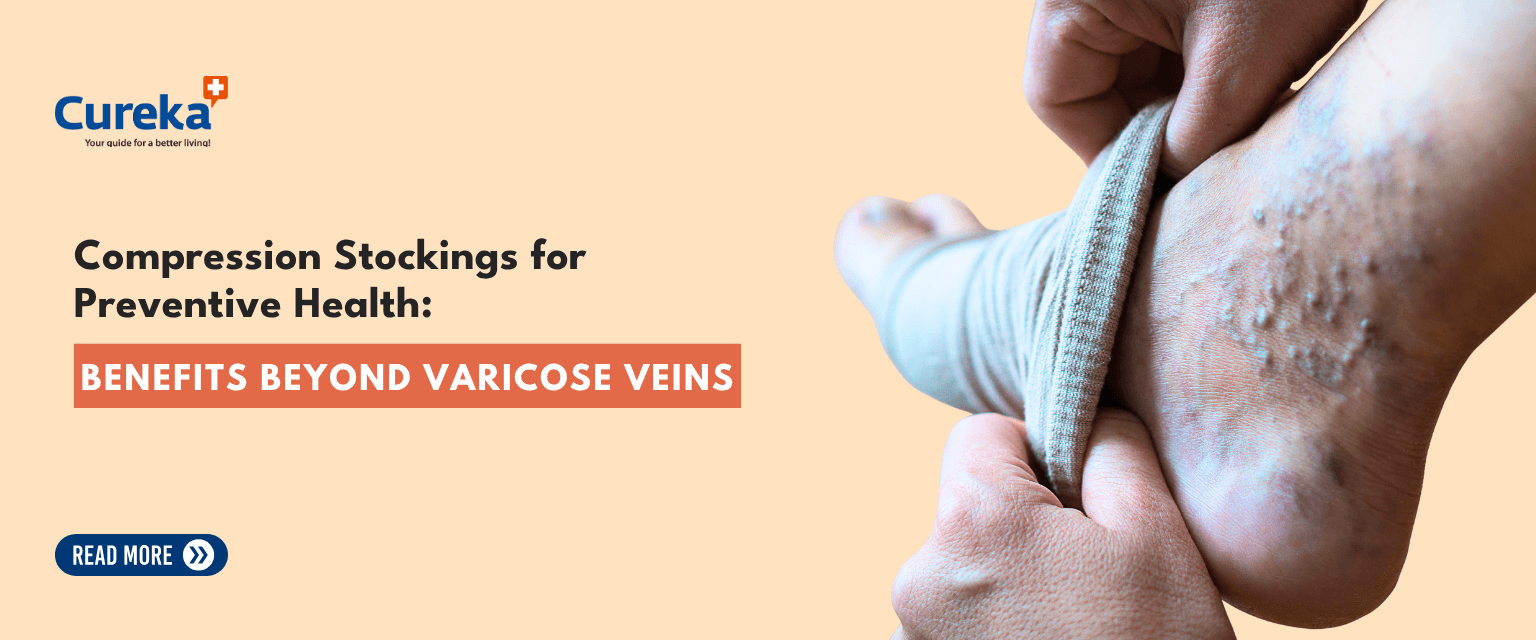
At first glance, compression stockings may seem like something your grandmother would wear or a doctor’s recommendation only after a health scare. But their role in preventive healthcare is quietly transforming lives, often in unexpected ways.
In this blog, we’ll explore real-life stories of how people across age groups and professions use compression stockings not just to manage, but to prevent serious health issues from swelling and fatigue to deep vein thrombosis (DVT). You may just see yourself in one of these stories.
1. The Frequent Flyer Who Didn’t Know She Was at Risk
Meet Anitha*, a 34-year-old project manager who travels internationally for work. On a return flight from USA, she experienced an intense throbbing in her left calf. “I thought it was just because I sat too long,” she said. But the pain lingered for days.
A visit to the doctor revealed she had developed superficial thrombophlebitis, an early warning sign of clot formation.
Her doctor explained that long flights reduce leg circulation. “That’s when I first heard about compression stockings,” Anitha* recalls. “I always assumed they were for elderly people. I didn’t know a healthy person like me could need them.”
Now, Anitha* never boards a plane without her graduated compression stockings. “No more swelling, no more discomfort and peace of mind that I’m not risking something serious.”
Takeaway : Compression stockings are essential for frequent flyers. They reduce the risk of DVT and swelling by maintaining blood flow, especially during long periods of immobility.
2. The Nurse Who Chose Prevention Over Pain
Priya*, a 29-year-old ICU nurse, works 12-hour shifts. “By the end of the day, my legs would feel like bricks. I thought it was just part of the job,” she says.
One day, her older colleague gave her a pair of compression socks as a birthday gift. “She told me it was either these or aching legs for the rest of my life.”
Priya* gave them a try. “The difference was immediate. My legs didn’t feel heavy anymore. I realized I didn’t have to wait until varicose veins appeared. I could start preventing them now.”
Three years later, Priya* wears compression stockings almost daily and encourages new nursing staff to do the same.
Takeaway : If your job requires prolonged standing, think nurses, retail workers, security guards , sales person compression wear can significantly reduce venous pressure, prevent spider veins, and delay or avoid varicose vein formation altogether.
3. The Pregnant Woman Who Discovered a Lifesaver
Deepika*, a first-time mom-to-be, was in her second trimester when she started noticing swelling around her ankles and occasional tingling in her legs.
“My doctor told me it was normal,” she says, “but I didn’t want to just accept it.”
She did her own research, spoke with her gynaecologist and discovered that compression stockings are often recommended in pregnancy not only to reduce swelling but also to prevent deep vein thrombosis , which pregnant women are more prone to due to hormonal changes and pressure on pelvic veins.
She began wearing maternity-grade compression stockings every morning. “Not only did the swelling reduce, but I could walk around more comfortably. I felt supported
physically and mentally.”
Takeaway : Pregnancy increases the risk of circulation issues and clot formation. Wearing compression stockings is a preventive step that supports overall vascular health during this crucial period.
4. The Diabetic Man Who Avoided a Serious Complication
Ravi*, a 55-year-old accountant with Type 2 diabetes, was warned during a routine check-up: “You have reduced sensation in your feet
this is neuropathy.”
He began experiencing mild leg swelling after long hours at his desk. At first, he ignored it. “It wasn’t painful, just puffy.”
His doctor recommended compression socks designed for diabetics
with non-binding tops and special moisture-wicking material. “These weren’t the tight, uncomfortable socks I imagined,” Ravi says. “They were soft, supportive, and fit like a second skin.”
Within weeks, his swelling reduced, and circulation improved. “More importantly, I avoided what could’ve turned into diabetic ulcers. ”
Takeaway : In diabetics, early intervention with compression stockings can help prevent skin breakdown, edema, and lower-limb complications. Special diabetic versions are available that don’t compromise safety.
5. The Marathon Runner Who Trained Smart
Aditya*, a 42-year-old recreational runner, was training for his first full marathon. Around the 20 km mark of his training runs, he noticed muscle fatigue and minor shin pain.
A fellow runner suggested compression calf sleeves . “I was skeptical
why would a healthy athlete need these?” he said.
But after using them for a week, Aditya was sold. “My recovery time shortened, and the muscle vibration during running reduced. I could go further with less soreness.”
Now, he wears compression gear both during long runs and post-runs to aid in muscle recovery.
Takeaway : Compression wear is not just for the injured or elderly. It’s a preventive performance tool for athletes and fitness enthusiasts, improving blood flow and reducing muscle fatigue.
6. The Elderly Woman Who Regained Her Mobility
Lakshmi Aunty*, 67, had stopped walking to the nearby temple because her legs would swell and ache after even a short walk. Her daughter took her to a vascular specialist who recommended Class 2 compression stockings.
“At first, she resisted. But we tried it for a week,” her daughter says. “She could walk without stopping, and her swelling reduced.”
Now, walking is part of her daily routine again.
Takeaway : For older adults with chronic venous insufficiency or mild edema, compression stockings restore confidence and mobility by preventing symptom escalation.
Understanding the Types of Compression Stockings
Not all compression products are created equal. Here’s a quick breakdown of what exists:
Graduated Compression Stockings
Tighter at the ankle, looser at the top
Ideal for varicose veins, DVT prevention, and long travel
Designed for bedridden or post-surgery patients
Prevent blood pooling and clots
Compression Sleeves
Used for sports or targeted relief (calves, arms)
Popular with athletes and post-exercise recovery
Diabetic Compression Socks
Light compression, non-binding, moisture-wicking
Safe for people with sensitive skin or neuropathy
Pro tip:
Always consult a healthcare professional for the right compression level:
Mild (8–15 mmHg) – daily comfort & mild swelling
Moderate (15–20 mmHg) – preventive for varicose veins, travel
Firm (20–30 mmHg) – post-surgery, pregnancy, medical issues
But Are They Comfortable?
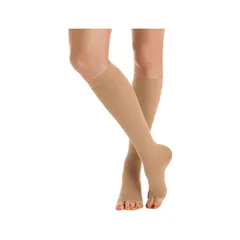
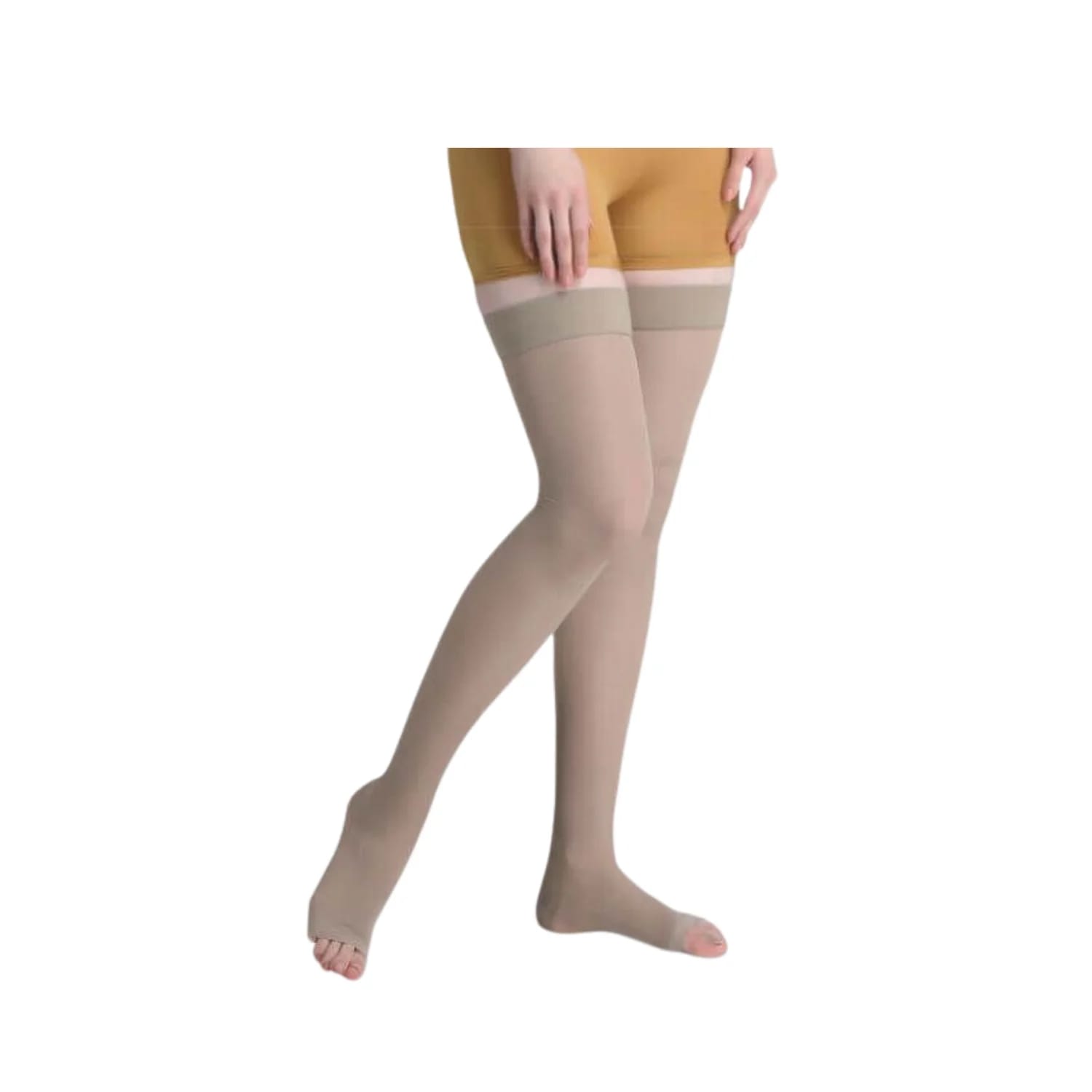
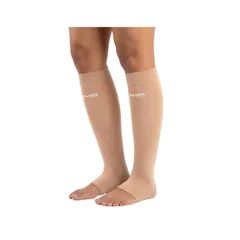
The new generation of compression wear is vastly different from older, clinical-looking versions. You’ll find them in stylish patterns, breathable fabrics, and even open-toe versions. From office wear to gym-ready styles, they blend fashion and function.
Don’t Wait Until It Hurts
Each of the people in these stories had one thing in common: they didn’t wait for a major health crisis. They chose prevention over treatment.
Compression stockings are not just a reactive product, they're a proactive solution. Whether you're flying, standing, pregnant, managing diabetes, training, or aging gracefully, these simple yet powerful tools can support your vascular health every step of the way.
So the next time you feel leg fatigue, notice swelling, or prepare for a long flight
ask yourself not ‘Do I need them now?’ but rather ‘Could they keep me healthier later?’
Disclaimer:
The names and identifying details in this article have been changed to protect the privacy of individuals.
References:
Indications for medical compression stockings in venous and lymphatic disorders: An evidence-based consensus statement – 2018 Apr - https://pubmed.ncbi.nlm.nih.gov/28549402/
Graduated compression stockings for the initial treatment of varicose veins in people without venous ulceration – 2021 Jul - https://pmc.ncbi.nlm.nih.gov/articles/PMC8407251/
Thrombosis in pregnancy and maternal outcomes – Sep 18 - https://pubmed.ncbi.nlm.nih.gov/26383185/
Graduated compression stockings – 2014 Jul - https://pmc.ncbi.nlm.nih.gov/articles/PMC4081237/
Comparison of 15–20 mmHg versus 20–30 mmHg Compression Stockings in Reducing Occupational Oedema in Standing and Seated Healthy Individuals – 2018 Oct - https://pmc.ncbi.nlm.nih.gov/articles/PMC6188858/
Evaluation of therapeutic compression stockings in the treatment of chronic venous insufficiency – 1999 Feb - https://pubmed.ncbi.nlm.nih.gov/10037516/
Compression stockings with moderate pressure are able to reduce chronic leg oedema – 2012 Sep - https://pubmed.ncbi.nlm.nih.gov/22090466/
Use of compression stockings in chronic venous disease: patient compliance and efficacy – 2007 Nov - https://pubmed.ncbi.nlm.nih.gov/17980798/
Compression therapy in the management of varicose veins – 2023 Dec - https://pmc.ncbi.nlm.nih.gov/articles/PMC10993631/