Cureka — Your guide for a better living!
Cart
INDIA'S 1ST PREVENTIVE HEALTHCARE STORE – CURATED BY DOCTORS!|

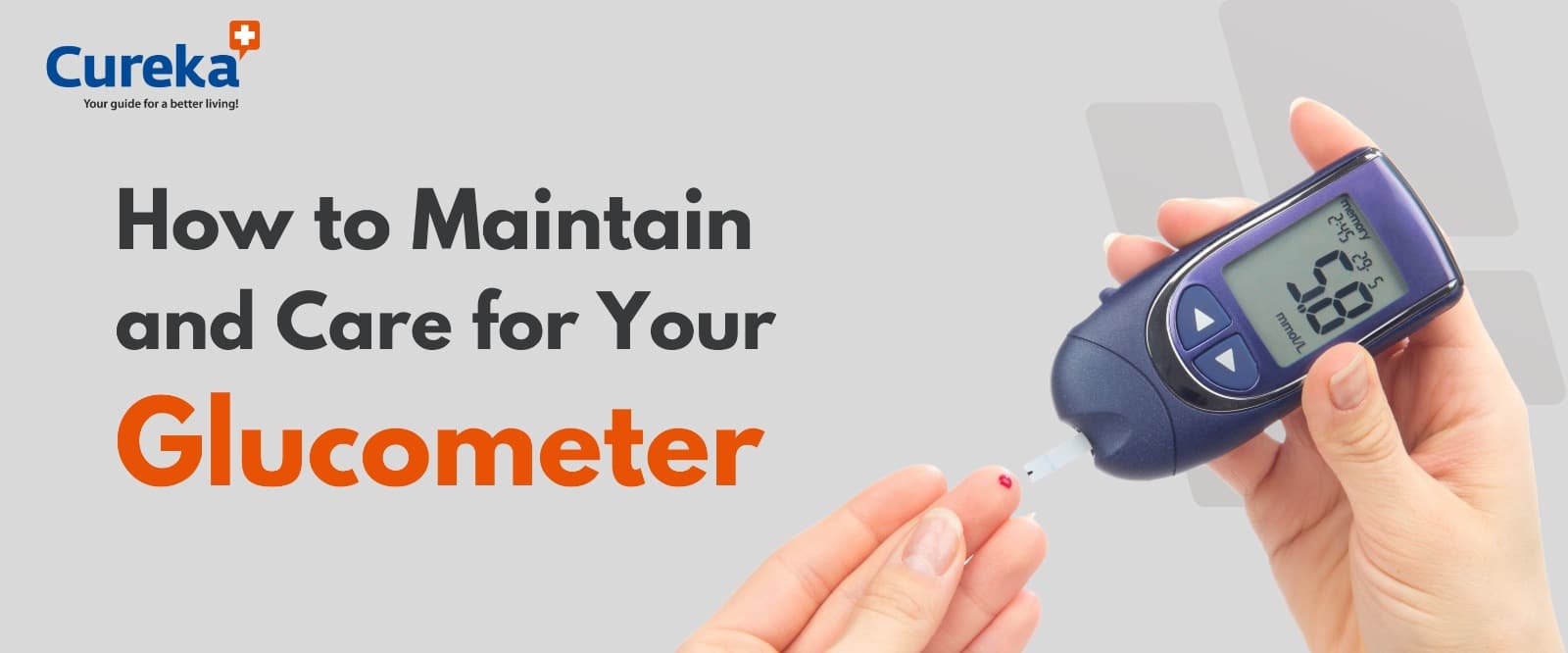
How to Maintain and Care for Your Glucometer

Dr. Hema Sathish, Dermatologist

Medically Reviewed By

Dr. Hema Sathish, M.B.B.S., D.D (UK)

Dermatologist • Founder of Cureka

Reviewed for medical accuracy and evidence-based information

Remembering the above key maintenance tips will help to ensure that your glucometer is performing optimally.

5th Aug 2023•2 Min read+Cureka Editorial
How to Maintain and Care for Your Glucometer

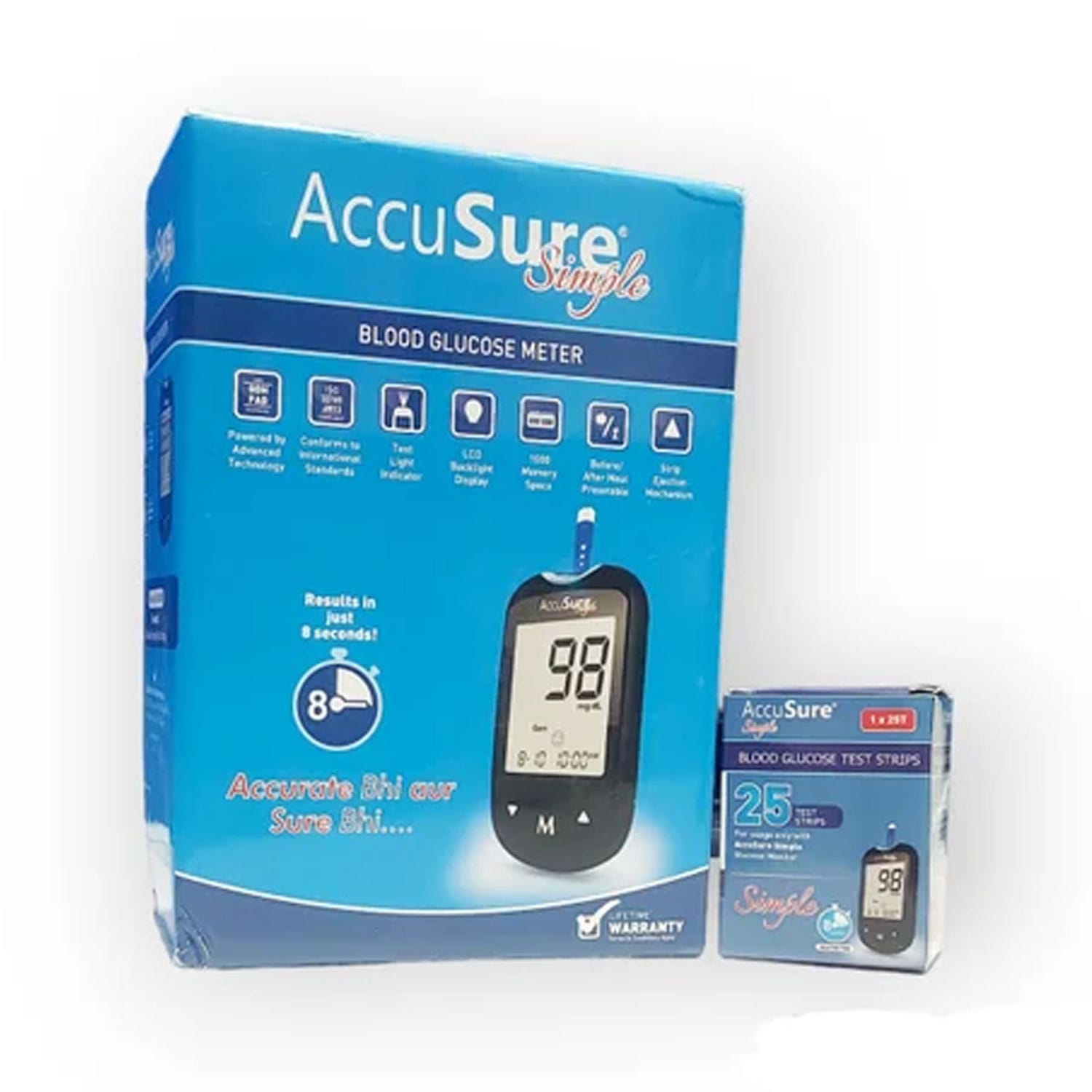
Like any other piece of equipment, keeping your glucometer in a good condition is essential for accurate and reliable blood glucose readings. Here are some easy tips on how to maintain and care for your glucometer…

  1. Cleaning: Over the time, glucometers can become smeared with blood, oils from your fingers and dust. So, cleaning is the foremost thing to do. Use a soft cloth, gently wipe to clean the glucometer. Also, you can wipe the glucometer with alcohol using gauze or a cotton swab before use and between patients. Don’t submerge device into water or any solution. Always, check for manufacturer information for cleaning guidance; never use any aggressive solution to clean the device.

  2. Batteries: Most of the glucometers have low battery indicating feature; keep a spare set of batteries with it. Some model glucometer may not signal when the batteries are getting low, or you may see skewed readings before the low battery indication is shown. Identify your glucometer battery capacity and set a regular schedule for changing the batteries.

  3. Store Properly: Keep your glucometer and its accessories in a cool, dry place. Keep strips container tightly closed when not in use. Avoid exposing it to extreme temperatures or high humidity, as it can affect the performance and reliability of the device. Additionally, keep it away from direct sunlight and sources of moisture.

  4. Handle with Care: Care your glucometer to prevent any damage. Avoid dropping it or subjecting it to any strong impacts. Be gentle when inserting test strips or handling lancets to prevent bending or breaking. Follow the manufacturer instructions for inserting and removing test strips, lancets, and batteries.

  5. Check Expiry Dates: Expired strips or lancets may provide inaccurate readings. So, ensure that the test strips and lancets are within expiration dates. Always, check for expiry and dispose the expired ones.

  6. When to Change: For glucometer, the lifespan is based on the brand, model and how you are handling it. Ideally, you can replace your glucose meter every 4 to 5 years.

Points to be Noted

  • Always wash hands before testing.

  • Make sure you use the appropriate test strips for your meter.

  • Don’t bend the test strips.

  • Make sure to note down the results.

  • Never go for any self medication based on the readings; always consult your doctor if you notice very high or low blood sugar level.

Remembering the above key maintenance tips will help to ensure that your glucometer is performing optimally, and your blood sugar readings are accurate. Contact a technician or maintenance department if the device continues to not work properly after addressing the common issues.
Frequently Asked Questions

  • Clean your glucometer with a soft cloth or alcohol swab to remove blood, oil, and dust. Avoid submerging it in water and follow manufacturer cleaning guidelines.

  • Replace glucometer batteries regularly or when you notice low battery alerts or inaccurate readings. Keeping spare batteries ensures uninterrupted blood glucose monitoring.

  • Store your glucometer and test strips in a cool, dry place with the container tightly closed. Avoid heat, humidity, and direct sunlight to maintain accuracy.

  • Yes, expired test strips can give inaccurate blood sugar readings. Always check expiry dates before use and discard expired strips and lancets.


  • You can replace your glucometer every 4 to 5 years depending on usage and condition. Replace sooner if the device shows inconsistent or faulty readings.

Comments

How to Choose a Shoulder Brace According to the Type of Injury?
Featured

How to Choose a Shoulder Brace According to the Type of Injury?

Struggling with shoulder pain? Find out which type of brace suits your injury best, so you can heal faster and get back to your daily routine.

Read More
What Should Your Oxygen Level Be? Understanding SpO₂ Readings
Featured

What Should Your Oxygen Level Be? Understanding SpO₂ Readings

Is 94% a normal oxygen level? Understand healthy SpO₂ ranges, why pulse oximeter readings change, and the warning signs that need medical help.

Read More
How to Choose the Right Air Mattress for a Patient With Limited Mobility
Featured

How to Choose the Right Air Mattress for a Patient With Limited Mobility

Choosing a medical air mattress goes beyond comfort. Learn what to look for, from pressure relief and weight capacity to pump quality, to support safer, easier patient care at home.

Read More
How to Treat a Cut at Home: First Aid Steps to Follow
Featured

How to Treat a Cut at Home: First Aid Steps to Follow

Minor cuts happen daily — but proper care prevents infection and scarring. Learn the essential first aid steps for cleaning, treating, and knowing when a cut needs medical attention.

Read More
Manual vs Electric Wheelchair: Which One Is Right for You?
Featured

Manual vs Electric Wheelchair: Which One Is Right for You?

Choosing between a manual or electric wheelchair depends on more than preference. Discover the key differences, benefits, and factors to consider before you buy.

Read More
Why Is My Blood Sugar Reading Different Every Time? Common Causes Explained
Featured

Why Is My Blood Sugar Reading Different Every Time? Common Causes Explained

Getting different glucose readings even on the same day? Discover the real reasons behind blood sugar fluctuations — from sleep and stress to testing technique and meter accuracy.

Read More

No comments yet. Be the first to share your thoughts.