


Vital Care Abha Capsule Herbal Bone Setter 10x10 Capsules
Vital Care
₹58711% off₹660
Pain and inflammation are the body’s natural responses to injury, infection, or tissue damage. Pain signals that something is wrong, while inflammation helps the body heal by increasing blood flow to the affected area. Although acute pain and inflammation are protective, chronic or uncontrolled inflammation can interfere with daily activities, mobility, and overall quality of life.
Causes of Pain and Inflammation
Injury or trauma such as sprains, fractures, or muscle tears
Infections caused by bacteria or viruses
Arthritis including osteoarthritis and rheumatoid arthritis
Autoimmune disorders
Overuse or repetitive strain
Poor posture or improper body mechanics
Obesity causing excess pressure on joints
Nutritional deficiencies
Chronic stress
Symptoms of Pain and Inflammation
Swelling or puffiness in affected areas
Redness and warmth
Persistent or throbbing pain
Stiffness and reduced range of motion
Tenderness on touch
Fatigue in chronic inflammatory conditions
Pain that worsens with movement or pressure
Diagnosis of Pain and Inflammation
Physical examination to assess swelling and movement
Blood tests to detect infection or inflammatory markers
X-rays to evaluate bones and joints
MRI or CT scans for soft tissue and nerve involvement
Ultrasound for joint or muscle inflammation
Treatment of Pain and Inflammation
Rest and activity modification
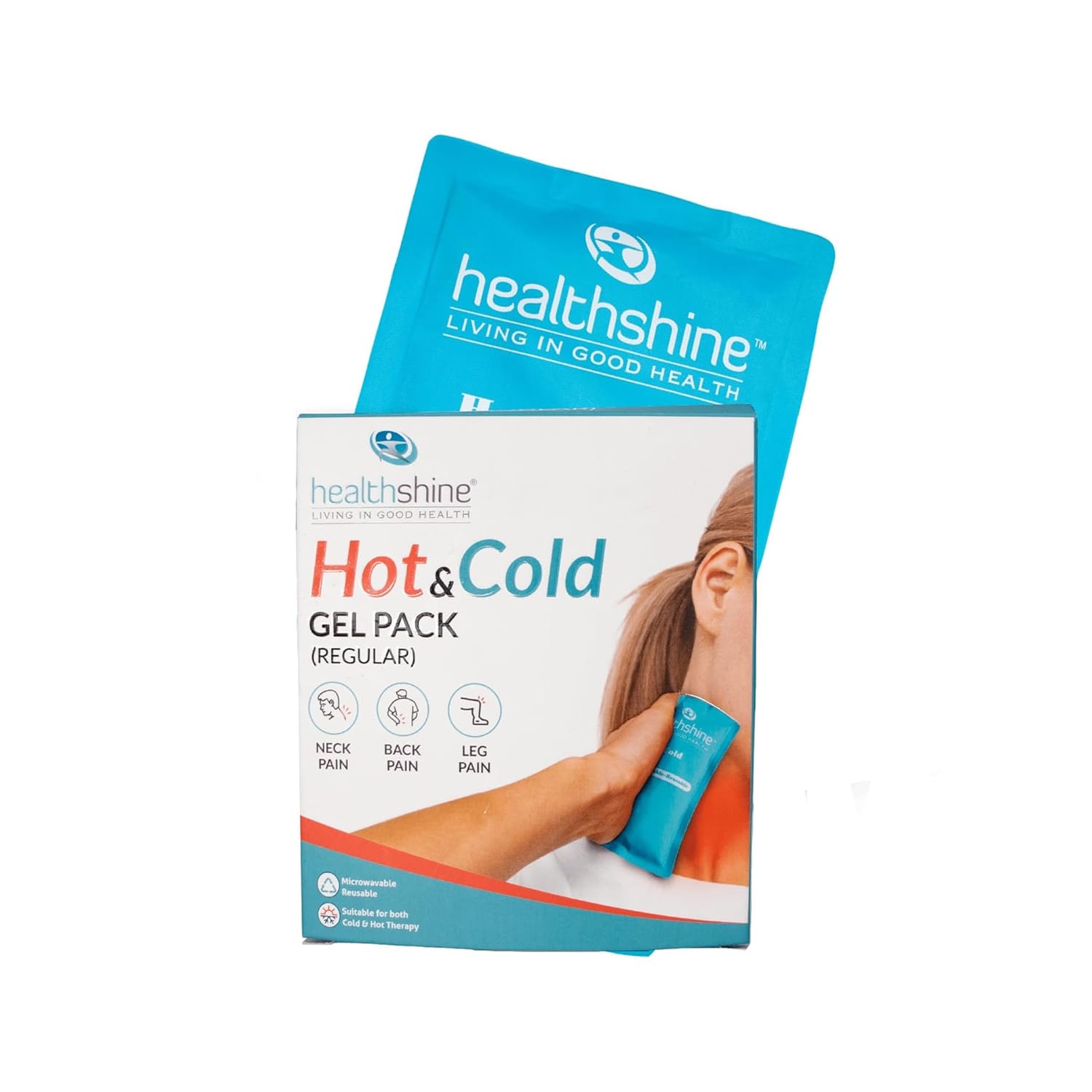
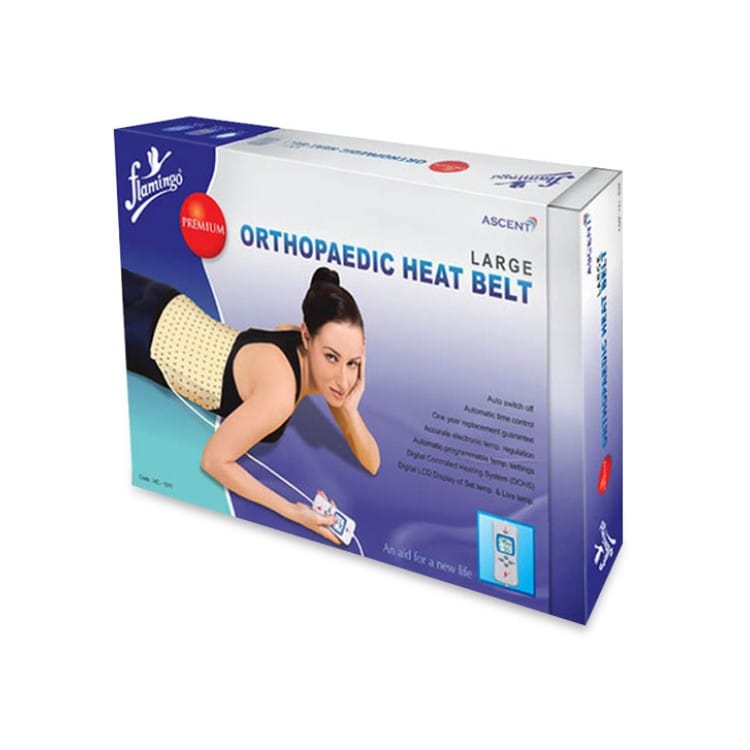
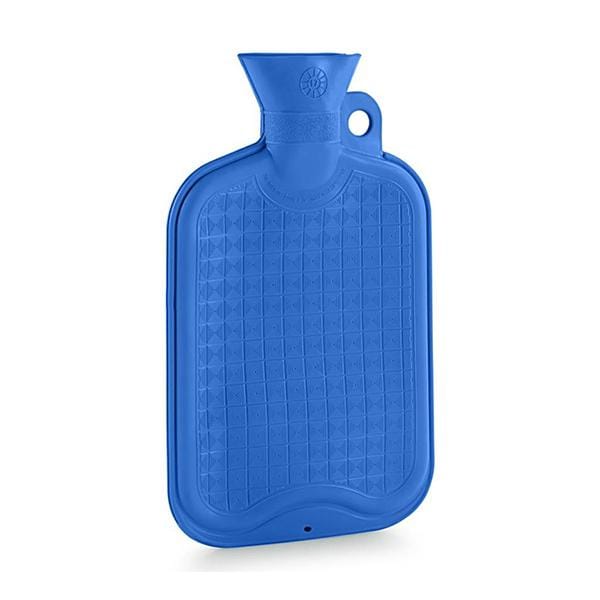
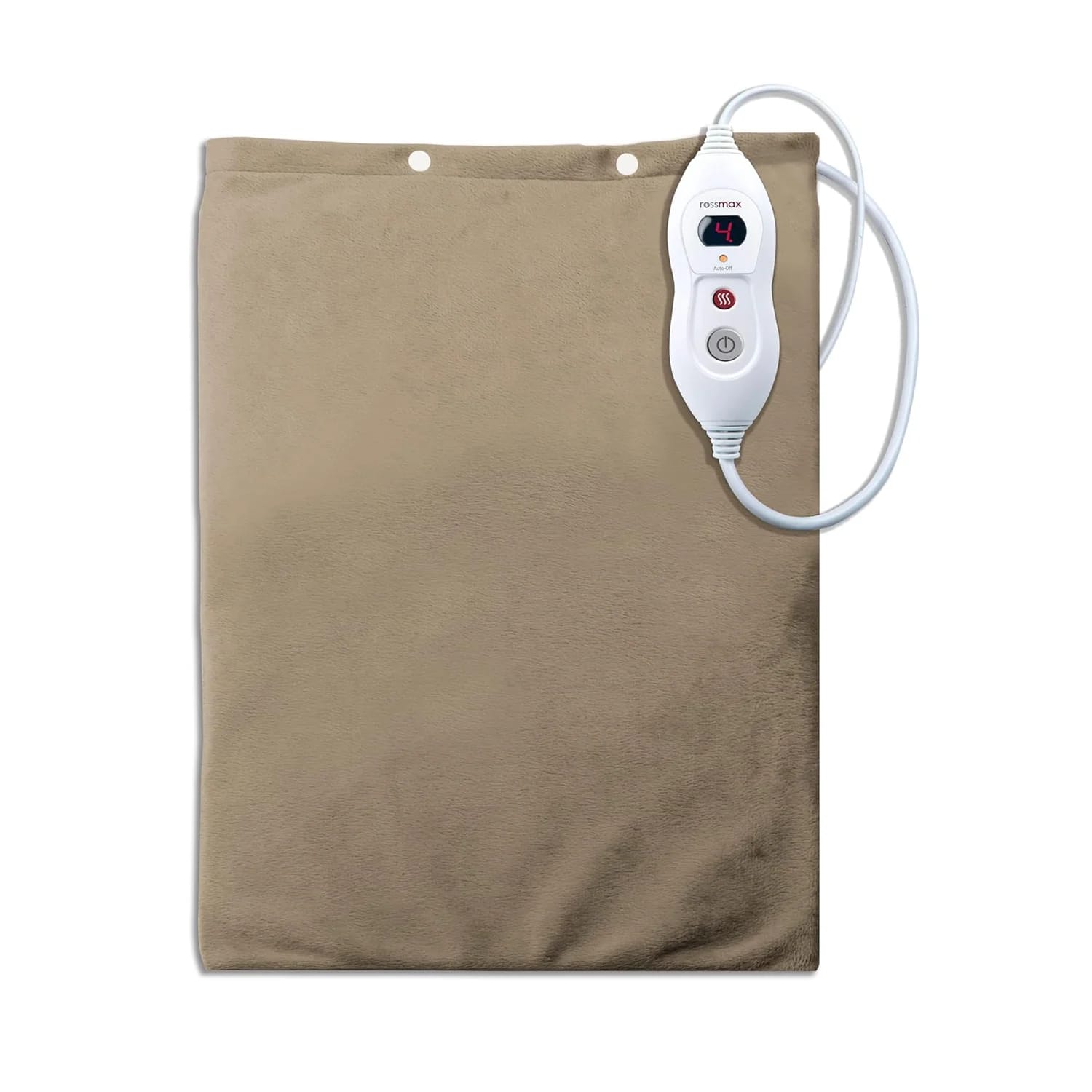
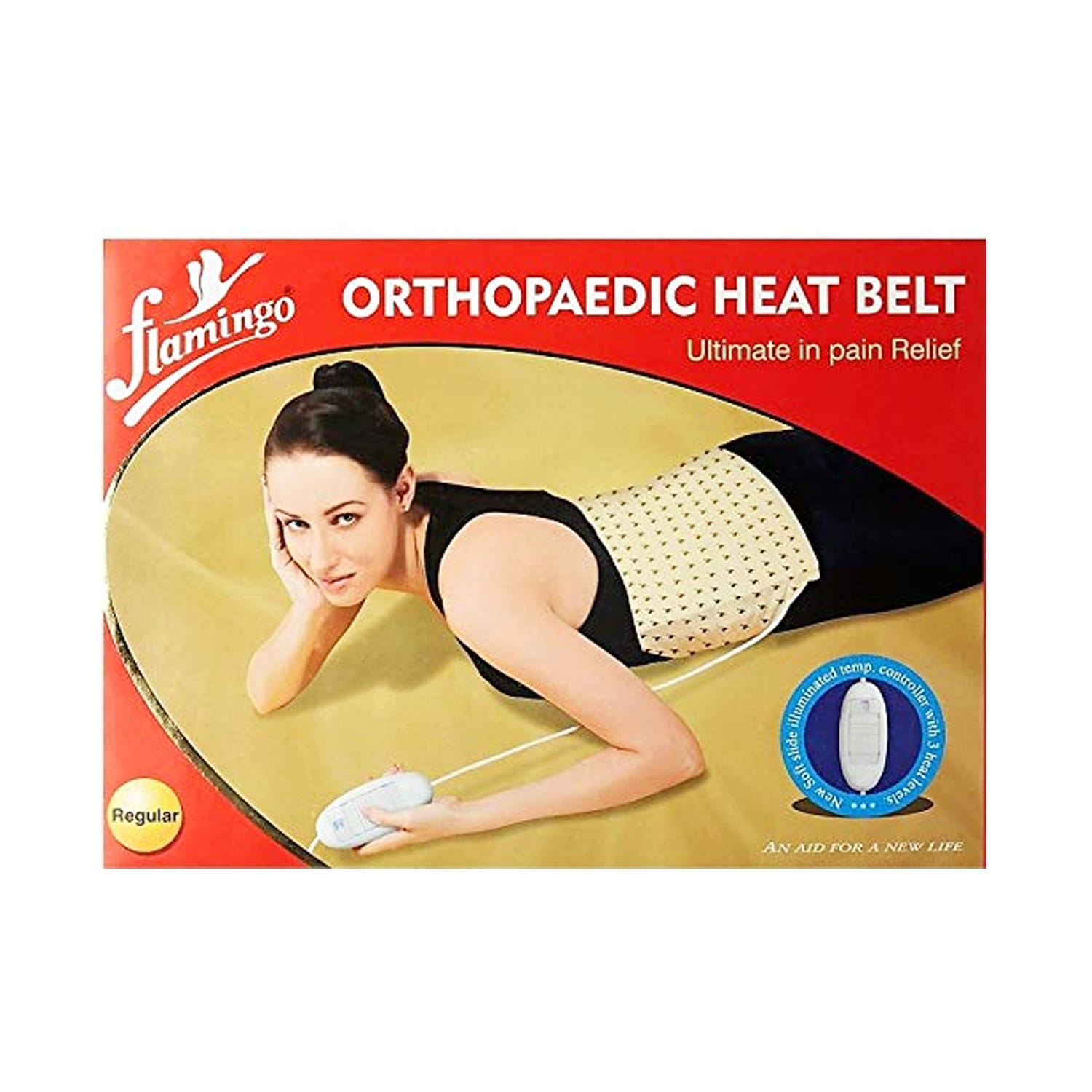
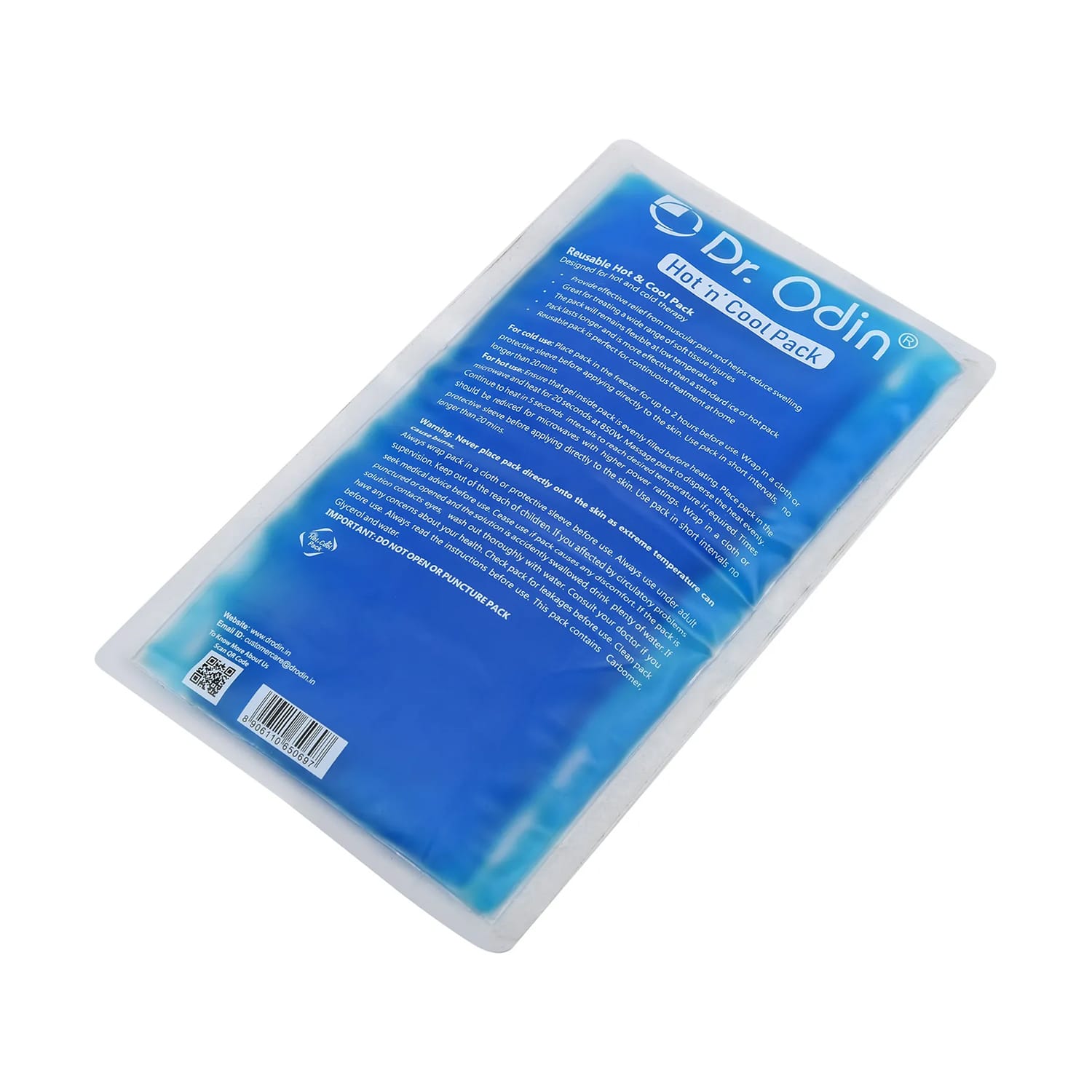
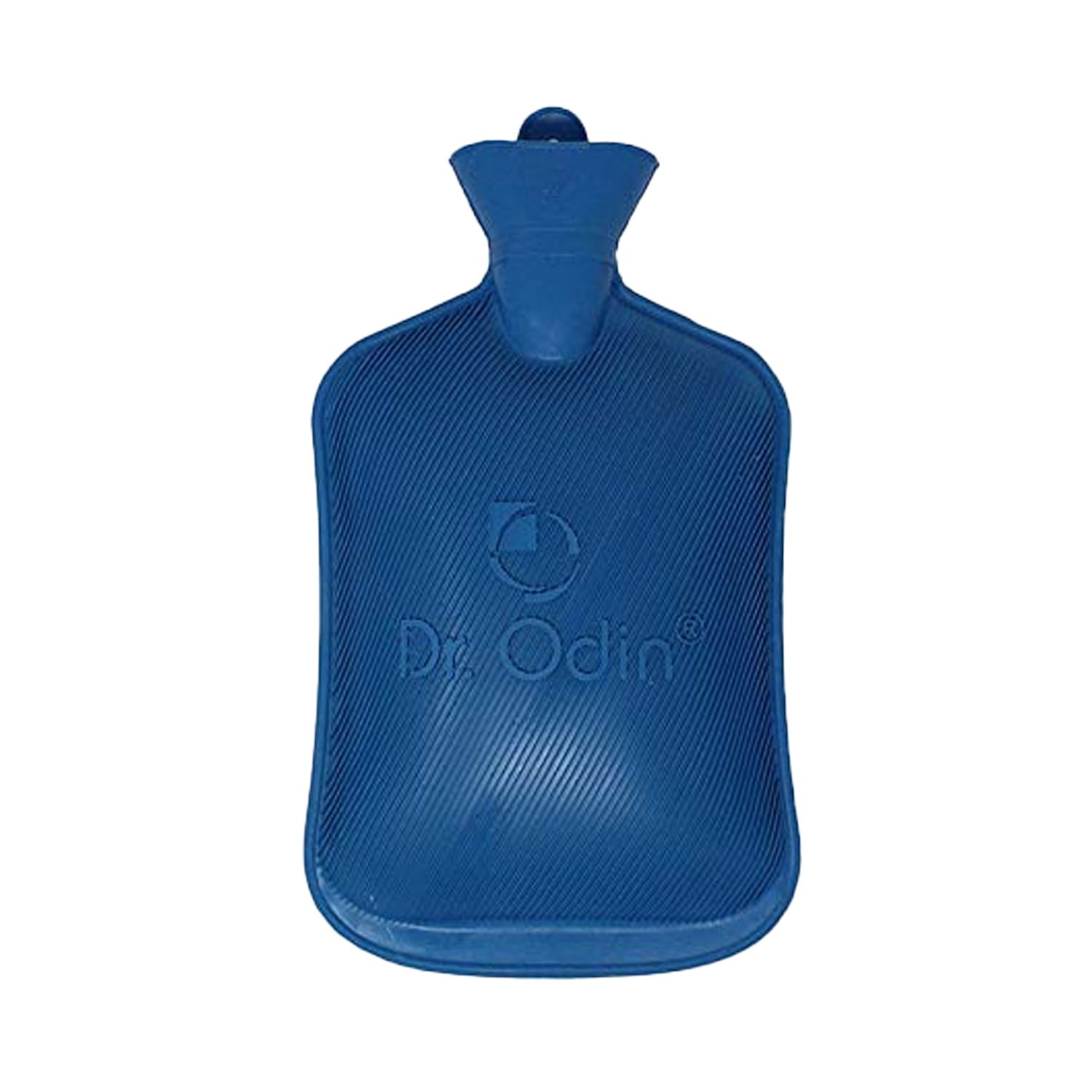
Cold or heat therapy depending on the condition
Pain relief medications as prescribed
Anti-inflammatory therapies
Physiotherapy to restore strength and flexibility
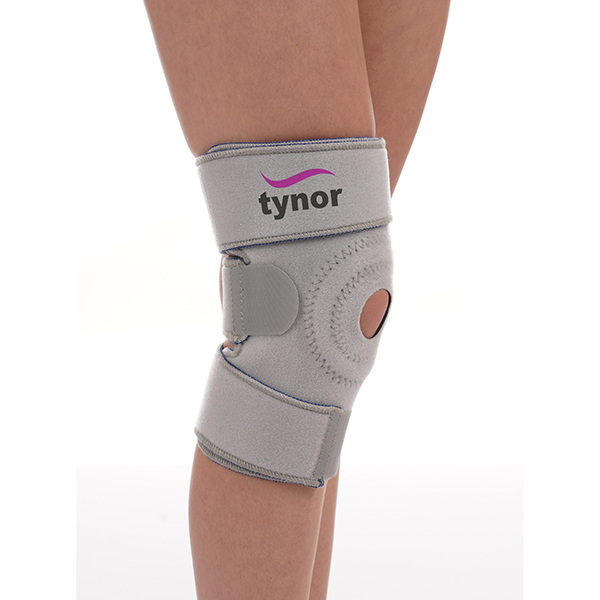
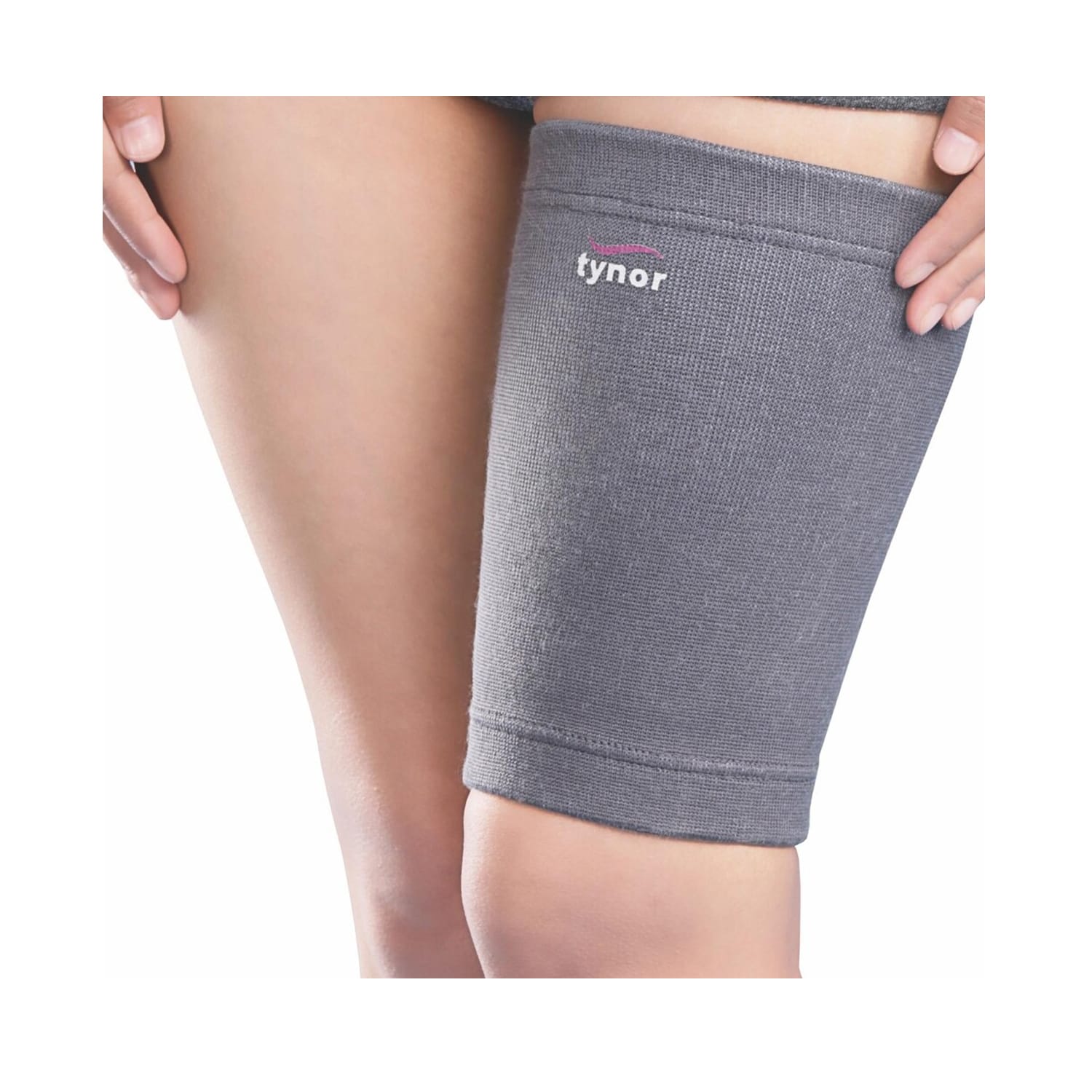
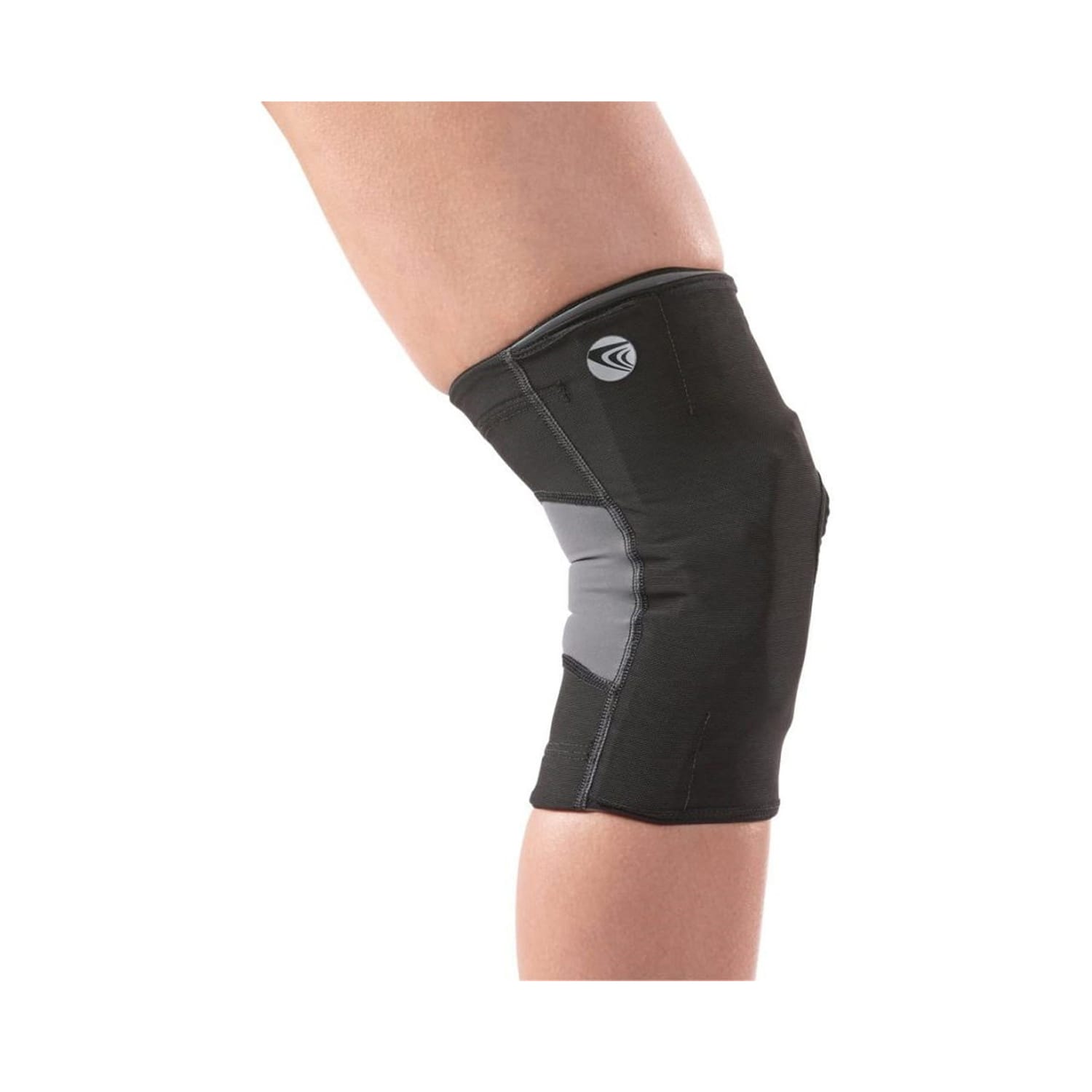
Supportive devices such as braces or compression supports
Lifestyle changes including weight management and posture correction
Preventing Pain and Inflammation
Maintain regular physical activity
Practice proper posture and ergonomics
Warm up before exercise and stretch afterward
Eat a balanced diet rich in anti-inflammatory nutrients
Manage stress effectively
Avoid repetitive strain and overuse injuries
Complications of Untreated Pain and Inflammation
Chronic pain conditions
Joint stiffness and reduced mobility
Muscle weakness
Tissue damage or degeneration
Sleep disturbances
Reduced productivity and daily functioning
Specialist to Consult for Pain and Inflammation
Orthopedic Specialist: For bone, joint, and muscle-related pain
Rheumatologist: For inflammatory and autoimmune conditions
Physiotherapist: For rehabilitation and pain management
FAQ
Which product is best for pain and inflammation relief?
Products that provide targeted support such as pain relief gels, compression supports, or heat therapy devices are commonly used for pain and inflammation relief. Choosing the right product depends on the affected area and intensity of pain.
Do pain relief gels help reduce inflammation?
Pain relief gels help soothe inflamed muscles and joints by improving blood circulation at the application site. Regular use can support faster relief from swelling and stiffness.
Are pain relief patches effective for inflammation?
Pain relief patches provide continuous localized relief and are effective for managing inflammation and muscle discomfort. They are especially useful for people who need long-lasting pain control without frequent application.
Which support belt or brace is best for inflammatory pain?
Support belts and braces help stabilize joints and reduce strain, which supports pain and inflammation management. They are commonly used for back, knee, or joint inflammation.
Can topical pain relief products cause side effects?
Topical gels, sprays, and patches are generally safe and act locally, with occasional side effects like mild skin irritation or redness when overused.
Can long-term use of painkiller tablets cause health issues?
Prolonged or frequent use of painkiller tablets can damage the kidneys, liver, and stomach, and should only be taken under medical supervision.