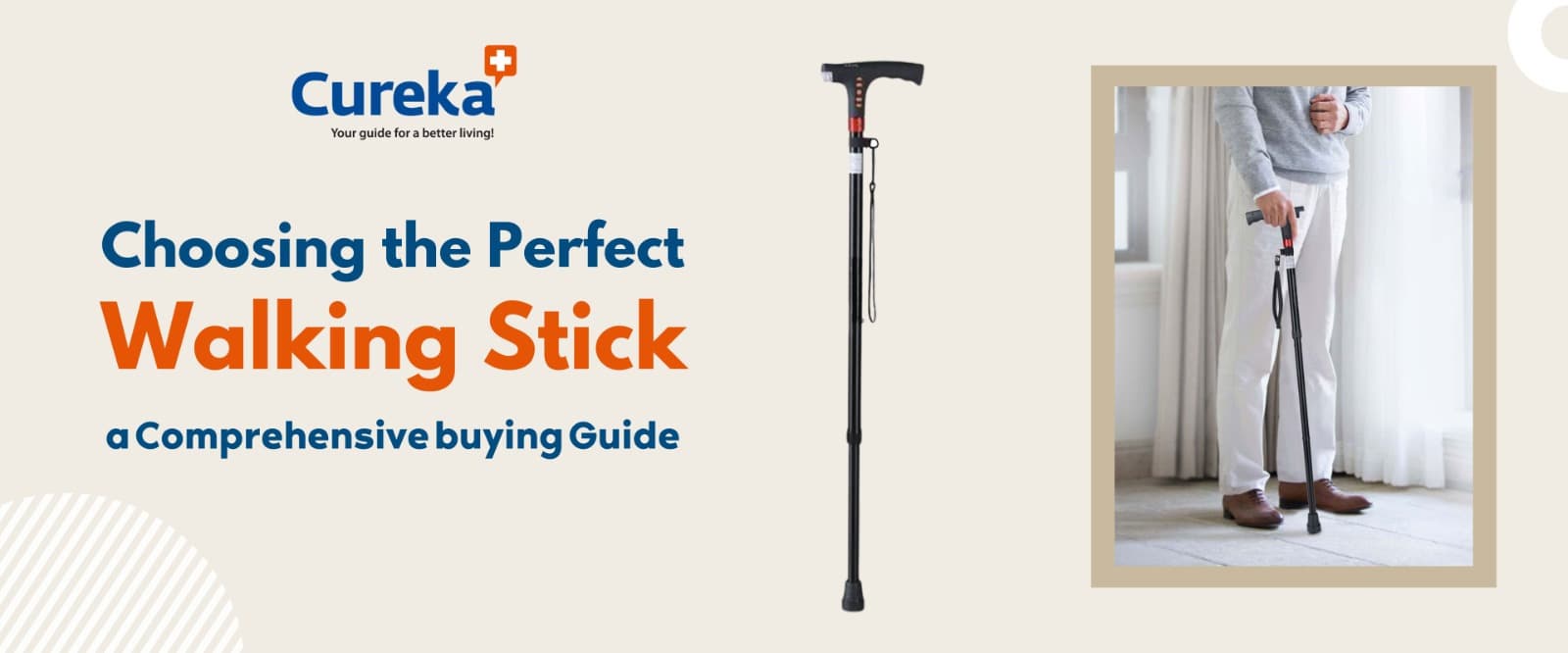
A walking stick can make a remarkable difference not just in your mobility, but also your confidence. Choosing the perfect walking stick will help in your comfort and stability while walking. This comprehensive buying guide helps you make the right choice.
Material:
Walking sticks can be made from various materials, each offering different advantages. Identifying the right one that will fulfill all your needs should be on the top check-list.
Aluminum: Lightweight and durable, suitable for everyday use and long-term benefits.
Carbon Fiber: Extremely lightweight and strong, ideal for long-distance walks.
Wood: Classic and aesthetically pleasing, but might be little heavy to lift.
Handle Grip:
The handle grip is crucial for comfort and ease of use. If you need a walking stick for constant use, make sure you are choosing the one which does not cause any blisters / sores on your hands and palms. Common handle styles of stick include:
Standard / U-shaped Handle: Simple, comfortable grip for regular use.
Contoured Handle: Ergonomic design reduces hand fatigue.
T-shaped Handle: Offers additional support and stability.
Height and Adjustability:
Your stick's height is essential for proper posture and weight distribution. A good guideline is to have your elbow bent at a comfortable angle, around 15-20 degrees, when holding the stick. Adjustable sticks are most preferable, allowing you to customize the height according to your needs or share it with others.
Wrist Strap:
If you are having imbalance issue, look for a stick with a wrist strap or loop. It helps prevent dropping the stick and reduces hand fatigue, as you can let go of the grip momentarily without setting the stick down.
Bottom style and pods:
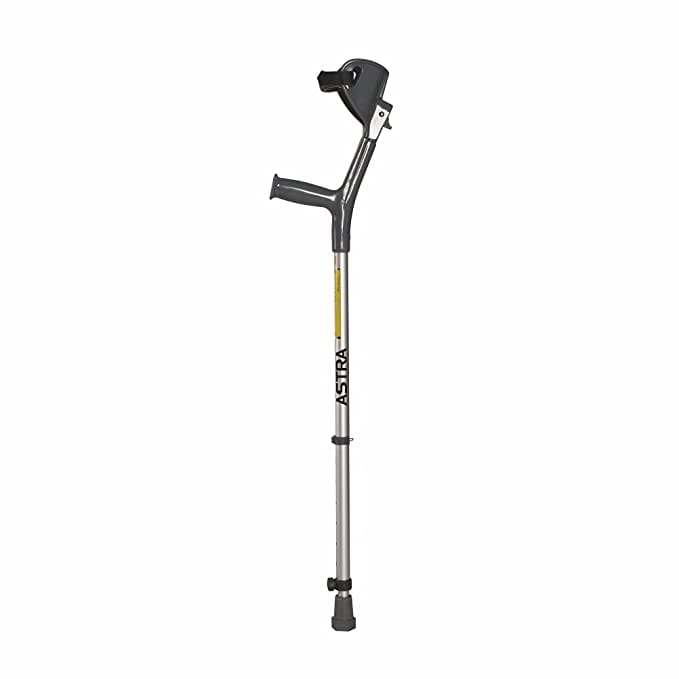
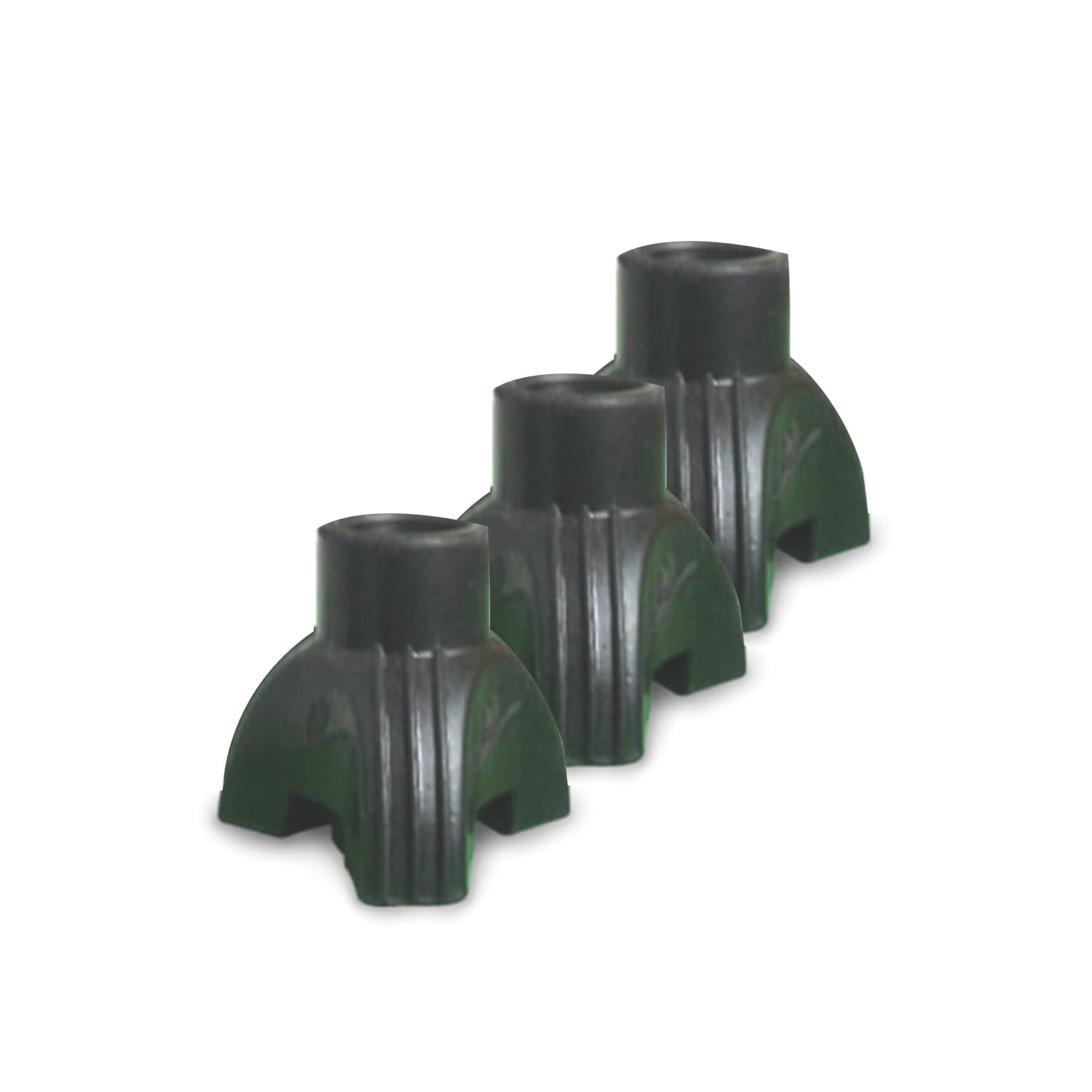
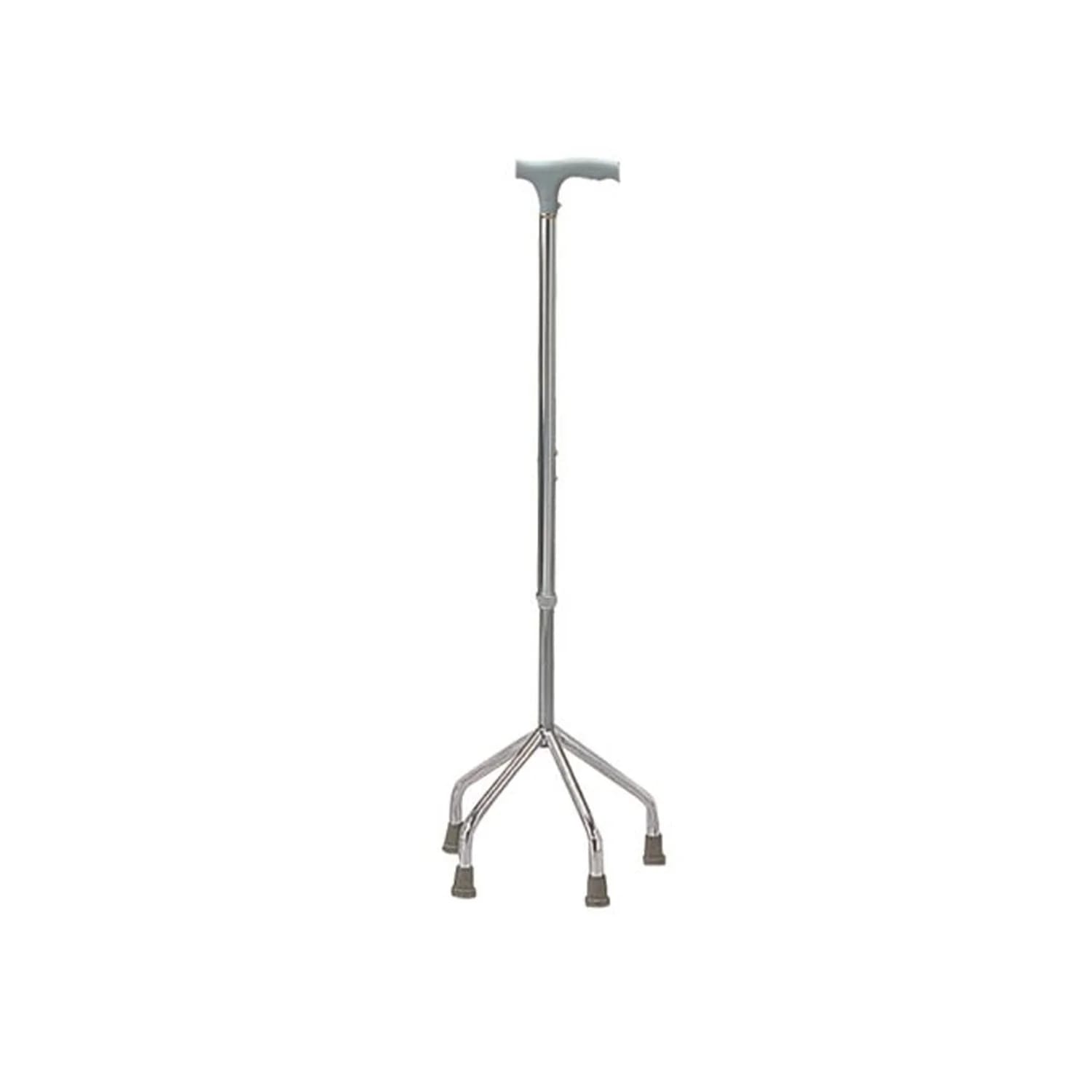
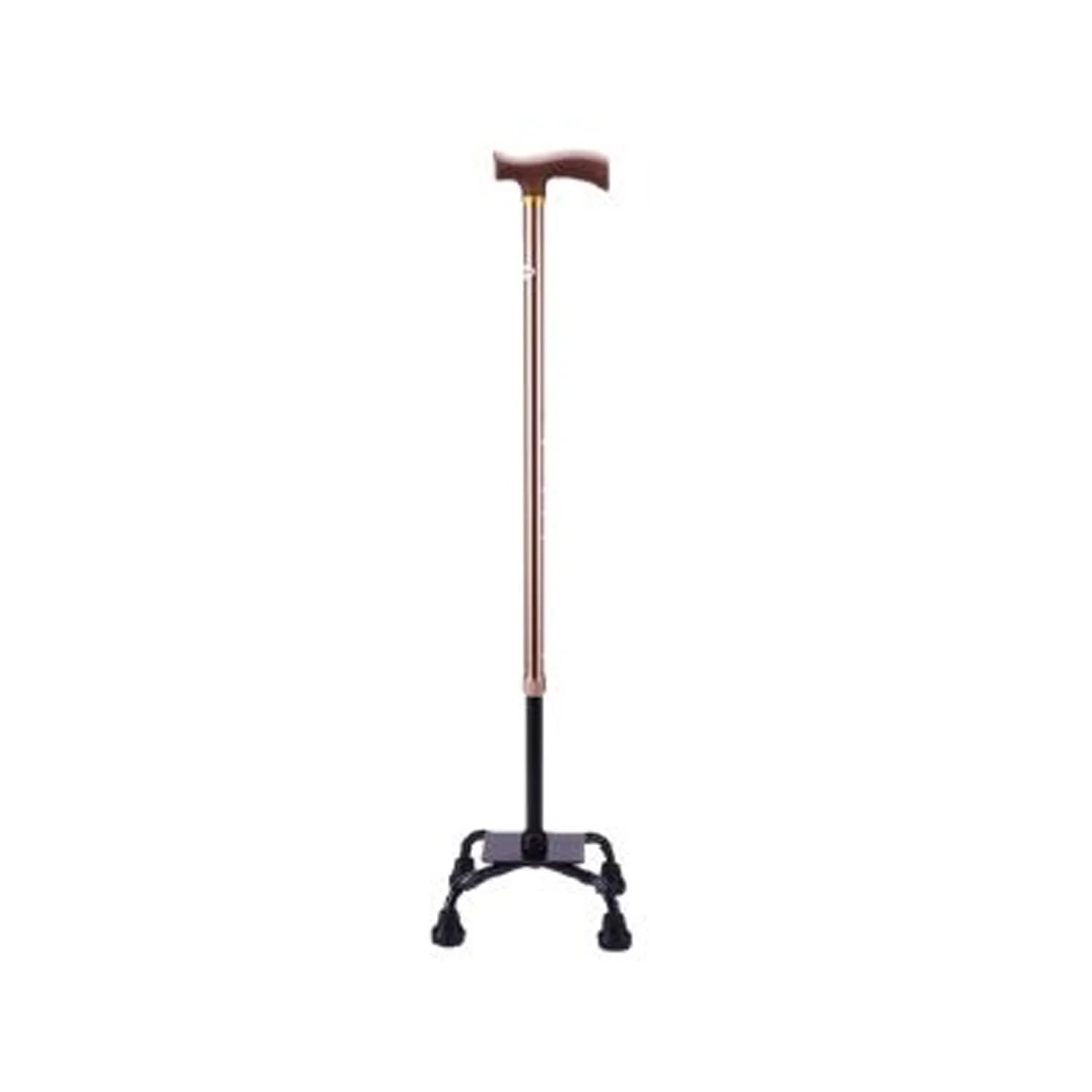
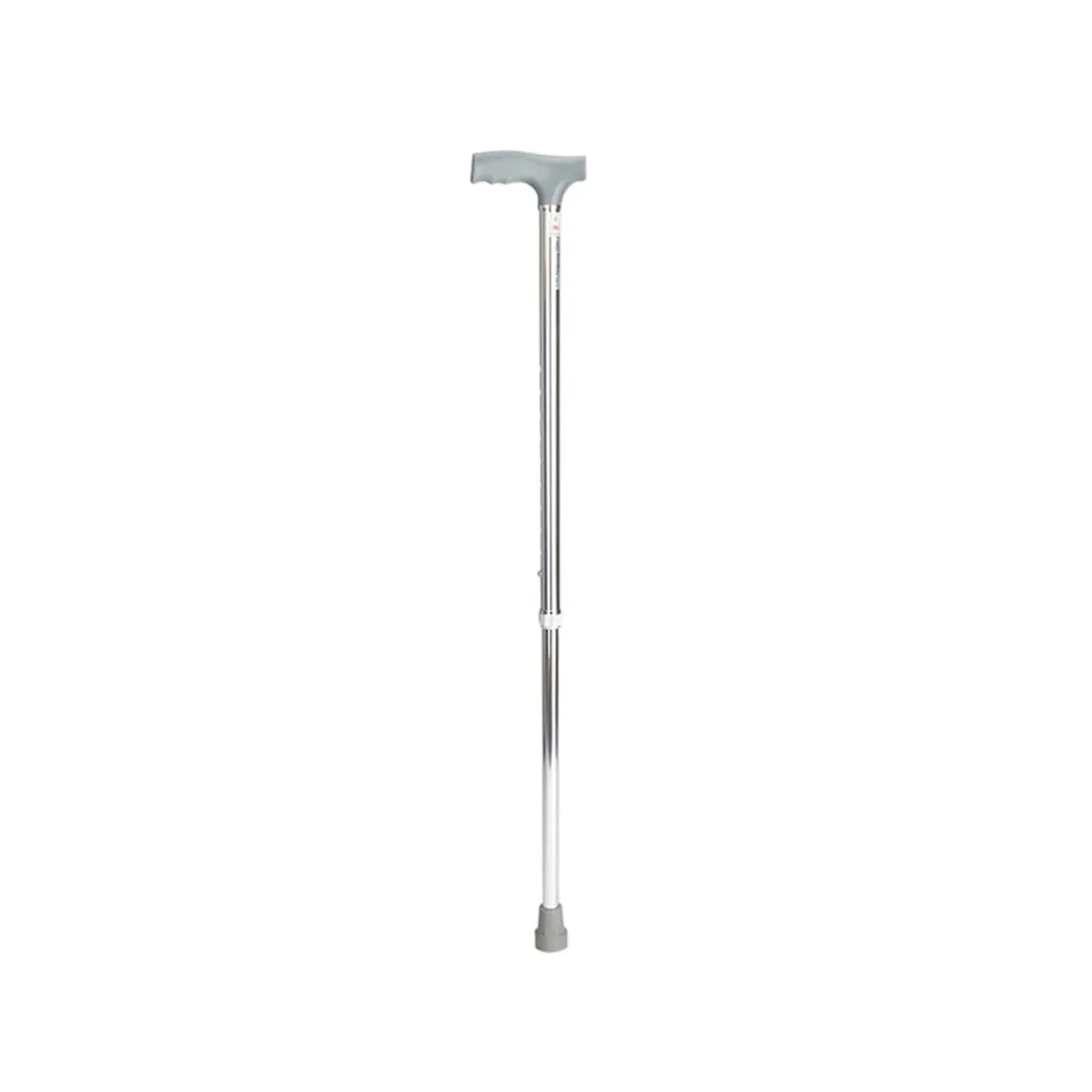
The bottom of the stick is essential for stability. Regular, tripod and quadripod are the common types; identify the right one based on your stability and balance issues. Regular walking stick typically consists of a single shaft with rubber tip. Tripod and quadripod has tri-leg base and four-leg base respectively, providing greater stability than a regular one.
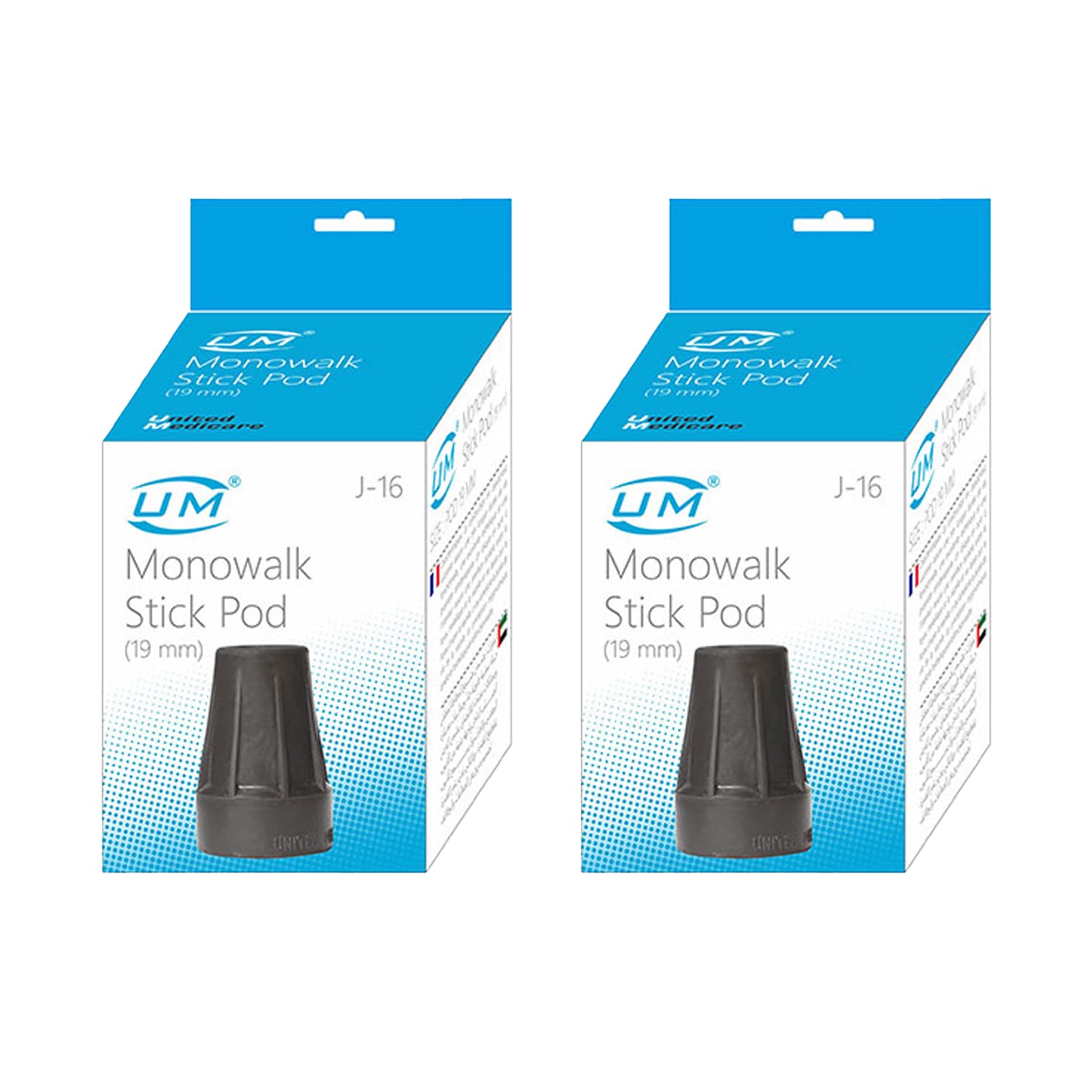
Pods are another thing to be considered for ensuring a safe walk. Make sure, the bottom pods of your walking stick are slip-resistant and suitable for all terrains. Don’t forget to replace the pods at frequent intervals or when they are shown signs of damage.
Shock Absorption:
Some walking sticks come with shock-absorbing features, these are designed to reduce the impact on the body while walking. These type walking sticks can be beneficial if you have joint issues, joint pain, arthritis or balance issues, and provide a more comfortable experience.
Weight Capacity:
Make sure to check the weight capacity of the walking stick, especially if you need extra support due to your body weight or other conditions.
Foldability:
Foldability: If you travel frequently or need to store the stick in limited space, a foldable or telescopic design might be suitable.
Extras: Some walking sticks have seating feature, torch light, alarm, radio or side pouch. Choose as per your needs.
Pro tips:
Try Before Buying: Whenever possible, try out the walking stick before making a purchase. Test its grip, height, and overall comfort to ensure it's the right fit for you.
Check out designs: Walking sticks come in various styles, colors, and patterns, allowing you to choose one that suits your taste.
Extra support: You can choose walking sticks with advanced features like torch light, FM radio, alarm or seating options.
Take away,
Identify your specific needs and preferences into account while making your decision on choosing the walking stick. Investing in a high-quality walking stick that suits your requirements can greatly enhance your walking experience and overall mobility