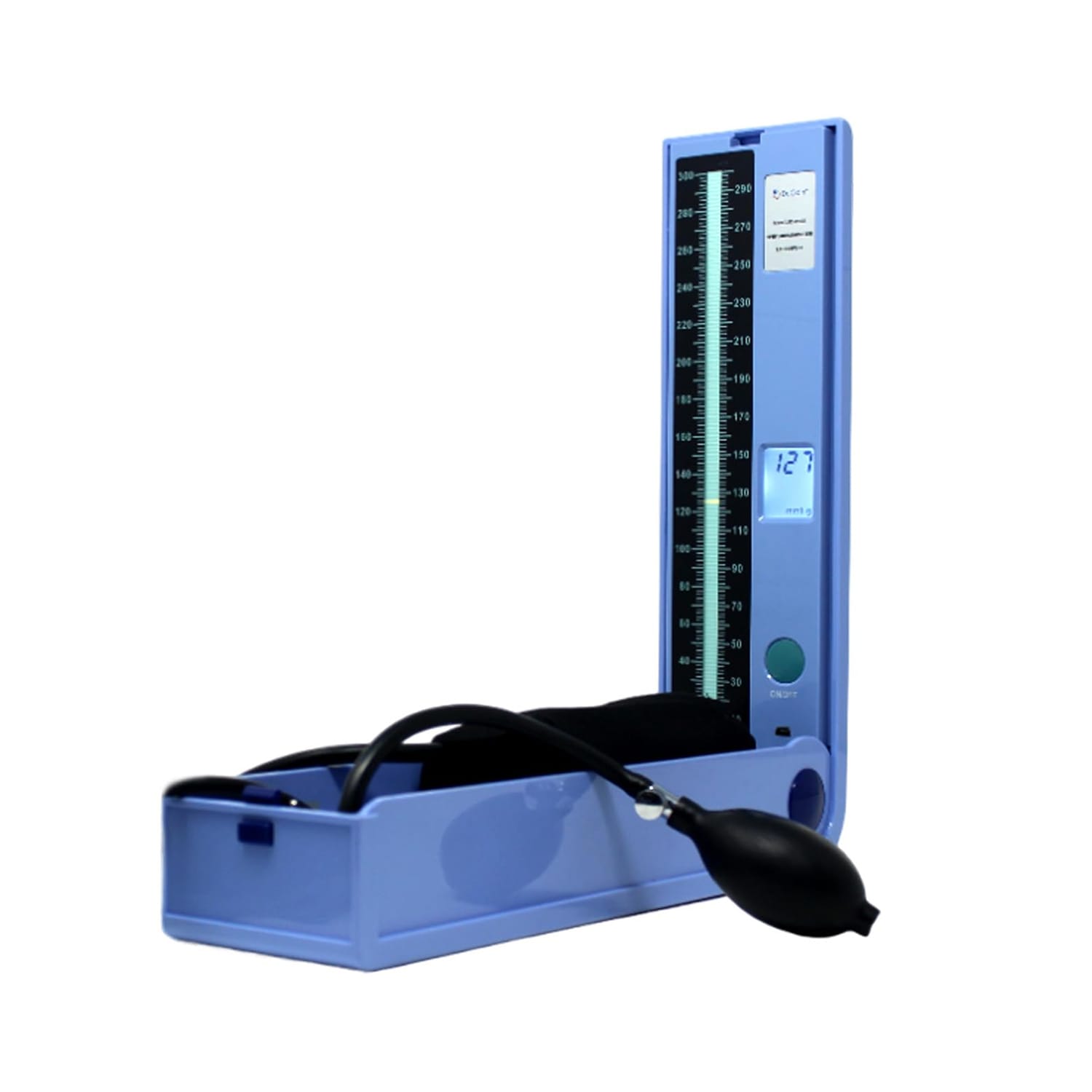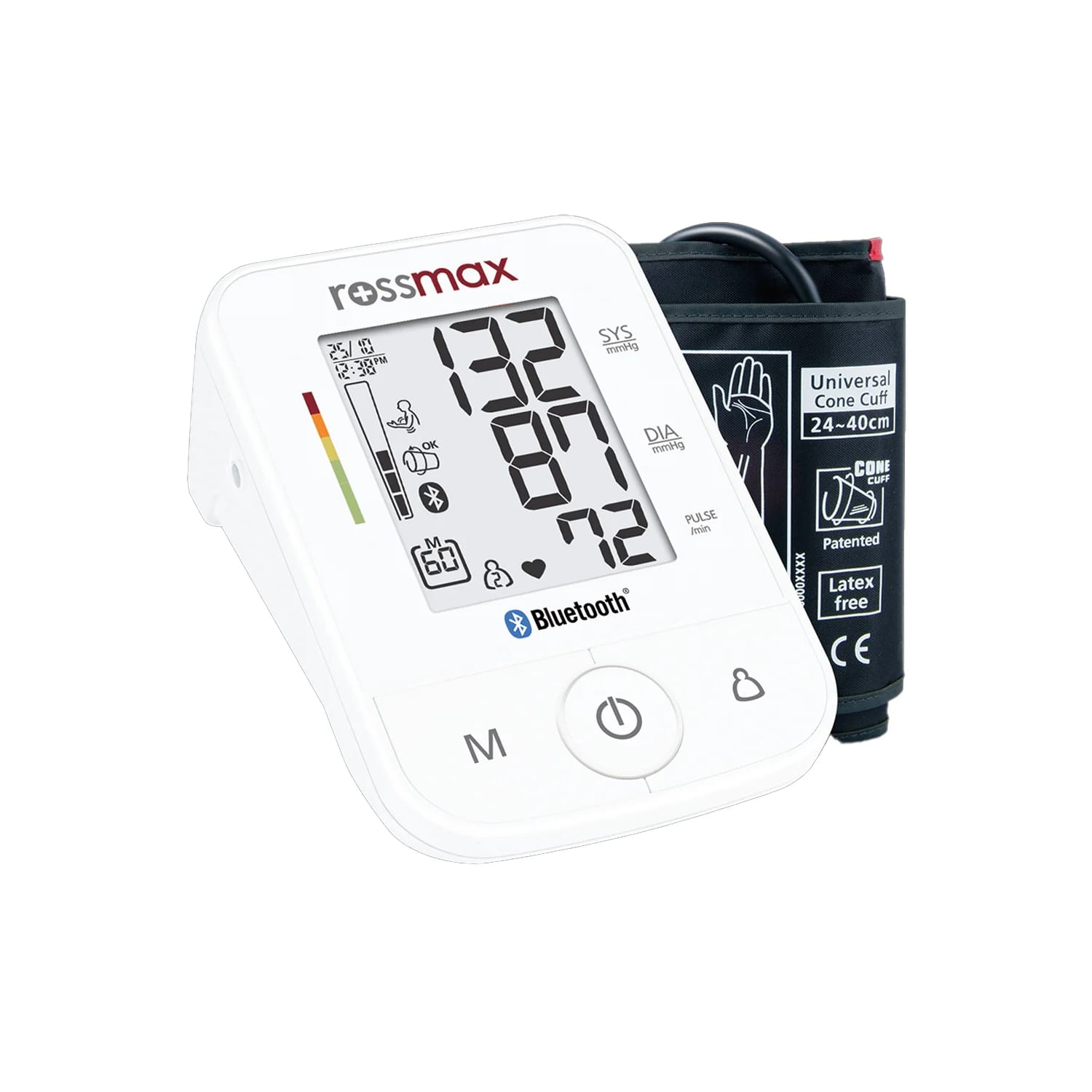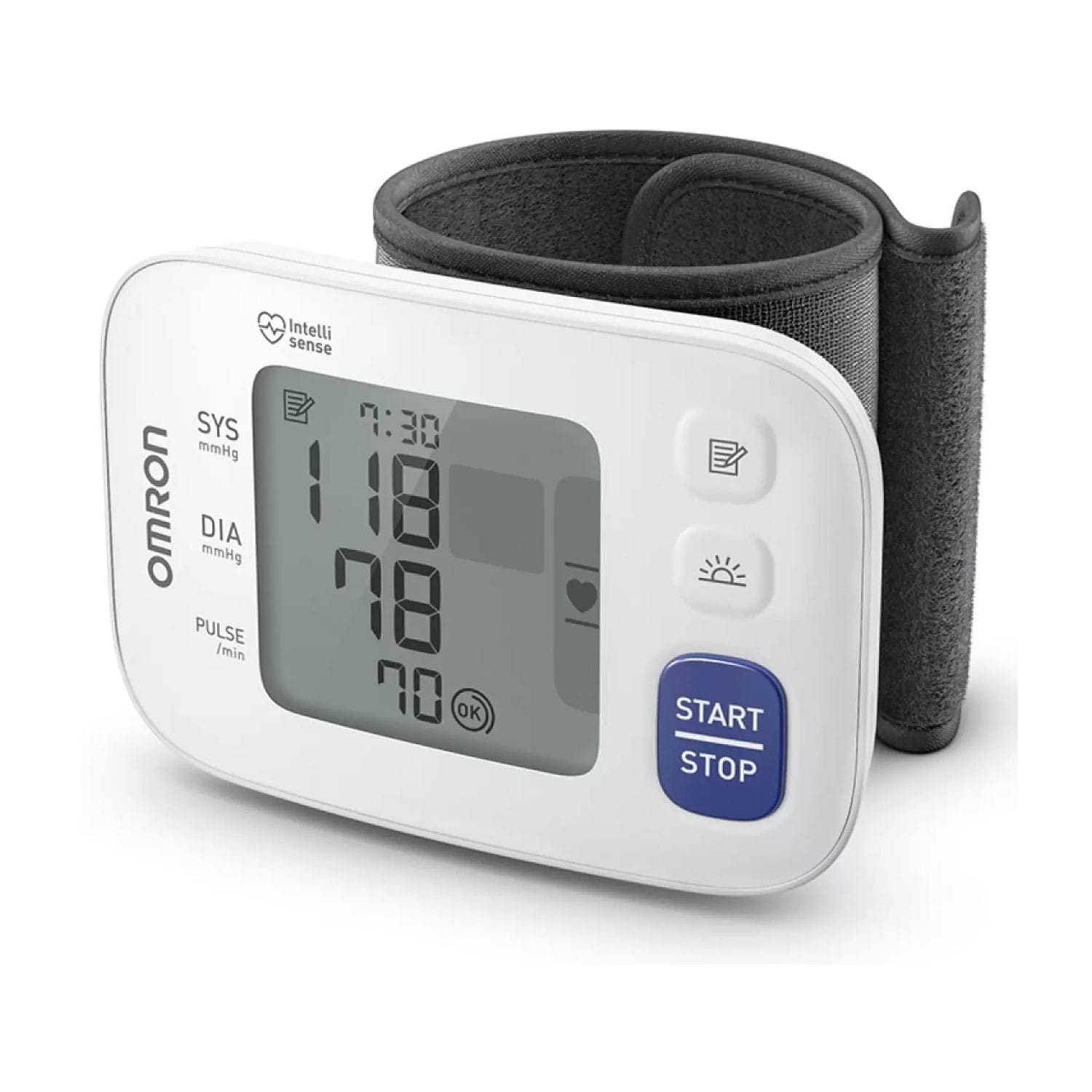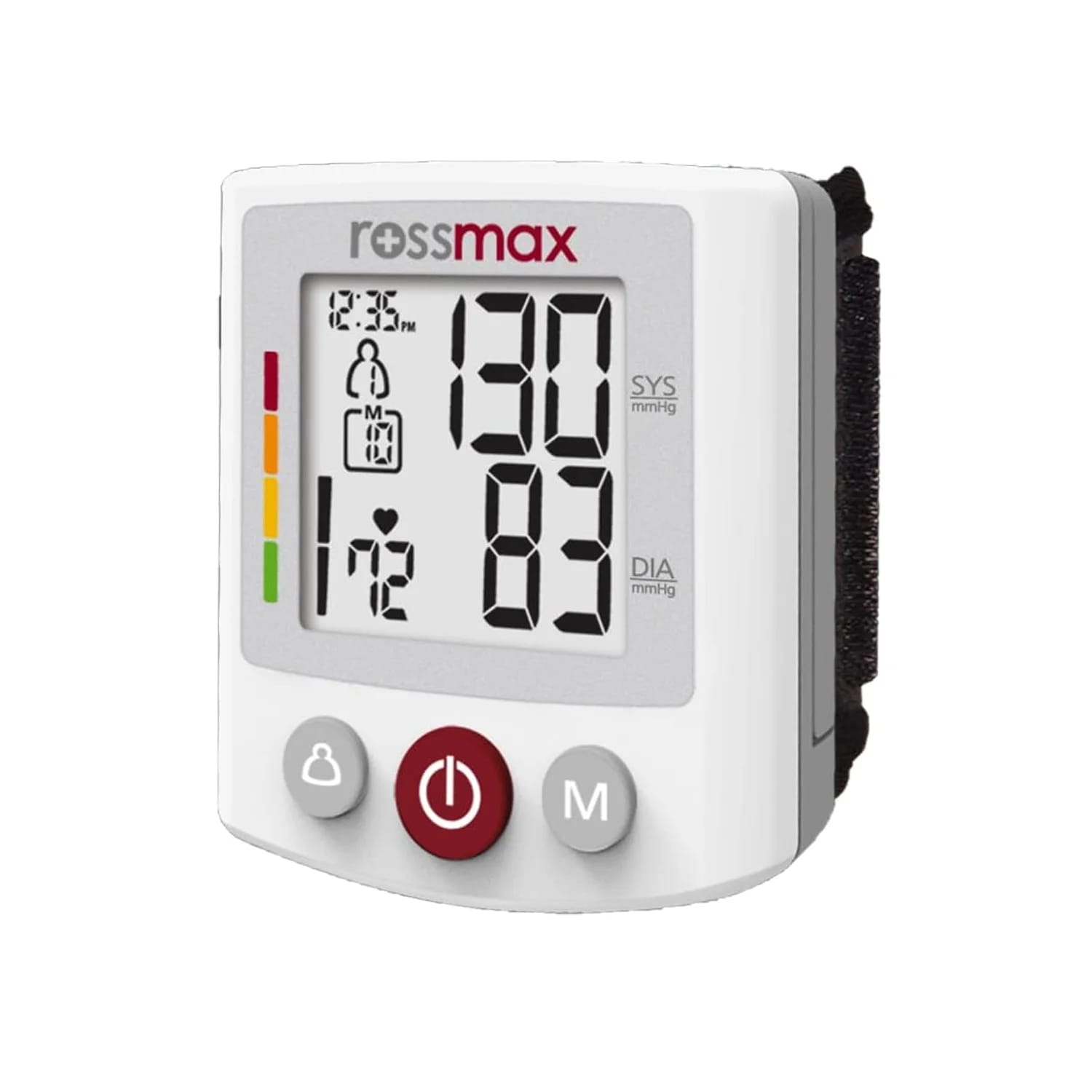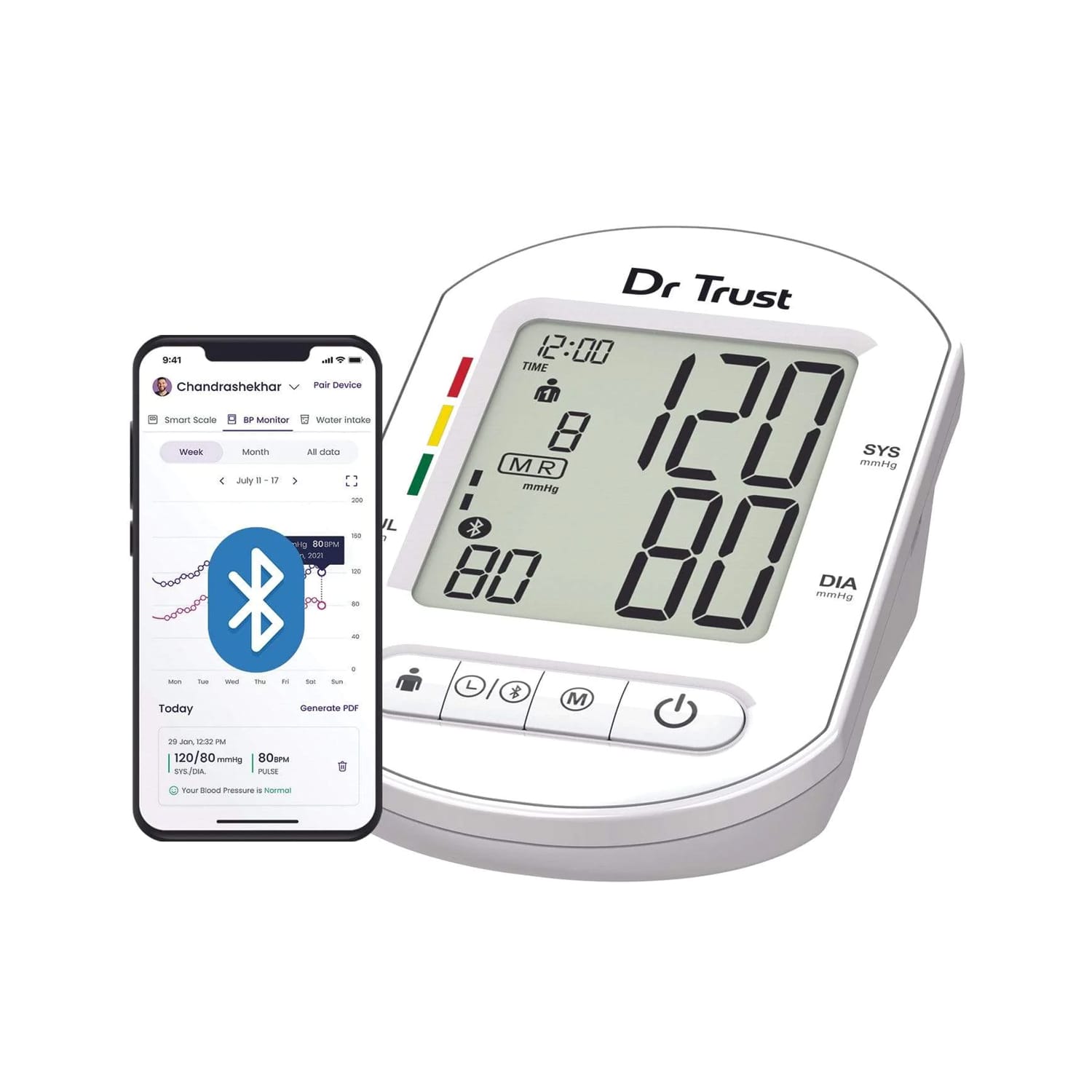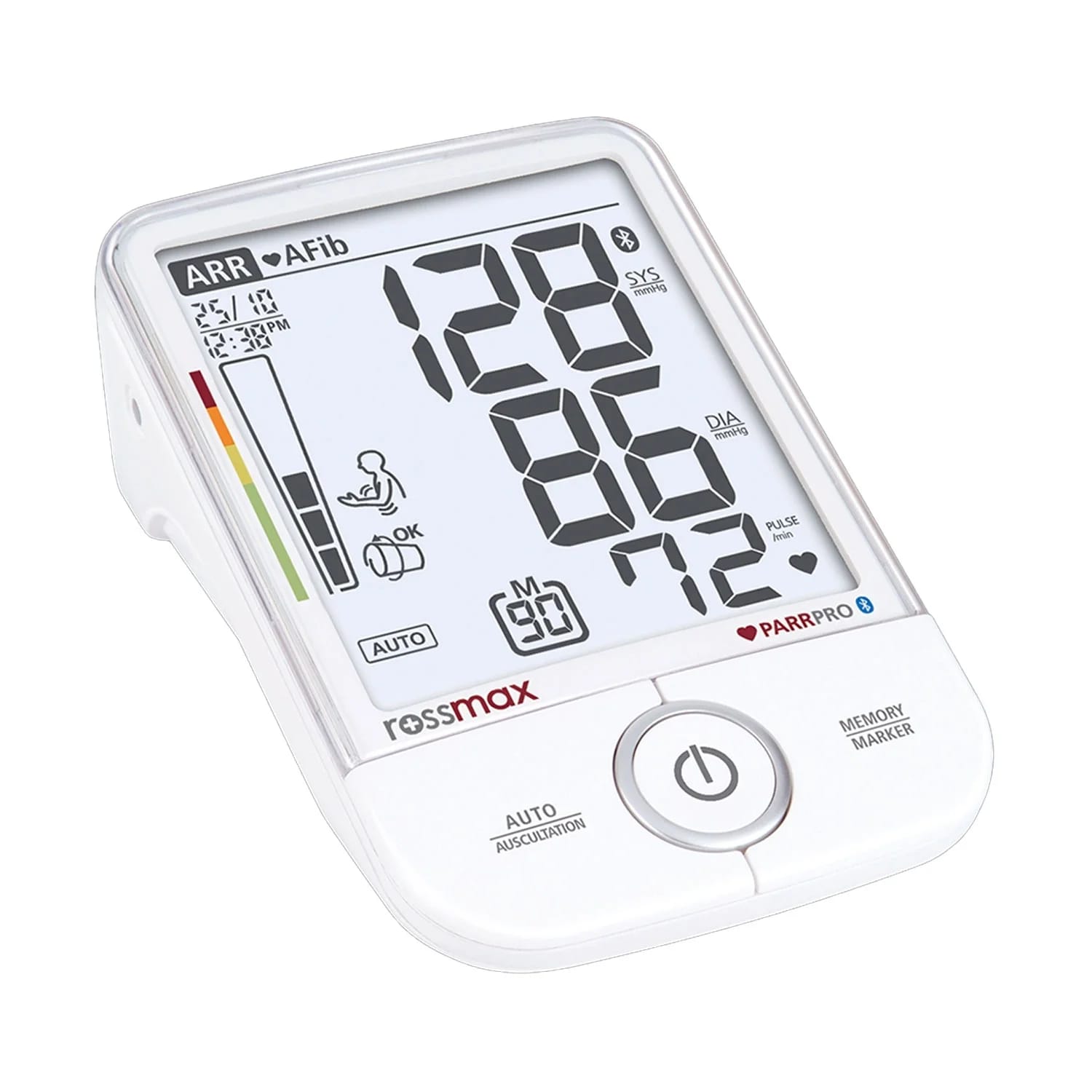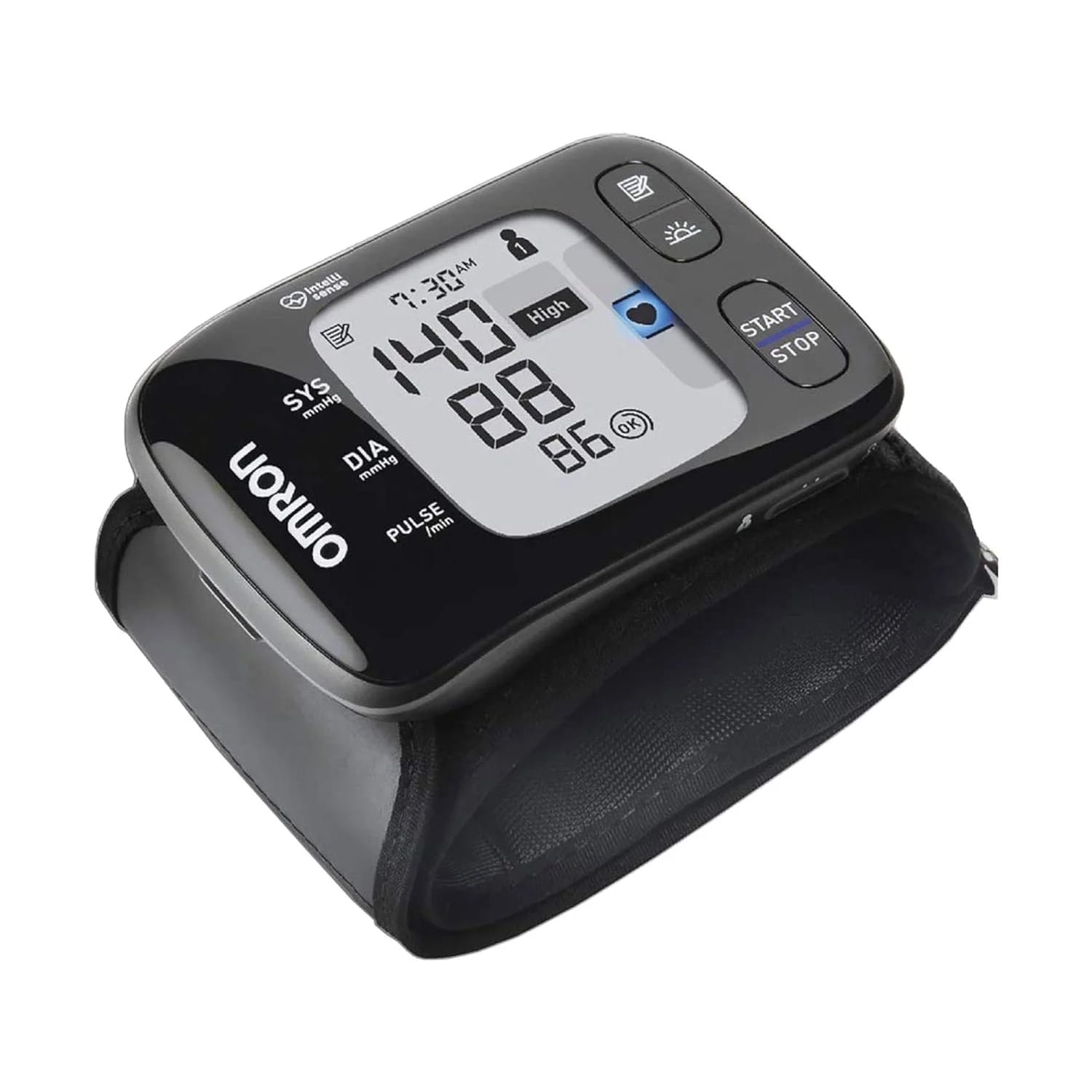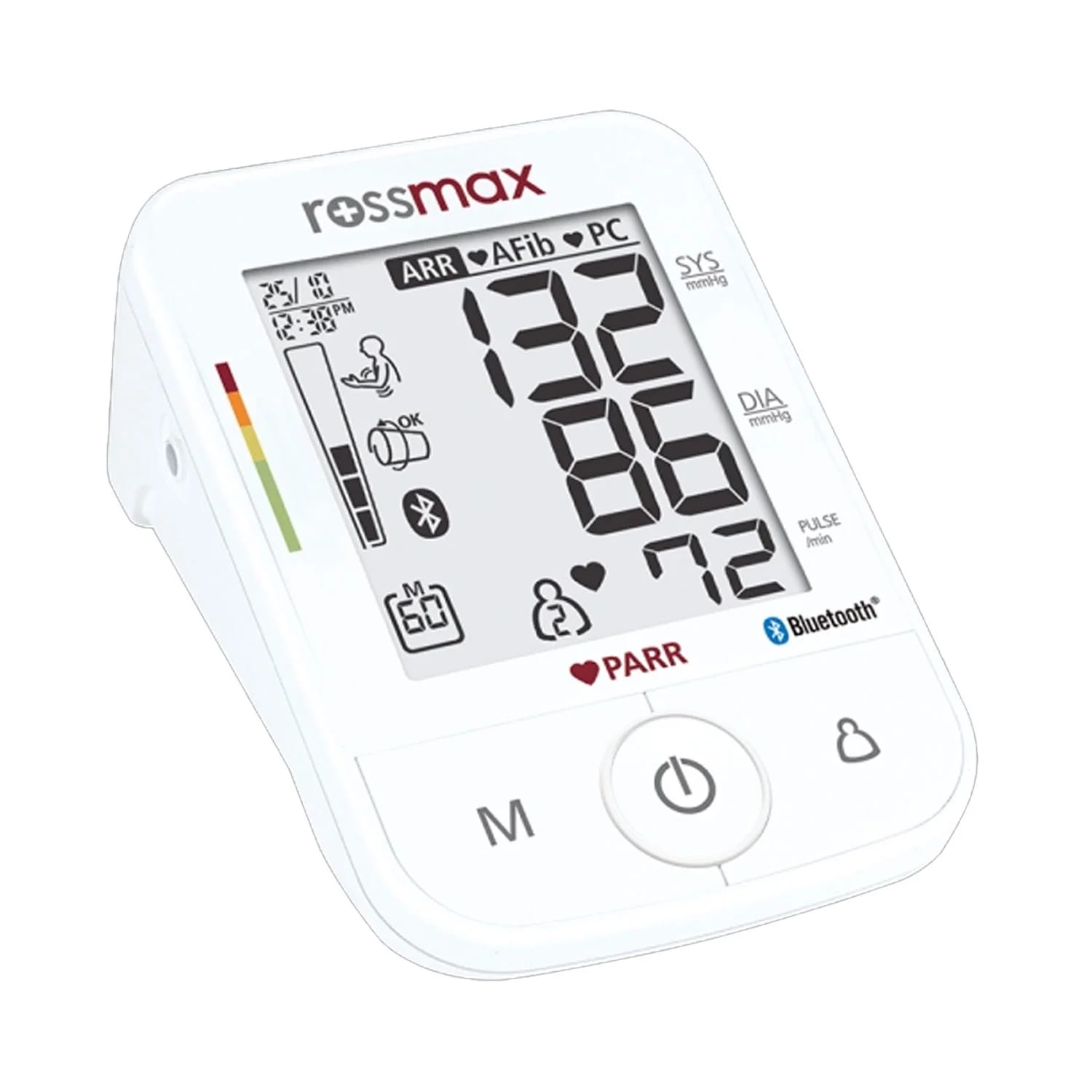



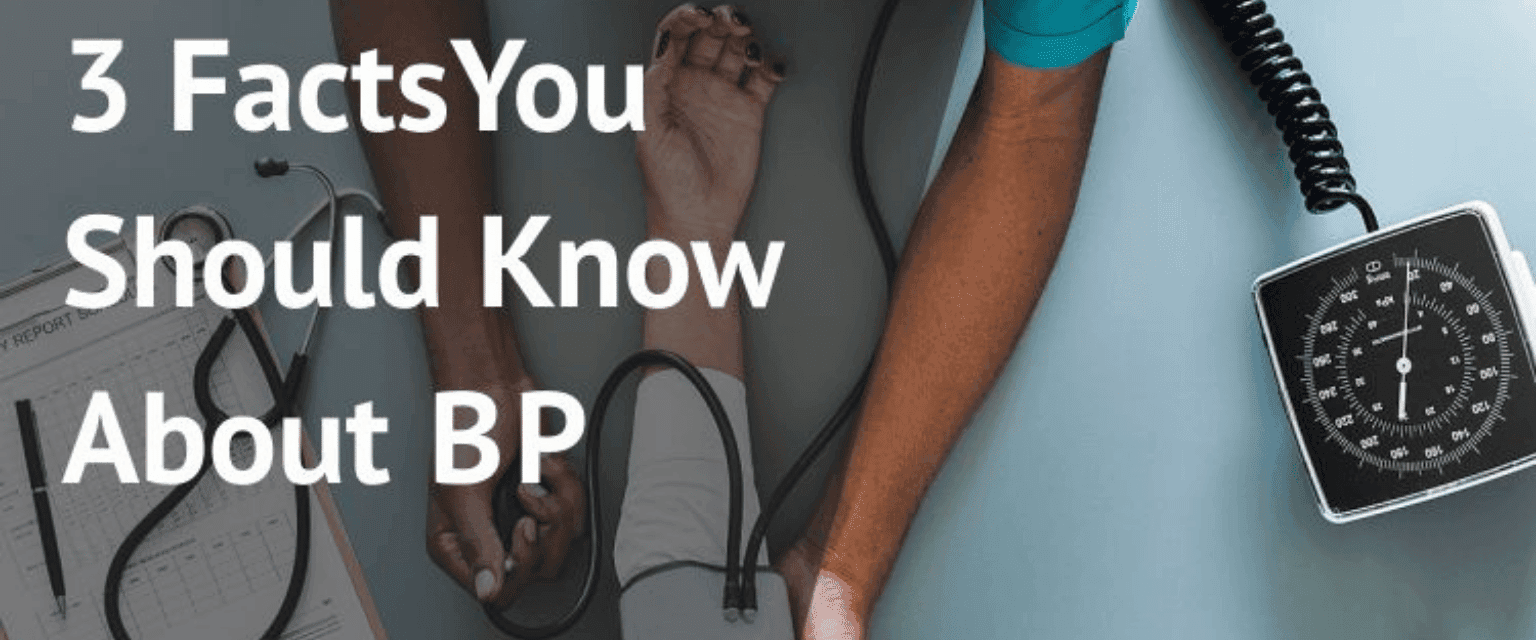
High blood pressure is known as the "silent killer" because it usually has no noticeable symptoms. Many people don’t know they have high BP as a result it ends up causing heart attacks, kidney failure, or strokes.According to the new guidelines, if your BP is over 130/80 mm Hg (millimeters of mercury), it’s considered high. Buy health equipment online and act promptly to check the BP and avoid long-term complications.
Here, we have shared a few things about BP that you need to know.
1. Medication and Lesser-Known Health Conditions that Cause High BP
The health conditions like sleep apnea, chronic kidney disease, asthma, and thyroid problems can raise your BP.Regular medication is needed to control BP. Did you know over-the-counter cold prescription medication also raises your blood pressure? So, ask suggestion to your doctor to avoid medication interactions.
2. Heart Attack And Stroke Is The Sign That You Have High BP
If you have high blood pressure, it’s critical that you and those around you recognize the signs of a heart attack or stroke. Yes, heart attack and strokes are common emergencies related to high BP and can be life threatening. The signs of an impending stroke include slurred speech and blurry vision. So, if someone with you notices your acting strangely, or if you begin to experience these symptoms, visit the hospital as soon as possible.
The signs of a heart attack can differ for women and men.
For Women: Women often complain of sudden-onset of shortness of breath with or without chest pressure, generalized fatigue, and nausea with or without vomiting.
For Men: Men experience chest pressure, nausea with or without vomiting, and cold or clammy skin.
3. Get Your Blood Pressure Checked Regularly
High blood pressure is more common as people age. Yes, the frequency of blood pressure screening depends on the person and their situation. Other risk factors for high blood pressure include smoking, lack of exercise, eating too much salt, and being overweight. It’s recommended that everyone get their blood pressure checked at least once a year in order to avoid facing big issues. For that you have to go for online shopping health equipment , and make a purchase on blood pressure monitor.
Conclusion
Over abillion people worldwide suffer from hypertension. It's predicted to increase by 60% to 1.56 billion in 2025. It's also a leading risk factor for cardiovascular diseases, diabetes, fetal and maternal death in pregnancy, dementia and renal failure. Two-thirds of those with hypertension live in economically developing countries like India, where it's responsible for 57% of all stroke deaths and 24% of coronary heart disease deaths. So, be aware and take care of your health by purchasing the durable medical equipment online to monitor your blood pressure level regularly.