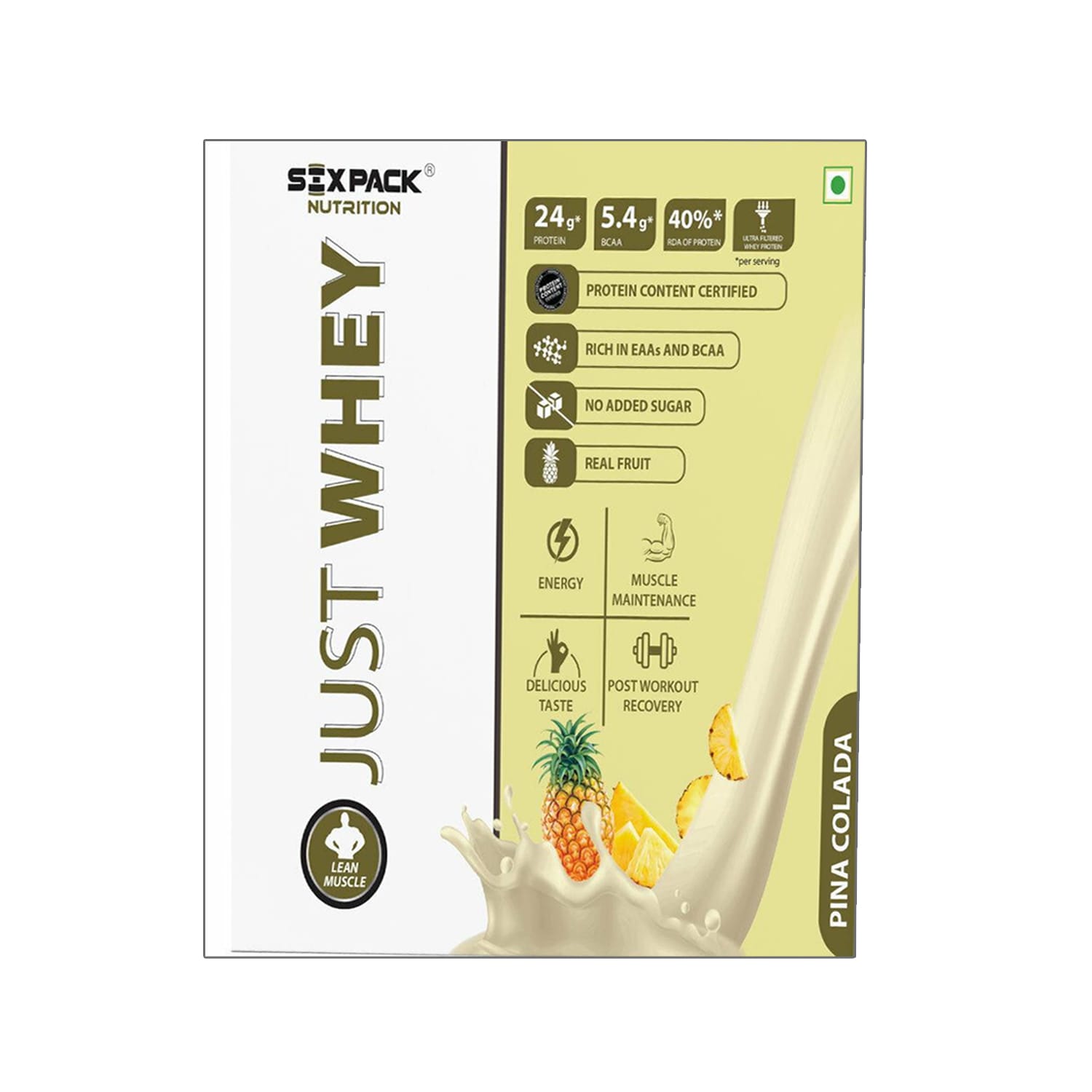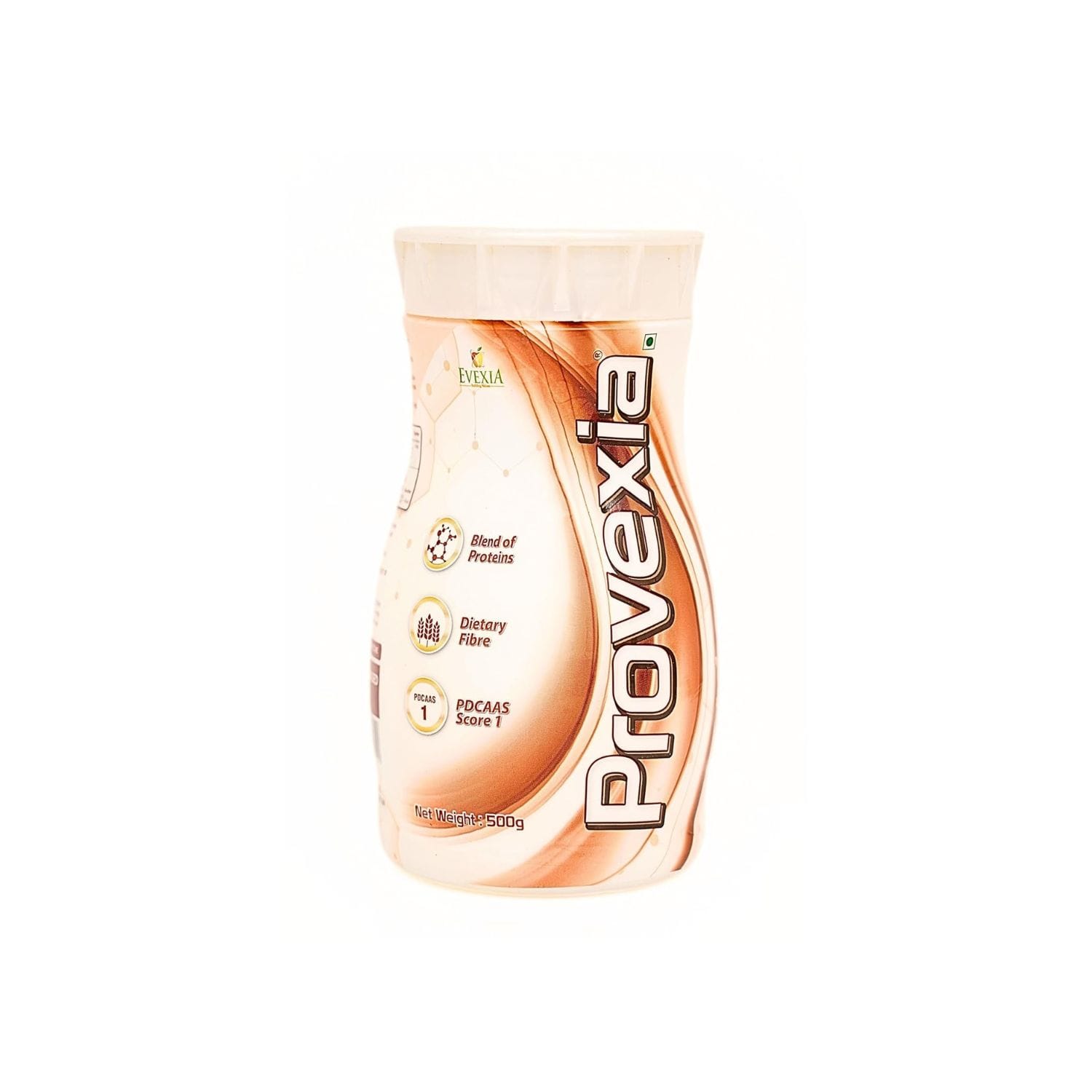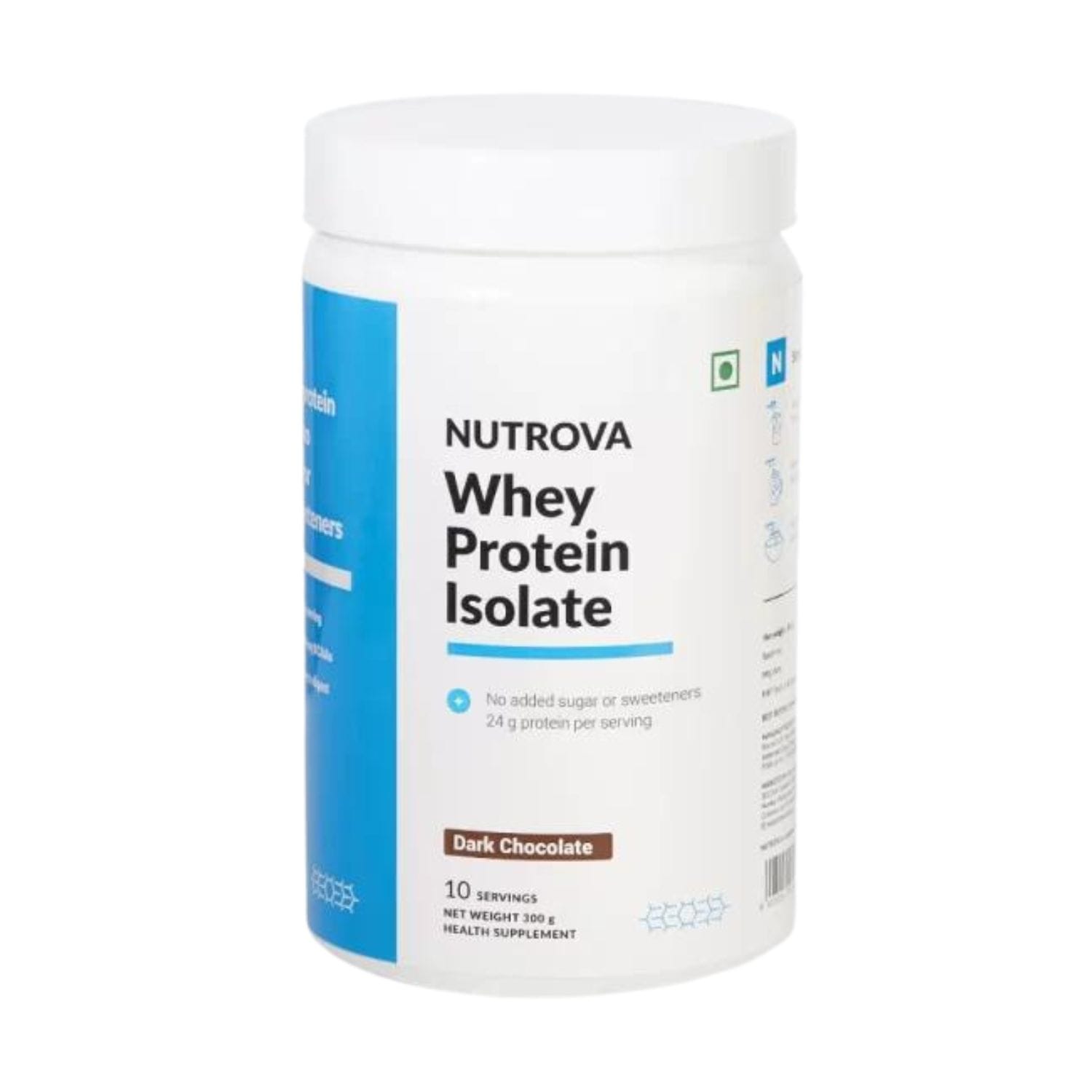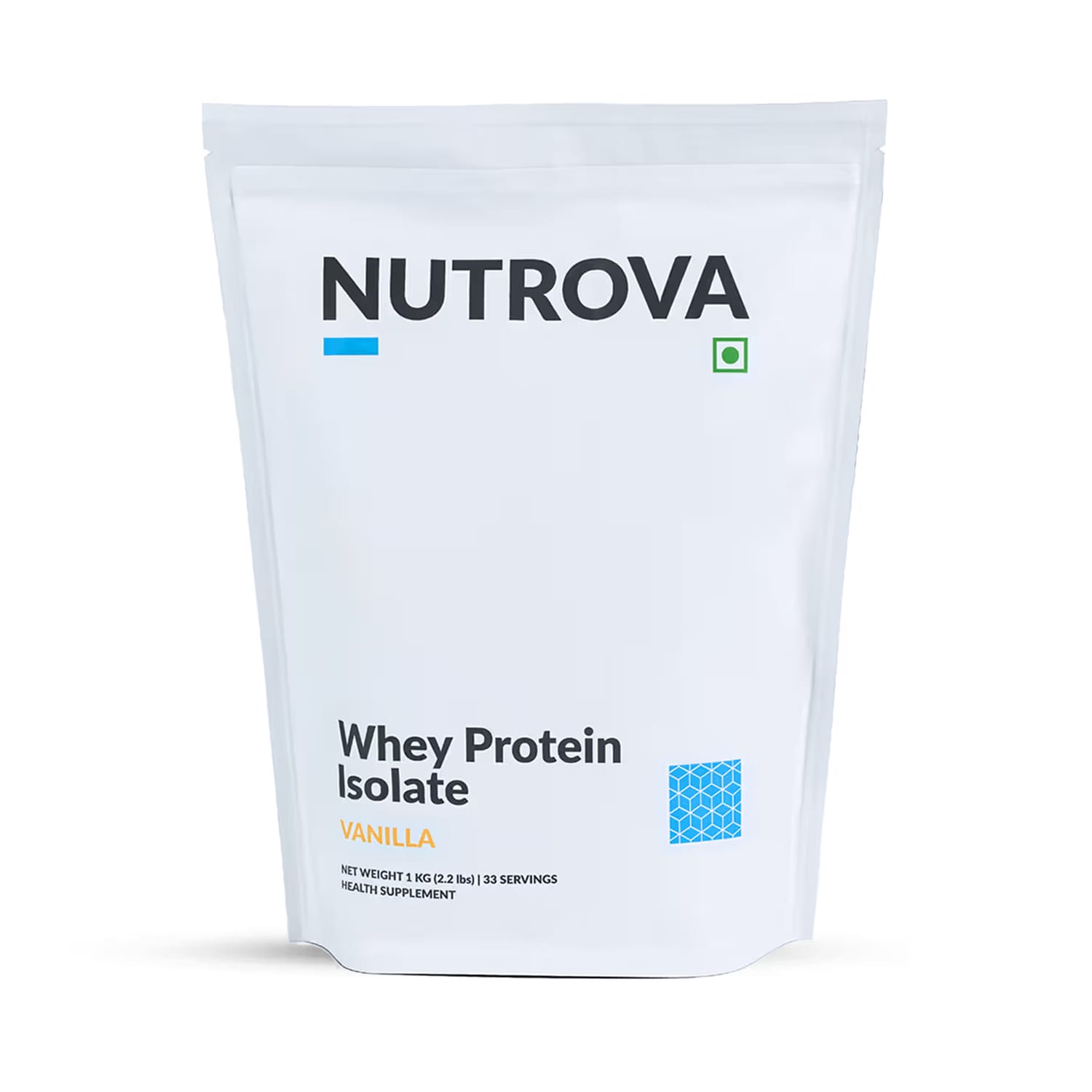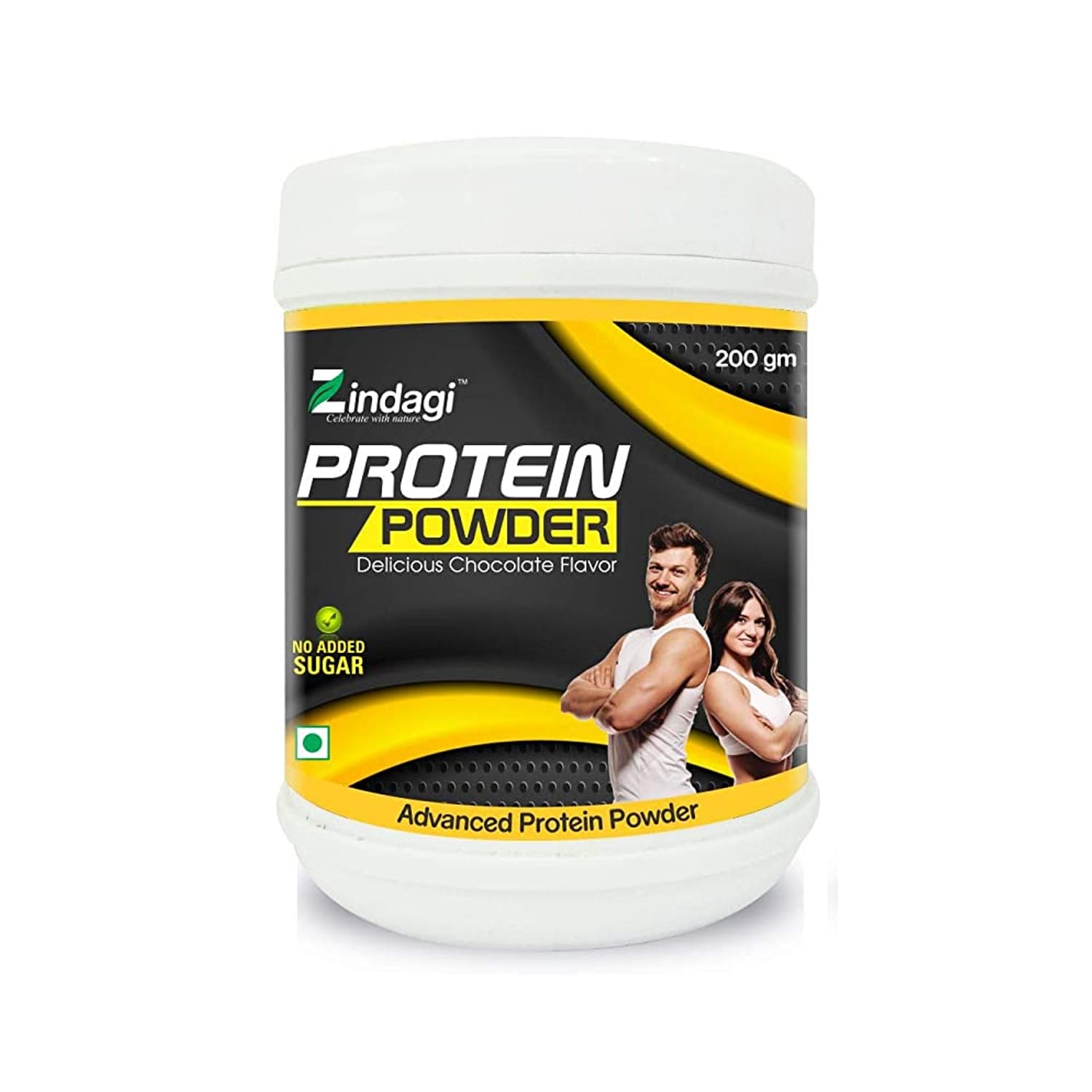




Whey protein is often described as the ideal protein for recovery or the ideal protein for muscle growth. Whey protein supplements have been linked to a few health benefits, including promoting weight loss, increasing muscle mass and strength, and lowering heart disease risk factors. Ultimately, the effect of whey protein on your weight depends on your overall diet, caloric balance, and fitness goals. It's important to consider these factors and how whey protein fits into your personalized nutrition and exercise plan.
Types of whey protein
Whey protein shake concentrate is a type of dry dairy ingredient used to increase the protein content in food products. It typically contains 70-80% protein by weight. It is a popular choice among athletes, bodybuilders, and individuals looking to increase their protein intake, support muscle growth, or improve recovery post-exercise.
Whey protein isolate is a good choice to control the intake of carbohydrates and fats due to its low carbohydrates and fat content. It is suitable for many diet types, including weight management, keto, and intermittent fasting.
Whey protein shake hydrolysate is superior to whey protein and can be essential for those who are sensitive to lactose but wish to receive the benefits of whey protein. The protein can range up to 90% by dry weight.
Whey Protein and Weight Loss: Can It Help?
Whey protein is rich in nutrients and can be beneficial for weight loss. It contains amino acids, a significant building block for the muscles. They help to burn calories and lose fat more effectively. Moreover, whey powder may reduce cravings for unhealthy foods due to its filling contents. There are numerous ways to intake best whey protein for weight loss; one of the easiest ways is to add whey protein powder into regular meals. Also, it can be mixed into the soup, glass of milk, or water. One of the crucial things to remember is that incorporating whey protein into the diet for weight loss will only be effective if combined with regular exercise and a healthy, balanced diet. If more calories or fat are taken, adding whey protein to the diet can lead to weight gain.
Whey Protein and Weight Gain: How it can contribute?
Its high protein content and capacity to promote muscle building can help with weight gain. When using whey protein powder for weight gain, it is crucial to increase food intake to establish a caloric surplus in the body, ensuring to provide it with more calories than it requires. Taking more scoops of protein powder can disturb the balance between carbohydrates and sugar, which might lead to weight gain. If more protein powder is consumed than the recommended limit, it can cause weight gain.
Recommended daily intake of whey protein for weight loss vs. weight gain
Whey protein for weight loss
For weight loss, consider 1-2 servings of whey protein per day. Each serving usually contains about 20-30 grams of protein. It is important to understand that taking too much protein is not beneficial. Excessive consumption may also lead to digestive problems.
Whey protein for weight gain
For weight gain, consume 1-3 servings of whey protein per day. Each serving typically provides 20-30 grams of protein.
Common myths and misconceptions about whey protein
Myth: Whey protein is only for body builders.
Fact: While it is true that, it is beneficial for all the individuals pursuing various fitness goals, including weight loss, general fitness, and even recovery from illness or injury.
Myth: Protein powders are not suitable for women
Fact: Even women who engage in regular exercise and seek to build lean muscle mass can benefit from incorporating protein powder in their diets. It helps in muscle recovery, promote fullness, and support overall health and well-being.
Myth: Protein powder is only for weight gain
Fact: while protein is crucial for muscle growth and repair, it also play a vital role in weight management and weight loss.
Combining Whey Protein with Other Supplements for Weight Management
Whey protein and weight loss
Whey protein Plus
Fiber supplements can enhance satiety and reduces overall calorie intake.
Green tea extract helps to boost metabolism and supports fat burning.
Multivitamins can ensure adequate nutrient intake, especially when in a calorie deficit.
Whey protein and weight gain
Whey protein plus
Creatine enhances muscle strength and growth.
Beta- Alanine increases exercise performance and reduce fatigue.
Omega 3 fatty acid supports overall health and may reduce inflammation.
Conclusion
Whey protein shakes can influence weight management in different ways, depending on individual goals. For those aiming to lose weight, whey protein helps by increasing feelings of fullness, which can lead to a reduction in overall calorie intake. On the other hand, for individuals looking to gain weight, whey protein provides additional protein and calories, supporting a calorie surplus necessary for muscle growth and weight gain. Ultimately, the choice between weight loss and weight gain depends on personal goals and dietary preferences.