Cureka — Your guide for a better living!
Cart
INDIA'S 1ST PREVENTIVE HEALTHCARE STORE – CURATED BY DOCTORS!|

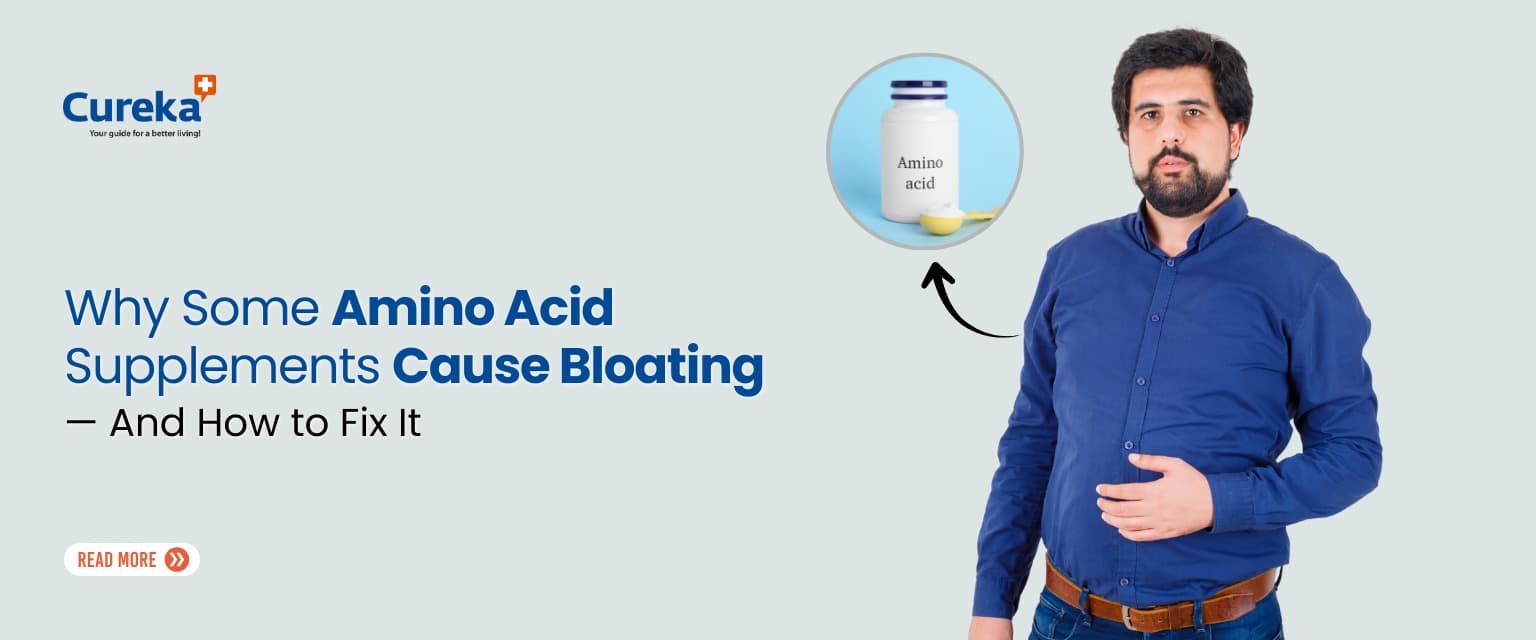
Why Some Amino Acid Supplements Cause Bloating — And How to Fix It

Dr. Hema Sathish, Dermatologist

Medically Reviewed By

Dr. Hema Sathish, M.B.B.S., D.D (UK)

Dermatologist • Founder of Cureka

Reviewed for medical accuracy and evidence-based information

Bloating after a protein shake? It may not be the protein itself. Find out how lactose, sweeteners, thickeners, and even large servings can leave you feeling bloated, and what you can do about it.

10th Jan 2026•3 Min read+Cureka Editorial
Why Some Amino Acid Supplements Cause Bloating — And How to Fix It

If you’ve ever felt bloated after an amino acid supplement or protein shake, you’re not alone. A recent review highlights gastrointestinal issues like bloating, nausea, and diarrhea which are common with high doses or prolonged use of amino acid supplements [1]. But the amino acids themselves aren’t usually the problem, it’s often the extras or absorption dynamics causing discomfort.

Let’s dive into the causes of amino acid bloating, and explore science-backed solutions for amino acid supplement bloating fix.

Why Do Amino Acid Supplements Cause Bloating?

1. Lactose in Whey and Casein

Many protein powders contain lactose. For those with intolerance, lactose remains undigested, fermenting in the gut and producing gas and bloating.

2. Artificial Sweeteners & Sugar Alcohols

Common additives like sucralose, sorbitol, or erythritol are prone to fermentation in the colon, promoting bloating and cramps.

3. Gums, Inulin, & Thickeners

Stabilizers such as xanthan gum or inulin may reach the colon undegraded, where they ferment and cause gas.

4. Overconsumption

Amino acid bloating can be a result of high doses of amino acids that can overwhelm the gut. A recent trial observed slower absorption and increased fermentation in pea protein products with heavy texture or heat processing [2]. 

5. Plant-Based Proteins

Pea, soy, and other plant proteins often contain fiber and resistant starch. These nourish gut bacteria, leading to gas and bloating, especially during dietary transitions.

How to Fix Amino Acid Bloating? 

Consider below points for amino acid supplement bloating fix

1. Choose the Right Protein Type

Opt for:

  • Whey isolate or hydrolyzed proteins (lower in lactose)

  • Minimalistic plant-based proteins without added thickeners

2. Stay Hydrated

Water promotes enzyme activity and smooth amino acid supplement digestion, helping reduce bloating events.

3. Try Digestive Enzymes

Using protease, lactase, or amylase can help break down proteins, lactose, and starches, supporting amino acid supplement digestion.

4. Use Smaller, More Frequent Servings

Consuming smaller doses allows for more efficient digestive processing and less gut stress.

5. Gradually Introduce New Supplements

Let your microbiome adapt. Start with half a serving and slowly increase over a week.

6. Consider L‑Glutamine

Emerging evidence suggests that L-glutamine supports intestinal barrier health and reduces bloat in IBS-like conditions [3]. It may strengthen the gut lining and reduce gut permeability, helping alleviate fermentation-related discomfort.

7. Check Ingredient Label Carefully

Avoid products high in artificial sweeteners, gums, or excessive fiber. Simpler formulas reduce fermentation load.

8. Consult a Professional

Persistent bloating may signal IBS, SIBO, or other digestive issues. A specialist can offer tailored advice beyond supplement tweaks.

Final Thoughts

Bloating from amino acid supplements isn’t your metabolism misbehaving, it’s usually about ingredients, digestion rate, or dose. By choosing cleaner protein options, hydrating well, supporting digestion, and introducing supplements gradually, you can improve your gut comfort without sacrificing gains.

Amino acid supplement bloating fix isn’t about cutting supplements, it’s about customizing them to your body’s needs.

References

  1. Side Effects of Amino Acid Supplements - https://pmc.ncbi.nlm.nih.gov/articles/PMC8997670/

  2. Gastric emptying and nutrient absorption of pea protein products differing in heat treatment and texture: A randomized in vivo crossover trial and in vitro digestion study - https://www.sciencedirect.com/science/article/pii/S0268005X23011426

  3. Glutamine Supplementation Enhances the Effects of a Low FODMAP Diet in Irritable Bowel Syndrome Management - https://pmc.ncbi.nlm.nih.gov/articles/PMC8716871/
Frequently Asked Questions

  • Bloating often happens because certain powders contain lactose, sugar alcohols, artificial sweeteners, or thickening agents that ferment in the gut and produce gas. Taking large servings too quickly can also overload digestion and draw extra water into the intestines, which increases fullness and discomfort.

  • Common trigger ingredients include lactose from whey concentrate, sugar alcohols like sorbitol, xylitol, and maltitol, artificial sweeteners such as sucralose or aspartame, and gums or thickeners like inulin, xanthan gum, and carrageenan. These additives are harder to digest, so they are more likely to cause gas, bloating, or loose stools in sensitive people.

  • Look for products with shorter ingredient lists, minimal or no artificial sweeteners, and fewer gums or thickeners, and consider lactose‑free or plant‑based options if you are sensitive to dairy. Starting with smaller servings and increasing gradually helps your digestive system adapt to the supplement.

  • Helpful strategies include drinking plenty of water with each serving, sipping slowly instead of chugging, spacing doses through the day, and avoiding very large portions at one time. Some people also benefit from taking digestive enzymes or probiotics and pairing supplements with balanced meals rather than using them on an empty stomach.

  • You should seek medical advice if bloating is severe, painful, accompanied by diarrhea, constipation, blood in the stool, or weight loss, or if it continues even after changing products and doses. A healthcare professional can rule out lactose intolerance, IBS, or other gut conditions and help you decide whether to modify, pause, or stop supplementation.

Comments

How Nutrition Impacts Immunity in Kids and Teenagers
Featured

How Nutrition Impacts Immunity in Kids and Teenagers

Real immunity begins on the plate, not in the medicine cabinet. Discover the key nutrients — protein, vitamin C, zinc, and more — that build strong, lasting immunity in growing kids.

Read More
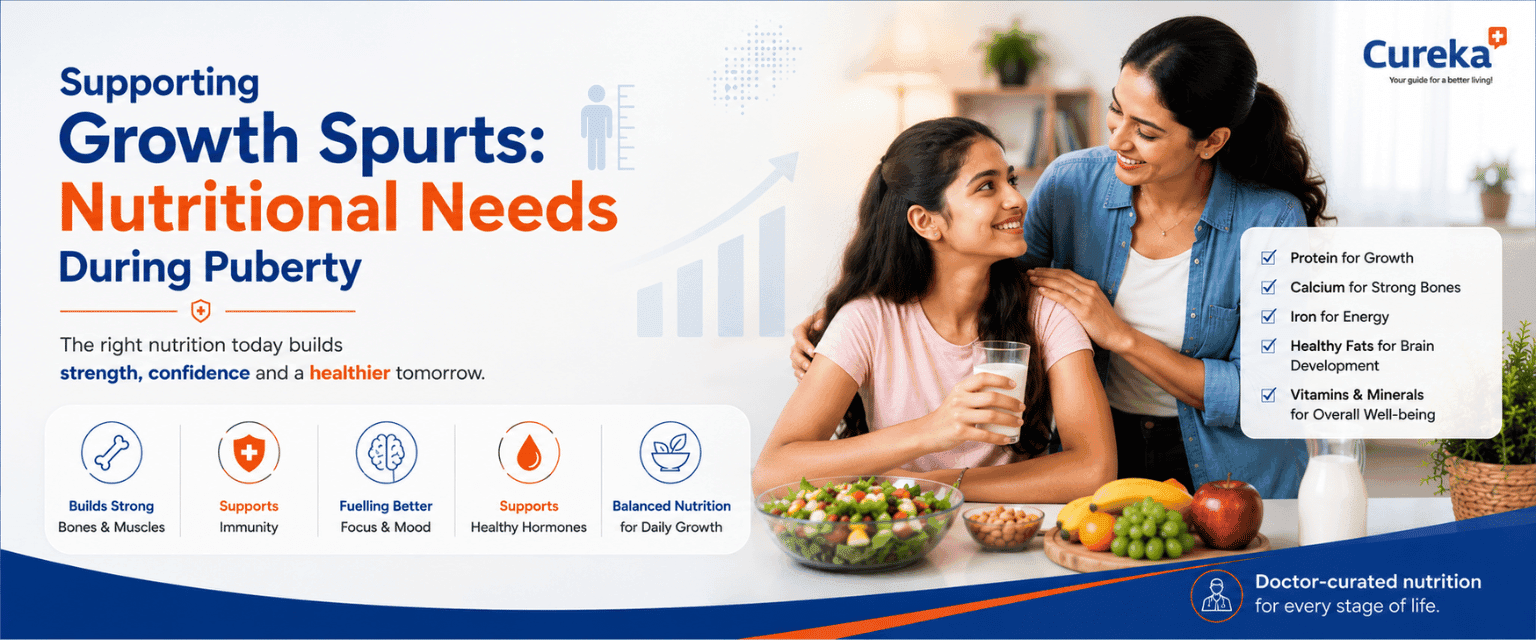
Supporting Growth Spurts: Nutritional Needs During Puberty
Featured

Supporting Growth Spurts: Nutritional Needs During Puberty

Puberty demands more than just extra calories. Discover the key nutrients — protein, calcium, iron, zinc, and more — that support healthy growth, strong bones, and hormonal balance in teens.

Read More
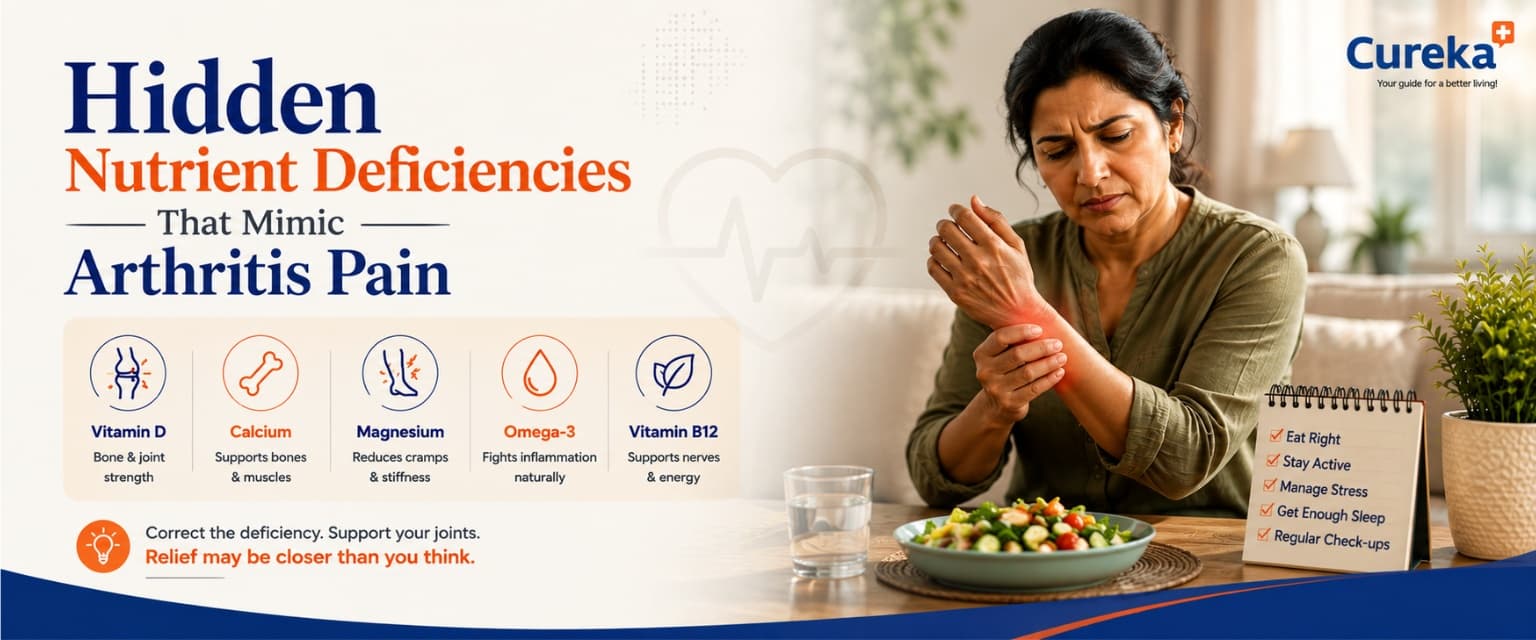
Hidden Nutrient Deficiencies That Mimic Arthritis Pain
Featured

Hidden Nutrient Deficiencies That Mimic Arthritis Pain

Joint pain isn't always arthritis. Discover six common nutrient deficiencies that cause similar stiffness and fatigue — and how to fix them naturally.

Read More
Precision Nutrition: How Food Timing Affects Absorption of Nutrients
Featured

Precision Nutrition: How Food Timing Affects Absorption of Nutrients

Eating the right food but still missing out on its benefits? The timing of your meals could affect how well your body absorbs and uses key nutrients.

Read More
Vitamin D Deficiency in Kids: The Bone Risk You Can’t See
Featured

Vitamin D Deficiency in Kids: The Bone Risk You Can’t See

Kids can have weak bones without obvious signs. See how vitamin D deficiency can quietly affect bone growth and fracture risk.

Read More
The Hidden Health Gaps Your Blood Test May Miss
Featured

The Hidden Health Gaps Your Blood Test May Miss

Your blood report says “normal,” but you still feel tired? Some nutrient deficiencies can go unnoticed in routine tests. Find out what your reports may be missing and what your body could be trying to tell you.

Read More

No comments yet. Be the first to share your thoughts.