Cureka — Your guide for a better living!
Cart
INDIA'S 1ST PREVENTIVE HEALTHCARE STORE – CURATED BY DOCTORS!|

Tips to protect your hair from sun damage.

Dr. Hema Sathish, Dermatologist

Medically Reviewed By

Dr. Hema Sathish, M.B.B.S., D.D (UK)

Dermatologist • Founder of Cureka

Reviewed for medical accuracy and evidence-based information

When we think about sun damage, we tend to focus on the face and arms. But hair is directly exposed to the sun and prolonged exposure can also damage its structure.

29th Oct 2021•2 Min read+Cureka Editorial
Tips to protect your hair from sun damage.

When we think about sun damage, we tend to focus on the face and arms. But hair is directly exposed to the sun and prolonged exposure can also damage its structure.

Interestingly sun damage can cause

-Discolouration

-Dry and brittle hair strands

-Broken or split ends

-Thinning and frizziness.

Your hair is more prone to sun damage if you have thin, flat, tightly coiled, dry, or treated hair.

Tips to avoid sun damage :

  • Wrap a scarf around your hair, wear a wide-brimmed hat, or use an umbrella when staying under the sun for longer periods.

  • If your hair type is more prone to damage from the sun, then try to fix outings early or late in the day. Midday overhead sun causes maximum damage.

  • Exposing wet hair to the

  • The sun causes damage to happen sooner than dry hair, since the cuticle layer is not fully intact in wet hair. Wear a swim cap or put your hair up in a high bun to keep your hair dry, when swimming in a pool or beach.

. Rinse the pool water — which contains chemicals like chlorine — out of your hair with clear water before walking around.

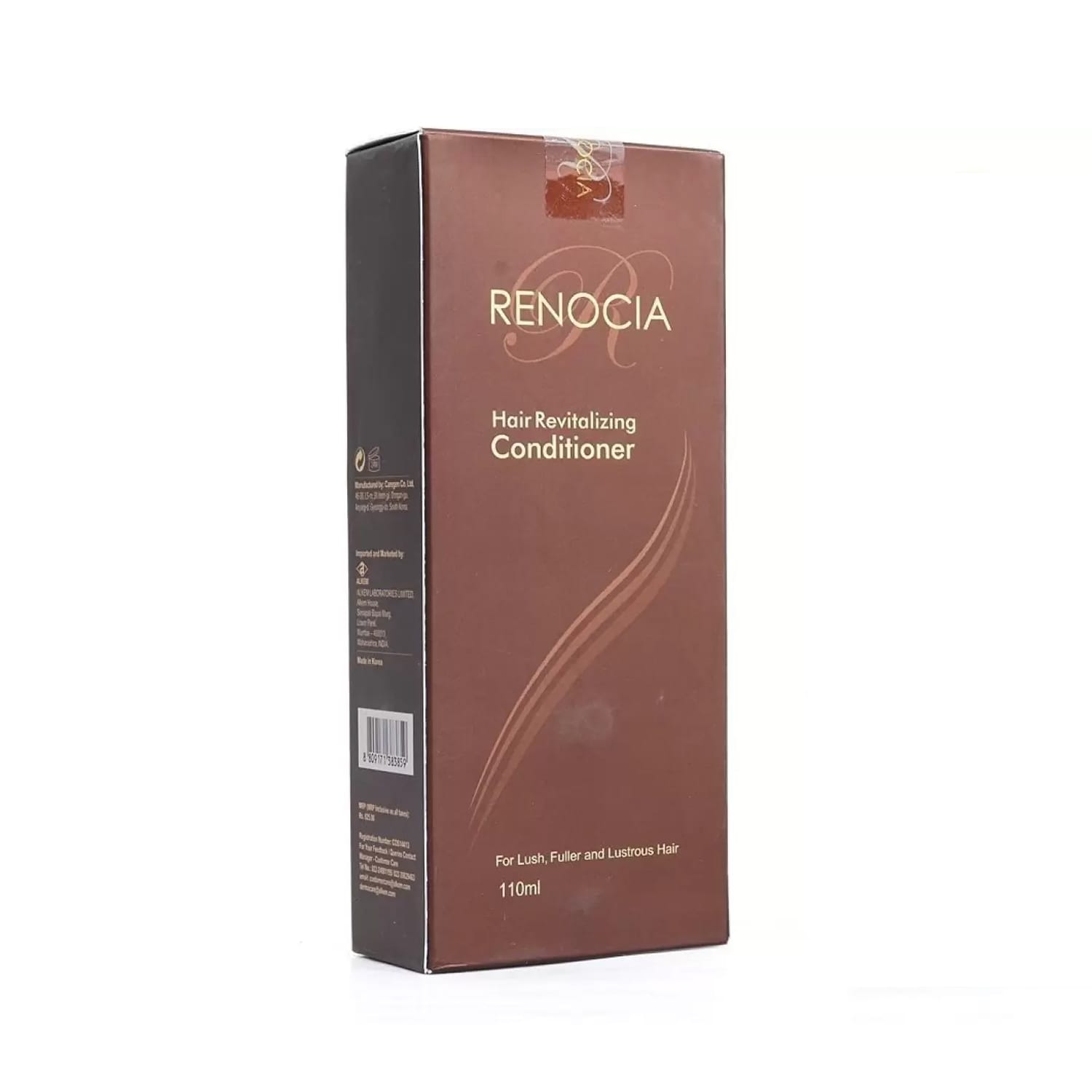
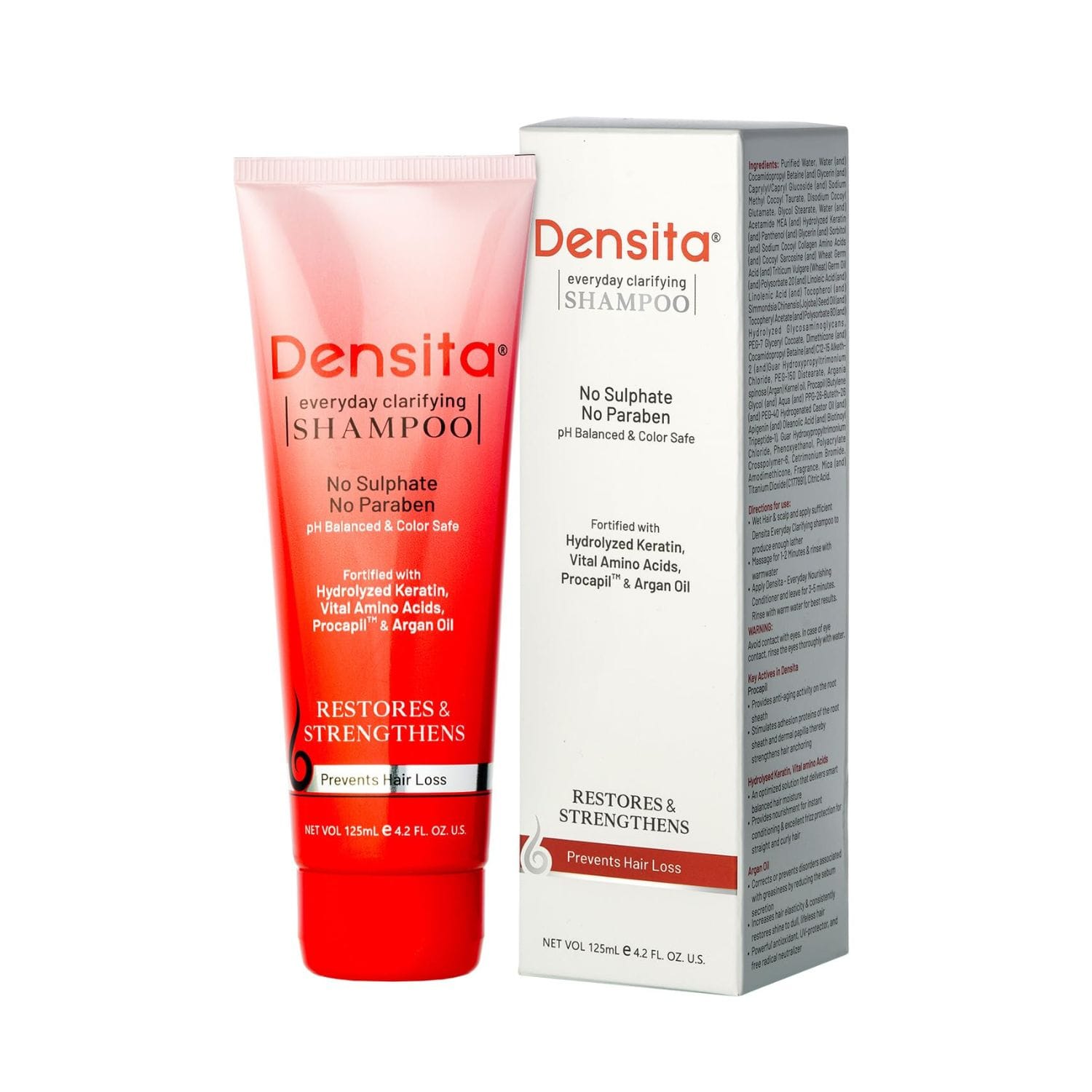
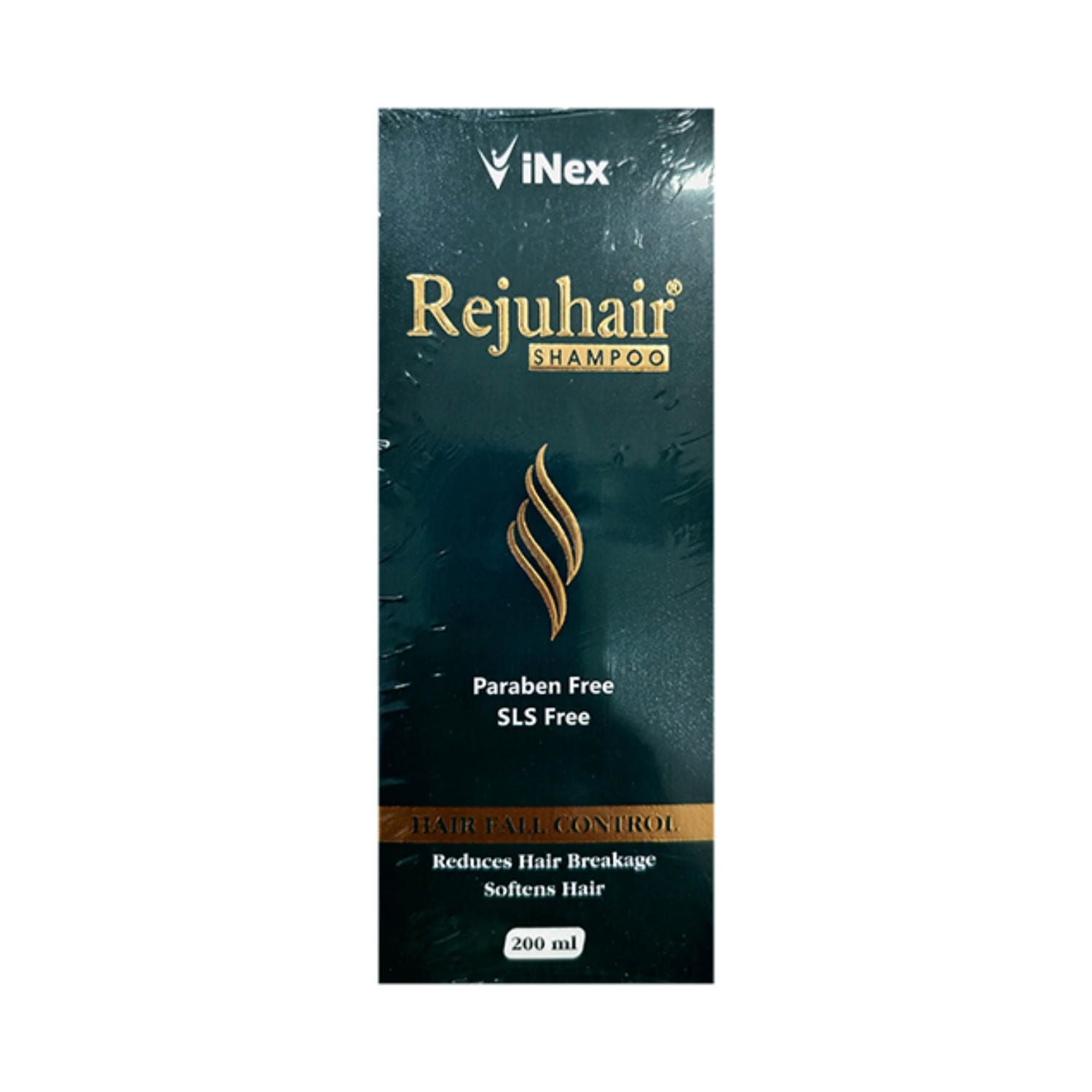
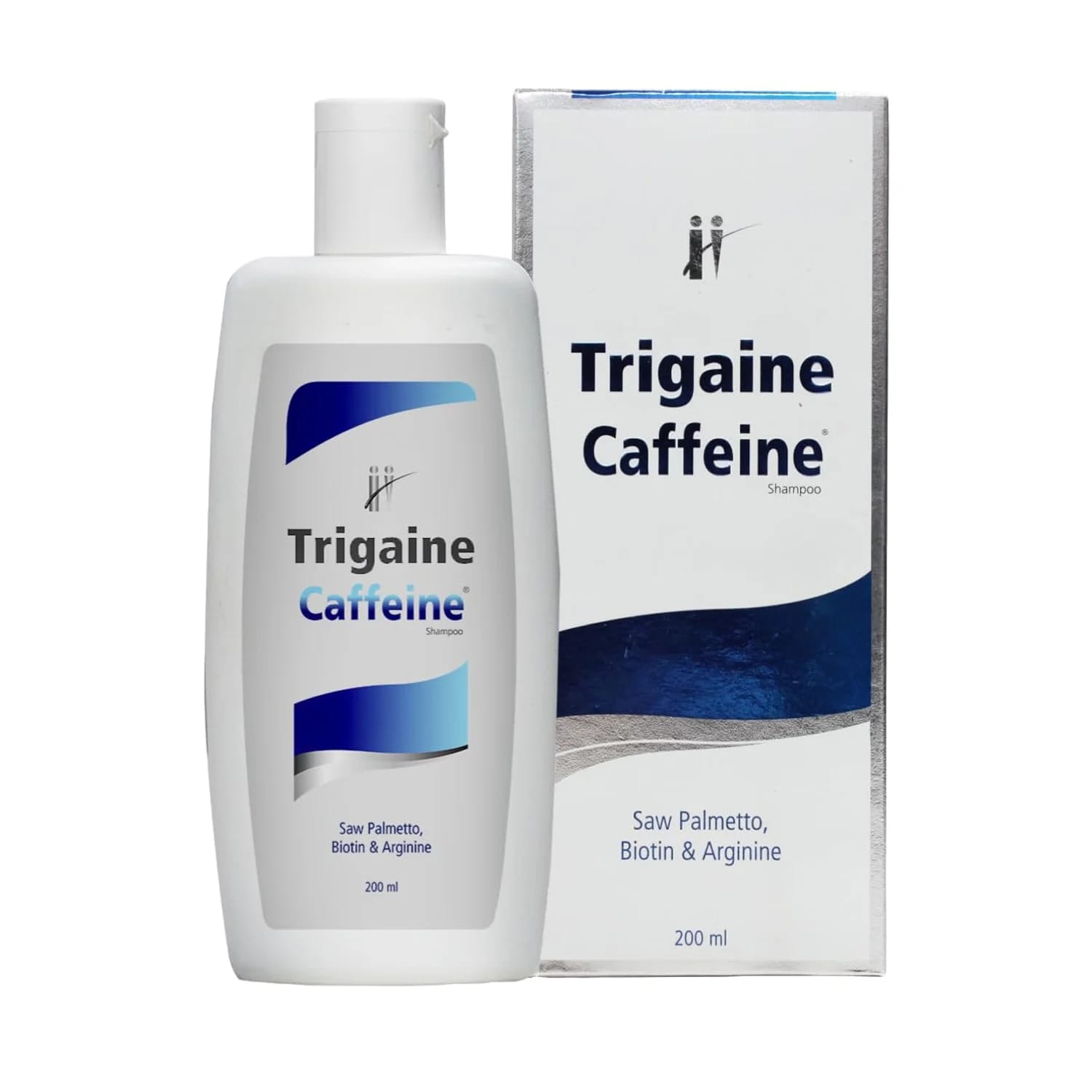
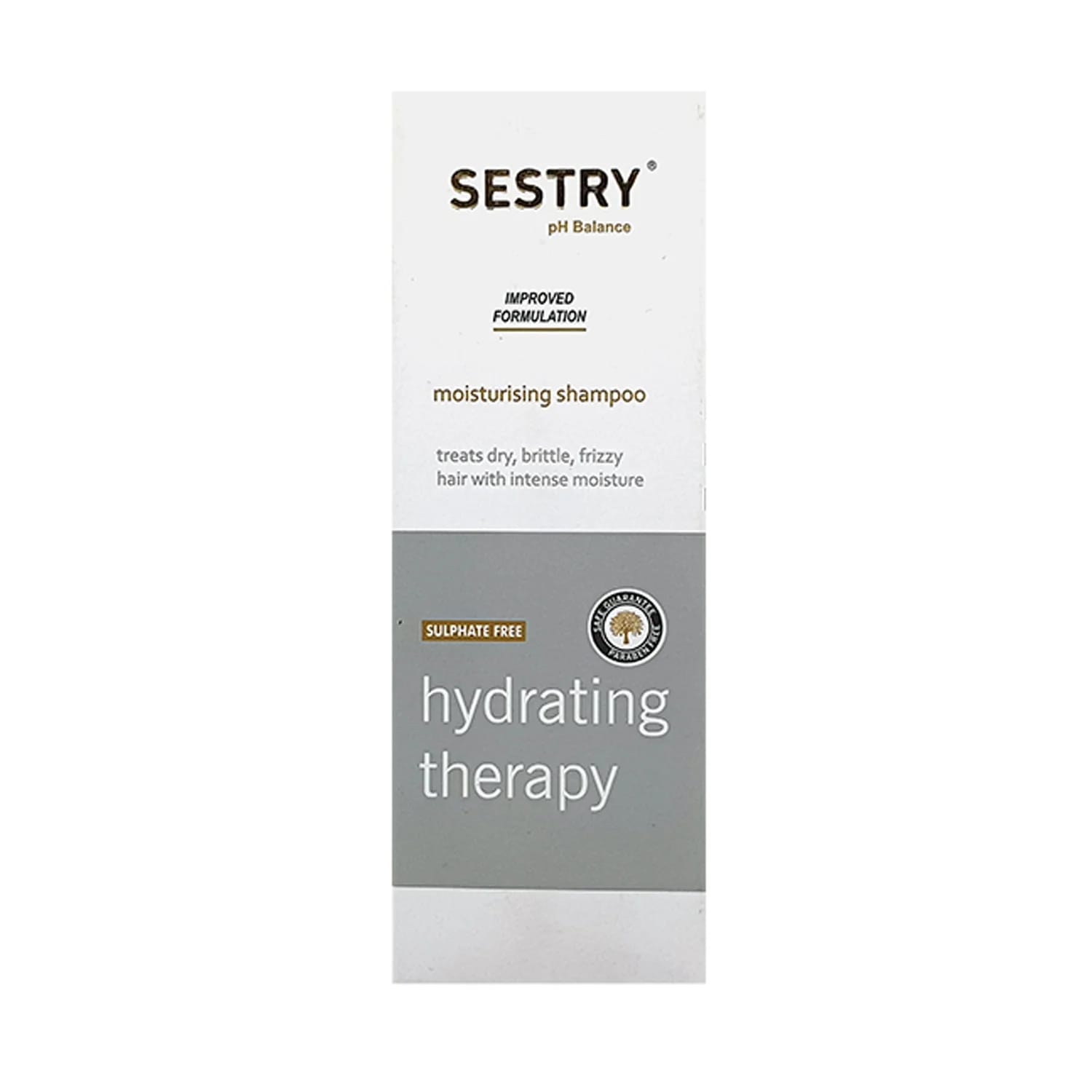
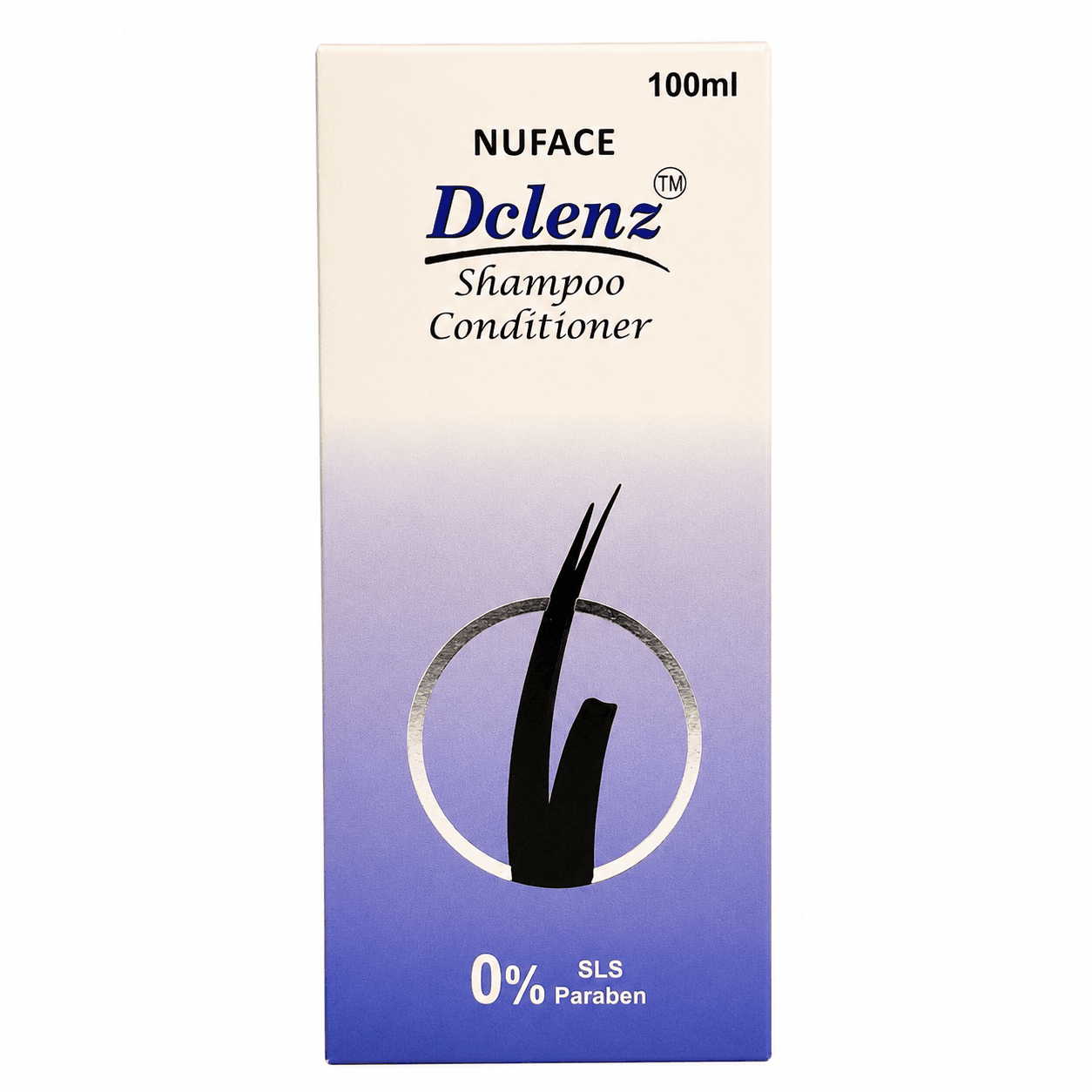
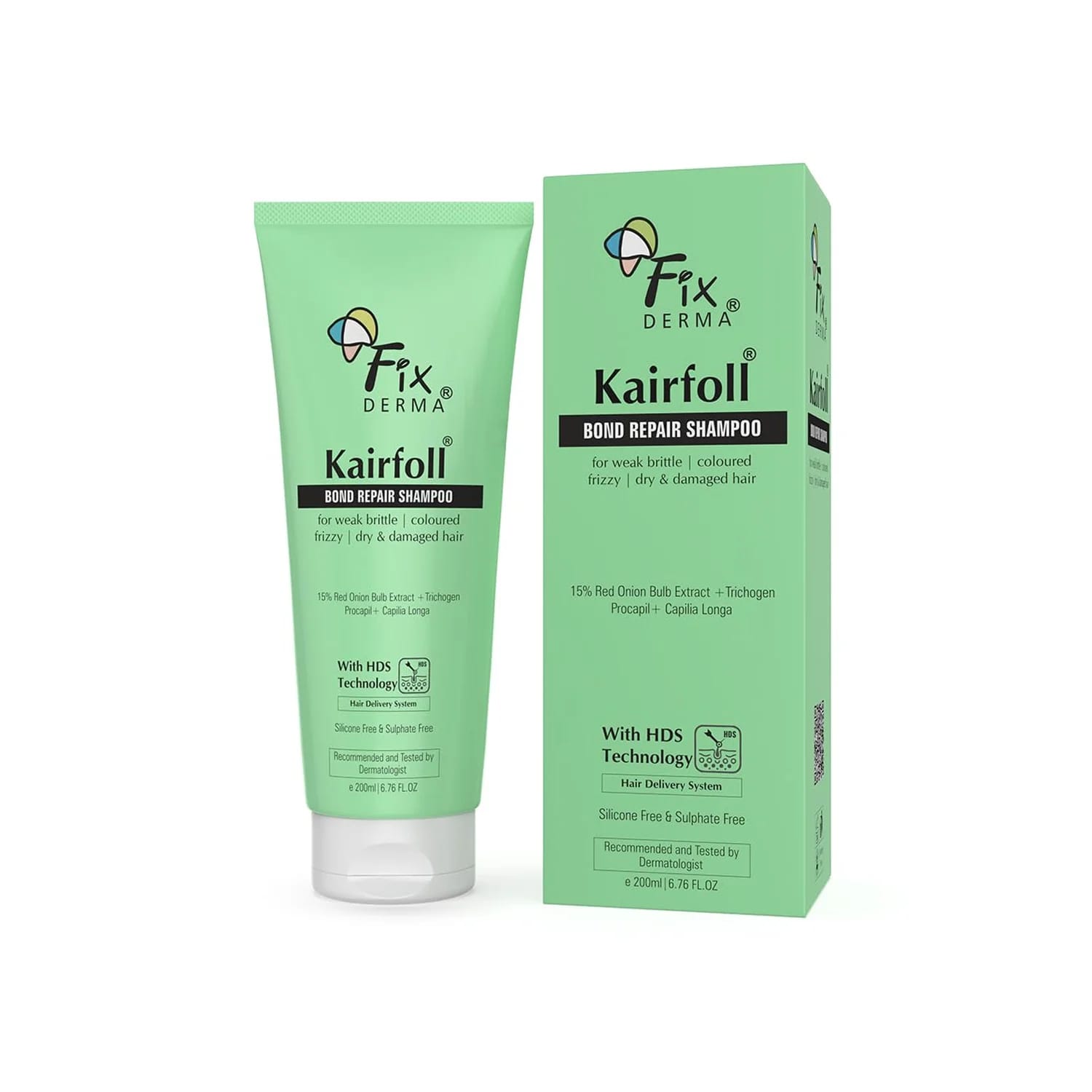
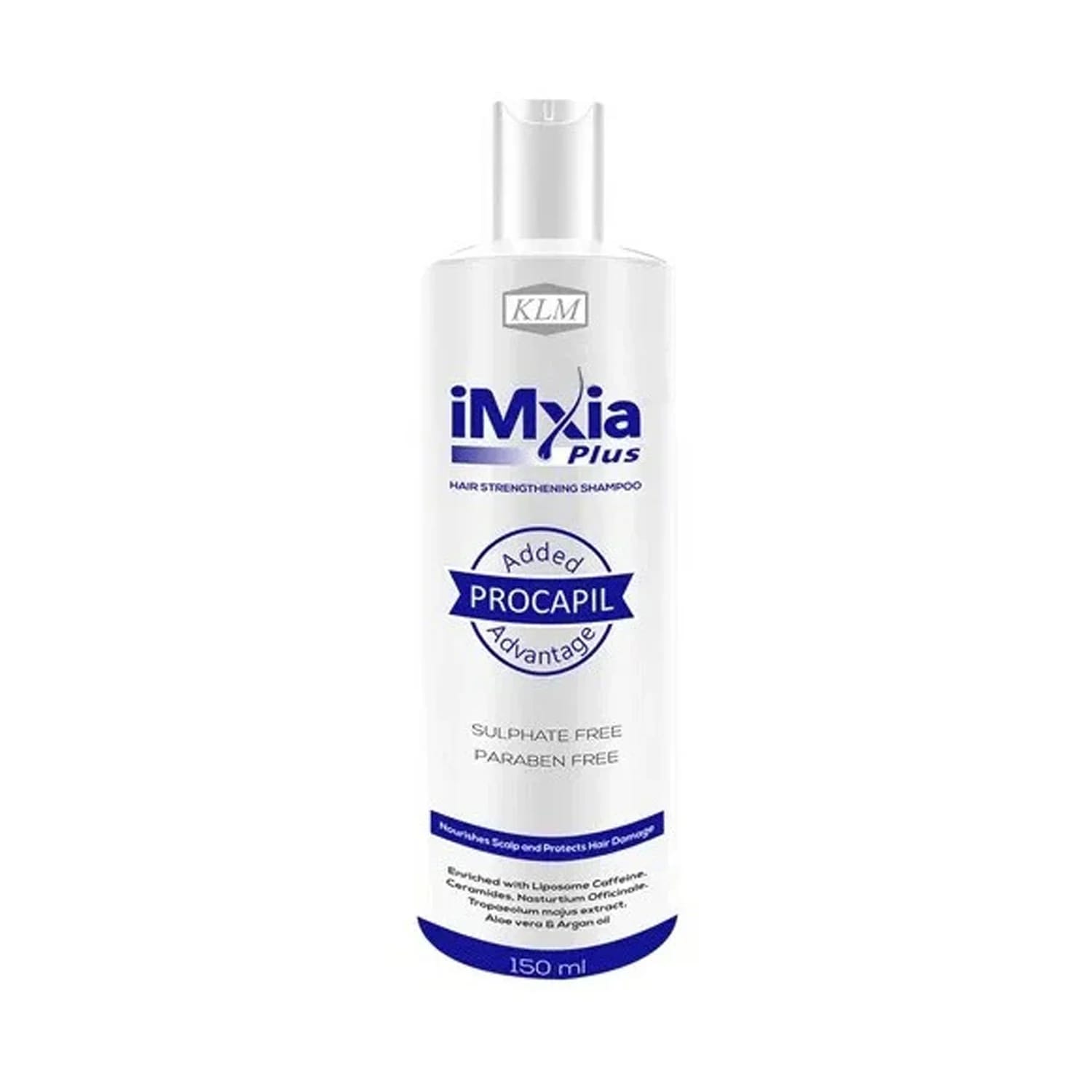
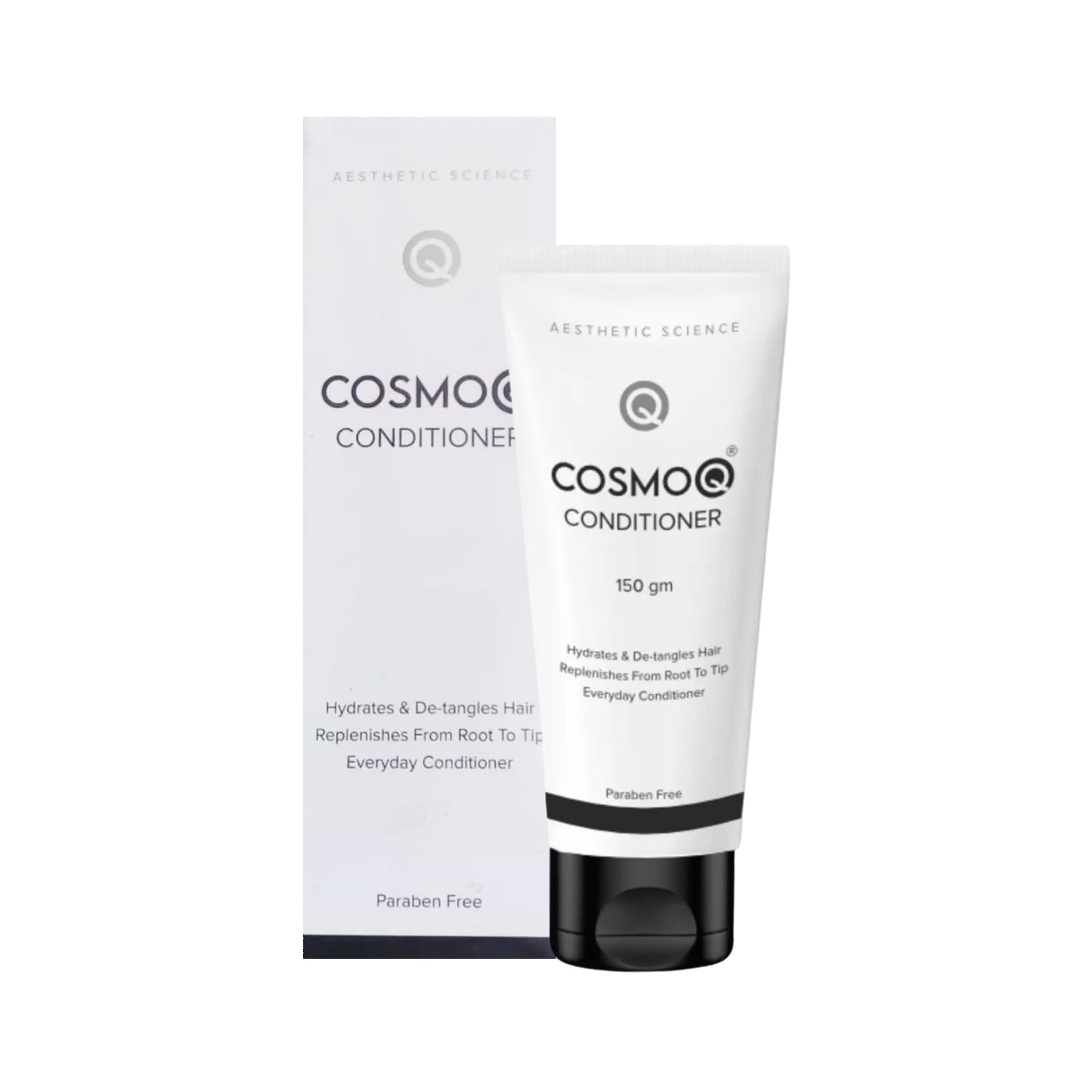
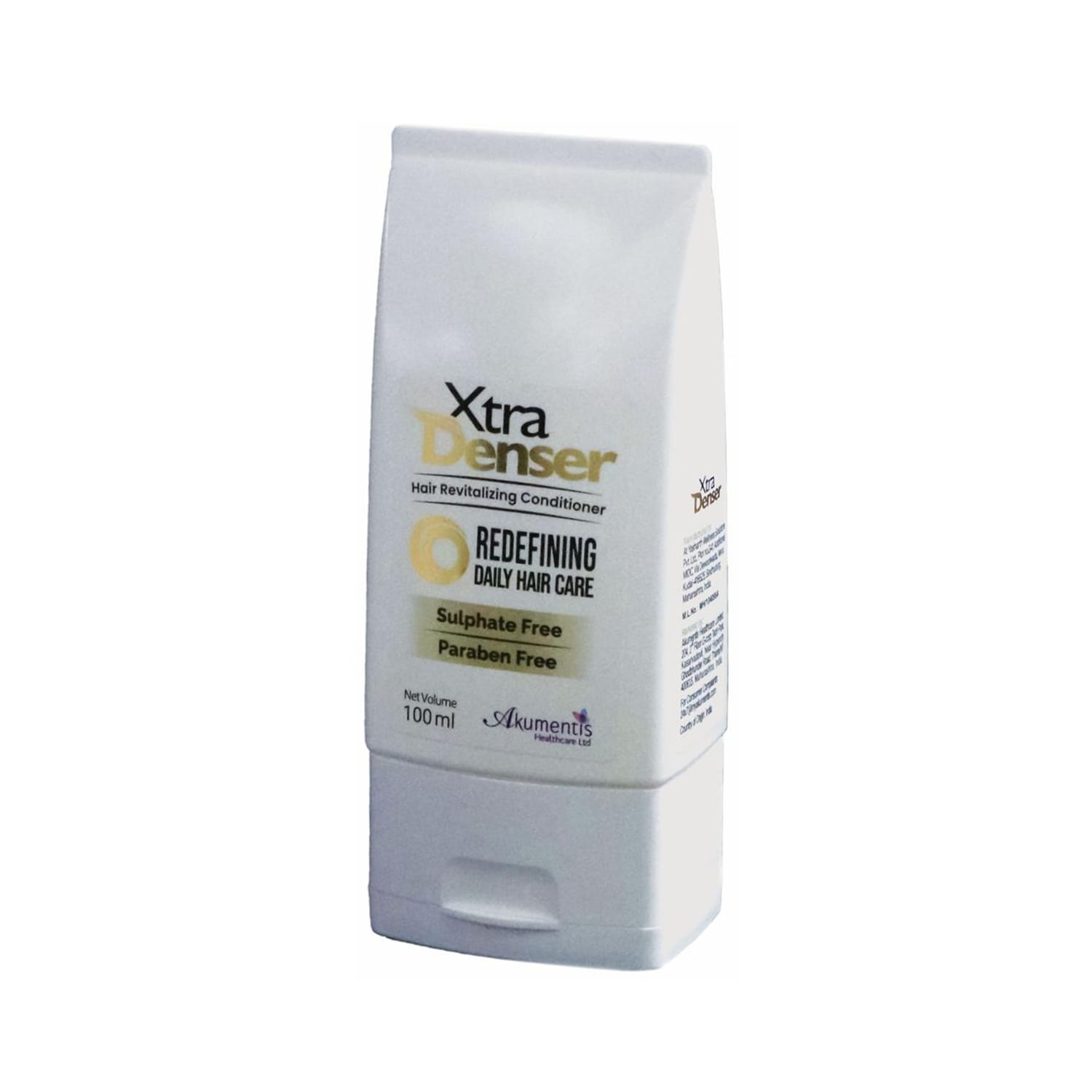
  • (Shampoos and conditioners)fortified with SPF are available to shield hair against harmful rays. Coloured, treated hair or people who stay under the sun regularly can opt for this.

  • Sweating and humidity add to the damage by direct sun. Avoid leaving products on your scalps, like styling gels and sprays, which can mix with sweat and make your scalp greasy and hair flat.

  • Prefer hairstyles with hair ties or hair up rather than letting all strands loose and exposing them to the sun.

  • After a day of excessive sun exposure, you can use a leave-in (conditioner)or (serum)overnight to hydrate hair. Make sure the scalp is clean, else go for gentle shampooing or plain water wash and apply leave-in conditioner in semi-dry hair.

Sun damage can not only happen to the skin but hair too. Good hair care will keep your crowning glory healthy for long
Frequently Asked Questions

  • Sun damage to hair can cause discolouration, dryness, brittle strands, split ends, thinning, and frizziness. Continuous exposure to UV rays weakens the hair cuticle, making hair look dull, rough, and difficult to manage.

  • Hair that is thin, dry, tightly coiled, flat, or chemically treated is more prone to sun damage. These hair types tend to lose moisture quickly, making them more susceptible to dryness, breakage, and frizz under prolonged sun exposure.

  • You can protect your hair from sun damage by covering it with a scarf, wide-brimmed hat, or umbrella when outdoors. Avoid stepping out during peak sunlight hours and keep your hair tied up to reduce direct UV exposure and moisture loss.

  • Wet hair is more fragile because the cuticle layer is not fully intact. When exposed to the sun, it can lead to faster damage, increased dryness, and higher chances of breakage compared to dry hair.

  • After sun exposure, ensure your scalp is clean by rinsing or gently washing your hair if needed. Apply a leave-in conditioner or serum on semi-dry hair to restore hydration, reduce frizz, and help repair sun-induced dryness.

Comments

Hair Loss in Women: When to Stop Blaming Stress and Start Seeking Answers
Featured

Hair Loss in Women: When to Stop Blaming Stress and Start Seeking Answers

Still losing hair despite managing your stress? The real cause could be hiding in your hormones, nutrition, scalp health, or genetics.

Read More
Thyroid Health and Hair Fall: How Iodine, Selenium, and Biotin Interact
Featured

Thyroid Health and Hair Fall: How Iodine, Selenium, and Biotin Interact

Hair fall despite good hair care? Your thyroid could be the missing piece. Learn how iodine, selenium, and biotin work together to support thyroid function and healthier hair growth.

Read More
PCOS and Hair Loss: The Role of Zinc and Biotin in Prevention
Featured

PCOS and Hair Loss: The Role of Zinc and Biotin in Prevention

PCOS-related hair loss isn’t always just about hormones. Find out how nutritional gaps like low zinc and biotin may affect your hair, and why getting the right nutrients can help support healthier hair.

Read More
Hair falls in your 30s? Preventive Habits & Dermatologist-Backed Solutions

Hair falls in your 30s? Preventive Habits & Dermatologist-Backed Solutions

Noticing more hair fall in your 30s? Discover preventive habits and dermatologist-backed solutions to protect and strengthen your hair.

Read More
I’m Taking Hair Supplements, Yet I’m Still Losing Hair – What’s Going Wrong?
Featured

I’m Taking Hair Supplements, Yet I’m Still Losing Hair – What’s Going Wrong?

Still losing hair despite taking supplements? Discover the common reasons hair supplements fail and what actually helps hair regrowth.

Read More
Gray Hair Before 30? Here's What Your Body Might Be Telling You
Featured

Gray Hair Before 30? Here's What Your Body Might Be Telling You

Premature gray hair can signal more than genetics. Discover the possible causes and what your body might be trying to tell you.

Read More

No comments yet. Be the first to share your thoughts.