Cureka — Your guide for a better living!
Cart
INDIA'S 1ST PREVENTIVE HEALTHCARE STORE – CURATED BY DOCTORS!|

Sunscreen During Winters

Dr. Hema Sathish, Dermatologist

Medically Reviewed By

Dr. Hema Sathish, M.B.B.S., D.D (UK)

Dermatologist • Founder of Cureka

Reviewed for medical accuracy and evidence-based information

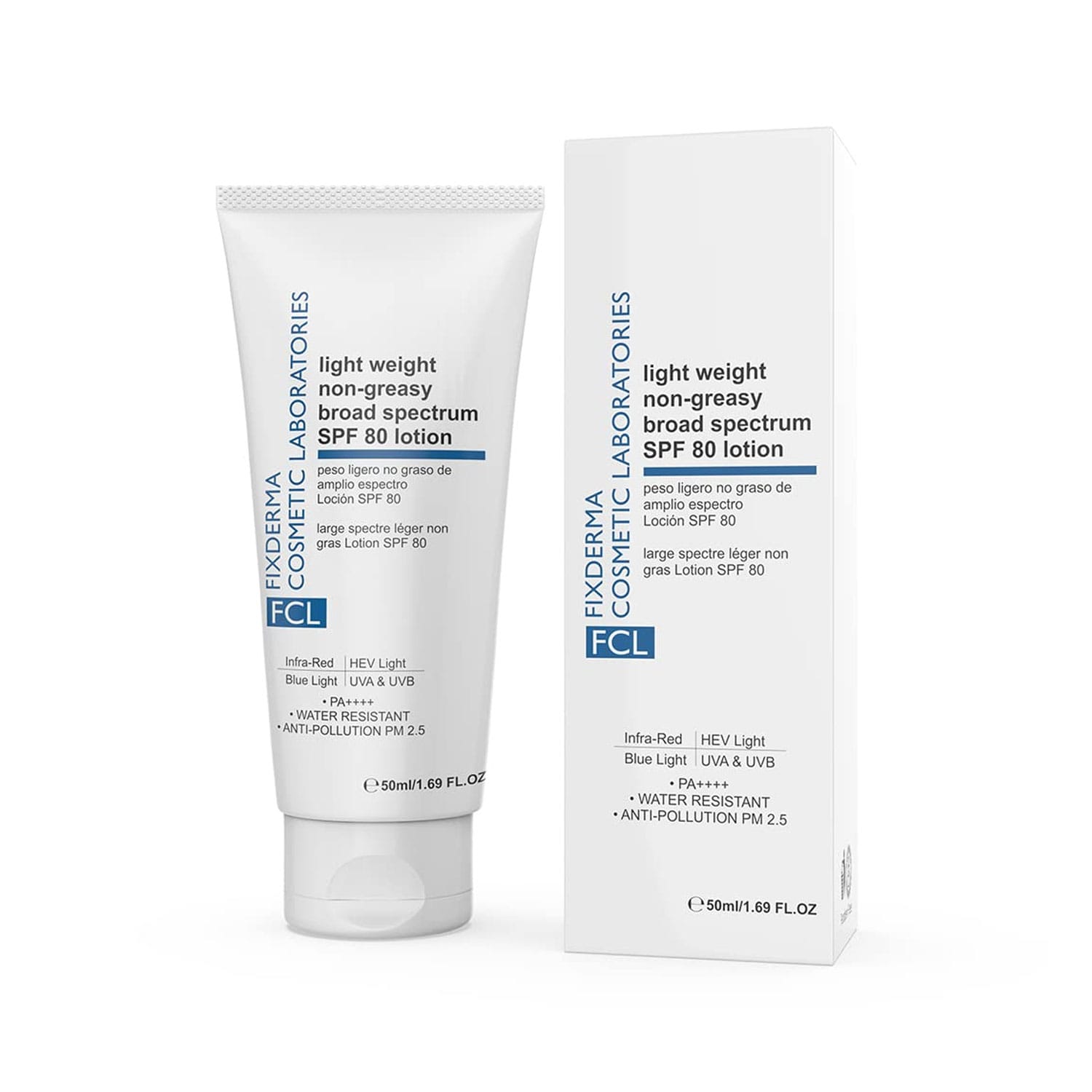
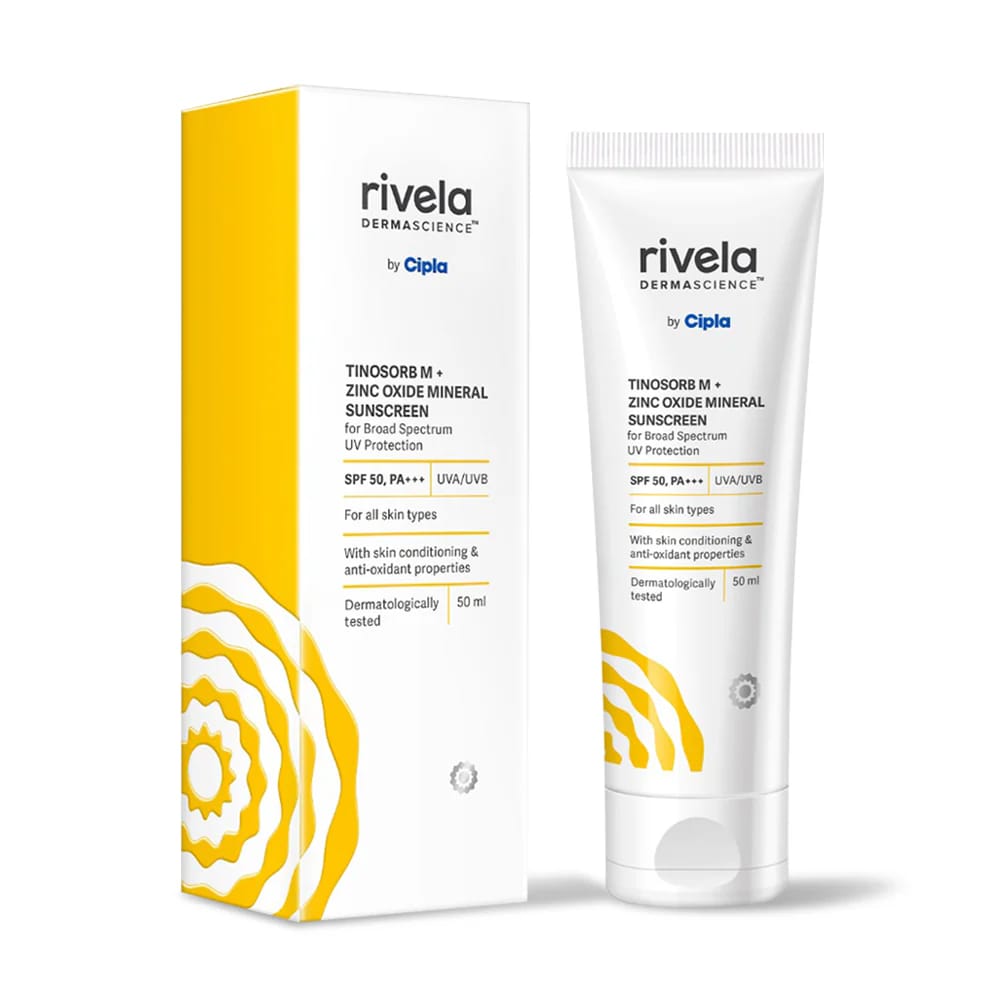
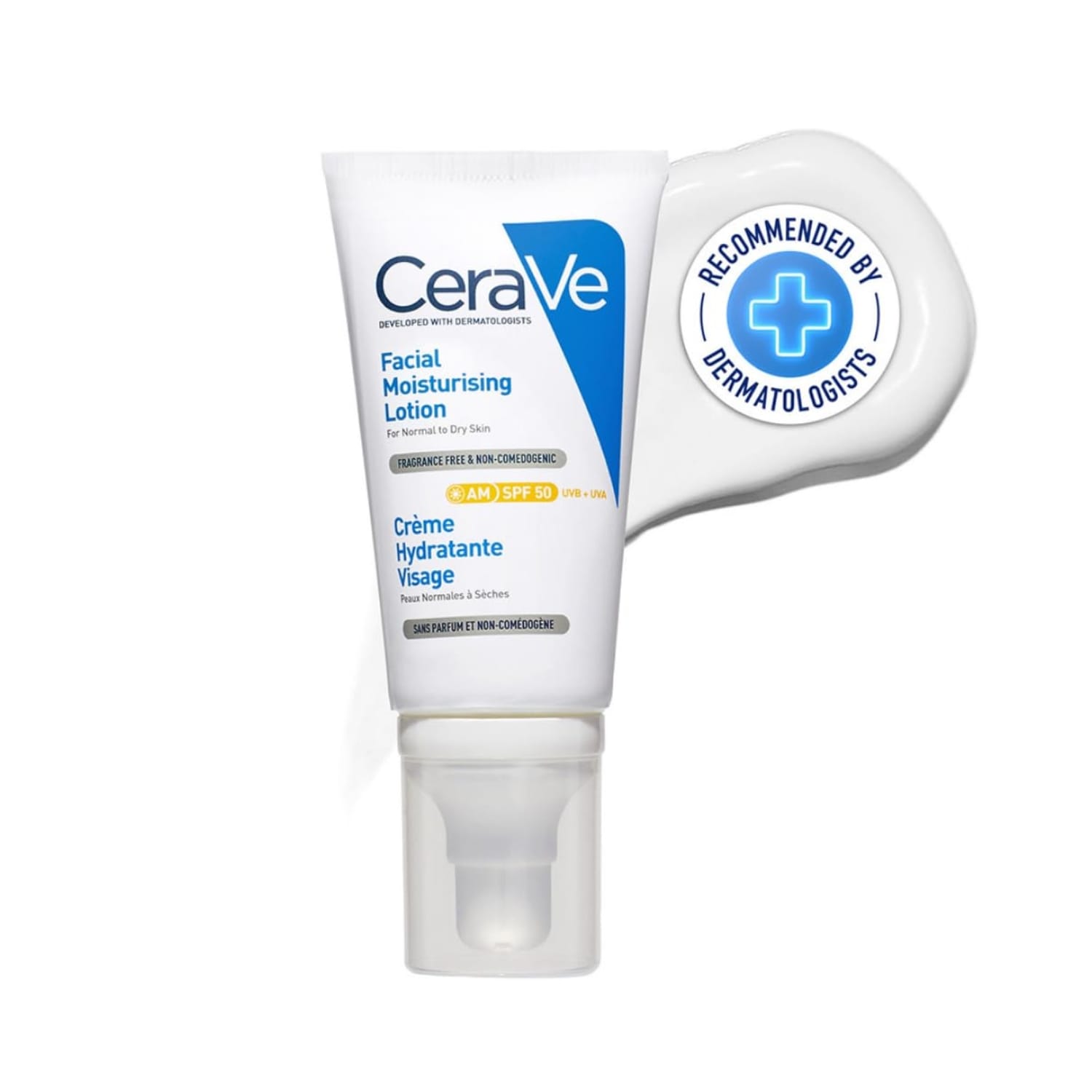
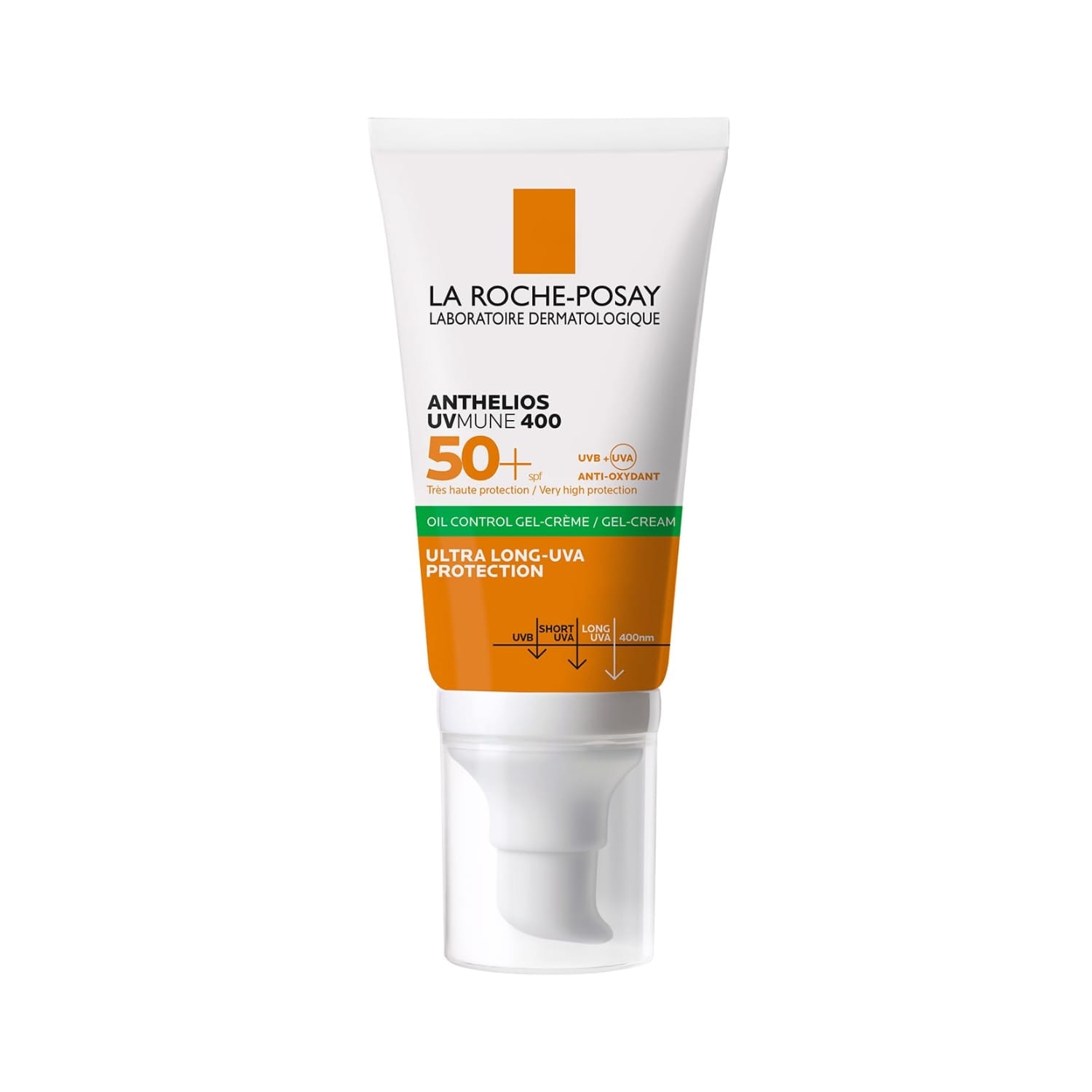
Choose a broad spectrum sunscreen with physical and chemical actives to filter out most UV rays and use it religiously every day. Apply half an hour before expected sun exposure.

16th Feb 2021•2 Min read+Cureka Editorial
Sunscreen During Winters

When it is raining and the sky is cloudy we are tempted to skip sunscreens as we see no sun in the horizon. But sunscreens are all the more important. Even during winters! because the weather allows us to spend more time outdoors exposing us to sun’s damaging UV rays.

Sunscreens are used to protect skin from all forms of light rays emitted from the sun. From the visible light which we can see and feel, to the ultraviolet light which is invisible, but more harmful. UV light is the cause for most photodermatoses, pigmentation, tanning and skin ageing.

A dense cloud cover on a rainy day filters about 50% UV rays at the maximum and that would amount to using a SPF 2 sunscreen, meaning it is inadequate. To protect us from the sun for whatever indication; whether to prevent aggravation of sun induced skin conditions and allergies or to prevent a tan and pigmentation, we need a minimum of SPF 30 sunscreens which offers about 97% protection.

So, sunscreens should be used appropriately even during the winter. People living in, or visiting cold weather conditions in hill stations and snowy areas, often are reluctant to use sunscreens since the harshness of sun is not felt. But the effects of sun’s UV rays are amplified there due to high altitude and reflection from snow. Skin is less tolerant to sun in hill stations and sun induced conditions are more common.

Choose a broad spectrum sunscreen with physical and chemical actives to filter out most UV rays and use it religiously every day. Apply half an hour before expected sun exposure. It should be reapplied every 3 hours or after water exposure.

Long stay and water resistant sunscreens are available for once a day application. A little cloud and rain is no reason to ditch your sunscreen routine. Wear it rain or shine!
Frequently Asked Questions

  • Yes, sunscreen in winter is essential because UV rays can still penetrate clouds. Even on rainy or cloudy days, your skin is exposed to harmful ultraviolet radiation.

  • Absolutely, UV rays are invisible and can cause skin damage like tanning, pigmentation, and premature ageing even without direct sunlight.


  • A minimum SPF 30 sunscreen is recommended as it blocks about 97% of UV rays, providing adequate protection against sun damage and skin conditions.

  • At higher altitudes, UV exposure increases and snow reflects sunlight, intensifying skin damage. Sunscreen helps prevent sunburn and photodamage in these conditions.

  • Apply sunscreen 30 minutes before sun exposure and reapply every 3 hours or after water exposure to maintain continuous skin protection.

Comments

How to Apply Silicone Sheets Correctly to Prevent Scar Thickening
Featured

How to Apply Silicone Sheets Correctly to Prevent Scar Thickening

Raised, thick scars aren't permanent. Learn the step-by-step method for applying silicone sheets correctly to flatten, soften, and fade scars over time.

Read More
Psoriasis Skin Care Myths That Could Be Making Your Condition Worse
Featured

Psoriasis Skin Care Myths That Could Be Making Your Condition Worse

Could your psoriasis routine be making flare-ups worse? See which common skincare myths may be doing more harm than good.

Read More
5 Surprising Reasons Your Skincare Routine Isn’t Working (And How to Fix It)
Featured

5 Surprising Reasons Your Skincare Routine Isn’t Working (And How to Fix It)

Your skincare routine may be failing for simple reasons. See the five mistakes that could be sabotaging your results.

Read More
Melasma and Skin Aging: Why Internal Inflammation Plays a Bigger Role Than You Think
Featured

Melasma and Skin Aging: Why Internal Inflammation Plays a Bigger Role Than You Think

Melasma keeps coming back despite your skincare routine? Inflammation, hormones, and lifestyle may be driving both pigmentation and premature skin aging.

Read More
Acne Isn’t Just Cosmetic: The Hormonal Triggers Behind Adult Acne
Featured

Acne Isn’t Just Cosmetic: The Hormonal Triggers Behind Adult Acne

Still breaking out as an adult? Your hormones could be behind those stubborn breakouts. Find out how periods, stress, PCOS, and diet can affect your skin, even when your skincare routine is on point.

Read More
Managing Vitiligo Naturally: How Targeted Skincare Supports Skin Health
Featured

Managing Vitiligo Naturally: How Targeted Skincare Supports Skin Health

Vitiligo isn’t just about changing skin colour. See how protecting the skin barrier, managing oxidative stress, and supporting pigmentation can make a difference in everyday vitiligo care.

Read More

No comments yet. Be the first to share your thoughts.