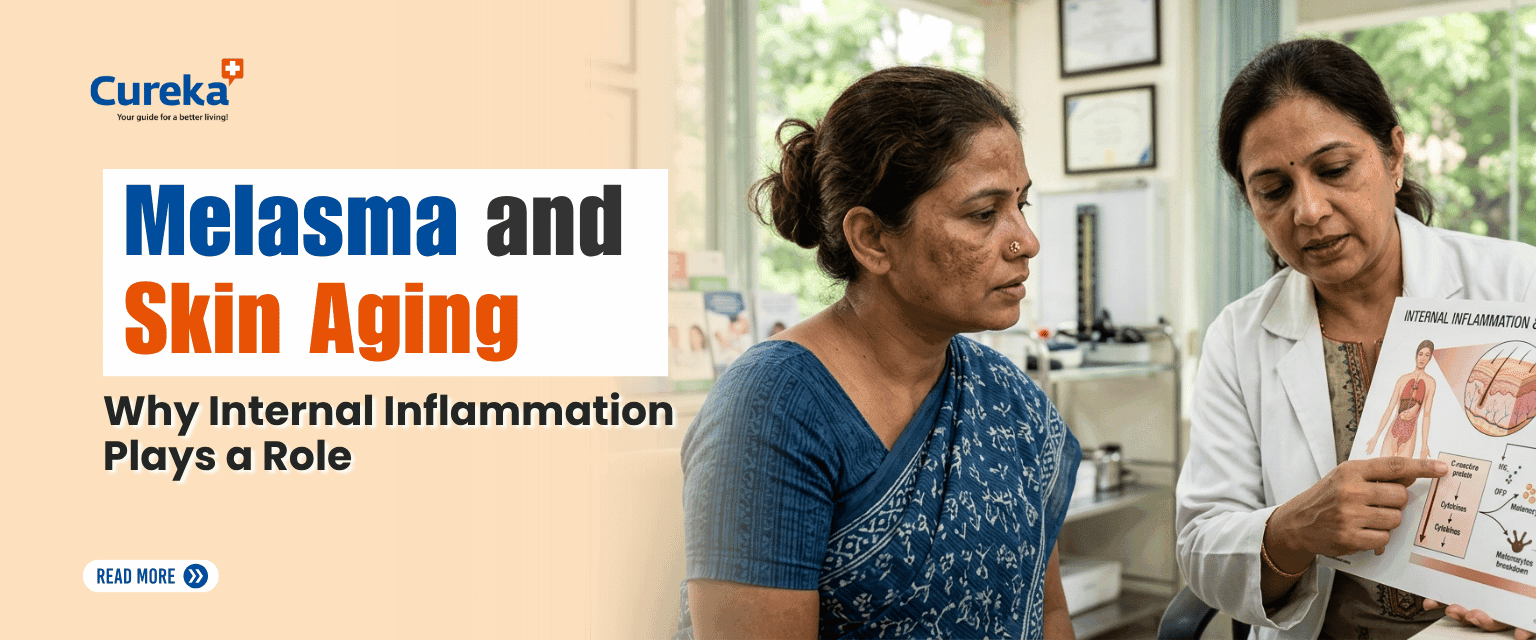



Our skin is a dynamic structure which constantly regenerates. As we age the hydration of skin along with the elastic and collagen fibres responsible for firmness of skin decreases and the capacity to regenerate declines.
Women nearing menopause see the changes more drastically due to hormonal changes. This leads to loss of suppleness or firmness in skin with sagging of skin folds. The hydration of skin and a skin barrier deteriorates leading to dry and flaky skin or prominent skin creases and lines. Perceptive feel of skin becomes slightly rough.
In addition to these the vessels in skin weaken leading to spider veins and blotchy red areas.With female hormonal decline,
testosterone a predominantly male hormone found in lesser amounts in females, starts to rise. This leads to coarse hairs in chin and upper lip area.
It can also lead to excessive hair loss and sparseness of hair over head. The hair partition area in the centre appears to widen. There can also be increased body hair at times.
Skin care during menopause
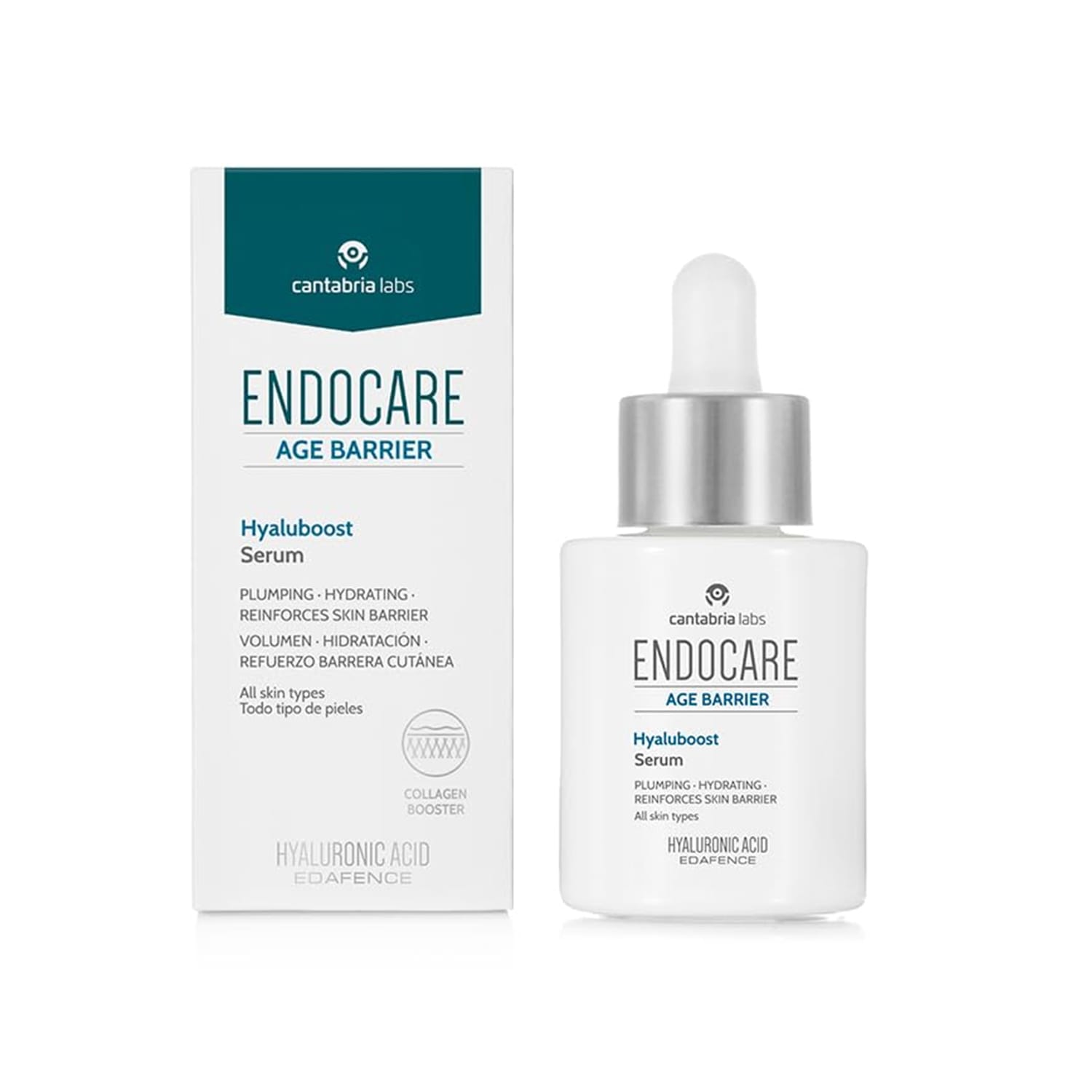
1. Hydrate skin with fragrance free moisturisers twice since the skin barrier declines with age
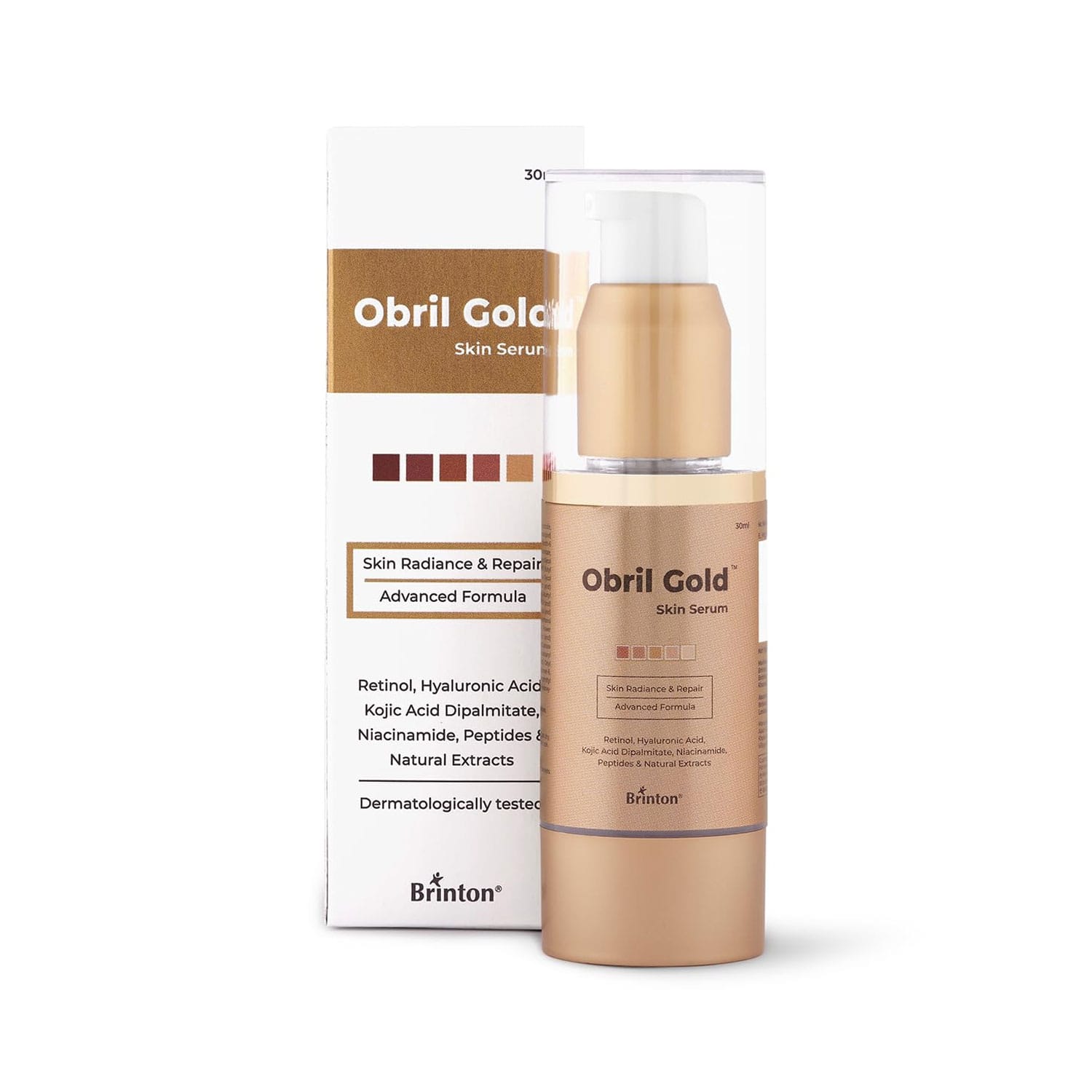
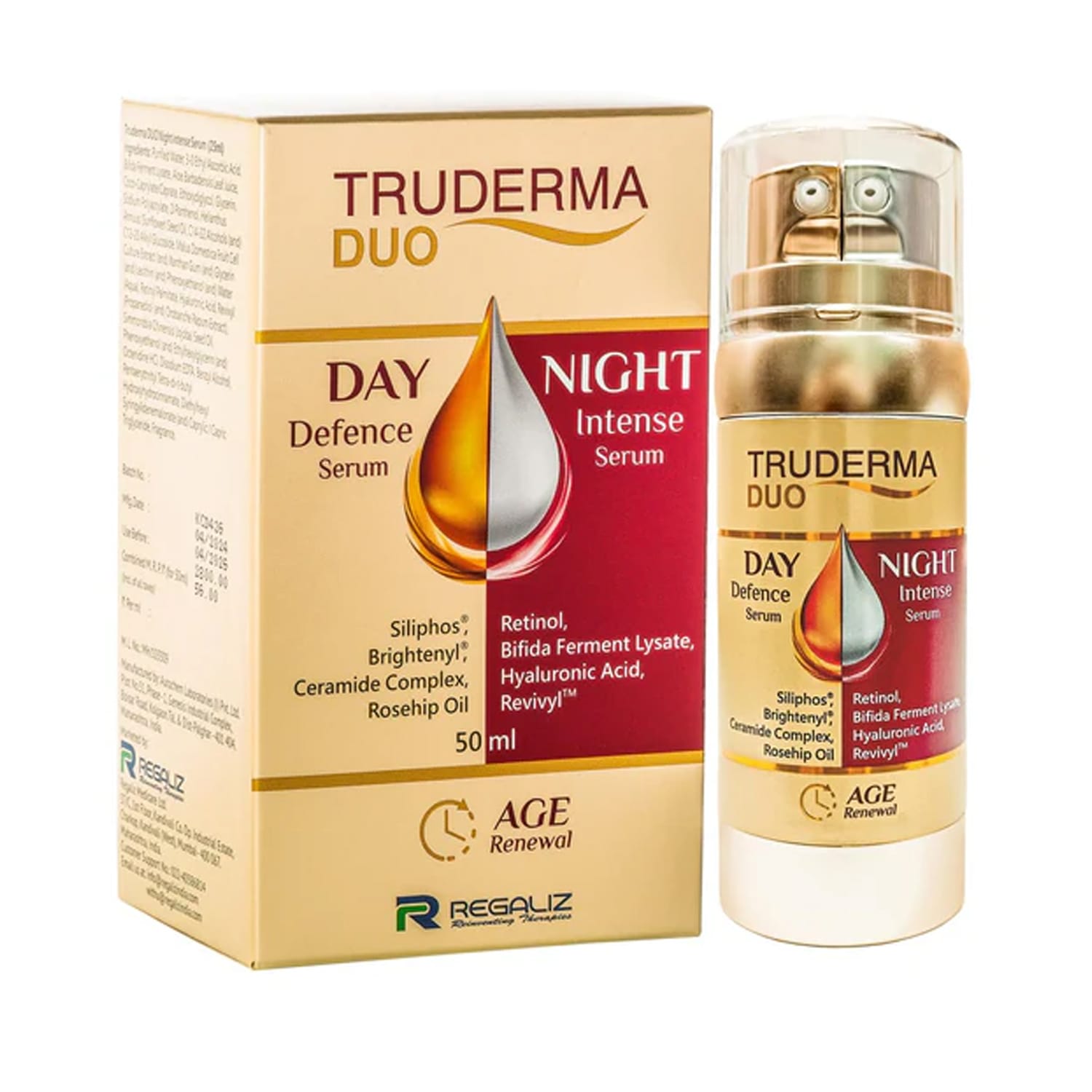
2. A retinol based cream on facial skin at night helps in increasing collagen turnover and skin regeneration maintaining smoothness and firmness of skin. It may cause flakiness in some so choose after consulting dermatologist and use along with moisturizer
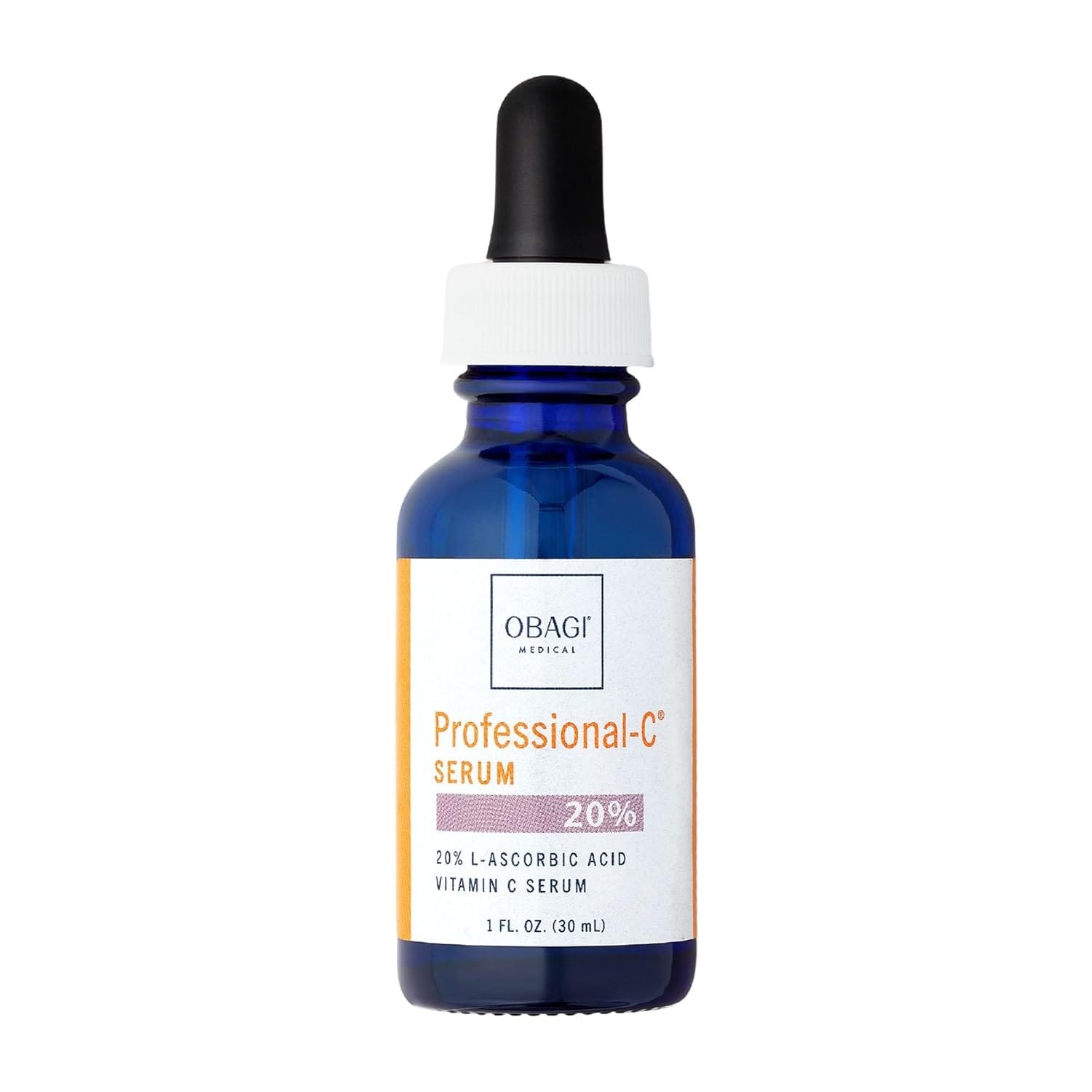
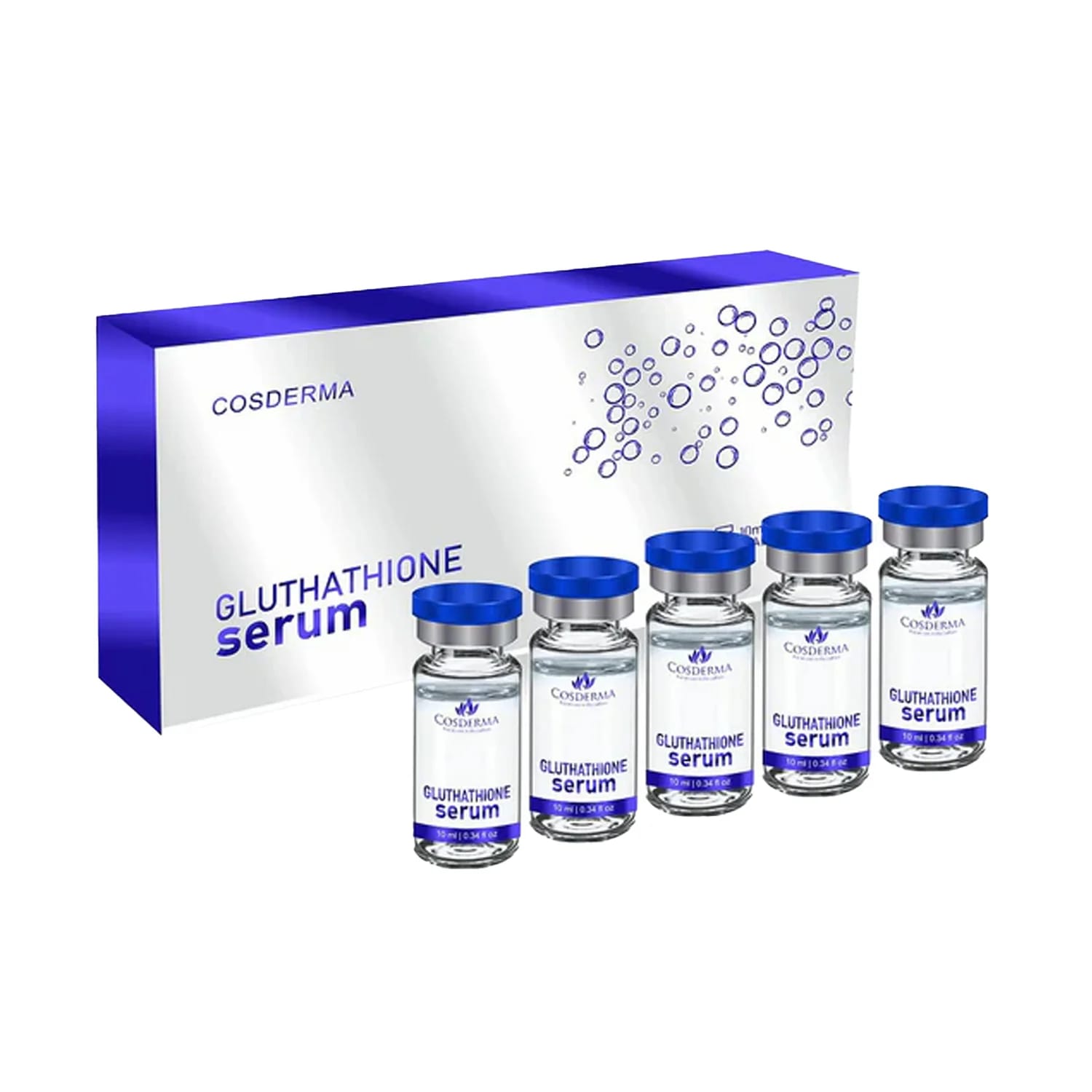
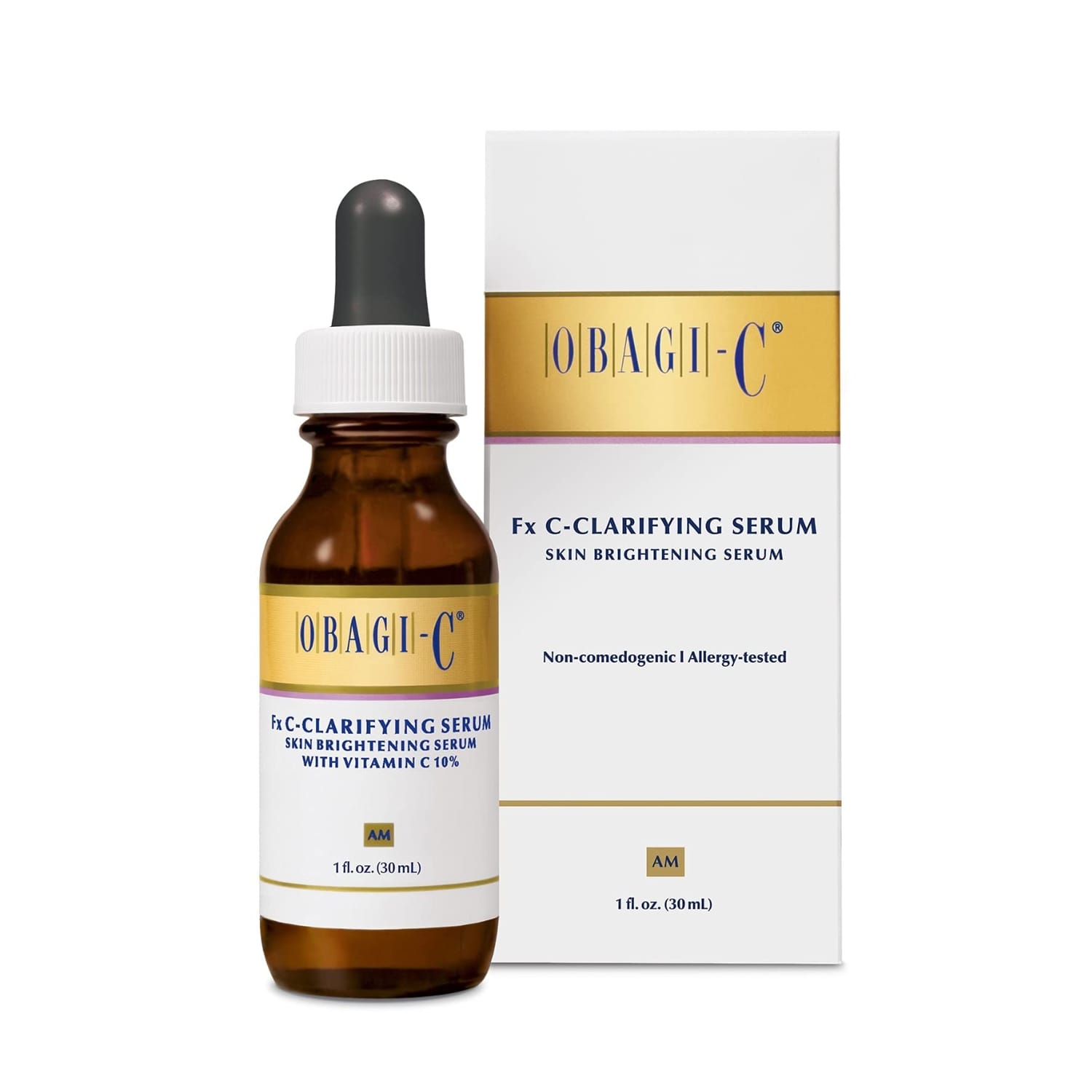
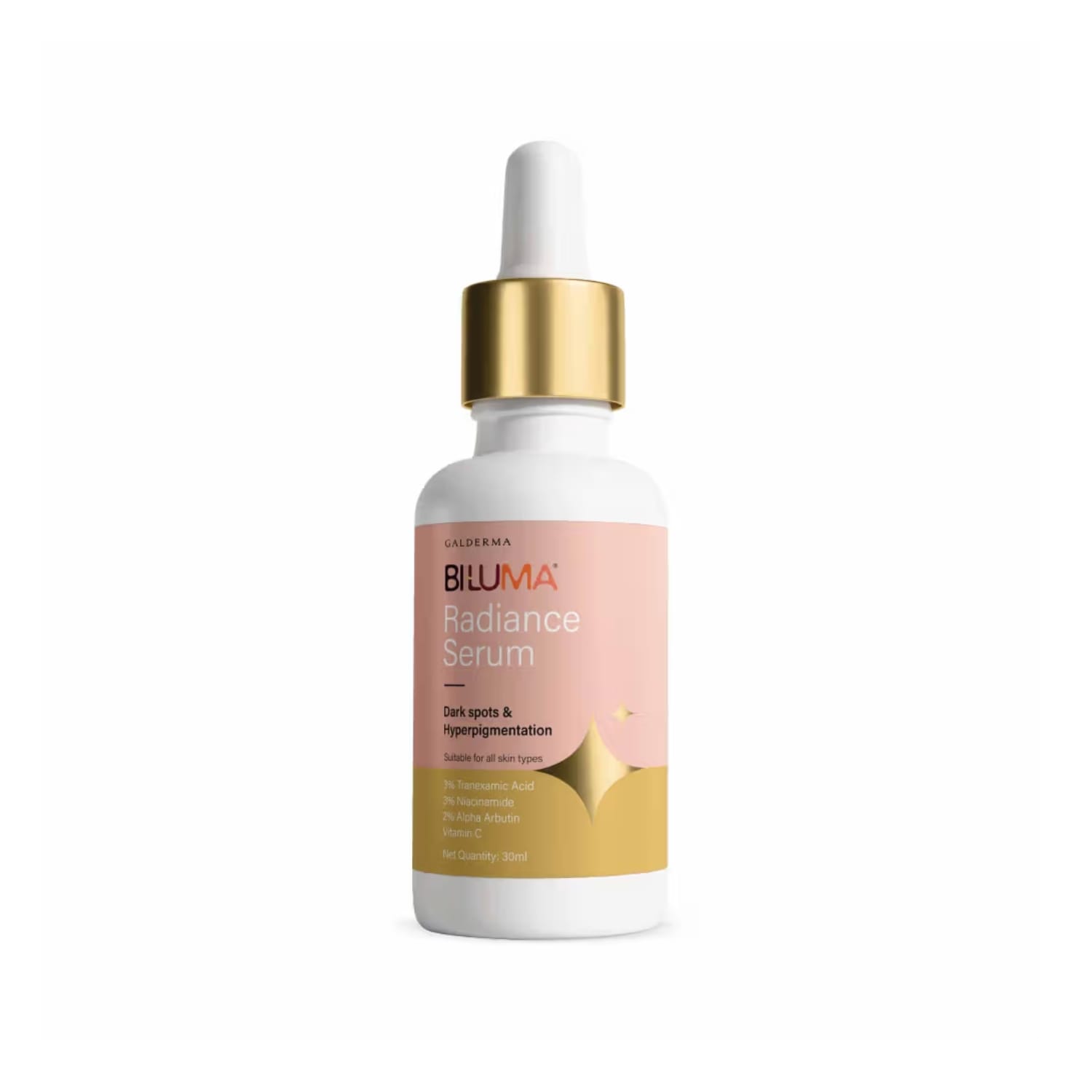
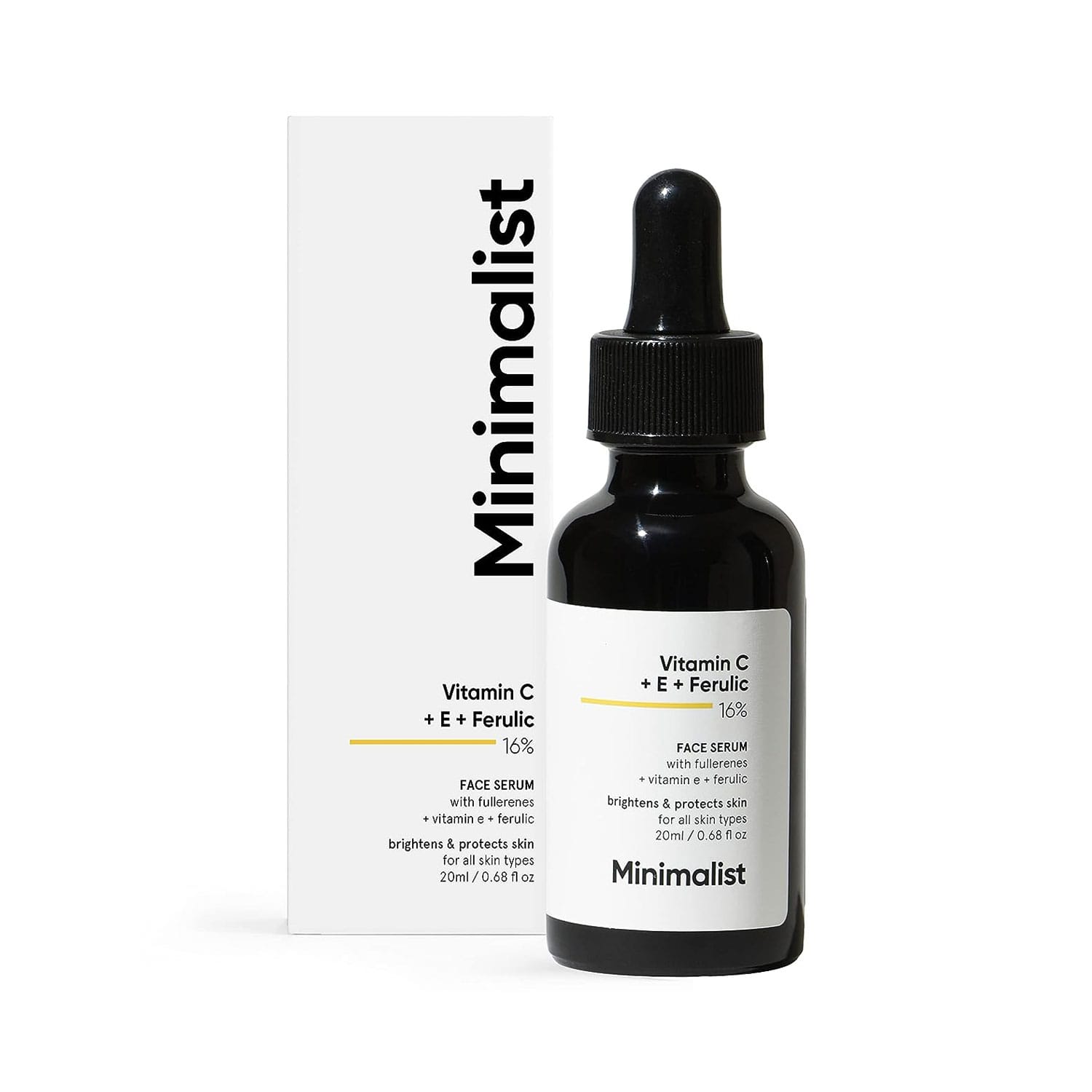
3. Vitamin C based serums help in even skin pigmentation. It is also a powerful antioxidant helping in skin defence
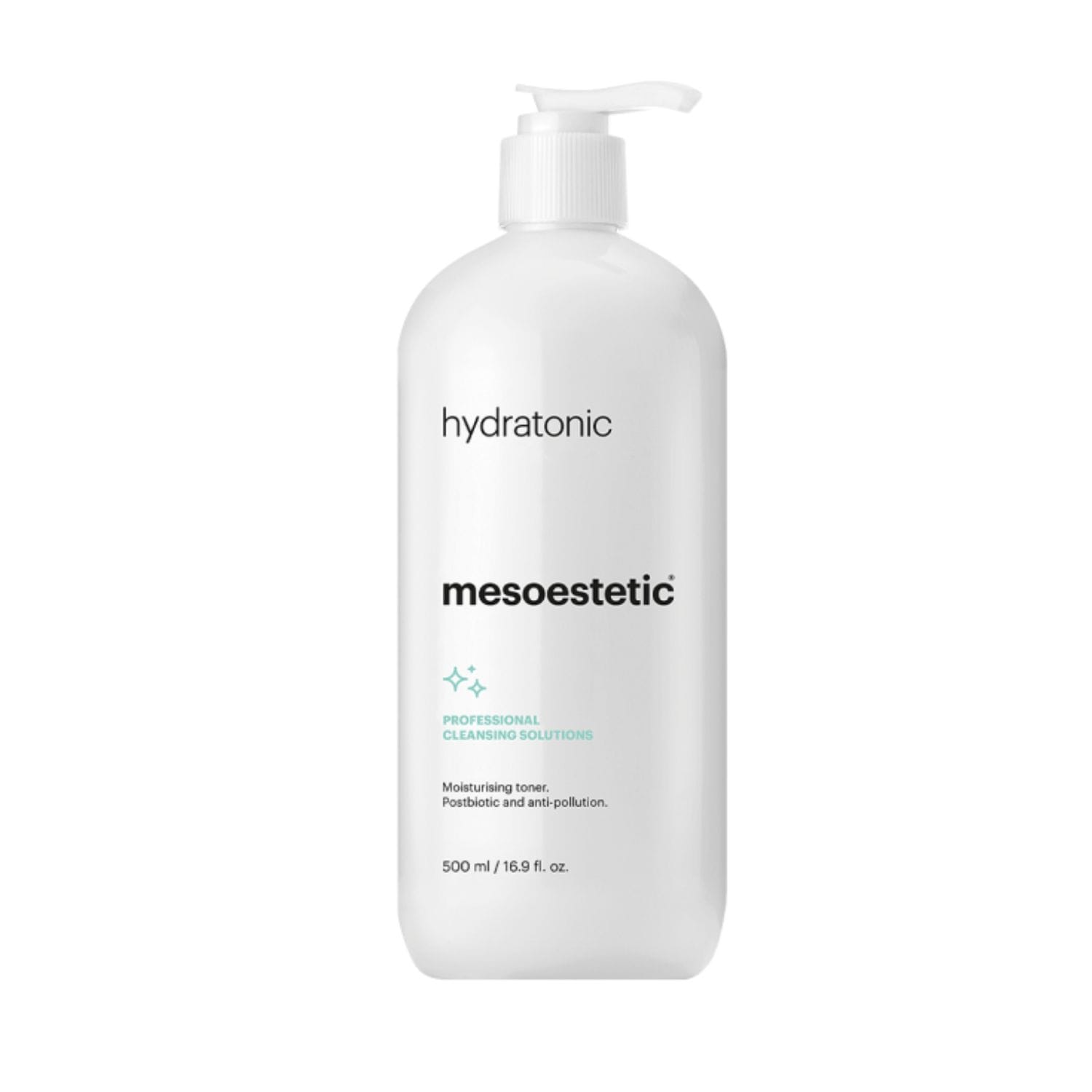
4. Use non soap cleansers or soaps with acidic pH to avoid stripping of skin oils and to retain moisture
5. Use products with minimal additives such as fragrances, colours and such to avoid contact dermatitis and allergies which are more common with skin changes post menopause
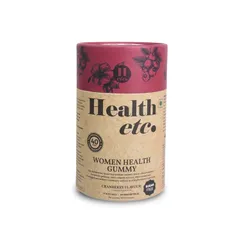
6. A good balanced diet rich in colorful fruits, vegetables, berries and nuts provide the much needed antioxidants and nutrients to help combat skin ageing in addition to good health
7. Drink plenty of water to maintain hydration
8. Use sunscreens as a part of skin care routine to avoid damaging effects of UV Rays.
9. Hot flashes and hormonal fluctuations may increase perspiration so bath twice a day and wear cotton clothes ti avoid heat rashes.
Menopause is a stressful time for females when the fluctuating hormones leads to multiple bodily symptoms like fatigue and hot flashes and fluctuations in mood with periods of depression and irritability. Emotional support and addressing these symptoms help in crossing this period. A good skin care helps in preserving skin quality and postponing aging changes.