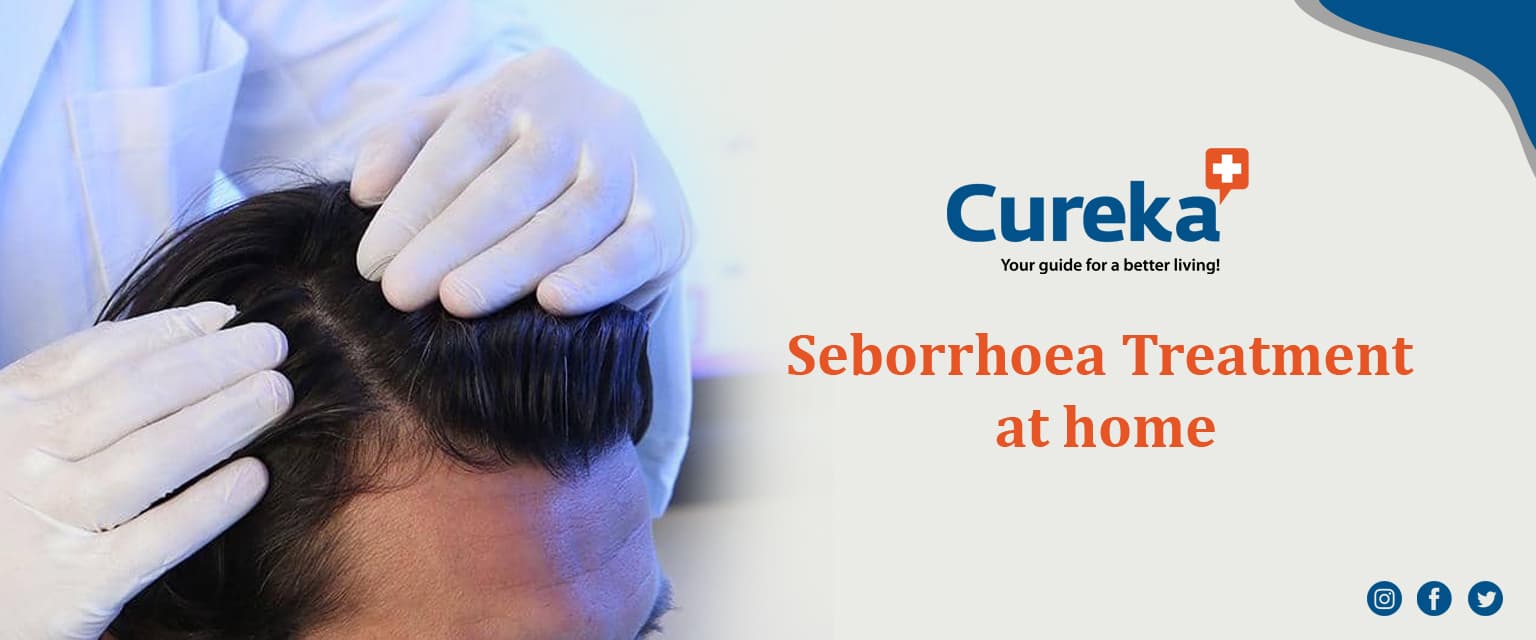
Seborrhoea, commonly know as dandruff is a very common skin condition which affects infants, adolescents and adults. This typically presents as flaky, greasy, mildly reddish (at times). It is most of the times seen on the scalp, nasolabial folds, ears, eyebrows, anterior chest, upper back or groin.
Malassezia yeast is the main culprit causing this problem. Malassezia is a normal component of skin flora, i.e it is normally present on the skin surface. But in case of seborrheic dermatitis, the yeast invade the stratum corneum (the topmost layer of the skin). The inflammation caused due to this leads to dryness and scaling.
There are various factors which can determine the severity of the condition:
a) Sebaceous (oil) secretions this depends mostly on genetics, age and hormonal changes.
b) Skin surface fungal colonisation
c) Individual susceptibility, there are several factors affecting this like neurological disorders, psychiatric diseases and immune problems (HIV, transplants, prolonged illness or cancer treatments).
d) Interactions between these factors.
Quite interestingly men are more affected than women.
Seborrhoea peaks during three age periods - in the first three months of life, during puberty, and in adolescence. It is uncommon to see it after 50 years until the person has health issues or is immune compromised.
There are several treatments available for seborrhoea and usually can be treated at home efficiently. The treatment should be continued for a prolonged period of time as this is a chronic condition so ongoing maintenance therapy is often necessary to keep it under check.
Let’s start with infantile seborrheic dermatitis or commonly called cradle cap. You have to be very gentle and handle this by applying emollients containing mineral oil, or natural oils like coconut oil, olive oil etc. Petroleum jelly can also be useful. These help loosen the scales. Once the scales loosen up you can’t brush with a soft brush. Using mild baby shampoos are the only ones recommended. In a baby below the age of 2 years you can’t really use a medicated shampoo.
In anyone above the age of 2 years can be treated with over-the-counter shampoos, topical antifungals, calcineurin inhibitors and corticosteroids. This is quite age dependent and the severity of the condition also dictates the treatment.
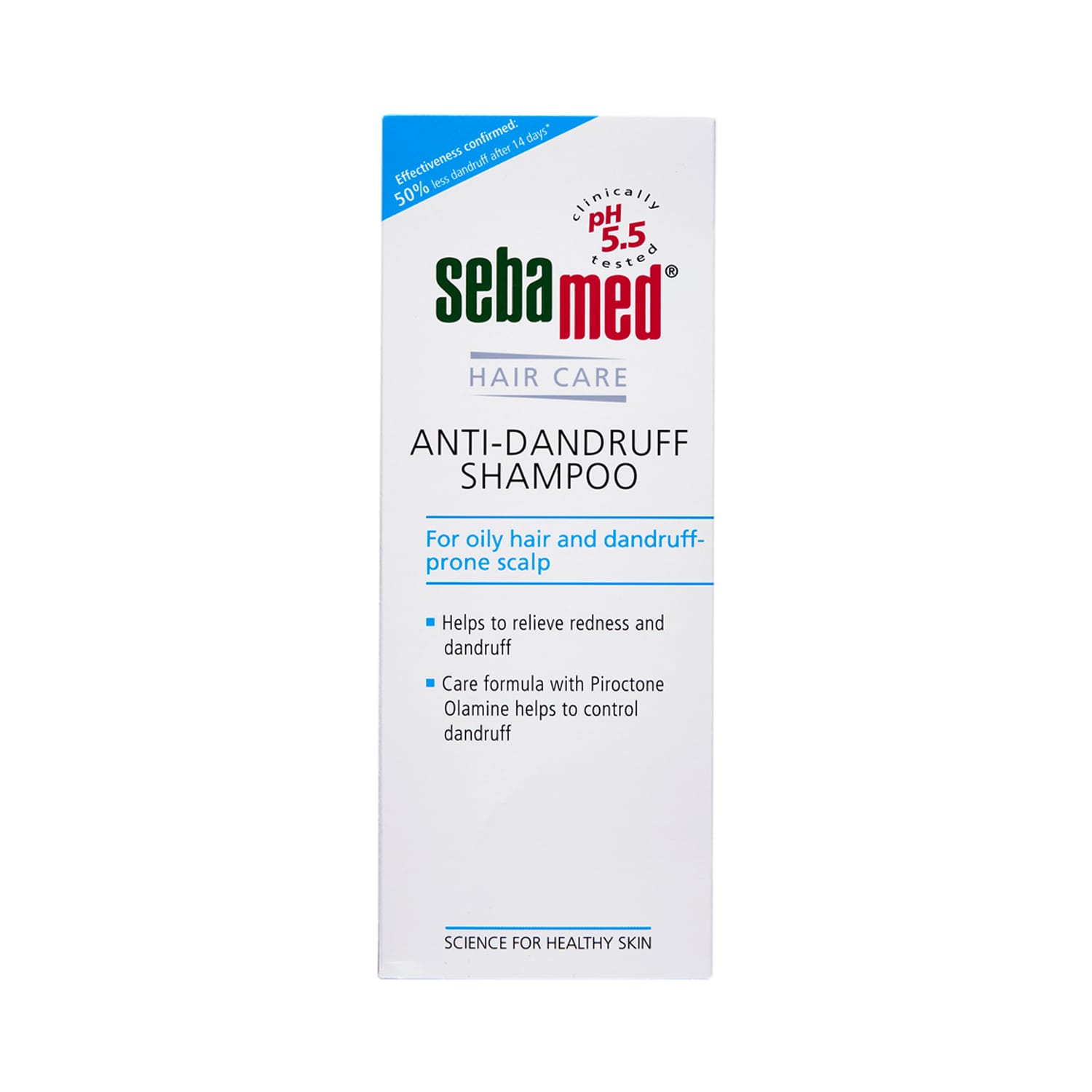
Shampoos are the first choice for treatment. Shampoos used have various ingredients which are helpful for controlling the seborrhoea and irritation.
Antifungal agents like ketoconazole 2% or ciclopirox 1% are present in shampoos which control the excessive production of the yeast thus controlling the problem.
Salicyclic acid has anti keratolytic agents which help in reducing scaling effect on the scalp.
Sulfur (Selenium sulfide) which is present in the shampoos has both keratolytic and anti microbial action .
Zinc pyrithione (ZPT) heals the scalp by normalizing the epithelial keratinization (scaling) or sebum production (Oiliness) or both.
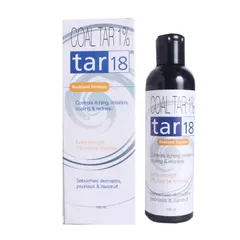
Tar is used in very severe cases of dandruff and scalp psoriasis. This disperses scales, which may reduce the yeast (malasezzia) colonisation.
Natural agents like tea tree oil, coffee, etc are useful to some extent with other agents to control itching and scaling.
These shampoos can be used once or twice per week depending on the severity of the condition. You will need to use them for few months or for years together as maintenance therapy.
There are few leave on antifungal lotions which under medical supervision can be used to treat severe seborrhoea along with the shampoos.
Ayurvedic oil
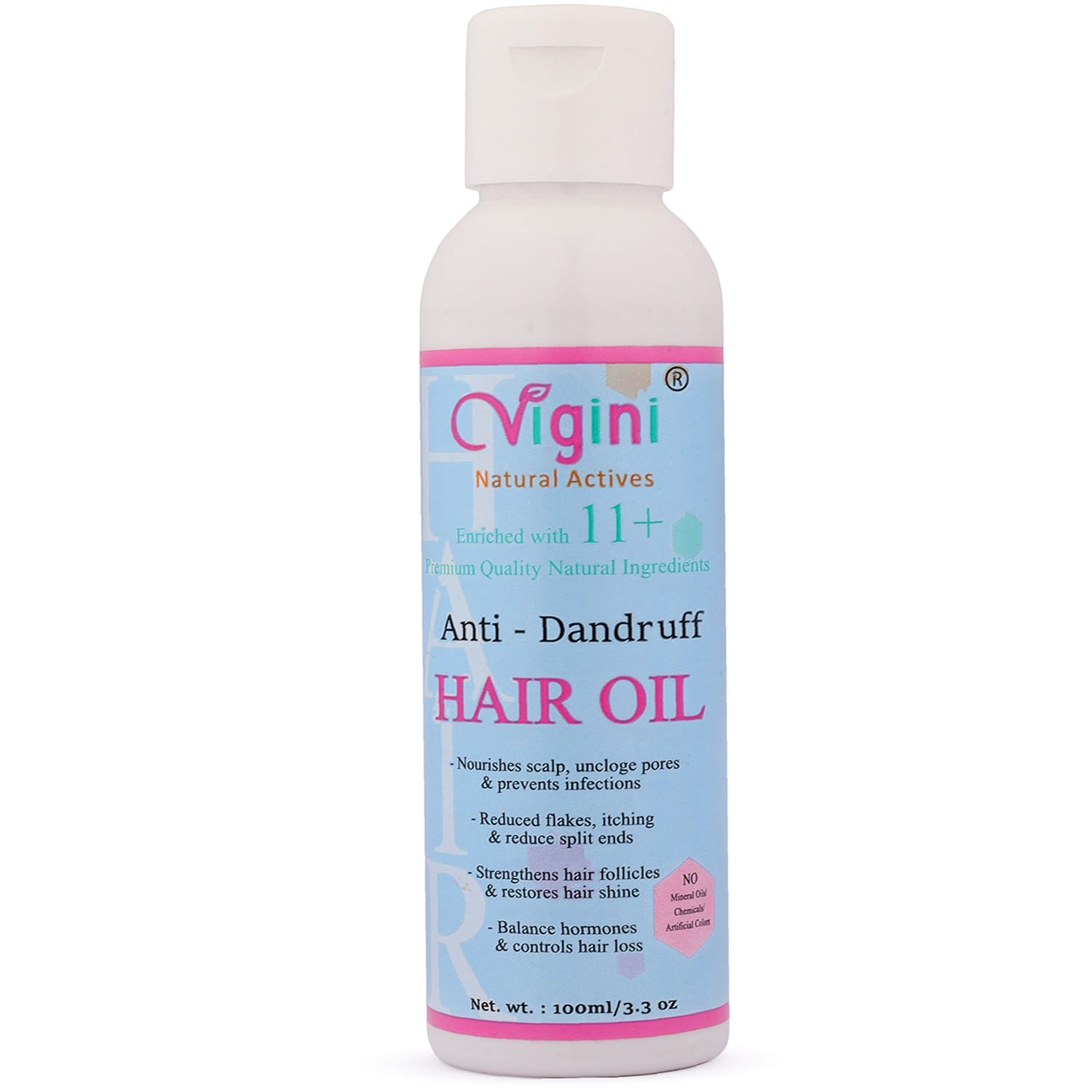
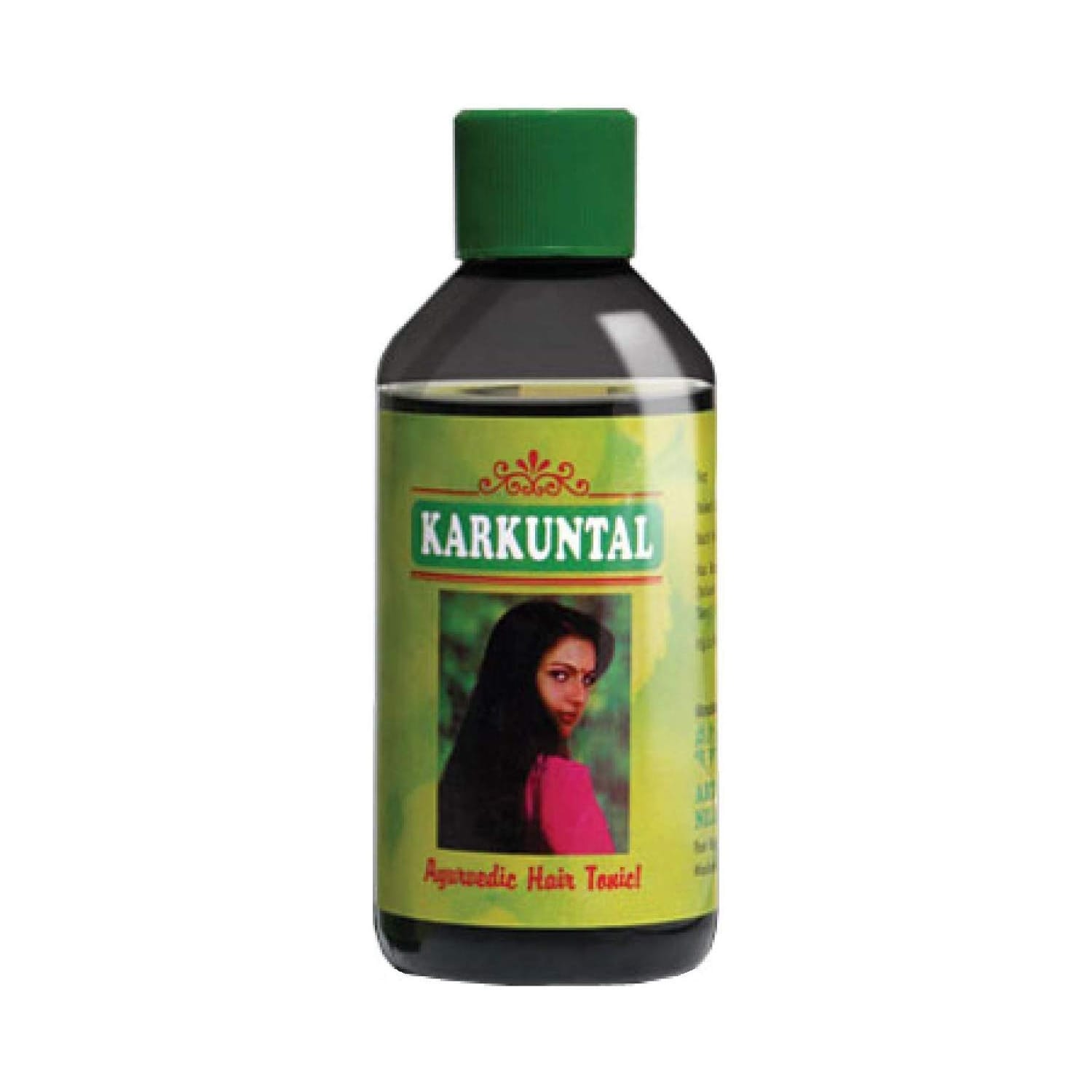
If you have too much scaling then you can use natural oils too to help reduce the scaling. Ayurvedic herbs infused in natural oils like coconut, sesame,olive oil etc reduces scales and irritation on the scalp. Tea tree oil is also used along with other ingredients to soothe the scalp. Ayurvedic oil preparations have proven effective in the treatment of seborrhoea as an adjuvant therapy to other treatments.
Steroids can be used in case you have severe redness or irritsion on the scalp. You will have to consult your dermatologist before you start any steroid. Milder steroids are prescribed for mild to moderate seborrhoea. In case of psoriasis it can be a moderate potency steroid too along with tar to help reduce the severe scales.
Seborrhoea/ Dandruff is a very common condition with several treatments available. Determining what stage your problem is in and the other issues due to them helps you pick the right treatment. If you have itching or redness or boils on the scalp seek proper medical advise.