

Sofy AntiBacteria Extra Long Pads (14 Pads)
SOFY
₹1316% off₹140
CARBAMIDE FORTE
Combo
Combo
Combo
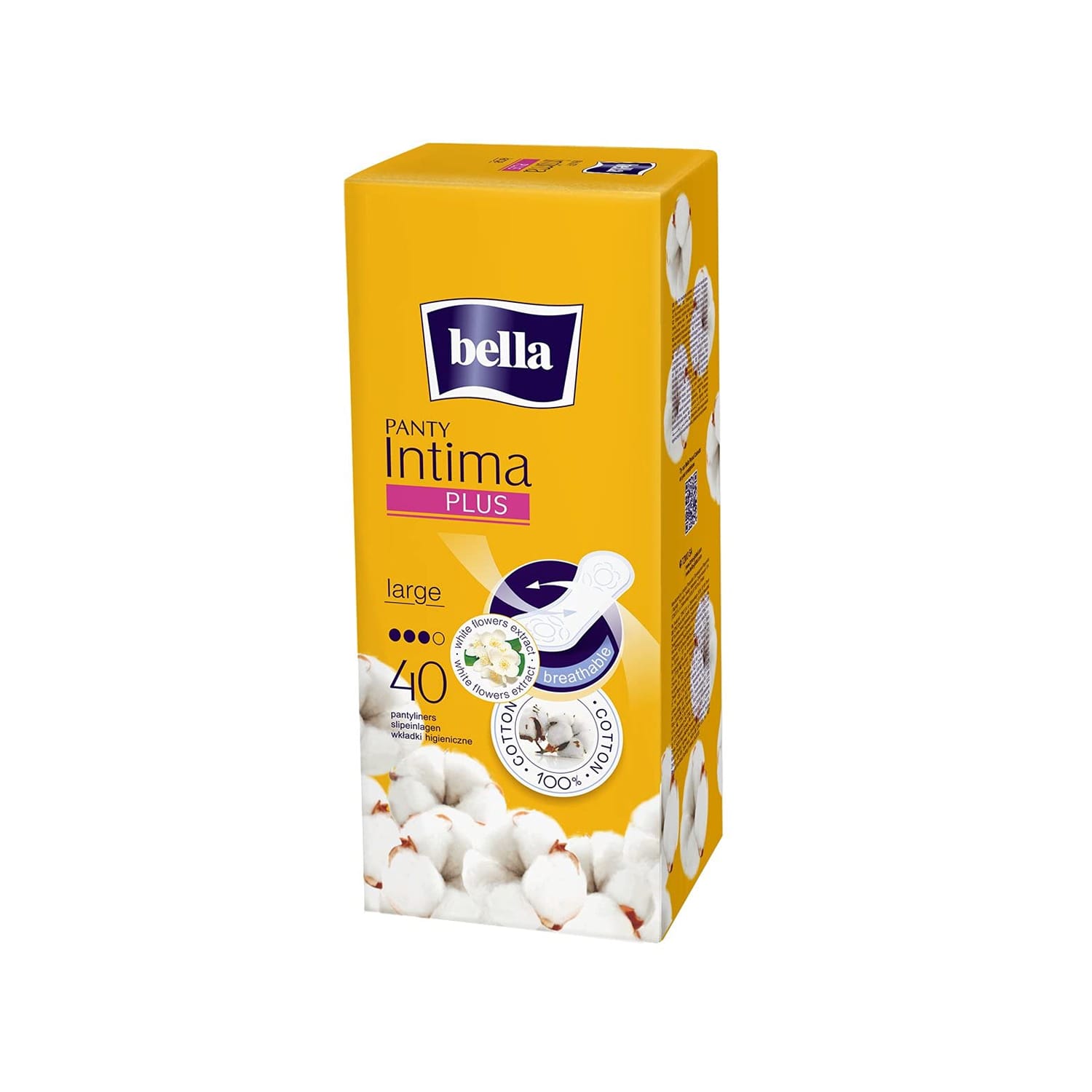
Bella
Menstrual care is essential for maintaining hygiene and comfort during your period. Whether it's choosing the right sanitary product, managing cramps, or ensuring hygiene, practicing proper menstrual care can make this time of the month more manageable and even improve your overall health. From sanitary pads to menstrual cups and supplements, let’s dive into the best practices for period wellness.
Maintaining good hygiene is the foundation of period wellness. During menstruation, your body is more vulnerable to infections, so extra care is needed.
Hand Hygiene: Always wash your hands thoroughly with soap and water before and after changing a menstrual product. This prevents infections and ensures that you're maintaining proper hygiene.
Daily Cleansing: Clean your intimate area daily using warm water. Avoid scented soaps, which can disrupt the natural pH balance and cause irritation.
Proper disposal of menstrual products is crucial for both hygiene and environmental responsibility.
Sanitary pads: Wrap used sanitary pads in tissue or toilet paper and dispose of them in the trash. Never flush menstrual products down the toilet as this can lead to plumbing issues and harm the environment.
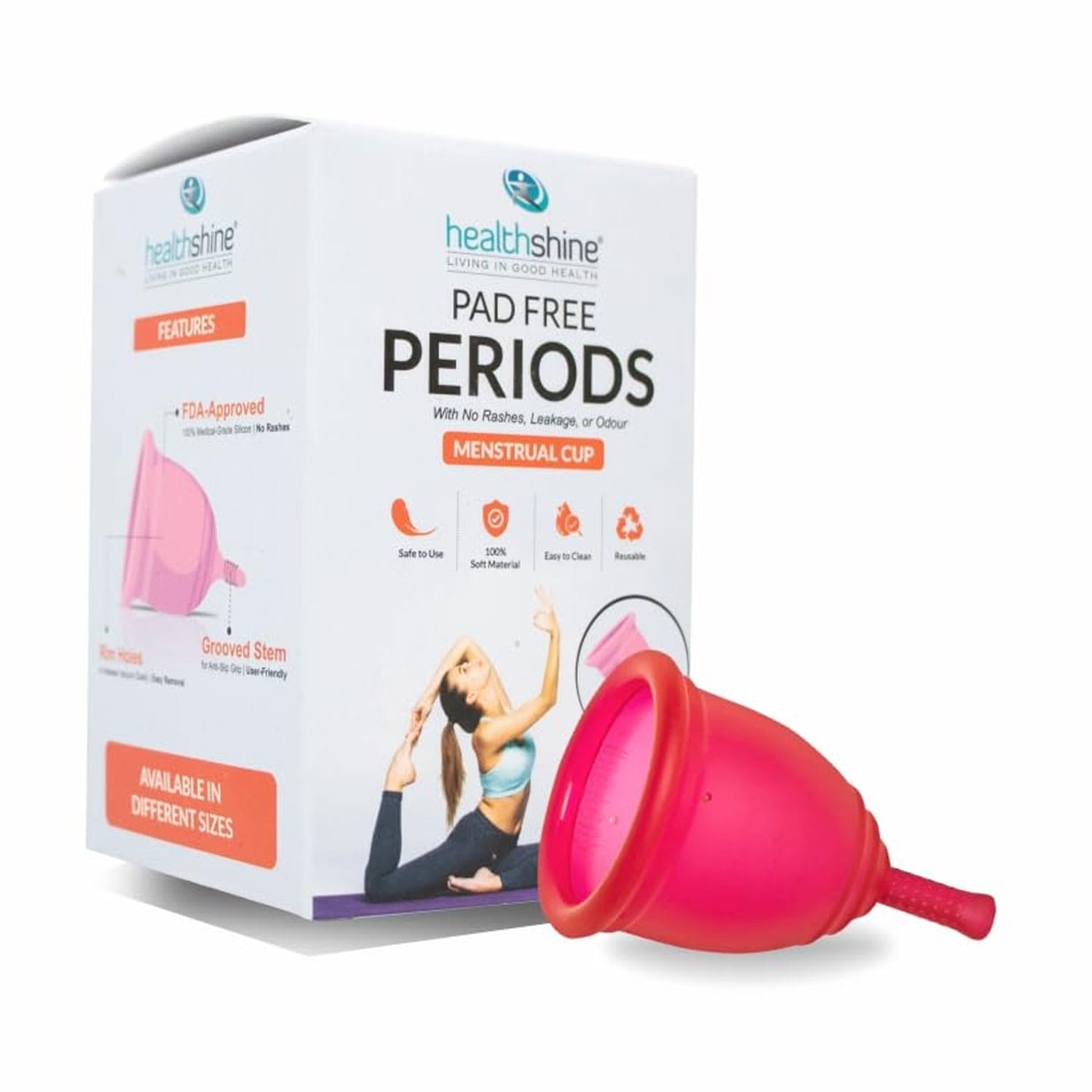
Menstrual Cups: Empty and rinse your menstrual cup with water every 4 to 12 hours, depending on your flow. After your period, sanitize the cup by boiling it for 1 to 2 minutes.
There are a variety of menstrual products available, each suited to different needs and preferences. Whether you prefer the convenience of tampons or the eco-friendliness of reusable products, there are plenty of options available:
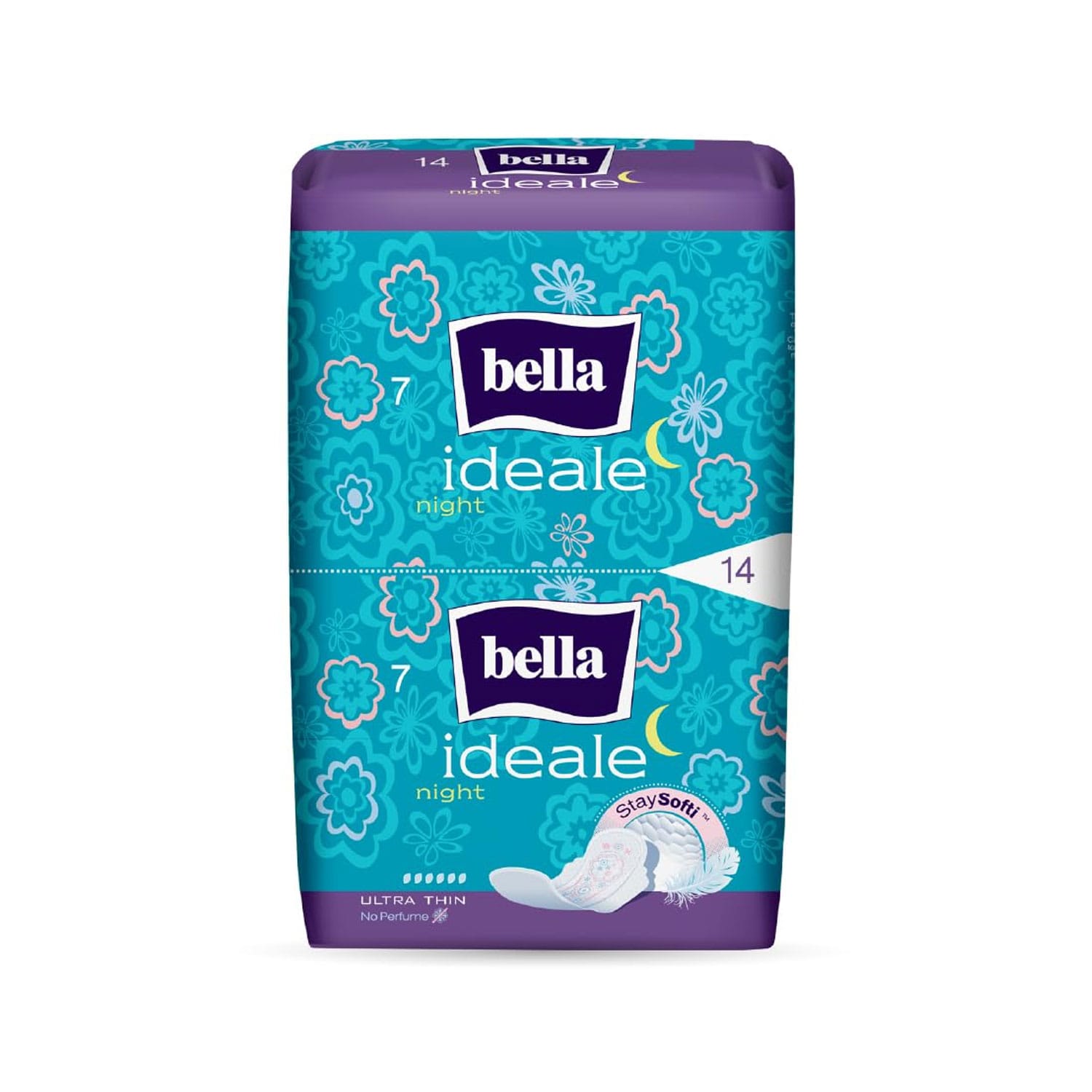
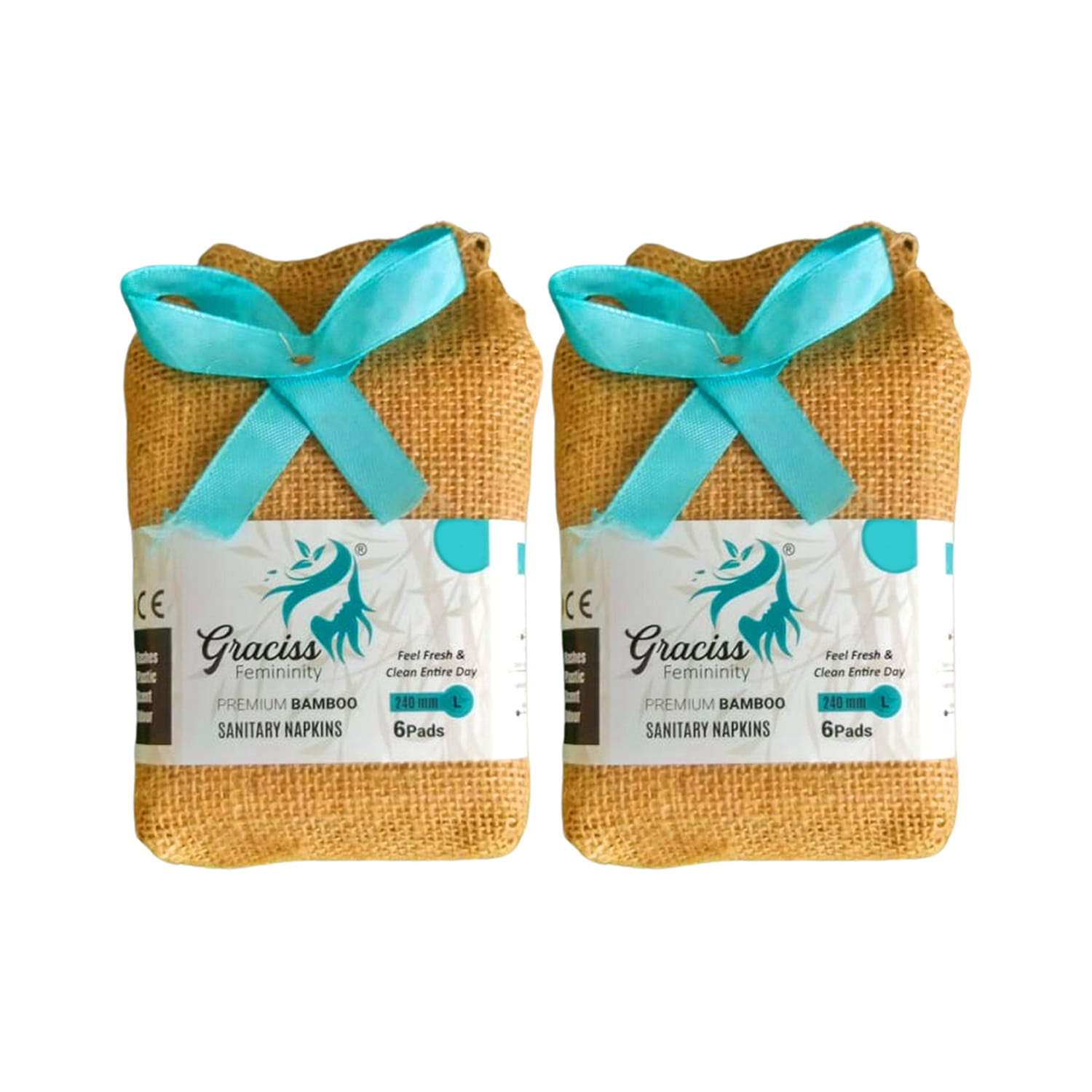
Sanitary Pads: These are one of the most widely used period care products. For optimal comfort and breathability, consider switching to cotton sanitary pads, bamboo napkins, or anion sanitary pads, which offer additional hygiene benefits. It's crucial to change your pad every 4 to 6 hours, or more frequently if your flow is heavy, to prevent discomfort, skin irritation, and bacterial growth. If certain pads cause skin irritation or rashes, try using hypoallergenic or unscented pads, and consider consulting a dermatologist to address any skin concerns.
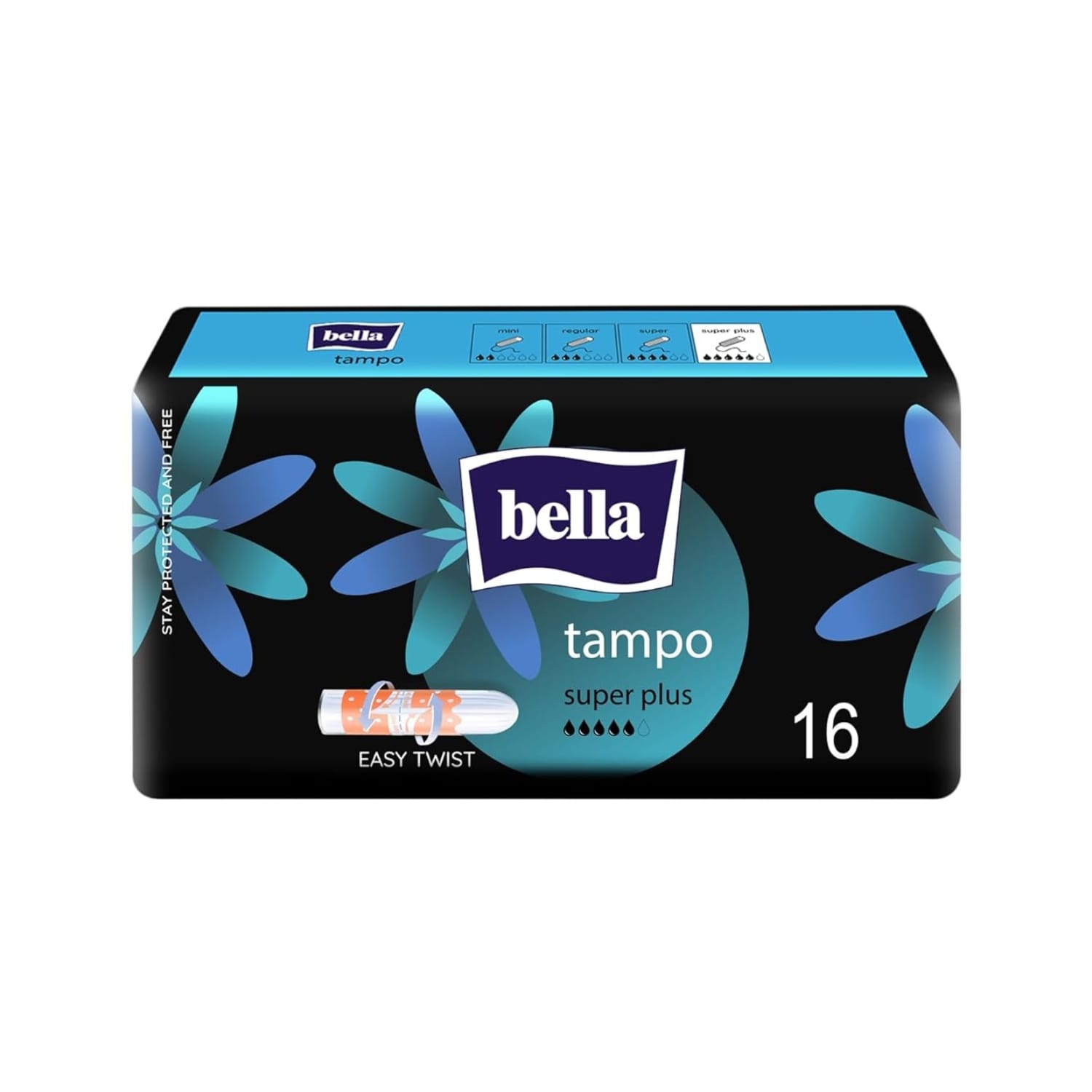
Tampons: Tampons are discreet, highly absorbent, and come in different absorbency levels. It's important to change them every 4 to 8 hours based on your flow. To reduce the risk of Toxic Shock Syndrome (TSS), always use the lowest absorbency tampon that effectively handles your flow. For example, if your flow is light, opt for a "light" or "regular" tampon rather than a "super" or "super plus." This helps prevent unnecessary absorption and minimizes the risk of TSS. Signs of TSS include sudden fever, rash, vomiting, and dizziness. To further minimize risk, consider alternating between tampons and other menstrual products if needed, and never leave a tampon in for more than 8 hours.
Menstrual Cups: Reusable menstrual cups are gaining popularity for their sustainability. They can hold more fluid than a tampon or pad and can last for years with proper care. They are also budget-friendly in the long run and are a great eco-friendly option.
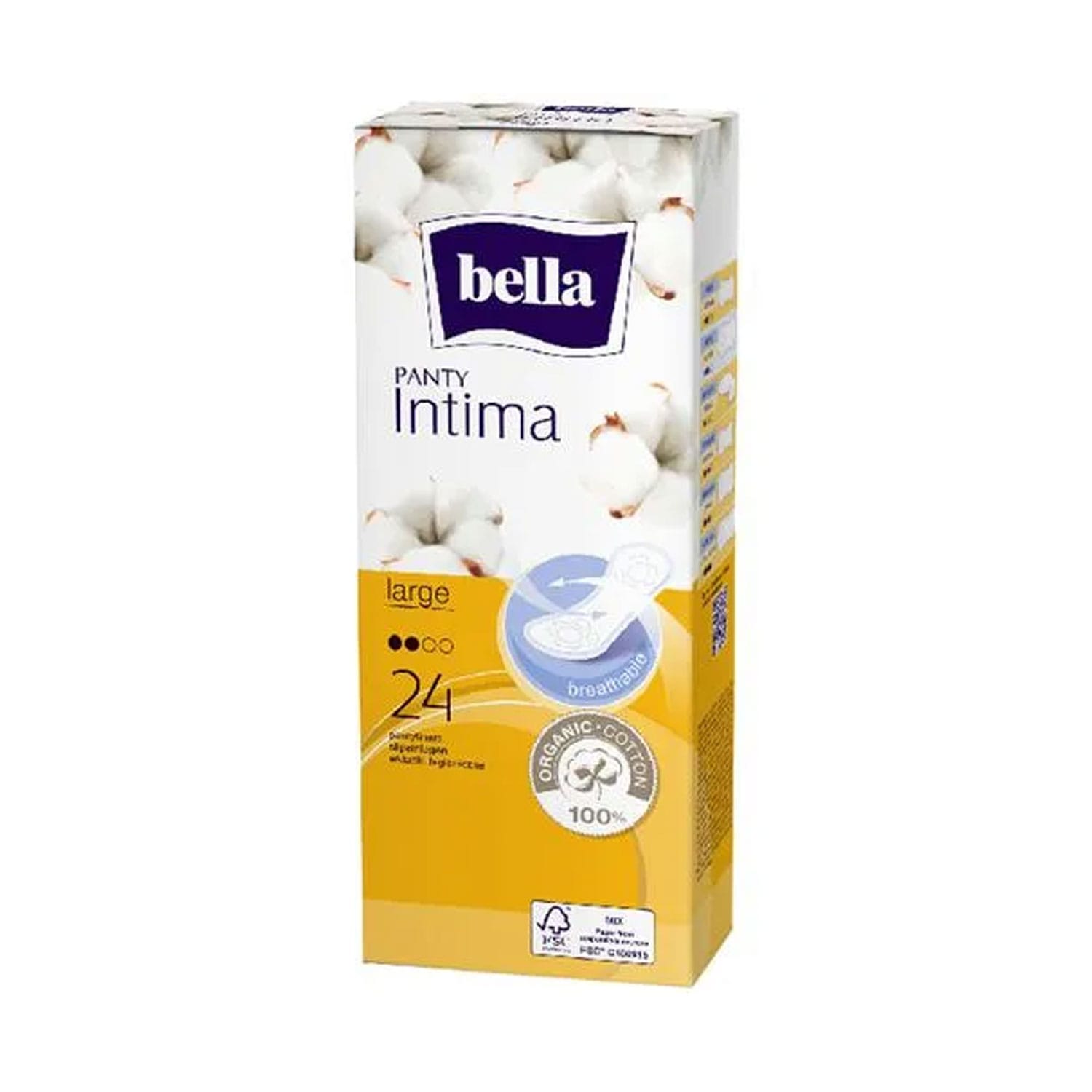
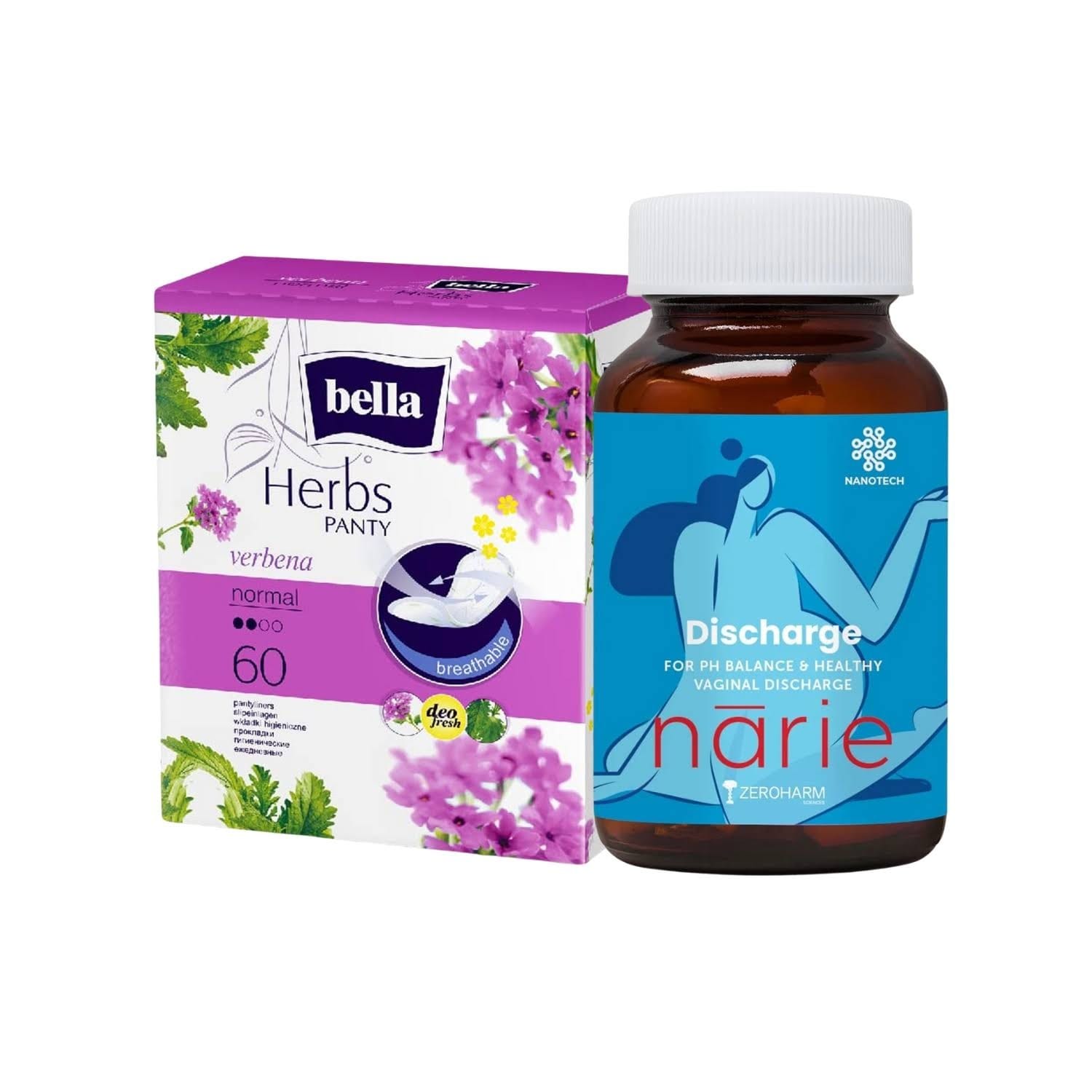
Period Panties and Panty Liners: Period panties are designed to be leak-proof and can serve as backup protection or even be worn alone on light flow days. Panty liners are ideal for light spotting or extra protection when using tampons or menstrual cups.
For many, menstrual cramps are an inevitable part of their period. However, there are several effective methods to manage menstrual cramps and alleviate discomfort:
Heat Therapy: Applying a heating pad to your lower abdomen can reduce the severity of cramps by improving blood flow to the area and relaxing the muscles.
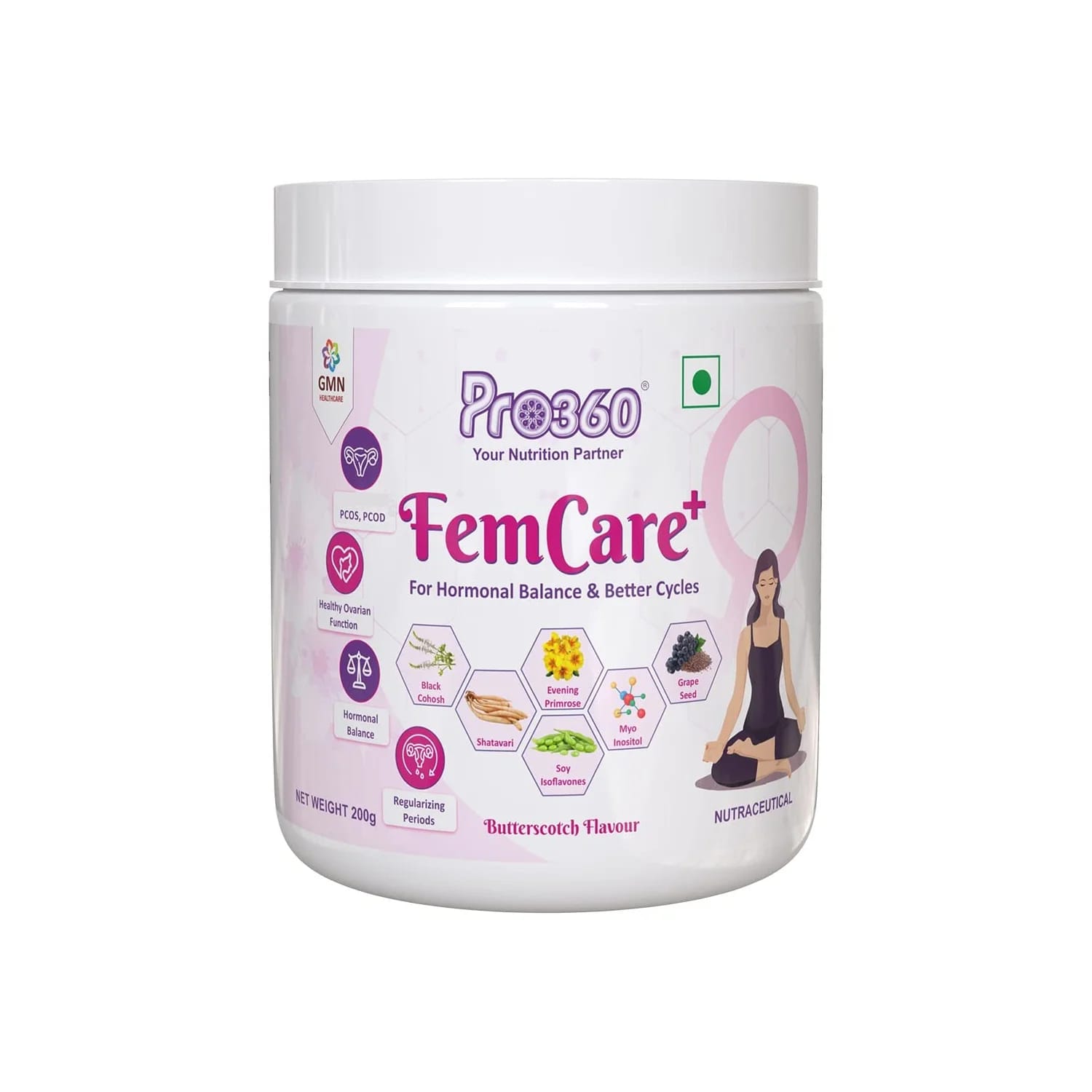
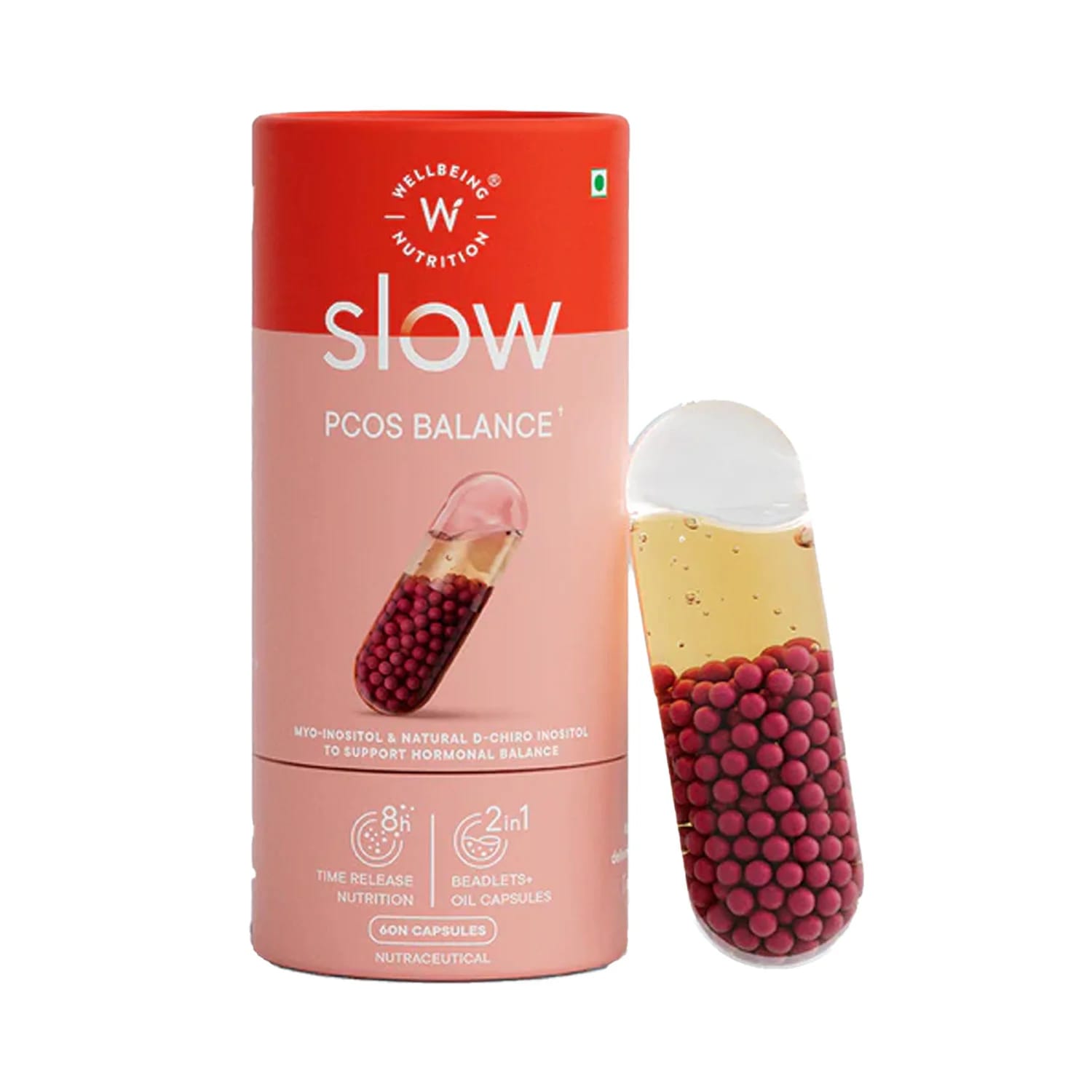
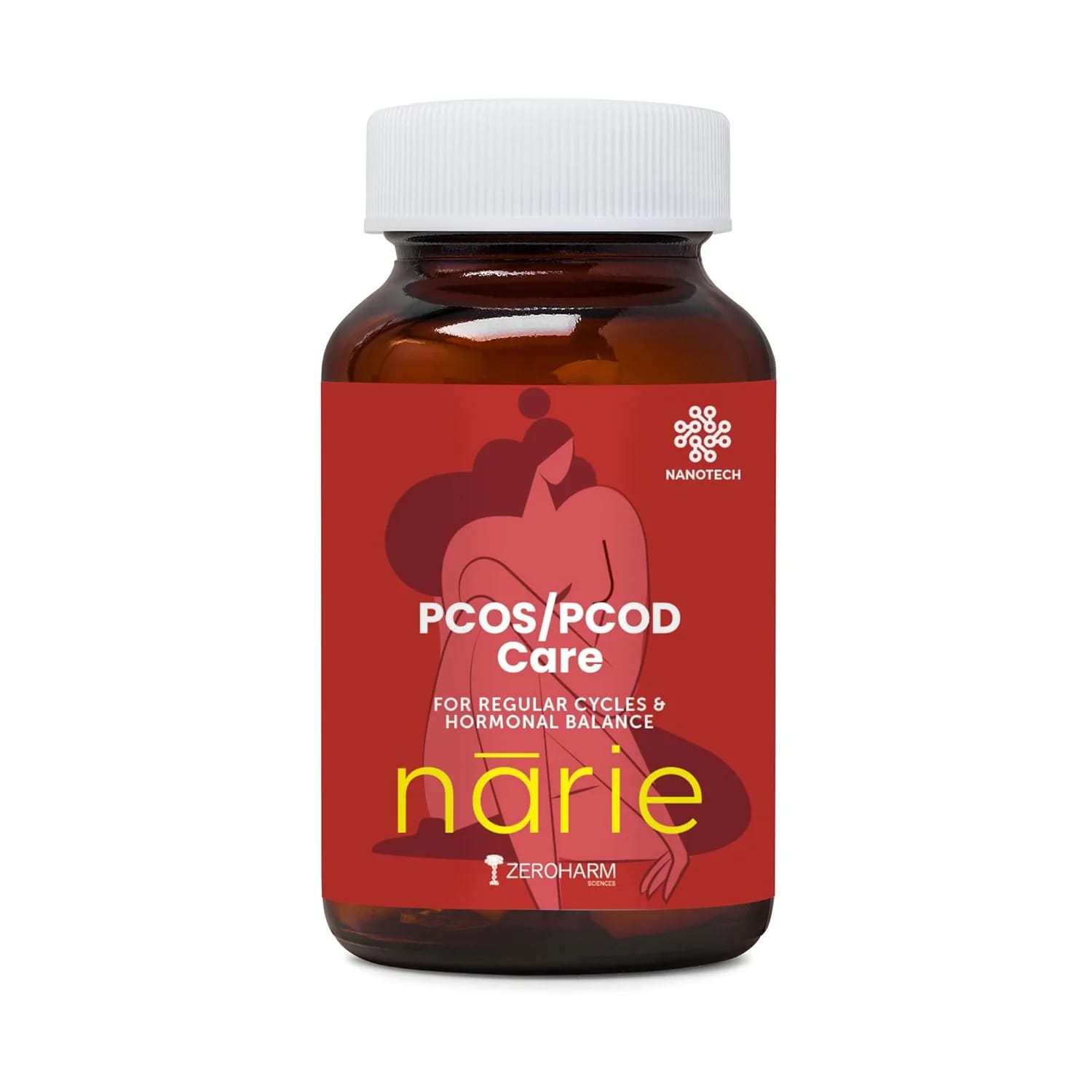
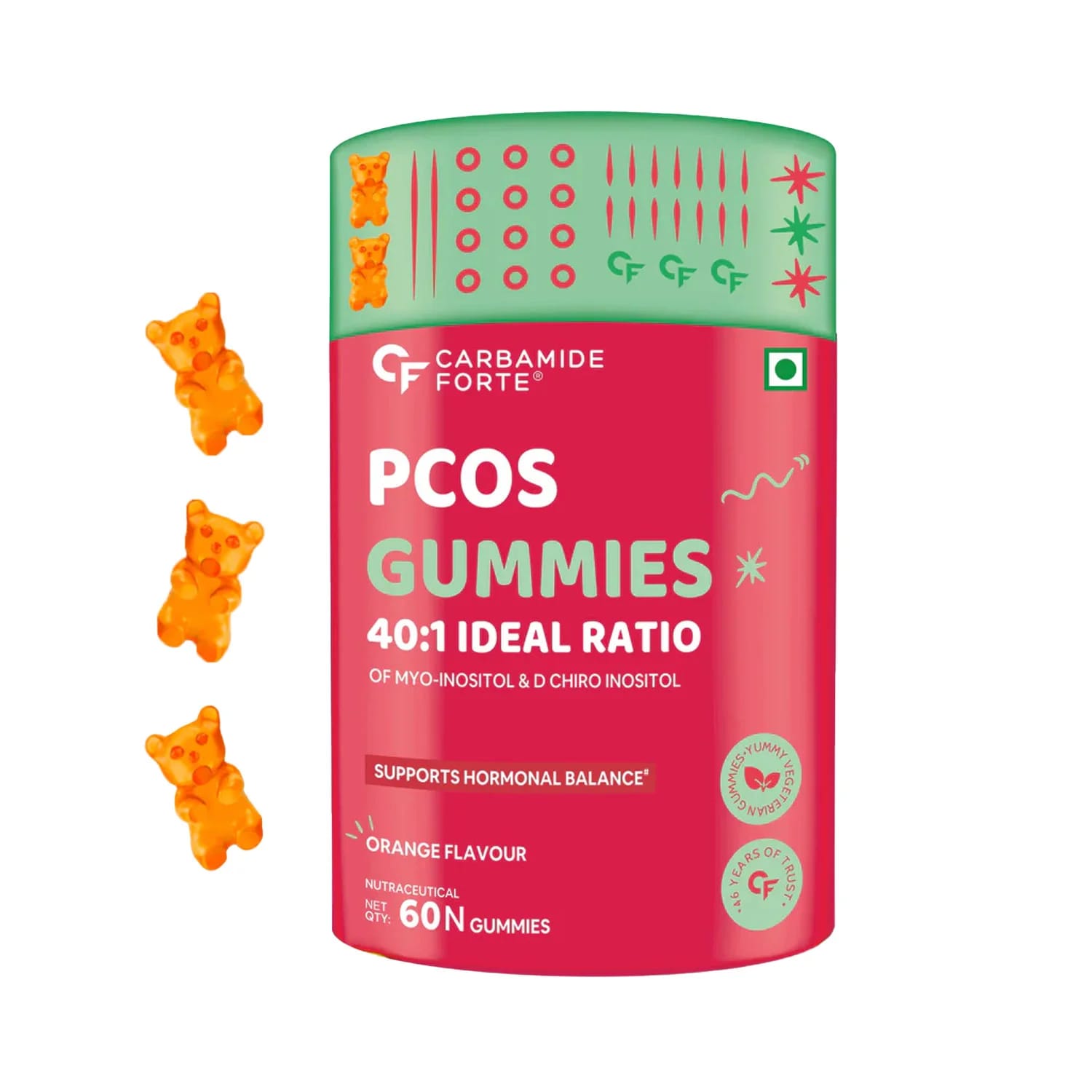
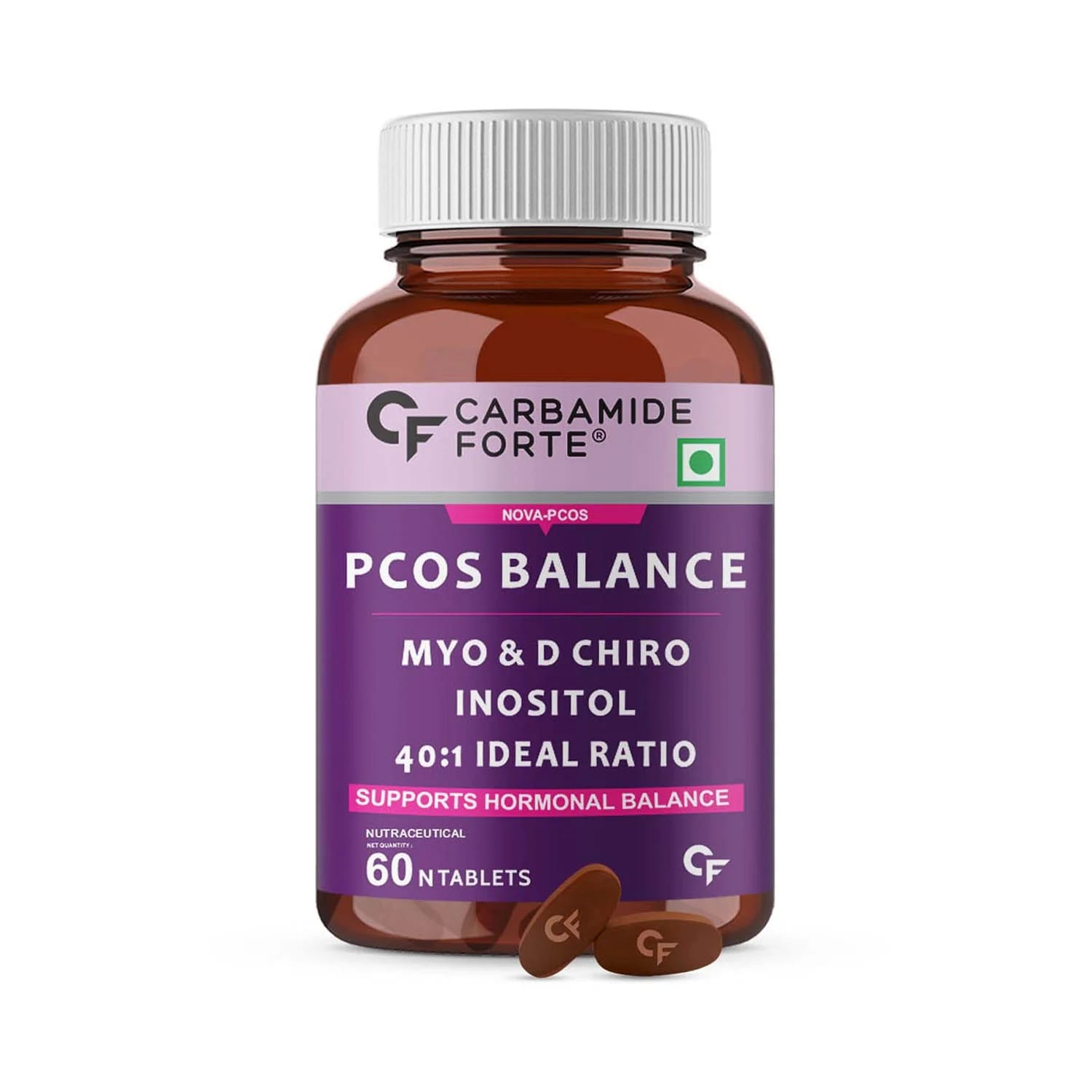
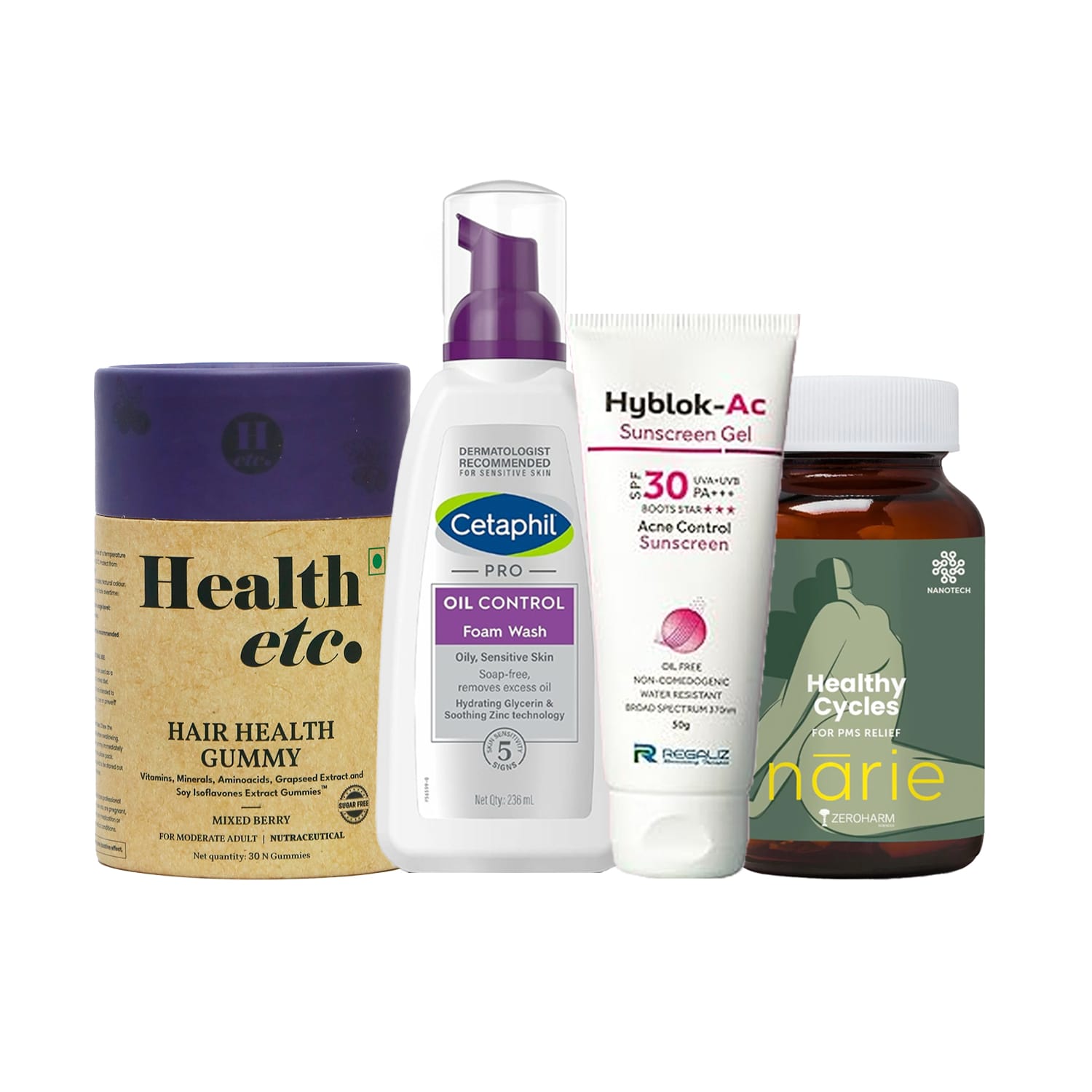
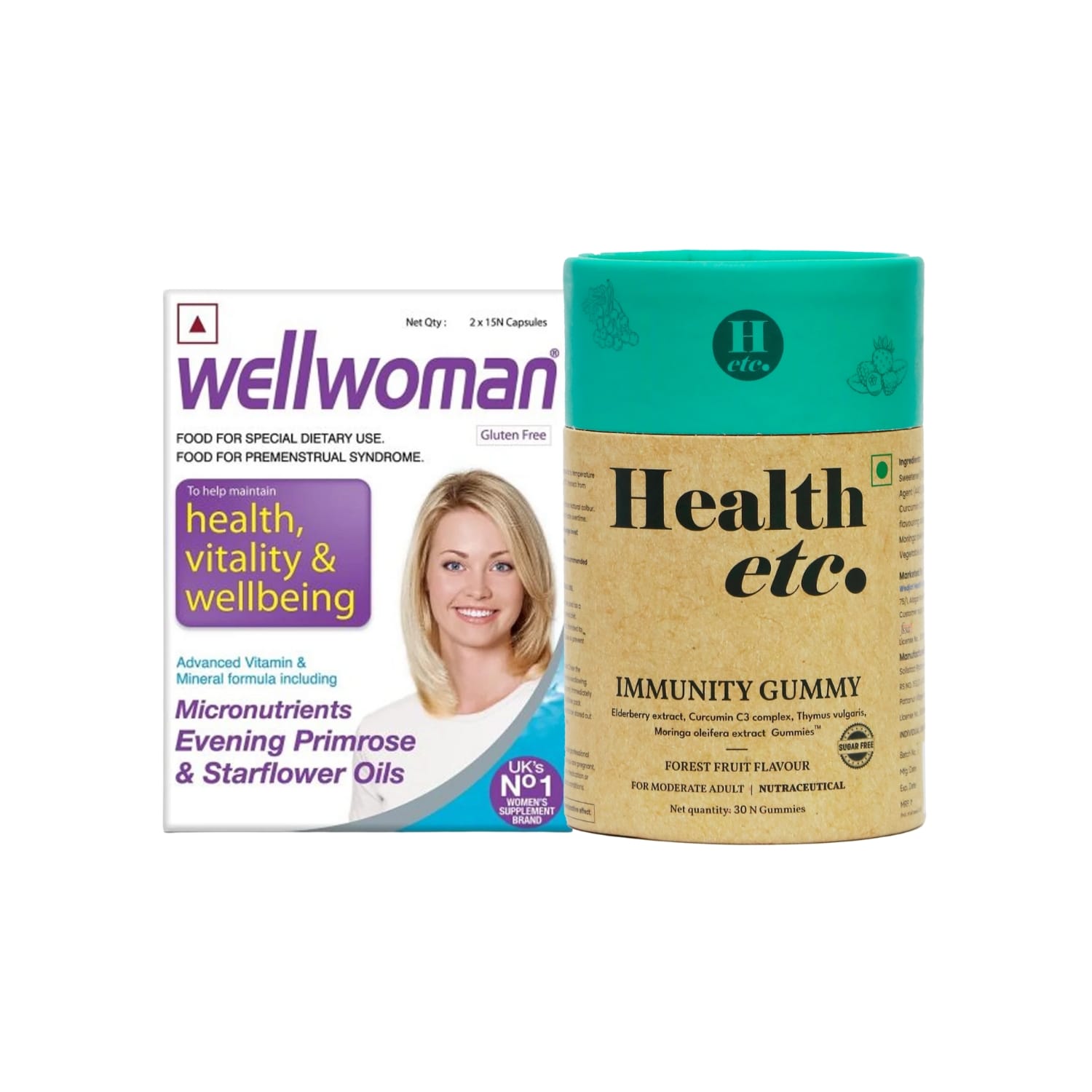
Supplements: Incorporating supplements like vitamin E, omega-3 fatty acids, vitamin B-1, vitamin B-6, and magnesium into your diet can help reduce inflammation and menstrual pain. These supplements are known to balance hormones and ease cramps naturally.
Exercise: Light physical activity, such as walking or yoga, can increase circulation and release endorphins, which naturally reduce pain. While it may be difficult to stay active during your period, regular exercise can lead to less painful periods over time.
Stress Reduction: High stress levels can exacerbate menstrual pain. Techniques such as meditation, deep breathing, or simply taking time to relax can significantly reduce period discomfort.
Menstrual care is about much more than just managing your period – it’s about prioritizing your overall health and well-being. With the increasing awareness of period wellness, there are now more options than ever to manage menstruation comfortably and sustainably. You can easily buy period wellness products online, allowing you to compare a wide range of options, including period wellness products, sanitary pads, cotton sanitary pads, bamboo napkins, and more. Whether you’re looking for the best menstrual pain relief or the perfect sanitary product, the convenience of online shopping of Cureka makes it easier to stock up on all your period essentials.