

Tynor Pelvic Traction Belt Grey Small 1 Unit G-06
Tynor
₹74723% off₹970
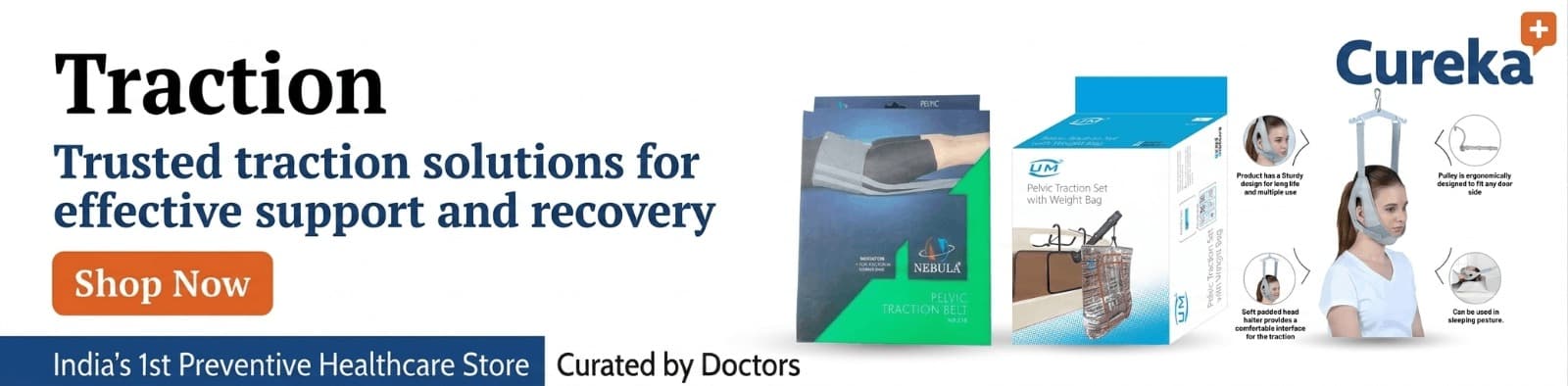
Traction therapy is a method used to gently pull on a dislocated or fractured body part to align and stabilize it. It is often employed as a temporary measure after a traumatic injury to provide immediate relief. Whether for realigning broken bones, relieving pressure on pinched nerves, or correcting muscle deformities, traction serves multiple purposes in rehabilitation and pain management.
Traction therapy aims to:
- Stabilize and realign fractures: Helps ensure that broken bones, such as in the arm or leg, are properly aligned.
- Reduces stress and strain on affected areas, promoting faster healing.
- Can alleviate discomfort caused by fractures before surgical intervention.
- Prevent muscle spasms: Can stretch the neck and reduce painful muscle spasms, particularly in the cervical area.
- Correct Certain Bone Deformities: Traction can help with specific bone deformities, such as mild scoliosis or spinal misalignments, by applying gentle pressure to improve alignment, though it may not suit all scoliosis types.
- Relax Muscles and Joints: Particularly beneficial for tension-prone areas like the neck and lower back, traction stretches muscles and joints, easing stiffness and improving comfort.
- Improve Flexibility and Mobility: Effective for conditions needing greater range of motion, such as arthritis, traction helps enhance flexibility and joint mobility.
- Support Herniated and Slipped Discs: Traction reduces pressure on herniated or slipped discs, aiding in pain relief and promoting better spinal alignment.
How Traction Kits Work
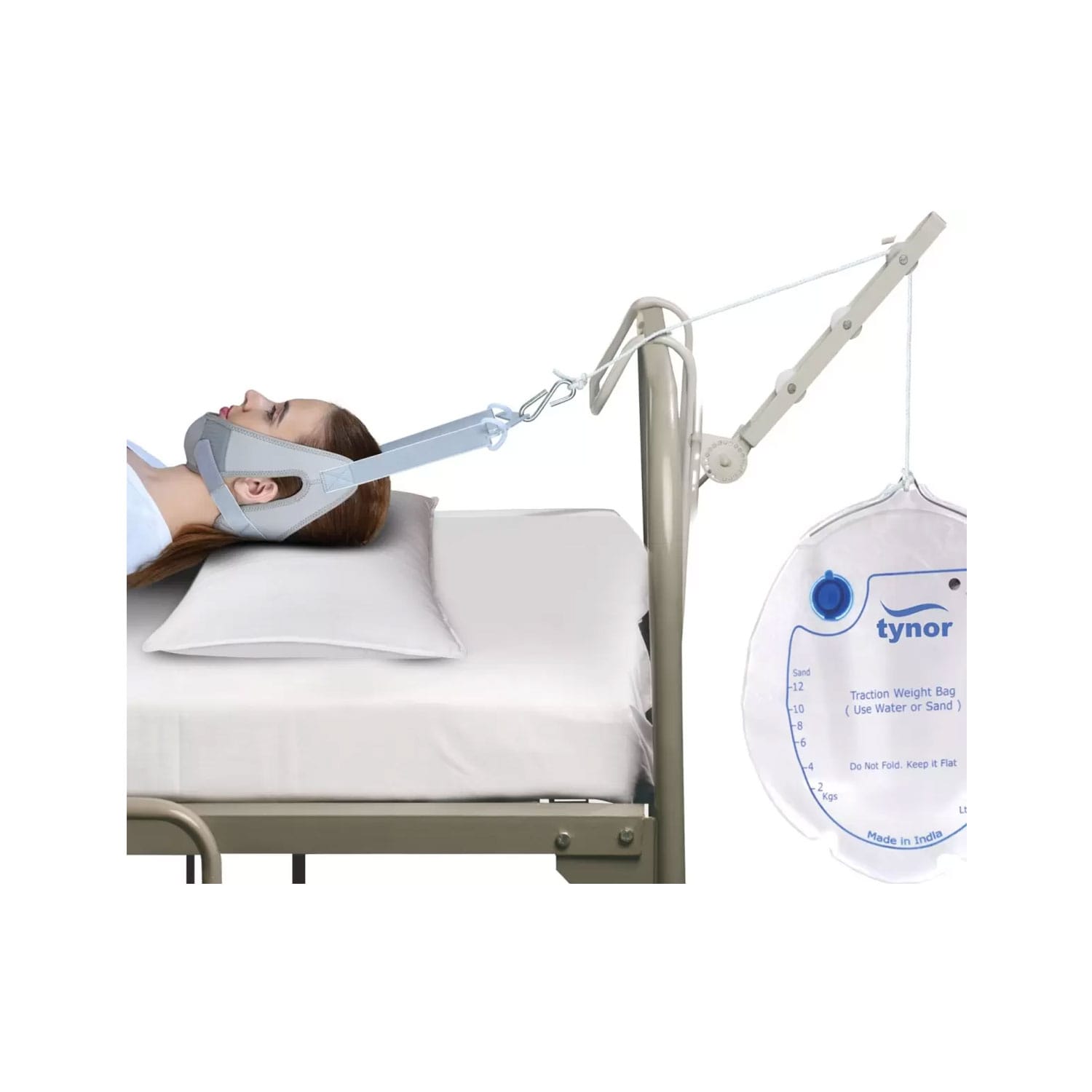
Traction kits use a pulling force combined with weight tension to stretch and align specific parts of the body. This force aids in pain relief and helps improve the healing process. Each traction kit is tailored to target a specific body region, with the basic mechanism being the application of a gentle, sustained pulling force.
For example, cervical traction works by gently pulling the head away from the neck, reducing pressure on the spine, and allowing the muscles and discs to relax. This technique, known for alleviating chronic pain and tension, improves flexibility and mobility in the affected areas.
Popular Traction Kits
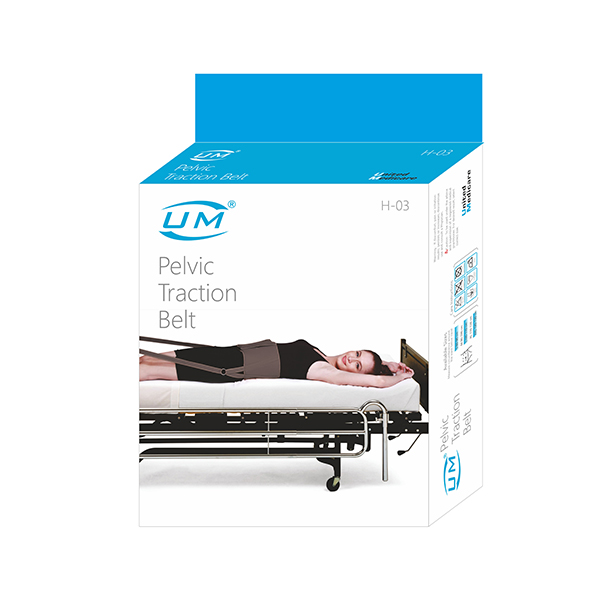
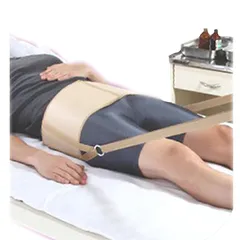
1. Pelvic Traction Kit
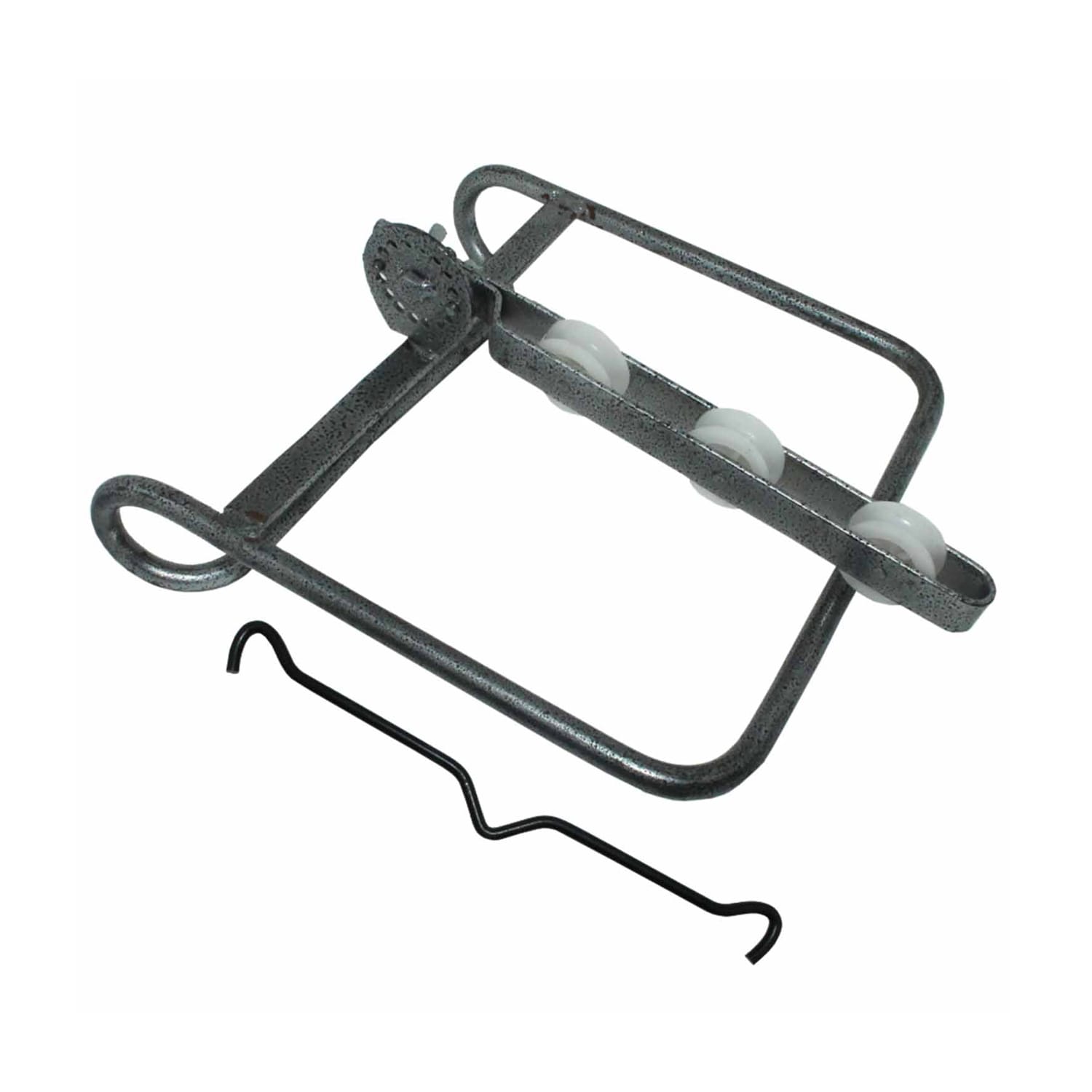
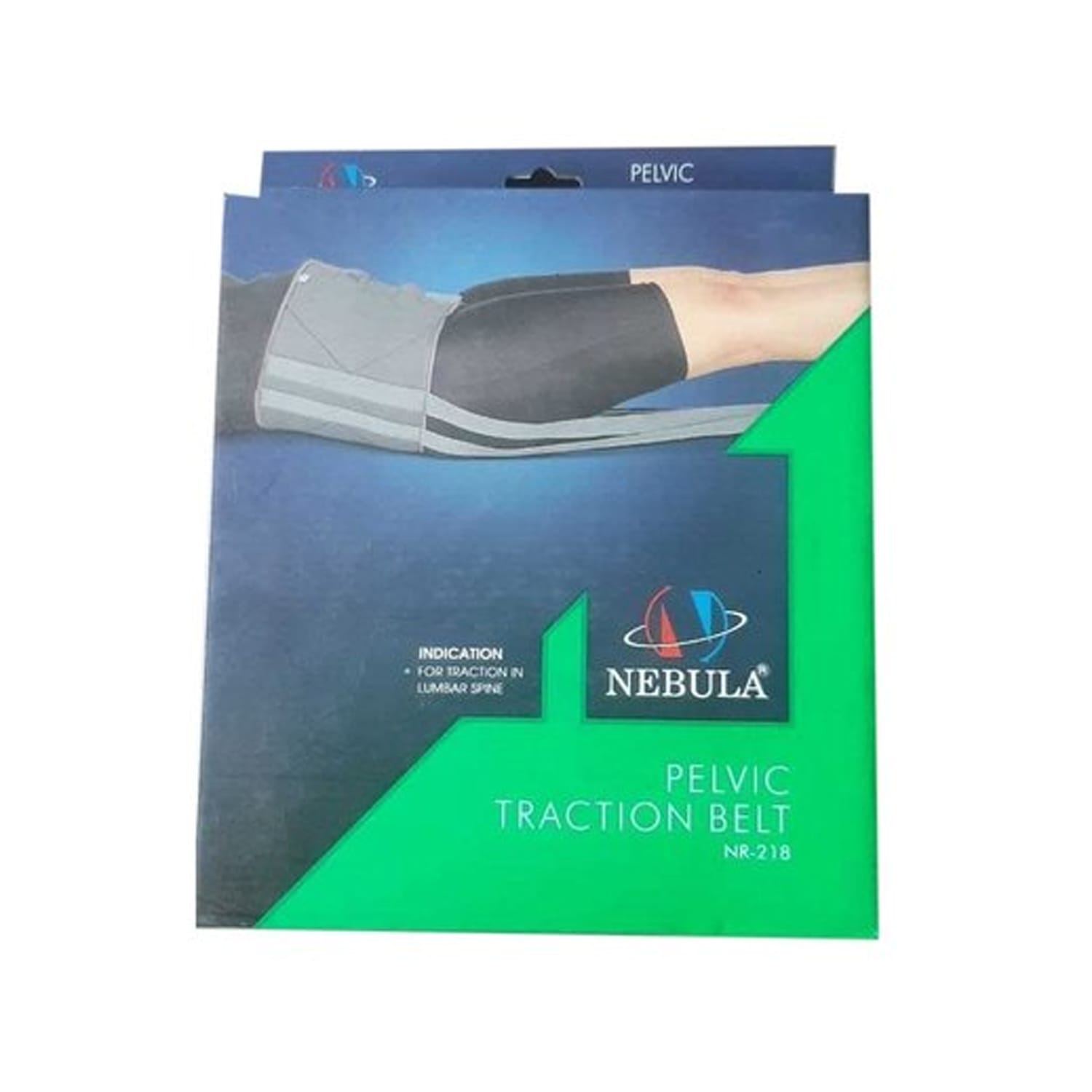
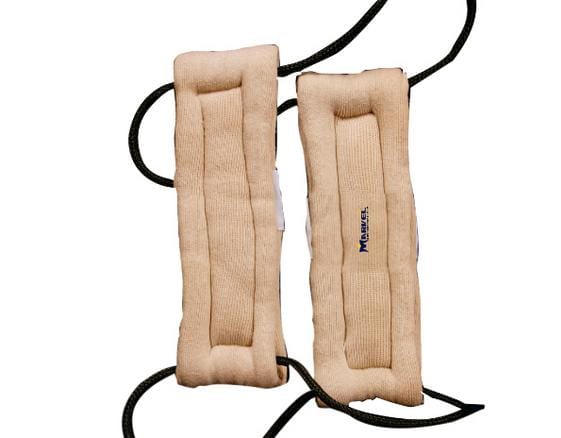
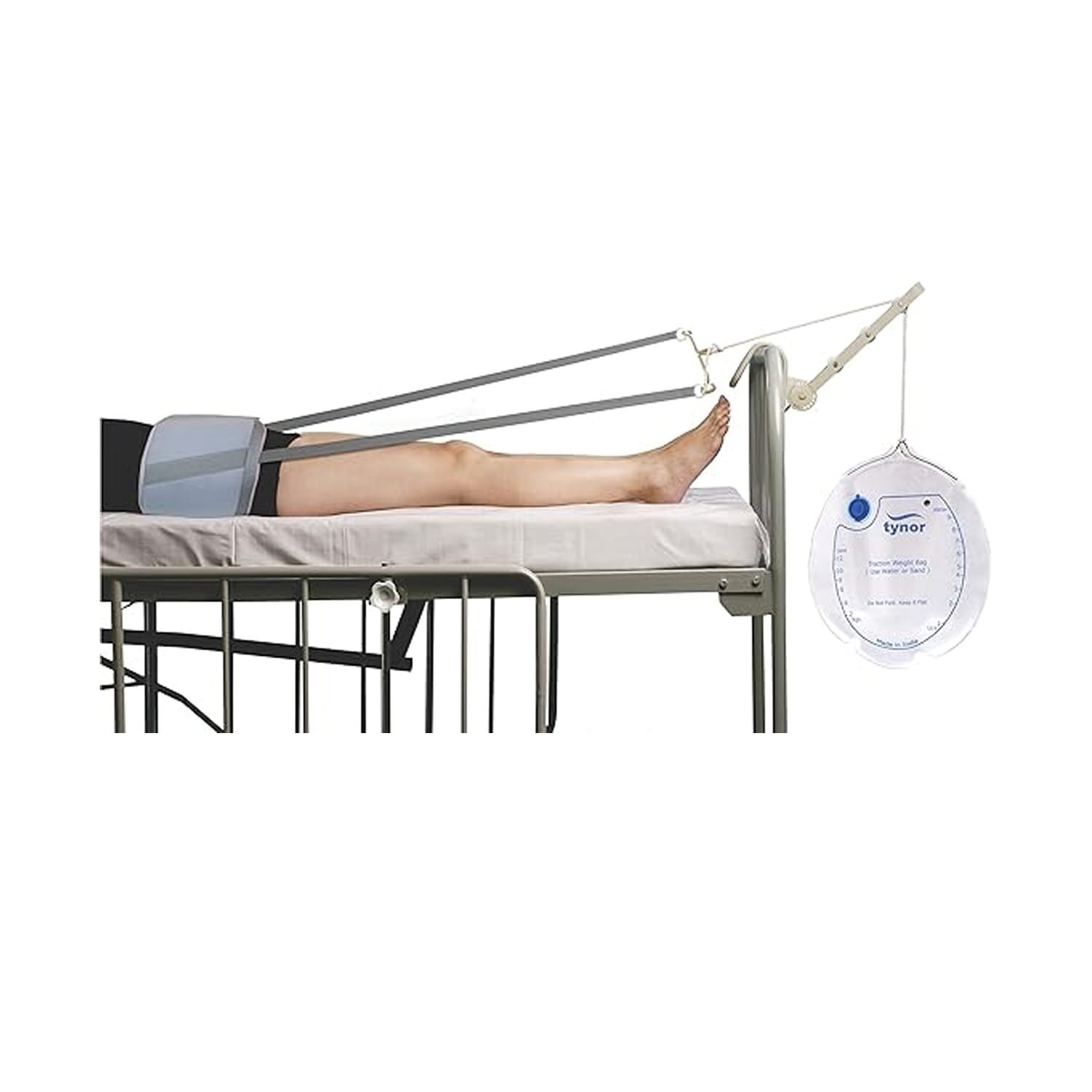
Designed for individuals with lumbar spondylosis, this kit provides relief from lower back pain and spinal compression. Generally, pelvic traction kit includes a pulley bracket, pelvic belt, traction cord, water-filled weight bag, and sand-filled weight bag. By decreasing herniation and relieving compression in the spine, it helps reduce trapped nerve pain. Regular use under medical supervision can lead to significant improvement in mobility and pain reduction.
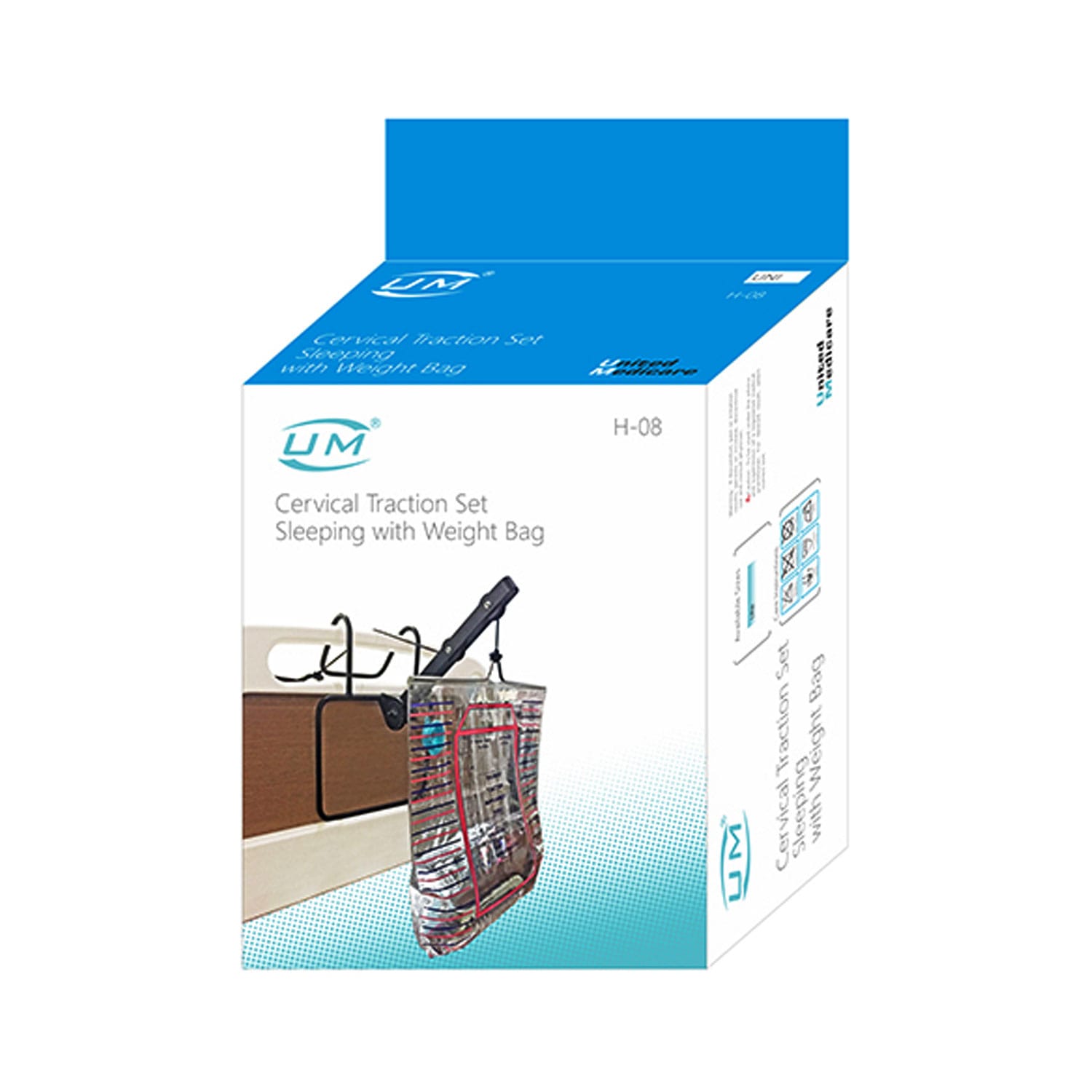
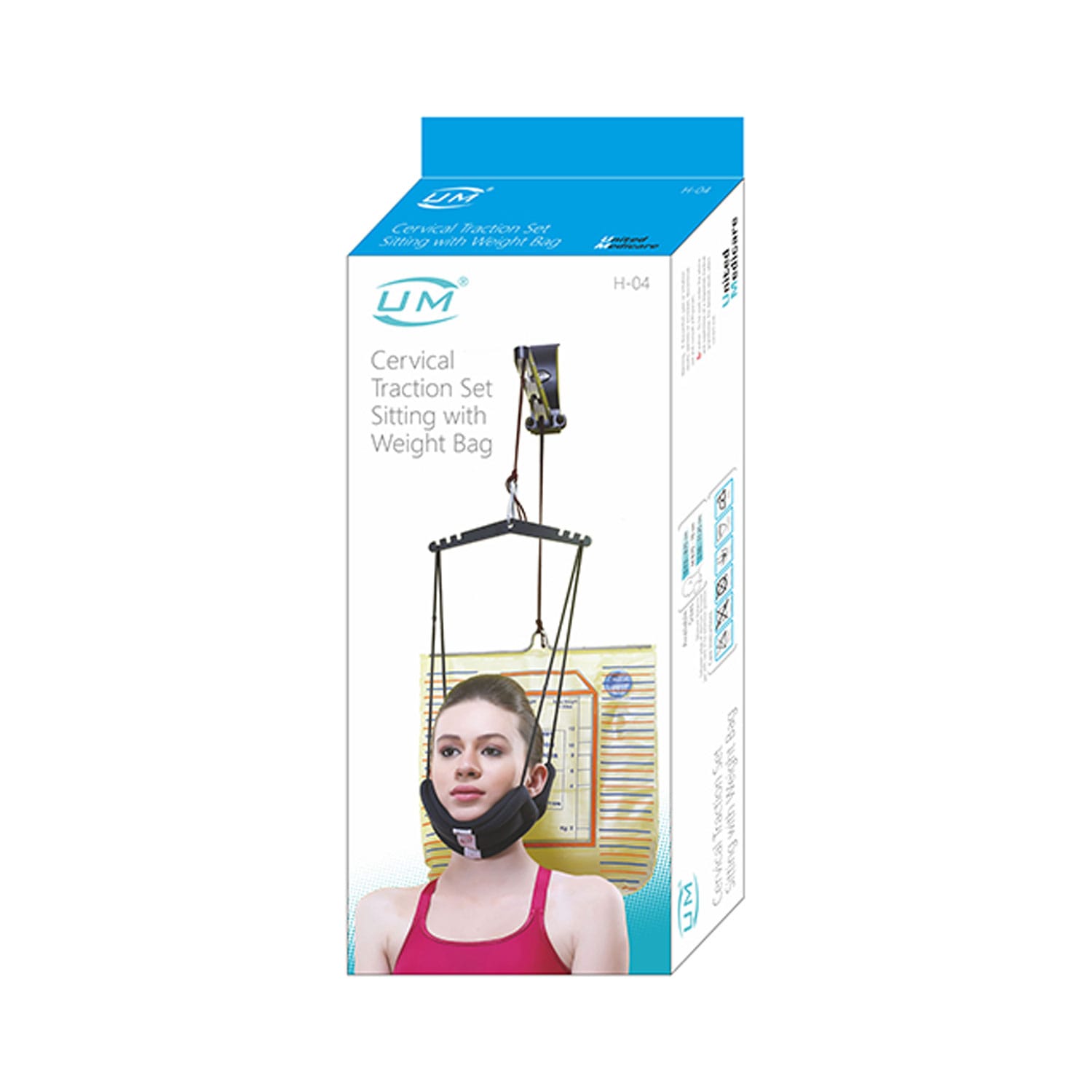
2. Cervical Traction Kit
For those experiencing neck pain or cervical spine issues, the cervical traction kit helps relieve pressure in the neck area. By stretching the muscles and connective tissues, it expands the intervertebral joint space, reducing pressure on vertebral discs. Most of the cervical traction kit comes with a complete apparatus for home treatment and the option to add weights based on a doctor’s recommendations.
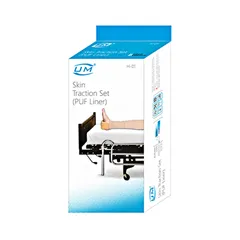
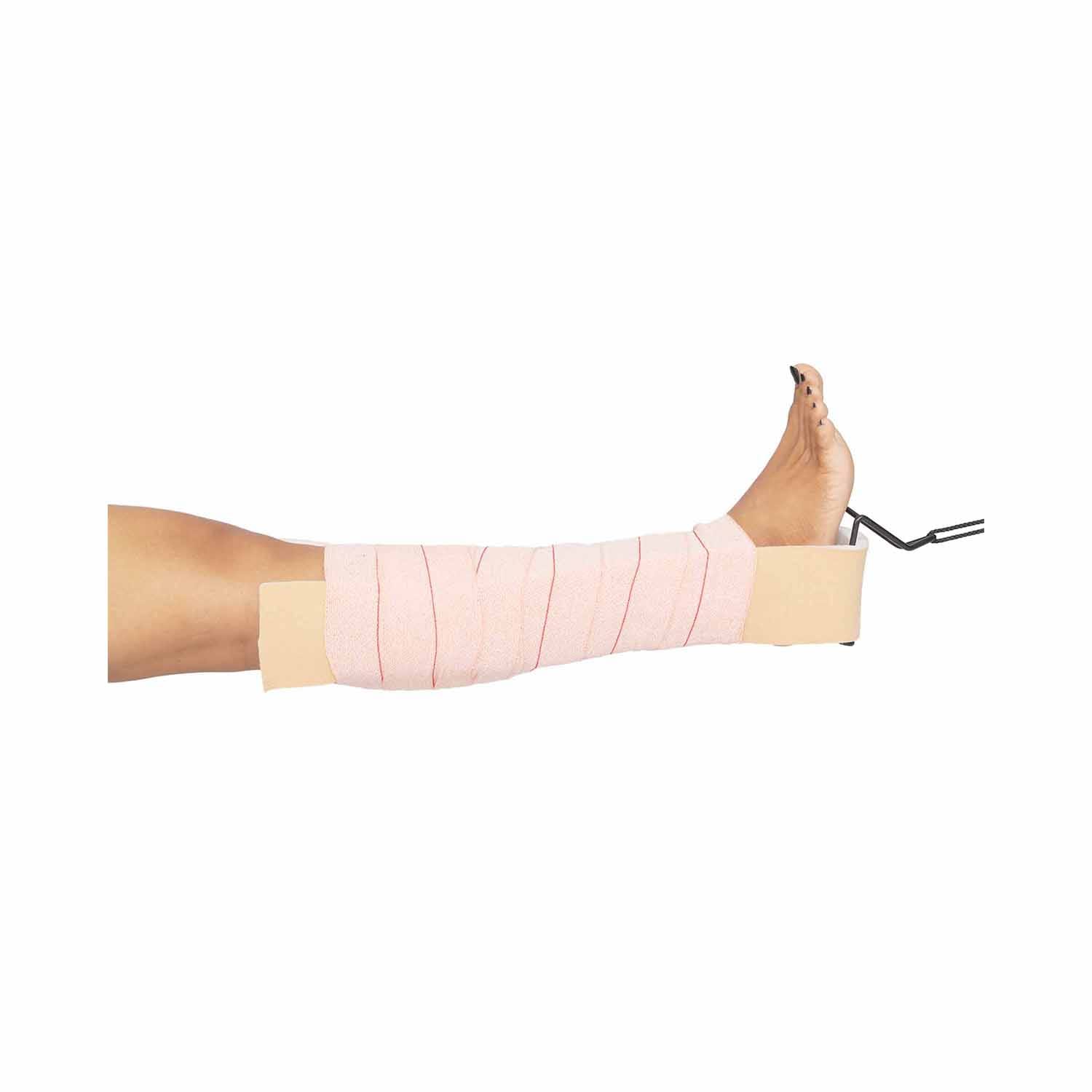
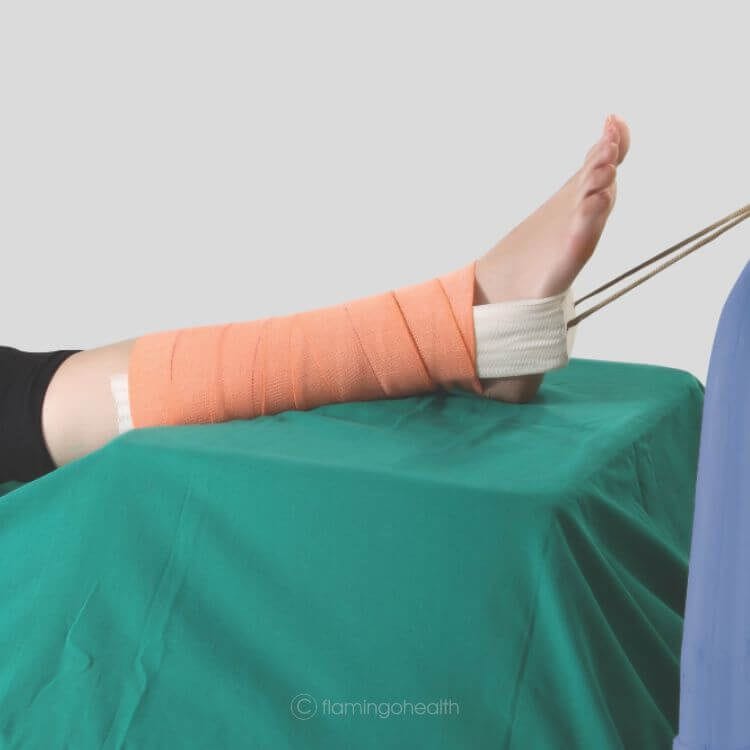
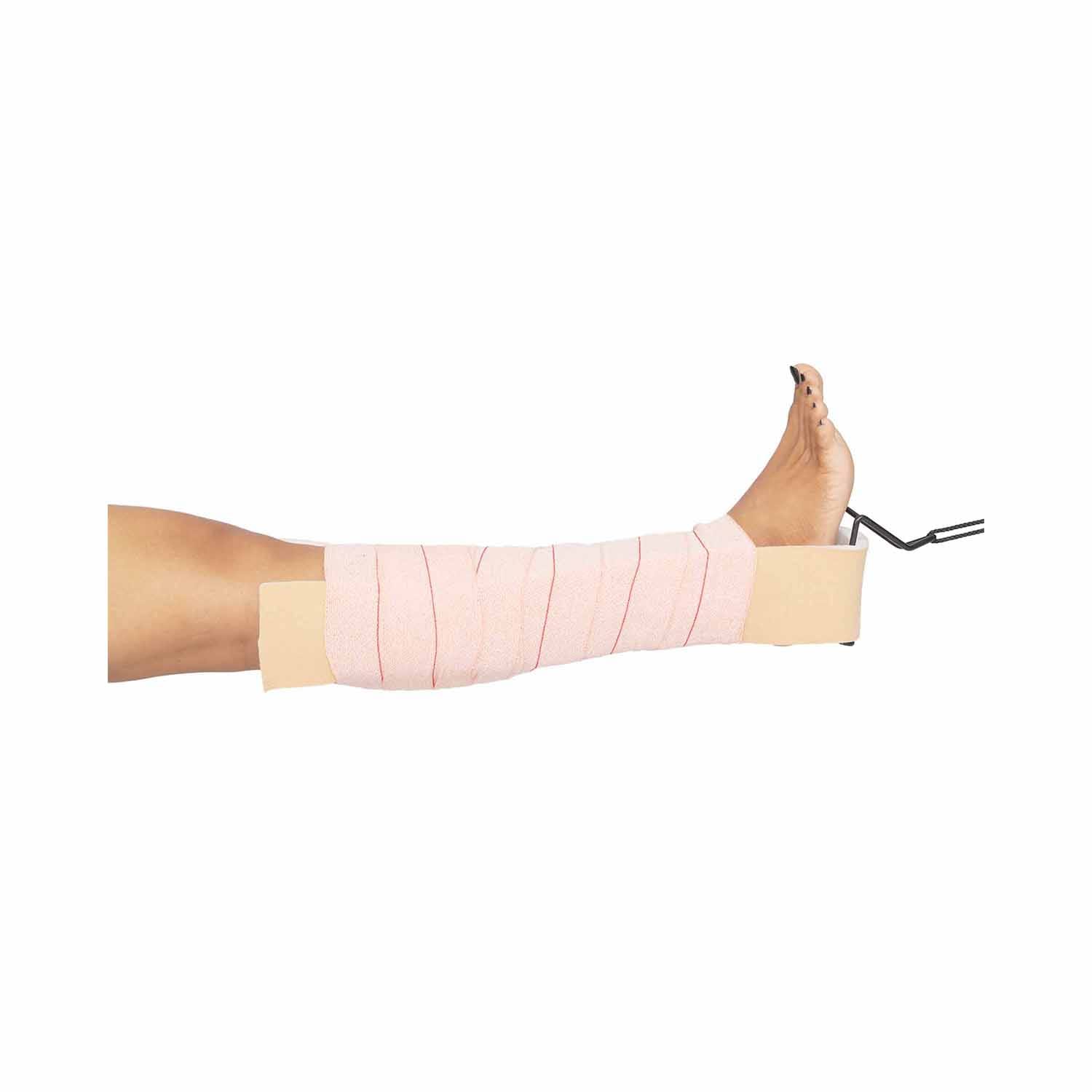
3. Foot / Skin Traction Kit
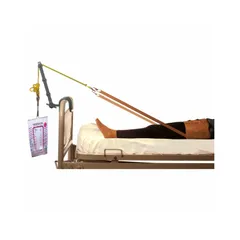
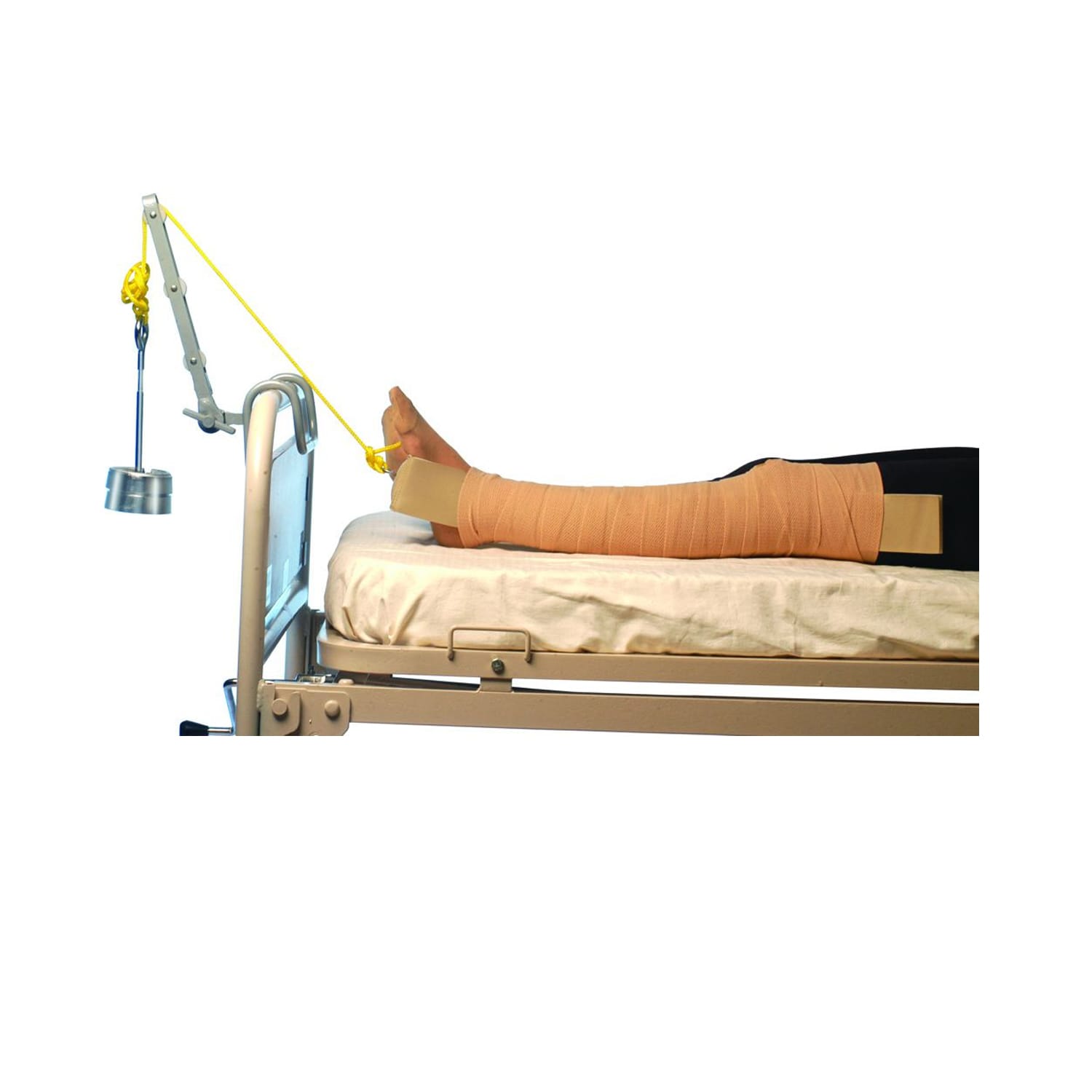
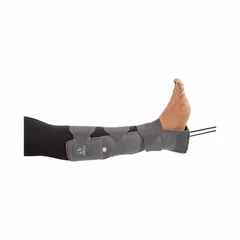
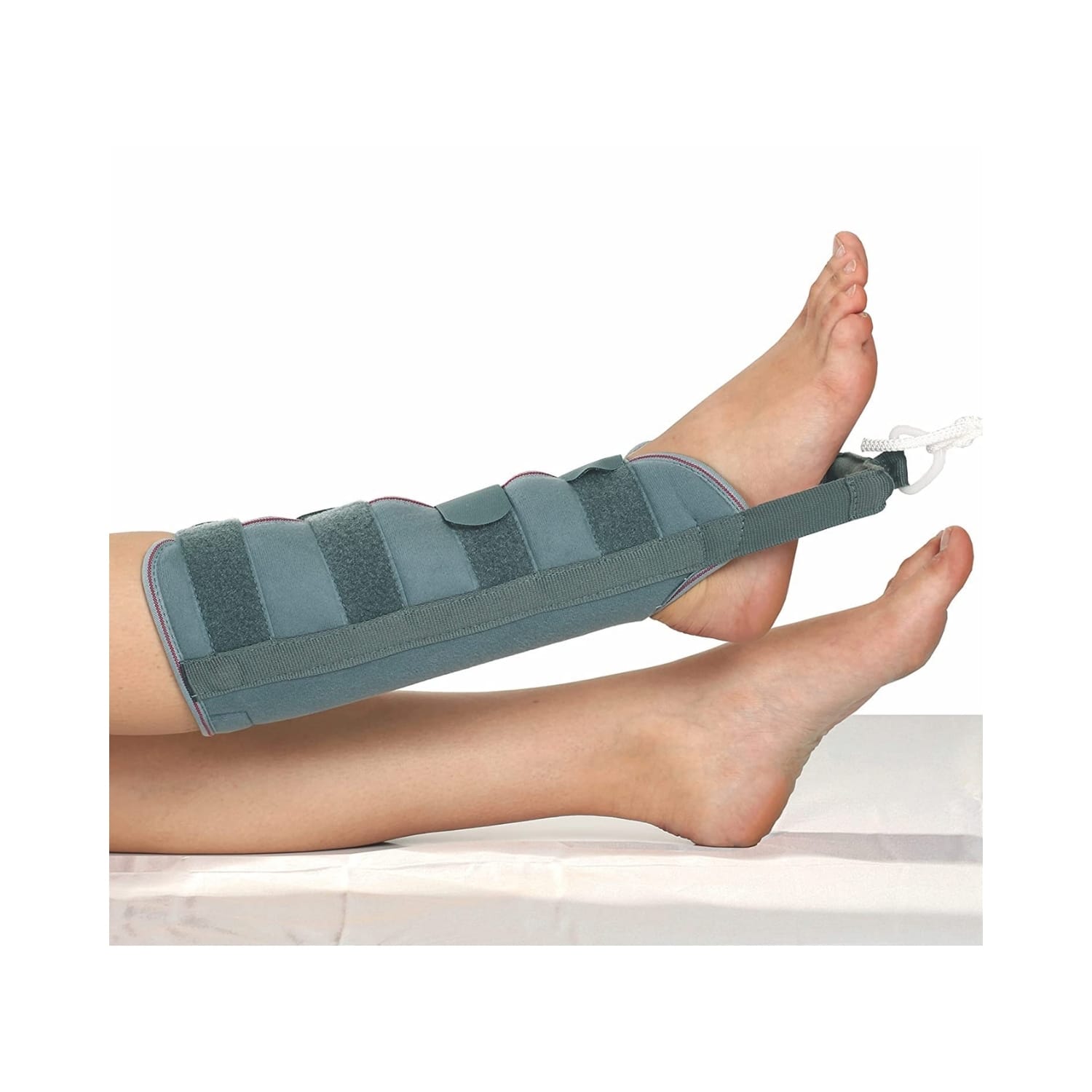
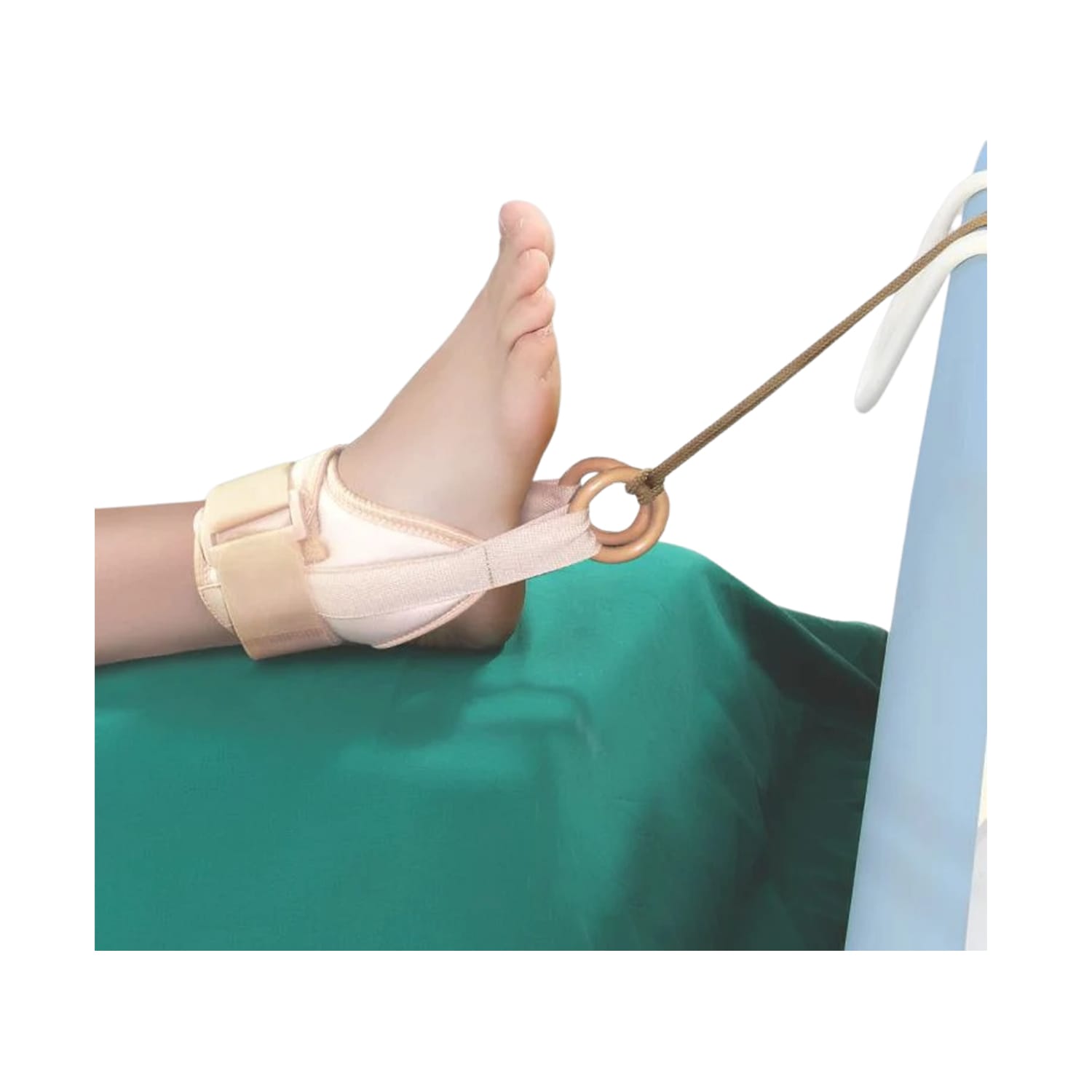
Particularly beneficial after orthopedic surgeries on the legs, hips, or lower back, this kit offers support to senior citizens or individuals with weak skeletal systems. The skin traction kit includes essential components that enable traction therapy from the comfort of home, speeding up recovery and relieving post-surgical pain.
Role of Weight Bag in Traction
A traction weight bag is an essential part of many traction kits. The weight bag creates tension, which is crucial for the pulling force required in traction therapy. These bags are typically filled with water or sand and are adjustable based on the needs of the patient and the severity of their condition. The weight helps maintain steady pressure, providing consistent relief without sudden force.
The correct amount of weight is critical for effective therapy. Too little weight may not provide sufficient tension, while too much weight could cause discomfort or even exacerbate the injury. Therefore, it is essential to follow medical advice when determining the appropriate weight for traction.
Safety Considerations for Traction Therapy
While traction therapy offers numerous benefits, it's important to follow safety guidelines to avoid potential risks:
1. Consult a doctor before using a traction kit to ensure it's the right treatment for your condition.
2. Monitor for side effects, such as dizziness, headaches, or discomfort, particularly with cervical traction. If any of these occur, discontinue use and consult a physician.
3. Avoid overexertion by using the appropriate amount of weight as prescribed by a healthcare provider. Excessive weight can lead to tissue damage or exacerbate existing injuries.
4. Be cautious with pre-existing conditions like Rheumatoid arthritis, Cervical region tumors, Bone infections, Vertebral blockages, Osteoporosis, Spinal hypermobility, Pelvic or spinal fractures. Using traction with any of these conditions may worsen symptoms or lead to further complications.
5. Stop immediately if you experience any new pain or discomfort and consult your doctor.
Traction therapy offers a non-invasive, drug-free solution for relieving pain and improving mobility in patients suffering from fractures, disc problems, or muscle tension. With the right traction kit and proper usage, individuals can enjoy relief from chronic pain, enhanced flexibility, and faster recovery. Always ensure that traction therapy is guided by professional advice and follow all safety precautions to achieve the best results without risks.