


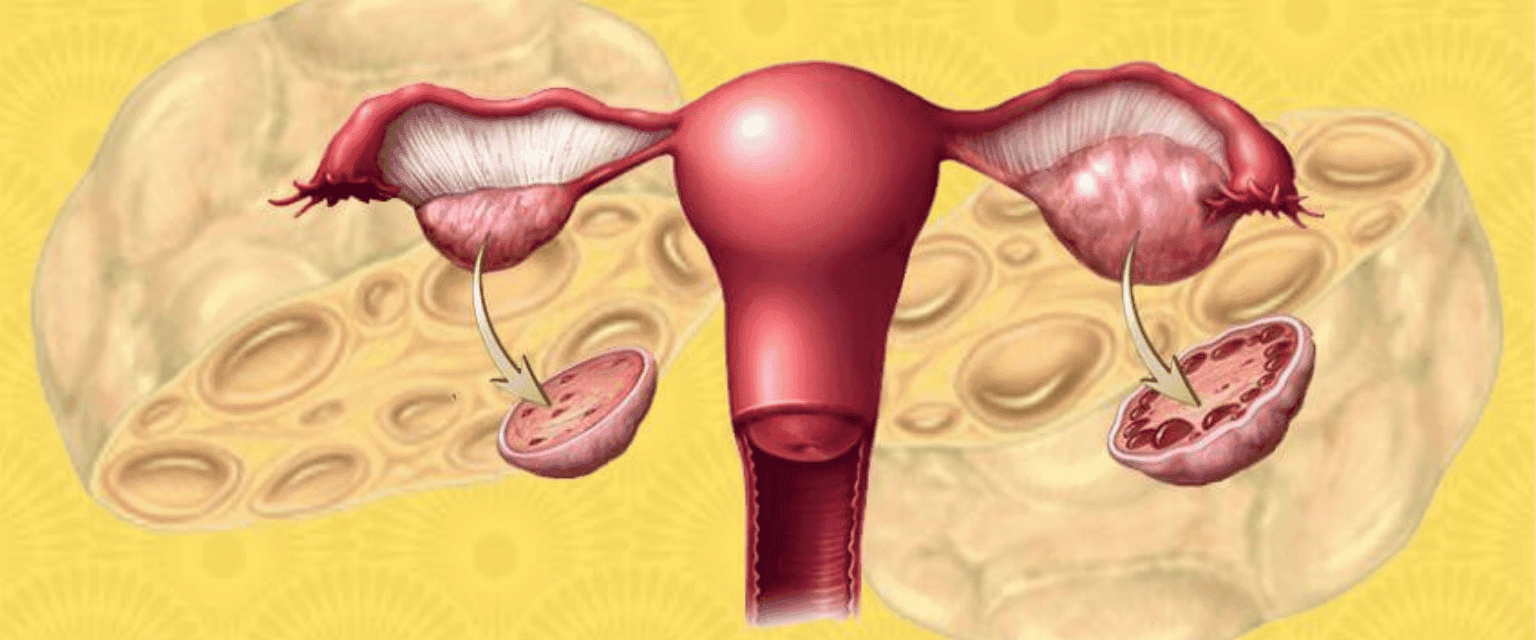
Polycystic ovarian syndrome (PCOS) has for a long time been thought of a solely a gynaecological problem, but it is a syndrome that also encompasses the metabolic, cardiovascular, dermatological and physiological conditions.
PCOS is the most common endocrine syndrome affecting women of reproductive age with a prevalence of between 4% and 18% generally, though it can affect up to 50% of south Asian Women.
PCOS is more prevalent in obese women than those who are lean. It substantially contributes to infertility.
PCOS is a major health problem for women of all ages through its effect on fertility during the reproductive years, and its gynaecological and metabolic effects in both the reproductive years and thereafter
SYMPTOMS
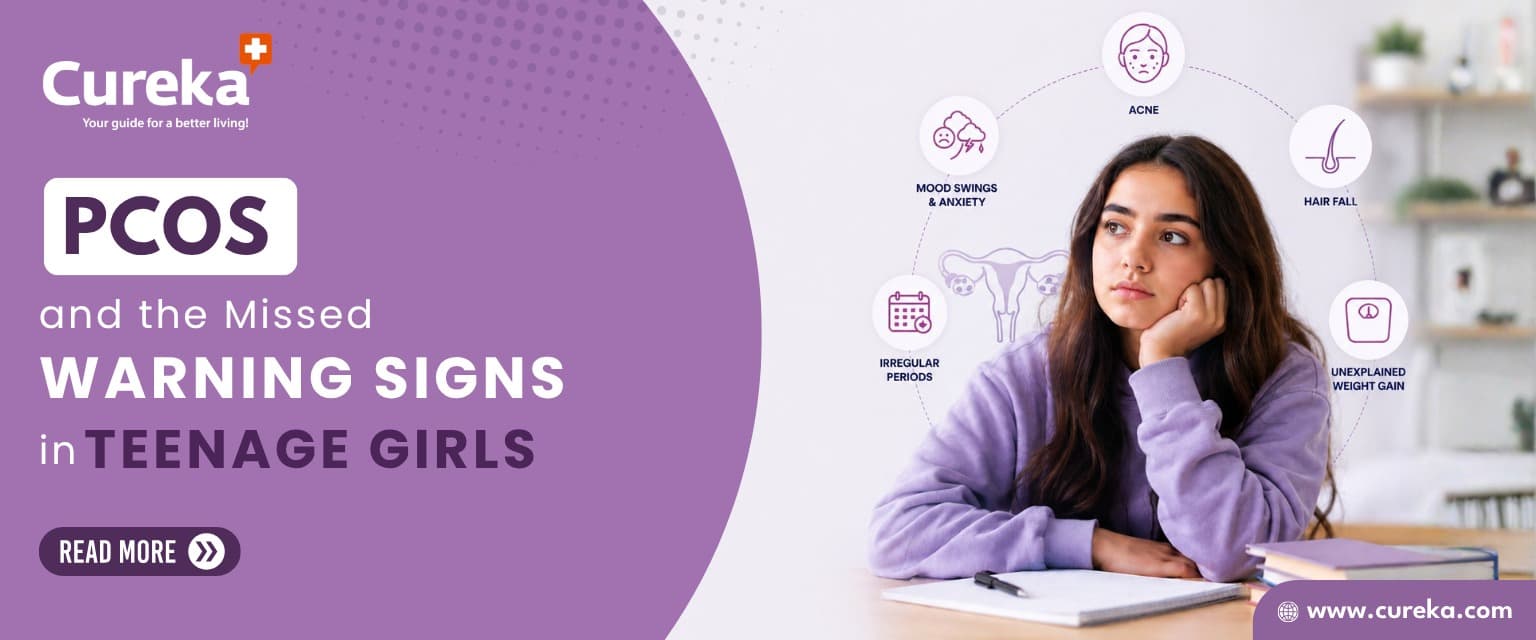
The principal presenting symptoms of woman suffering from PCOS are oligo or anovulation and or infertility as well as excess androgen production. Symptoms tend to present at the time of menarche with less frequent or complete lack of menses. Other symptoms of excess androgen production are acne, hirsutism, alopecia, overweight or obesity, acanthosis nigrans.
However 20% of cases of PCOS may be asymptomatic.
HORMONAL CHANGES
The effects of PCOS are manifest via deranged hormonal profiles, primarily an excess of circulating testosterone, androstenedione, luteinising hormone (LH) and insulin as well as a relative deficiency of Follicle stimulating hormone (FSH)
Insulin Resistance and hyper insulinaemia are central to the pathophysiology of PCOS. Woman diagnosed with PCOS are more likely to be overweight or obese and obesity is known to exert a deleterious effect on PCOS causing a worsening of symptoms and signs
EFFECT OF Polycystic ovarian syndrome (PCOS):
Irregular menstrual cycle and Infertility
Oligomenorrhorea - menses occurring at intervals of 35 days to 6 months
Secondary ammendhoerea – absence of periods for greater than 6months
Often women require assisted fertility to conceive. Life style modification, weight reduction, increasing physical activity is important as first line of management prior to medications.
PREGNANCY COMPLICATIONS:
Even if these women conceive with treatment they are at increased risk of the following, during pregnancy – high risk for gestational diabetes, Pre-eclampcia, preterm birth, prenatal mortality and morbidity
OBESITY:
Obesity has wide ranging effects of developing metabolic syndrome, diabetes mellitus, cardiovascular disease, musculoskeletal problems, depression, cancer, pregnancy related complications, miscarriage and infertility
Even modest loss of weight in the order of 5-10% can result in a 30% reduction in central adiposity and a marked improvement in symptoms
CARCINOGENIC
Women with PCOS are at increased risk of endometrial hyperplasia and endometrial cancer. Other effects are
Metabolic Androgenic Dermatological Psychologic
KEY POINT
Losing weight is probably the single most important factor that can confer beneficial effects across the spectrum of abnormalities that constitutes PCOS and therefore improve symptoms and reduce the metabolic and other consequences of this syndrome. Life style advice encouraging hypo caloric and low glycemic index diets with increased physical activity are advocated prior to starting medicines or along with medications if needed.