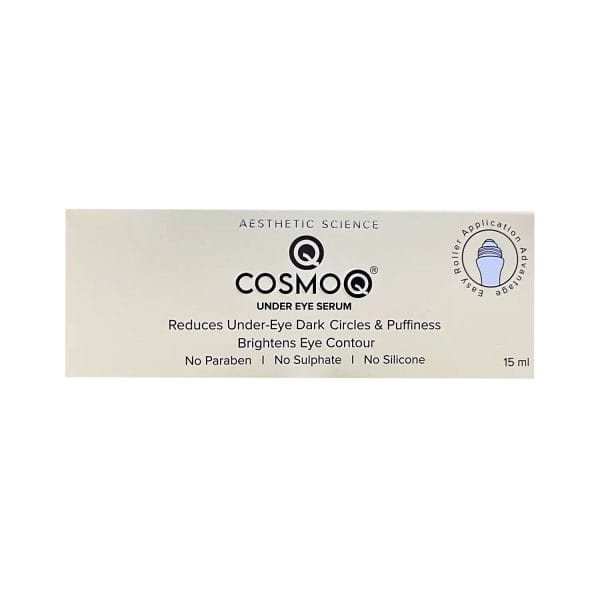
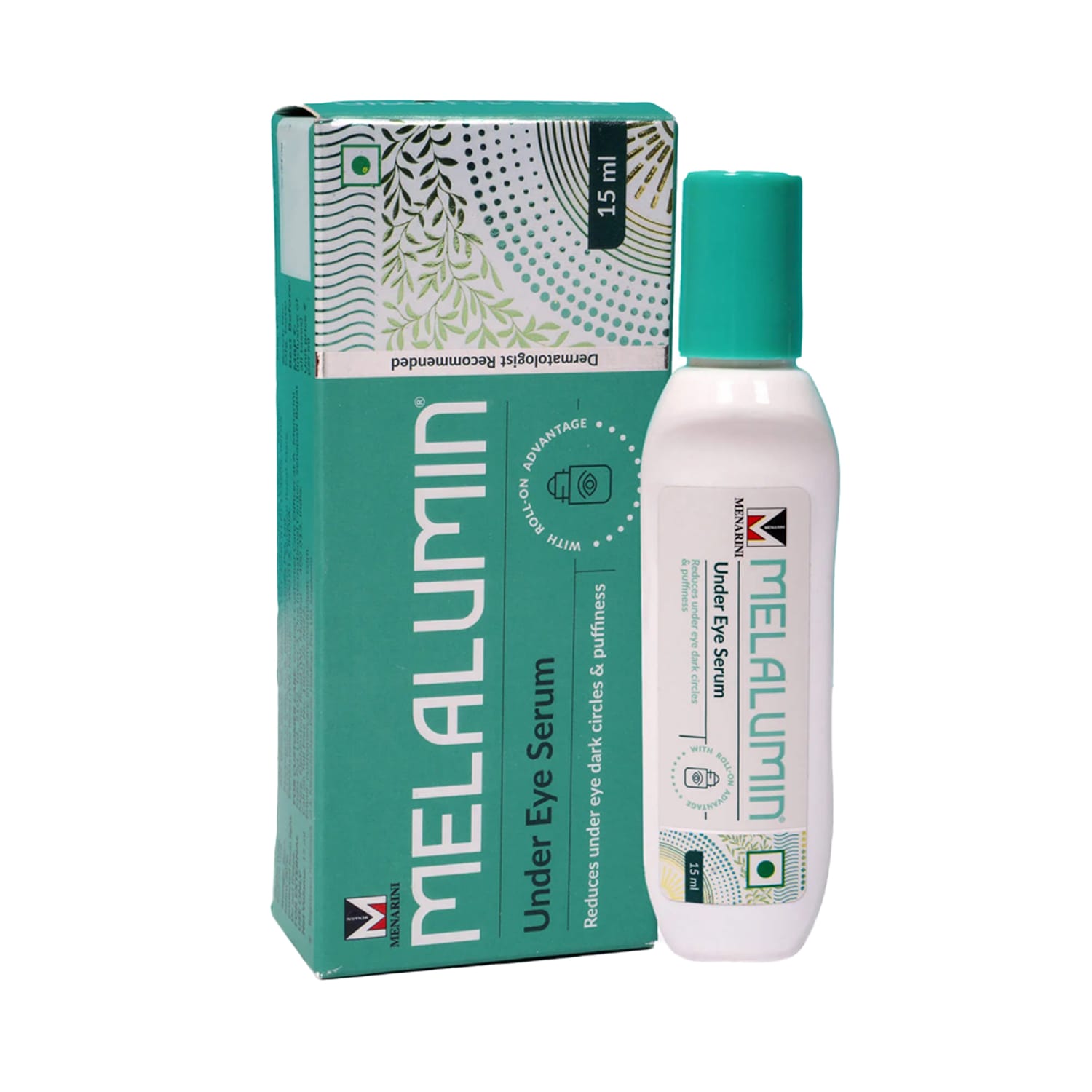
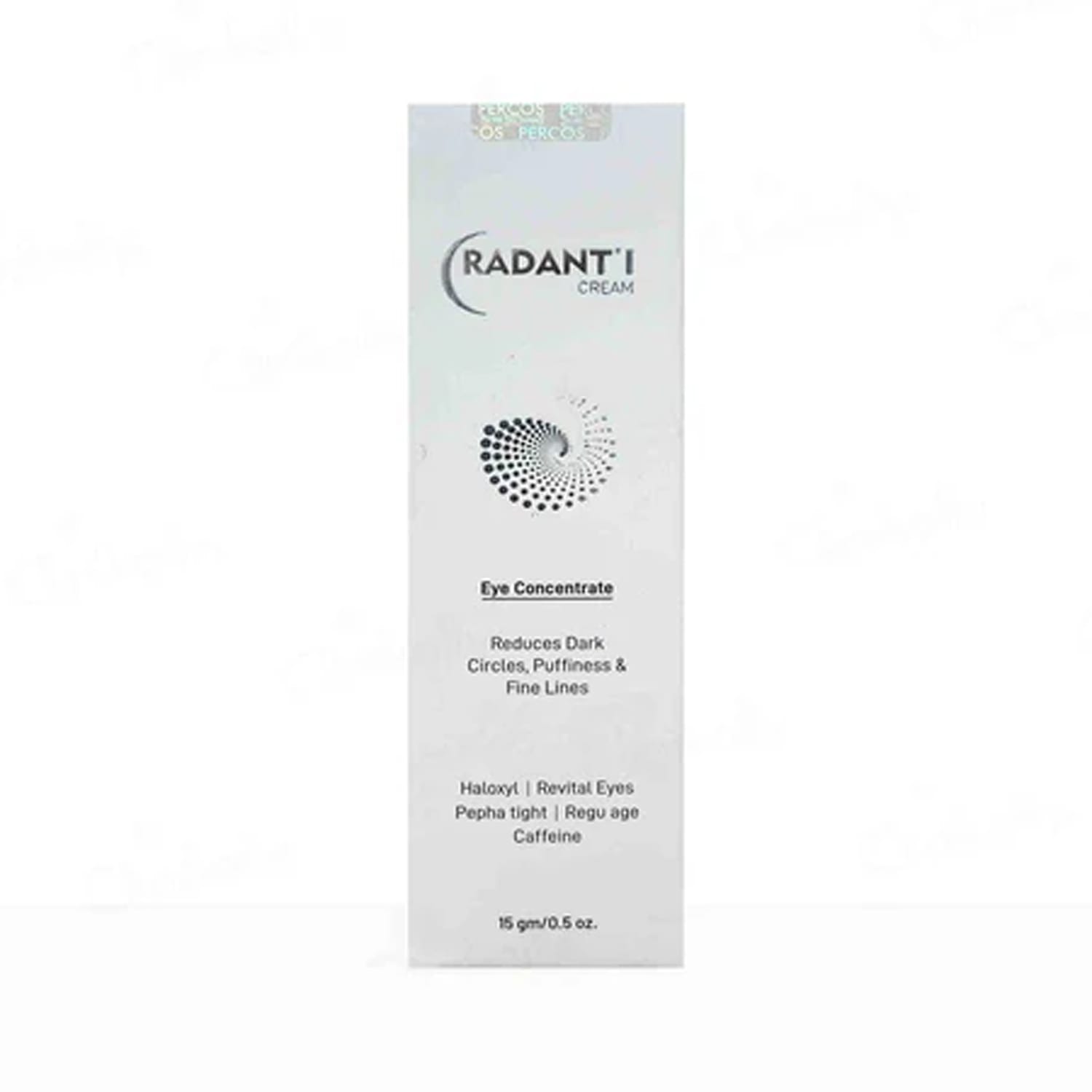
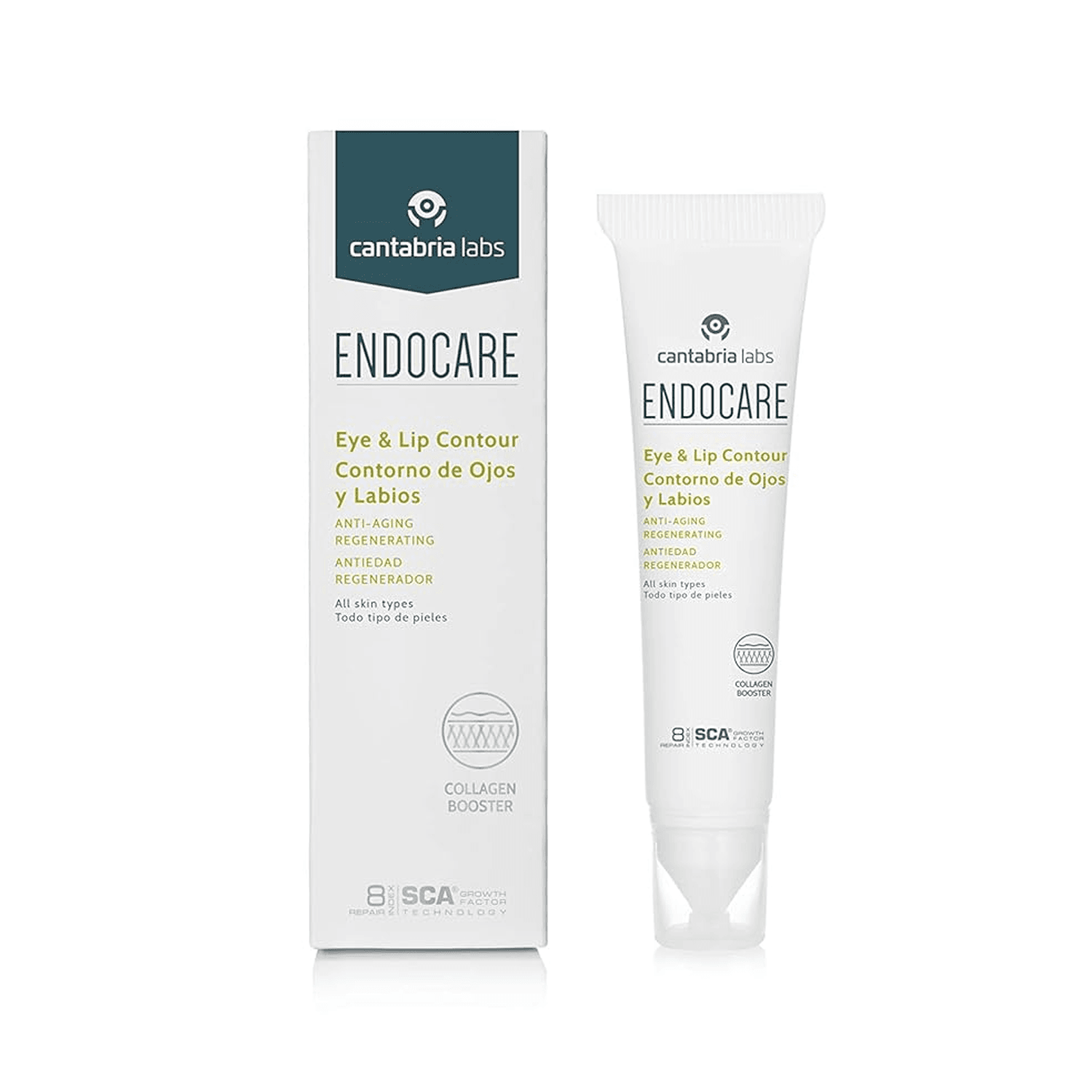
Under eye dark circles,Periorbital melanosis,panda eyes,perioricular hyperpigmentation are all referred to as POH (Periorbital Hyper pigmentation).
In Indian population 50 % of women are affected and may show moderate to severe pigmentation which increases with age. Average age of start of the problem is usually 20-30 years. Higher preponderance for females is seen over males.
There are several reasons for this condition, at times it is within the system itself and environmental factors also play a major role.
Types of POH Depending on the Cause:
Pigmented Type: This is usually brown or grey in color
Vascular Type: May appear blue, pink or purple hue with or without puffiness.
Structural Type: This is due to the contouring of the facial features itself, like deep sunken eyes or presence of eye bags or due to bony prominences.
Mixed Type: Could be a combination of any of the above mentioned.
Causes of the Pigmentation:
- Genetic or Heredity (Nevus of Ota, Nevus of Hori)
- Post inflammatory Hyper pigmentation (due to rubbing caused by itching or allergy or usage of cosmetics)
- Anemia and other Nutritional deficiencies
- Hormonal disturbances
- Swelling around the eyelids at times worst in the morning hours
- Increased blood circulation due to superficial blood vessels and thin skin of the eyelids
- Loosening of skin (aging or other factors)
- Tear trough (sinking of eyes) due to ageing
- Eye medications like Latanoprost and Bimatoprost used to treat glaucoma
- Systematic medications like oral contraceptives, hormone replacement therapy,antipsychotics,chemotherapeutic compounds etc.
- Systemetic disease like Diabetes,Hypothyroidism,Hypothyroidism,High Cholesterol,Hypertension,Seizures are a few to list.
- Environmental causes include lack of sleep, stress, Alcohol overuse, smoking etc.
There are several treatments available for dark circles from just topical applications (creams), peels, lasers and surgeries. Knowing about them helps oneself to decide what is best for them.
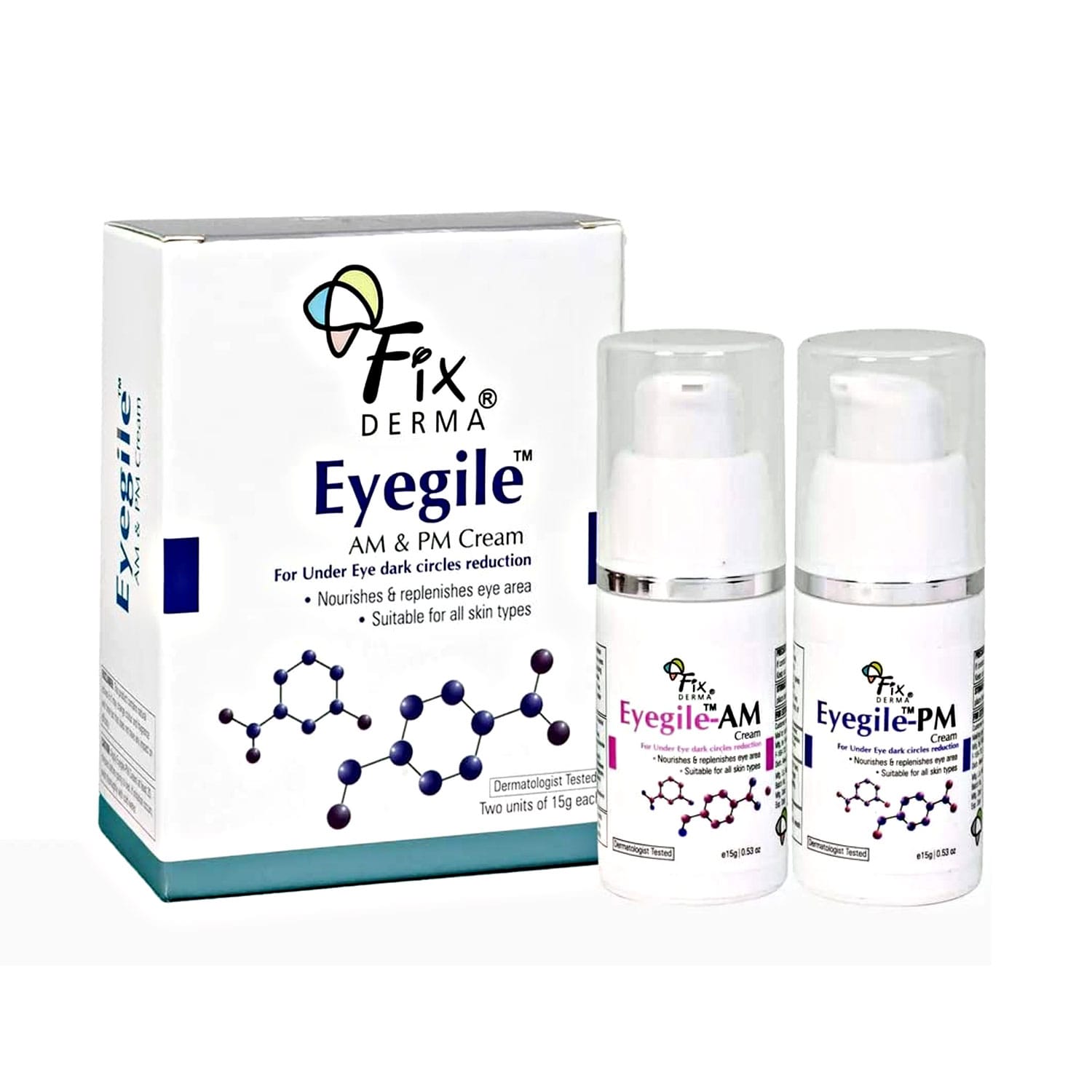
Topical Applications: Creams contain several ingredients and many a times in combination are seen in creams.
Hydroquinone: These are beaching agents used in strengths of 2 to 6 %.They are usually used for at least 3 months to see good results.
Kojic Acid: These are naturally occurring fungal derivatives. This works well in combination with glycolic acid or/and hydroquinone.
Azelic Acid: This also a beaching effect. This can be used for a long time and has proven very effective for under eye circles.
Arbutin Acid: A leaf extracts which has a bleaching effect. It is used in concentration of 3% and has good effects on treatment of dark patches on the whole and safely can be used around the eyelids.
Vitamin C: This is a known antioxidant and is very helpful in skin pigmentary pigmentary problems.
Chemical Peels: Glycolic acid 20 %, Lactic Acid 15%, Trichloroacetic acid (TCA) 3.5 % are tried and tested peels which has proven effective in hyper pigmentation around the eyelids.
Lasers: Q switched Nd YAG and Long pulse Nd YAG laser has proven effective when there is Nevus or many untreatable conditions.
Rejuvenation lasers would include Er long pulse,Er.pixel or Carbon dioxide ones.
Platelet Rich Plasma (PRP): Blood from the person to be treated is collected and processed and then the PRP extracted is injected intradermally onto the eyelids. The improvement is significant.
Fillers: Hyaluronic acid gel is the filler of choice for POH.
Surgeries includes Blepharoplasty and Autologus Fat fills.
POH is a multifaceted condition which needs proper diagnosis and precise decision for treatments. In Spite of several treatments available it still remains quite elusive.