Control & Prevention
Direct head-to-head (hair-to-hair) contact is the most typical way for head lice to spread. They are disseminated considerably less commonly through sharing clothing or belongings onto which lice have crawled or nits connected to lost hairs have dropped.
Assume the louse has landed on a carpet or piece of furniture. Head lice have a short lifespan of 1–2 days. They can't eat, nits can't hatch, and they normally die within a week if they fall off a person. If they aren't kept at the same temperature as the scalp, they can cause irritation.
To help prevent and manage the spread of head lice, do the following steps:
During play and other activities at home, school, and elsewhere, avoid head-to-head (hair-to-hair) contact (sports activities, playground, slumber parties, camp).
Hats, scarves, coats, sports outfits, hair ribbons, and barrettes should not be shared.
Combs, brushes, and towels should not be shared. The most effective treatment for head lice is to immerse in hot water (at least 130°F) for 5–10 minutes combs and brushes used by an affected person.
Do not sleep on mattresses, couches, pillows, rugs, or stuffed animals that have recently come into touch with a sick person.
Using the hot water (130°F) laundry cycle and the high heat drying cycle, machine wash and dry clothes, bed linens, and other items that an afflicted individual wore or used during the two days before to treatment. Clothing and non-washable items can be dry-cleaned or kept for two weeks in a plastic bag.
Vacuum the floor and furnishings, paying special attention to the areas where the infested individual sat or laid. However, it is not essential to spend a lot of time and money on housecleaning activities to avoid reinfestation by lice or nits that may have fallen off the head or crept onto furniture or clothing.
Do not use foggers or fumigant sprays. They aren't required for head lice management and can be harmful if breathed or absorbed via the skin. It also aids in the control of a head lice infestation in a neighborhood, school, or camp. Furthermore, children might be trained to refrain from participating in activities that may spread head lice.
Head lice treatment options
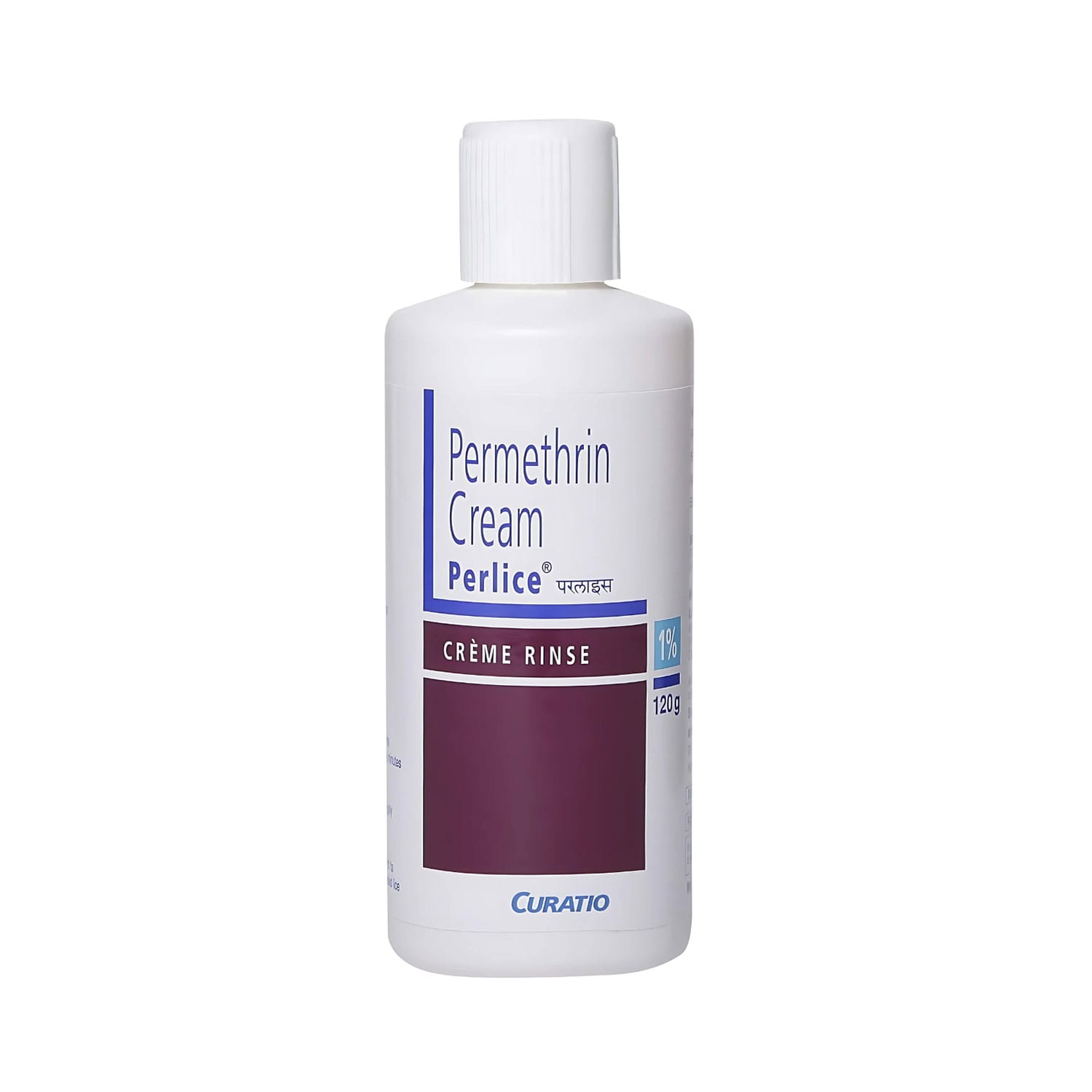
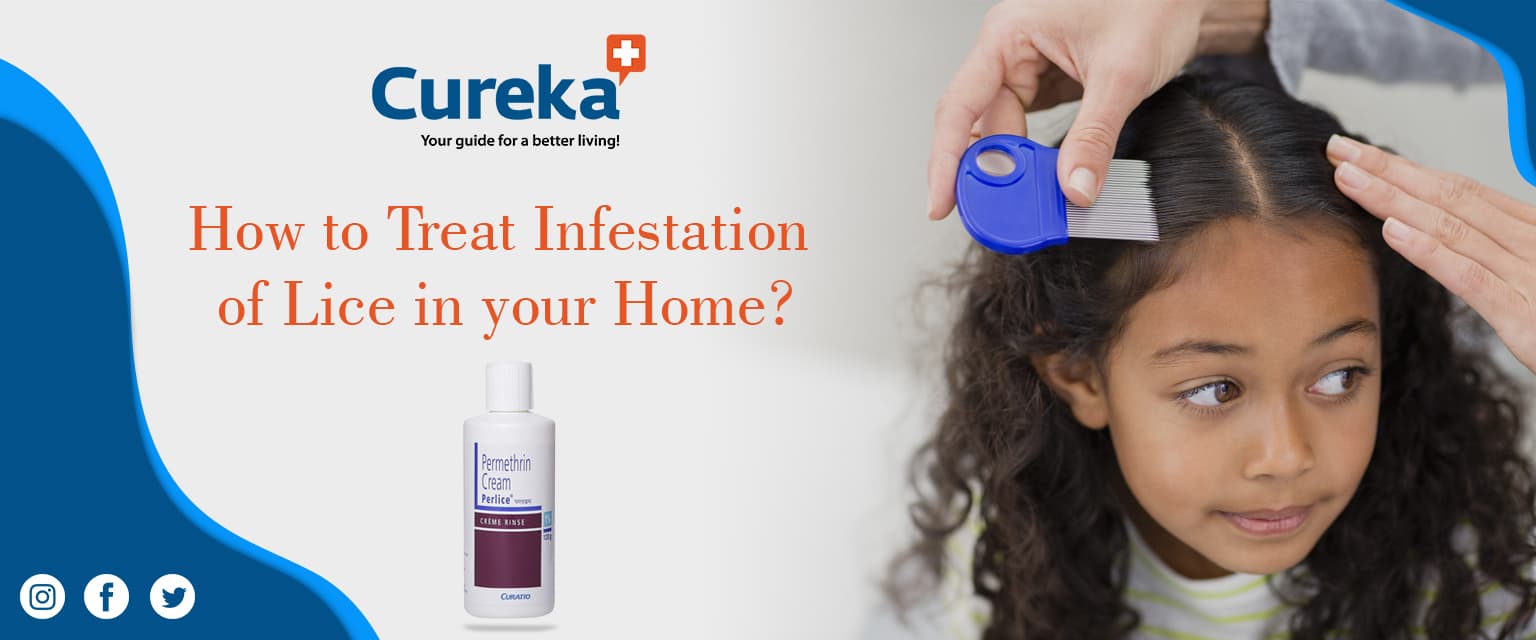
Perlice Rinse Cream
[caption id=" align="alignright" width="270"] Perlice rinse cream[/caption]
Perlice Rinse Cream is an anti-parasitic medication that can assist with lice, ticks, fleas, and mite infestations on the scalp and skin.
If you have any skin disorders, allergies to medications, foods, or other substances, asthma, or any other medical concerns, please let your doctor know.
Avoid contact with eyes and mucous membranes, and protect your hands by wearing gloves. If permethrin gets into your eyes by mistake, flush them out with lots of water right away.
Before applying the medicine to the full head, test it on a tiny section of hair to be sure it doesn't harm colored or permed hair.
After one treatment, check your hair for active lice or nits infestations after 14 days, since you may be at risk of developing treatment resistance.
If you are pregnant, intending to become pregnant, or nursing, tell your doctor.
If the patient is allergic to permethrin or any of its components, it should not be used.
This cream should not be used on children under the age of six months.
How to Apply Prelice Cream to Get Rid of Lice
Apply for a few hours, then wash it off and use a comb to comb the louse. Use at least once a week for at least four weeks.
Is permethrin cream safe to use twice a day?
Even if you use a larger amount of cream than suggested, you should not use it twice a day. You may have temporary irritation, skin redness, or swelling as a result. If you need to get rid of lice quickly, once a week (recommended) or constantly for 2-3 days will suffice to destroy lice and eggs.