Cureka — Your guide for a better living!
Cart
INDIA'S 1ST PREVENTIVE HEALTHCARE STORE – CURATED BY DOCTORS!|

Know about Cystic Acne

Dr. Hema Sathish, Dermatologist

Medically Reviewed By

Dr. Hema Sathish, M.B.B.S., D.D (UK)

Dermatologist • Founder of Cureka

Reviewed for medical accuracy and evidence-based information

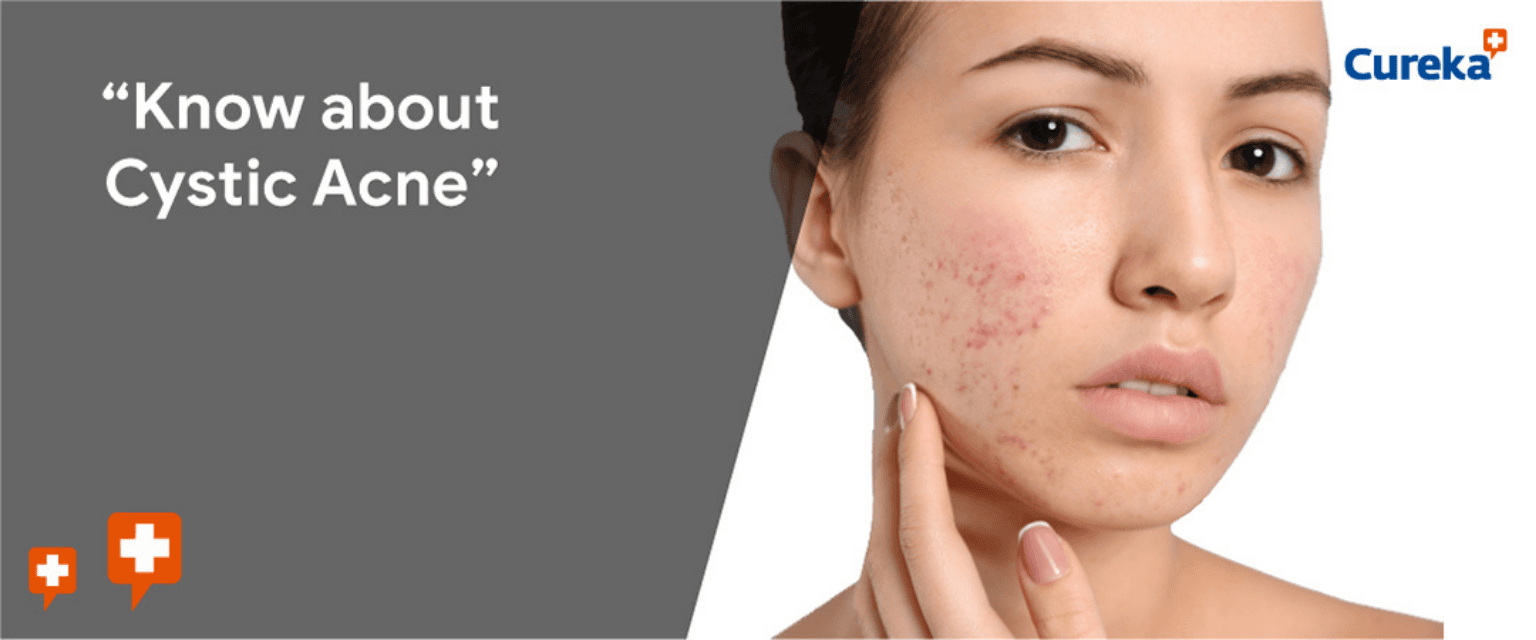
Cystic acne is the most serious type of acne. It develops when cysts form deep underneath your skin. Although anyone can develop acne, cystic acne tends to occur in people with oily skin.

1st Mar 2021•2 Min read+Cureka Editorial
Know about Cystic Acne

Cystic acne is the most serious type of acne. It develops when cysts form deep underneath your skin. This can result from a combination of bacteria, oil, and dry skin cells that get trapped in your pores. Although anyone can develop acne, cystic acne tends to occur in people with oily skin. It’s also more common in teens, women, and older adults with hormonal imbalances. Looking to treat cystic acne? Consult with your doctor or get the doctors prescribed skin care products from trusted buyers like Cureka.

Symptoms

Acne signs and symptoms vary depending on the severity of your condition.

  1. Painful, pus-filled lumps beneath the surface of the skin (cystic lesions)

  2. Large, solid, painful lumps beneath the surface of the skin (nodules)

  3. Pimples (pustules), which are papules with pus at their tips

  4. Small red, tender bumps (papules)

  5. Blackheads (open plugged pores)

  6. Whiteheads (closed plugged pores)

5 Facts You May Not Know About Cystic Acne

  1. Most doctors recommend going within to treat cystic acne, and most forms of moderate to severe acne. Because cysts form below the surface of the skin, most topical treatments do little to treat the problem, leaving many cystic acne sufferers feeling frustrated and helpless.

  2. Cystic acne is NOT caused by greasy food or chocolate. While the foods we eat can cause our bodies to react in different ways, there is no one food the formation of acne can be pinned on.

  3. Cysts begin forming days before symptoms become apparent. Many people look to treat their acne as soon as it's formed on their skin, but for anyone with cystic acne, that’s easier said than done.

  4. Cysts occur when inflamed pores become ruptured. All acne can be traced back to a clogged hair follicle, or pore. In the case of cystic acne, breakouts occur when the inflamed pore becomes ruptured, releasing bacteria which leads to a wider spread of inflammation underneath the surface of the skin.

  5. Cystic acne is a form of inflammatory acne. Inflammation is a natural response of the body. When a pore becomes clogged with excess oil and dead skin cells, bacteria forms, which alerts the body to send in white blood cells to “attack” the foreign agent.

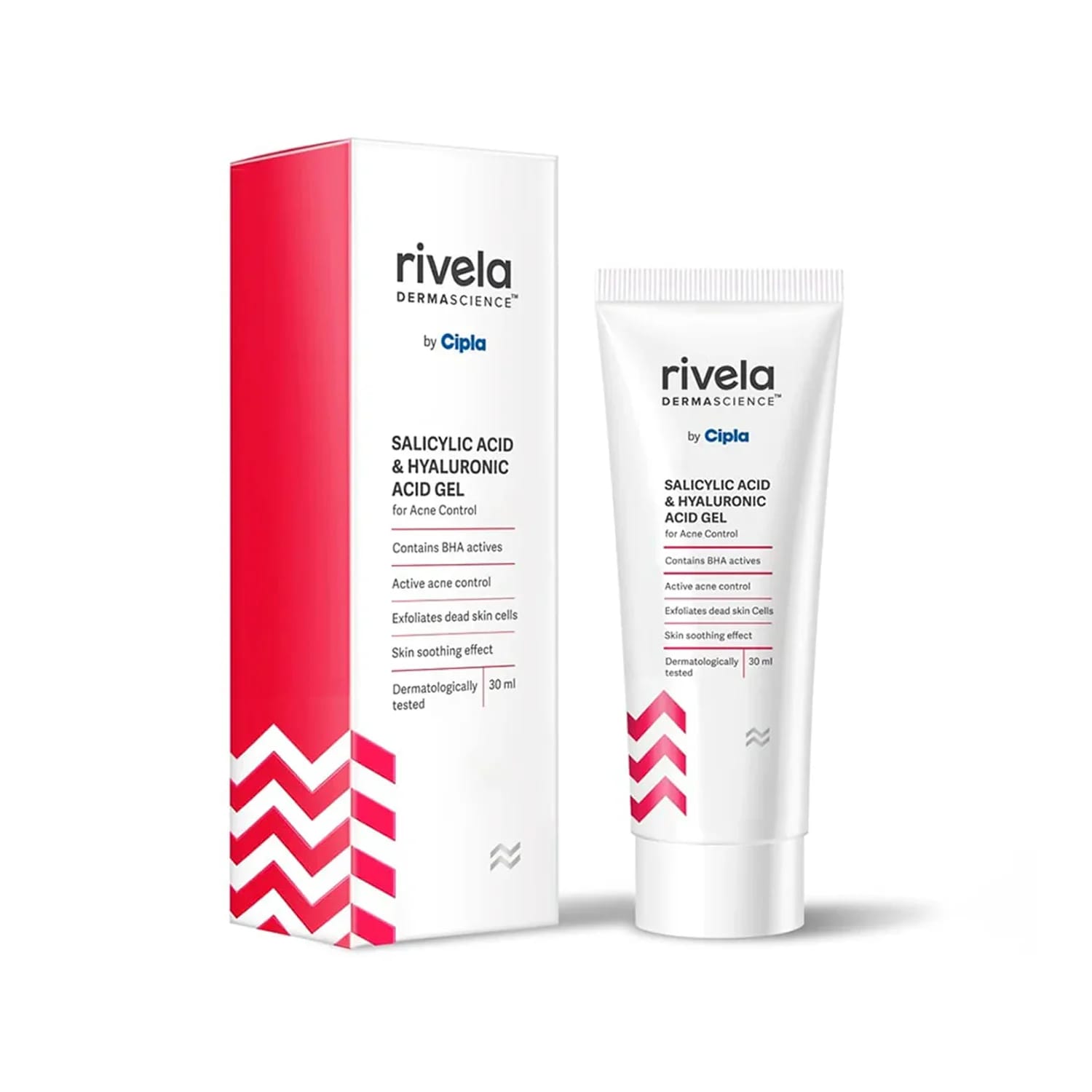
When most people think of acne, those little red dots on the surface of the skin come to mind, and the most practiced solution for dealing with them is to zap those suckers dry until they disappear completely. Are you looking for get rid of cystic acne? Consider choosing resut oriented acne serum for better results.
 

Frequently Asked Questions

  • Cystic acne is a severe form of acne where painful cysts form deep under the skin due to trapped oil, bacteria, and dead skin cells.It causes inflammation and can lead to long-term skin damage if untreated.

  • Symptoms include painful lumps under the skin, pus-filled cysts, nodules, red bumps, blackheads, and whiteheads.These deep acne lesions are often tender and slow to heal.

  • Cystic acne occurs when pores get clogged and inflamed, eventually rupturing and spreading bacteria beneath the skin.Hormonal imbalance and oily skin increase the risk of severe acne breakouts.

  • Cystic acne is not directly caused by greasy food or chocolate.It mainly develops due to internal factors like hormones, excess oil, and bacterial buildup.

  • Since cystic acne forms deep beneath the skin, surface-level treatments often fail to reach the root cause.Doctors usually recommend internal or medical treatments for effective results.

Comments

How to Apply Silicone Sheets Correctly to Prevent Scar Thickening
Featured

How to Apply Silicone Sheets Correctly to Prevent Scar Thickening

Raised, thick scars aren't permanent. Learn the step-by-step method for applying silicone sheets correctly to flatten, soften, and fade scars over time.

Read More
Psoriasis Skin Care Myths That Could Be Making Your Condition Worse
Featured

Psoriasis Skin Care Myths That Could Be Making Your Condition Worse

Could your psoriasis routine be making flare-ups worse? See which common skincare myths may be doing more harm than good.

Read More
5 Surprising Reasons Your Skincare Routine Isn’t Working (And How to Fix It)
Featured

5 Surprising Reasons Your Skincare Routine Isn’t Working (And How to Fix It)

Your skincare routine may be failing for simple reasons. See the five mistakes that could be sabotaging your results.

Read More
Melasma and Skin Aging: Why Internal Inflammation Plays a Bigger Role Than You Think
Featured

Melasma and Skin Aging: Why Internal Inflammation Plays a Bigger Role Than You Think

Melasma keeps coming back despite your skincare routine? Inflammation, hormones, and lifestyle may be driving both pigmentation and premature skin aging.

Read More
Acne Isn’t Just Cosmetic: The Hormonal Triggers Behind Adult Acne
Featured

Acne Isn’t Just Cosmetic: The Hormonal Triggers Behind Adult Acne

Still breaking out as an adult? Your hormones could be behind those stubborn breakouts. Find out how periods, stress, PCOS, and diet can affect your skin, even when your skincare routine is on point.

Read More
Managing Vitiligo Naturally: How Targeted Skincare Supports Skin Health
Featured

Managing Vitiligo Naturally: How Targeted Skincare Supports Skin Health

Vitiligo isn’t just about changing skin colour. See how protecting the skin barrier, managing oxidative stress, and supporting pigmentation can make a difference in everyday vitiligo care.

Read More

No comments yet. Be the first to share your thoughts.