Cureka — Your guide for a better living!
Cart
INDIA'S 1ST PREVENTIVE HEALTHCARE STORE – CURATED BY DOCTORS!|

Insight On Face Pack

Dr. Hema Sathish, Dermatologist

Medically Reviewed By

Dr. Hema Sathish, M.B.B.S., D.D (UK)

Dermatologist • Founder of Cureka

Reviewed for medical accuracy and evidence-based information

Face pack counter the above changes, as it penetrates deep down the subcutaneous tissues to deliver the required nutrients.

7th Dec 2018•2 Min read+Cureka Editorial
Insight On Face Pack

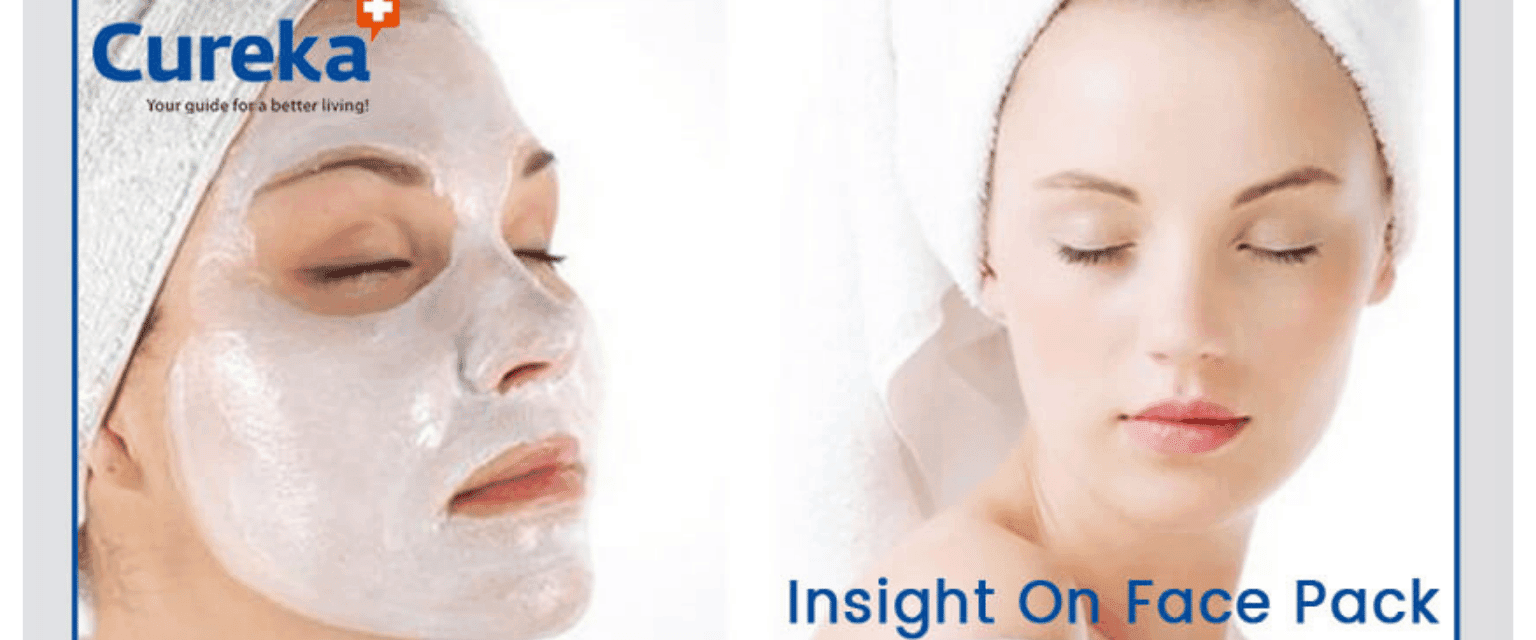
Facial packs or masks are excellent beauty treatments that immensely improve skin health.

Why use a Face Pack?

The skin is located at the surface of the body, and is constantly exposed to environmental pollution, oil imbalance and aging process. All these factors cause degradation of collagen fibers and elastic fibers present in the skin, thus leading to skin dehydration and wrinkling. Face packs counter the above changes, as it penetrates deep down the subcutaneous tissues to deliver the required nutrients when applied externally. Daily cleansercleanser removes impurities from skin surface, but face packs can cleanse deep up to the pores.

How to Apply your Face Pack ?

The pack should be applied evenly on wet face and left for optimum duration for its action. After complete drying, it is removed with the help of a wet sponge. Face masks instantly improves the skin texture immediately after single use. Weekly once or twice use is enough for a good toned glowing skin.

Types Of Face Packs

Face packs are broadly classified into the following categories:

• Plastic masks: Wax, latex, and vinyl-based

• Hydrocolloid masks: Gel masks

• Argillaceous masks: Clay and earth-based

Choosing The Face Pack For Your Skin Type

Face packs are basically additives formulated to deliver desired benefits to the skin. Similar to cleansers and Moisturizer, different face masks are available match different skin types and their problems.

Nowadays various types of packs are available separately for the oily, normal and dry skin.

• Hydrating masks like hydrocolloid, hydrogel, and hydro peptide masks can be used for dry skin, especially during the winter. They are available as cream sheets and help to retain skin moisture by decreasing the transepidermal water loss.

• Clay or mud containing face mask are recommended for oily skin prone to develop acne to control the sebum secretion from sebaceous glands and fight acne-causing bacteria.

• Face masks containing hyaluronic acid, peptides, and antioxidants help to reduce fine lines, wrinkles and dark circles. They are being widely used in antiaging therapy.

Face packs are easy to use and store, non-toxic and non-allergic. They supply vital nourishment to the skin and tend to be a must in skin care regime for instant grooming and in premature aging.
Frequently Asked Questions

  • Face packs nourish skin, cleanse deep into pores, improve texture, and combat dehydration, wrinkles, and pollution damage.

  • Apply evenly on a wet face, leave to dry, and remove with a wet sponge; use once or twice a week for glowing, well-toned skin.

  • Face packs include plastic masks (wax, latex, vinyl), hydrocolloid/gel masks, and argillaceous masks (clay or earth-based).

  • Use hydrating masks for dry skin, clay/mud masks for oily/acne-prone skin, and masks with hyaluronic acid, peptides, or antioxidants for anti-aging and reducing wrinkles.

  • Face packs are easy to use, non-toxic, and non-allergic, providing vital nourishment, instant grooming, and anti-aging benefits for the skin.

Comments

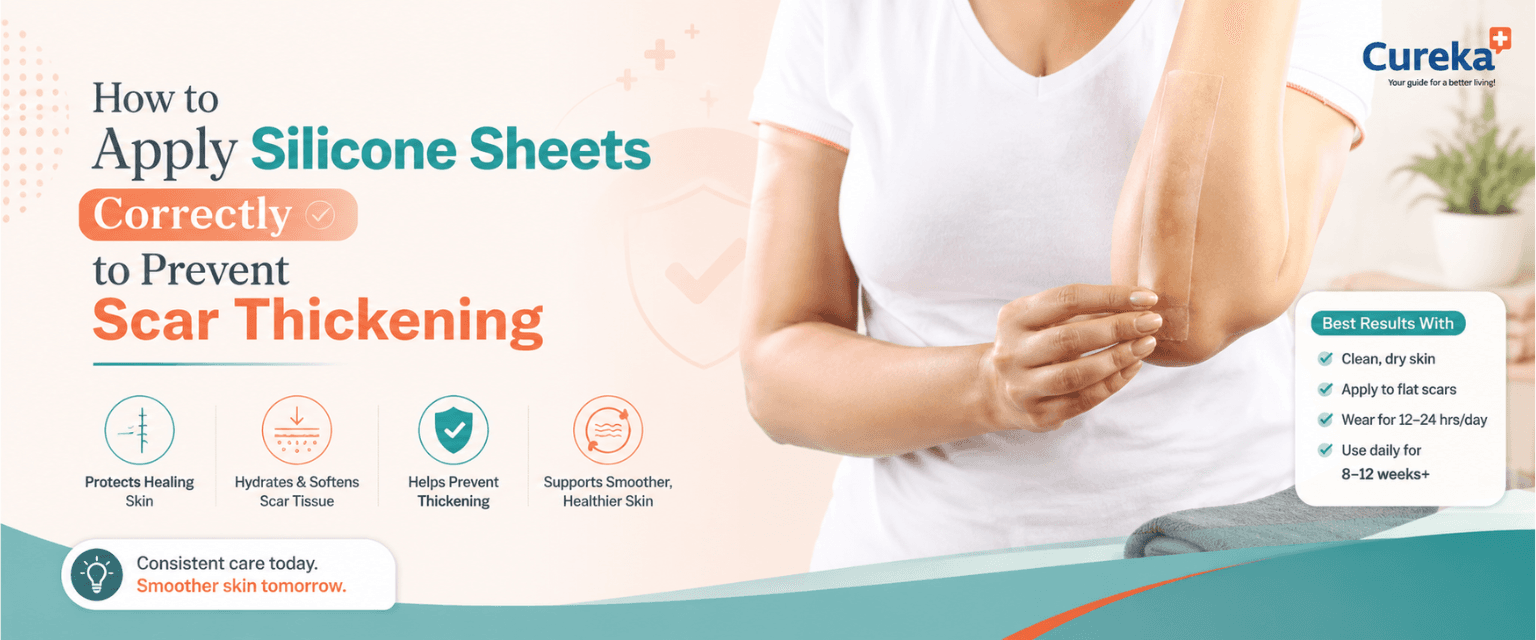
How to Apply Silicone Sheets Correctly to Prevent Scar Thickening
Featured

How to Apply Silicone Sheets Correctly to Prevent Scar Thickening

Raised, thick scars aren't permanent. Learn the step-by-step method for applying silicone sheets correctly to flatten, soften, and fade scars over time.

Read More
Psoriasis Skin Care Myths That Could Be Making Your Condition Worse
Featured

Psoriasis Skin Care Myths That Could Be Making Your Condition Worse

Could your psoriasis routine be making flare-ups worse? See which common skincare myths may be doing more harm than good.

Read More
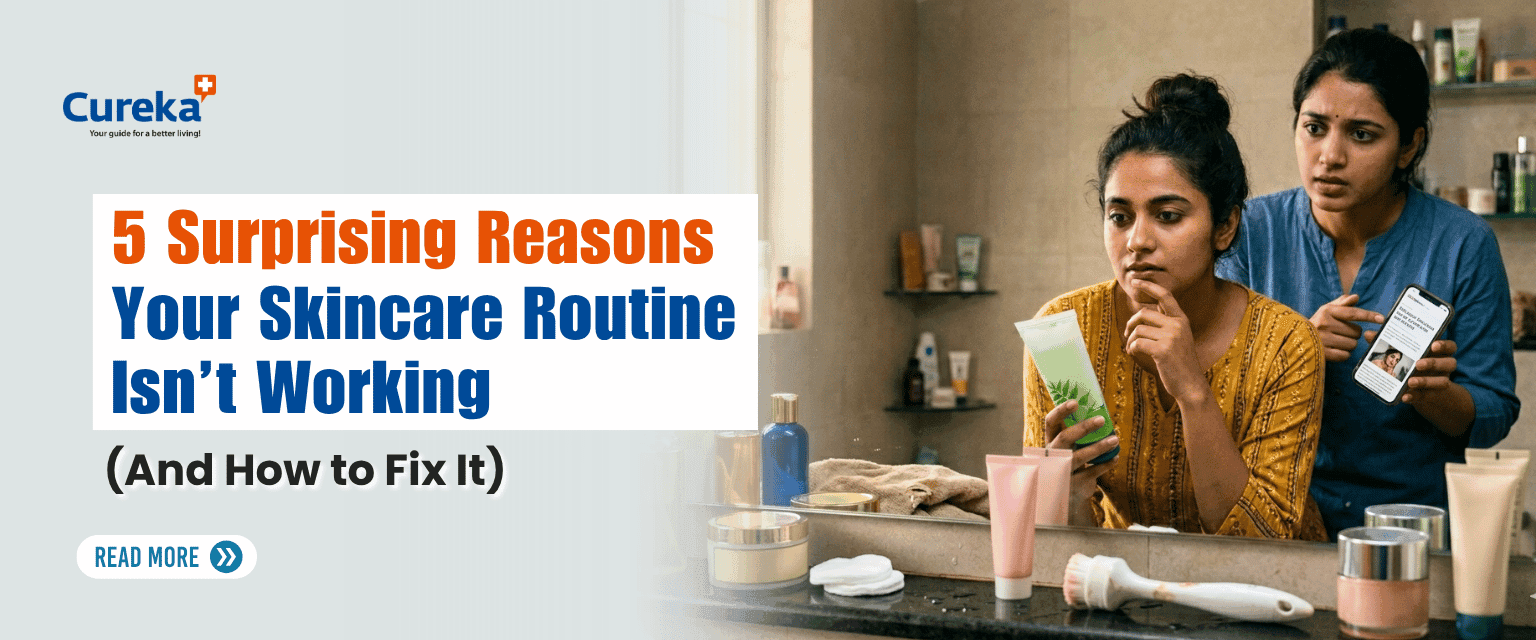
5 Surprising Reasons Your Skincare Routine Isn’t Working (And How to Fix It)
Featured

5 Surprising Reasons Your Skincare Routine Isn’t Working (And How to Fix It)

Your skincare routine may be failing for simple reasons. See the five mistakes that could be sabotaging your results.

Read More
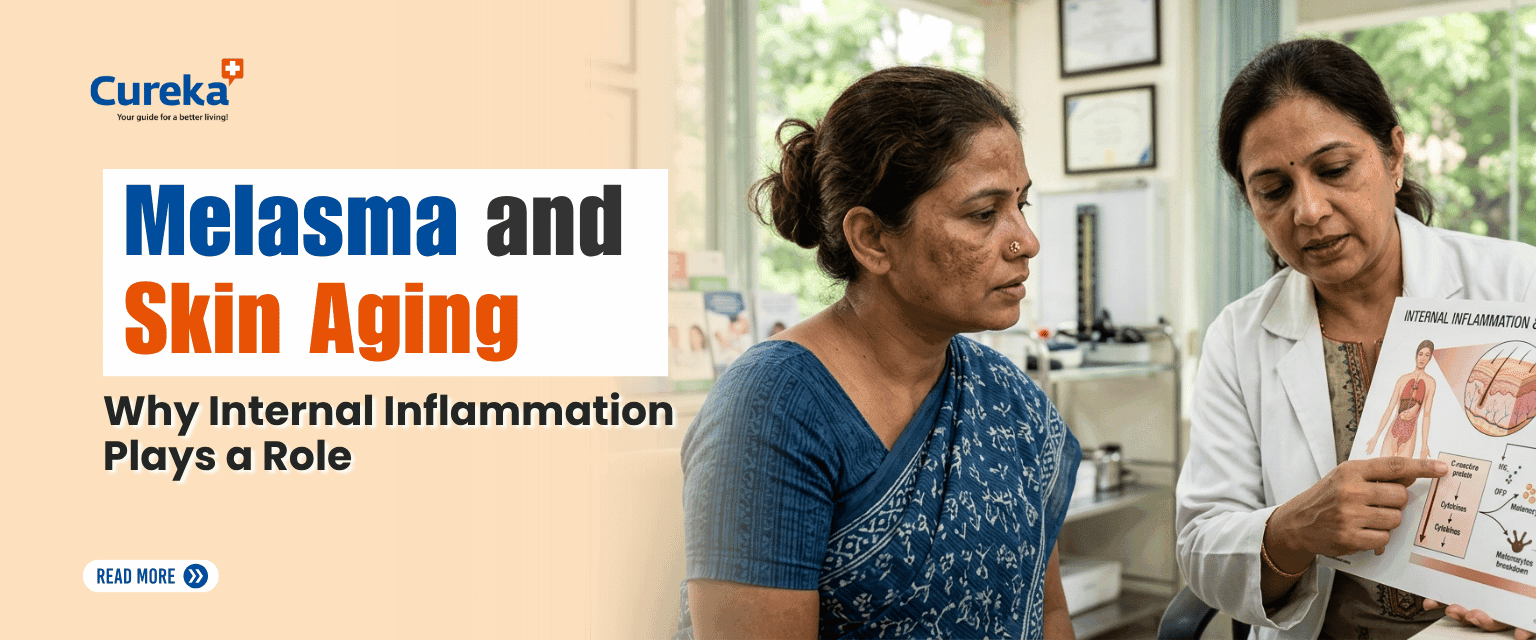
Melasma and Skin Aging: Why Internal Inflammation Plays a Bigger Role Than You Think
Featured

Melasma and Skin Aging: Why Internal Inflammation Plays a Bigger Role Than You Think

Melasma keeps coming back despite your skincare routine? Inflammation, hormones, and lifestyle may be driving both pigmentation and premature skin aging.

Read More
Acne Isn’t Just Cosmetic: The Hormonal Triggers Behind Adult Acne
Featured

Acne Isn’t Just Cosmetic: The Hormonal Triggers Behind Adult Acne

Still breaking out as an adult? Your hormones could be behind those stubborn breakouts. Find out how periods, stress, PCOS, and diet can affect your skin, even when your skincare routine is on point.

Read More
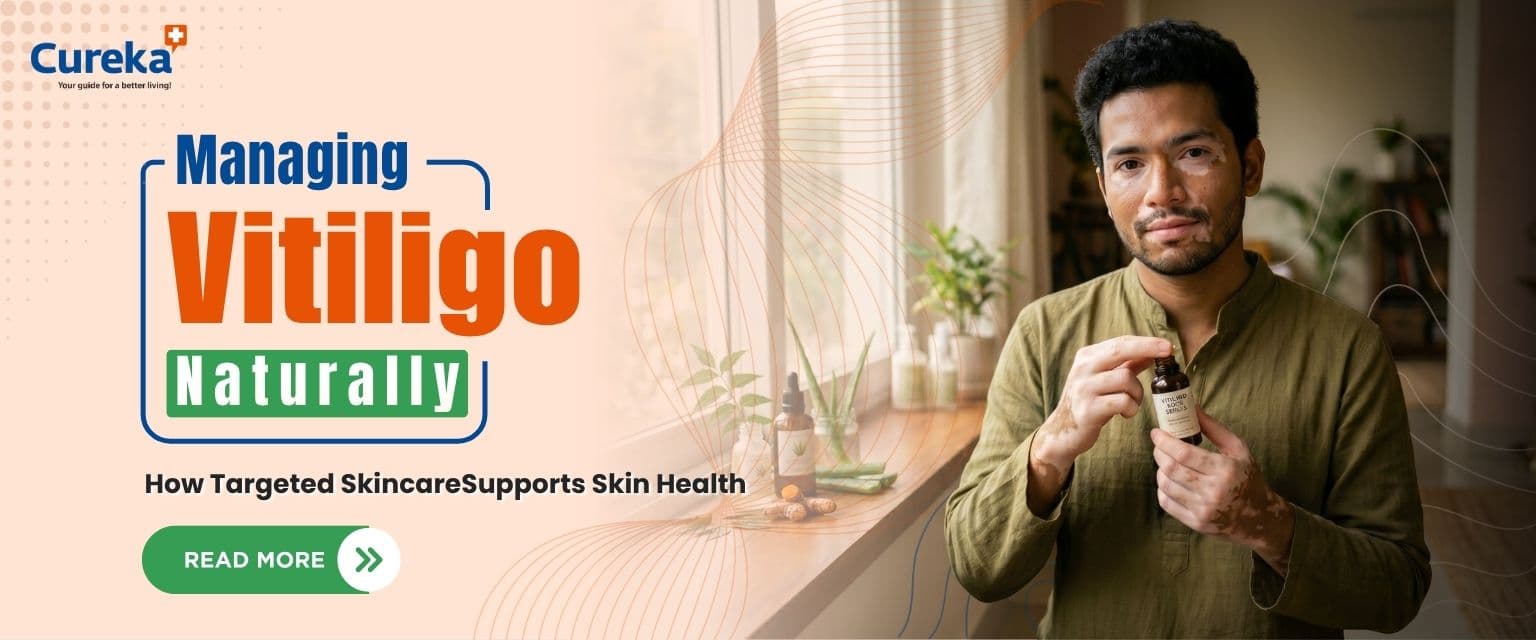
Managing Vitiligo Naturally: How Targeted Skincare Supports Skin Health
Featured

Managing Vitiligo Naturally: How Targeted Skincare Supports Skin Health

Vitiligo isn’t just about changing skin colour. See how protecting the skin barrier, managing oxidative stress, and supporting pigmentation can make a difference in everyday vitiligo care.

Read More

No comments yet. Be the first to share your thoughts.