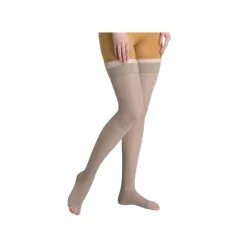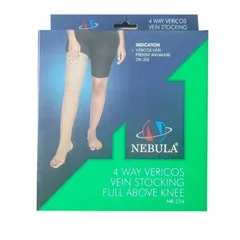


Bestseller
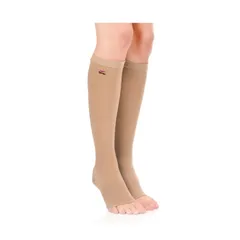
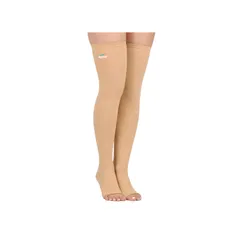
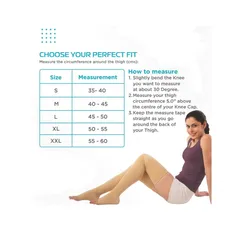
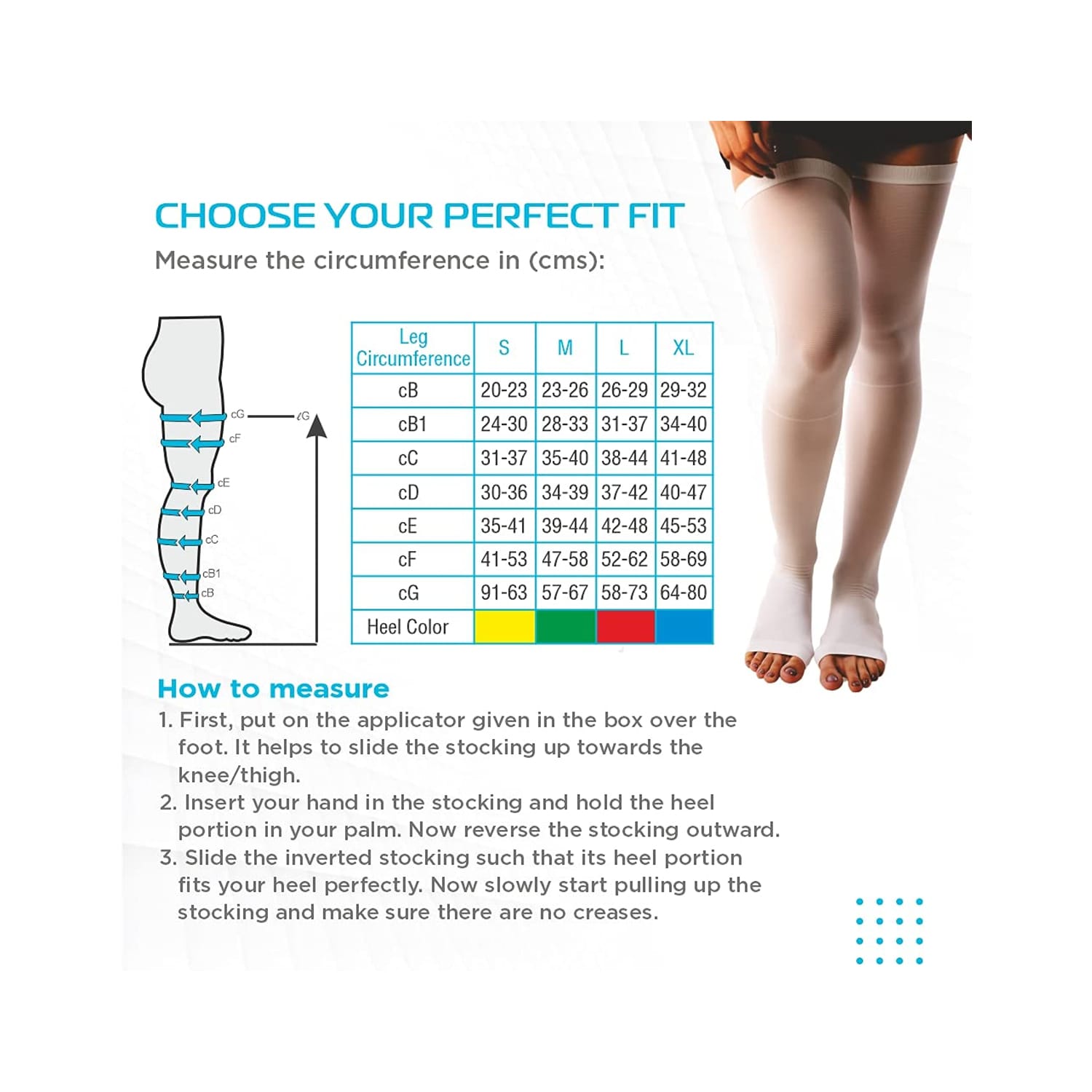
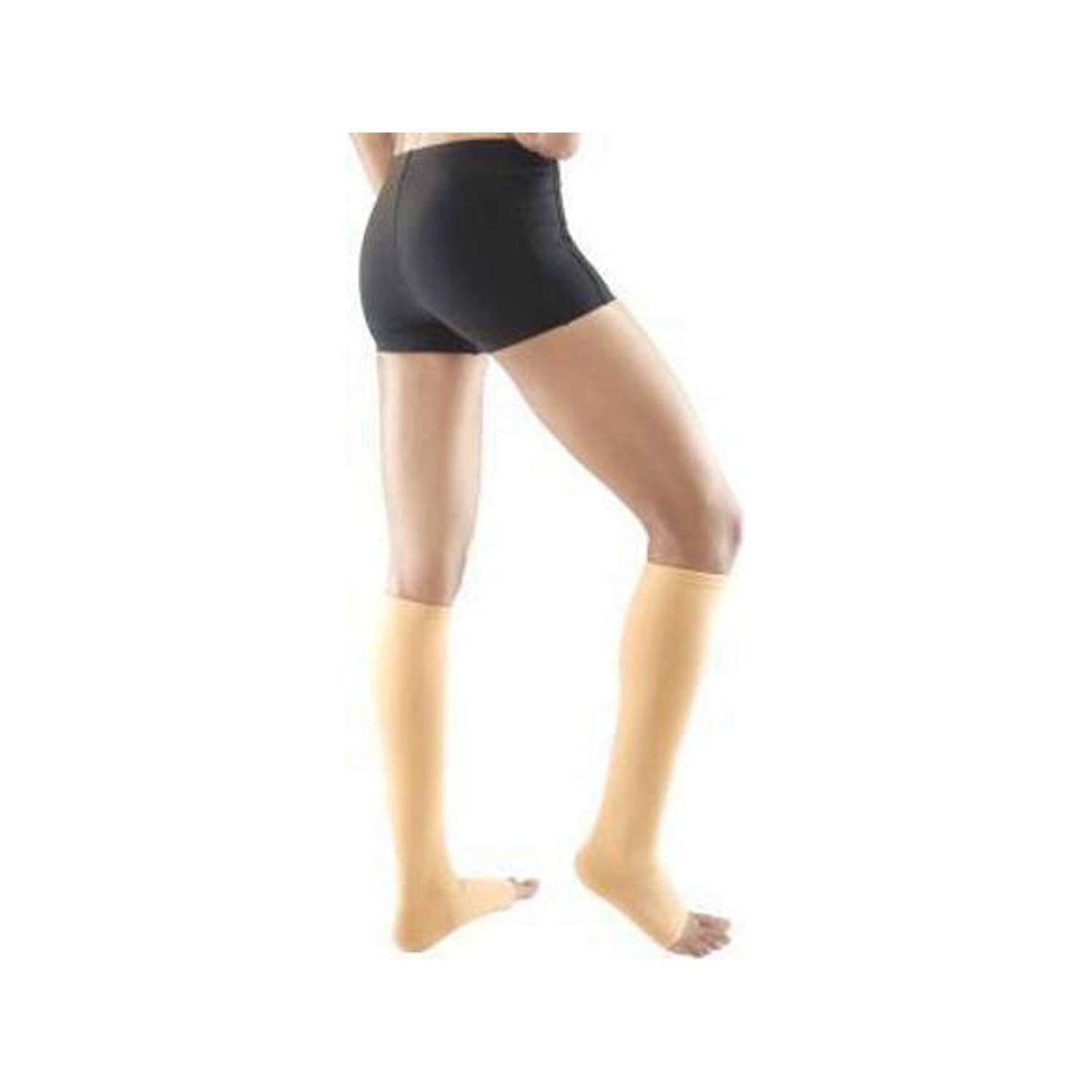
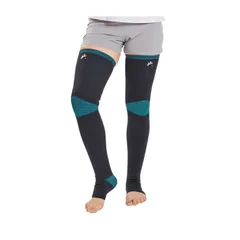
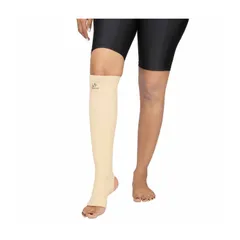
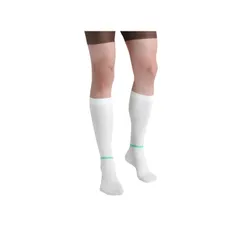
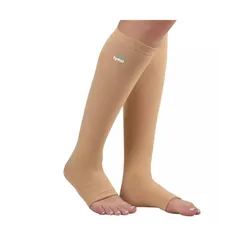
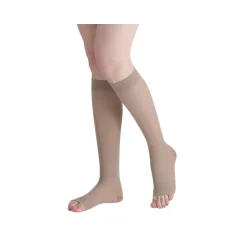
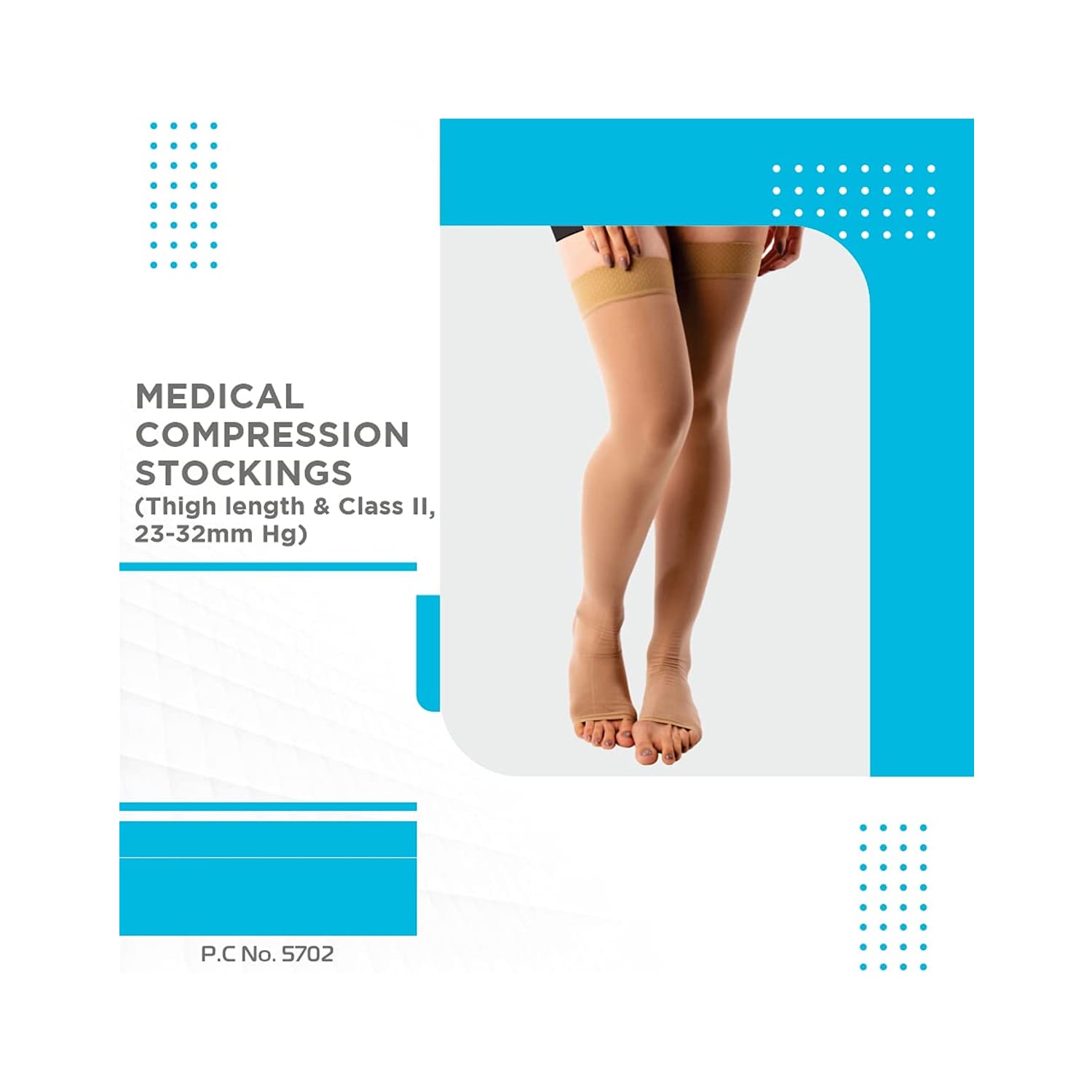
Tynor Medical Compression Stocking (Pair) 1-67 Knee High Class 2 XXL
Tynor
₹1,19023% off₹1,546
Varicose Veins
Varicose veins are enlarged, twisted, and visibly bulging veins that commonly occur in the legs and feet. They develop when the valves inside the veins weaken or malfunction, causing blood to pool instead of flowing efficiently back to the heart. Since the legs work against gravity to circulate blood, varicose veins are more common in individuals who stand or sit for long periods, pregnant women, older adults, and those with a genetic predisposition.
Causes of Varicose Veins
Valve Dysfunction in Veins: Weak or damaged valves allow blood to flow backward and pool.
Prolonged Standing or Sitting: Reduces proper blood circulation in the legs.
Genetic Predisposition: Family history increases risk.
Pregnancy: Increased blood volume and hormonal changes put pressure on leg veins.
Obesity: Excess weight increases pressure on lower limb veins.
Aging: Veins lose elasticity over time.
Hormonal Changes: Hormone replacement therapy or birth control pills may affect vein tone.
Lack of Physical Activity: Poor muscle pumping action affects venous return.
Symptoms of Varicose Veins
Visible, bulging, twisted blue or purple veins
Aching, throbbing, or heaviness in the legs
Swelling in ankles and feet, especially after standing
Burning, itching, or tingling sensation around veins
Muscle cramps, especially at night
Skin discoloration or dryness near affected veins
Pain that worsens after long periods of standing or sitting
In severe cases, skin ulcers or bleeding veins
Diagnosis of Varicose Veins
Physical Examination: Visual inspection while standing and symptom assessment.
Doppler Ultrasound: Evaluates blood flow and valve function in veins.
Venous Duplex Scan: Identifies reflux, blockages, or clots.
Venography (rare cases): Contrast imaging to assess complex vein issues.
Treatment of Varicose Veins
Lifestyle Modifications: Regular walking, leg elevation, and avoiding prolonged standing.
Compression Stockings: Improve blood flow and reduce swelling.
Pain Relief Measures: NSAIDs for discomfort and inflammation.
Exercise Therapy: Strengthens calf muscles to aid venous return.
Weight Management: Reduces pressure on veins.
Sclerotherapy: Injection to close smaller varicose veins.
Laser or Radiofrequency Ablation: Minimally invasive procedures to seal affected veins.
Surgery (Severe Cases): Vein ligation or stripping when conservative methods fail.
Preventing Varicose Veins
Stay physically active and avoid prolonged inactivity
Elevate legs periodically during rest
Wear compression stockings if at risk
Maintain a healthy body weight
Avoid tight clothing around waist or legs
Take breaks and stretch if sitting or standing for long durations
Practice calf-strengthening exercises
Complications of Untreated Varicose Veins
Chronic leg pain and swelling
Skin changes and discoloration
Venous eczema or dermatitis
Leg ulcers (venous ulcers)
Blood clots (superficial thrombophlebitis)
Bleeding from ruptured veins
Progressive worsening of vein damage
Specialist to Consult for Varicose Veins
Vascular Surgeon: For diagnosis and interventional treatment
Interventional Radiologist: For minimally invasive vein procedures
Dermatologist: For skin-related complications
General Physician: For early assessment and referral
FAQ
1. What is the main cause of varicose veins?
Varicose veins are mainly caused by weakened or damaged vein valves, which allow blood to pool in the veins instead of flowing back to the heart.
2. What is the best cure for varicose veins?
There is no single cure, but effective treatments include compression stockings, lifestyle changes, sclerotherapy, laser treatment, and minimally invasive vein procedures depending on severity.
3. What is stage 4 of varicose veins?
Stage 4 varicose veins involve significant skin changes such as pigmentation, eczema, or hardening of the skin around the ankle due to long-standing poor blood circulation.
4. At what age do varicose veins start?
Varicose veins can begin at any age but are more commonly seen after the age of 30, especially in individuals with genetic risk, pregnancy history, or prolonged standing habits.
Tynor
flamingo

VISSCO
VISSCO
flamingo