

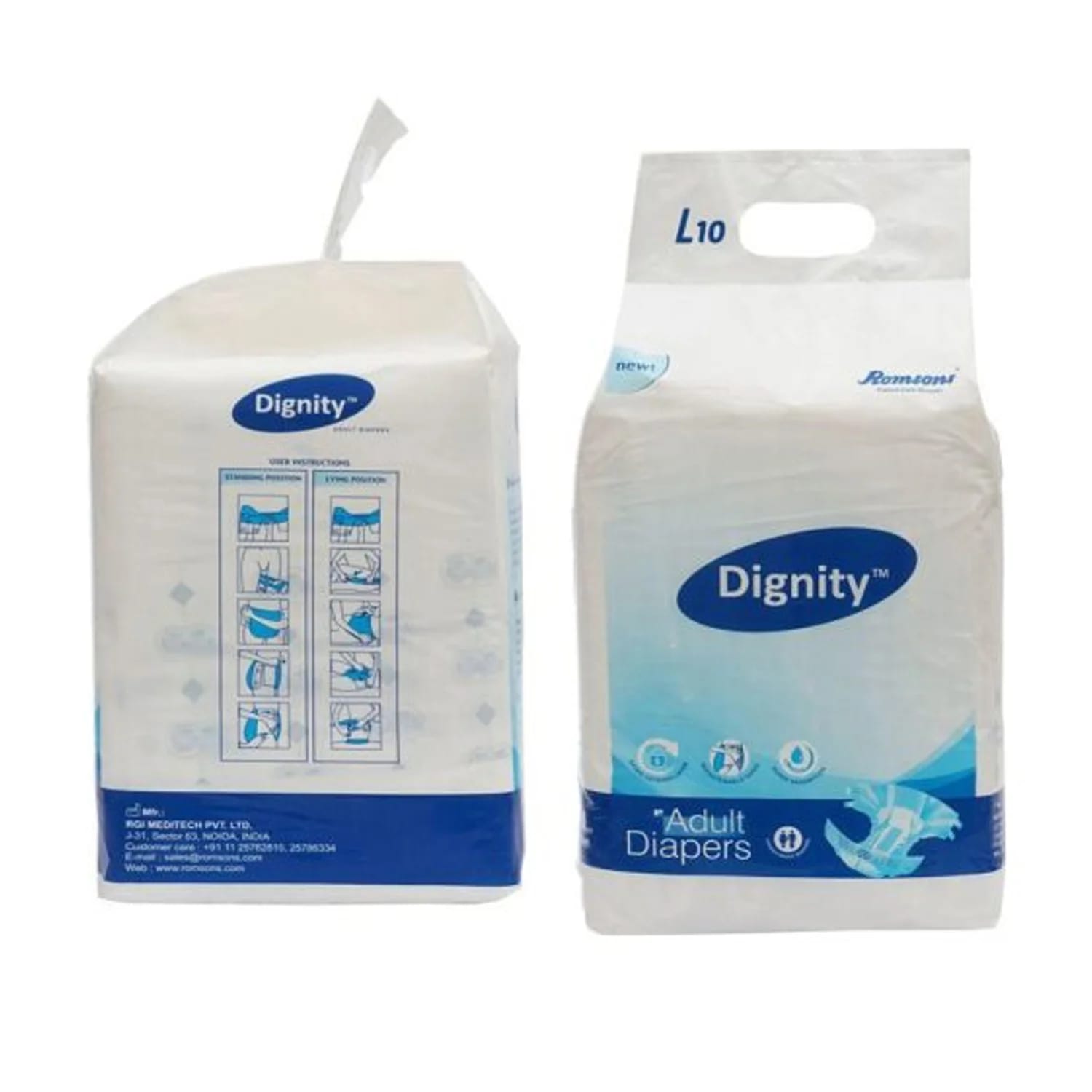
Romsons Dignity Diaper Medium - Large
Romsons
₹40510% off₹450
Urinary incontinence is the involuntary leakage of urine due to loss of bladder control. It can range from occasional leaks while coughing or laughing to sudden, strong urges to urinate that are difficult to control. Urinary incontinence is common, especially with ageing, childbirth, hormonal changes, or certain medical conditions, and can significantly affect daily life and confidence if left unmanaged.
Causes of Urinary Incontinence
Weak Pelvic Floor Muscles: Often due to childbirth, ageing, or menopause
Bladder Overactivity: Sudden involuntary bladder contractions
Hormonal Changes: Reduced estrogen levels, especially after menopause
Pregnancy and Childbirth: Stretching and weakening of pelvic muscles
Prostate Problems: Enlarged prostate or prostate surgery in men
Neurological Conditions: Stroke, Parkinson’s disease, spinal cord injury
Urinary Tract Infections (UTIs): Temporary bladder irritation
Chronic Cough or Obesity: Increased pressure on the bladder
Medications: Diuretics, sedatives, or muscle relaxants
Symptoms of Urinary Incontinence
Leakage of urine while coughing, sneezing, laughing, or exercising
Sudden, strong urge to urinate followed by leakage
Frequent urination, including at night
Difficulty reaching the toilet in time
Feeling of incomplete bladder emptying
Wetness or odor affecting daily comfort
Diagnosis of Urinary Incontinence
Medical History: Symptoms, fluid intake, and lifestyle assessment
Physical Examination: Pelvic or prostate examination
Urine Tests: To rule out infection
Bladder Diary: Tracking fluid intake and leakage episodes
Pelvic Floor Assessment: Muscle strength evaluation
Special Tests: Urodynamic studies if needed
Treatment of Urinary Incontinence
Pelvic Floor Exercises: Kegel exercises (repeated tightening and relaxing of the pelvic floor muscles) to strengthen bladder support and reduce urine leakage.
Bladder Training: Scheduled voiding to improve control
Lifestyle Changes: Weight management, reducing caffeine and alcohol
Medications: To calm overactive bladder or improve muscle tone
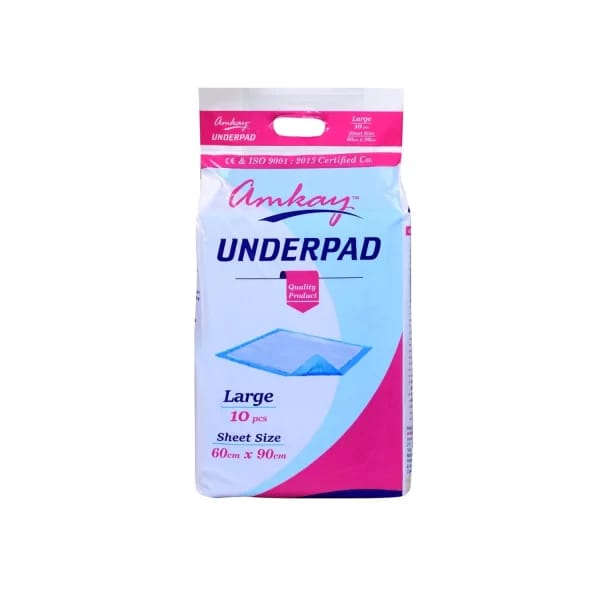
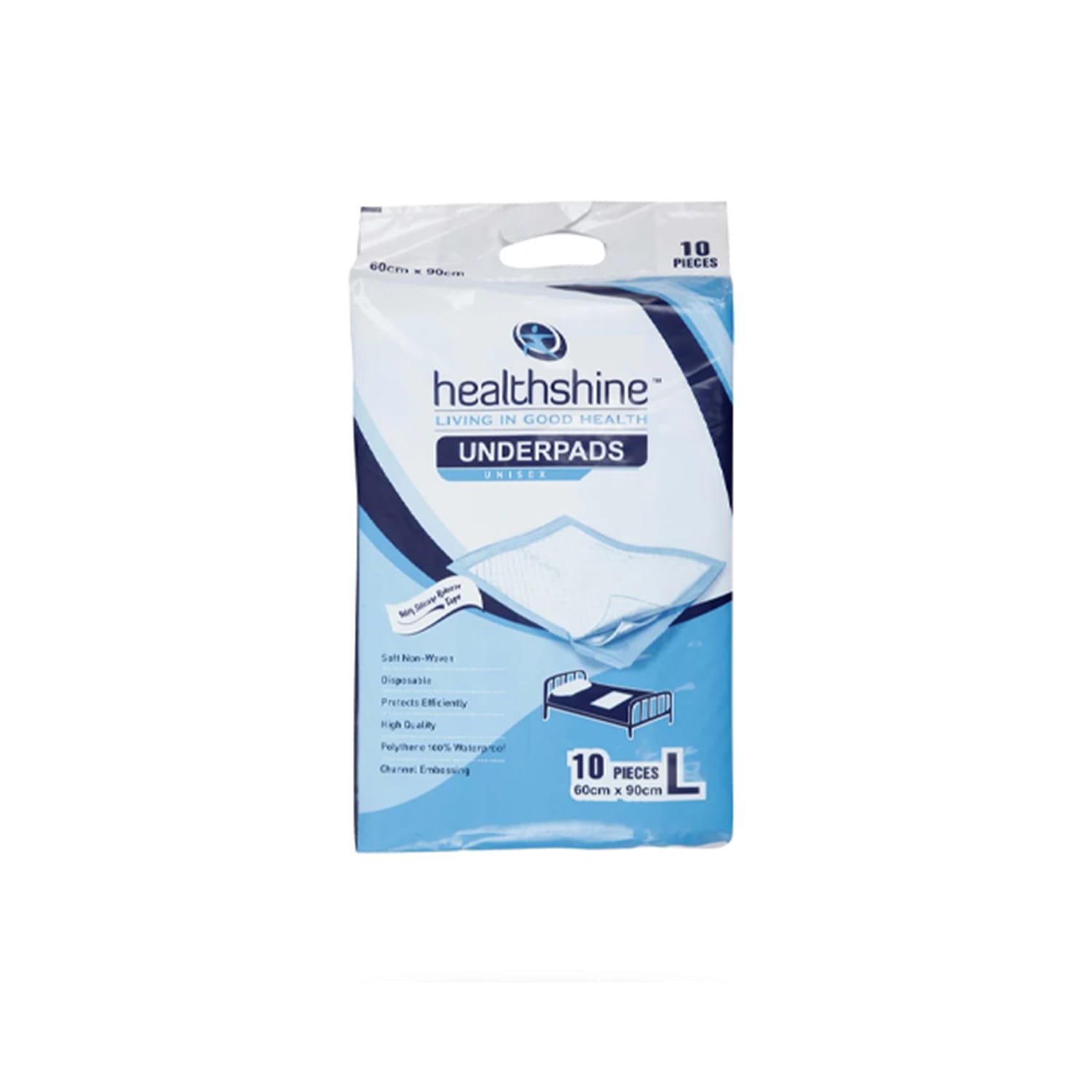
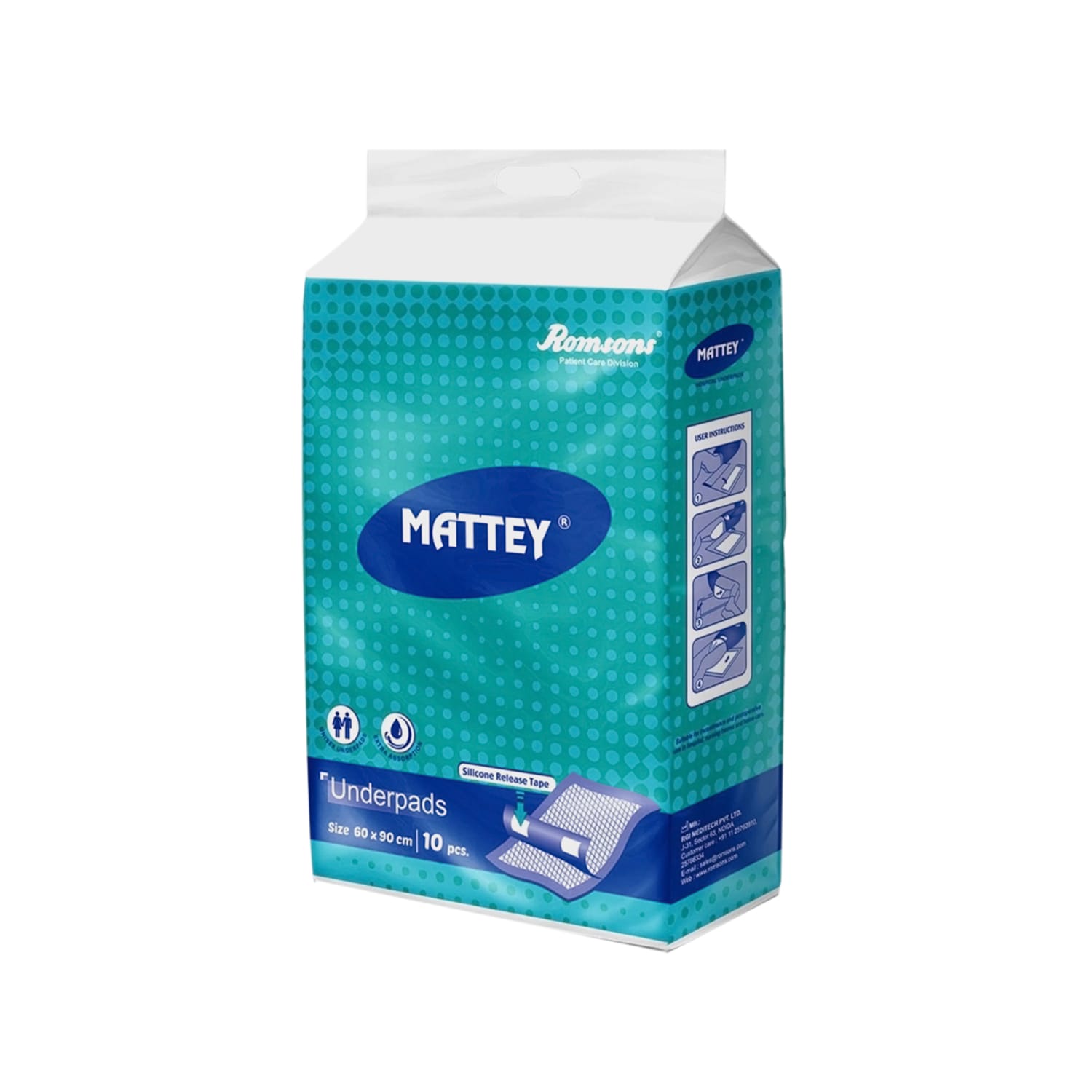
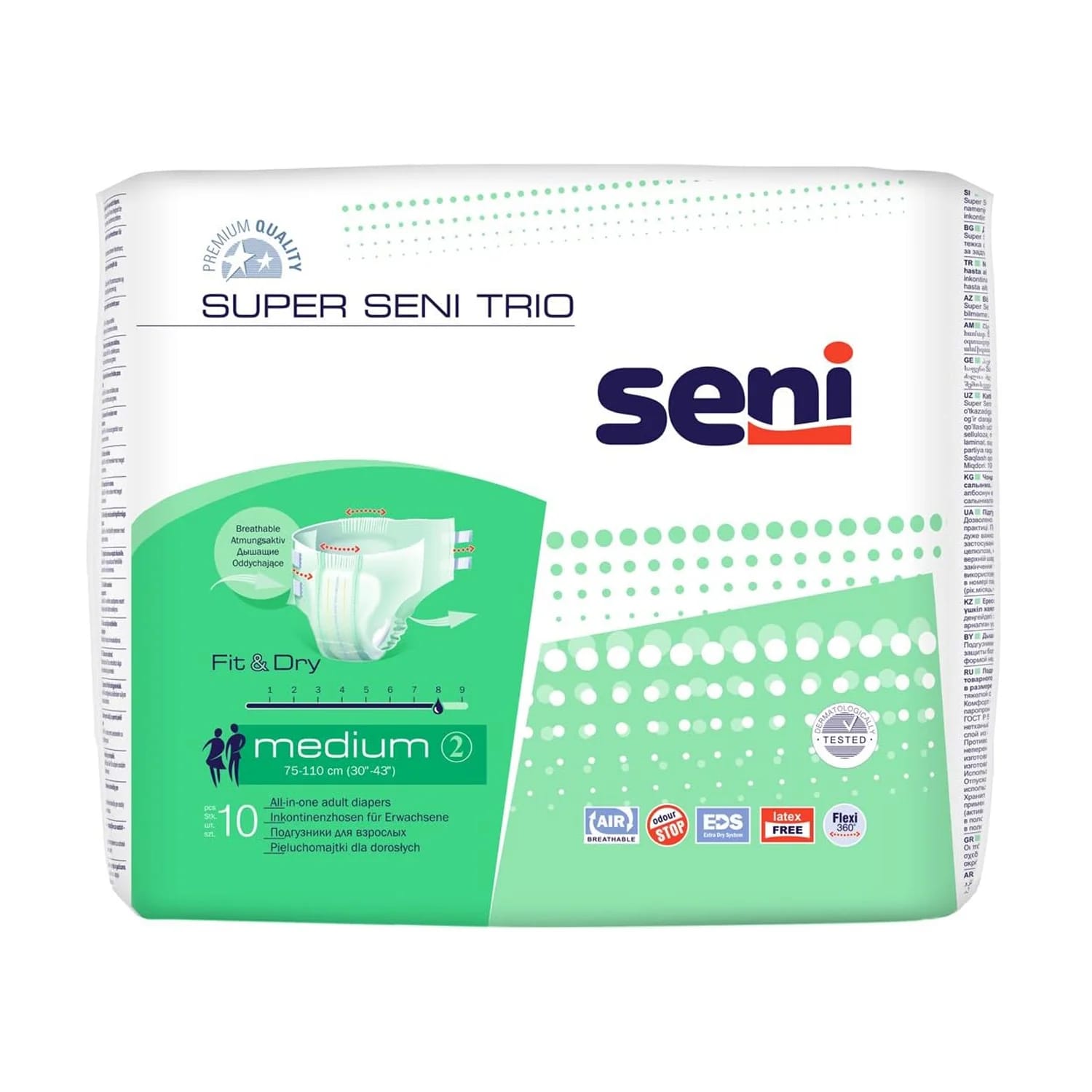
Support Products: Absorbent pads or protective garments
Medical Procedures: Injections or surgery in severe cases
Preventing Urinary Incontinence
* Maintain a healthy body weight
* Strengthen pelvic floor muscles regularly
* Avoid bladder irritants like caffeine and fizzy drinks
* Treat constipation and chronic cough early
* Stay hydrated but avoid excessive fluid intake
* Practice timely bathroom habits
Complications of Untreated Urinary Incontinence
* Skin irritation and infections
* Recurrent urinary tract infections
* Reduced confidence and social withdrawal
* Sleep disturbance due to nighttime urination
* Emotional stress and anxiety
Specialist to Consult for Urinary Incontinence
Urologist: For bladder and urinary tract evaluation
Gynecologist: For women-related pelvic floor issues
Geriatric Specialist: In older adults
Physiotherapist: For pelvic floor rehabilitation
FAQs
1. What are the first signs of incontinence?
Early signs include urine leakage during coughing or laughing, frequent urges to urinate, difficulty holding urine, and waking up at night to urinate.
2. Can urinary incontinence go away?
Yes, in many cases urinary incontinence improves or resolves with proper treatment, pelvic floor exercises, lifestyle changes, and management of the underlying cause.
3. What is urinary incontinence?
Urinary incontinence is the inability to control urine flow, leading to unintentional leakage due to bladder or pelvic muscle weakness or nerve-related issues.
4. How do you take care of incontinence at home?
Home care includes doing pelvic floor exercises, maintaining healthy weight, avoiding bladder irritants, following a regular bathroom schedule, using protective pads if needed, and staying consistent with medical advice.
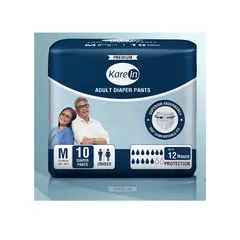
Karein
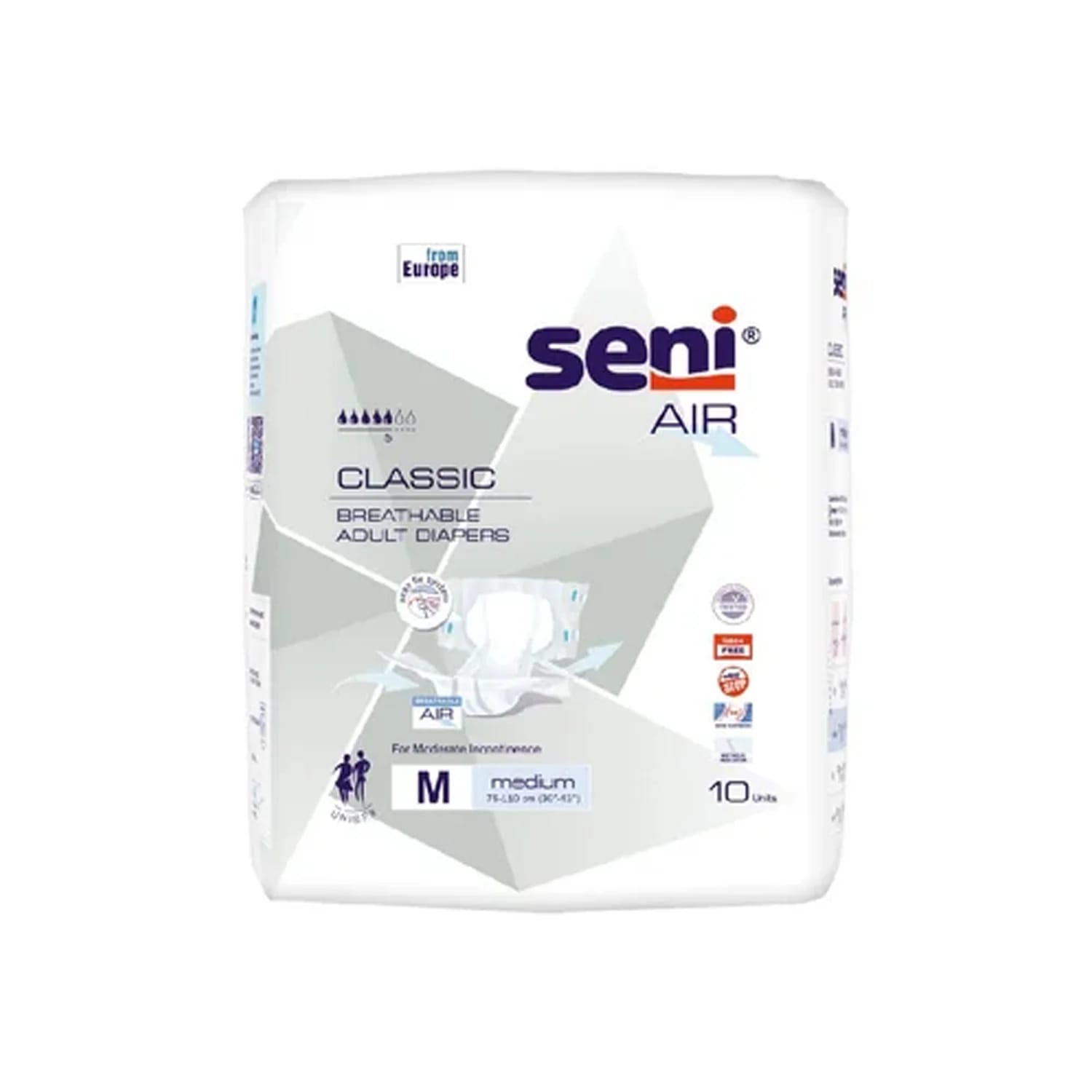
senicare
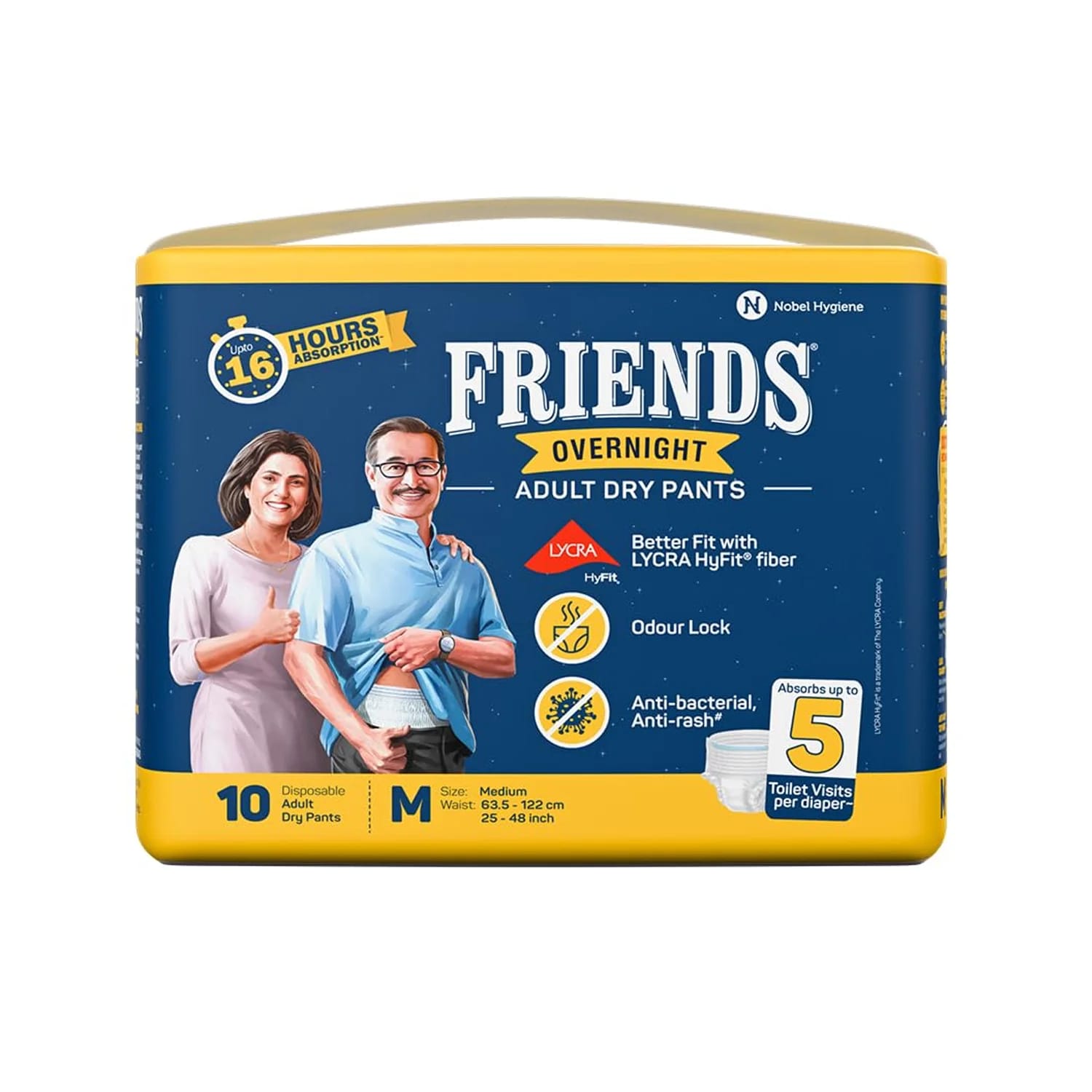
FRIENDS

Romsons

FRIENDS
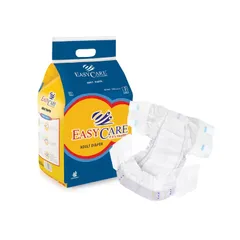
Easycare