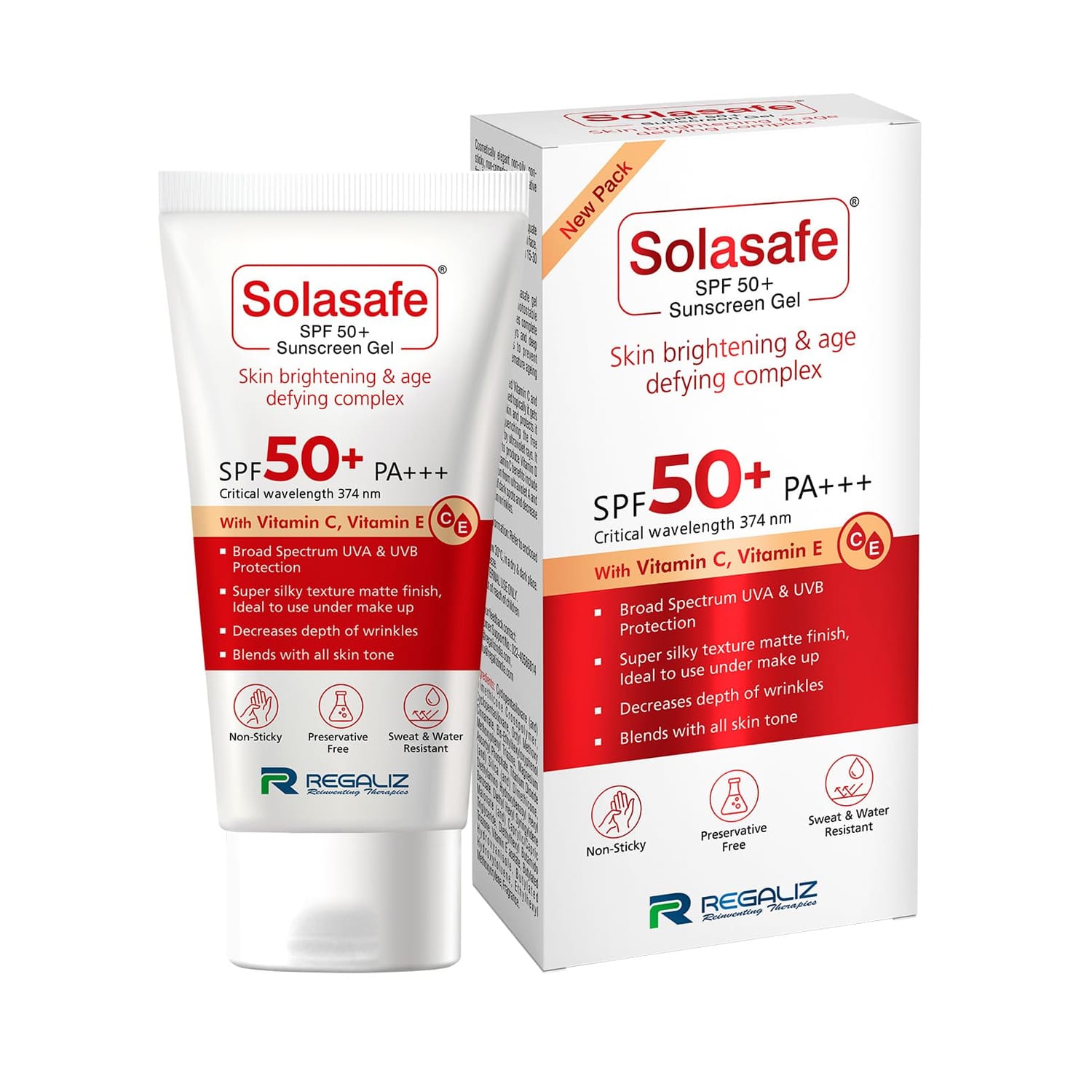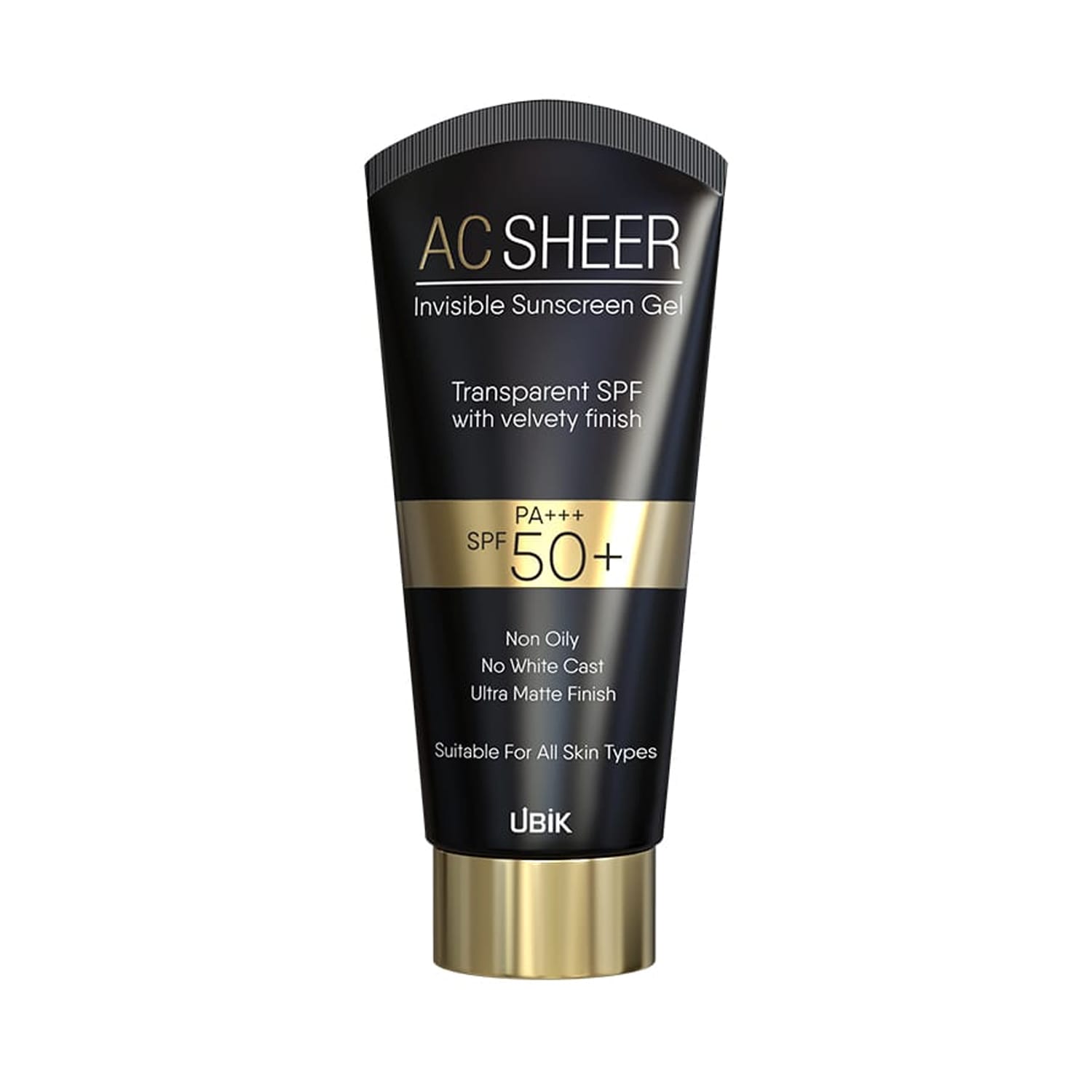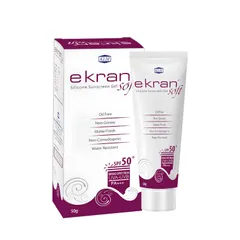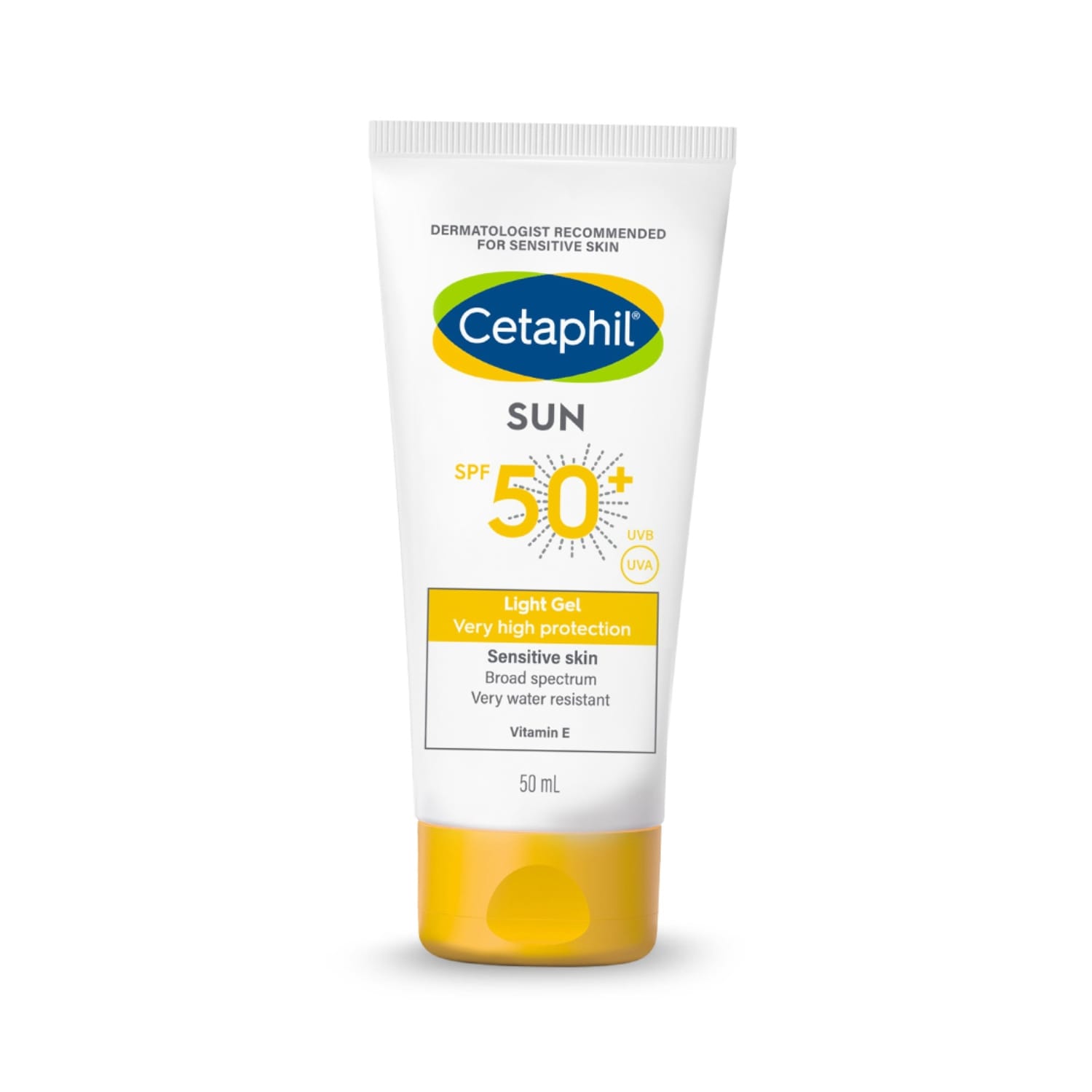


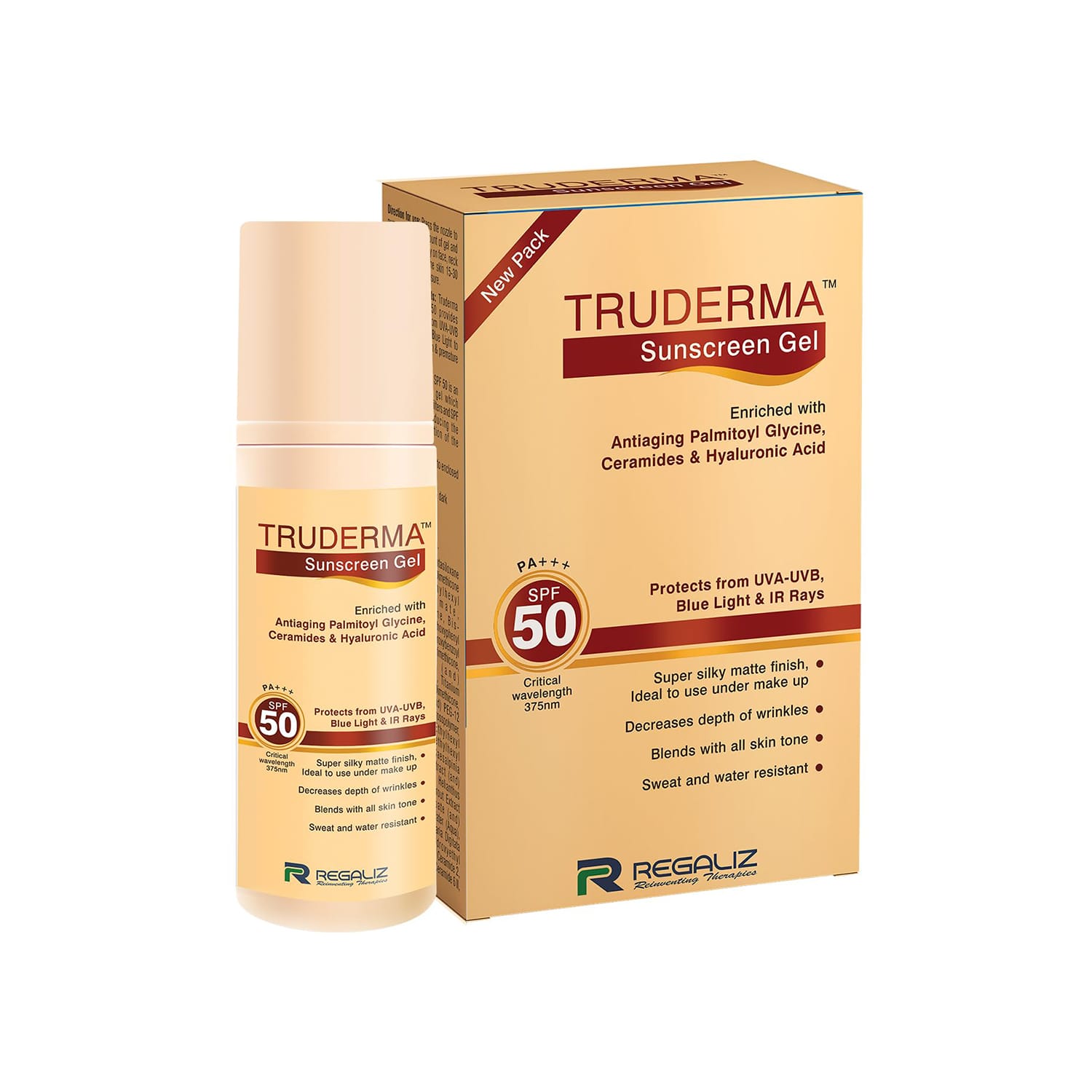
Regaliz Truderma SPF-50 Sunscreen Gel - SPF 50 PA+++, 50ml
REGALIZ
₹92618% off₹1,129
Sun damage, also known as UV damage, occurs when the skin is exposed to ultraviolet (UV) rays from the sun for prolonged periods without adequate protection. Over time, UV radiation penetrates the skin layers, damaging skin cells, collagen, and DNA. This leads to premature ageing, pigmentation, sensitivity, and increased risk of skin disorders. Sun damage can affect all skin types and is cumulative, meaning it builds up over years.
Causes of Sun Damage / UV Damage
Excessive Sun Exposure: Long hours outdoors without sunscreen or protective clothing.
UVA and UVB Rays: UVA causes premature ageing; UVB leads to sunburn and skin cell damage.
Lack of Sun Protection: Not using sunscreen, hats, sunglasses, or protective clothing.
Outdoor Lifestyle or Occupation: Frequent exposure due to work or travel.
Reflection from Surfaces: UV rays reflected from water, sand, or concrete increase exposure.
Sensitive or Fair Skin: Lower melanin levels make skin more prone to UV damage.
Use of Photosensitizing Products: Certain skincare ingredients or medications increase sun sensitivity.
Environmental Factors: Pollution combined with UV exposure worsens skin damage.
Symptoms of Sun Damage / UV Damage
Uneven skin tone or dark spots (sun spots, pigmentation)
Dull, rough, or dehydrated skin
Fine lines and wrinkles appearing early
Redness, tanning, or sunburn
Increased skin sensitivity or irritation
Loss of skin elasticity and firmness
Visible blood vessels or patchy discoloration
Diagnosis of Sun Damage / UV Damage
Clinical Skin Examination: Visual assessment of pigmentation, texture, and ageing signs
Patient History: Sun exposure habits and sunscreen usage
Dermatoscopic Evaluation: To assess deeper pigmentation or skin changes
Skin Analysis Tools: Used in clinics to measure UV damage beneath the surface
Biopsy (Rare Cases): If suspicious lesions or precancerous changes are present
Treatment of Sun Damage / UV Damage
Sun Protection: Daily broad-spectrum sunscreen with adequate SPF
Topical Treatments: Antioxidants, vitamin C, niacinamide, retinoids (as prescribed)
Hydration & Barrier Repair: Moisturisers with ceramides and barrier-repair ingredients
Pigmentation Care: Targeted treatments for dark spots and uneven tone
Professional Treatments: Chemical peels, laser therapy, or phototherapy if required
Lifestyle Changes: Limiting peak sun exposure and improving skincare routine
Preventing Sun Damage / UV Damage
Use broad-spectrum sunscreen daily, even indoors
Reapply sunscreen every 2–3 hours when outdoors
Wear hats, sunglasses, and protective clothing
Avoid direct sun between 10 AM and 4 PM
Use antioxidant-rich skincare to neutralize free radicals
Maintain a healthy skin barrier with gentle skincare
Stay hydrated and support skin repair from within
Complications of Untreated Sun Damage
Premature skin ageing (photoaging)
Persistent pigmentation and uneven skin tone
Chronic skin sensitivity and dryness
Increased risk of actinic keratosis
Higher risk of skin cancers with long-term exposure
Permanent collagen and elasticity loss
Specialist to Consult for Sun Damage / UV Damage
Dermatologist: For diagnosis, treatment, and advanced skin care
Cosmetologist: For pigmentation and texture-related procedures
FAQs
1. How do you treat sun-damaged skin?
Sun-damaged skin is treated by limiting further UV exposure and supporting skin repair. Daily use of broad-spectrum sunscreen, antioxidant-based skincare, barrier-repair moisturisers, and dermatologist-recommended actives helps improve pigmentation, texture, and early ageing signs. In advanced cases, professional treatments may be advised.
2. How do you heal sun-damaged skin?
Healing sun-damaged skin involves restoring the skin barrier and reducing oxidative stress. Gentle cleansing, adequate hydration, consistent sun protection, and ingredients that support skin renewal help the skin recover gradually. Healing takes time, as UV damage is cumulative.
3. How to tell if your skin is sun-damaged?
Common signs of sun-damaged skin include uneven skin tone, dark spots, rough texture, early wrinkles, redness, increased sensitivity, and loss of elasticity. These changes may appear even without visible sunburn.
4. Can vitamin C reverse sun damage?
Vitamin C cannot completely reverse sun damage, but it helps reduce visible signs by neutralizing free radicals, supporting collagen production, and improving skin brightness. When used consistently with sunscreen, it plays a key role in preventing further damage and enhancing skin repair.
SUN PHARMA