

Bestseller
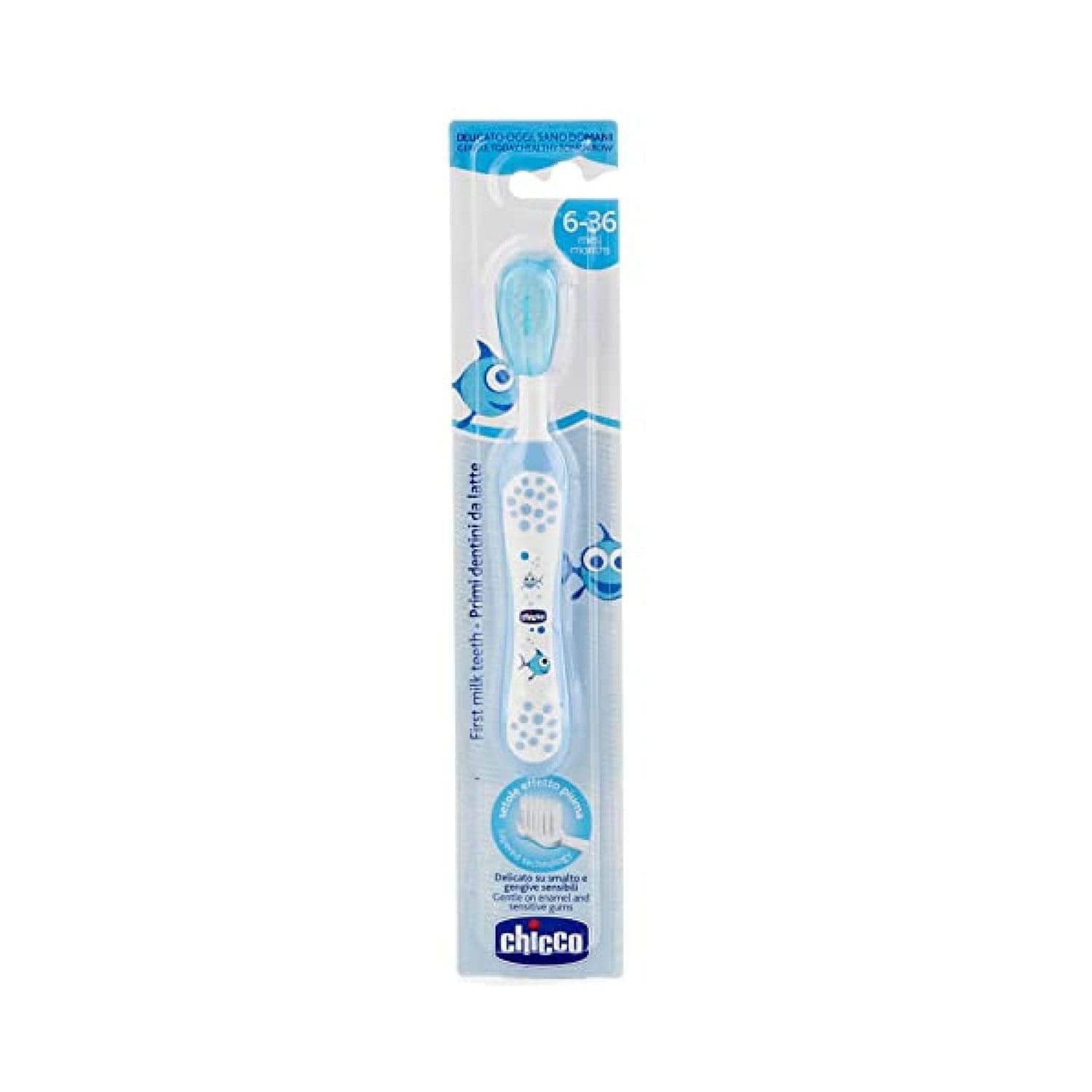
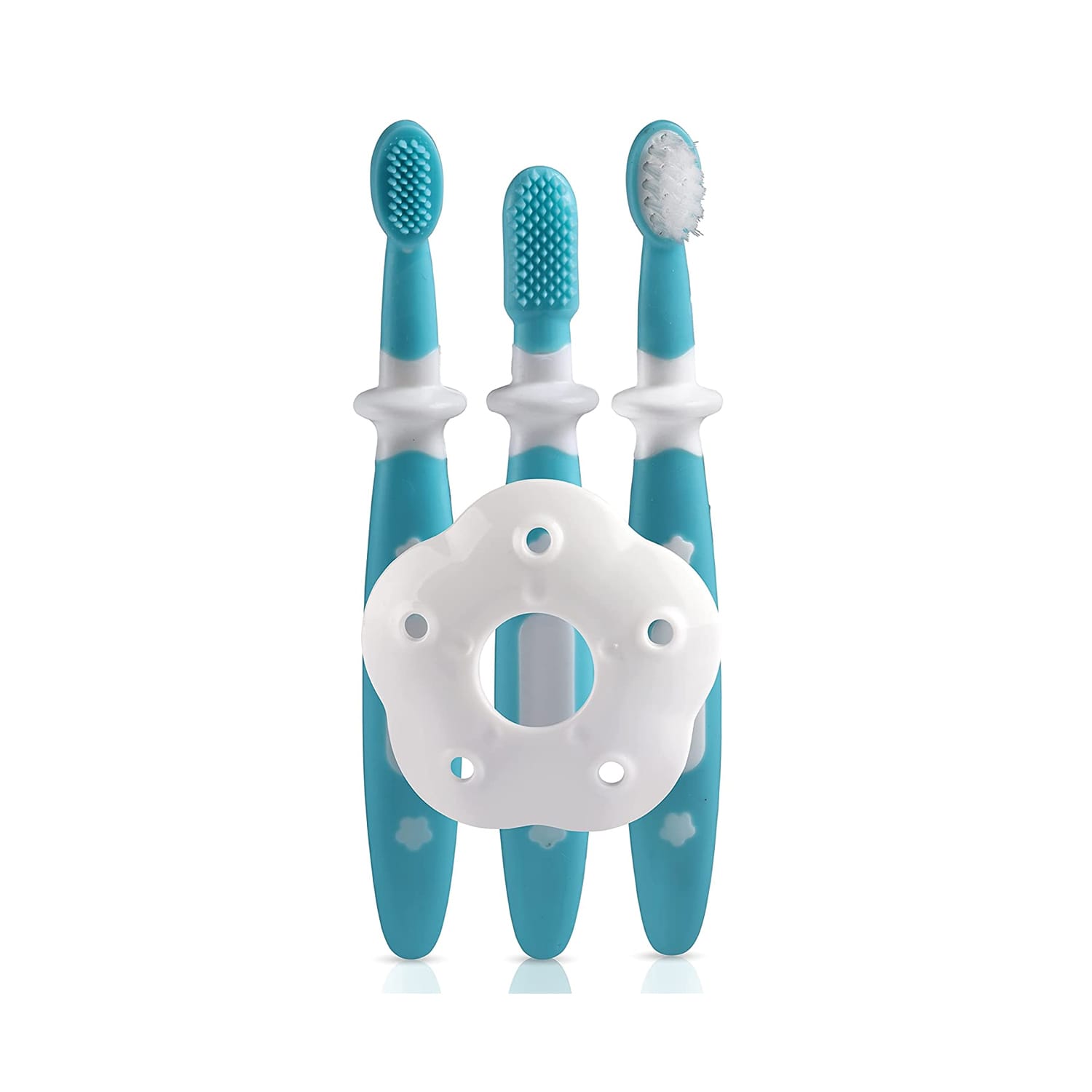
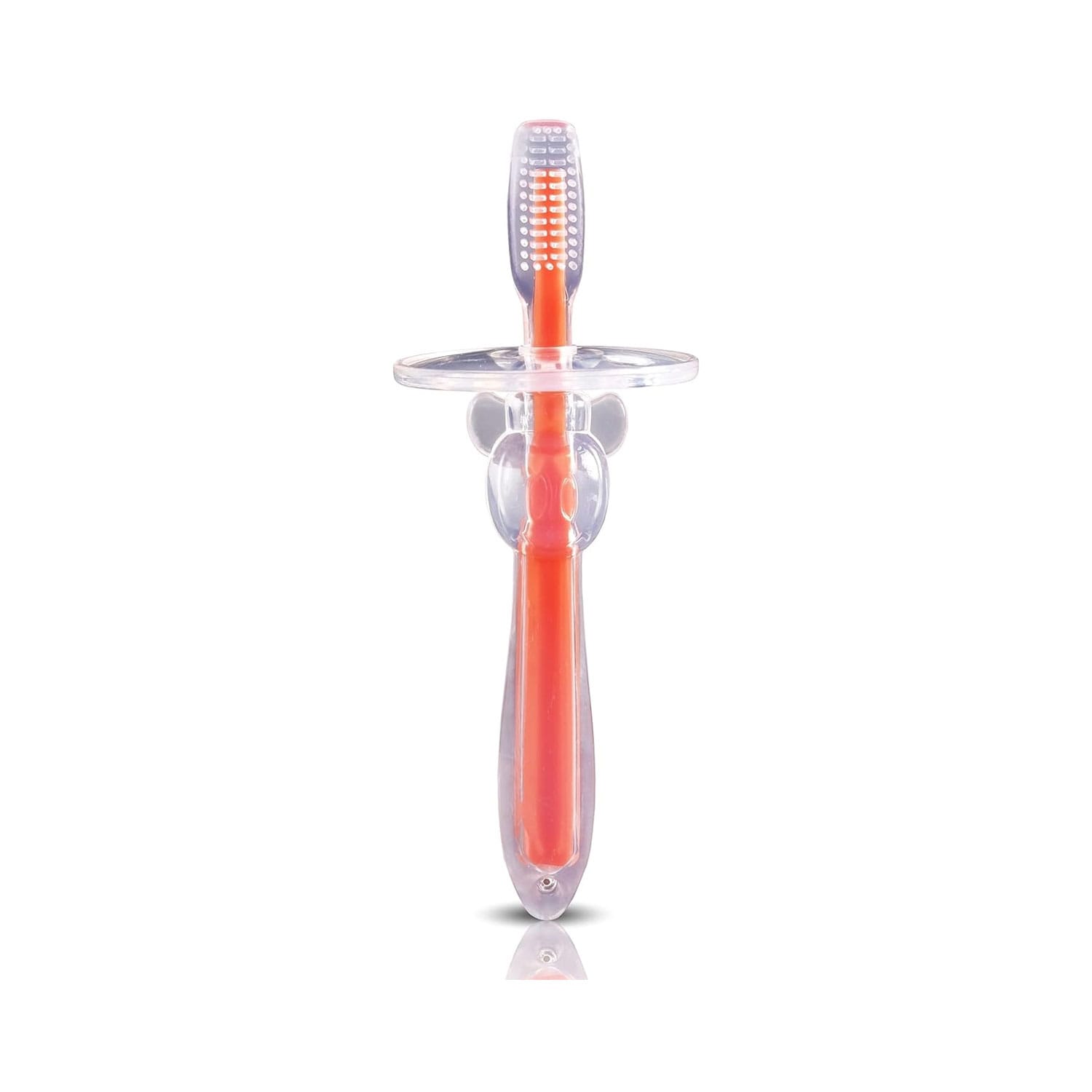
Chicco Baby Tooth Brush 6-36 M (Blue)
Chicco
₹13410% off₹149
Plaque is a sticky, colorless film of bacteria that constantly forms on the teeth and along the gum line. It develops when bacteria in the mouth mix with food particles and saliva, producing acids that can damage tooth enamel and irritate gums. If not removed regularly, plaque can harden into tartar and lead to serious oral health problems.
Causes of Plaque Formation
Poor oral hygiene
Infrequent brushing and flossing
High intake of sugary or starchy foods
Dry mouth or reduced saliva production
Smoking or tobacco use
Irregular dental checkups
Wearing braces or dental appliances
Symptoms of Plaque Buildup
Sticky or fuzzy feeling on teeth
Bad breath
Yellow or white deposits on teeth
Red or swollen gums
Bleeding gums while brushing
Tooth sensitivity
Early signs of gum irritation
Diagnosis of Plaque
Visual dental examination
Plaque-disclosing solutions to highlight buildup
Dental probing to assess gum health
X-rays to detect plaque-related damage under the gums
Treatment of Plaque
Regular brushing with proper technique
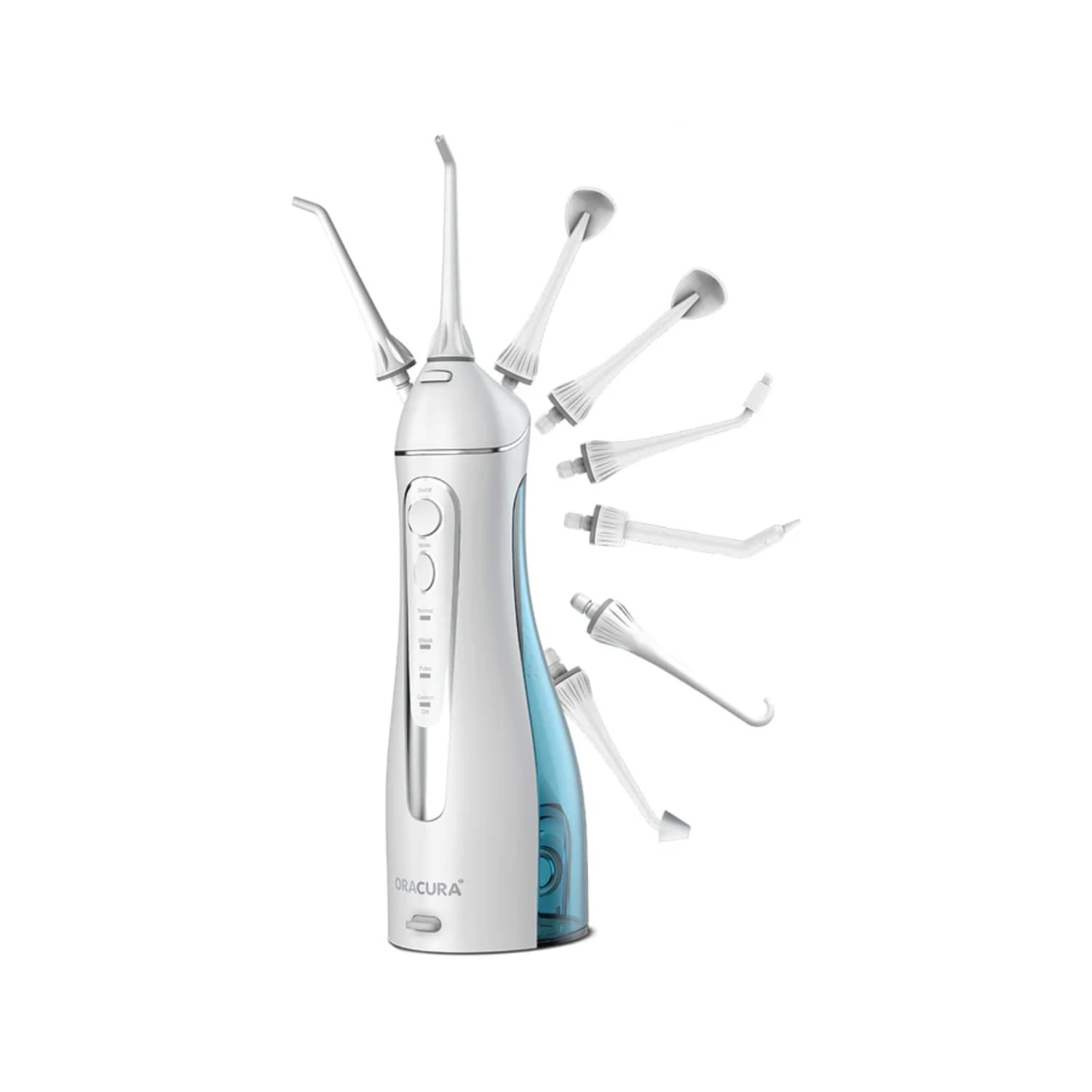
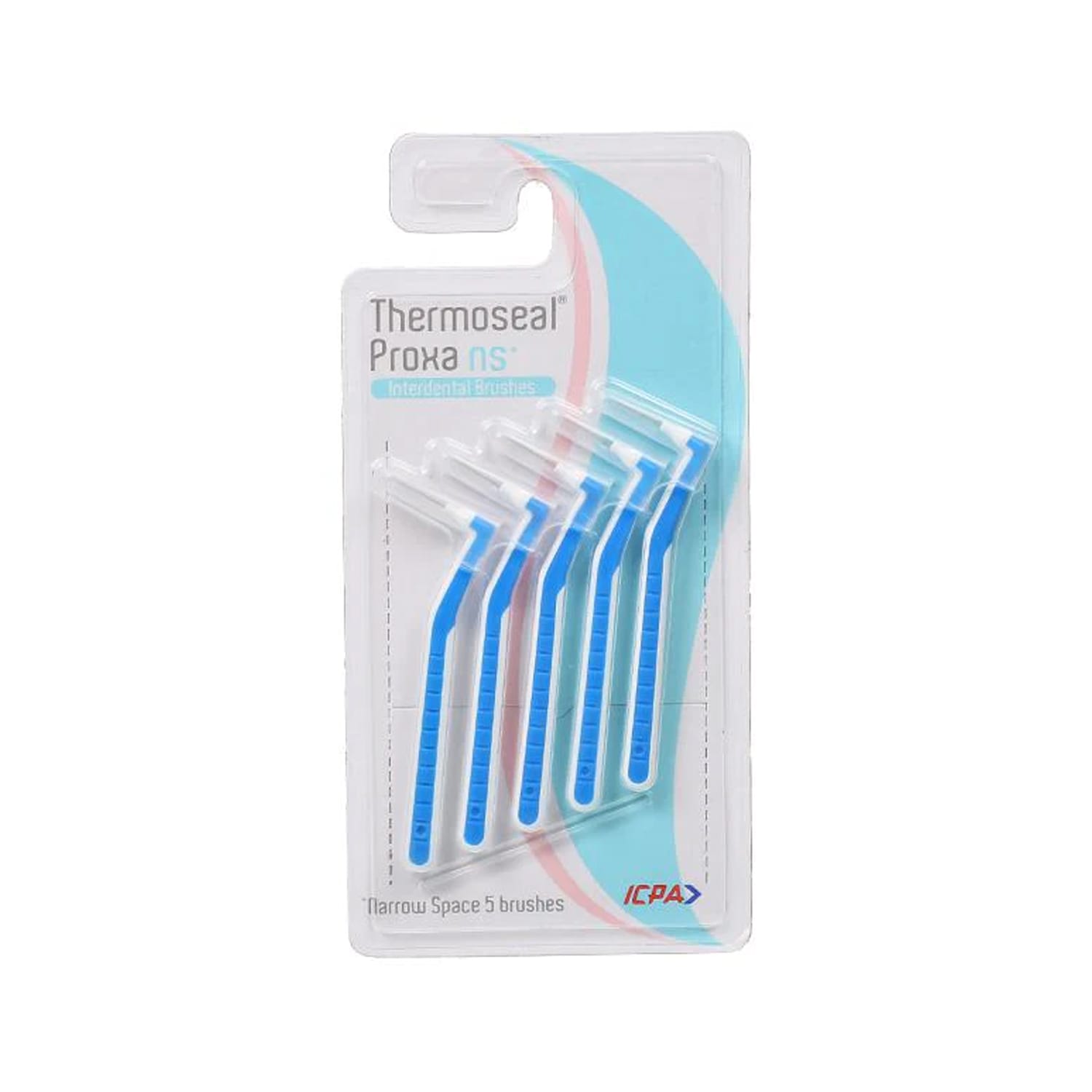
Daily flossing to remove plaque between teeth
Professional dental cleaning
Use of medicated or anti-plaque toothpaste
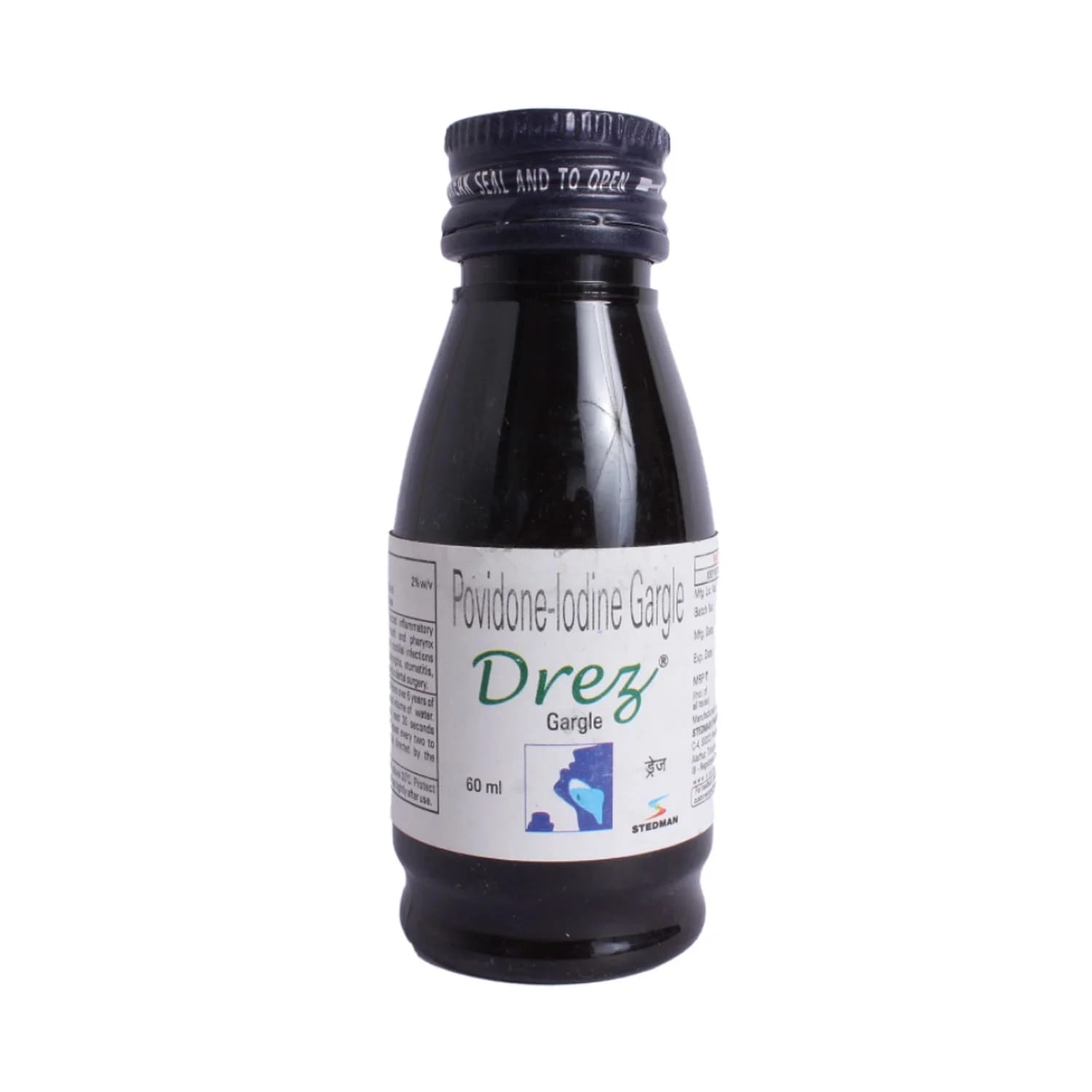
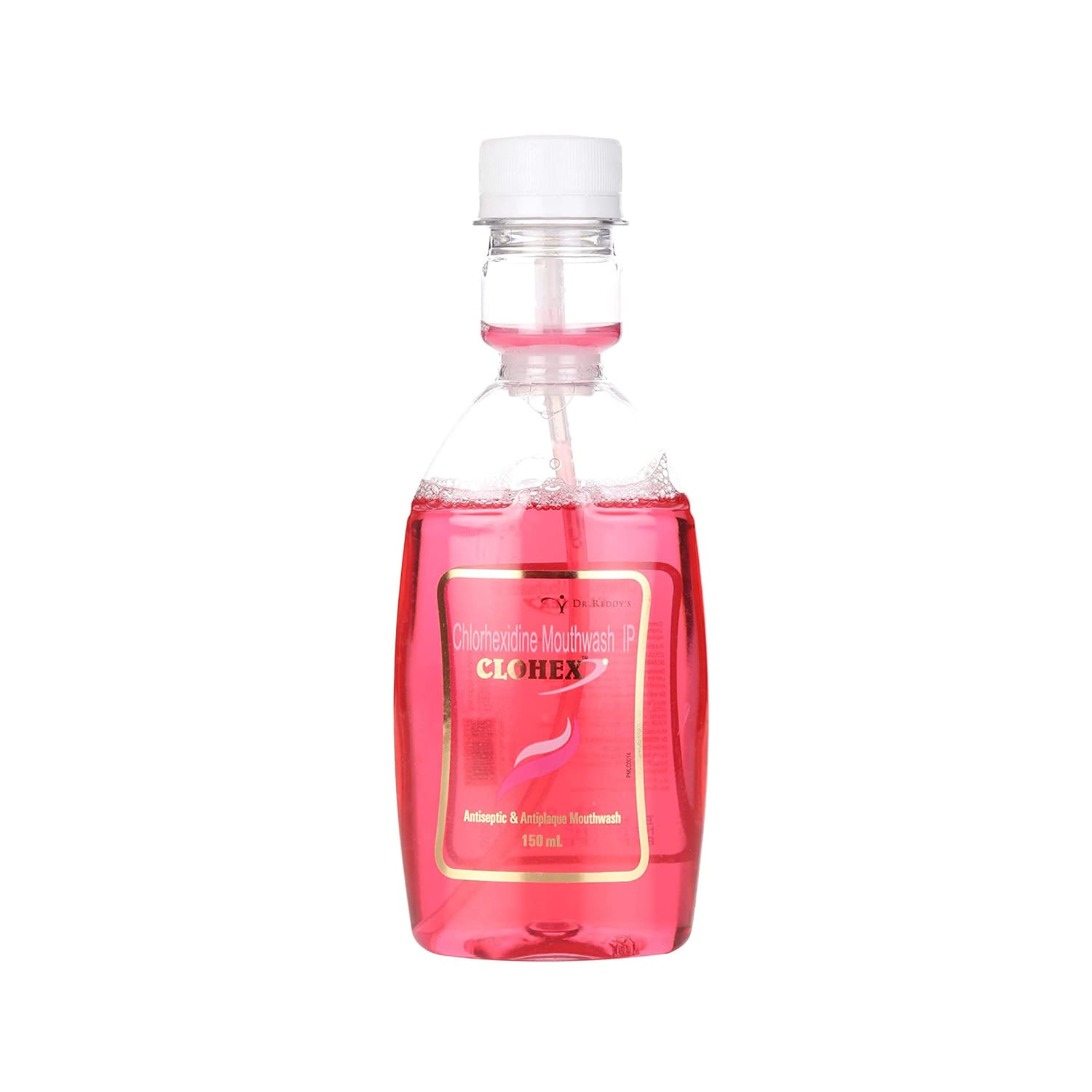
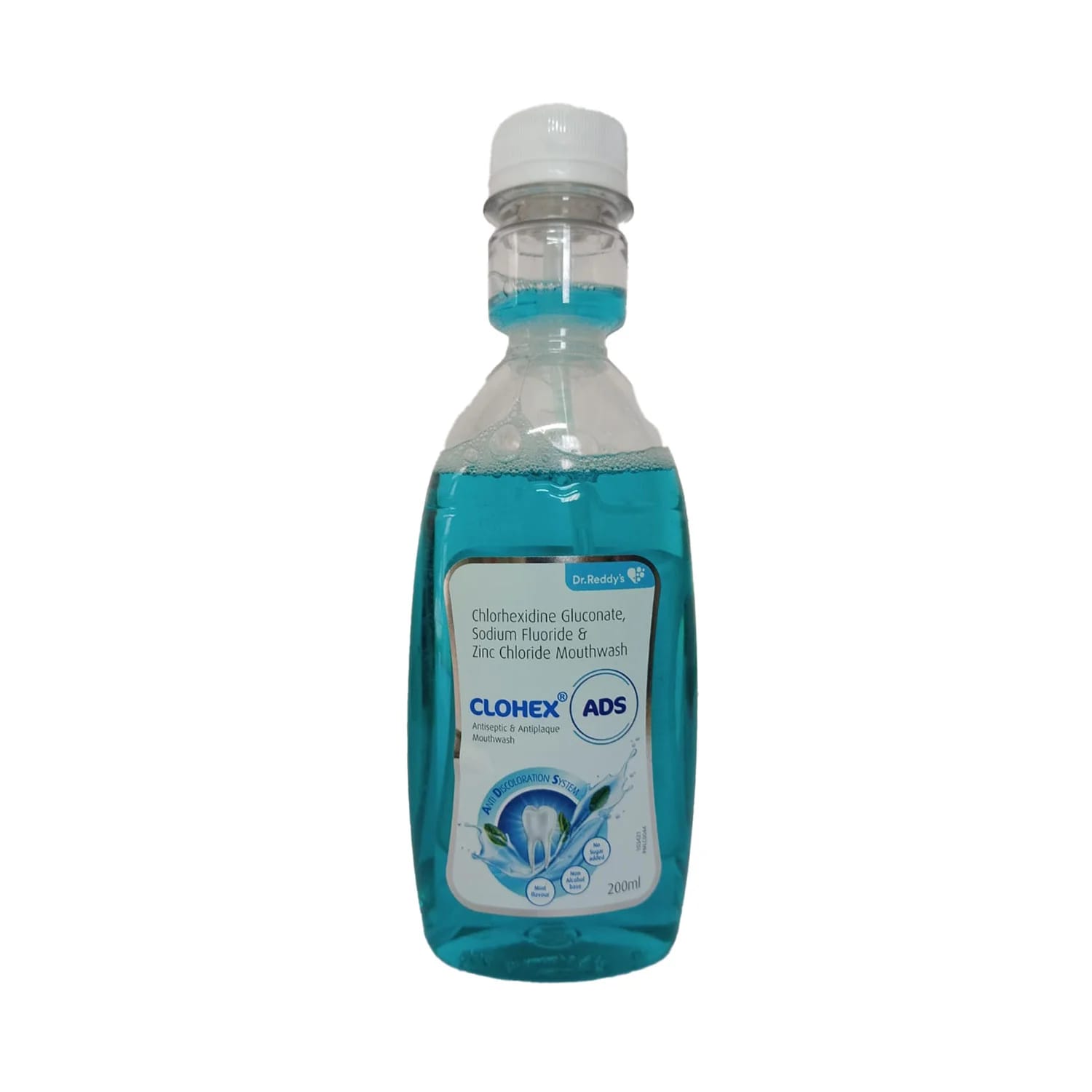
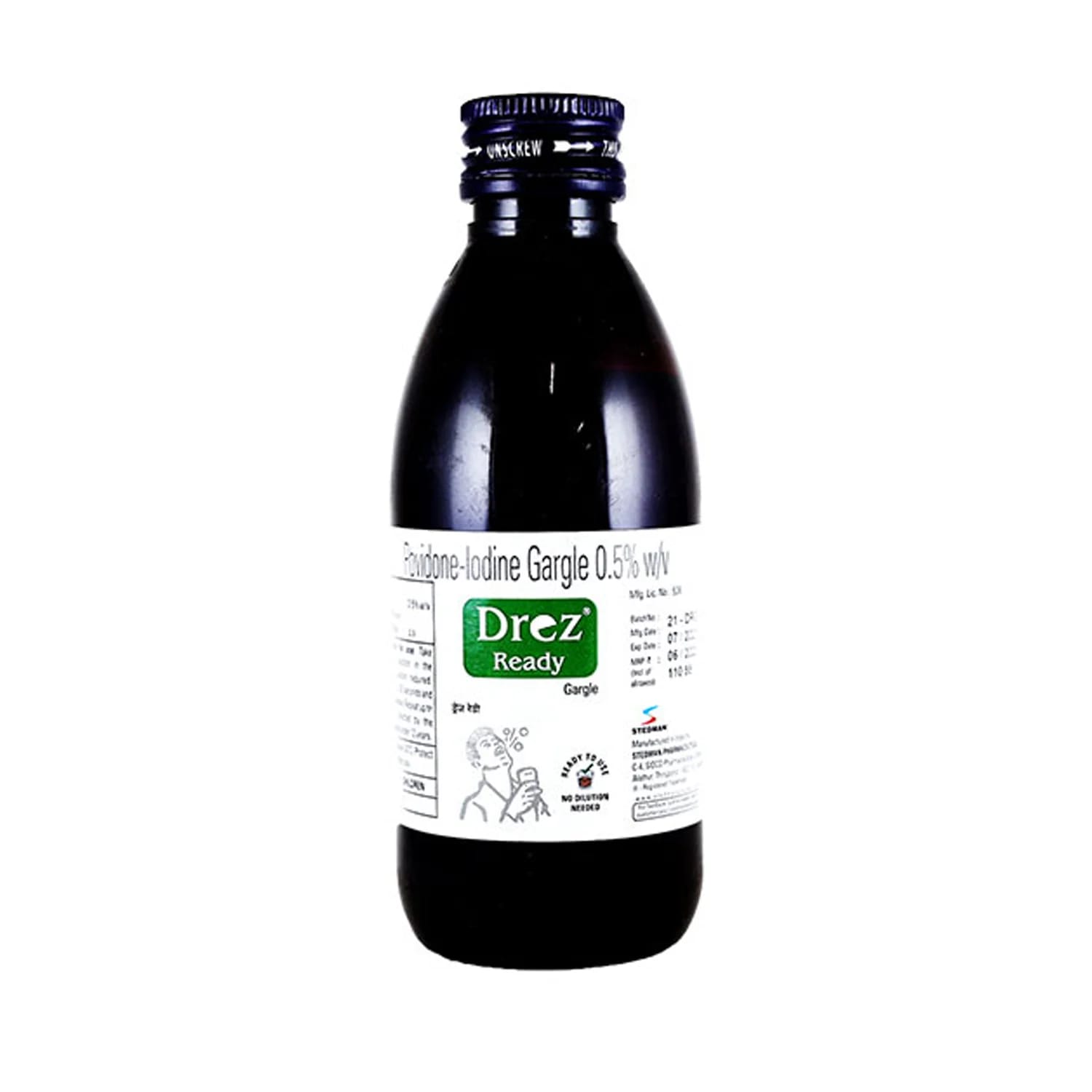
Antibacterial mouthwash as advised
Lifestyle changes including reduced sugar intake
Preventing Plaque Formation
Brush teeth twice daily
Floss at least once a day
Use fluoride or anti-plaque oral care products
Rinse mouth after meals
Limit sugary foods and drinks
Visit the dentist regularly
Complications of Untreated Plaque
Tooth decay and cavities
Gingivitis and gum inflammation
Periodontitis
Tooth loss
Persistent bad breath
Increased risk of oral infections
Specialist to Consult for Plaque
Dentist: For routine cleaning and plaque removal
Periodontist: For gum-related complications
FAQ
Which toothpaste is best for plaque removal?
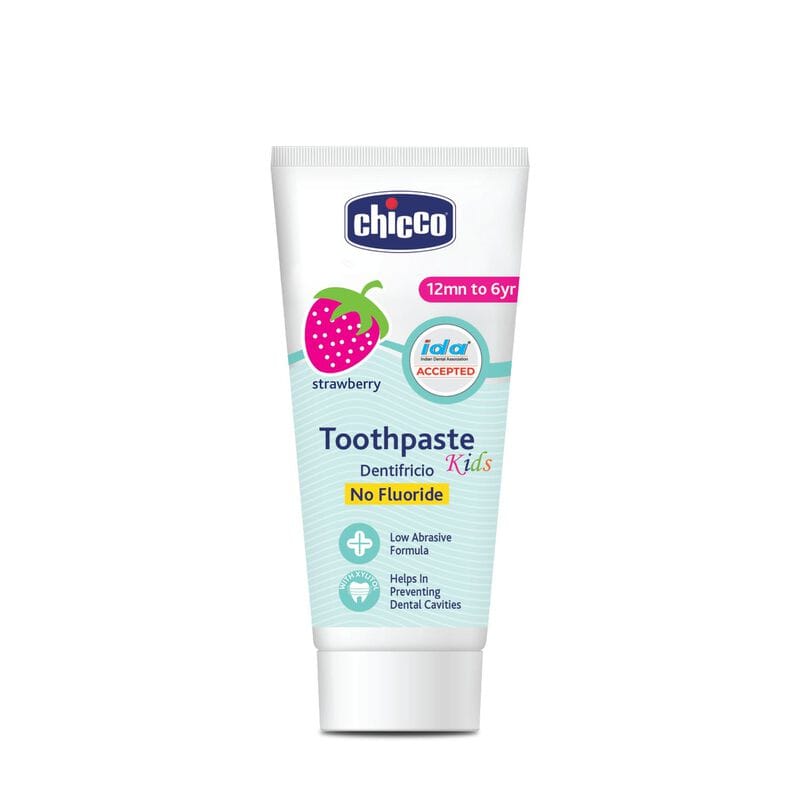
Anti-plaque toothpastes formulated with fluoride and antibacterial ingredients help reduce plaque buildup. Regular use supports enamel protection and gum health.
Does mouthwash help reduce plaque?
Antibacterial mouthwashes help control plaque-causing bacteria and improve oral hygiene. They work best when used along with brushing and flossing.
Are plaque removal gels effective?
Plaque control gels help target bacteria and support cleaner teeth when used as directed. They are useful as part of a daily oral care routine.
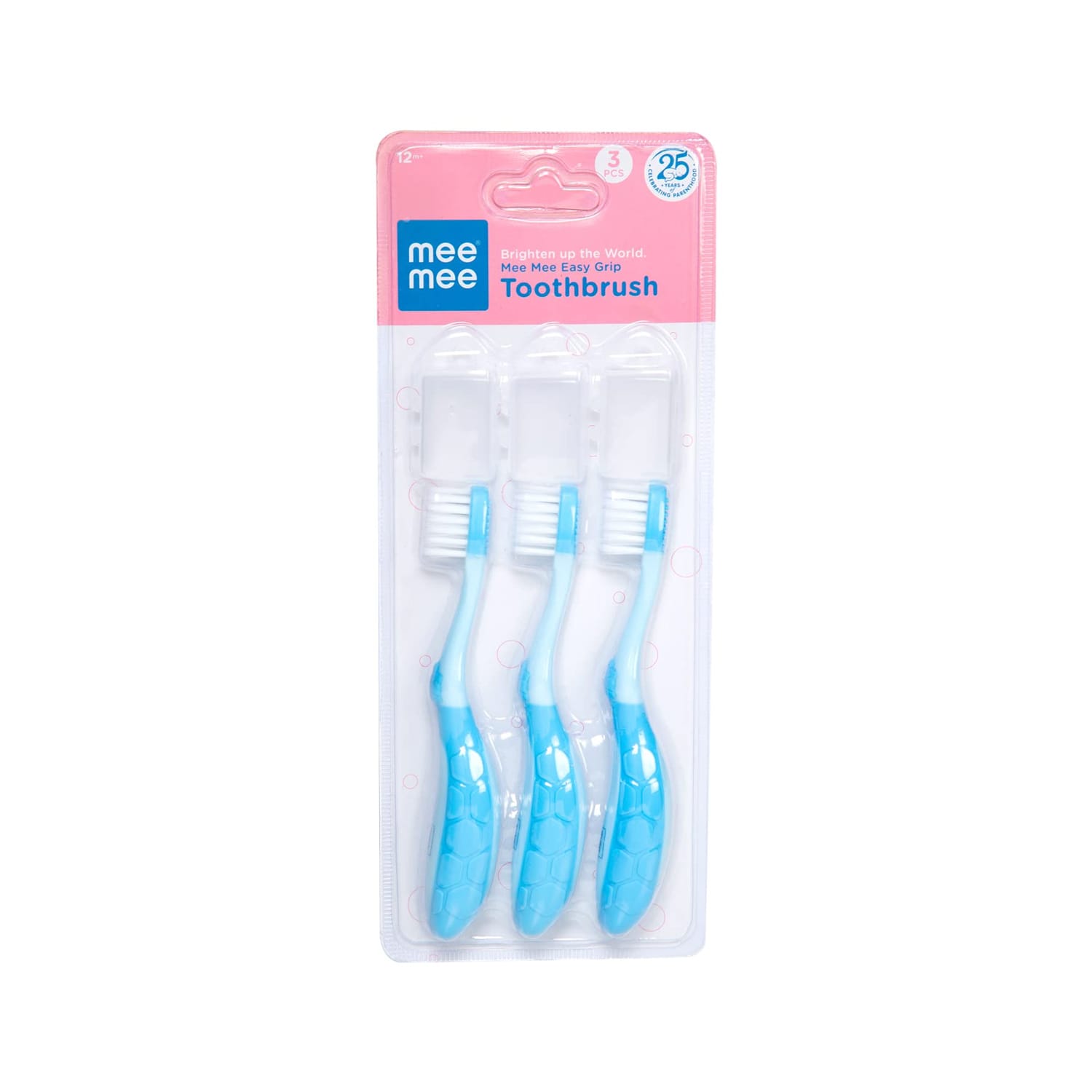
Which toothbrush is best to remove plaque?
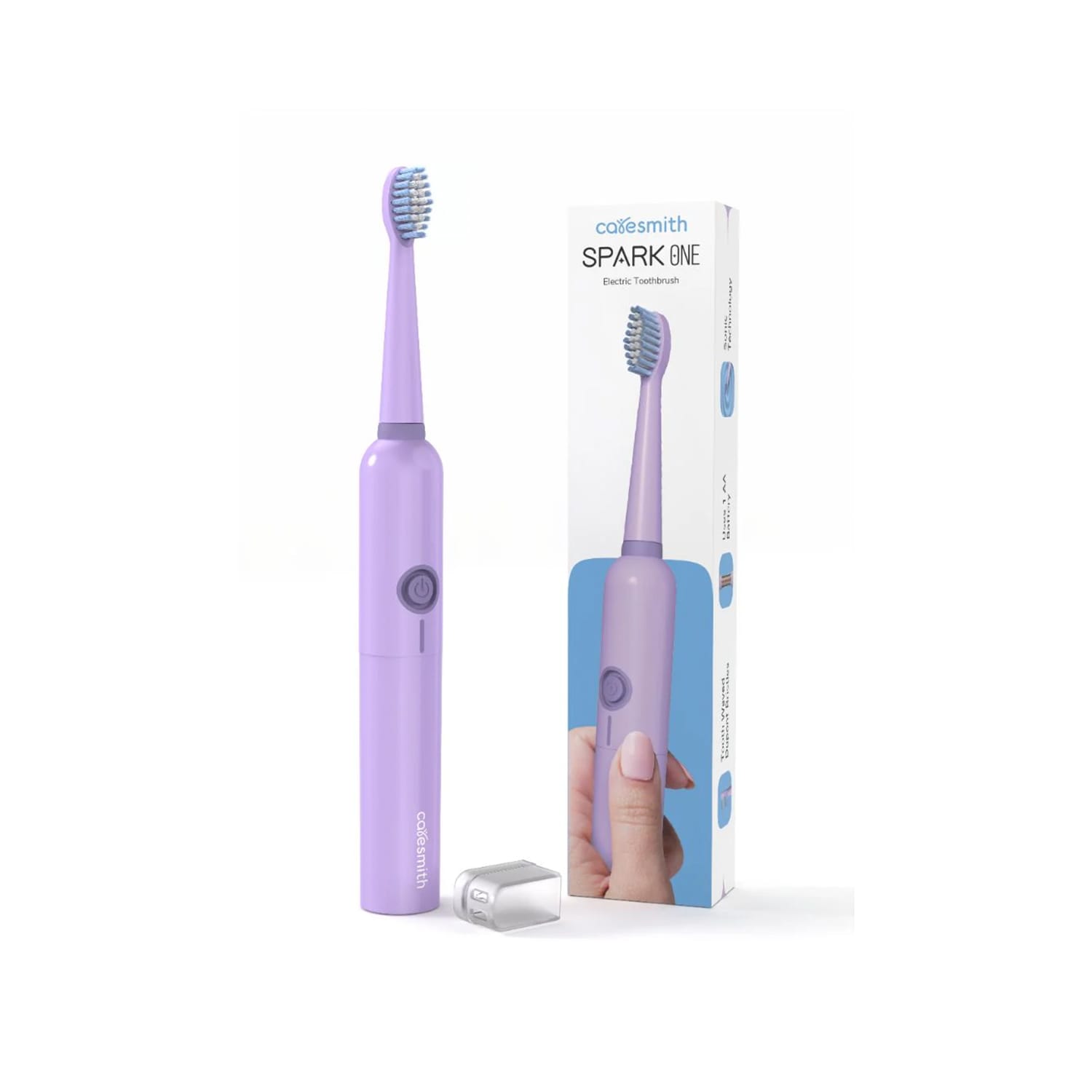
Soft-bristle manual toothbrushes or electric toothbrushes are effective for plaque removal. Electric toothbrushes often provide better plaque control with consistent use.
Can dental kits help control plaque at home?
Home dental care kits support plaque management between professional cleanings. They help maintain oral hygiene when used correctly and consistently.