


Zeroharm Gut Army – Probiotics For Leaky Gut (60 Veg Capsules)
ZEROHARM
₹1,04930% off₹1,499
Osteoporosis is a bone condition in which bones become weak, brittle, and more prone to fractures due to reduced bone density and quality. It develops gradually and often shows no symptoms until a fracture occurs. Osteoporosis commonly affects the hips, spine, and wrists and is more prevalent in older adults, especially postmenopausal women. Early diagnosis and bone health support are crucial to prevent fractures and long-term complications.
Causes of Osteoporosis
Ageing: Natural loss of bone density with age
Hormonal Changes: Reduced estrogen after menopause or low testosterone in men
Calcium and Vitamin D Deficiency: Poor bone mineralization
Sedentary Lifestyle: Lack of weight-bearing exercise
Genetic Factors: Family history of osteoporosis
Long-Term Medication Use: Steroids or certain anticonvulsants
Medical Conditions: Thyroid disorders, malabsorption, kidney disease
Smoking and Excess Alcohol: Reduced bone formation
Symptoms of Osteoporosis
No symptoms in early stages
Bone fractures from minor falls or injuries
Back pain due to spinal fractures
Loss of height over time
Stooped posture or spinal curvature
Weak or fragile bones
Diagnosis of Osteoporosis
Bone Mineral Density Test (DEXA Scan): Gold standard for diagnosis
Medical History: Fracture risk and lifestyle assessment
Blood Tests: Calcium, vitamin D, and hormone levels
X-rays: To detect fractures or spinal changes
Fracture Risk Assessment (FRAX): Predicts future fracture risk
Treatment of Osteoporosis
Calcium & Vitamin D Supplementation: To support bone strength
Medications: Bisphosphonates or other bone-strengthening drugs
Weight-Bearing Exercise: Walking, resistance training
Fall Prevention: Home safety and balance training
Lifestyle Changes: Quit smoking, limit alcohol
Hormonal Therapy: In select cases under medical supervision
Preventing Osteoporosis Progression
Ensure adequate calcium and vitamin D intake
Engage in regular weight-bearing exercise
Maintain a healthy body weight
Avoid smoking and excessive alcohol
Get regular bone density screening if at risk
Prevent falls through balance and strength training
Complications of Untreated Osteoporosis
Increased risk of fractures
Hip or spine fractures leading to disability
Chronic pain and reduced mobility
Loss of independence
Increased risk of hospitalization
Reduced quality of life
Specialist to Consult for Osteoporosis
Orthopedic Specialist: For fracture and bone care
Endocrinologist: For metabolic bone disorders
Rheumatologist: For chronic bone and joint conditions
Physiotherapist: For strength, balance, and fall prevention
FAQ
1. What are the symptoms of osteoporosis?
Osteoporosis often has no early symptoms. Fractures, back pain, loss of height, or a stooped posture may appear in later stages.
2. What is the main cause of osteoporosis?
The main causes include ageing, hormonal changes, calcium and vitamin D deficiency, sedentary lifestyle, and long-term medication use.
3. How to improve osteoporosis?
Osteoporosis can be managed by improving calcium and vitamin D intake, doing weight-bearing exercises, following prescribed medications, and preventing falls.
4. What happens if you have osteoporosis?
Bones become fragile and fracture easily, even from minor falls or daily activities, which can lead to pain, disability, and reduced mobility.
5. What is the best product for osteoporosis?
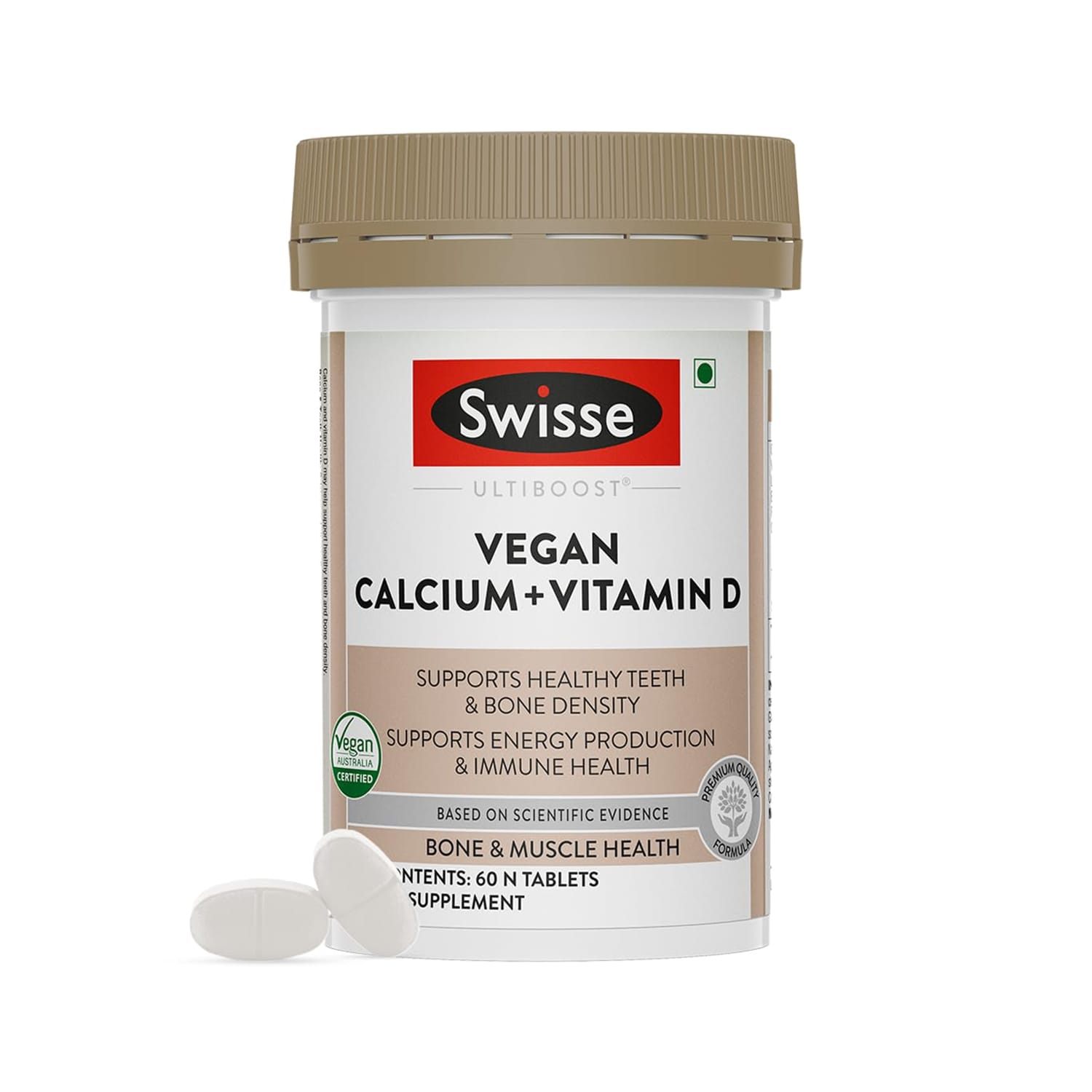
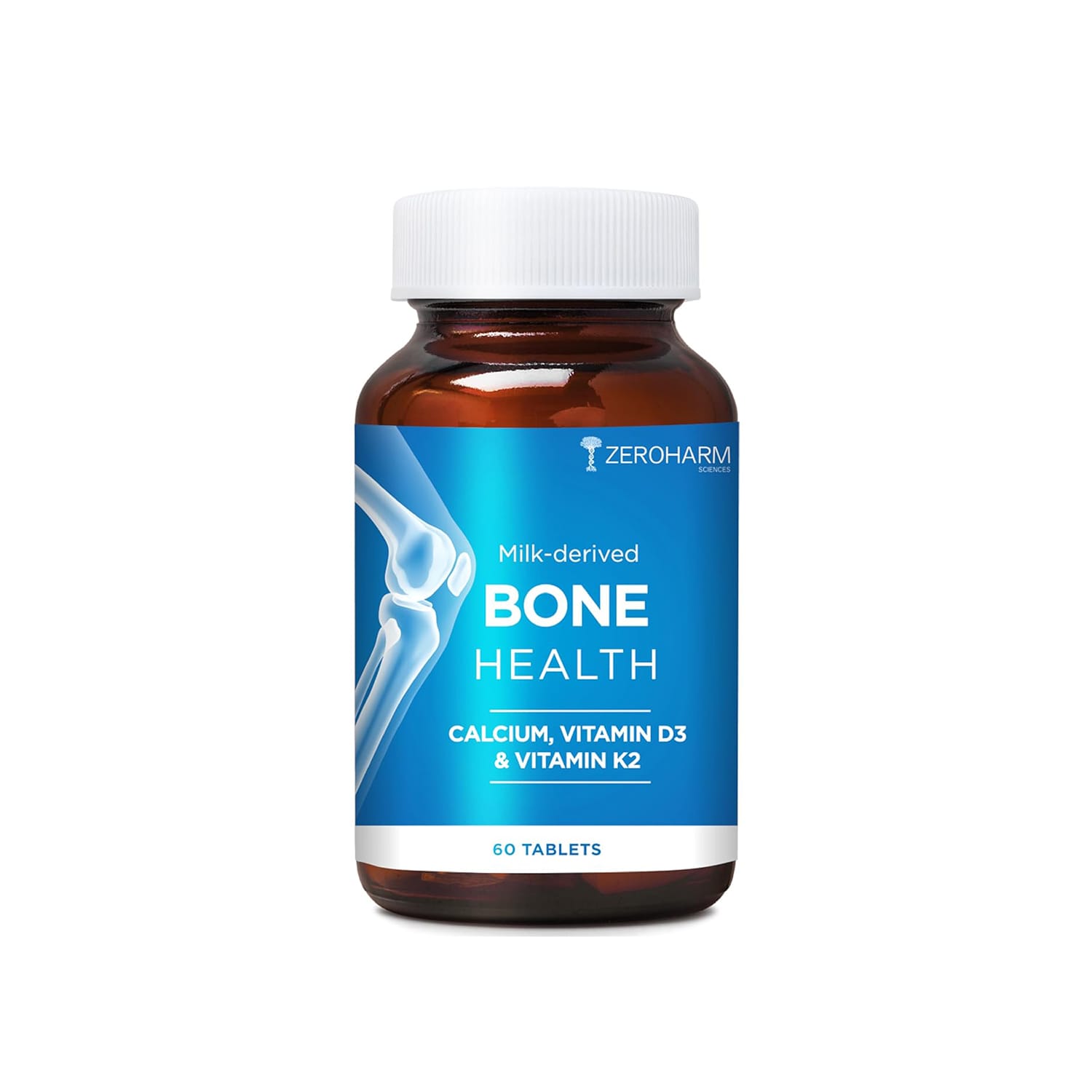
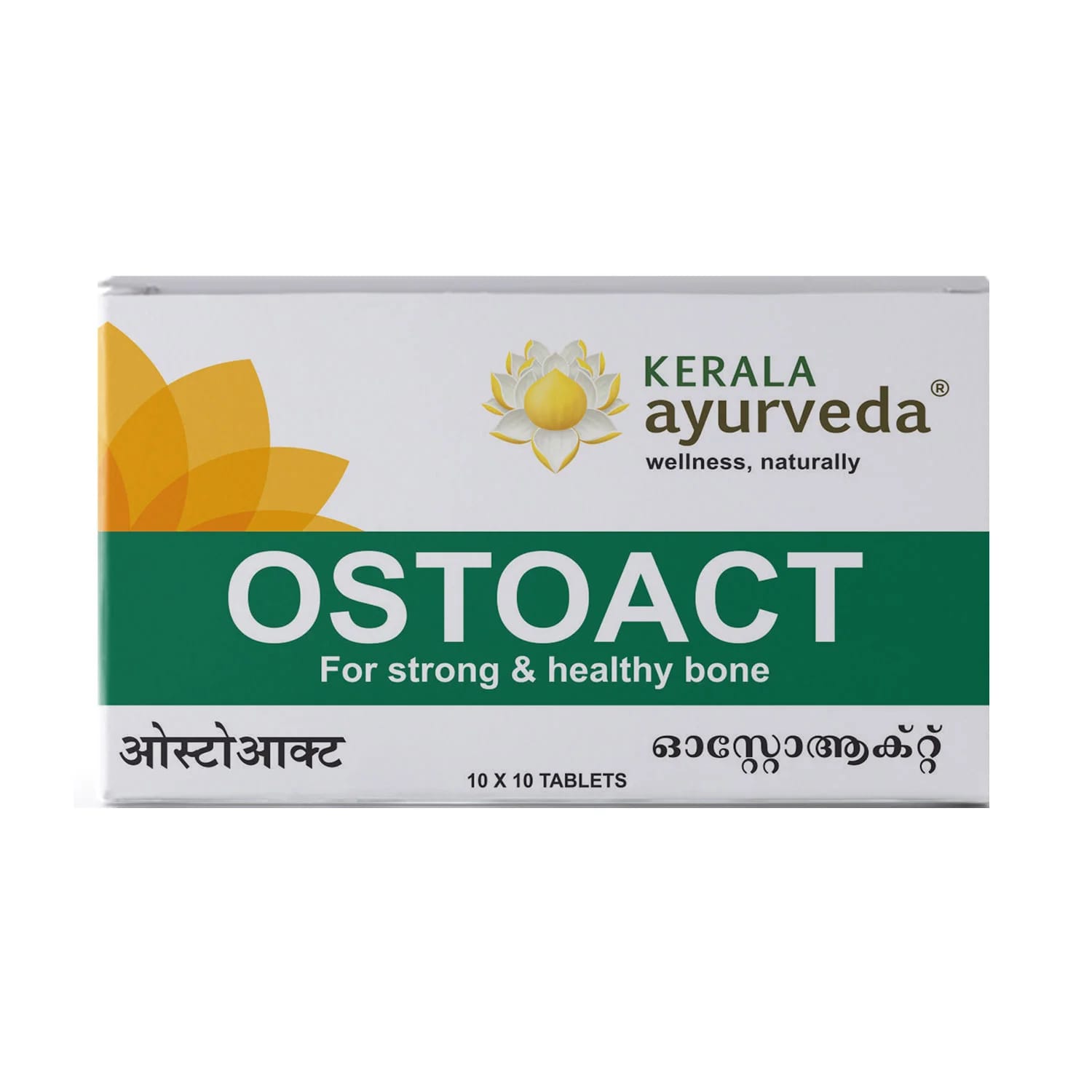
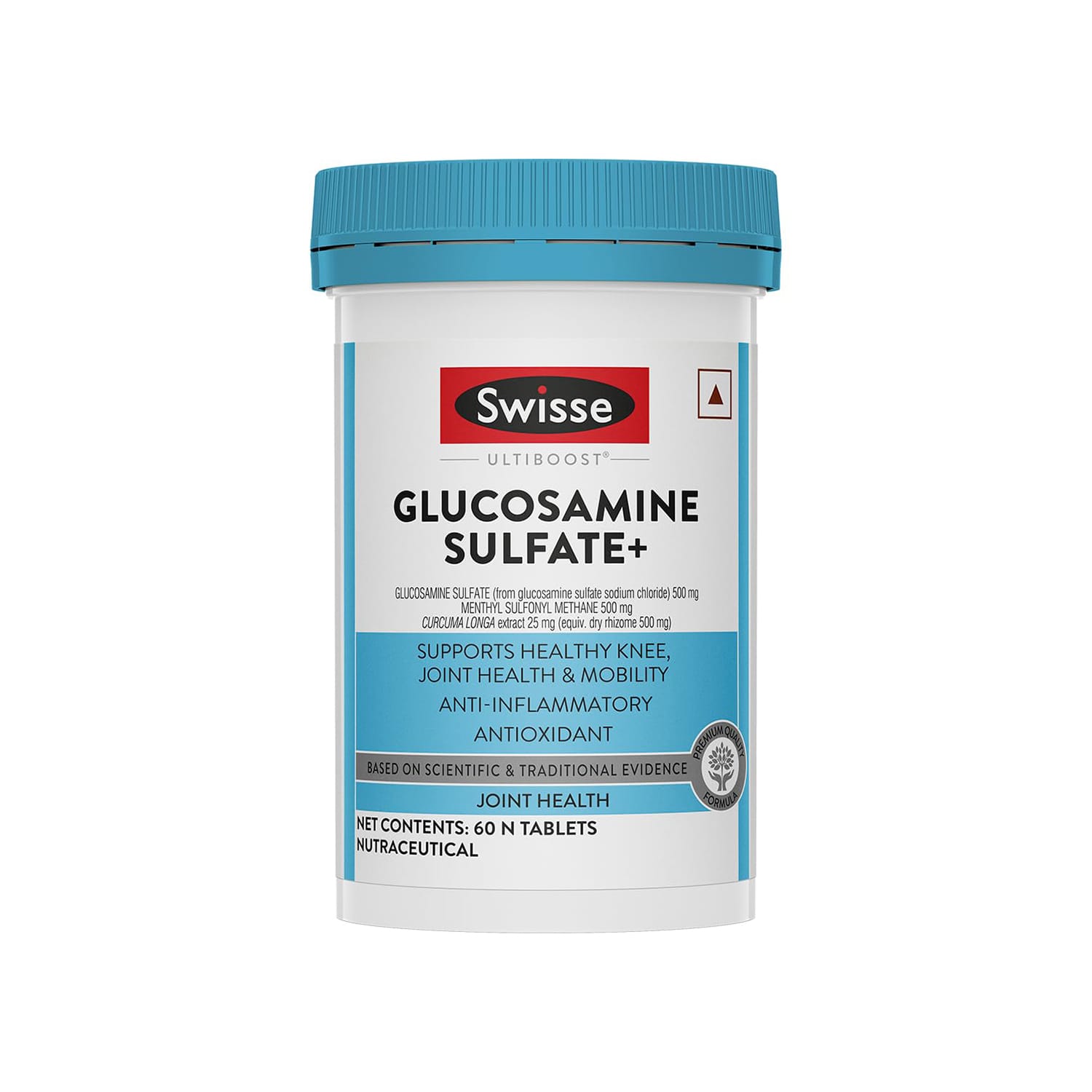
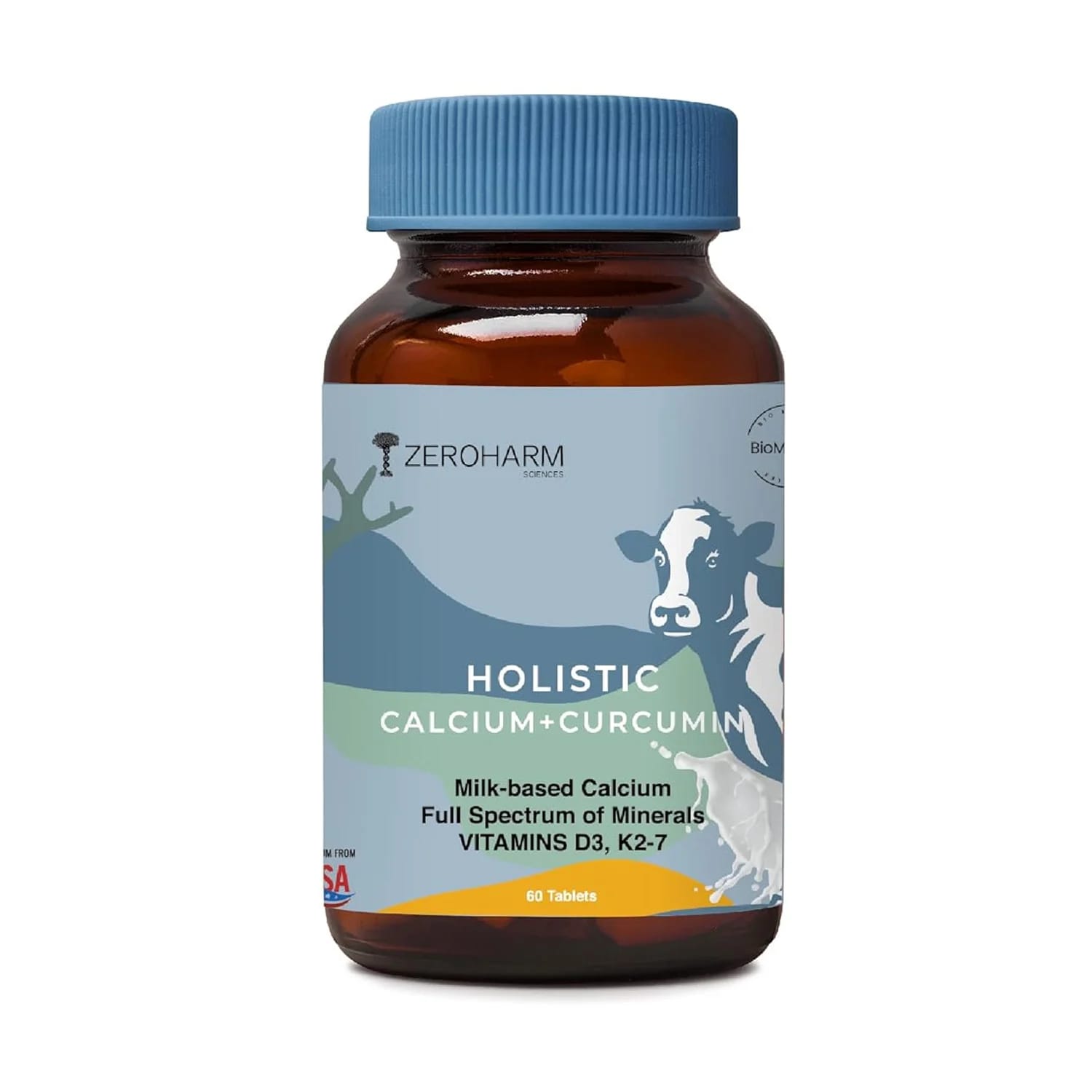
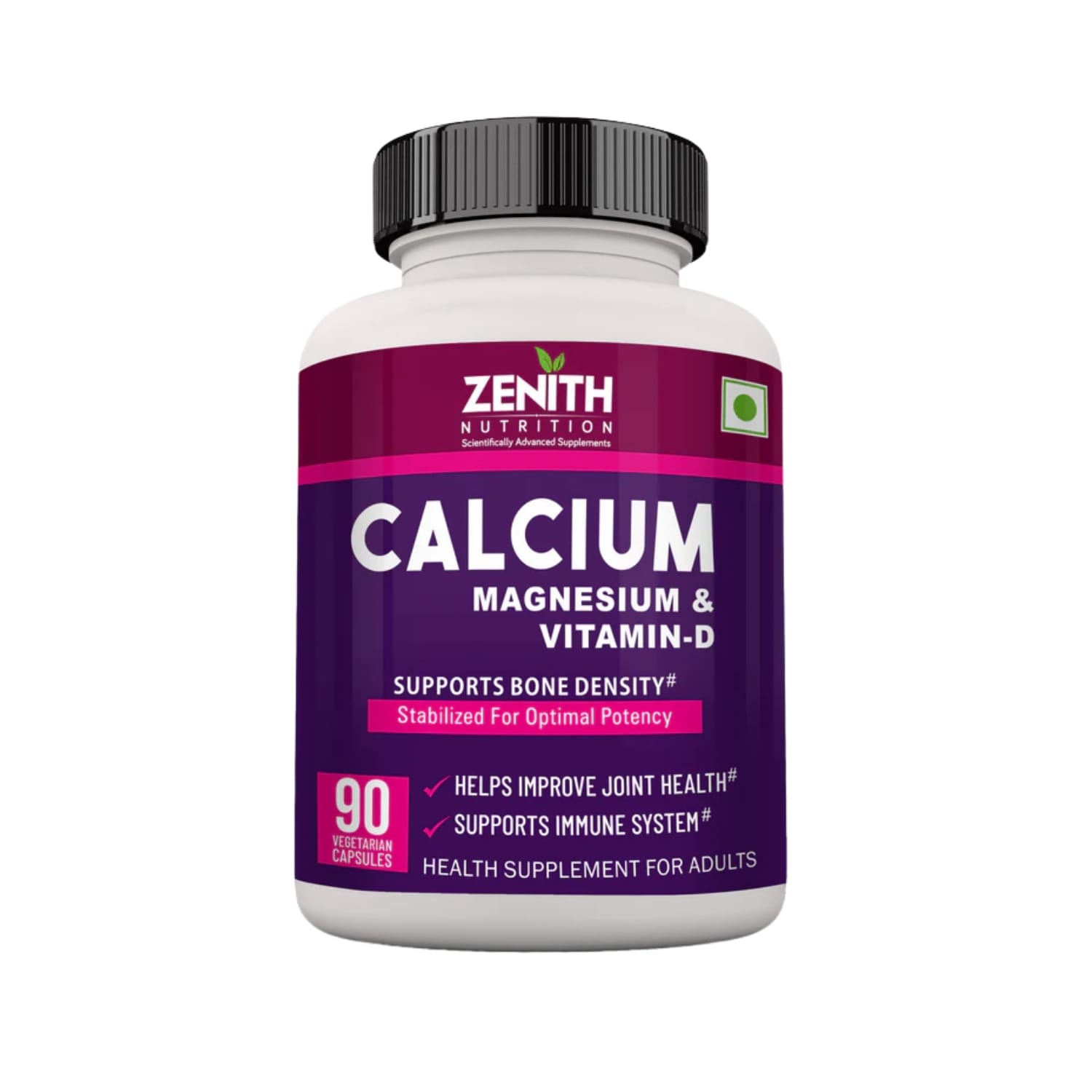
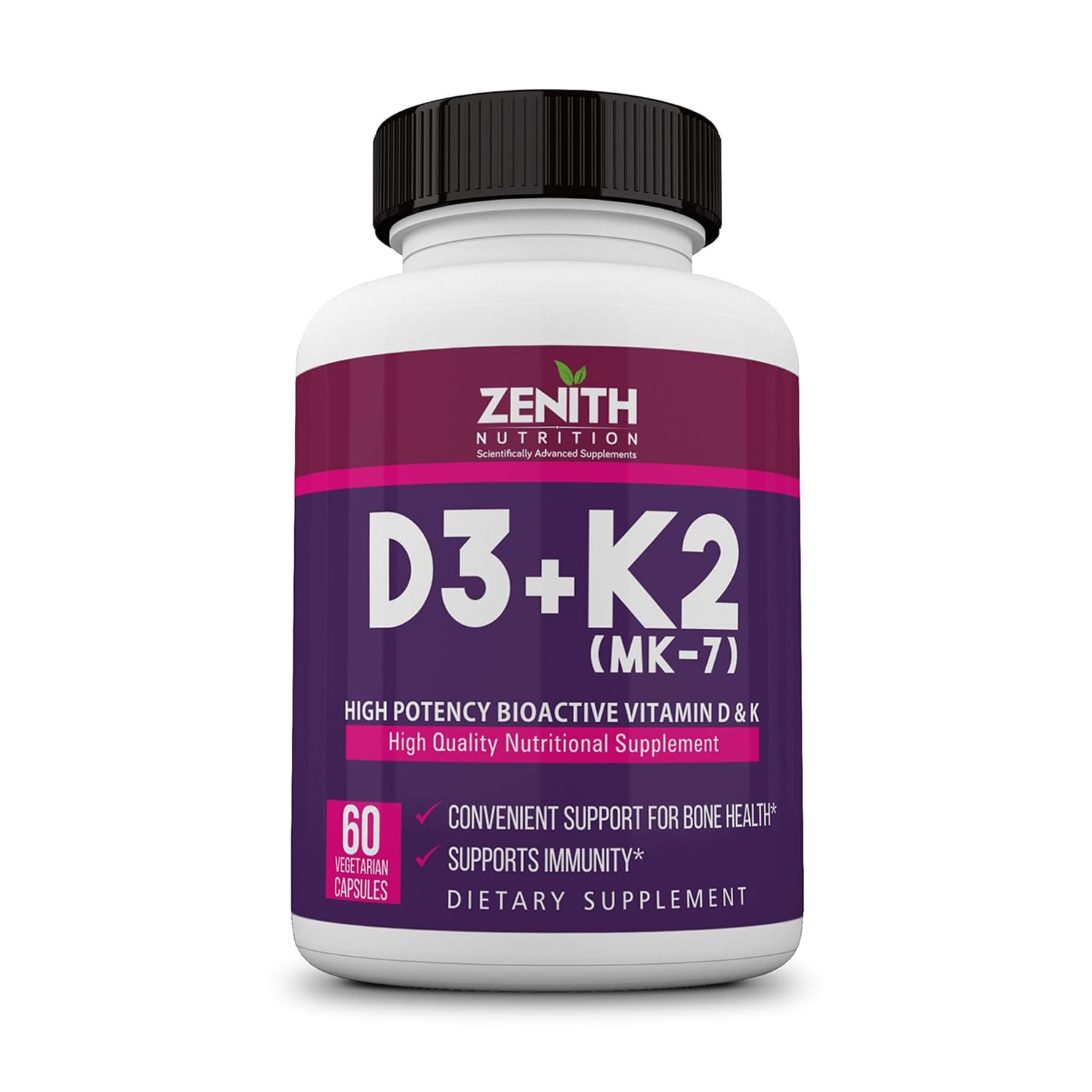
Bone health supplements containing calcium, vitamin D3, vitamin K2, magnesium, and collagen help support bone density and strength. On Cureka, you can find doctor-curated osteoporosis and bone health supplements designed to support daily calcium absorption and long-term bone health when used alongside medical advice and lifestyle changes.