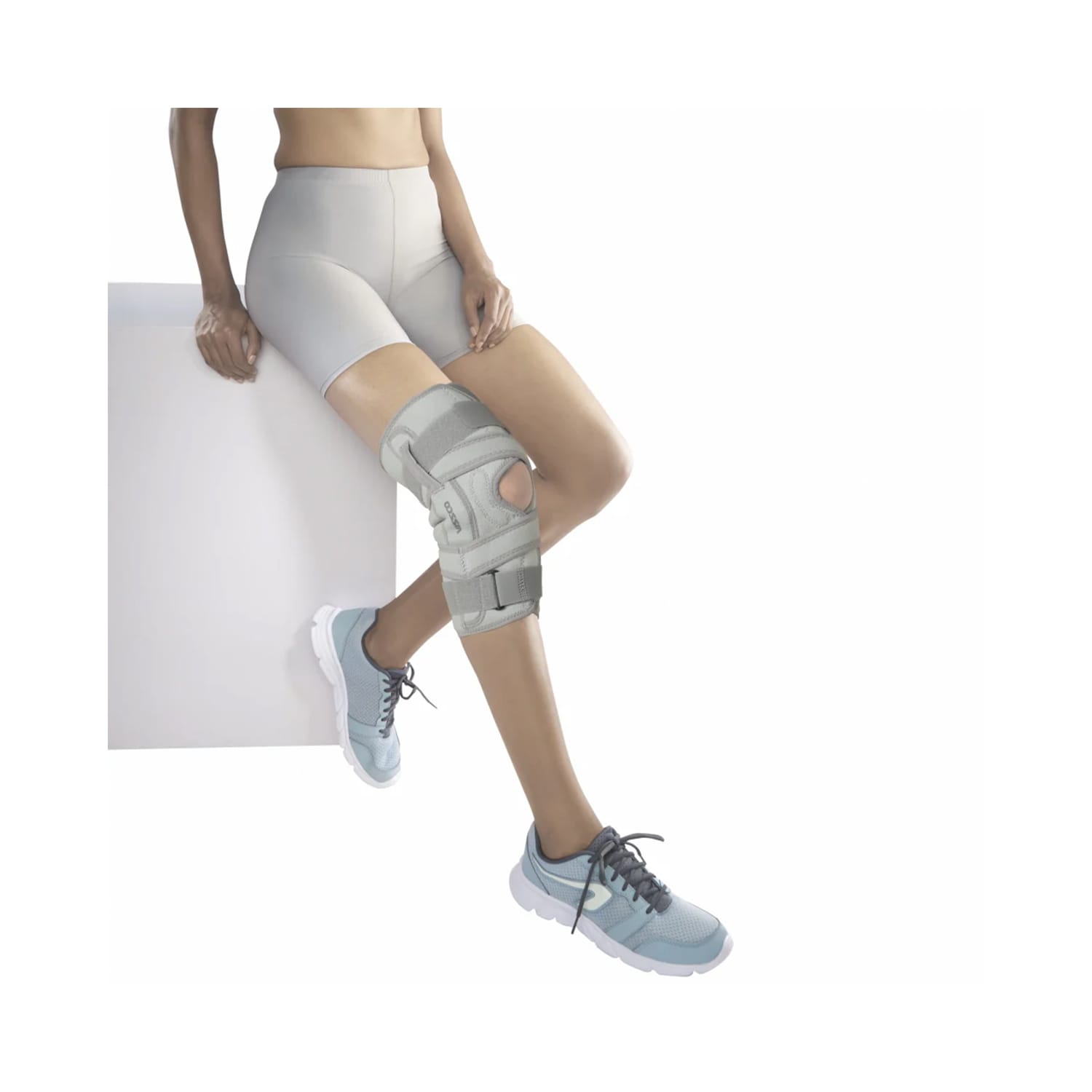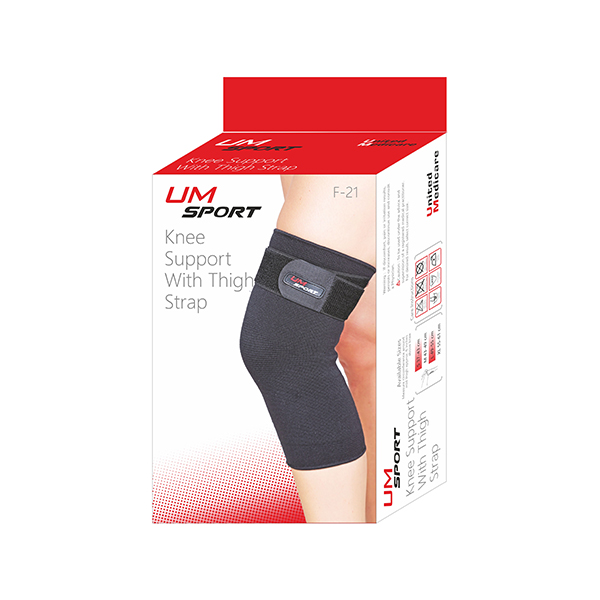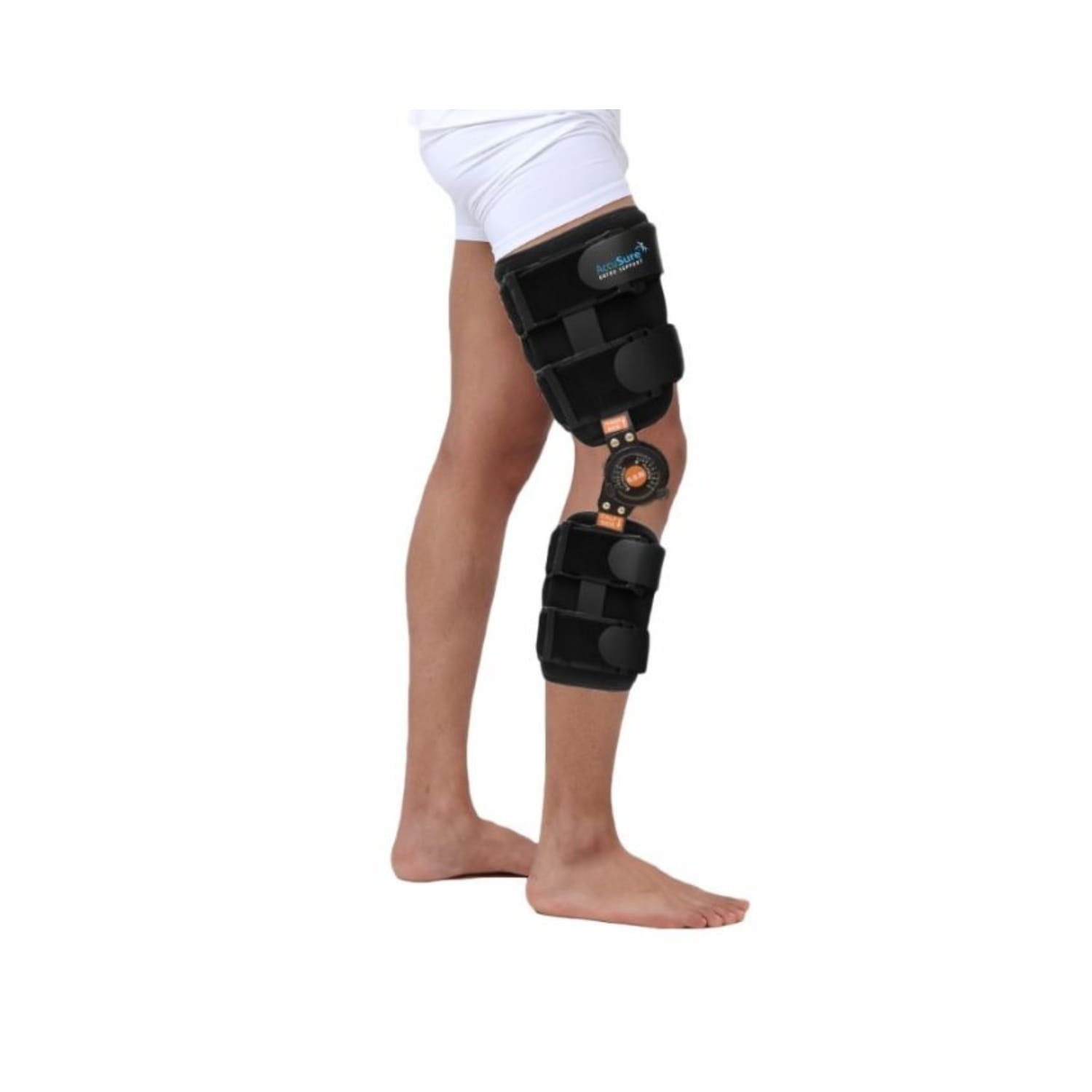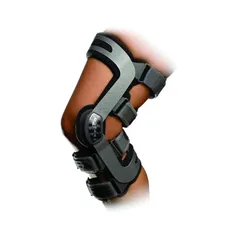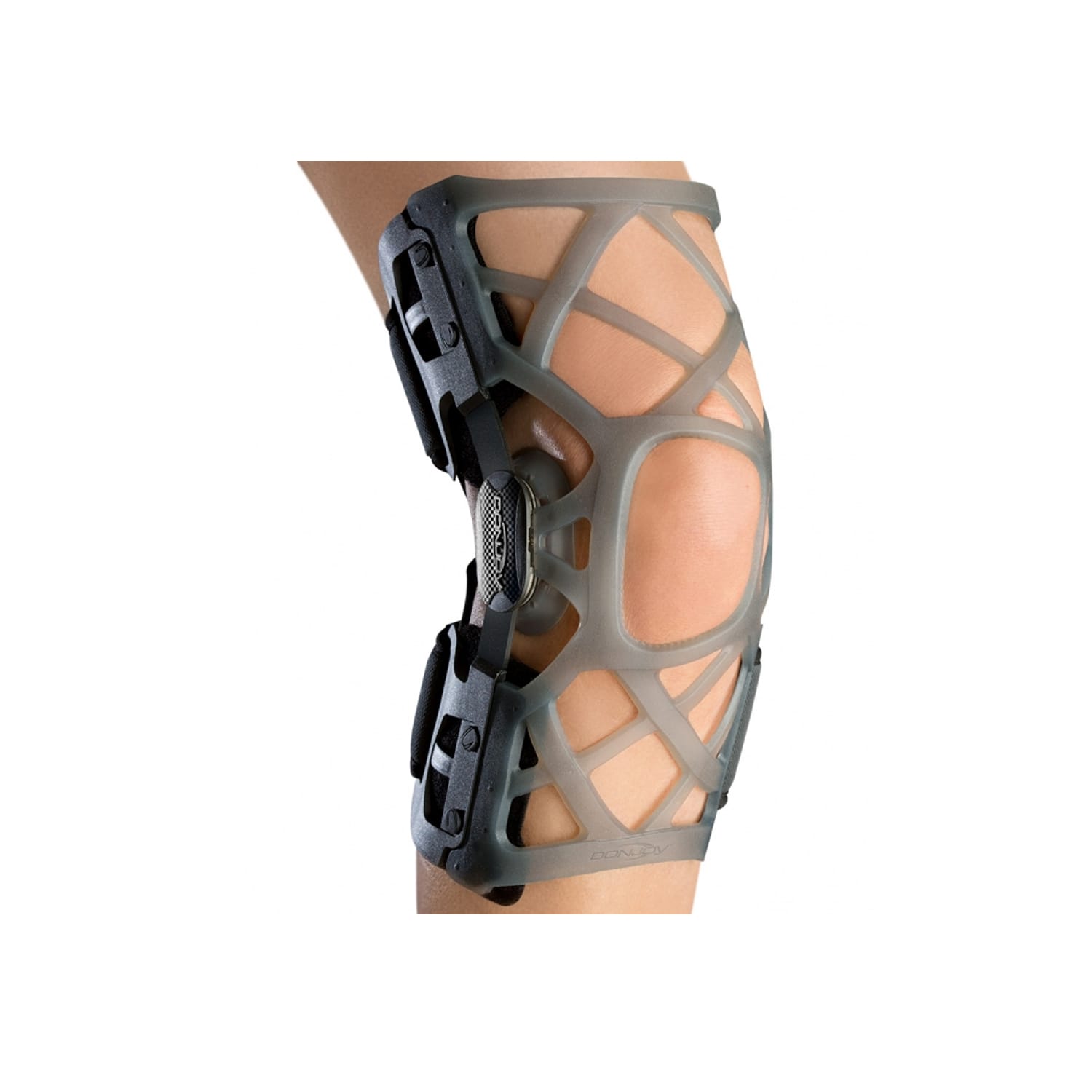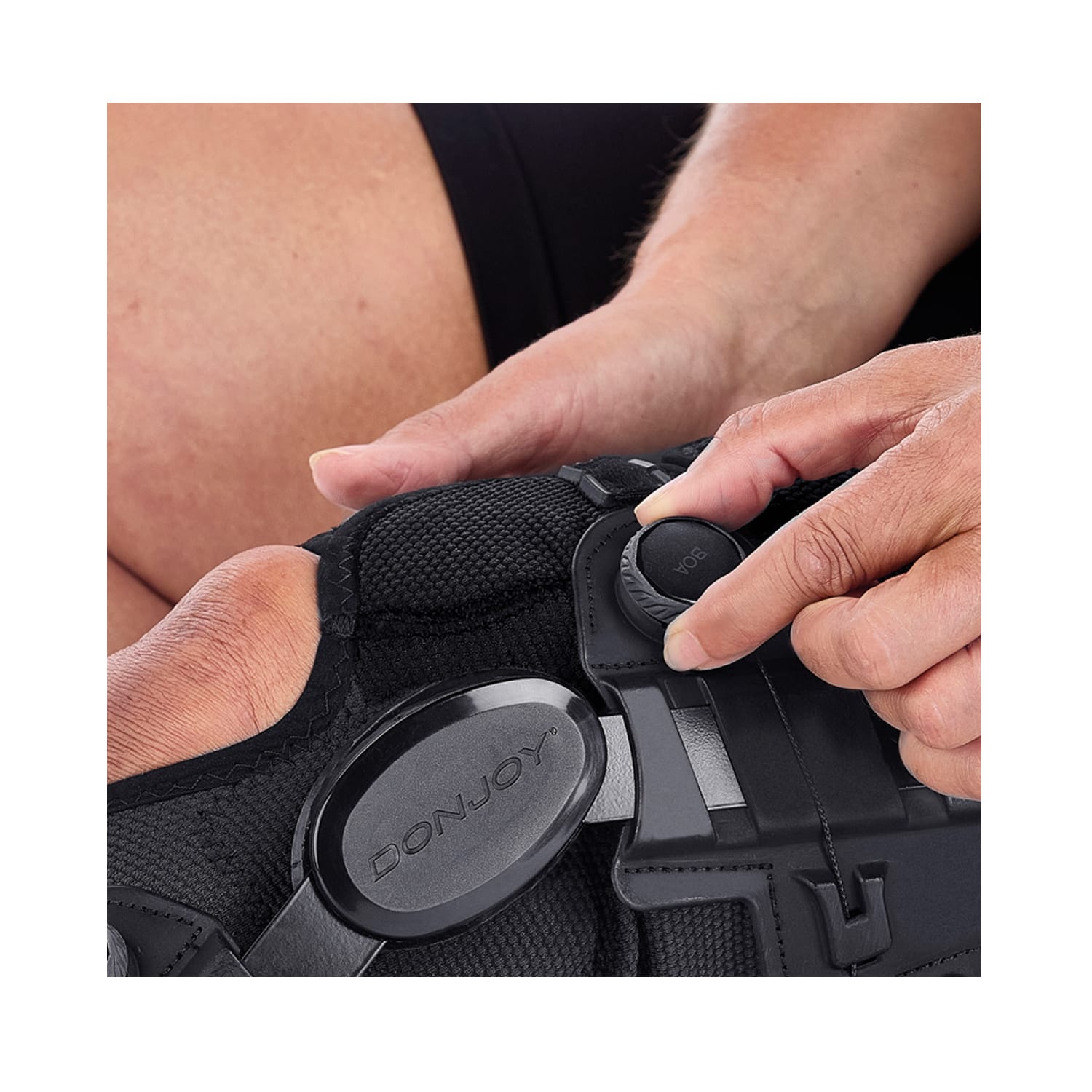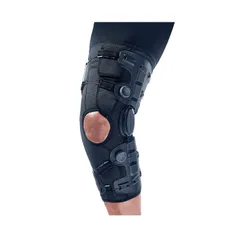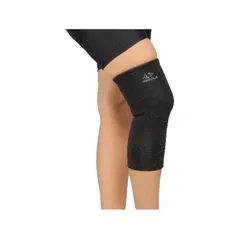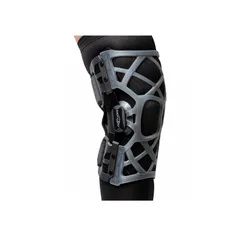


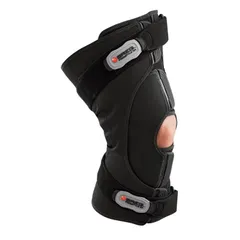
Breg Freestyle OA Medial Knee Brace Left - Medium
BREG
₹23,6555% off₹24,900
Osteoarthritis is a degenerative joint condition in which the protective cartilage that cushions the ends of bones gradually wears down. This leads to pain, stiffness, swelling, and reduced joint movement. It commonly affects weight-bearing joints such as the knees, hips, spine, and hands. Osteoarthritis develops slowly over time and is more common with ageing, but early care can help manage symptoms and maintain joint function.
Causes of Osteoarthritis
Ageing: Natural wear and tear of joint cartilage
Joint Overuse: Repetitive movements or physical strain
Previous Joint Injury: Trauma or surgery affecting joint health
Obesity: Increased pressure on weight-bearing joints
Genetic Factors: Family history of joint degeneration
Poor Joint Alignment: Abnormal joint structure or posture
Muscle Weakness: Reduced support around joints
Symptoms of Osteoarthritis
Joint pain that worsens with activity
Morning stiffness lasting less than 30 minutes
Swelling or tenderness around joints
Reduced range of motion
Grinding or cracking sensation in joints
Joint deformity in advanced stages
Diagnosis of Osteoarthritis
Clinical Examination: Assessment of joint movement and pain
X-rays: To detect cartilage loss, bone spurs, or joint narrowing
MRI (if needed): For early cartilage or soft tissue changes
Blood Tests: To rule out inflammatory arthritis
Joint Fluid Analysis: In select cases to exclude infection
Treatment of Osteoarthritis
Lifestyle Modification: Weight management and activity balance
Pain Management: Analgesics or anti-inflammatory medications
Physiotherapy: Exercises to strengthen muscles and improve mobility
Joint Support: Braces or assistive devices
Topical Treatments: Pain-relief gels or patches
Injections: Corticosteroids or viscosupplementation if needed
Surgery: Joint replacement in severe, advanced cases
Preventing Osteoarthritis Progression
Maintain a healthy body weight
Stay physically active with low-impact exercises
Avoid repetitive joint strain
Practice good posture and ergonomics
Strengthen muscles around joints
Address joint injuries early
Complications of Untreated Osteoarthritis
Chronic joint pain
Reduced mobility and flexibility
Difficulty performing daily activities
Joint deformity
Decreased quality of life
Emotional stress due to chronic pain
Specialist to Consult for Osteoarthritis
Orthopedic Specialist: For joint evaluation and management
Rheumatologist: To differentiate from inflammatory arthritis
Physiotherapist: For mobility and strength training
FAQ
1. What is osteoarthritis?
Osteoarthritis is a joint condition caused by gradual cartilage breakdown, leading to pain, stiffness, and reduced joint movement.
2. Is osteoarthritis curable?
There is no cure, but symptoms can be effectively managed with lifestyle changes, medications, physiotherapy, and medical treatments.
3. Which joints are commonly affected by osteoarthritis?
The knees, hips, spine, hands, and shoulders are most commonly affected.
4. Can exercise help osteoarthritis?
Yes, regular low-impact exercise helps strengthen muscles, reduce pain, and improve joint flexibility when done correctly.
5. Which joint health supplement is helpful for osteoarthritis?
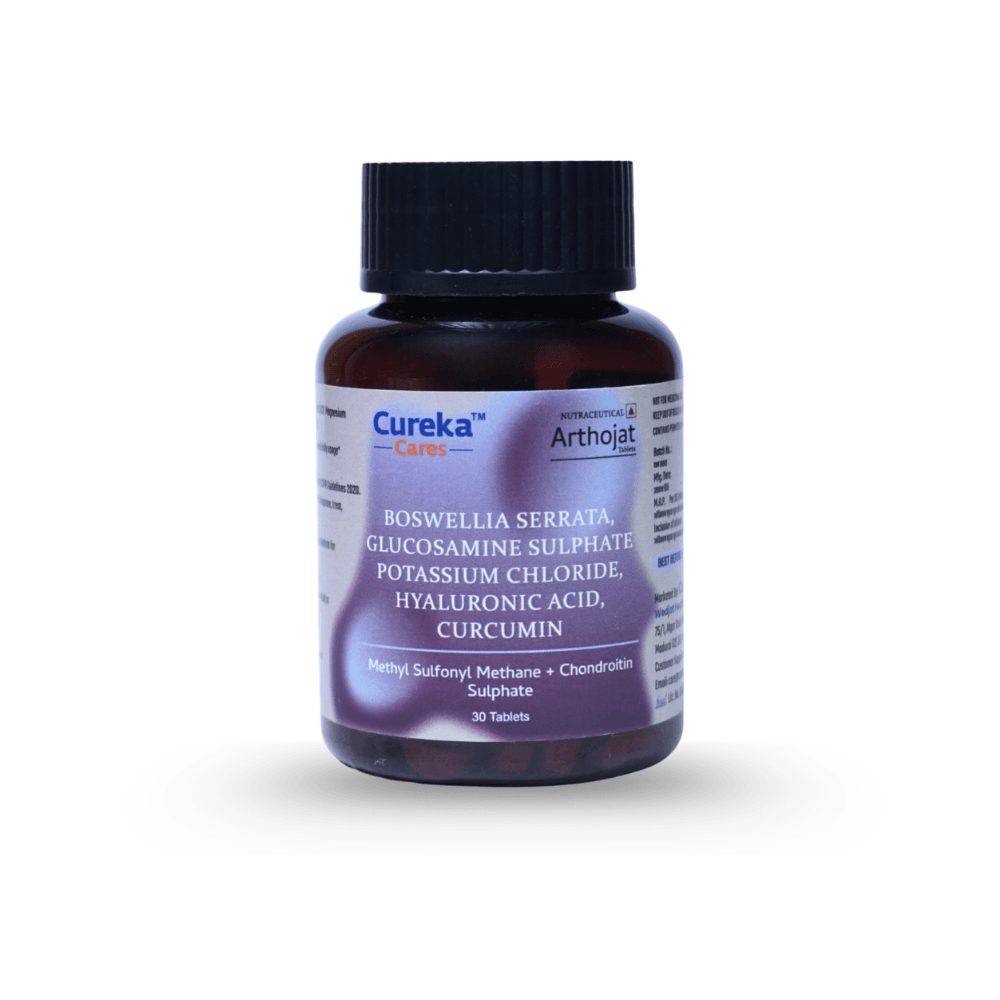
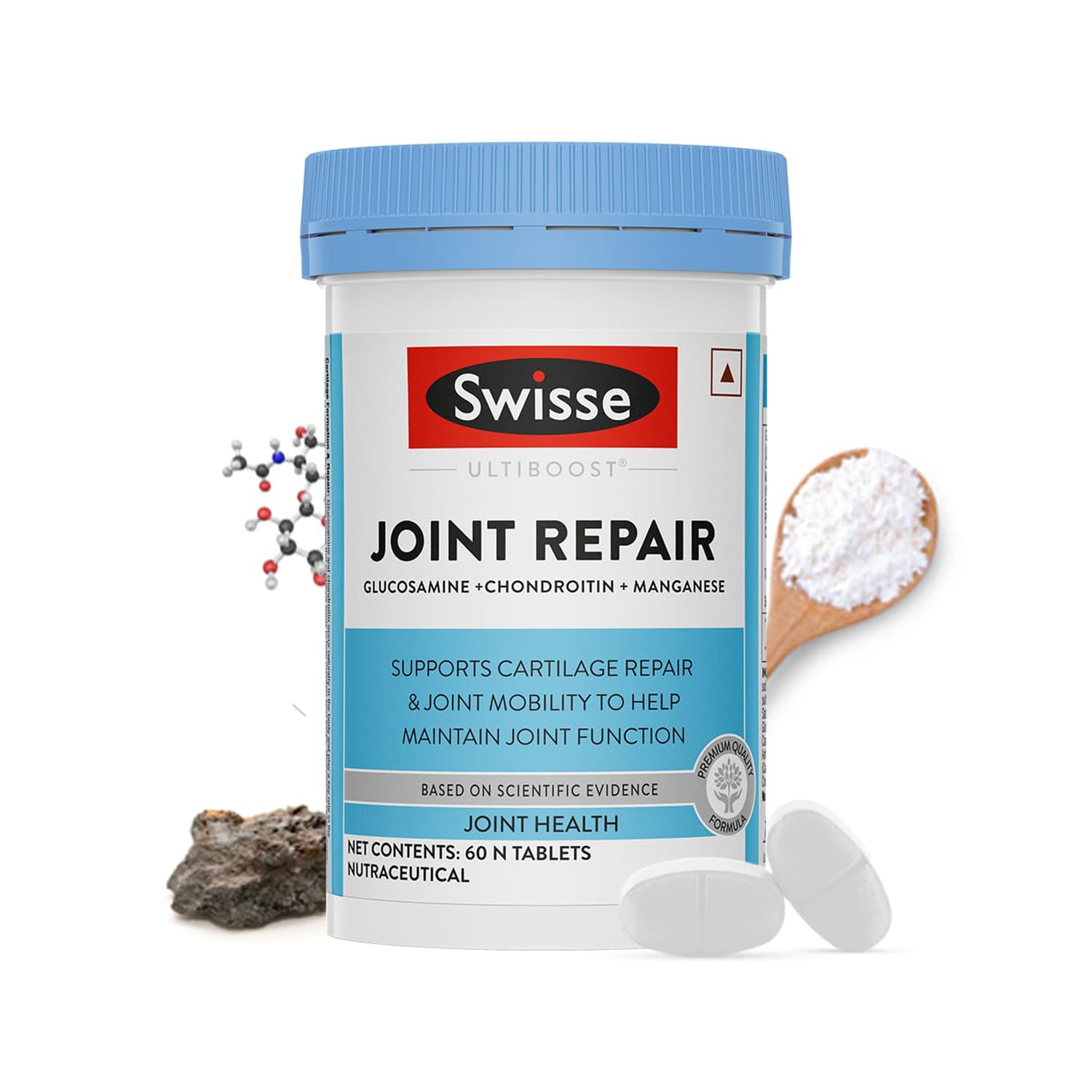
Joint health supplements containing ingredients like glucosamine, chondroitin, collagen peptides, curcumin, and MSM can help support cartilage health, improve joint flexibility, and reduce discomfort associated with osteoarthritis. On Cureka, you can find doctor-curated joint health supplements that are formulated to support long-term joint mobility and comfort when used consistently along with physiotherapy and a healthy lifestyle.