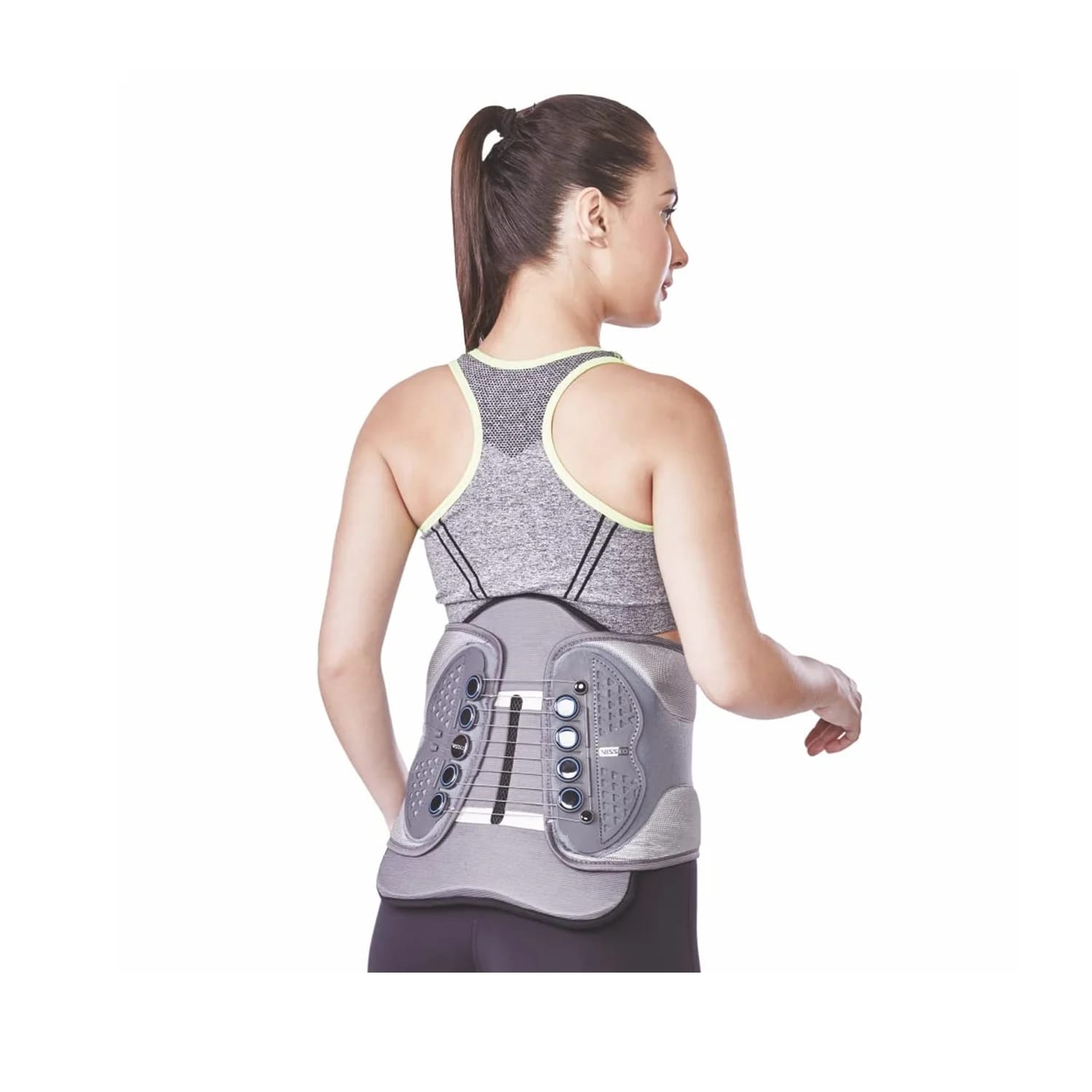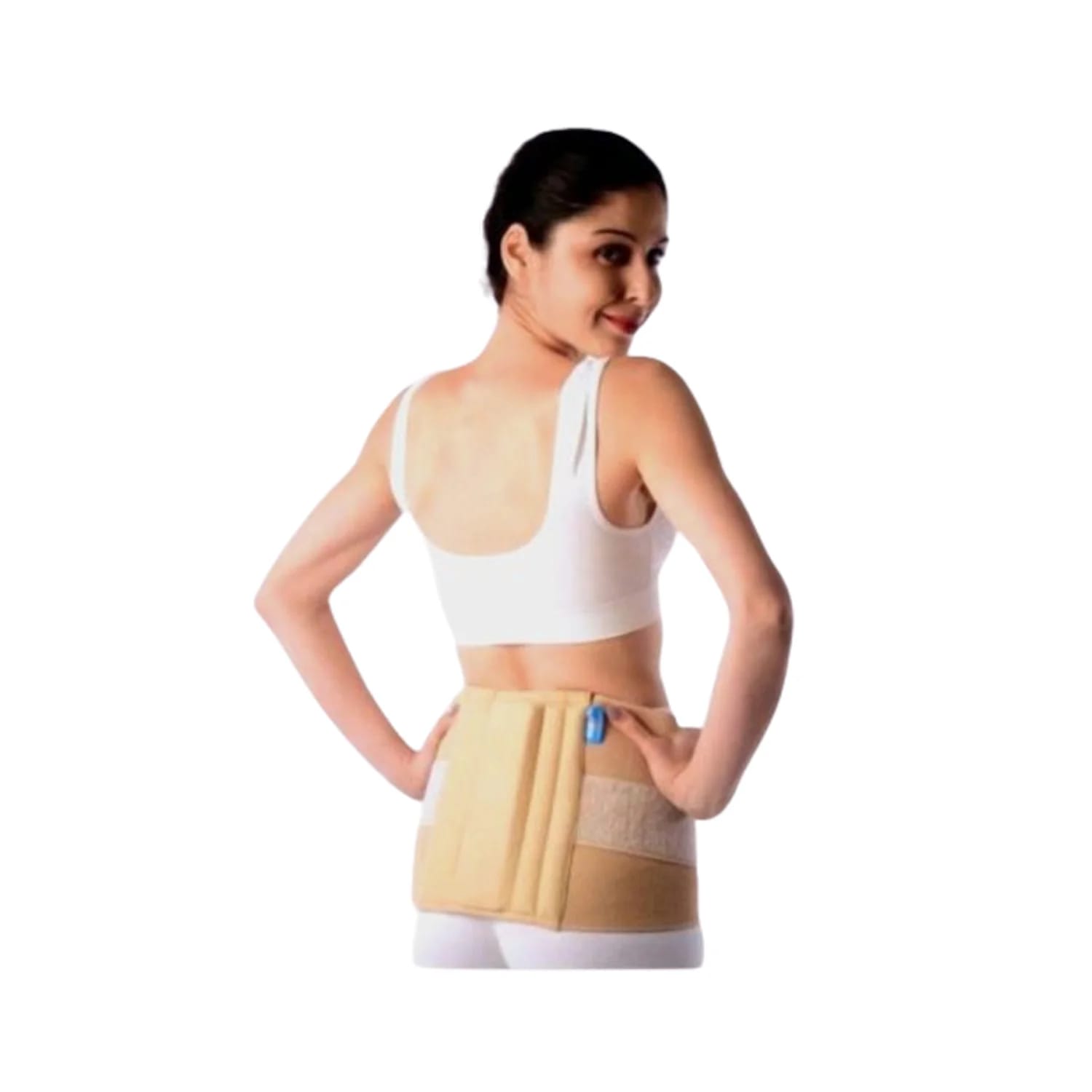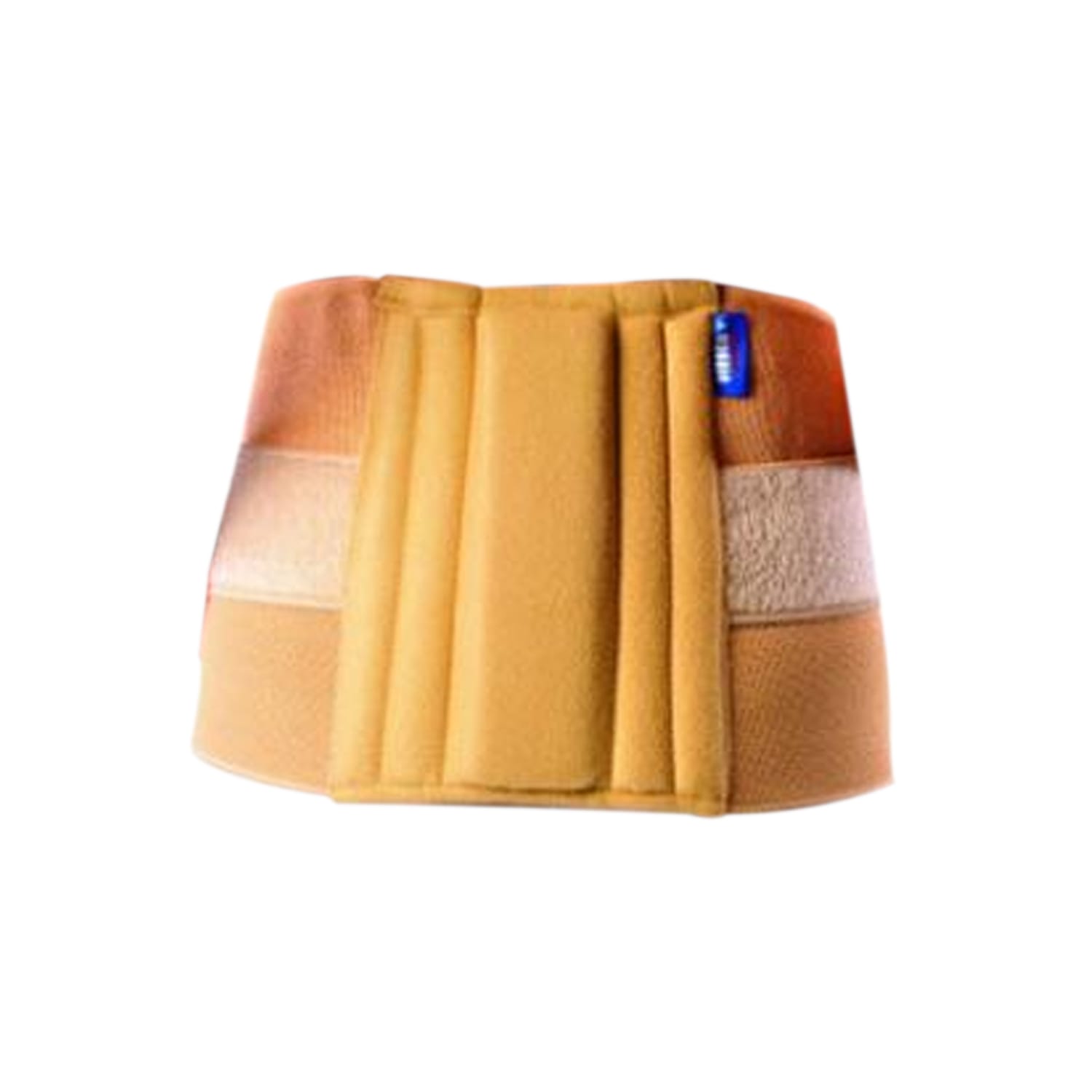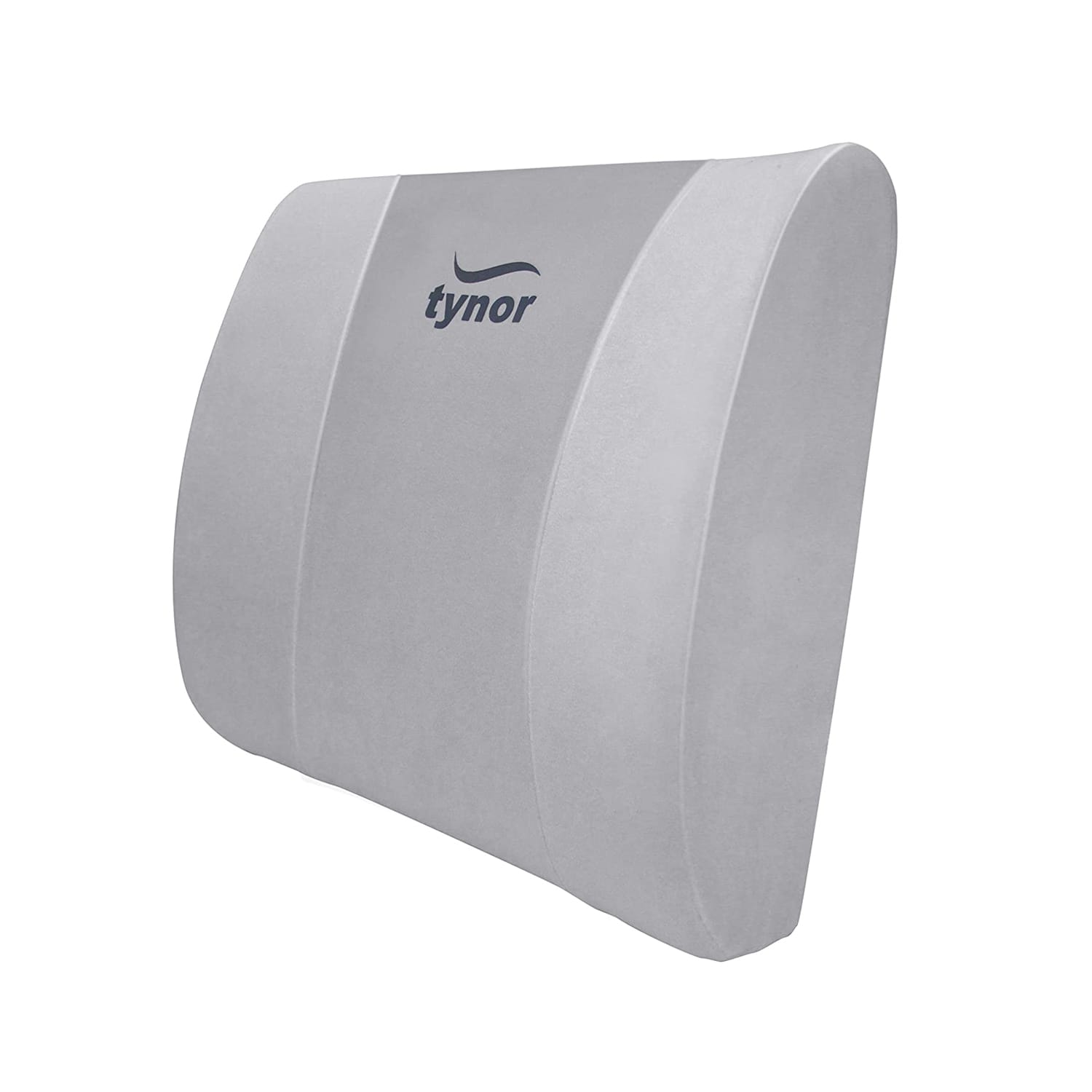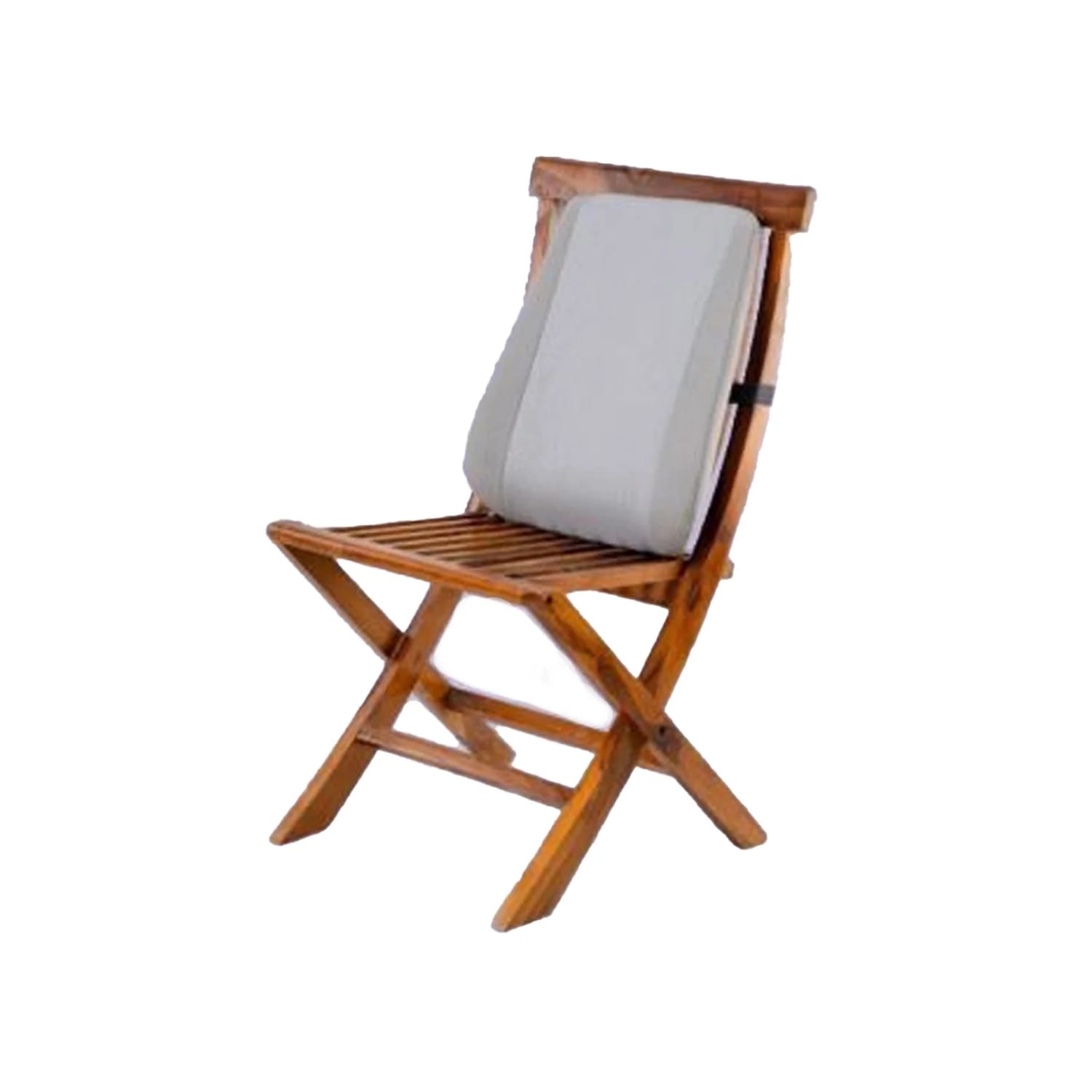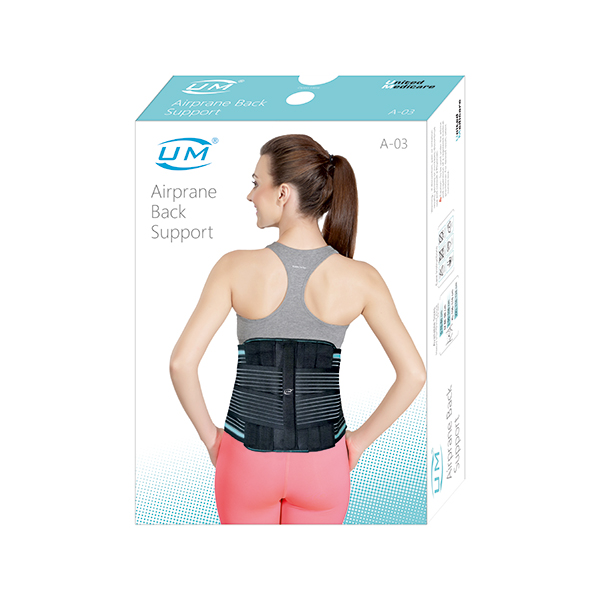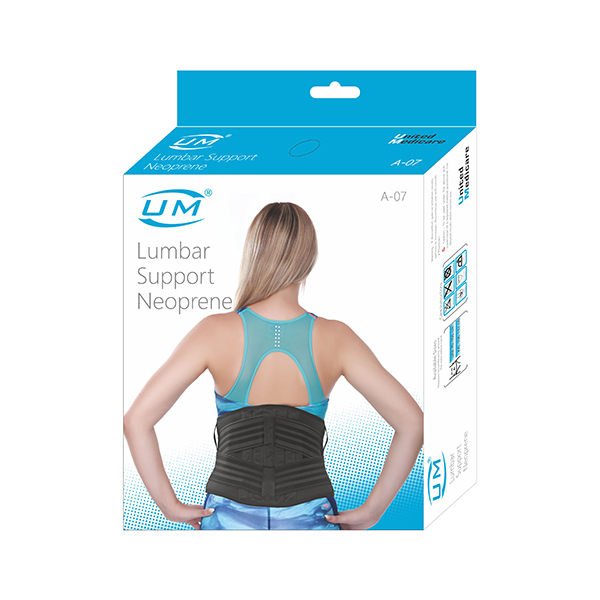



Tynor Lumbo Back Rest Urbane I-92 (Universal)
Tynor
₹1,29023% off₹1,675
Low back pain refers to discomfort or pain felt in the lower portion of the spine, between the rib cage and the pelvis. It is one of the most common musculoskeletal conditions affecting people of all ages. Low back pain may develop suddenly due to injury or gradually due to poor posture, muscle strain, or degenerative spinal changes. Since the lower back supports body weight and movement, pain in this region can significantly affect mobility, work productivity, and quality of life.
Causes of Low Back Pain
Muscle or Ligament Strain: Lifting heavy objects, sudden movements, or overuse.
Poor Posture: Prolonged sitting, slouching, or improper ergonomics.
Herniated or Bulging Disc: Disc material pressing on spinal nerves.
Degenerative Disc Disease: Age-related wear and tear of spinal discs.
Spinal Stenosis: Narrowing of the spinal canal causing nerve compression.
Sciatica: Compression of the sciatic nerve leading to radiating leg pain.
Spondylosis or Spondylolisthesis: Degenerative or alignment-related spine conditions.
Obesity: Excess body weight increases pressure on the spine.
Sedentary Lifestyle: Weak core and back muscles reduce spinal support.
Trauma: Falls, accidents, or sports injuries.
Symptoms of Low Back Pain
Dull, aching pain or sharp, stabbing discomfort in the lower back
Stiffness and reduced flexibility, especially after rest
Pain that worsens with movement, bending, or lifting
Muscle spasms or tightness
Pain radiating to the buttocks, hips, or legs (sciatica)
Difficulty standing, sitting, or walking for long periods
Numbness or tingling in legs (in nerve involvement cases)
Pain relief when lying down or changing positions
Diagnosis of Low Back Pain
Physical Examination: Assessment of posture, range of motion, and pain triggers.
X-rays: Identify fractures, alignment issues, or degenerative changes.
MRI Scan: Detailed imaging of discs, nerves, and soft tissues.
CT Scan: Useful for complex spinal conditions.
Nerve Conduction Studies (if required): Evaluate nerve involvement.
Blood Tests (in select cases): Rule out infection or inflammatory causes.
Treatment of Low Back Pain
Rest and Activity Modification: Avoid heavy lifting and sudden strain.
Pain Medications: NSAIDs or muscle relaxants as prescribed.
Hot or Cold Therapy: Ice for acute pain, heat for muscle relaxation.
Physiotherapy: Core strengthening, stretching, and posture correction.
Ergonomic Adjustments: Proper chair, desk, and sleeping posture.
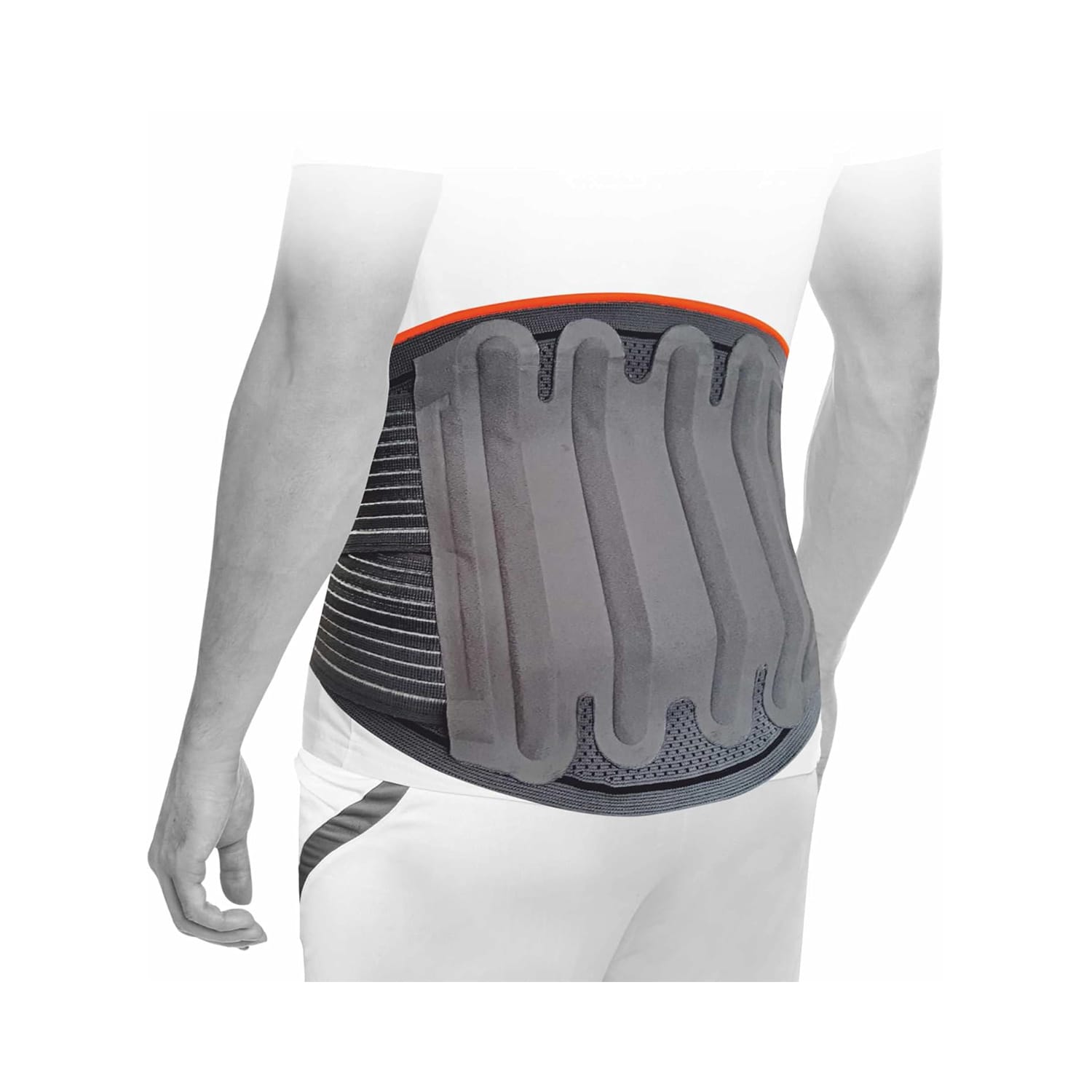
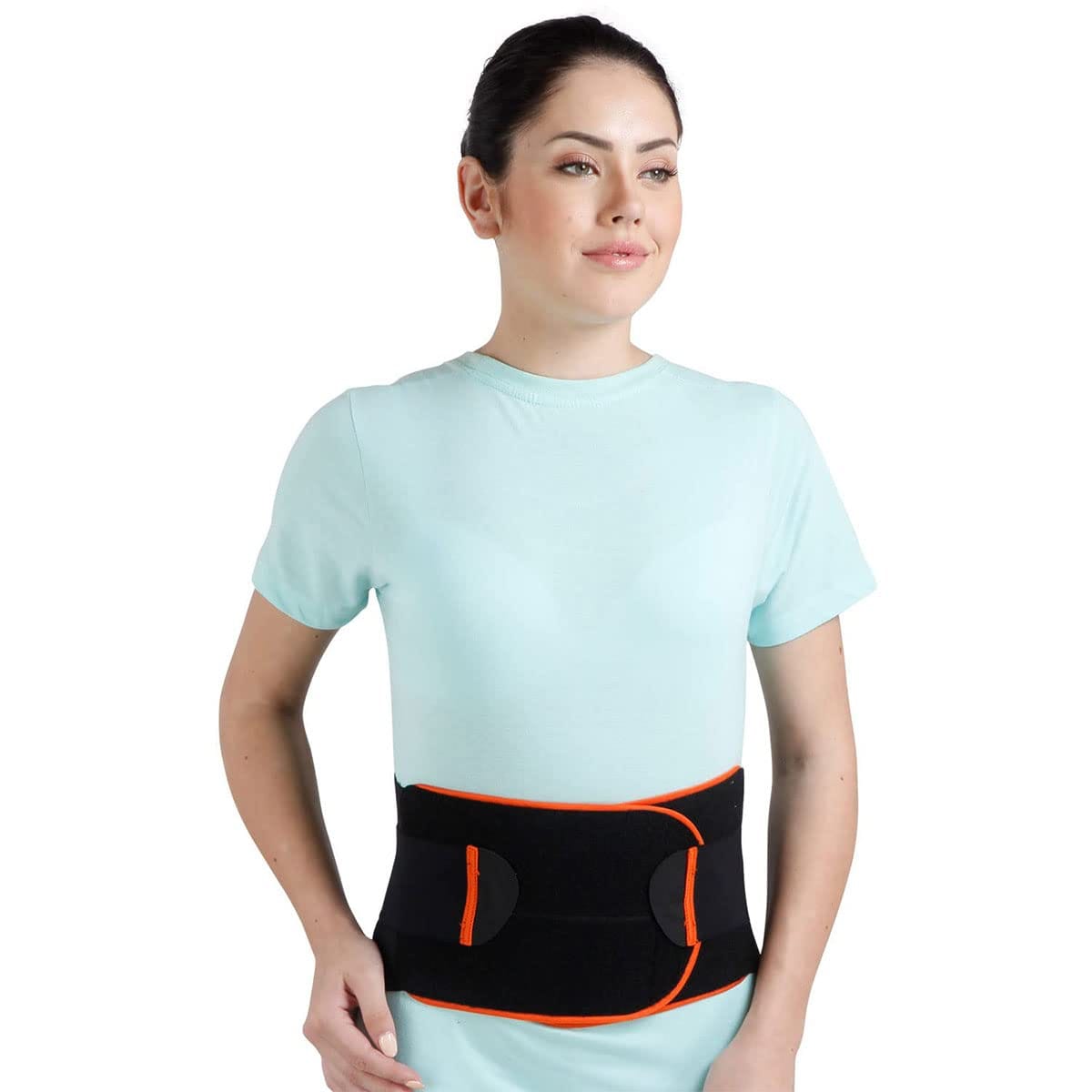
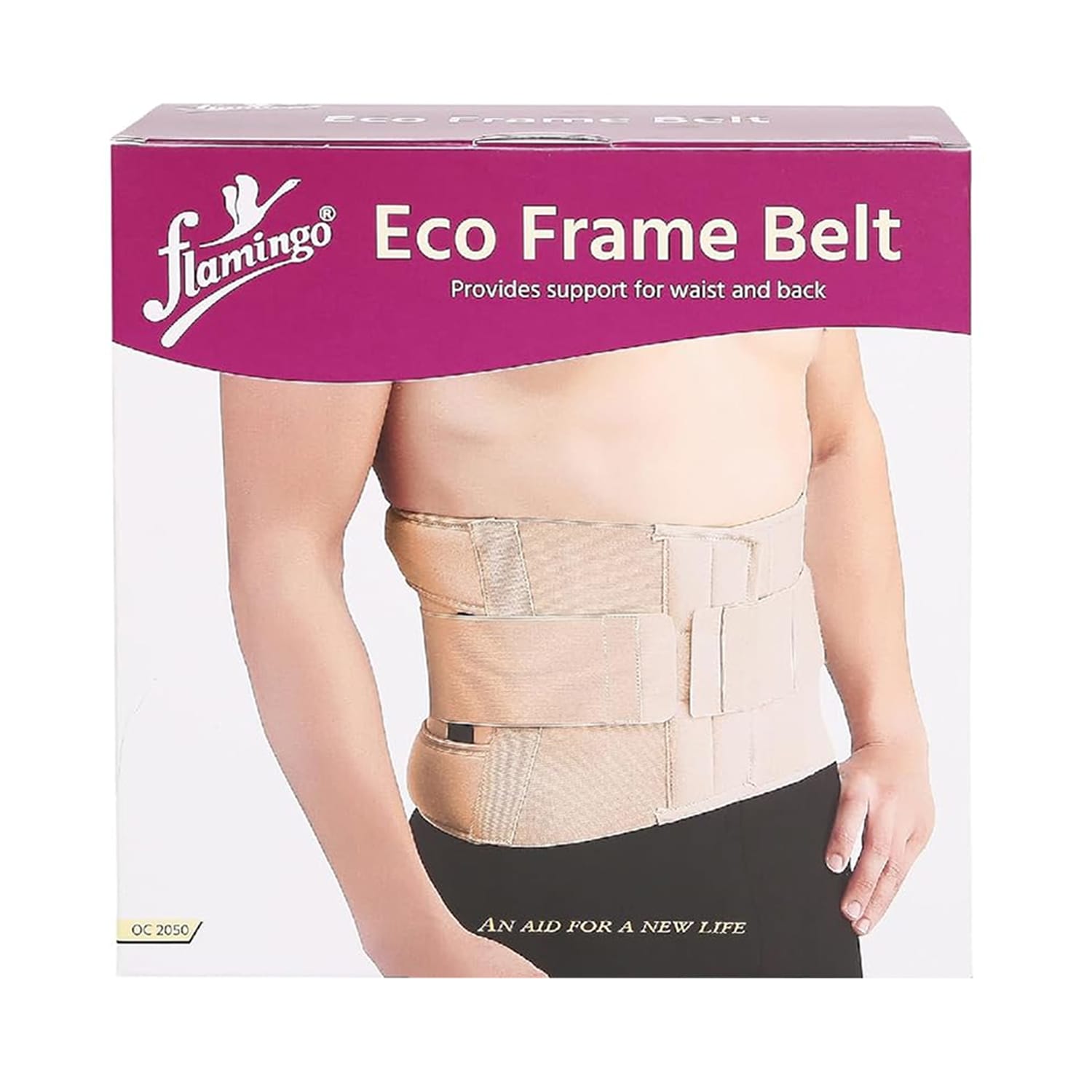
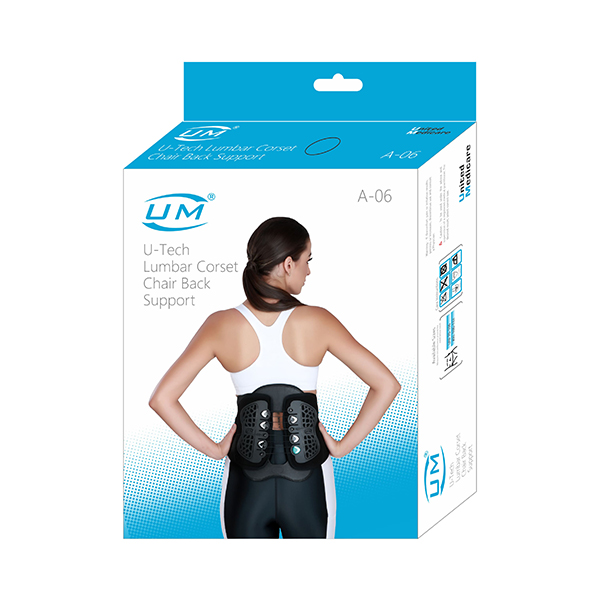
Support Devices: Lumbar belts or braces (short-term use).
Injections (if needed): Epidural steroid injections for nerve pain.
Surgery (Severe Cases): Disc surgery or spinal fusion when conservative treatment fails.
Preventing Low Back Pain
Maintain good posture while sitting and standing
Strengthen core and back muscles regularly
Use proper lifting techniques
Take breaks during prolonged sitting
Maintain a healthy body weight
Use supportive mattresses and ergonomic furniture
Stay physically active with low-impact exercises
Complications of Untreated Low Back Pain
Chronic pain and reduced quality of life
Limited mobility and stiffness
Nerve damage leading to weakness or numbness
Disc degeneration or worsening spinal conditions
Sleep disturbances
Dependence on pain medication
Reduced work and daily activity performance
Specialist to Consult for Low Back Pain
Orthopedic Surgeon: For spinal evaluation and treatment
Physiotherapist: For rehabilitation and posture correction
Neurosurgeon: For nerve-related or surgical spinal issues
Pain Management Specialist: For chronic pain control
Rheumatologist: If inflammatory or autoimmune causes are suspected
FAQ
1. How can lower back pain be treated?
Lower back pain is treated with rest, physiotherapy, posture correction, pain medications, heat or cold therapy, and strengthening exercises. Severe cases may require injections or surgery.
2. What is the main cause of lower back pain?
Common causes include muscle strain, poor posture, disc problems, lack of physical activity, obesity, and age-related spinal degeneration.
3. How can back pain be prevented?
Maintaining good posture, exercising regularly, strengthening core muscles, using proper lifting techniques, and avoiding prolonged sitting can help prevent back pain.
4. How do I tell if my lower back pain is serious?
Back pain may be serious if it is severe, persistent, radiates to the legs, causes numbness or weakness, affects bladder or bowel control, or follows trauma. Such symptoms require immediate medical attention.