

Bestseller

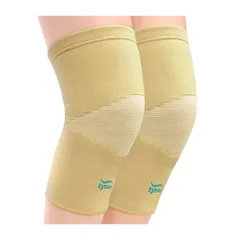
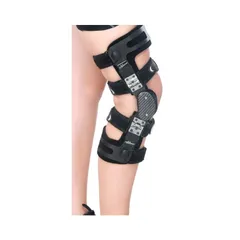
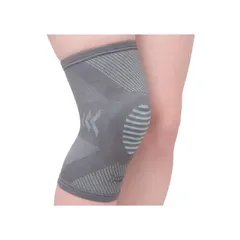
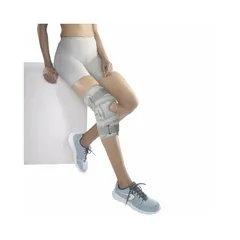
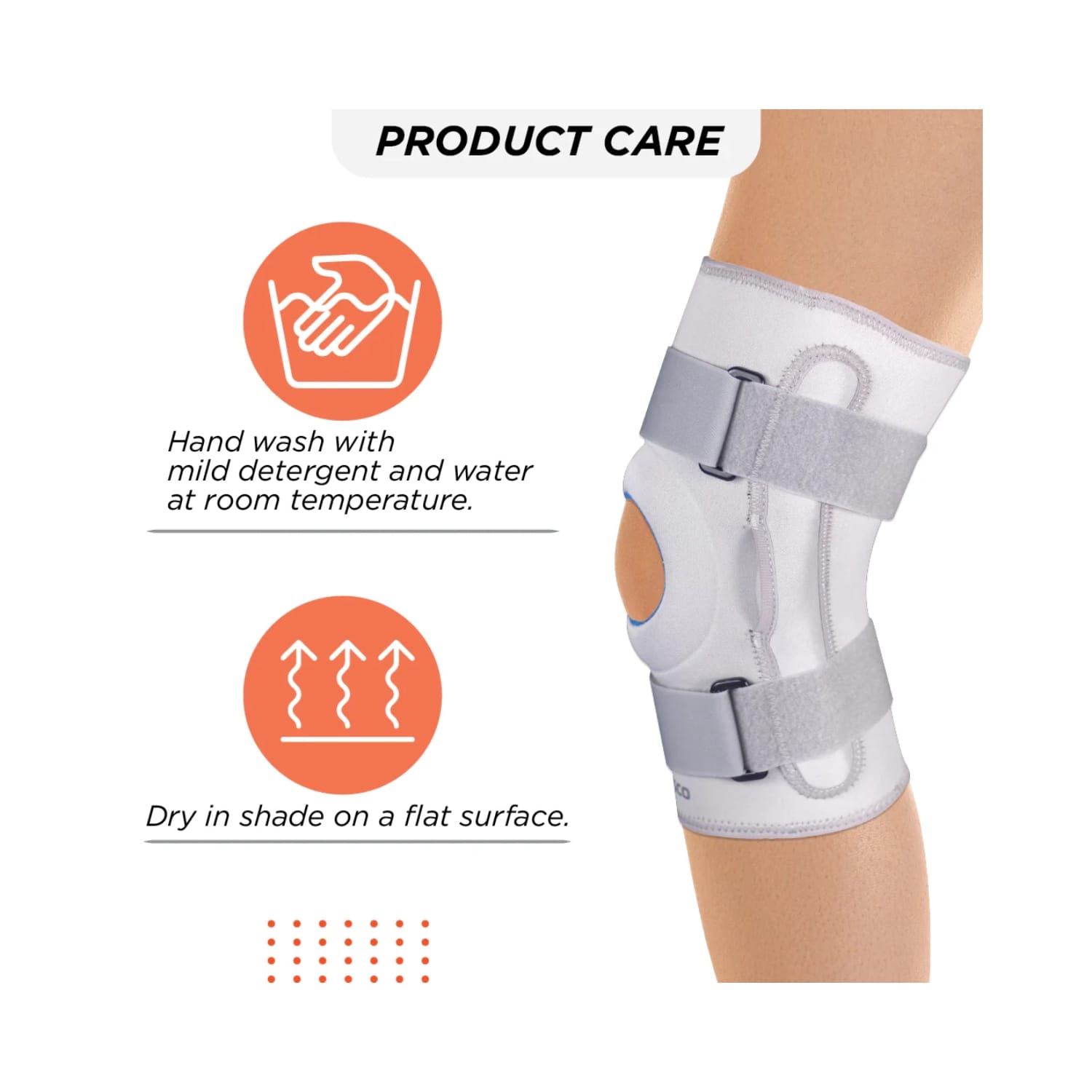
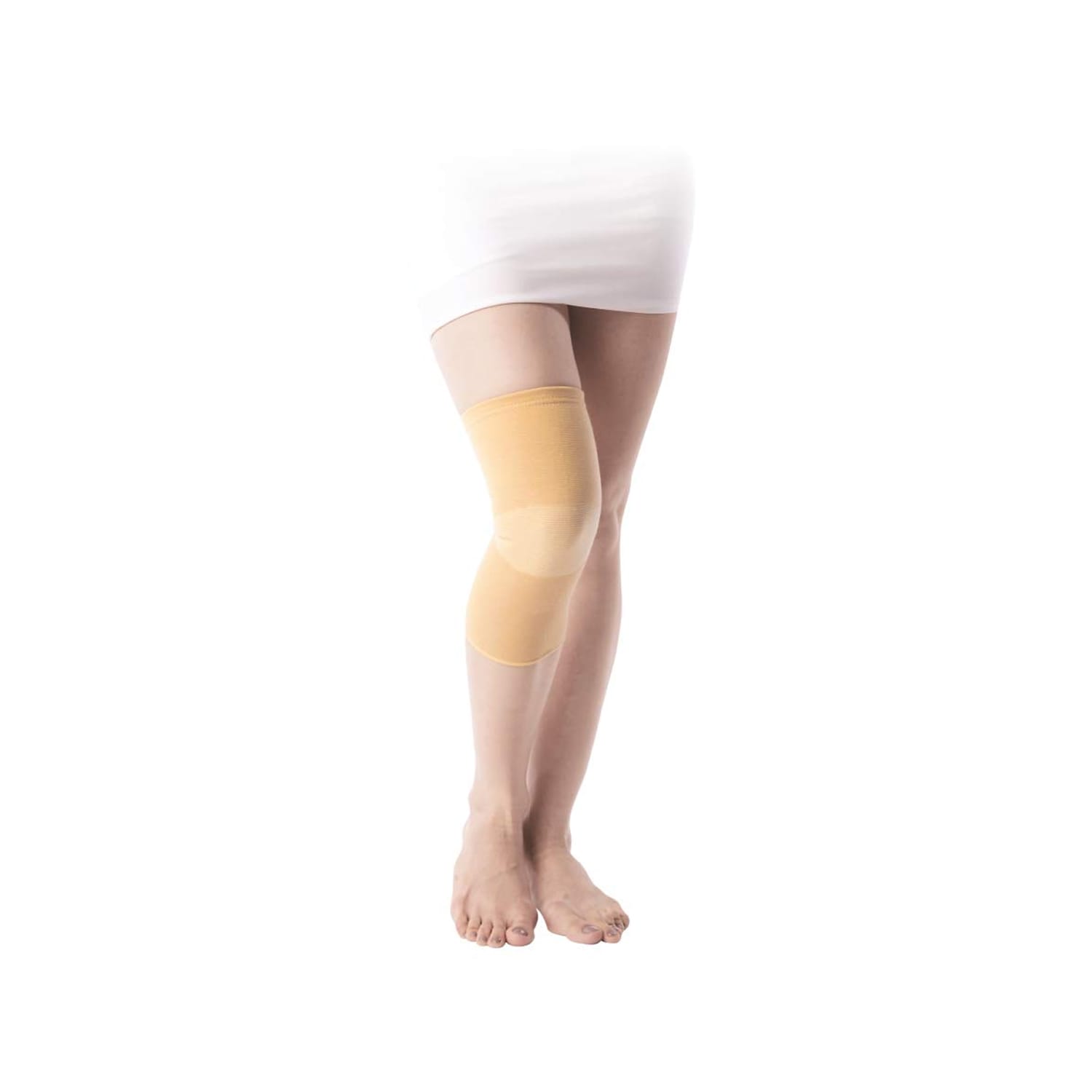
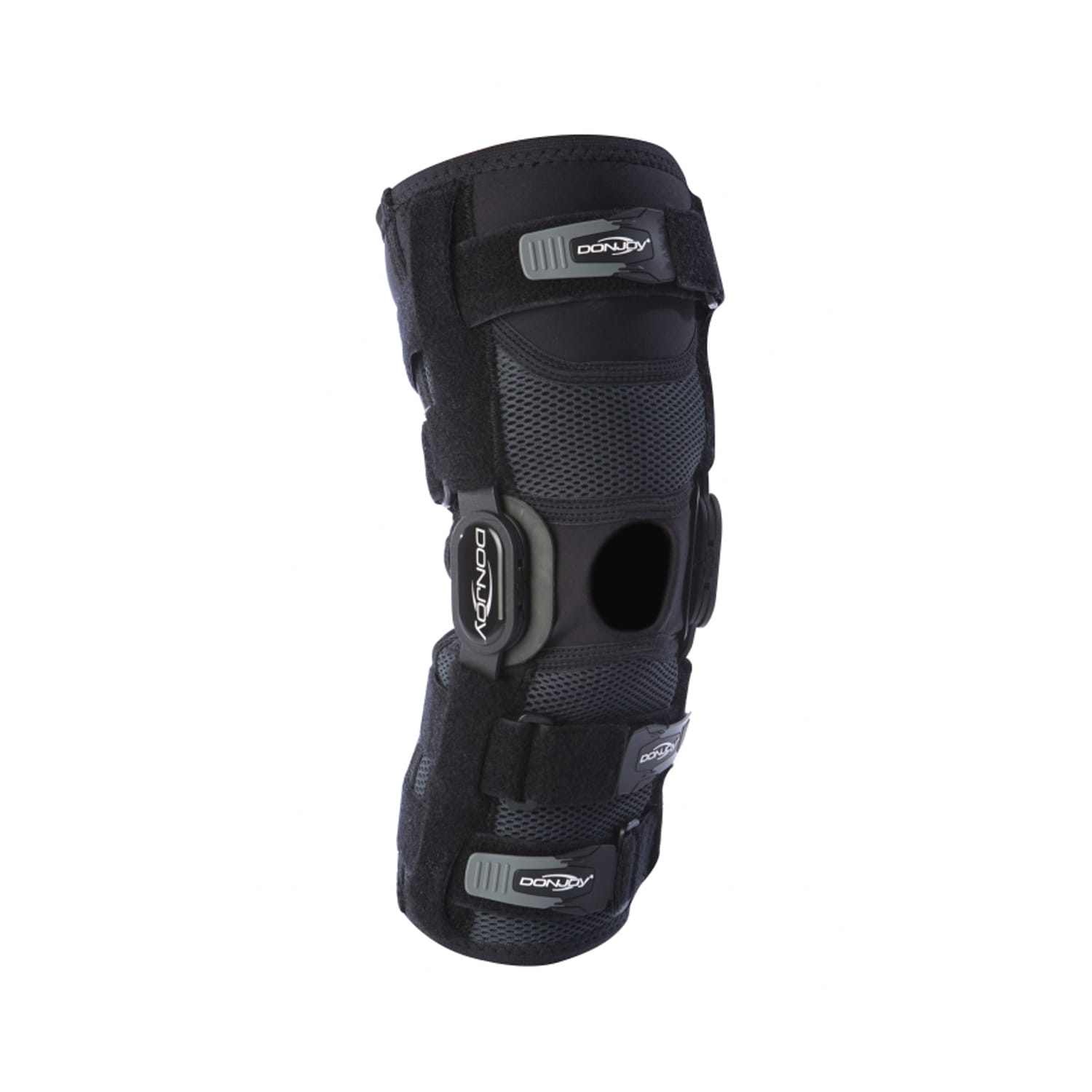
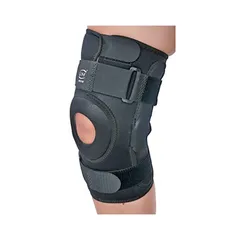
Flamingo Hinged Knee Cap OC2023 S
flamingo
₹56226% off₹749
Knee injury refers to any damage affecting the bones, cartilage, ligaments, or tendons of the knee joint. Whether it's a sudden twist during sports or gradual wear from overuse, knee injuries can affect stability, movement, and overall mobility. The knee is a weight-bearing joint, making it highly vulnerable, especially among athletes, the elderly, and individuals with physically demanding lifestyles.
Causes of Knee Injury
Trauma or Sudden Impact: Falls, sports injuries, road accidents.
Twisting Motions: Especially during high-intensity activities like running, jumping, or pivoting.
Overuse or Repetitive Strain: Continuous kneeling, climbing stairs, sports activity, aging or long-distance running.
Improper Footwear: Lack of support can put uneven pressure on the knee joint.
Weak Muscles or Imbalances: Poor strength in quadriceps or hamstrings affecting knee stability.
Obesity: Excess weight adds pressure on the knee, increasing wear and tear.
Poor Alignment: Knock-knees, flat feet, or bowed legs can lead to uneven stress on the knees.
Degenerative Conditions: Such as osteoarthritis or rheumatoid arthritis.
Symptoms of Knee Injury
Swelling and Inflammation: May appear immediately or several hours after injury.
Pain: Ranges from dull aches to sharp, shooting pain, depending on the severity.
Stiffness or Difficulty Bending/Extending the Knee
Clicking or Popping Sensation: May suggest ligament or meniscus injury.
Instability or Feeling of the Knee Giving Way
Bruising or Tenderness Around the Joint
Inability to Bear Weight or Walk Comfortably
Diagnosis of Knee Injury
Physical Examination: Assessing joint mobility, pain points, and swelling.
X-rays: To rule out fractures or bone dislocations.
MRI Scan: Provides detailed imaging of soft tissues (ligaments, cartilage, meniscus).
CT Scan: Useful for diagnosing complex fractures.
Ultrasound: Sometimes used to assess fluid accumulation or tendon tears.
Arthroscopy (if needed): A minimally invasive procedure to visualize inside the knee joint.
Treatment of Knee Injury
R.I.C.E Protocol: Rest, Ice, Compression, and Elevation—essential during the first 48 hours.
Pain Relievers: NSAIDs like ibuprofen to reduce inflammation and discomfort.
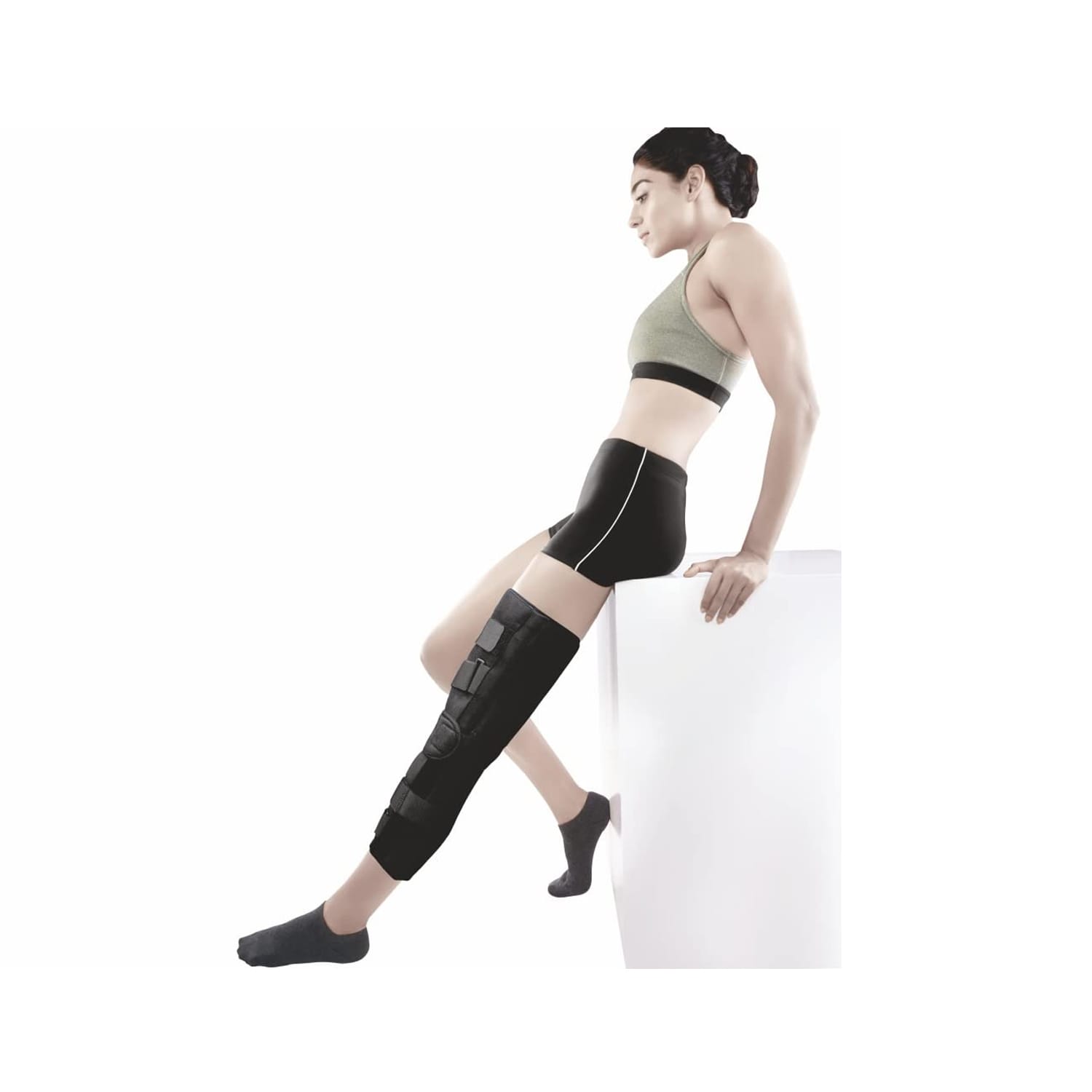
Immobilization: Knee braces or knee support wraps, to prevent further strain.
Physiotherapy: Helps rebuild strength, improve joint flexibility, and correct imbalances.
Supportive Devices: Walking sticks or crutches to reduce weight on the injured knee.
Supplements: Glucosamine, MSM, chondroitin, and collagen peptides to support cartilage repair.
Injections (in some cases): Corticosteroids or hyaluronic acid for inflammation or lubrication.
Surgery (for severe cases): ACL reconstruction, meniscus repair, or total knee replacement.
Preventing Knee Injury
Strengthen Surrounding Muscles: Strong quadriceps, hamstrings, and glutes protect the knee.
Warm-Up & Cool-Down: Always stretch and mobilize before/after physical activity.
Wear Proper Footwear: Choose supportive, shock-absorbing shoes for your activity.
Practice Correct Form: Especially during sports, lifting, or exercising.
Use Knee Braces (if needed): During high-risk activities or recovery phase.
Maintain Healthy Weight: Reduces unnecessary load on the joints.
Avoid Sudden Changes in Activity Intensity: Gradually build endurance and strength.
Complications of Untreated Knee Injury
Chronic Pain or Stiffness
Joint Instability or Repeated Dislocations
Permanent Cartilage Damage
Early Onset of Osteoarthritis
Reduced Range of Motion
Muscle Atrophy Around the Knee
Need for Surgical Intervention Later
Specialist to Consult for Knee Injury
Orthopedic Surgeon: For assessment and advanced treatment.
Physiotherapist: For recovery exercises and rehabilitation.
Sports Medicine Specialist: For athletic-related injuries.
Rheumatologist: If underlying arthritis or autoimmune cause is suspected.
FAQ
1. How do you treat a knee injury?
Treatment depends on the severity. Mild knee injuries may improve with rest, ice, compression, elevation (R.I.C.E), pain relief medicines, and physiotherapy. Moderate to severe injuries may require braces, injections, or surgery in cases of ligament tears or cartilage damage.
2. How can you tell if a knee injury is serious?
A knee injury may be serious if there is severe pain, swelling, inability to bear weight, visible deformity, instability, or locking of the knee. Persistent pain or worsening symptoms after a few days should be medically evaluated.
3. What are the four common types of knee injuries?
The four main types include ligament injuries (ACL, PCL, MCL), meniscus tears, tendon injuries (patellar tendon), and fractures or cartilage damage.
4. Does a knee injury heal on its own?
Minor strains or sprains may heal with rest and care. However, ligament tears, meniscus injuries, or ongoing pain usually require medical treatment and physiotherapy for proper recovery.
United Medicare