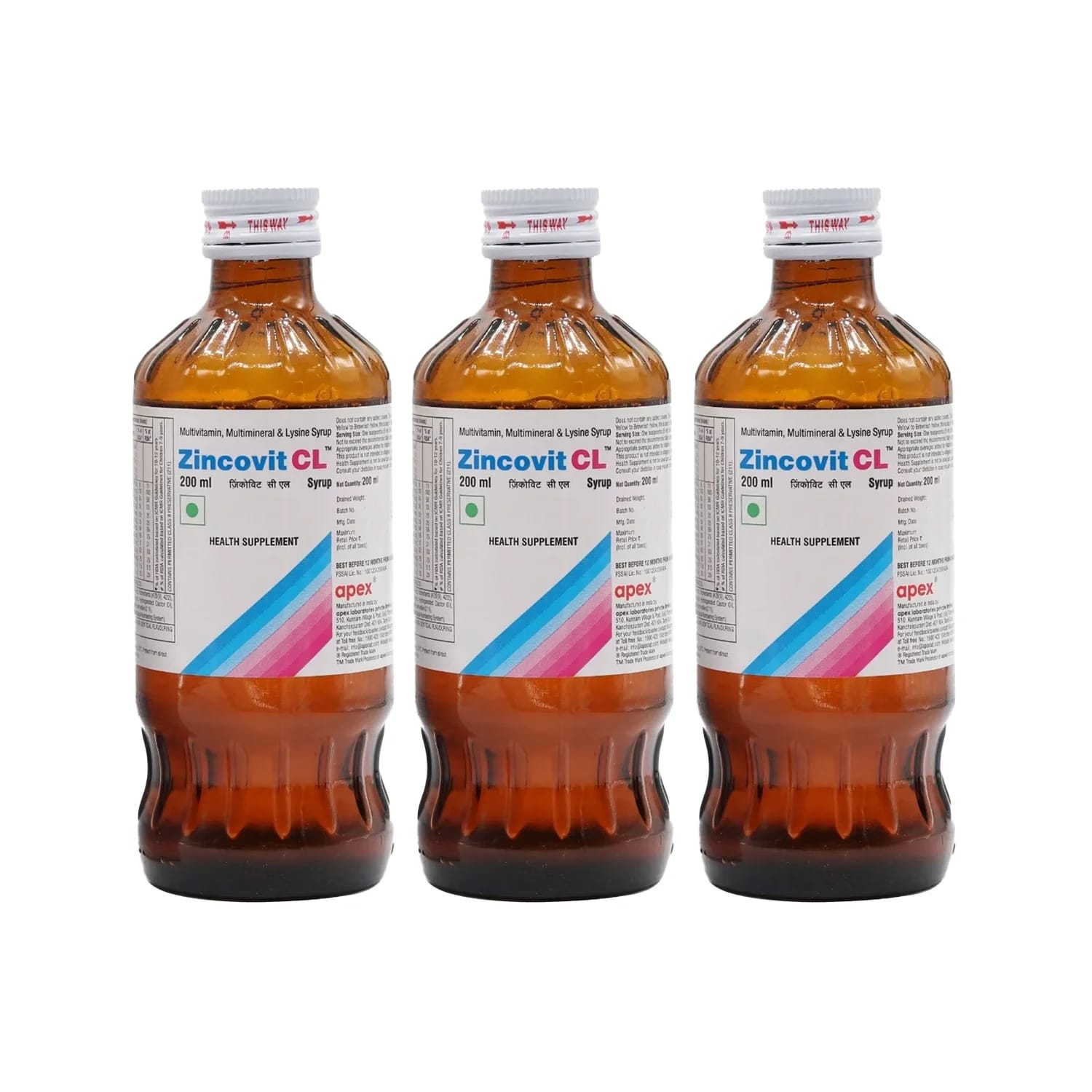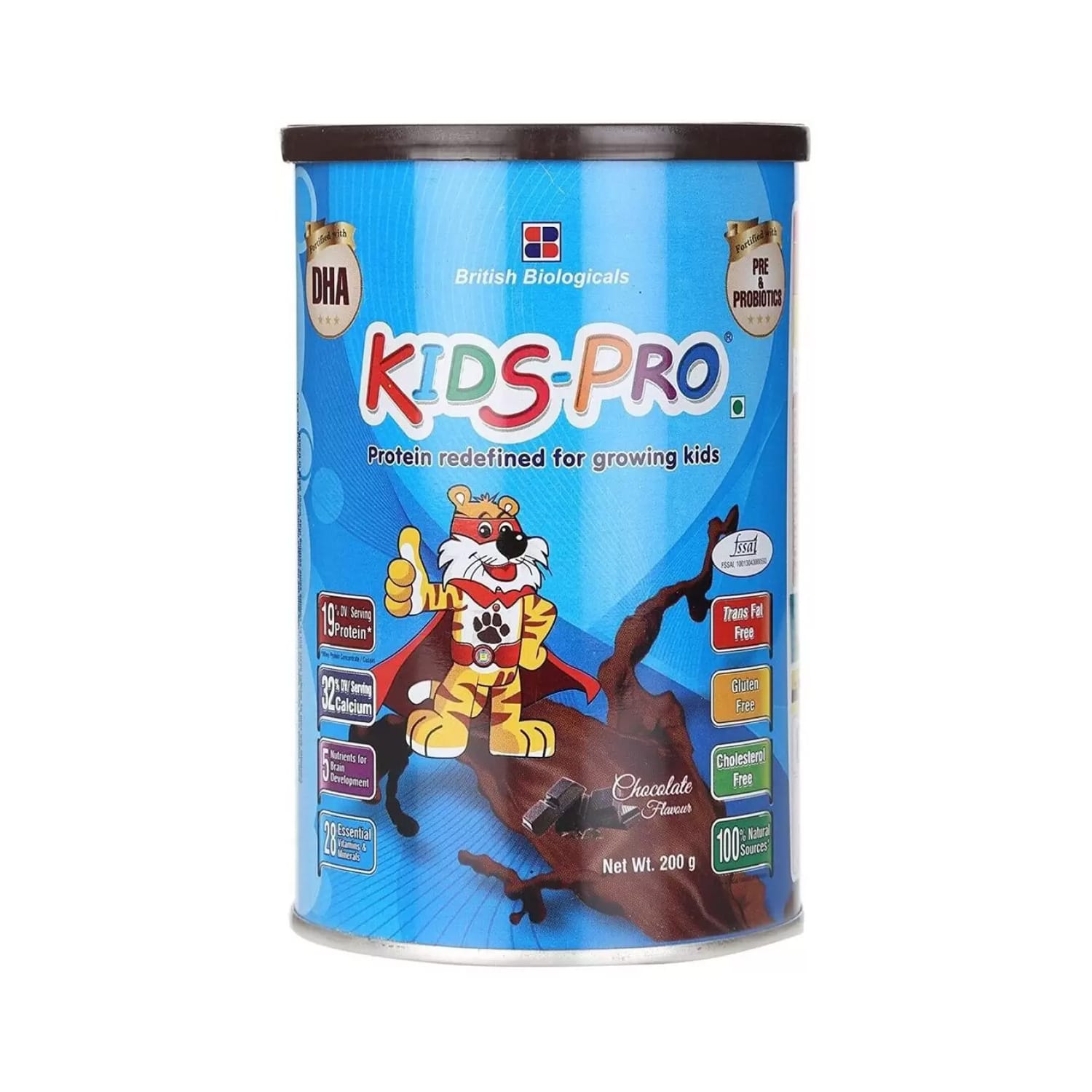


Bestseller
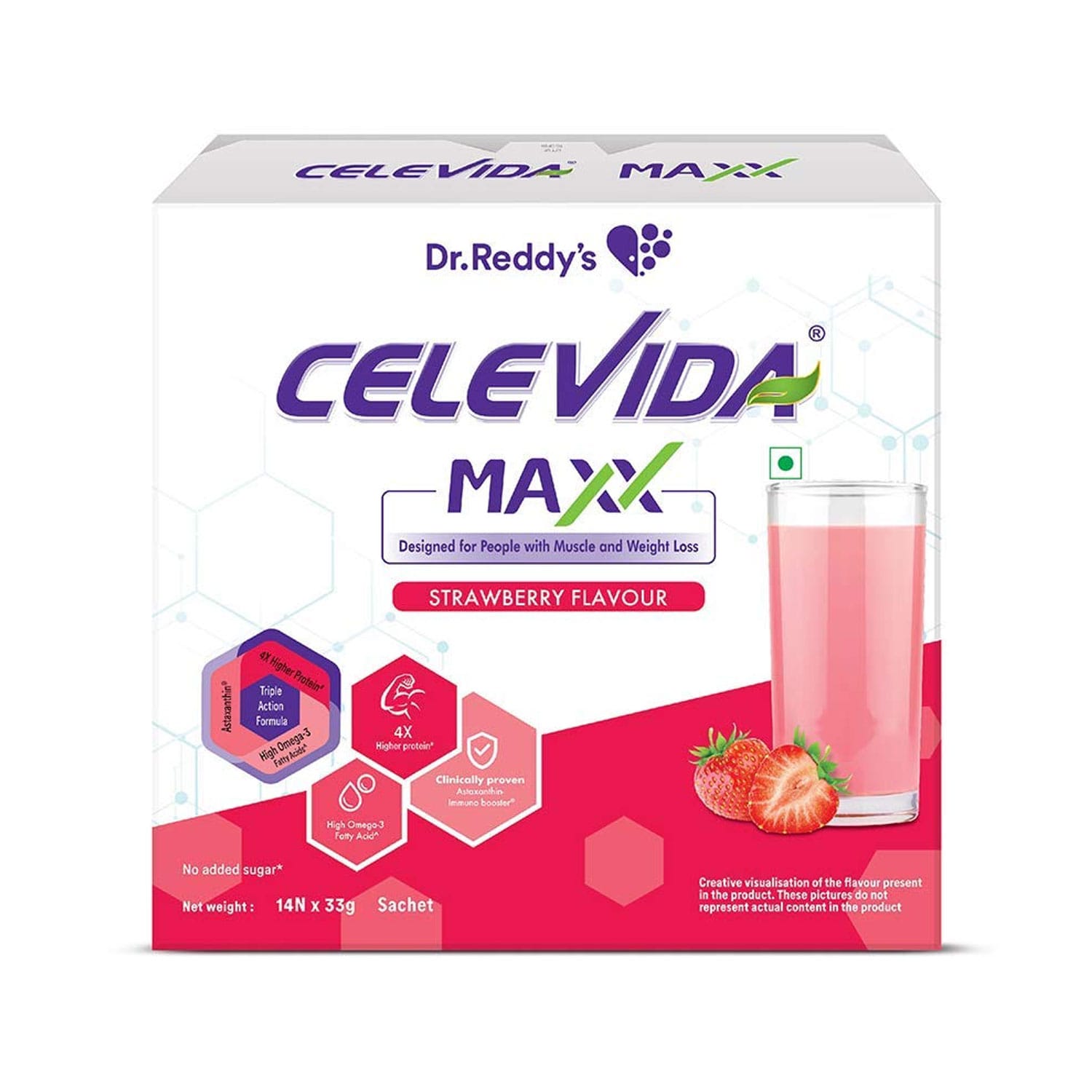
Celevida Maxx High Protein and Immunity Supplement for Muscle Health Strawberry Flavour (14 sachets x 33g)
Dr Reddys
₹1,9268% off₹2,093
Immunity refers to the body’s natural defense system that protects against infections, viruses, bacteria, and other harmful pathogens. A strong immune system helps the body recognize and fight illness effectively, while a weakened immune system increases susceptibility to frequent infections and slower recovery. Immunity is influenced by nutrition, lifestyle, stress levels, sleep quality, age, and underlying health conditions.
Causes of Weak Immunity
Poor Nutrition: Lack of essential vitamins and minerals such as vitamin C, D, zinc, and iron.
Chronic Stress: Prolonged stress weakens immune response.
Lack of Sleep: Inadequate sleep reduces the body’s ability to fight infections.
Sedentary Lifestyle: Limited physical activity lowers immune efficiency.
Frequent Infections or Illness: Recurrent illnesses can weaken immunity over time.
Smoking and Excess Alcohol Intake: Suppresses immune cell function.
Aging: Natural decline in immune response with increasing age.
Underlying Medical Conditions: Diabetes, autoimmune disorders, or chronic diseases.
Symptoms of Low Immunity
Frequent colds, flu, or infections
Slow wound healing
Persistent fatigue or low energy levels
Digestive issues such as bloating or diarrhea
Recurrent skin infections or rashes
Difficulty recovering from illnesses
Increased susceptibility to seasonal infections
Diagnosis of Immune Health
Medical History Evaluation: Frequency of infections and recovery patterns
Blood Tests: Complete blood count (CBC), vitamin D, iron, and zinc levels
Inflammatory Markers: To assess immune response
Allergy or Autoimmune Screening (if required)
Nutritional Assessment: To identify deficiencies affecting immunity
Treatment & Support for Immunity
Balanced Diet: Rich in fruits, vegetables, proteins, and whole grains
Immunity Supplements: Vitamin C, vitamin D, zinc, probiotics, and herbal extracts as advised
Adequate Sleep: 7–9 hours of quality sleep daily
Stress Management: Yoga, meditation, or relaxation techniques
Regular Physical Activity: Moderate exercise boosts immune response
Hydration: Helps maintain optimal cellular function
Avoid Smoking & Limit Alcohol Consumption
Preventing Low Immunity
Maintain a nutrient-rich diet
Practice good hygiene
Stay physically active
Get adequate rest and sleep
Manage stress effectively
Stay up to date with vaccinations
Avoid excessive junk food and sugar intake
Complications of Untreated Low Immunity
Frequent and severe infections
Prolonged recovery from illnesses
Increased risk of chronic diseases
Poor wound healing
Reduced energy and productivity
Higher susceptibility to viral and bacterial infections
Specialist to Consult for Immunity Issues
General Physician: Initial evaluation and guidance
Immunologist: For immune-related disorders
Nutritionist/Dietitian: For correcting nutritional deficiencies
Endocrinologist: If hormonal or metabolic issues affect immunity
FAQs
1. What is the best supplement for the immune system?
There is no single best supplement for everyone. Common immune-supporting supplements include vitamin C, vitamin D, zinc, probiotics, and herbal ingredients. The choice depends on individual needs and deficiencies.
2. How can immunity be increased quickly?
Immunity can be supported quickly through adequate sleep, hydration, nutrient-rich foods, stress reduction, and correcting vitamin deficiencies. Supplements may help but work best with healthy habits.
3. What are 5 signs of a weak immune system?
Frequent infections, constant fatigue, slow wound healing, repeated colds or flu, and digestive problems are common signs of weak immunity.
4. Do immune supplements actually work?
Immune supplements can support immune function, especially in people with deficiencies, but they do not replace a healthy diet, lifestyle, or medical treatment when needed.
Dr Reddys
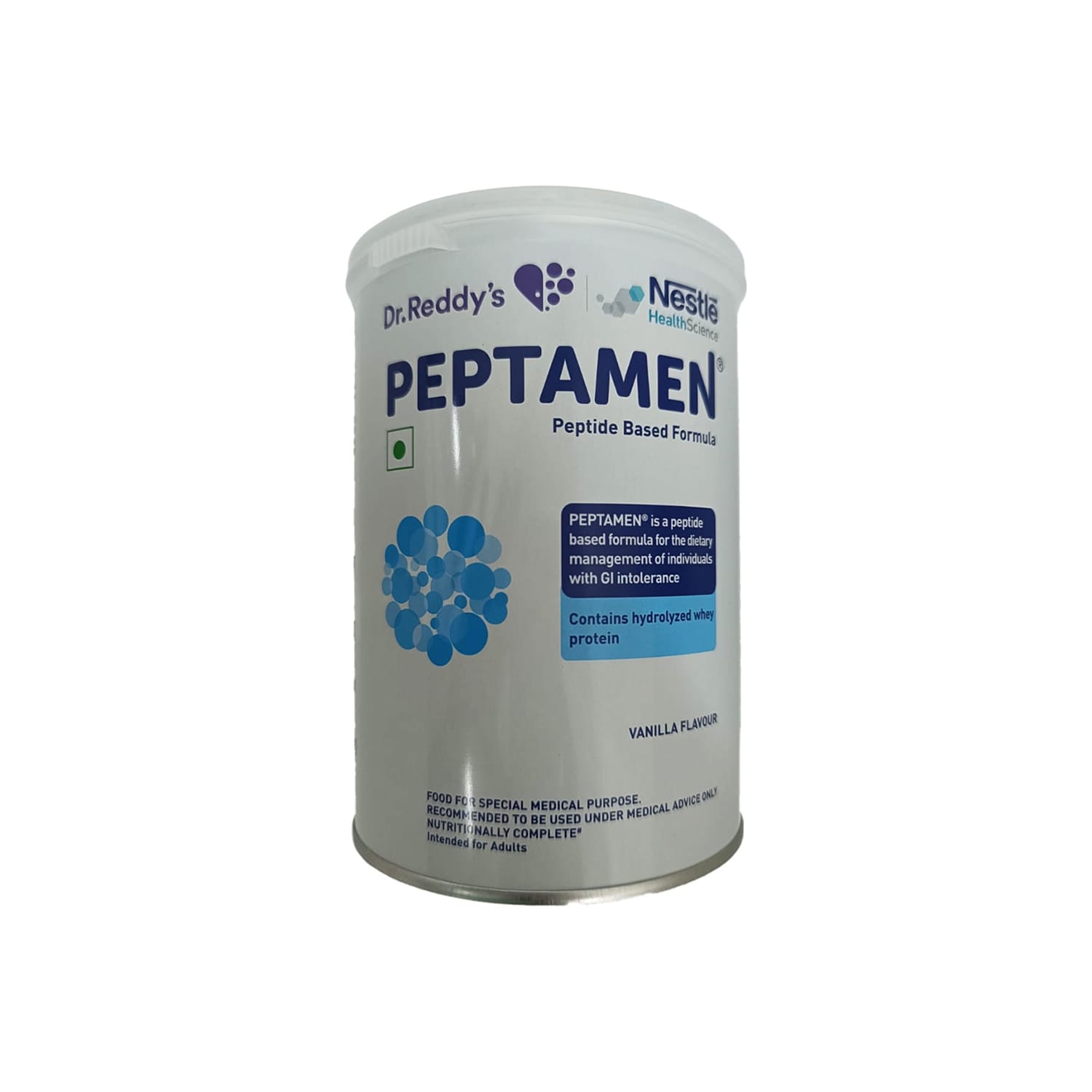
Nestle Health Science
GMN Healthcare
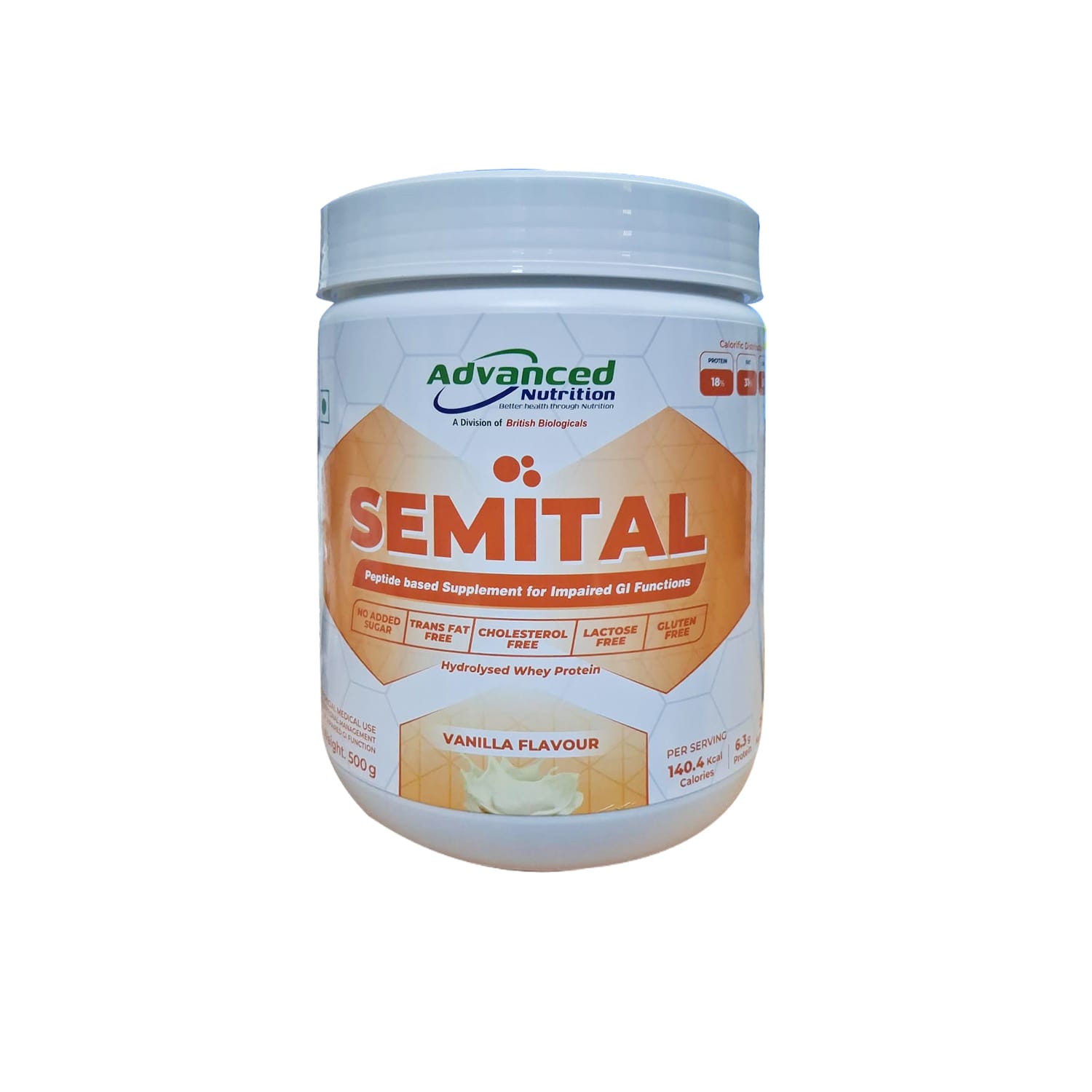
British Biologicals