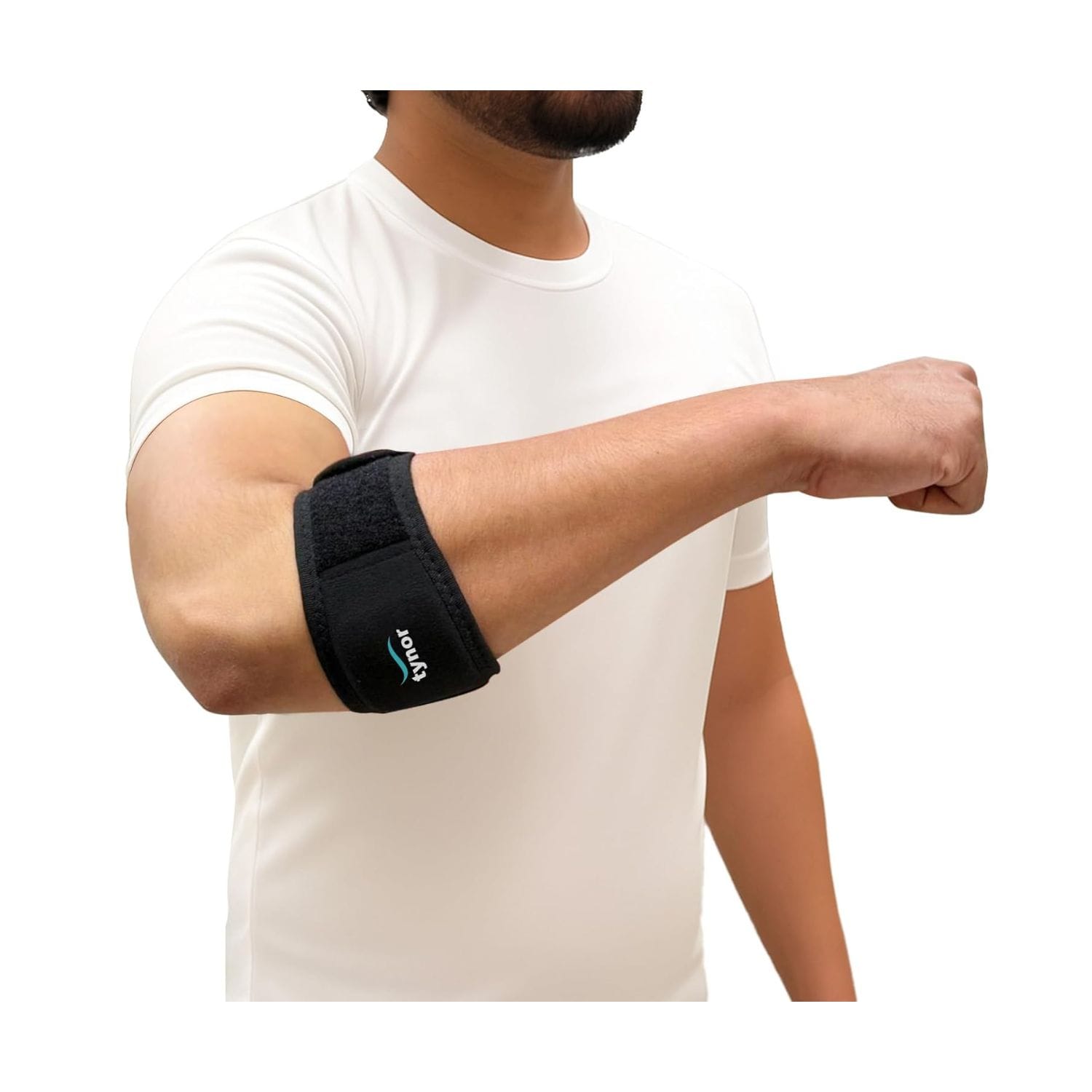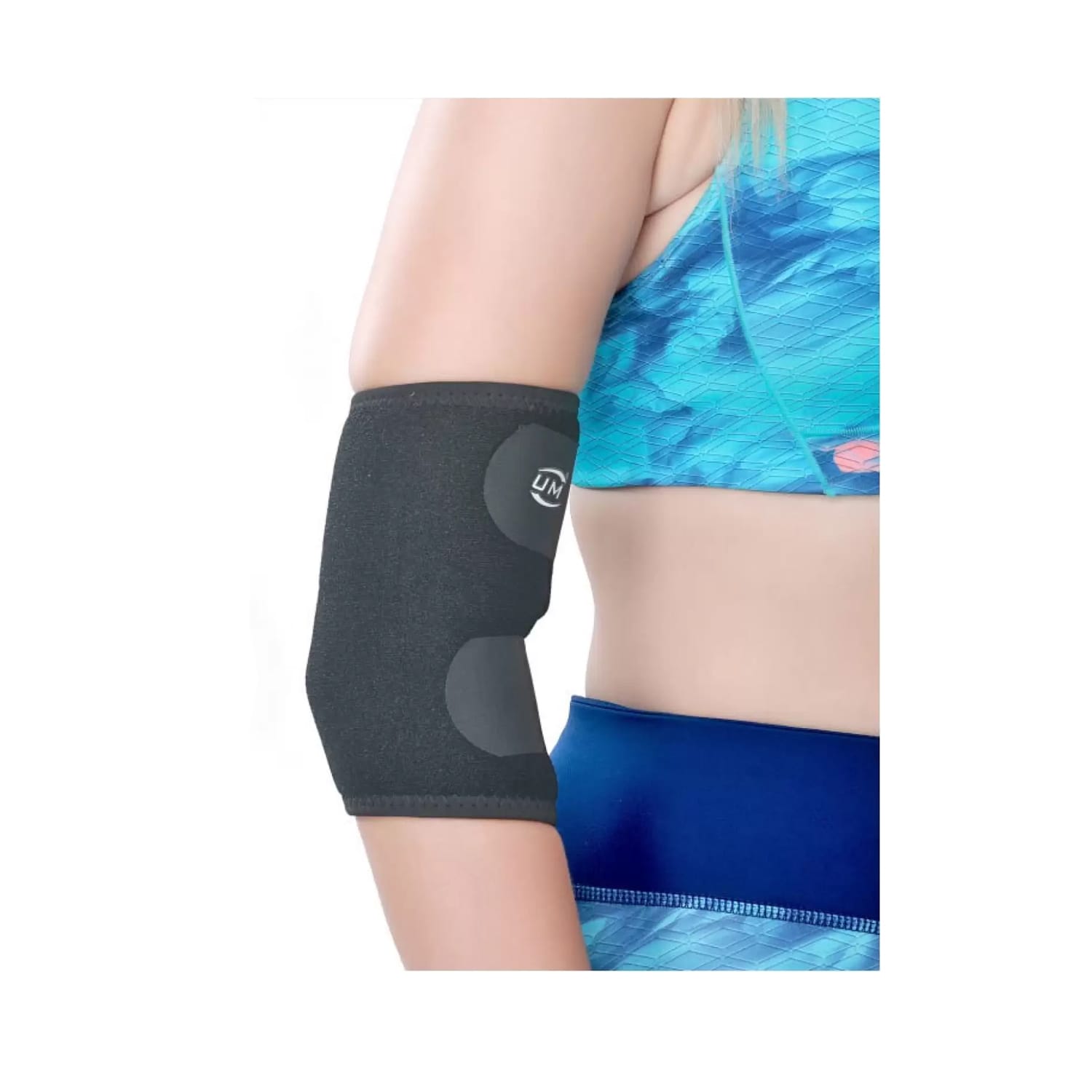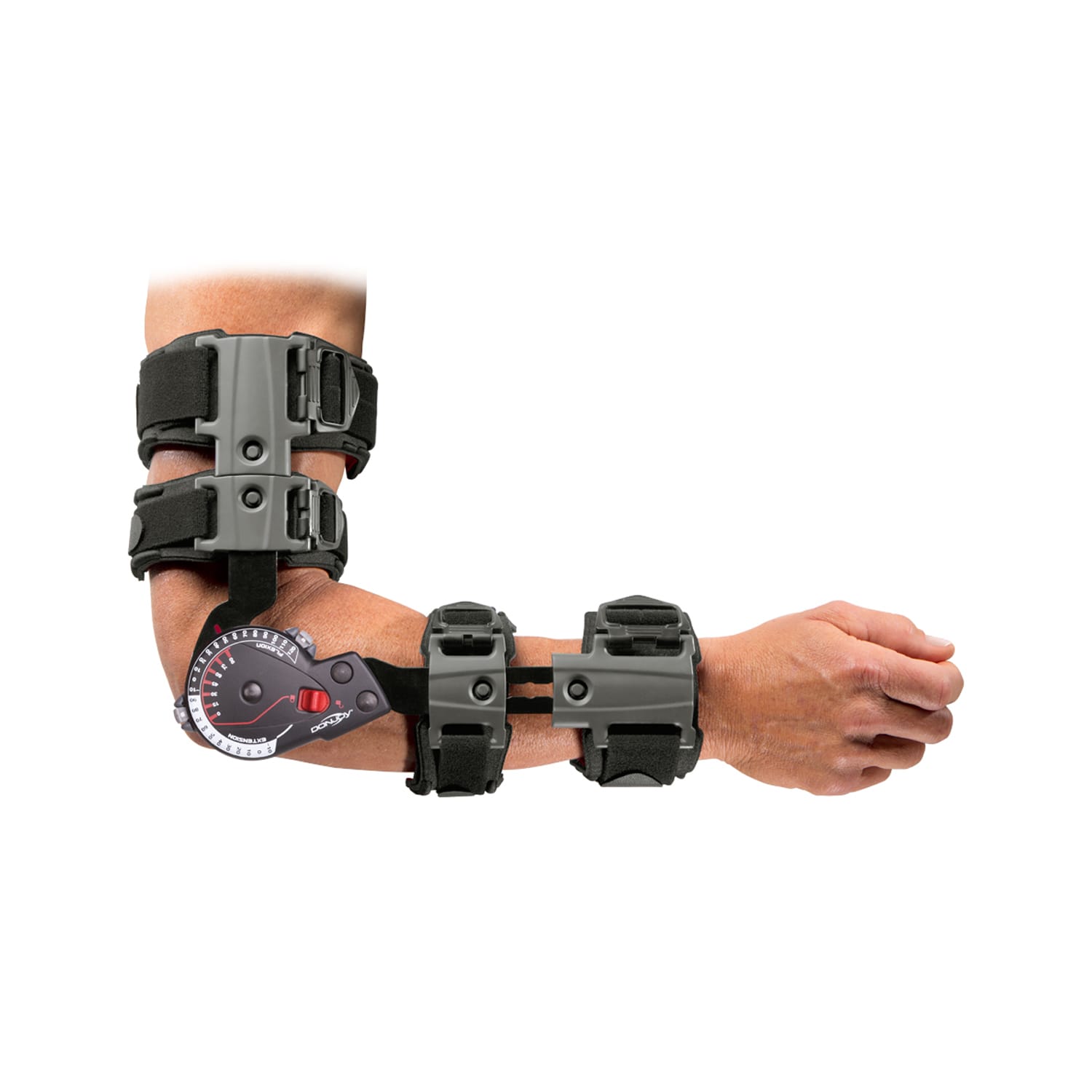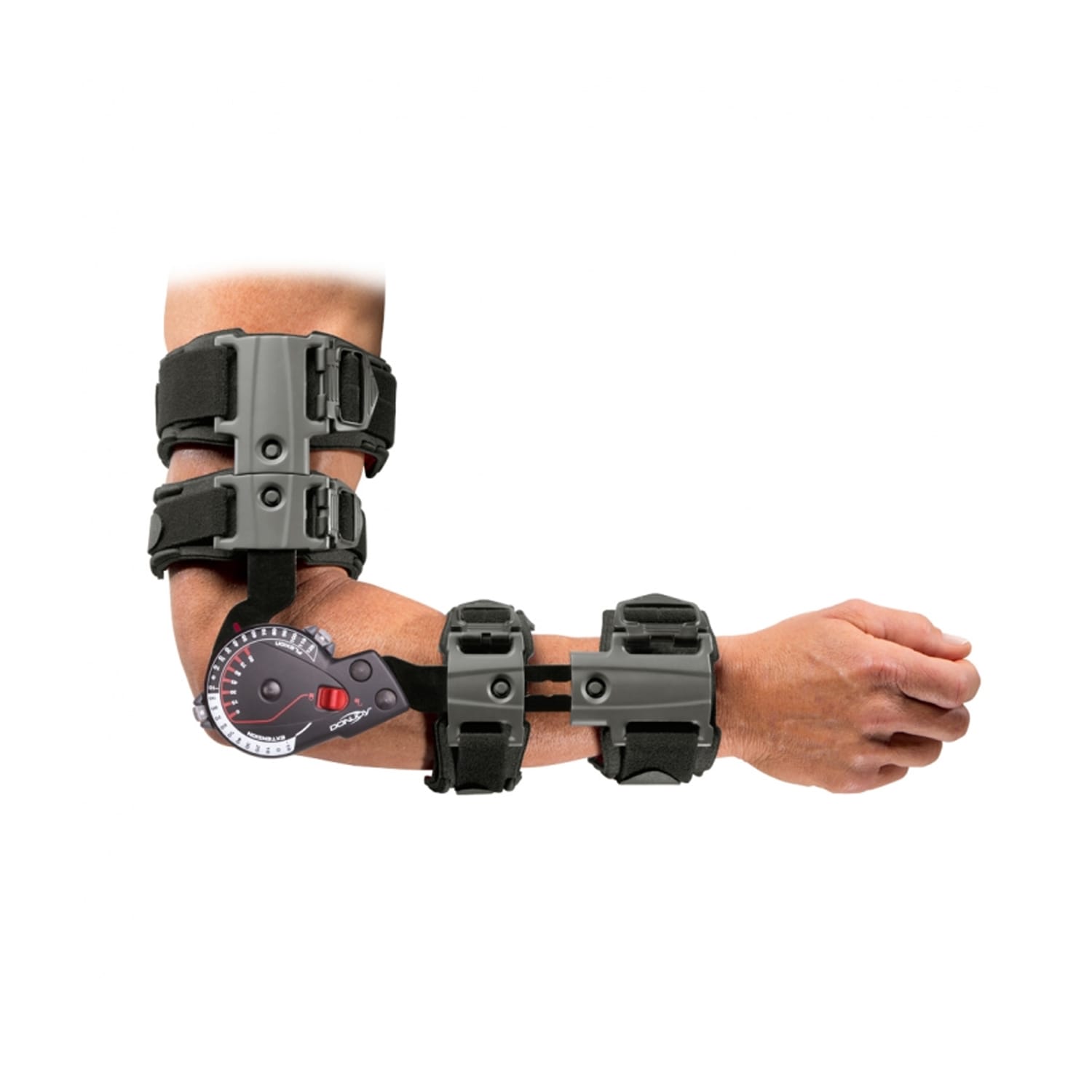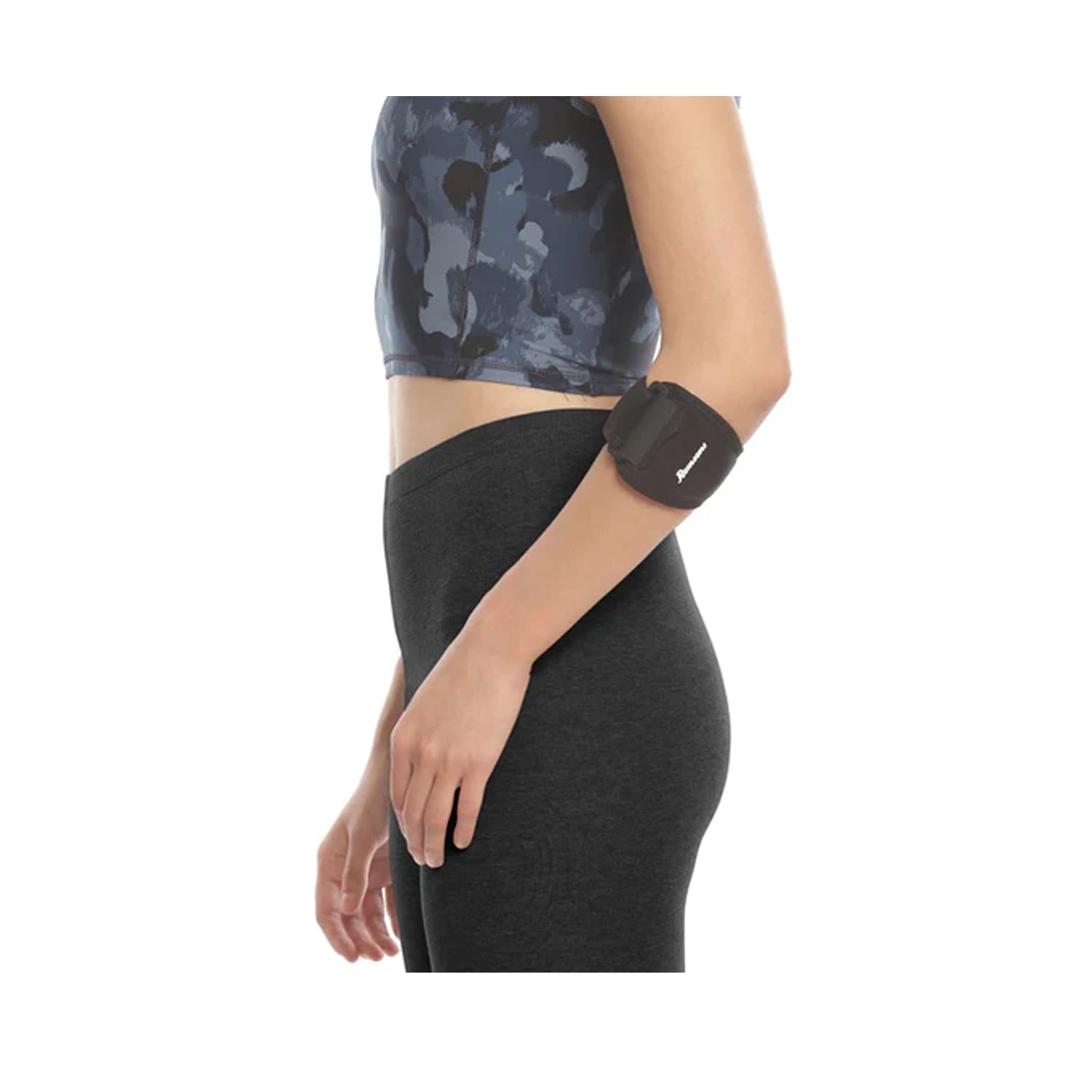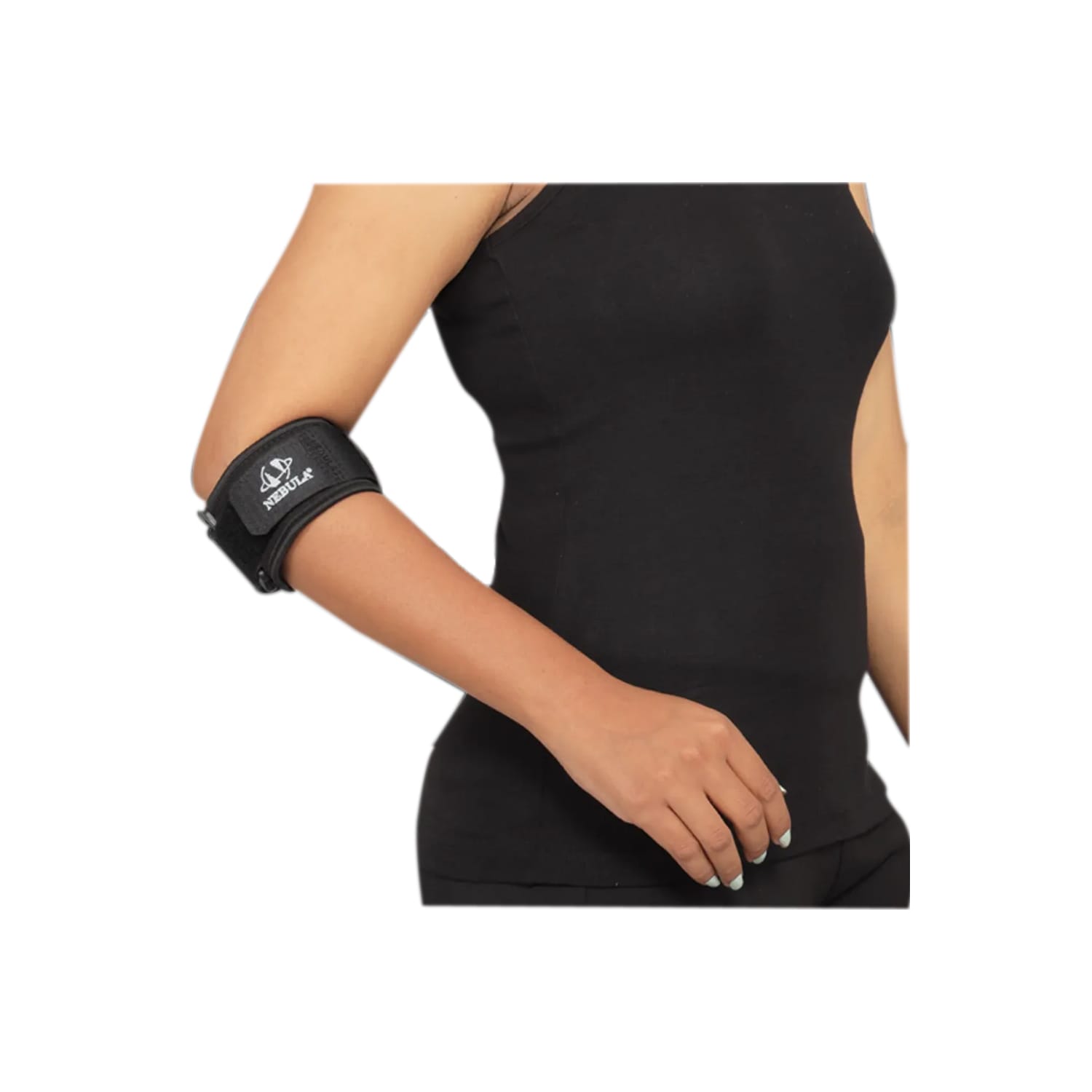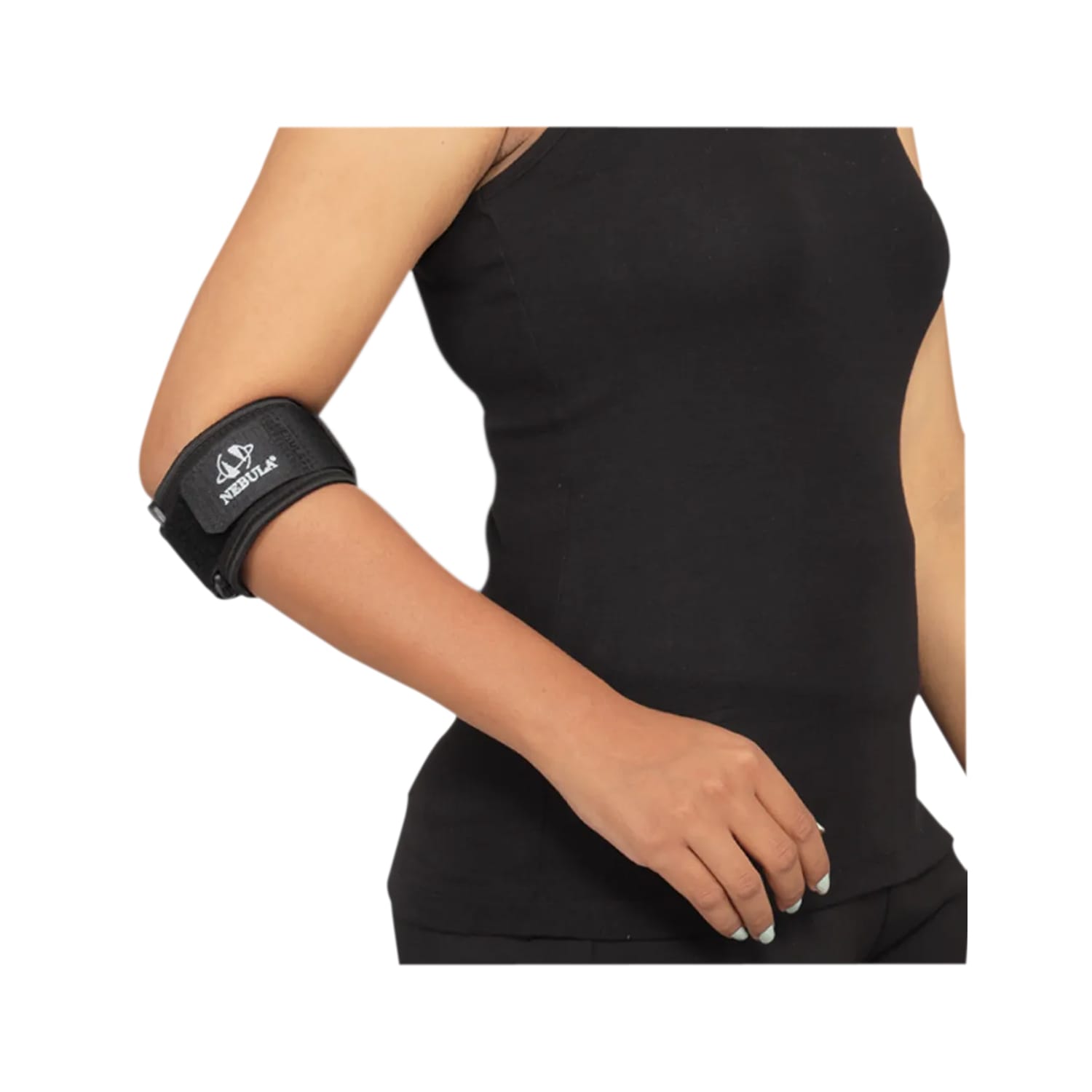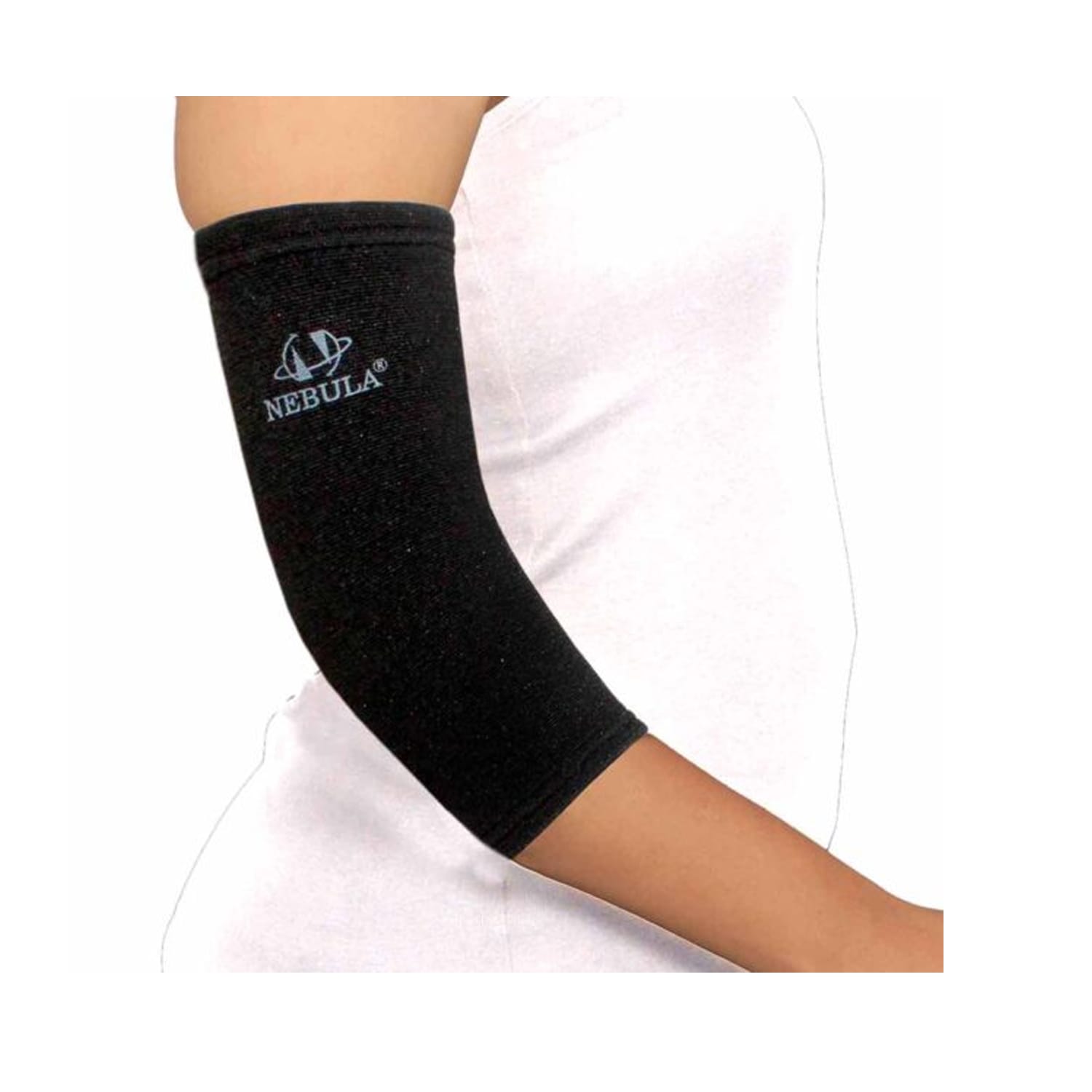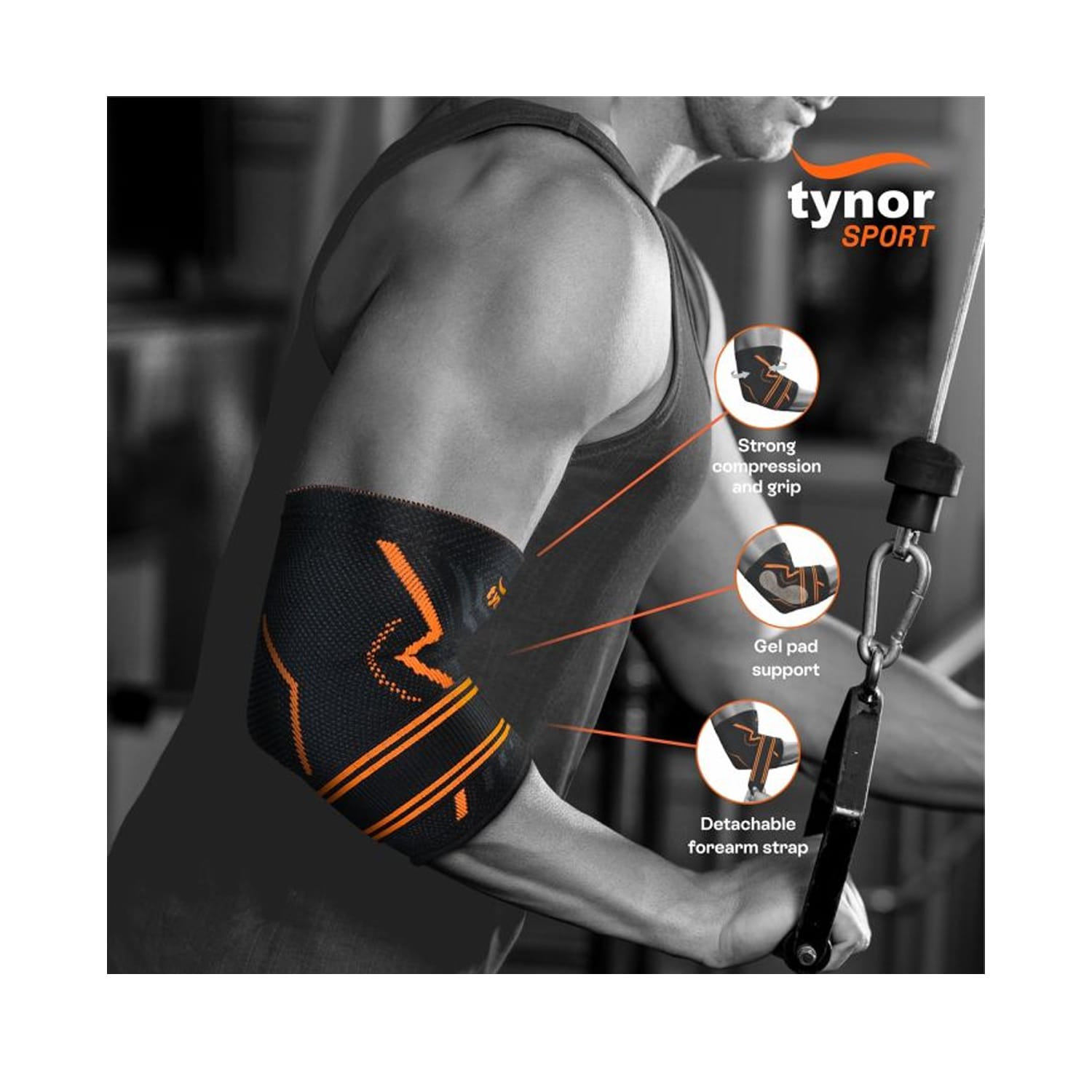



United Medicare Elbow Support Pro 2N (1Pair) (G-15) - Small
United Medicare
₹29315% off₹345
Elbow and radius–ulna injuries involve damage to the bones, joints, ligaments, tendons, or surrounding soft tissues of the forearm and elbow. These injuries commonly occur due to falls, sports trauma, road accidents, or overuse. Because the elbow joint and forearm bones play a key role in lifting, rotation, and daily activities, timely diagnosis and treatment are essential to restore movement and prevent long-term stiffness or deformity.
Causes of Elbow & Radius–Ulna Injuries
Falls on an Outstretched Hand: A common cause leading to elbow dislocation or radius–ulna fractures.
Sports Injuries: Direct impact, twisting, or repetitive strain during activities like cricket, tennis, or weightlifting.
Road Traffic Accidents: High-energy trauma causing fractures of the radius or ulna.
Overuse or Repetitive Stress: Conditions such as tennis elbow or golfer’s elbow.
Direct Blow or Trauma: Causing bone fractures or soft tissue injury.
Osteoporosis: Weak bones increasing fracture risk, especially in older adults.
Symptoms of Elbow & Radius–Ulna Injuries
Pain around the elbow or forearm
Swelling and tenderness
Difficulty bending or straightening the elbow
Pain during forearm rotation
Deformity in case of fractures
Weakness or reduced grip strength
Diagnosis of Elbow & Radius–Ulna Injuries
Clinical Examination: Assessment of pain, swelling, range of motion, and stability.
X-ray: To identify fractures or dislocations of the elbow, radius, or ulna.
CT Scan: For complex fractures involving the joint surface.
MRI: To evaluate ligament, tendon, or cartilage injury.
Nerve and Vascular Assessment: To rule out nerve damage or compromised blood flow.
Treatment of Elbow & Radius–Ulna Injuries
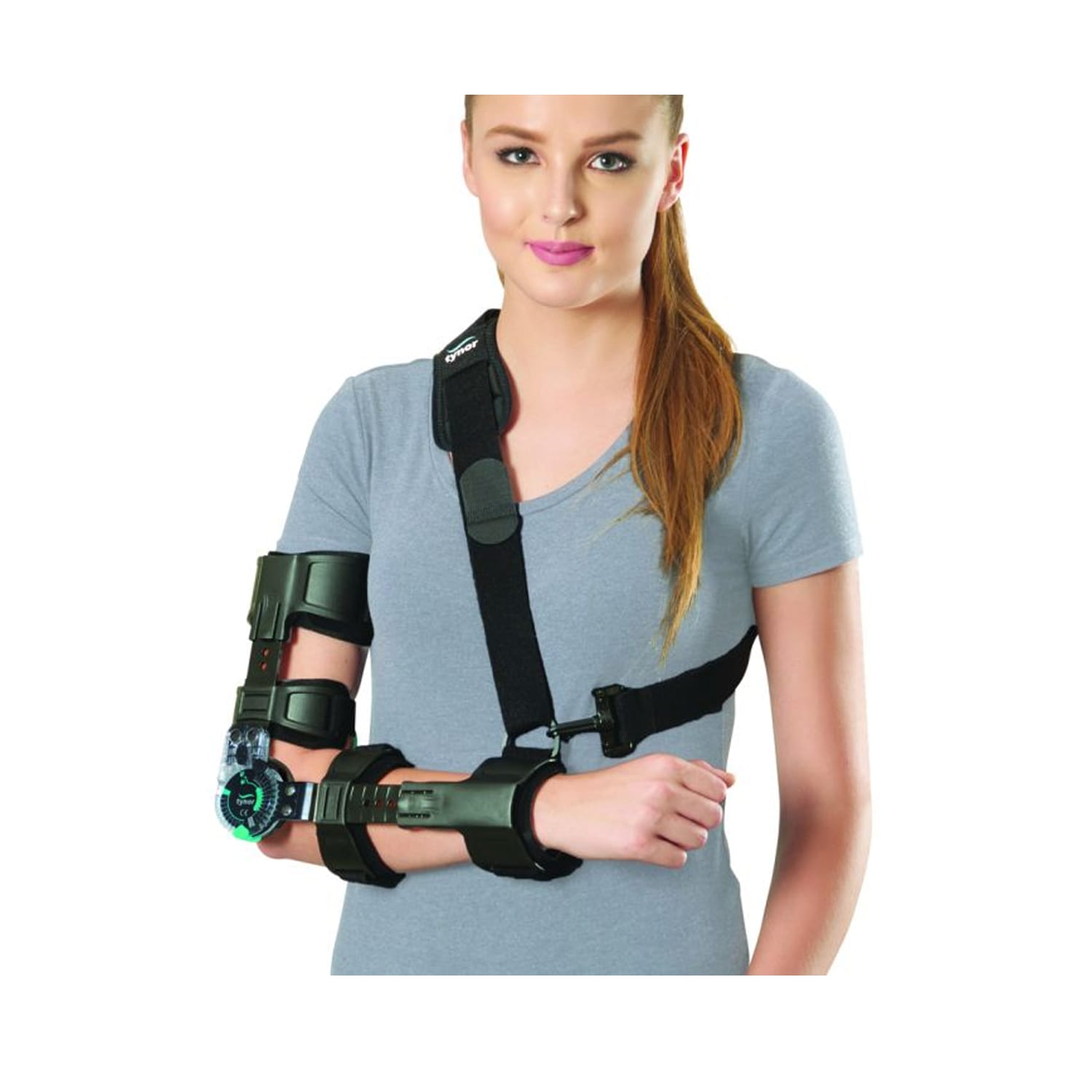
Immobilisation: Use of splints, slings, or casts to allow healing.
Pain Management: Medications and cold therapy to reduce pain and swelling.
Physiotherapy: Exercises to restore movement, strength, and flexibility.
Surgical Treatment: Required for displaced fractures, joint instability, or nerve injury.
Bone Health Support: Calcium and vitamin D supplementation when indicated.
Preventing Elbow & Radius–Ulna Injuries
Use protective gear during sports
Maintain good bone health with proper nutrition
Avoid repetitive strain without rest
Use correct techniques during lifting or sports
Prevent falls, especially in older adults
Complications of Untreated Elbow & Radius–Ulna Injuries
Chronic pain or stiffness
Reduced range of motion
Malunion or non-union of fractures
Nerve injury
Permanent functional limitation
Specialist to Consult for Elbow & Radius–Ulna Injuries
Orthopaedic Surgeon: For fracture management and surgical care.
Physiotherapist: For rehabilitation and functional recovery.
FAQ
1. What is a radius–ulna fracture?
It is a break in one or both forearm bones, usually caused by falls, sports injuries, or trauma.
2. How long does an elbow fracture take to heal?
Healing usually takes 6–12 weeks depending on the severity, age, and treatment approach. Bone health supplements such as calcium and vitamin D products available on Cureka may support bone healing when used under medical advice.
3. Can elbow injuries heal without surgery?
Minor fractures and soft tissue injuries may heal with immobilisation and physiotherapy. Supportive braces and slings available on Cureka can help stabilise the joint during recovery.
4. What exercises help after elbow injury?
Range-of-motion and strengthening exercises prescribed by a physiotherapist help restore movement and strength.
5. When should I see a doctor for elbow pain?
If pain, swelling, deformity, or restricted movement persists after an injury, medical evaluation is required.